


Primary sourcePainting1842
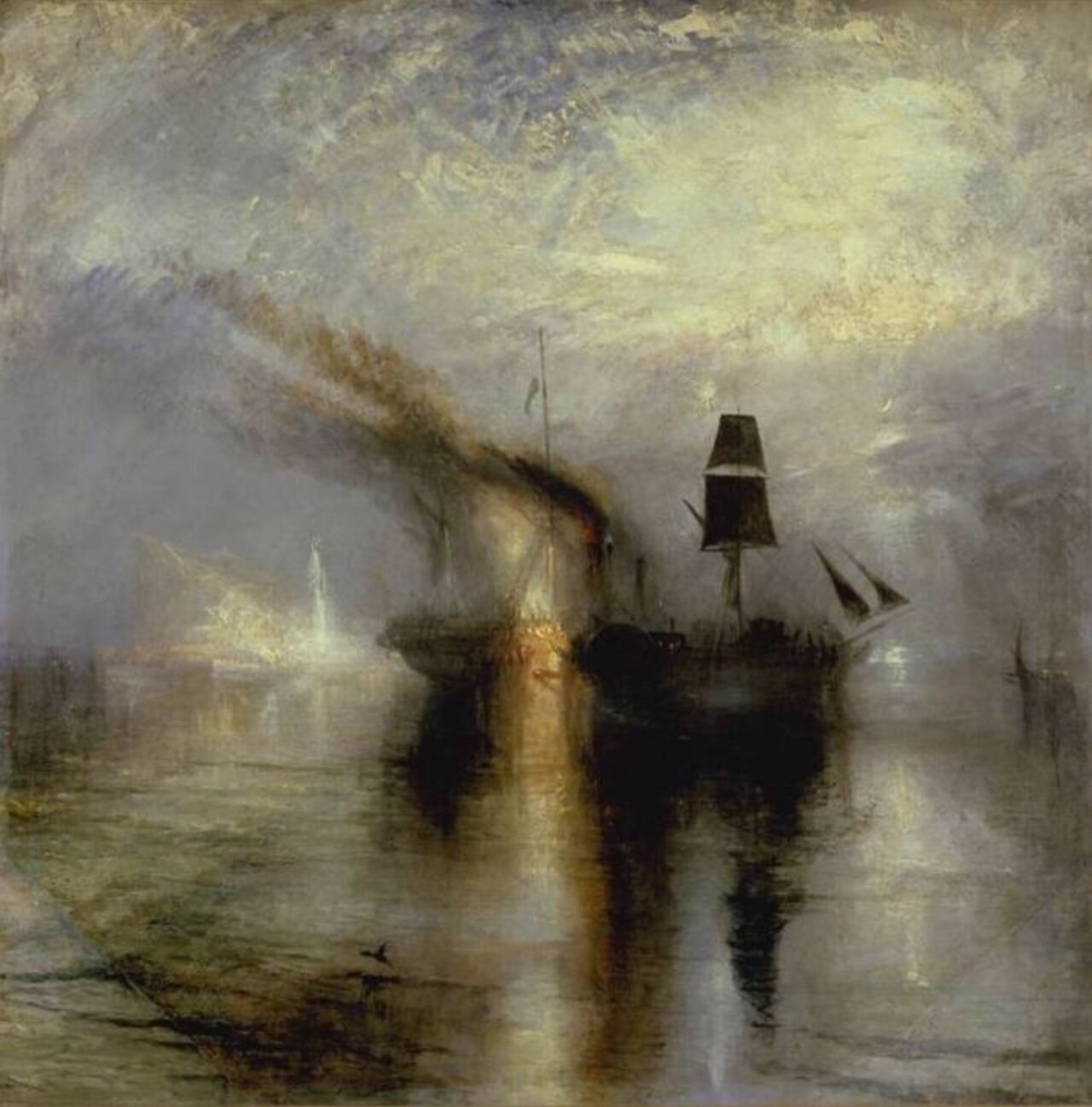
Peace – Burial at Sea
J. M. W. Turner · 1842
Turner's 1842 painting memorialising his friend, the painter David Wilkie, who died at sea and was buried there.
Turner's personal tribute to his friend David Wilkie, showing his use of colour to express private grief.
About this source
What it is
This oil painting by J. M. W. Turner, first exhibited in 1842, is a memorial to his friend, the Scottish painter Sir David Wilkie, who died of typhoid while returning from the Middle East. Because officials feared disease, Wilkie's body could not come ashore and he was buried at sea instead. The painting is held by Tate as part of the Turner Bequest.
Why it matters
Turner imagined a funeral carriage on the ship's deck, standing in for the public funeral Wilkie never received. It was paired with War. The Exile and the Rock Limpet, contrasting bright warlike colours with this painting's cool blacks, whites and blues. Turner defended the painting's dark sails when criticised, saying he wished they could be even blacker, showing how deliberately he used colour to express mourning.
Look closer
- How does Turner use colour and tone to create a feeling of mourning?
- Why do you think Turner imagined a funeral carriage that was not actually part of the real burial?
- What does this painting suggest about friendship and tribute among artists of the time?
This painting is part of the curated material that grounds the AI version of J. M. W. Turner on Humy.ai — when students ask about related events, the AI can quote it and cite it.
More J. M. W. Turner sources
Browse all 98 →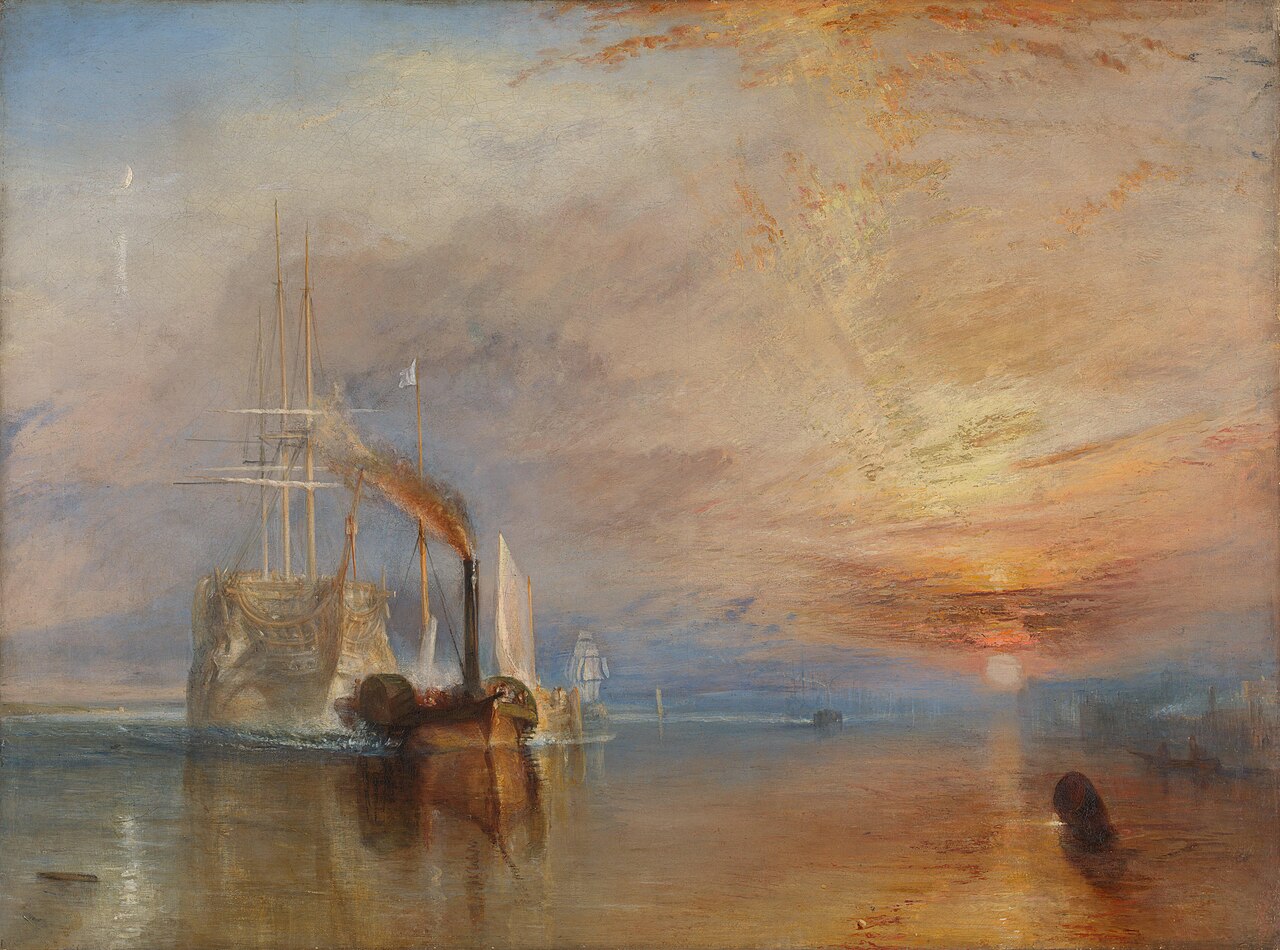 Painting
Primary source
The Fighting Temeraire
J. M. W. Turner · 1839
 Painting
Secondary source
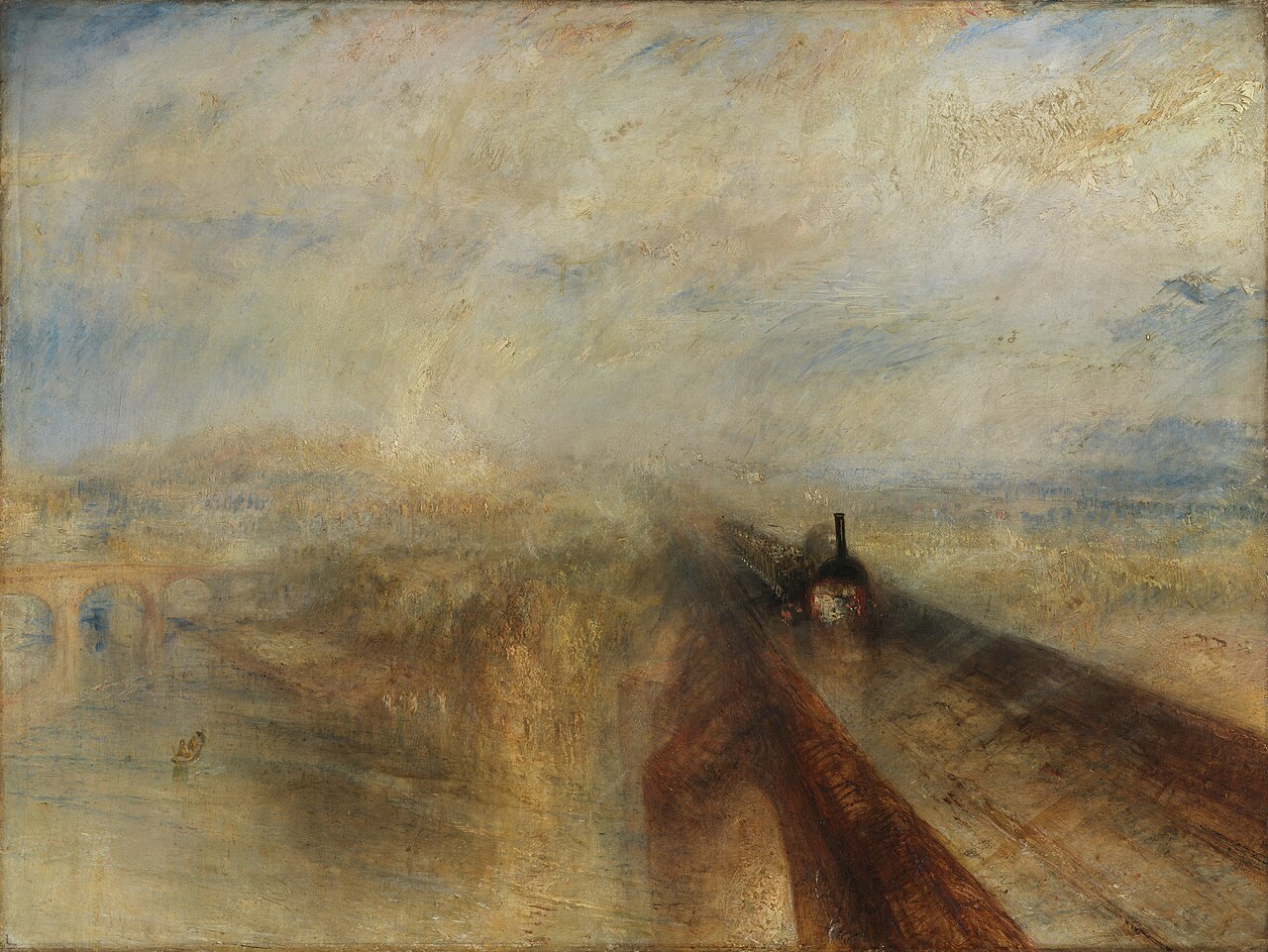
Rain, Steam and Speed – The Great Western Railway
J. M. W. Turner · 1844
 Painting
Secondary source
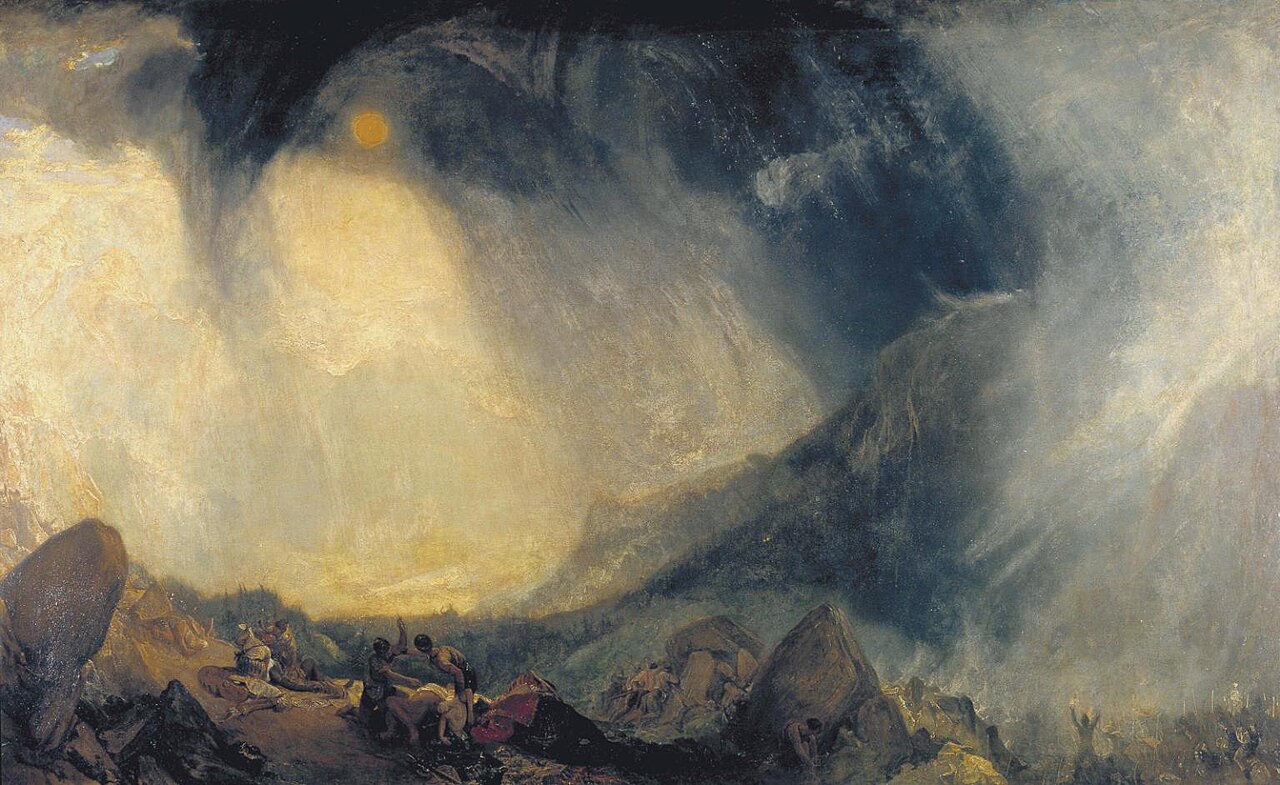
Snow Storm: Hannibal and his Army Crossing the Alps
J. M. W. Turner · 1812
 Painting
Primary source
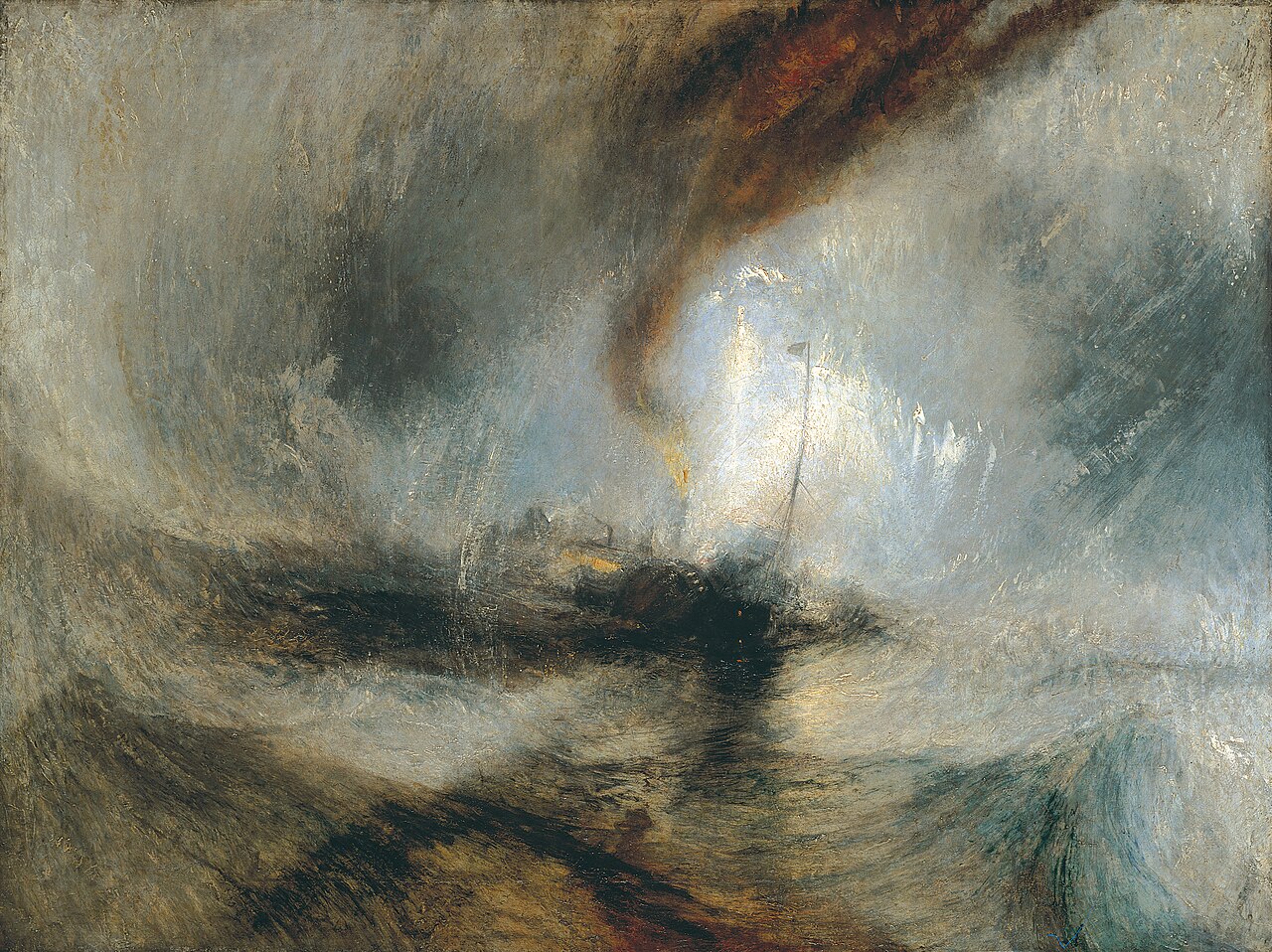
Snow Storm: Steam-Boat off a Harbour's Mouth
J. M. W. Turner · 1842
Free account
Read every J. M. W. Turner source
Sign up free →
Ready when you are
Start chatting with J. M. W. Turner now.
20 messages free · No credit card · Available in 50+ languages.