


Primary sourceDocument23 August 1866
Peace of Prague
Carl Freiherr von Werther; Adolph Maria Freiherr von Brenner-Felsach · 23 August 1866
The 1866 treaty ending the Austro-Prussian War on lenient terms that Bismarck insisted upon.
Bismarck shaped the lenient terms of this treaty, revealing his strategic thinking about managing defeated rivals.
About this source
What it is
The Peace of Prague was signed by the Kingdom of Prussia and the Austrian Empire on 23 August 1866, ending the Austro-Prussian War. Otto von Bismarck persuaded King Wilhelm I to make the terms lenient toward Austria.
Why it matters
The treaty excluded Austria from German affairs and confirmed Prussia as the leading German power, while avoiding humiliating Austria further. This leniency reflected Bismarck's long-term strategy of limiting conflict to secure Prussia's position without creating a lasting enemy, a pattern seen again in his later diplomacy.
Look closer
- Why might Bismarck have chosen leniency over harsher punishment of a defeated enemy?
- What does the treaty's exclusion of Austria tell you about the new shape of Germany?
- How did this treaty set the stage for later events, including the war with France in 1870–71?
This document is part of the curated material that grounds the AI version of Otto von Bismarck on Humy.ai — when students ask about related events, the AI can quote it and cite it.
More Otto von Bismarck sources
Meet the AI Otto von Bismarck →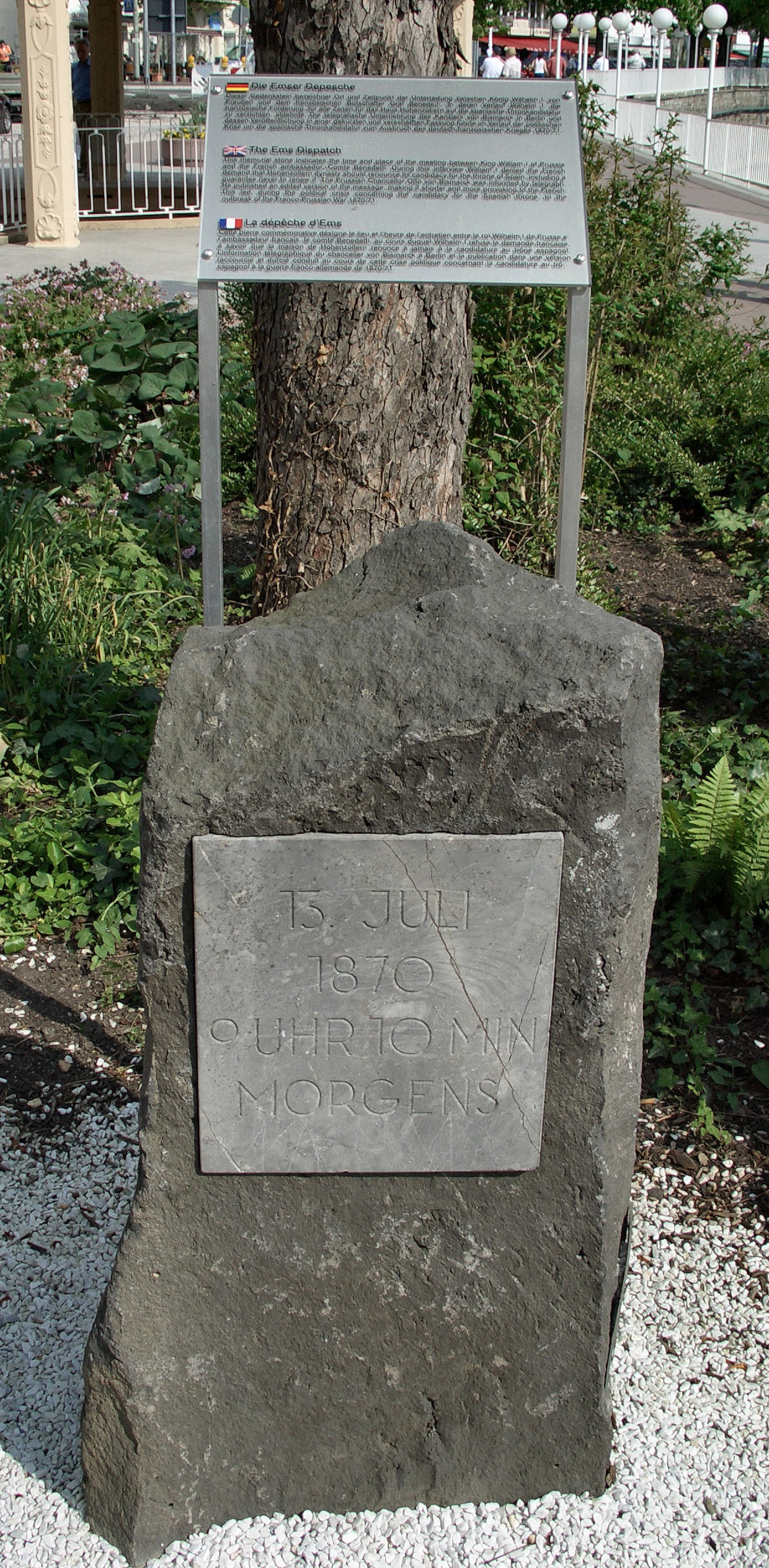 Document
Primary source
Ems Dispatch
Otto von Bismarck · 13 July 1870
 Painting
Secondary source
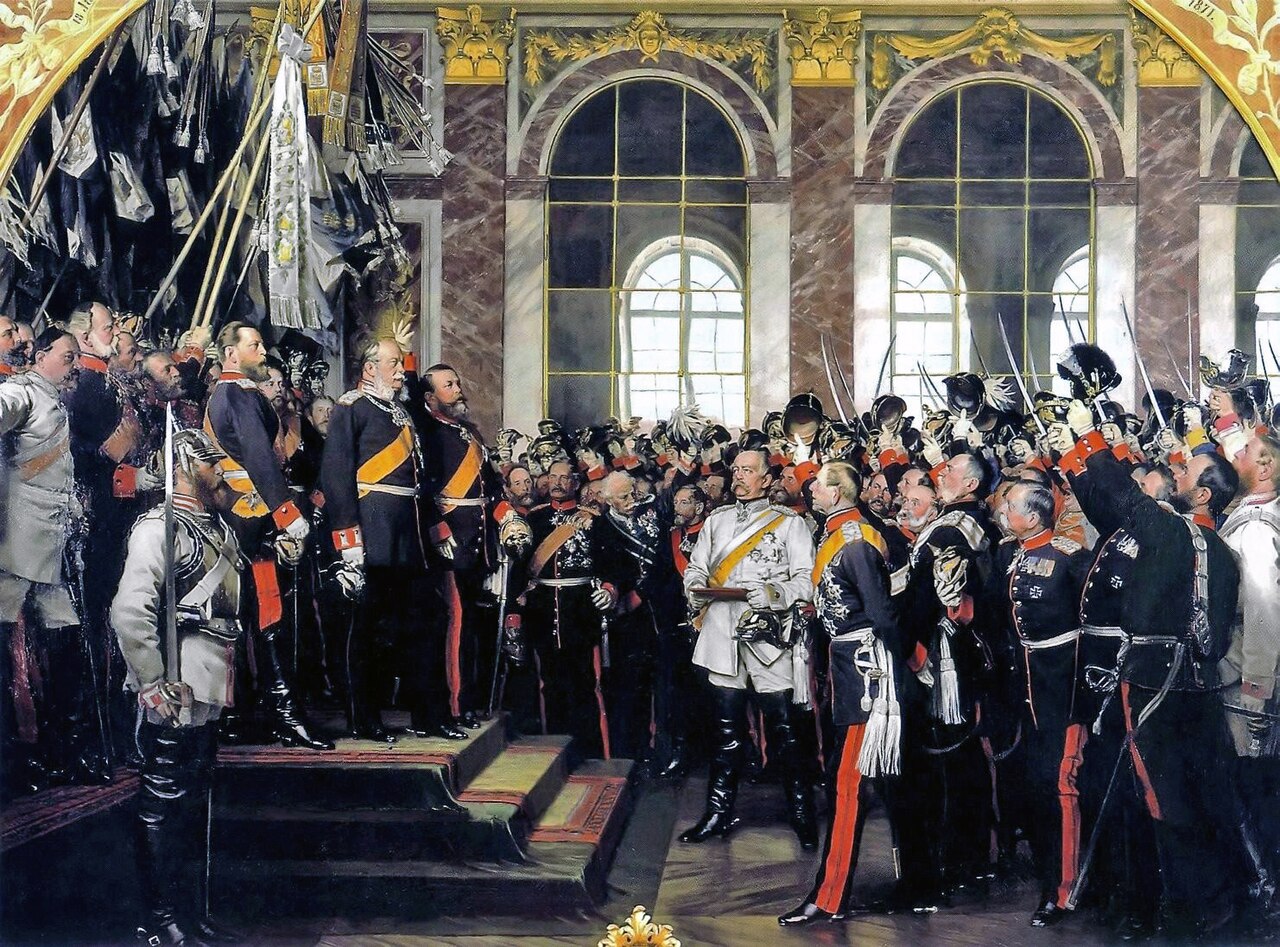
Proclamation of the German Empire at Versailles
Anton von Werner · 1885
 Document
Primary source
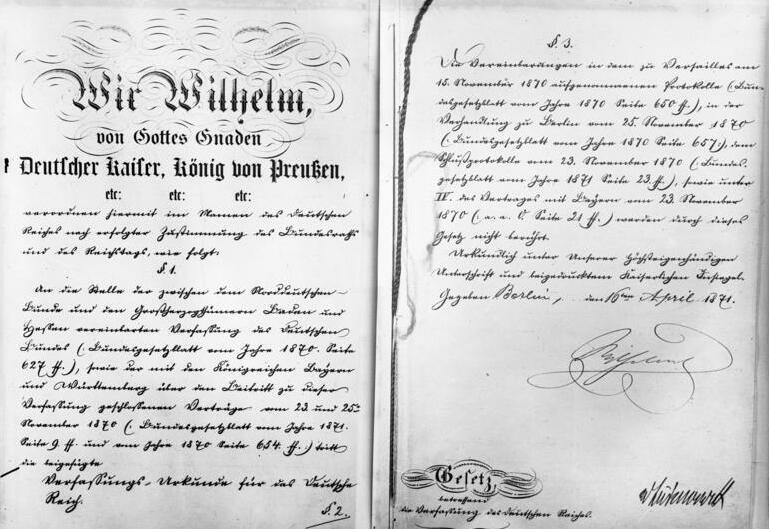
Constitution of the German Empire
4 May 1871
 Painting
Secondary source
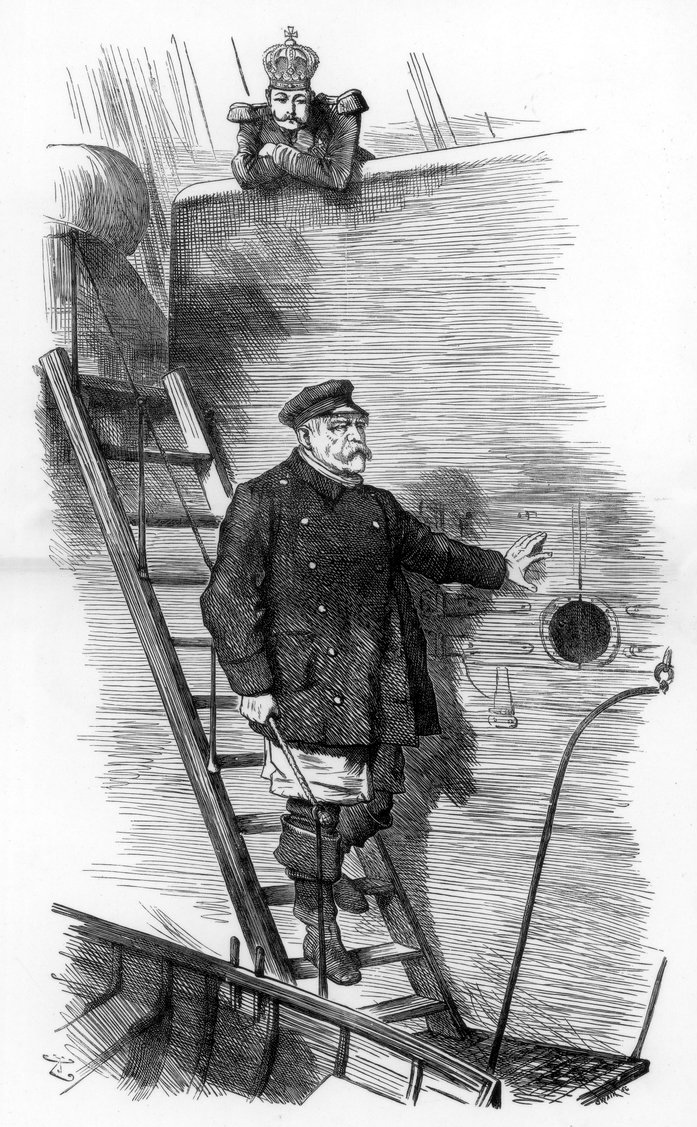
Dropping the Pilot
John Tenniel · 29 March 1890
 Document
Primary source
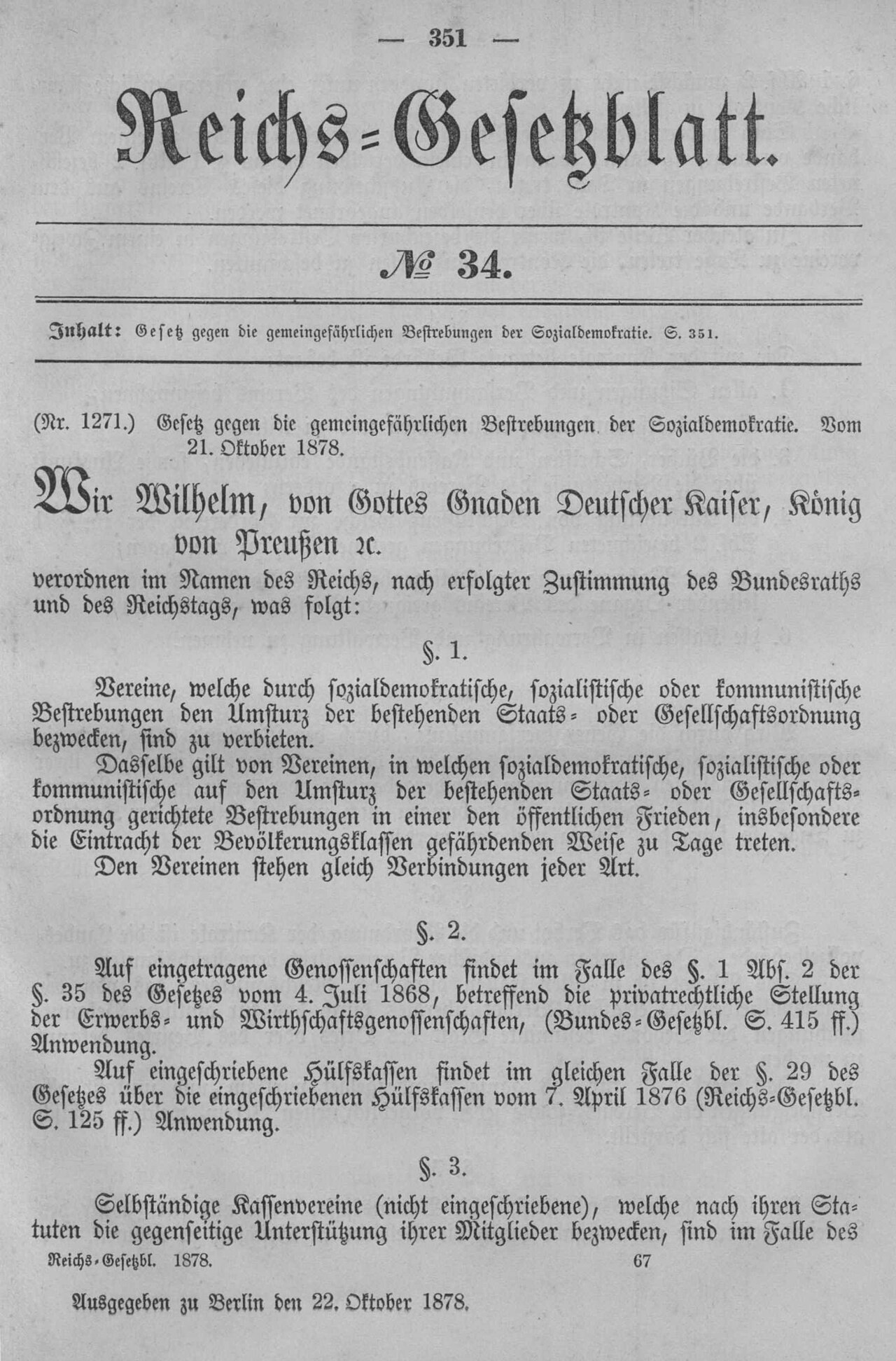
Anti-Socialist Law
21 October 1878
Ready when you are
Start chatting with Otto von Bismarck now.
20 messages free · No credit card · Available in 50+ languages.