


Primary sourceArtifact1772
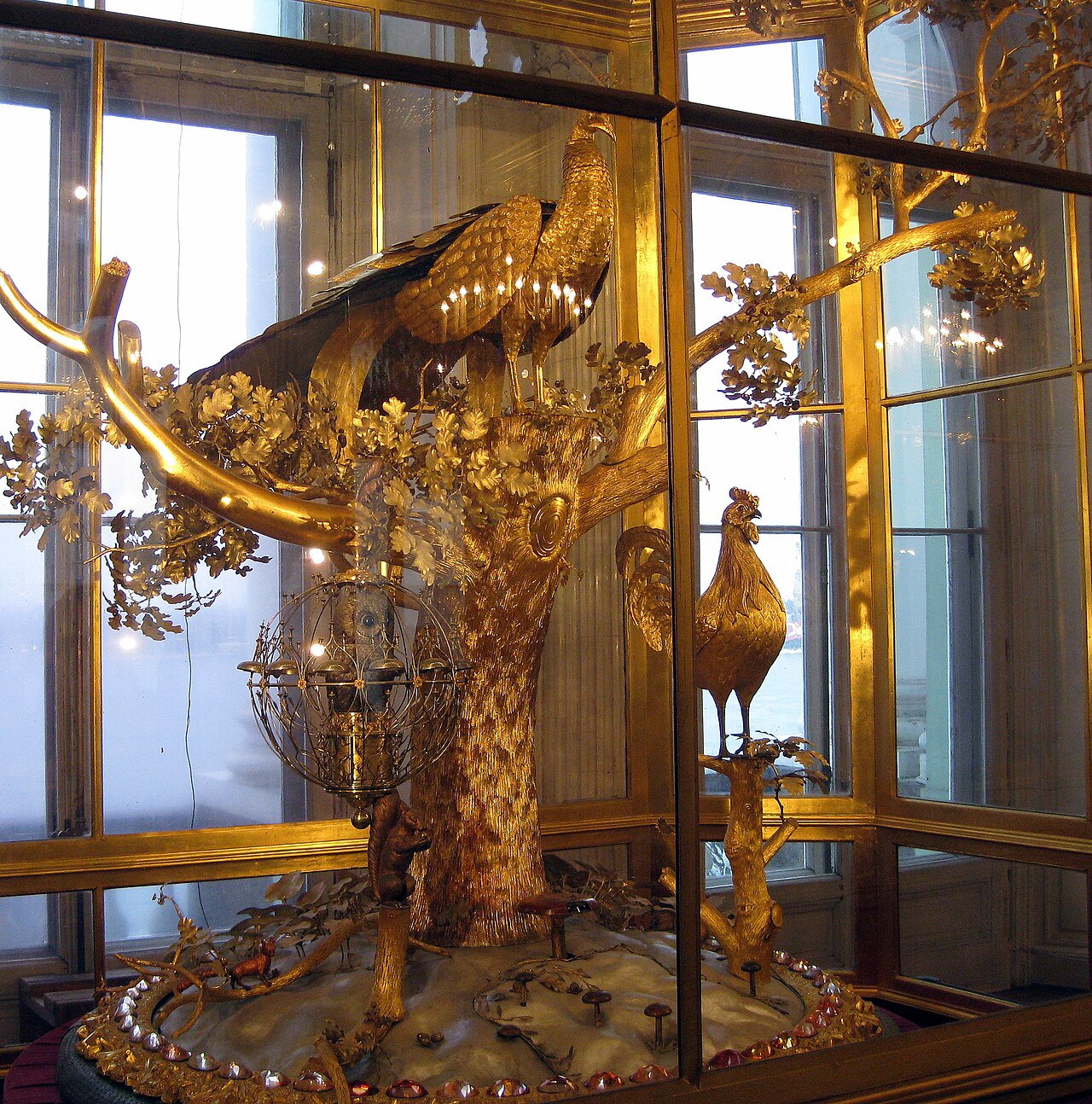
Peacock Clock
James Cox · 1772
A grand automaton clock that Potemkin acquired and gave to Catherine the Great, showing his taste for luxury and spectacle.
Potemkin's purchase of this automaton clock for Catherine shows his taste for luxury and his skill at courting her favour.
About this source
What it is
The Peacock Clock is a large automaton with three life-sized mechanical birds, made by the entrepreneur James Cox in the 18th century. Through the influence of Grigory Potemkin, it was acquired by Catherine the Great in 1781, and it is now in the Hermitage Museum, where it still operates.
Why it matters
The clock is a striking example of 18th-century mechanical craftsmanship and of the luxury that surrounded the Russian court. Potemkin's role in bringing it to Catherine reveals his taste for spectacle and his skill at pleasing the Empress with extravagant gifts.
Look closer
- What does buying a gift like this tell you about Potemkin's relationship with Catherine?
- Why might a mechanical clock like this impress visitors to the court?
- What does an object like this tell us about wealth and power in 18th-century Russia?
This artifact is part of the curated material that grounds the AI version of Grigory Potemkin on Humy.ai — when students ask about related events, the AI can quote it and cite it.
More Grigory Potemkin sources
Browse all 74 → Artifact
Primary source
Tauride Palace
Ivan Starov · 1783
 Document
Primary source
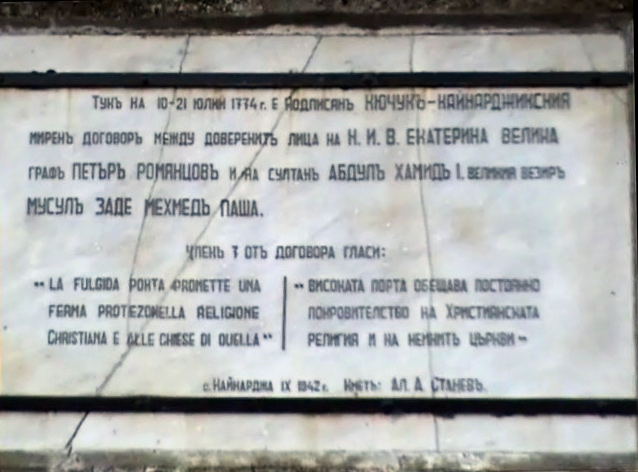
Treaty of Küçük Kaynarca
21 July 1774
 Painting
Primary source
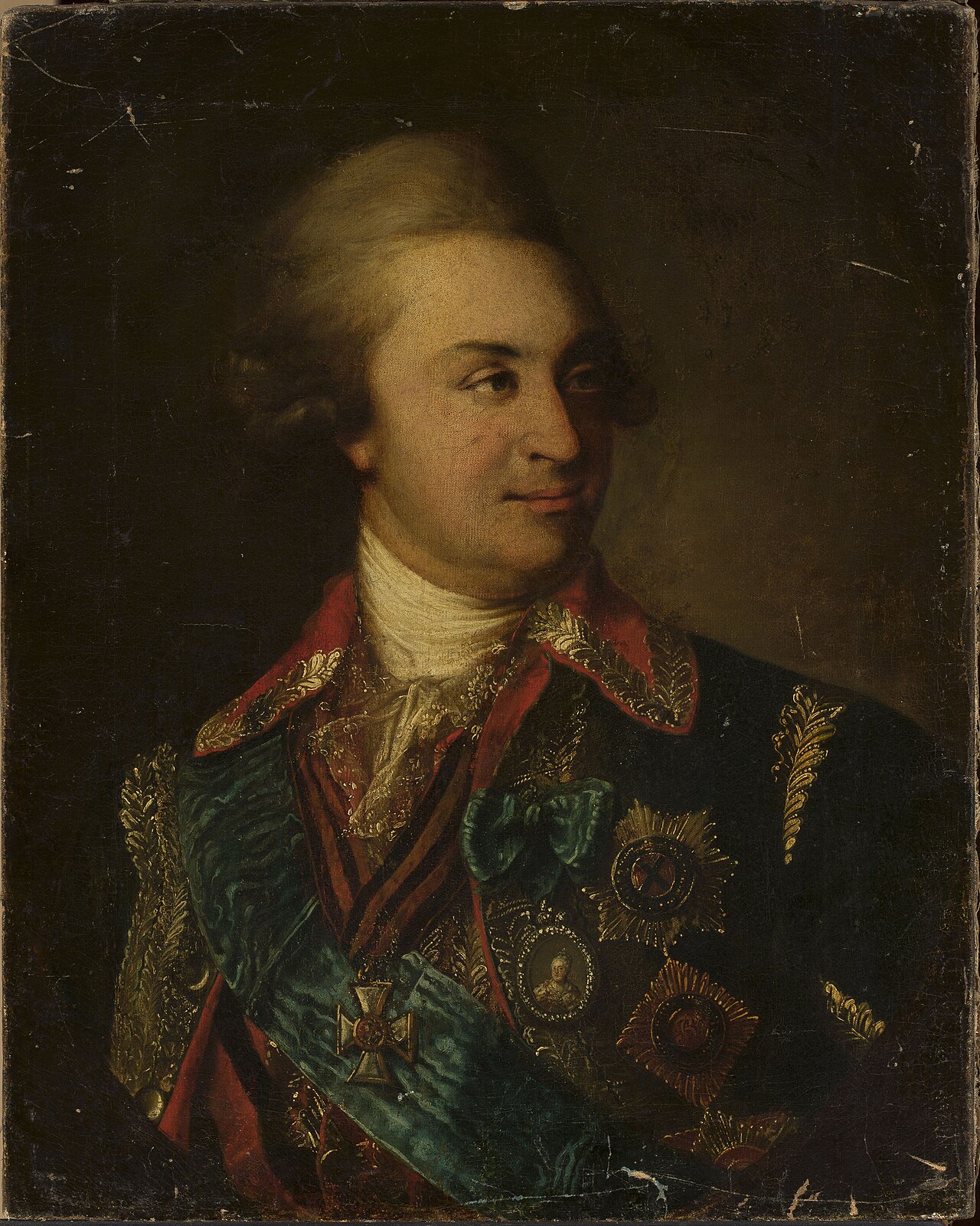
Portrait of Prince Grigory Potemkin with a miniature of Catherine II
1790
 Painting
Secondary source
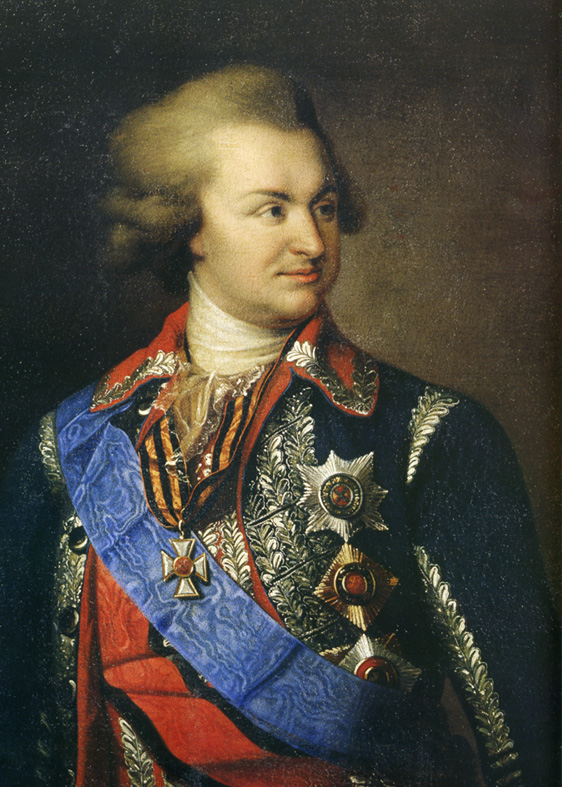
Portrait of Gregory Potyomkin
Free account
Read every Grigory Potemkin source
Sign up free →
Ready when you are
Start chatting with Grigory Potemkin now.
20 messages free · No credit card · Available in 50+ languages.