


Secondary sourcePaintingpublished 1728/1735
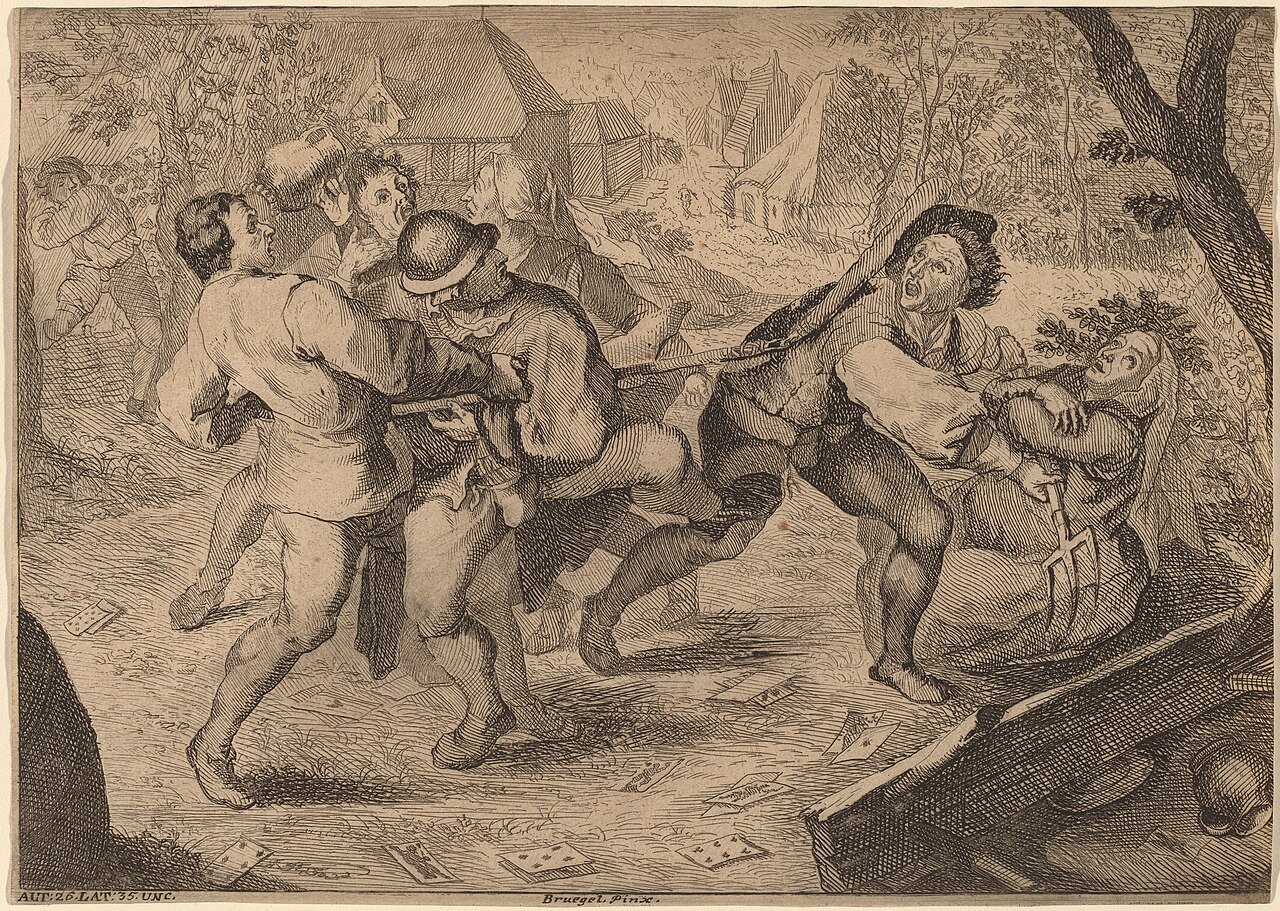
Peasants Fighting
Anton Joseph Prenner · published 1728/1735
An etching by Anton Joseph Prenner, published in 1728 or 1735, that reproduces a peasant fight composition by Pieter Bruegel the Elder. It was made more than 150 years after Bruegel's death.
Shows that Bruegel's peasant scenes were reproduced in print more than 150 years after his death, keeping his subjects in circulation.
About this source
What it is
This is an etching called Peasants Fighting, made by Anton Joseph Prenner after a composition by Pieter Bruegel the Elder. It is dated to publication in 1728 or 1735. It shows peasants brawling outdoors near a village. Figures grapple and swing at each other, one man raises an arm holding a pitcher-like object, and another clutches a woman seated on the ground. Playing cards and a bench lie scattered in the foreground, and a tree and cottages frame the scene.
Why it matters
Bruegel was famous for scenes of peasant life, and this print shows that his peasant scenes were still being copied long after he died in 1569. The print was made more than 150 years after his death, so it tells us as much about the taste of its own time as about Bruegel. Prenner's etching passes Bruegel's ideas on to new viewers, and it shows how popular printed copies of an older painter's work could be.
Look closer
- What do the playing cards and the scattered bench suggest about how these people were spending their time?
- The print is a copy made long after Bruegel's death. What might a later artist add, change, or leave out when copying an older design?
- Why might a print of a violent brawl have been popular with buyers in the 1700s?
This painting is part of the curated material that grounds the AI version of Pieter Bruegel the Elder on Humy.ai — when students ask about related events, the AI can quote it and cite it.
More Pieter Bruegel the Elder sources
Browse all 96 →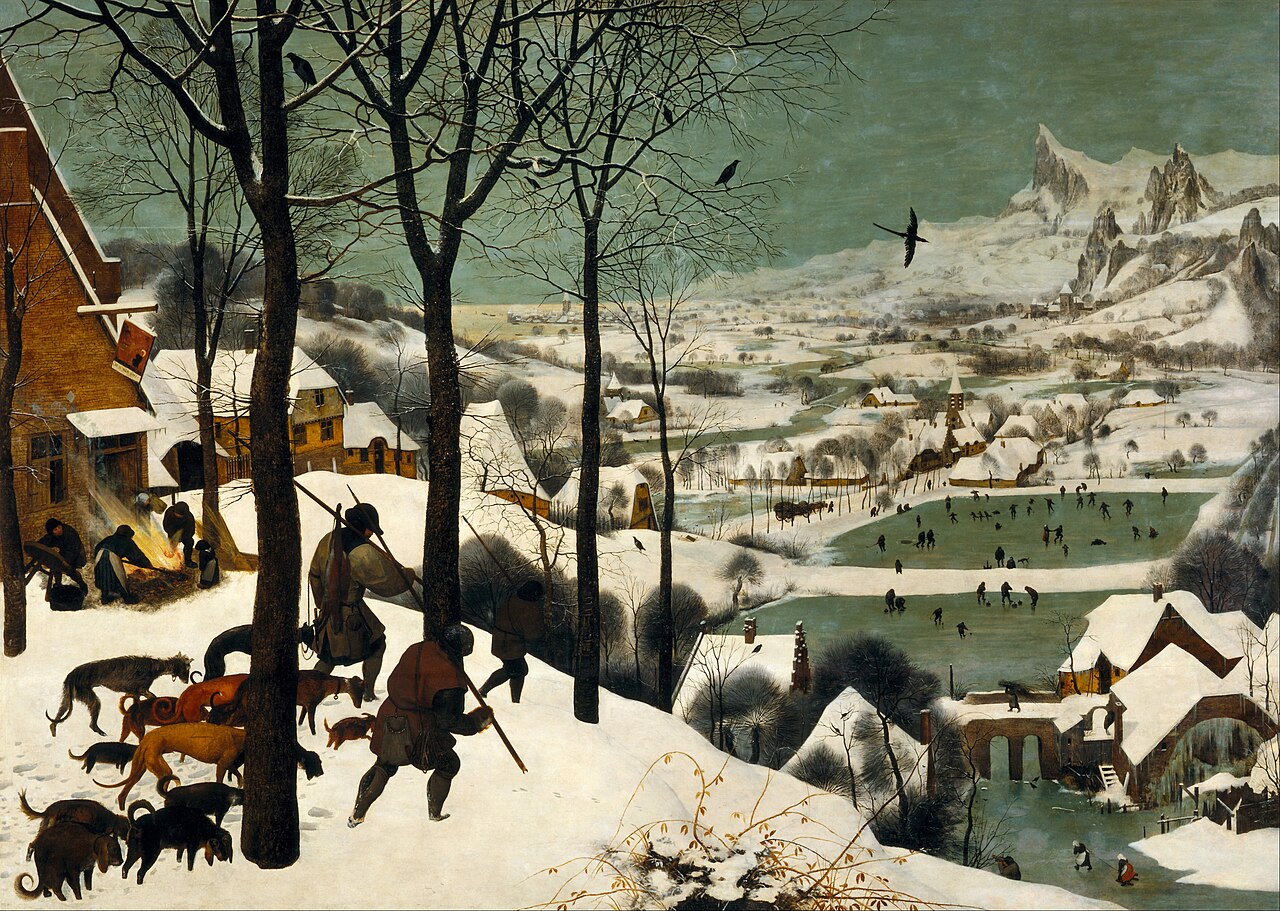 Painting
Primary source
The Hunters in the Snow
Pieter Bruegel the Elder · 1565
 Painting
Primary source
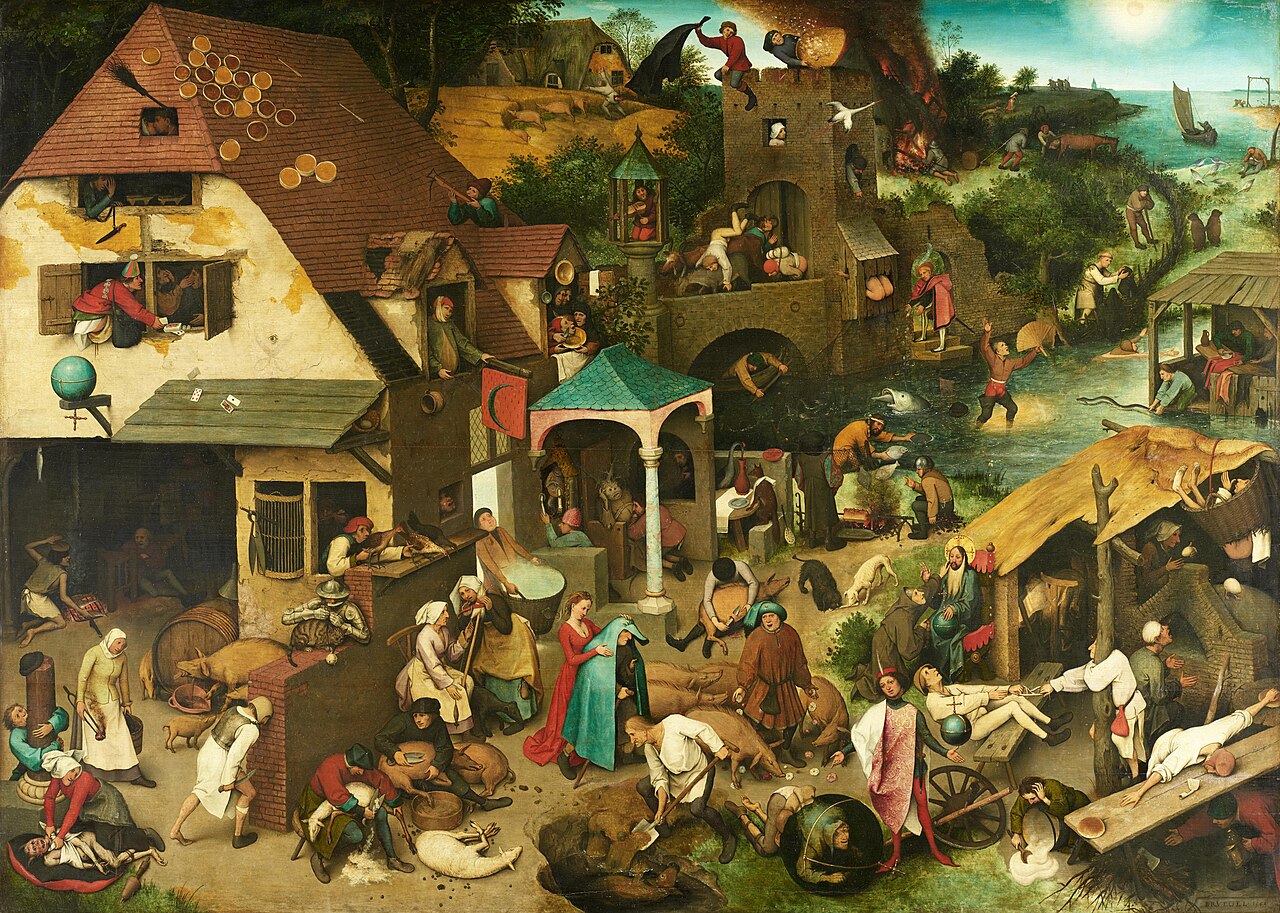
Netherlandish Proverbs
Pieter Bruegel the Elder · 1559
 Painting
Secondary source
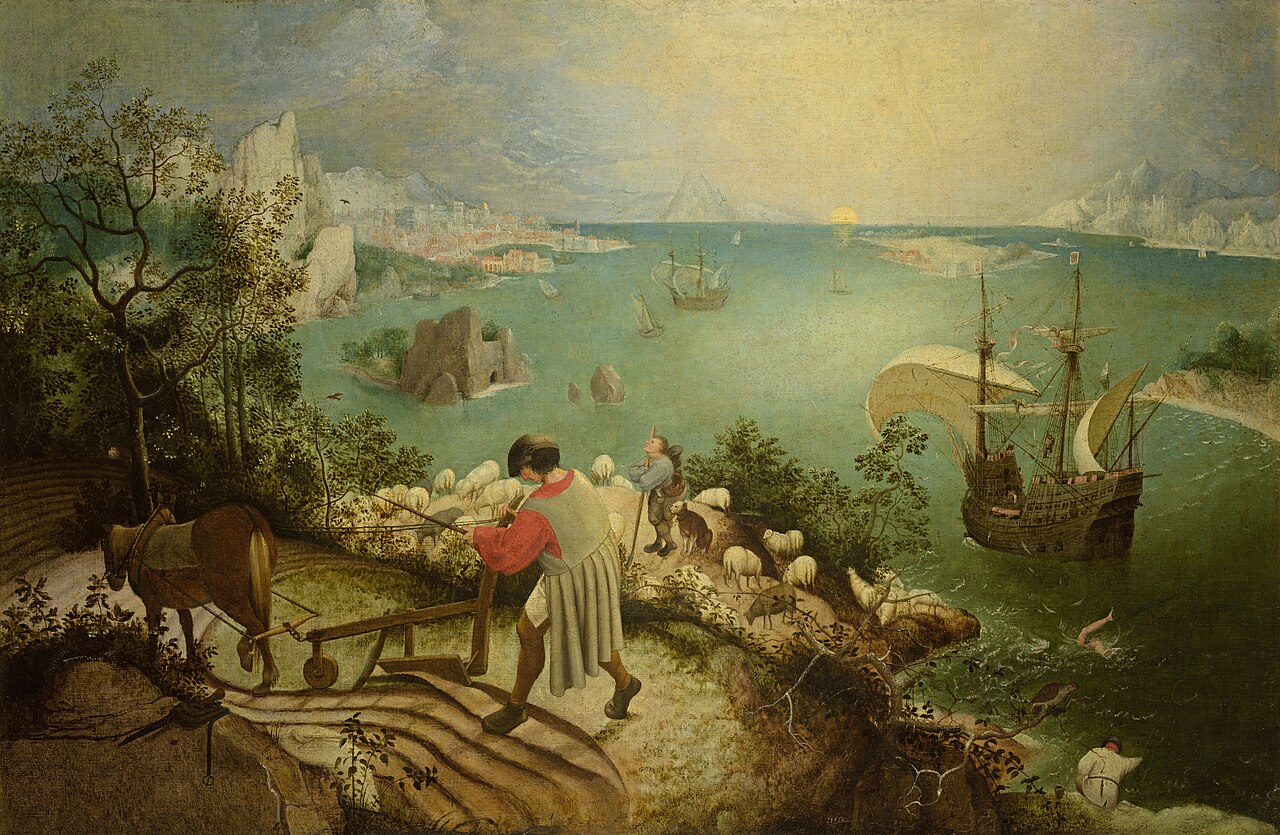
Landscape with the Fall of Icarus
Unknown (circle of Pieter Bruegel the Elder) · c. 1560s
 Painting
Primary source
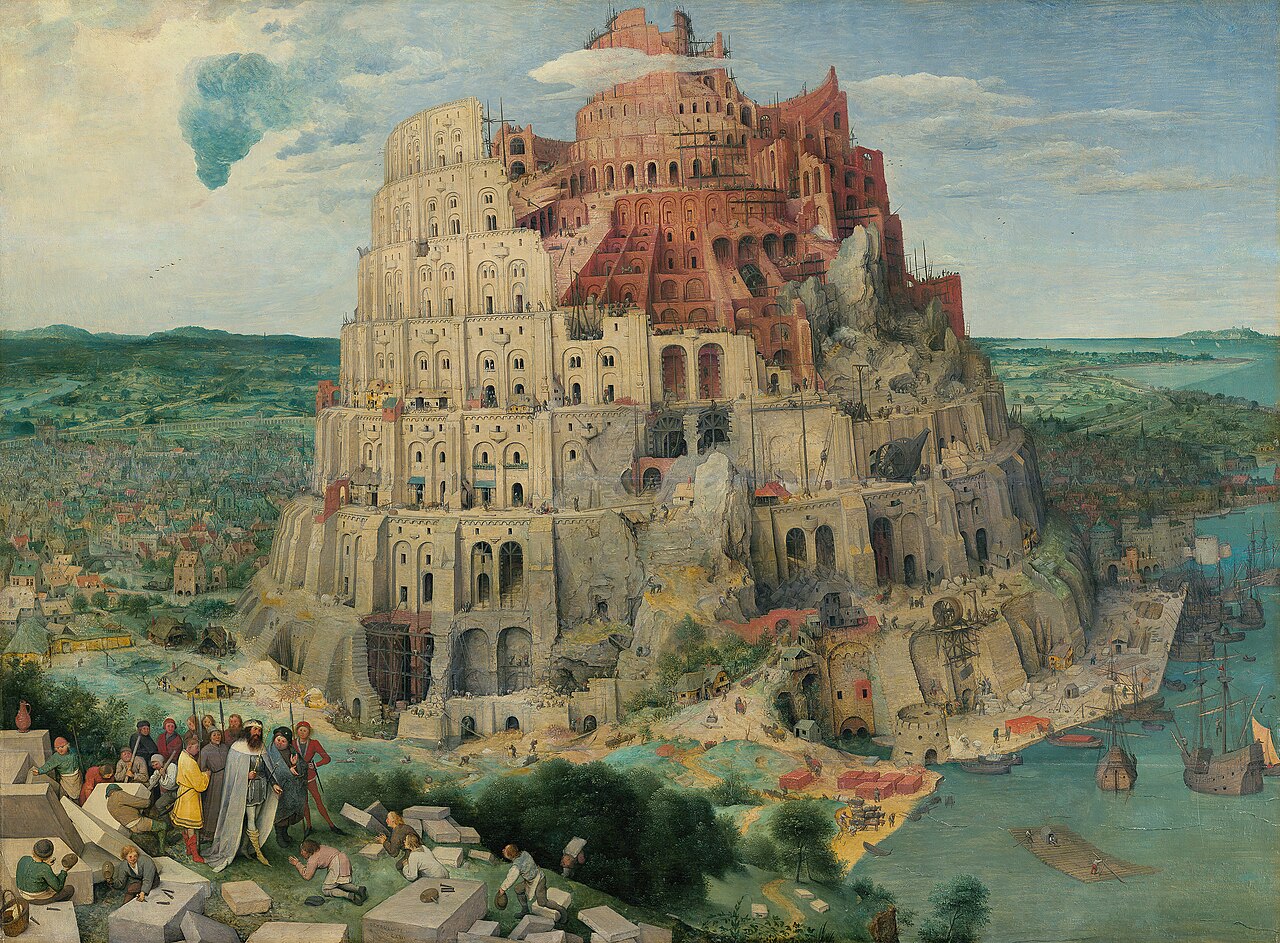
The Tower of Babel
Pieter Bruegel the Elder · 1563
Free account
Read every Pieter Bruegel the Elder source
Sign up free →
Ready when you are
Start chatting with Pieter Bruegel the Elder now.
20 messages free · No credit card · Available in 50+ languages.