


Secondary sourcePainting1839
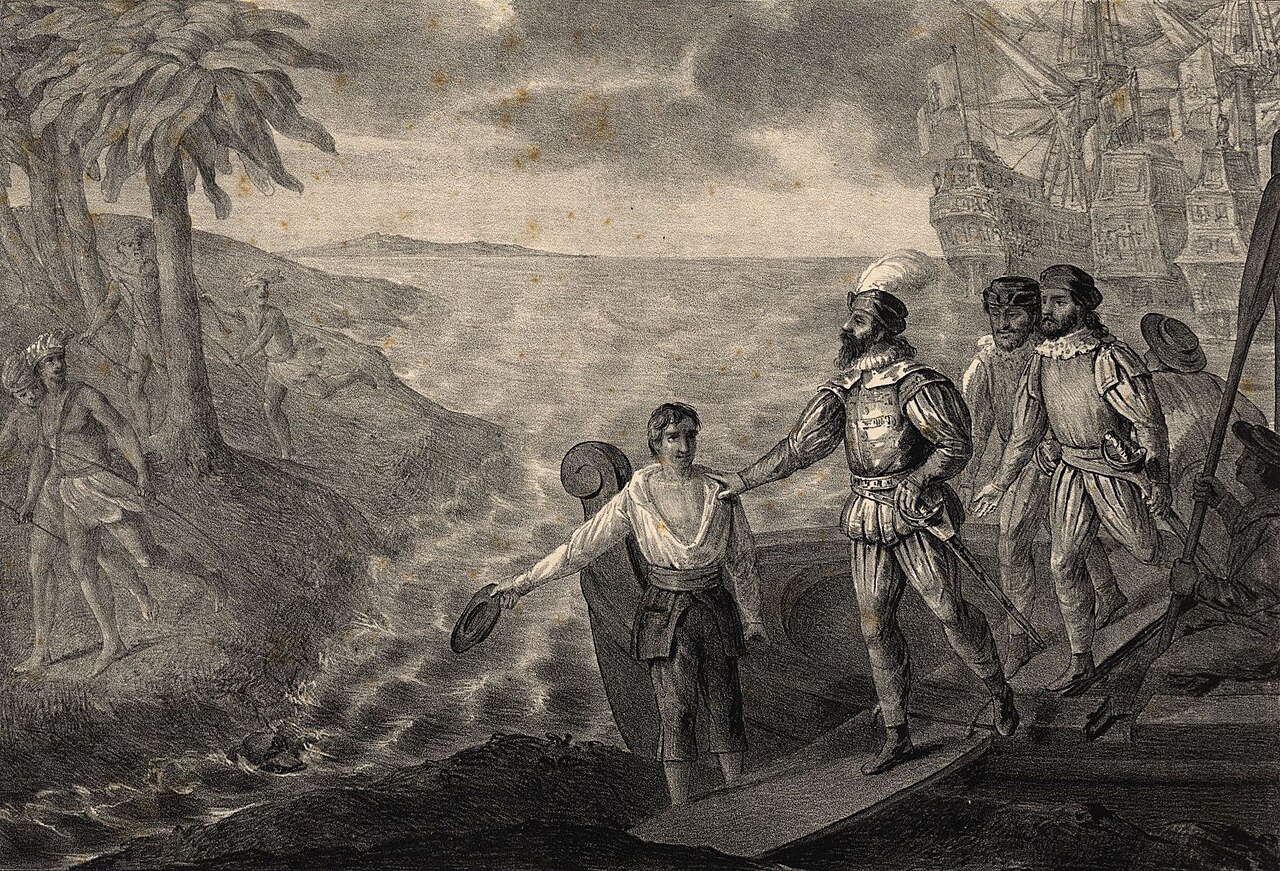
Pedro Alvares Cabral Discovers Brazil
Maurício José do Carmo Sendim · 1839
An 1839 lithograph imagining Cabral's first encounter with the land and people of Brazil, part of a series on Portuguese heroic deeds.
This imagined scene depicts Cabral's celebrated arrival in Brazil, framed as a heroic Portuguese deed.
About this source
What it is
This black-and-white lithograph by Maurício José do Carmo Sendim, made in 1839, shows a European explorer in armor and a plumed cap reaching toward a young man near a ship, with native figures and palm trees on shore. It was part of a Portuguese collection of prints depicting famous deeds in India and overseas exploration.
Why it matters
Made over 300 years after the event it shows, this print reflects how 19th-century Portugal wanted to remember Cabral's arrival in Brazil — as a dramatic, heroic moment of discovery. It says little about the actual experience of the Indigenous people shown on the shore.
Look closer
- Who is given the most active, important pose in this image, and who is shown more passively?
- Why might the artist choose to show a handshake or exchange rather than other possible moments?
- What does this 1839 image reveal about Portuguese attitudes toward their own history, rather than about 1500 itself?
This painting is part of the curated material that grounds the AI version of Pedro Álvares Cabral on Humy.ai — when students ask about related events, the AI can quote it and cite it.
More Pedro Álvares Cabral sources
Browse all 83 →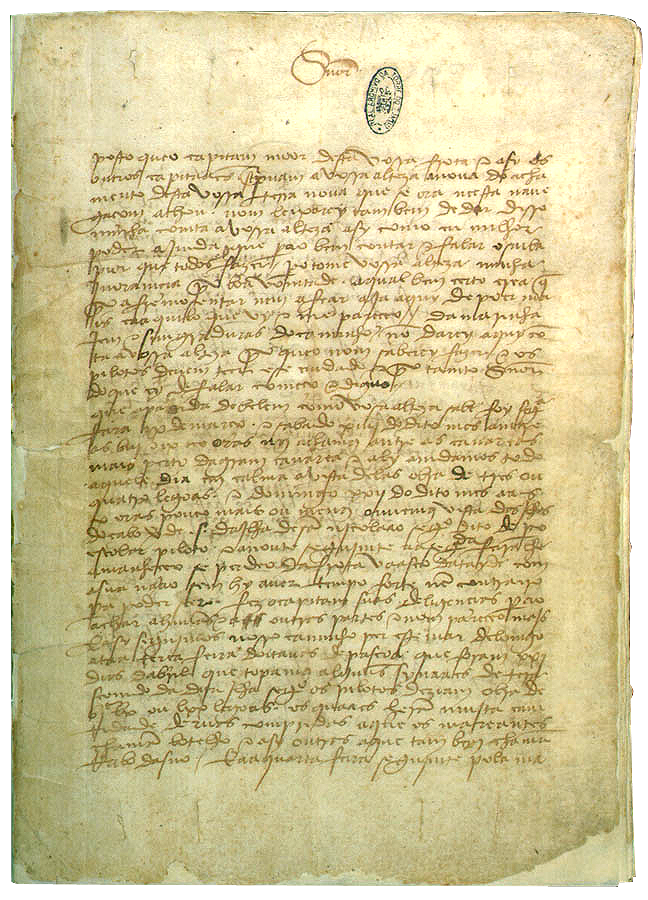 Letter
Primary source
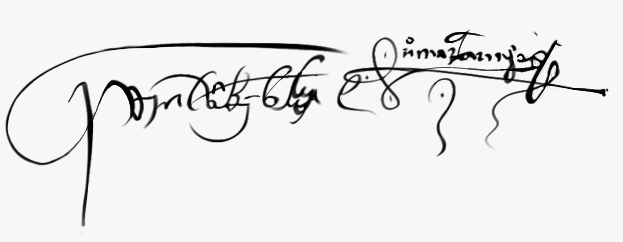
Letter of Pero Vaz de Caminha
Pero Vaz de Caminha · 1 May 1500
 Letter
Primary source
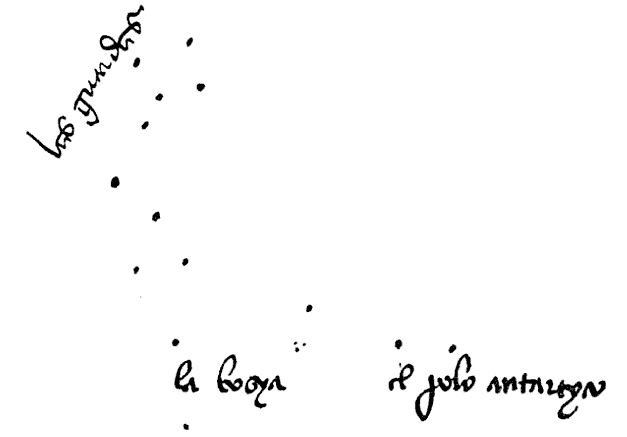
Letter of Mestre João Faras to King Manuel I
Mestre João Faras · 1 May 1500
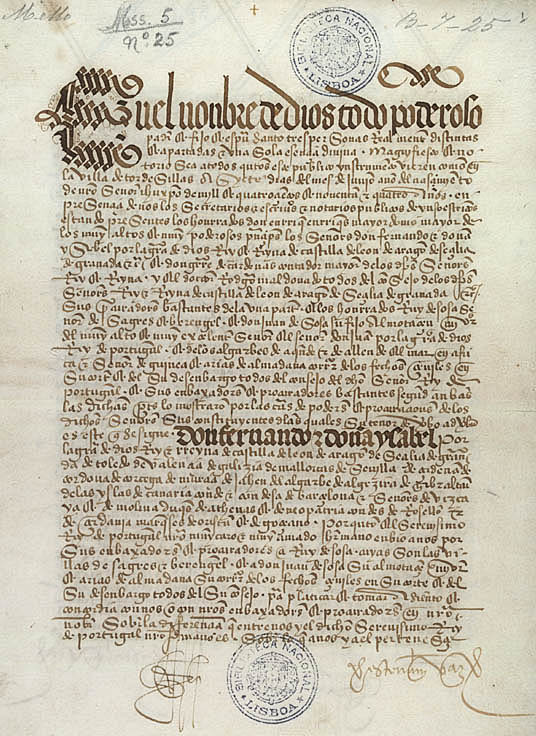
 Document
Primary source
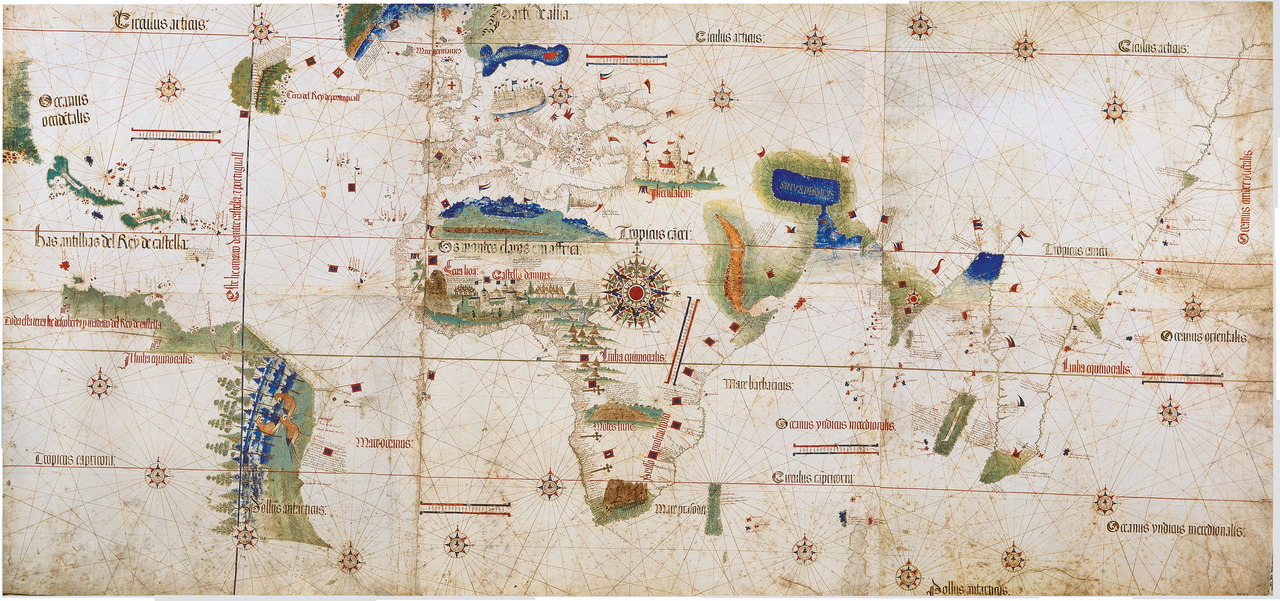
Cantino Planisphere
Anonymous Portuguese cartographer · 1502
 Painting
Secondary source
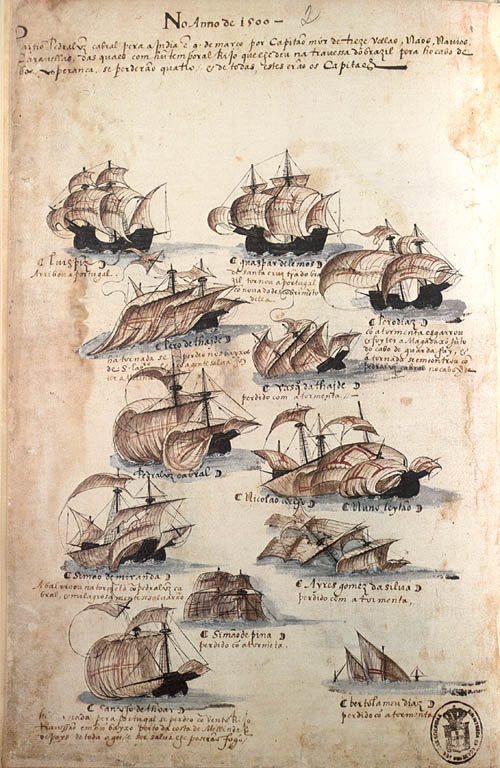
Cabral Armada of 1500 (Livro das Armadas)
Unknown author · 16th century
Free account
Read every Pedro Álvares Cabral source
Sign up free →
Ready when you are
Start chatting with Pedro Álvares Cabral now.
20 messages free · No credit card · Available in 50+ languages.