


Secondary sourcePainting1878
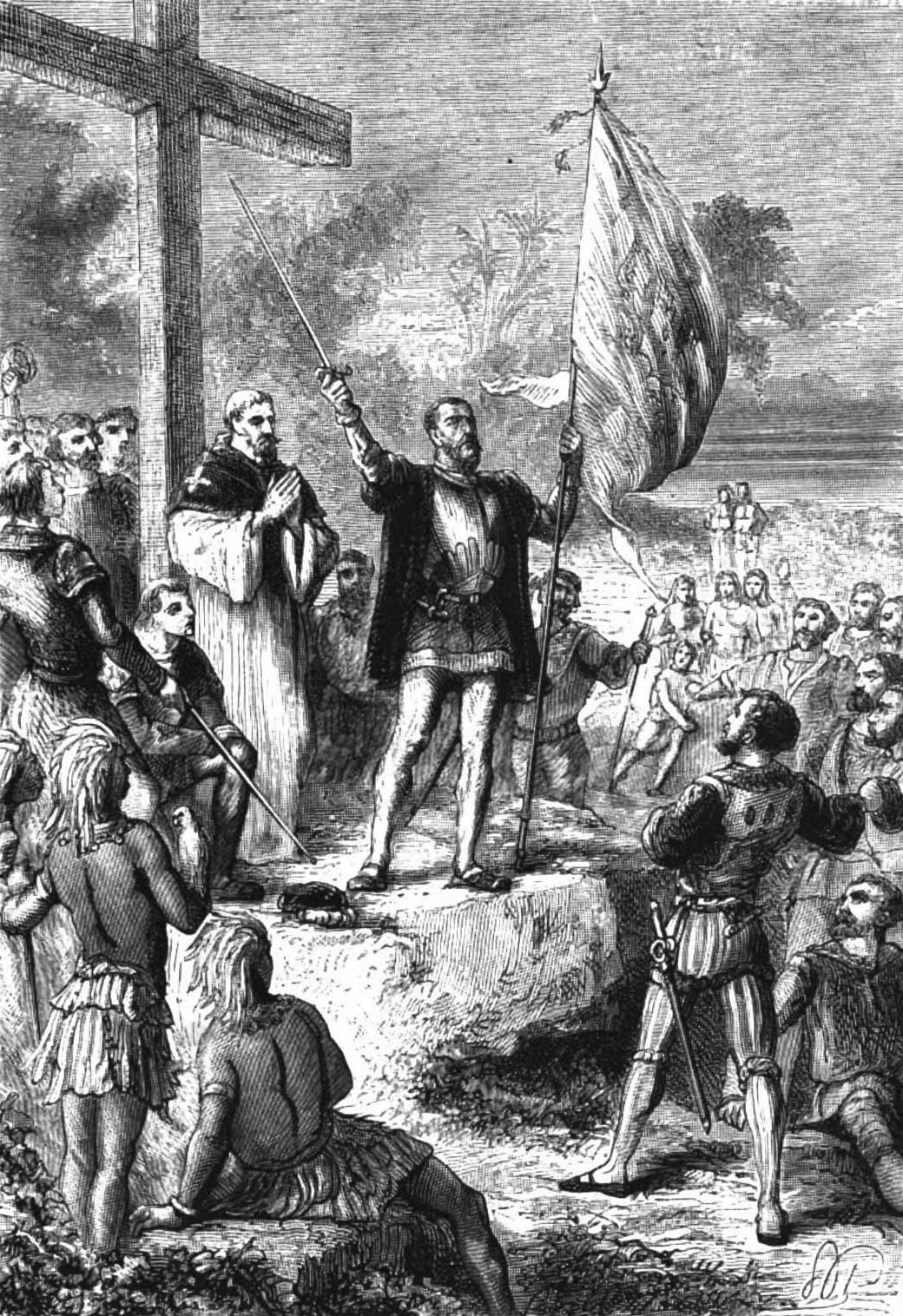
Pedro Alvares Cabral solemnly takes possession of Brasil
Léon Benett or Paul Philippoteaux · 1878
An 1878 engraving from a Jules Verne book showing Cabral claiming Brazil with a sword and flag.
A popular 19th-century depiction of Cabral formally claiming Brazil for Portugal.
About this source
What it is
This black-and-white engraving was drawn by Léon Benett or Paul Philippoteaux for Jules Verne's 1878 work 'Découverte de la terre' (Discovery of the Earth). It shows a bearded man raising a sword and flag beside a large wooden cross, with a priest and onlookers including people in feathered headdresses.
Why it matters
Made more than 370 years after Cabral's voyage, this illustration is part of a popular French history of exploration. It reveals how 19th-century Europeans told the story of Cabral's 'discovery' and possession of Brazil, combining religious symbolism with imagery of conquest.
Look closer
- Why does the cross appear so prominently alongside the sword and flag?
- What does the composition suggest about who holds power in this scene?
- How might this image differ from what actually happened at the landing?
This painting is part of the curated material that grounds the AI version of Pedro Álvares Cabral on Humy.ai — when students ask about related events, the AI can quote it and cite it.
More Pedro Álvares Cabral sources
Browse all 83 →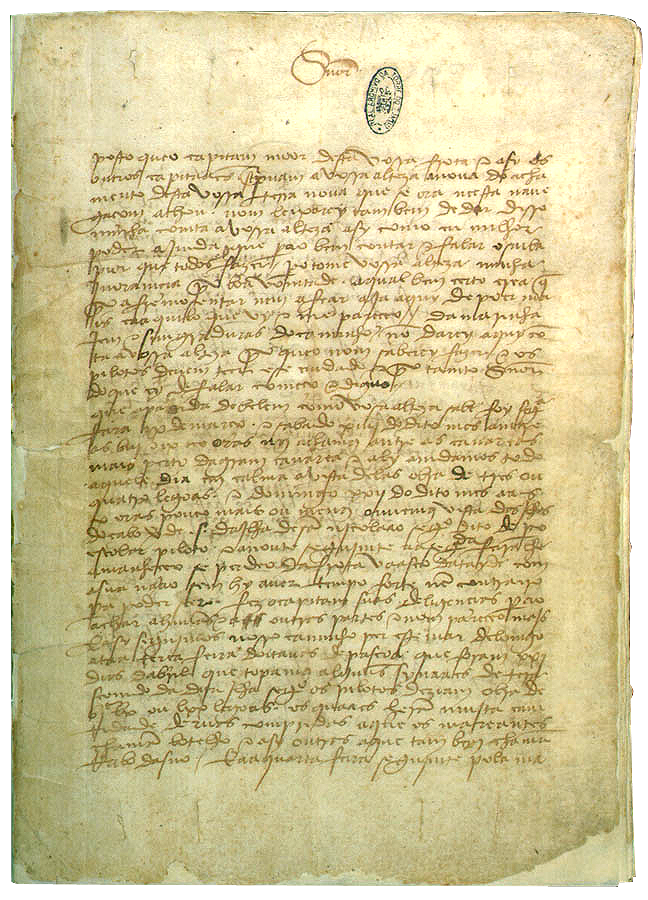 Letter
Primary source
Letter of Pero Vaz de Caminha
Pero Vaz de Caminha · 1 May 1500
 Letter
Primary source
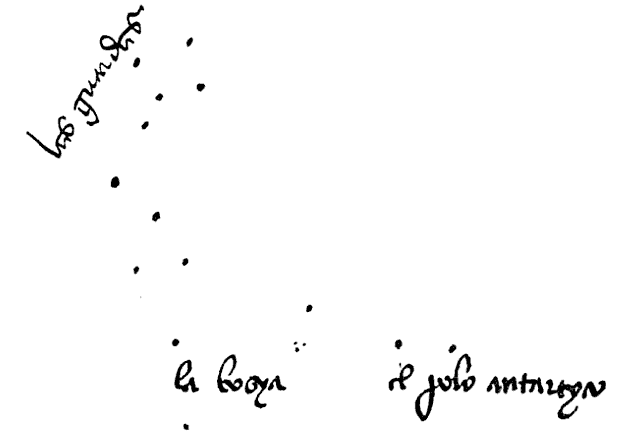
Letter of Mestre João Faras to King Manuel I
Mestre João Faras · 1 May 1500
 Document
Primary source
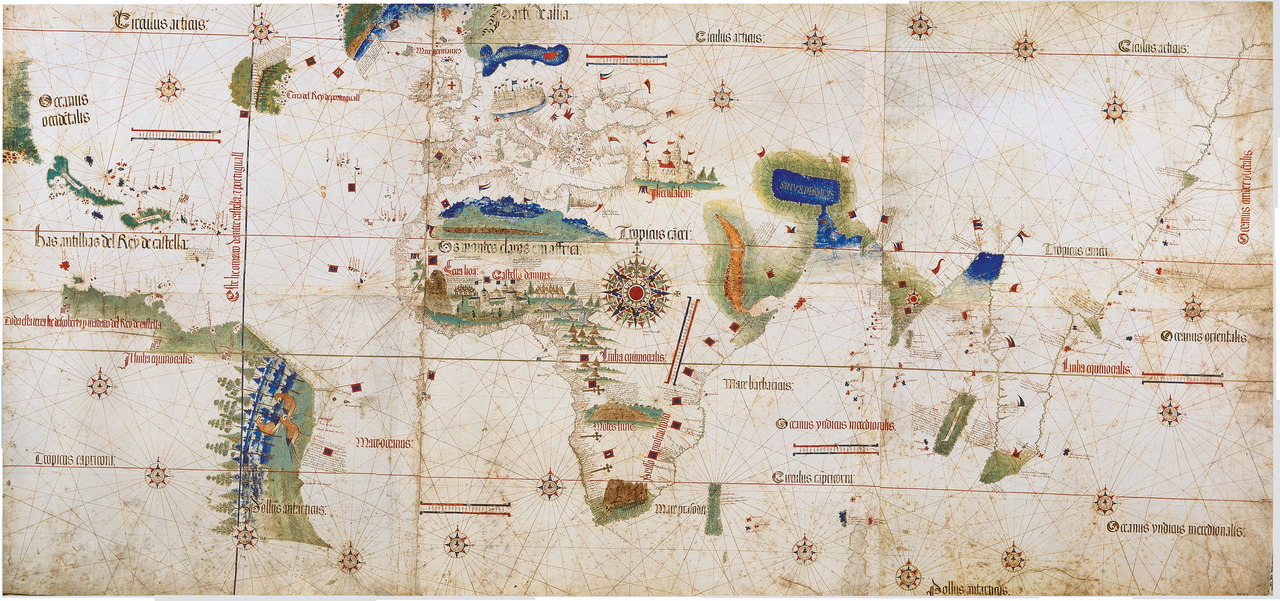
Cantino Planisphere
Anonymous Portuguese cartographer · 1502
 Painting
Secondary source
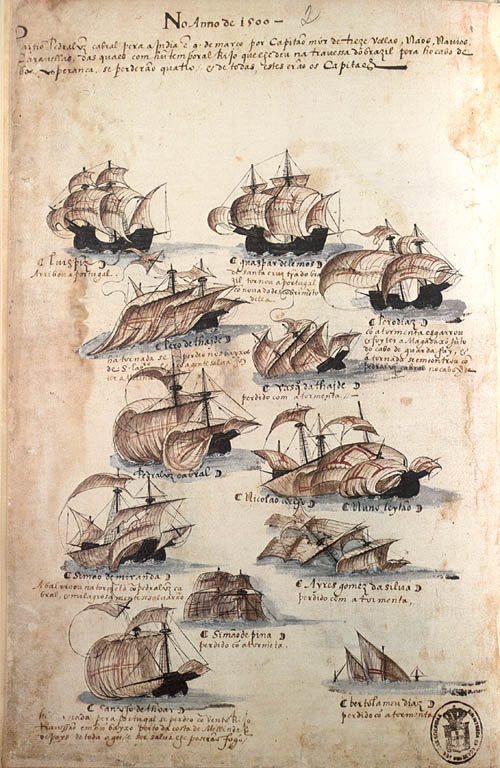
Cabral Armada of 1500 (Livro das Armadas)
Unknown author · 16th century
Free account
Read every Pedro Álvares Cabral source
Sign up free →
Ready when you are
Start chatting with Pedro Álvares Cabral now.
20 messages free · No credit card · Available in 50+ languages.