


Secondary sourceSculpture1793
Penitent Magdalene
Antonio Canova · 1793
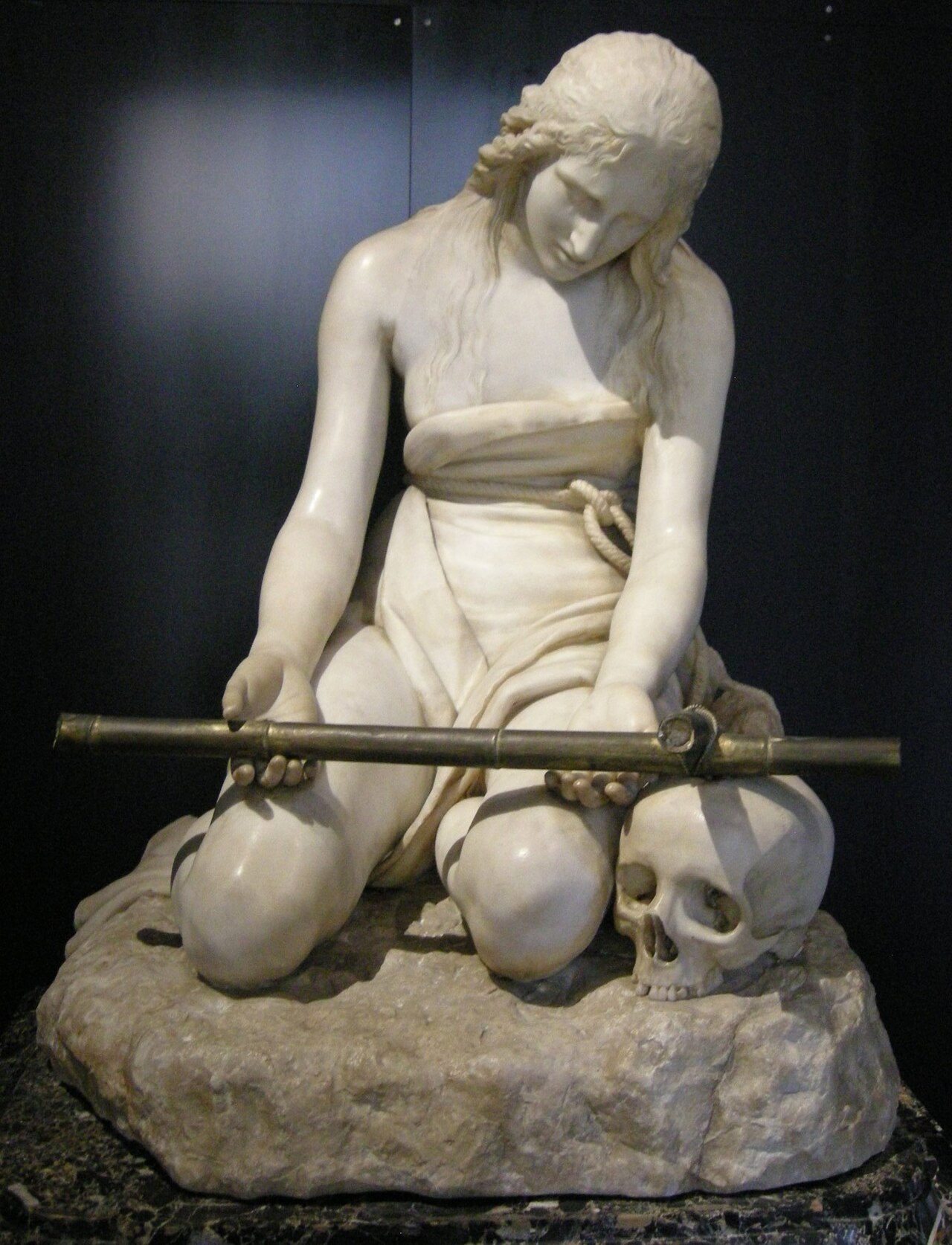
A marble sculpture of Mary Magdalene as a kneeling penitent, made by Antonio Canova in 1793. Its Genoa version is held at the Palazzo Doria Tursi.
Canova's marble shows the penitent Mary Magdalene, a figure in whose image the artist's Neoclassical style and Enlightenment-era sentiment are visible.
About this source
What it is
This is a marble sculpture of Mary Magdalene by the Italian sculptor Antonio Canova, dated 1793. It is about 90 cm high and exists in two final versions, one now in Genoa and one in St Petersburg. The Genoa version is held at the Palazzo Doria-Tursi, part of the Strada Nuova Museums. The sculpture shows a kneeling woman with long flowing hair, head bowed, in a draped garment tied with a rope at the waist, resting her hands on a brass crucifix-like tube lying across a skull.
Why it matters
Canova's first version was praised at the Salon of 1808, the first of his works to be a success there. It passed through several collectors, including the French commissar Juliot, the Milanese collector Giovanni Battista Sommariva, and Raffaele de Ferrari, Duca di Galliera, before his wife left it to the city of Genoa in 1889. A second version was made for Eugène de Beauharnais, viceroy of Italy. It shows how a Neoclassical sculptor shaped the traditional penitent image of Mary Magdalene.
Look closer
- How does the sculpture show sorrow or repentance without a face we can clearly read?
- Why might the skull and the cross-like tube be placed at her knees?
- What does a marble image of a penitent leave out about the Mary Magdalene described in the Gospels?
This sculpture is part of the curated material that grounds the AI version of Mary Magdalene on Humy.ai — when students ask about related events, the AI can quote it and cite it.
More Mary Magdalene sources
Browse all 96 →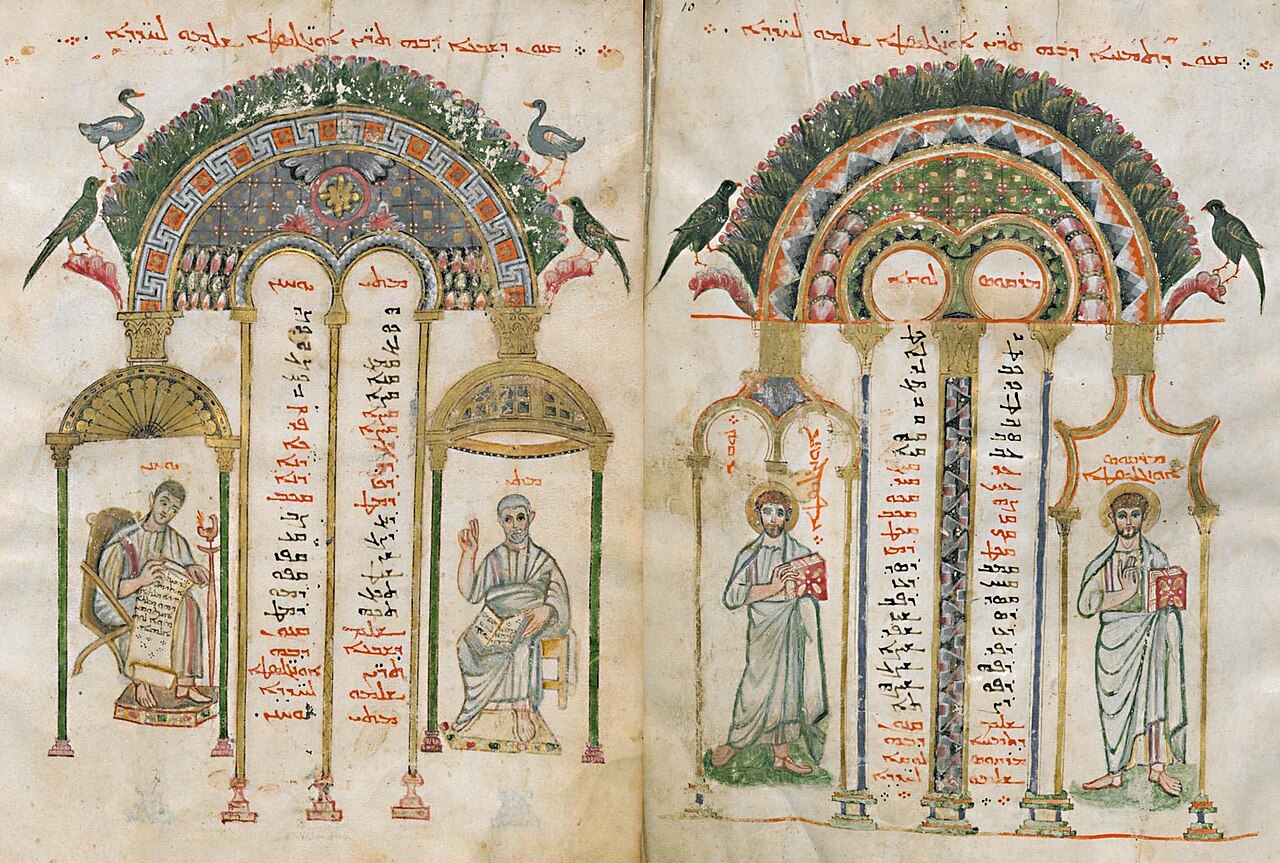 Painting
Secondary source
Rabbula Gospels
Rabbula (scribe) · 586
 Painting
Secondary source
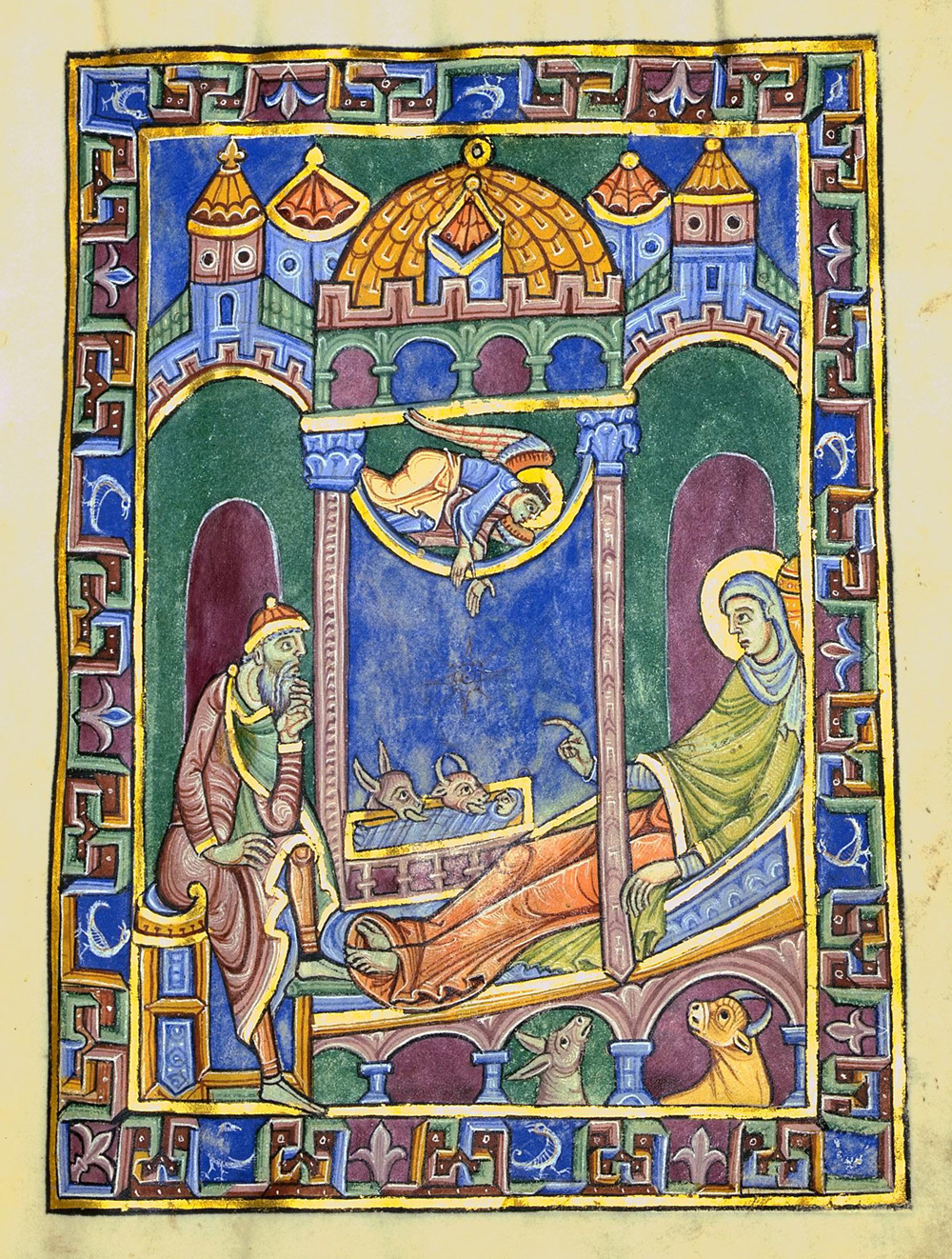
St Albans Psalter
12th century
 Book
Secondary source
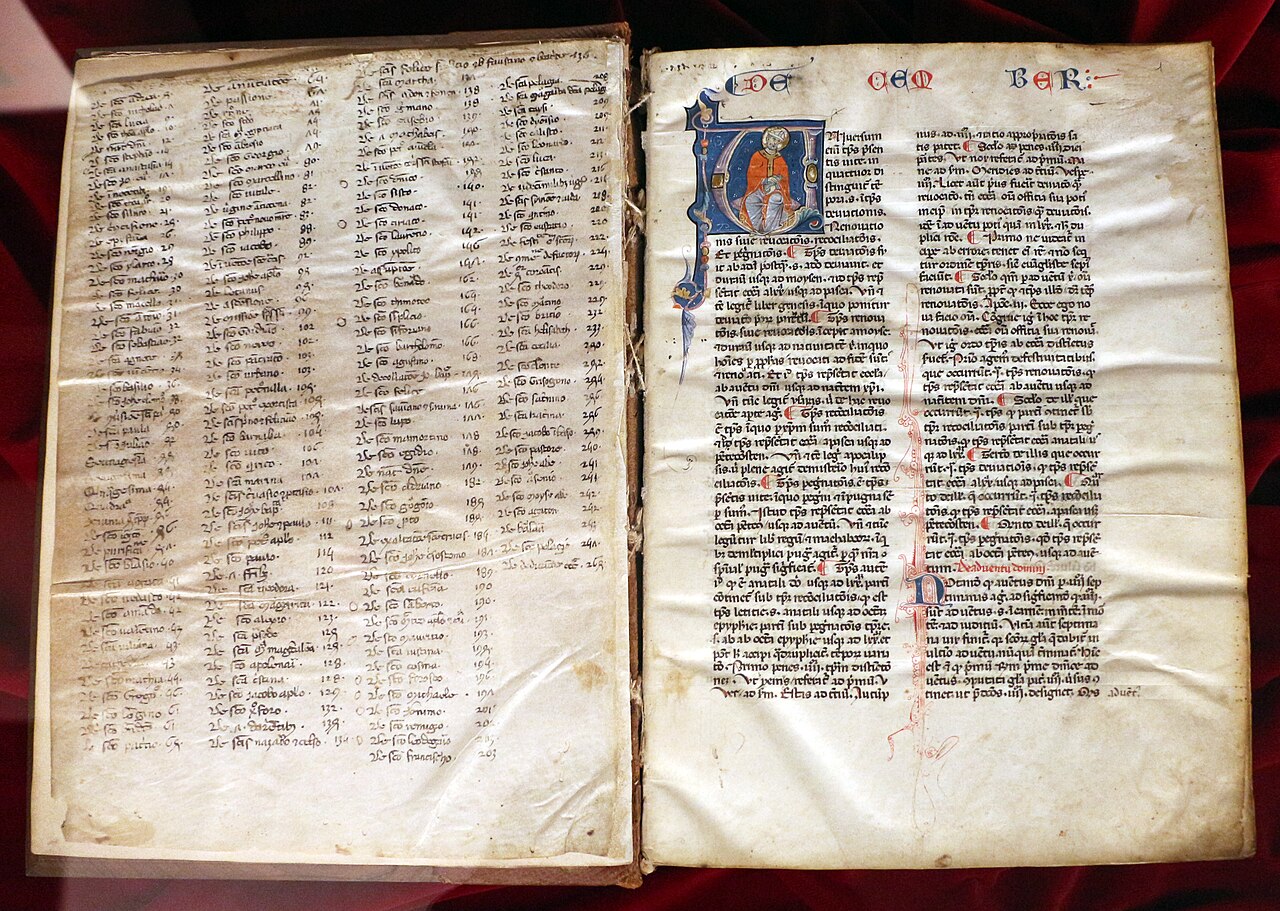
Golden Legend
Jacobus de Voragine · c. 1259–1266
 Artifact
Tertiary source
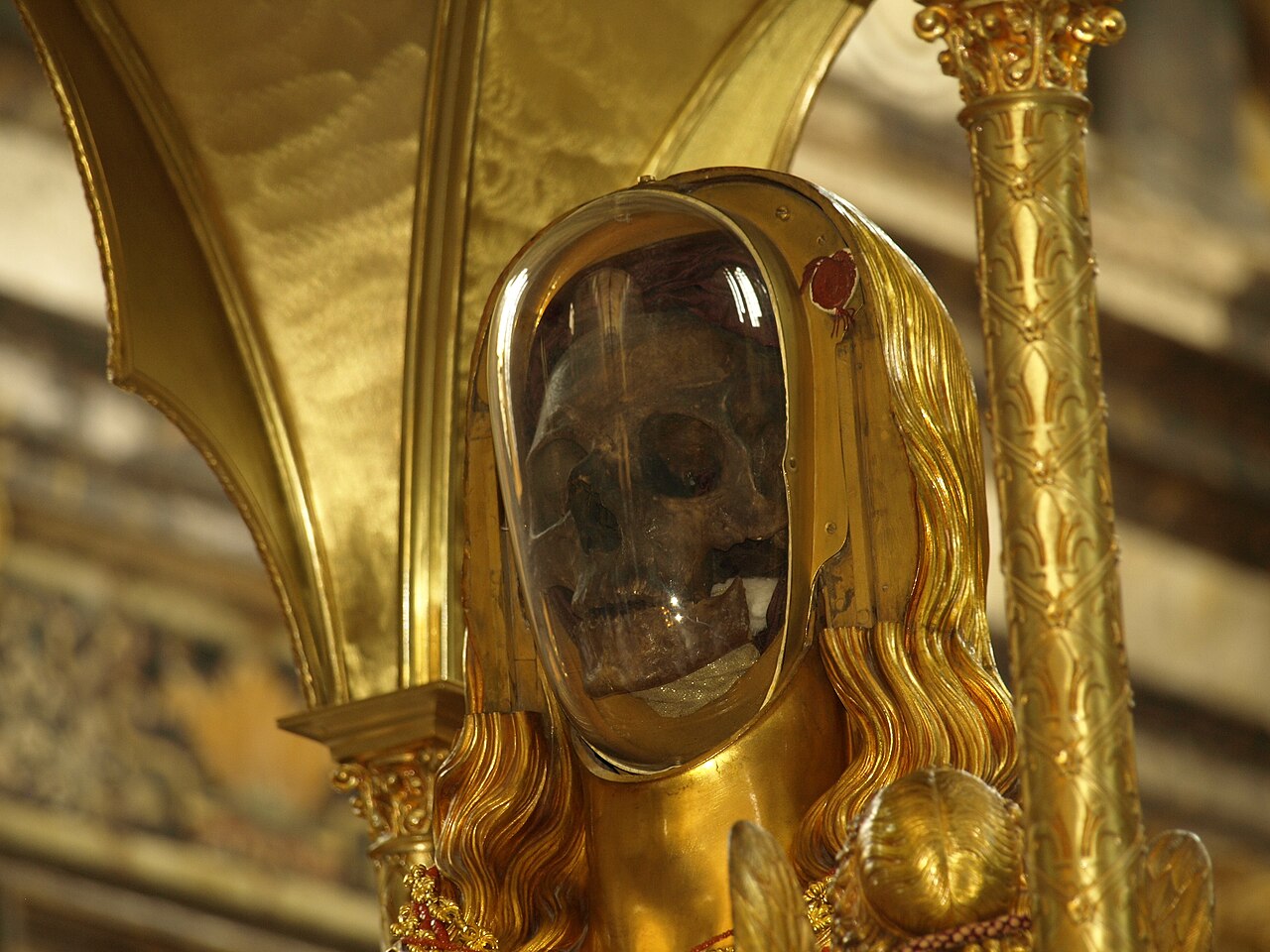
Skull Relic of Mary Magdalene
relic venerated from 1279; reliquary 19th century
Free account
Read every Mary Magdalene source
Sign up free →
Ready when you are
Start chatting with Mary Magdalene now.
20 messages free · No credit card · Available in 50+ languages.