


Secondary sourcePaintingc. 1531-1533
Penitent Magdalene
Titian · c. 1531-1533
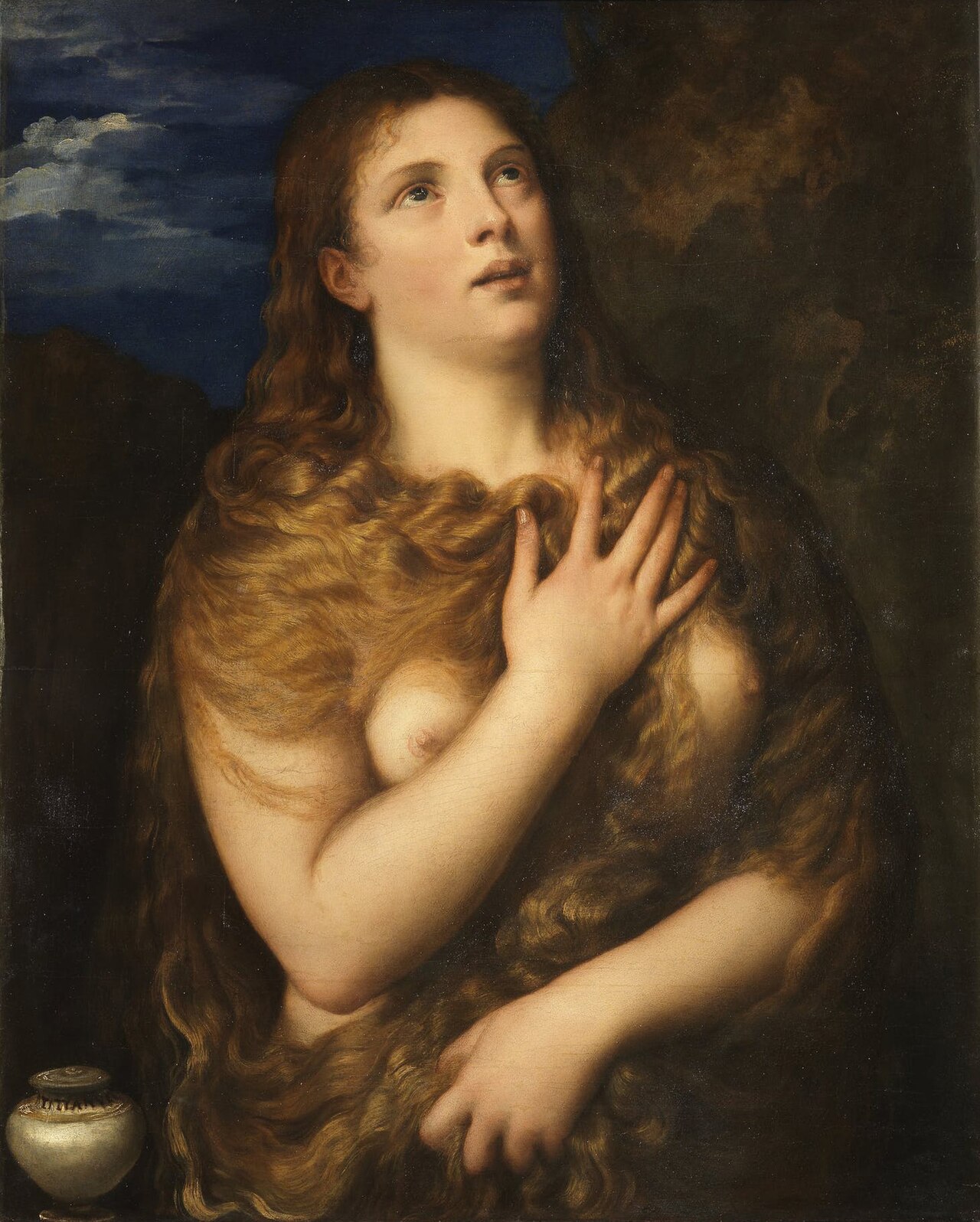
Titian's sensuous nude painting of Mary Magdalene, her body covered by her long hair, blends religious devotion with Renaissance beauty ideals.
Titian's painting shows Mary Magdalene nude and radiant, reflecting Renaissance ideas about her as penitent and passionate.
About this source
What it is
This oil painting was made by the Venetian artist Titian around 1531, signed on the ointment jar beside the figure. It was commissioned by the Duke of Mantua as a devotional image, originally meant for the poet Vittoria Colonna. It now hangs in the Palazzo Pitti in Florence.
Why it matters
Titian shows Mary Magdalene nude, her body covered by flowing hair, following a medieval legend that her clothes disintegrated during years of desert penance. The painting reveals how 16th-century artists combined religious subjects with sensuous imagery, and how even a devout patron like Vittoria Colonna could see such a work as expressing spiritual passion rather than impropriety.
Look closer
- Why might an artist use nudity to tell a religious story?
- How does the lighting direct attention in the painting?
- What does the hair covering her body symbolize, according to the legend behind the image?
This painting is part of the curated material that grounds the AI version of Mary Magdalene on Humy.ai — when students ask about related events, the AI can quote it and cite it.
More Mary Magdalene sources
Browse all 96 →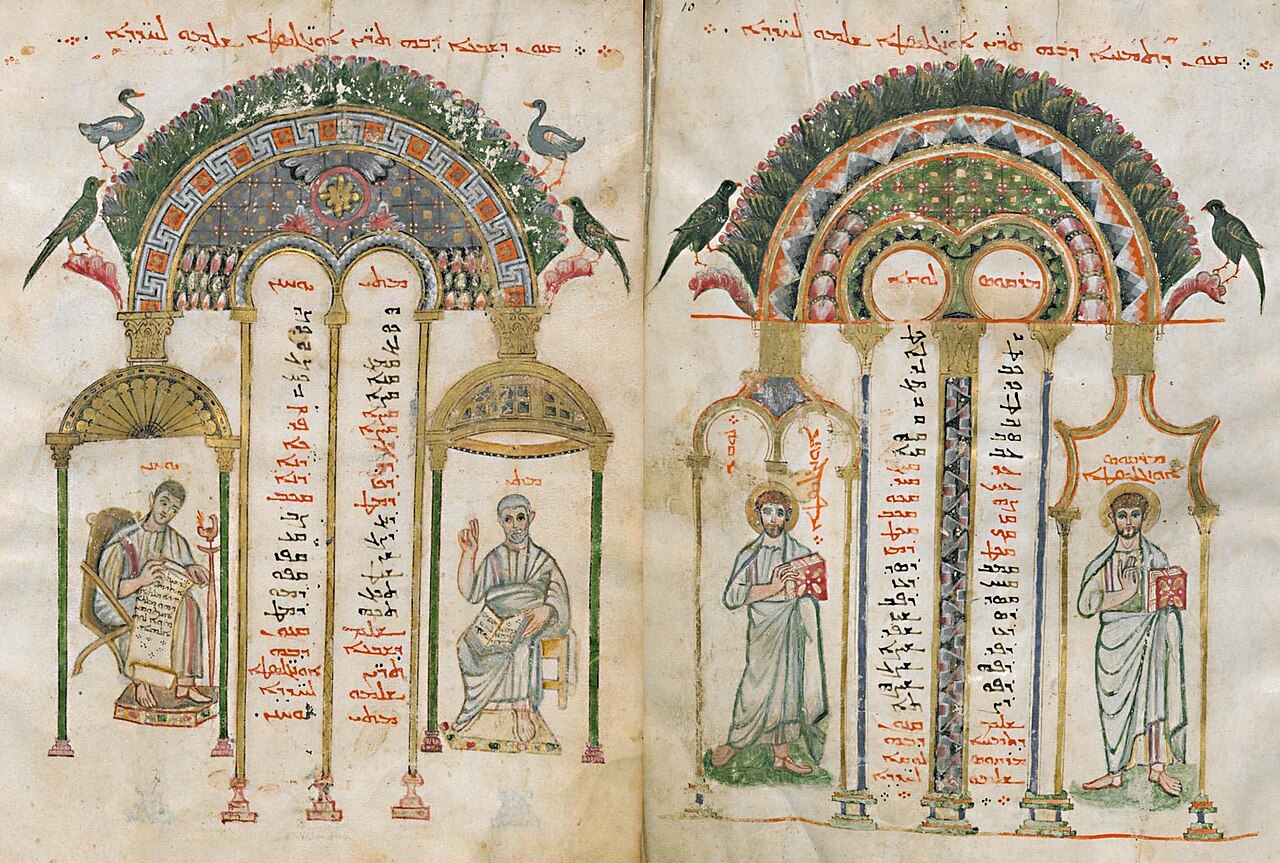 Painting
Secondary source
Rabbula Gospels
Rabbula (scribe) · 586
 Painting
Secondary source
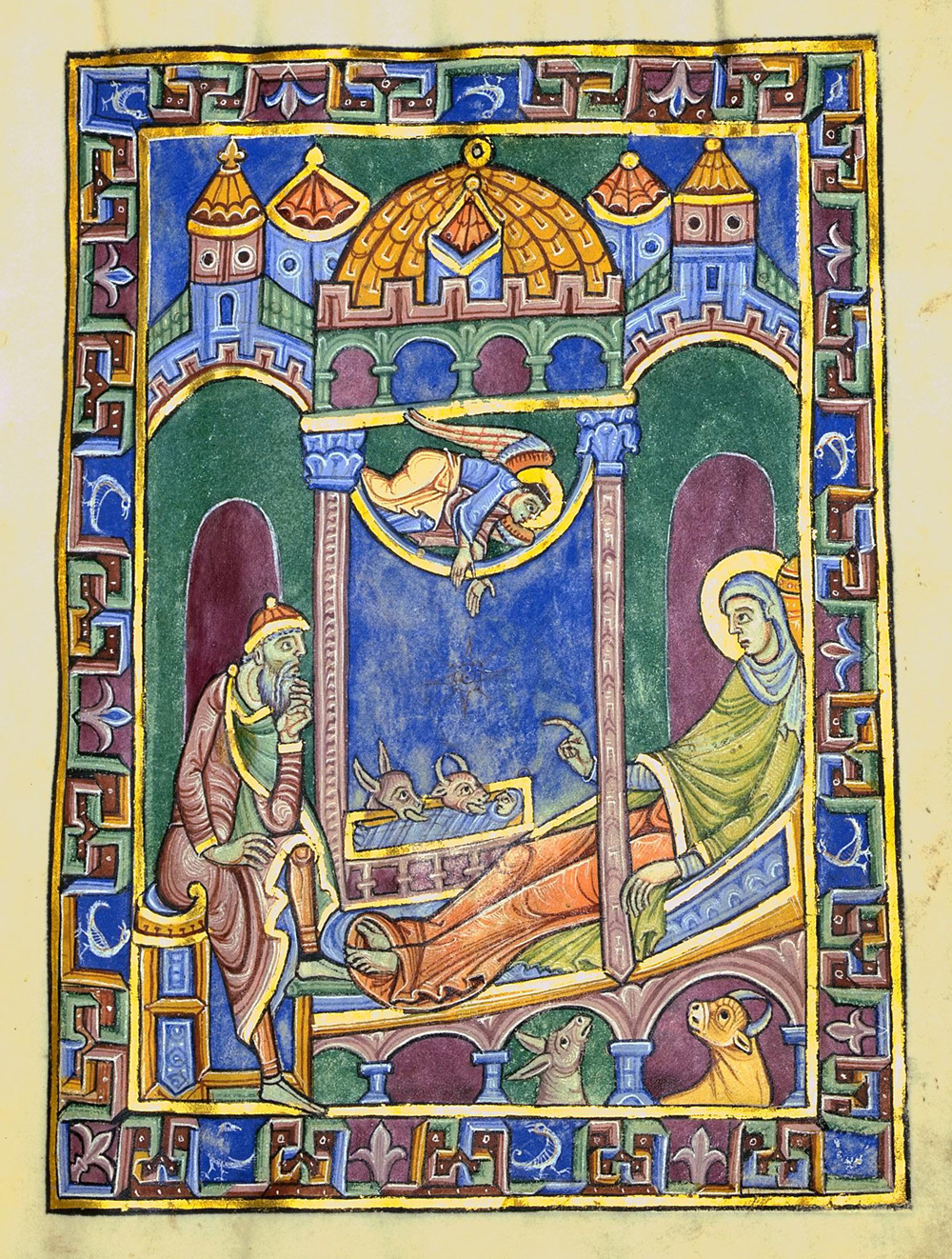
St Albans Psalter
12th century
 Book
Secondary source
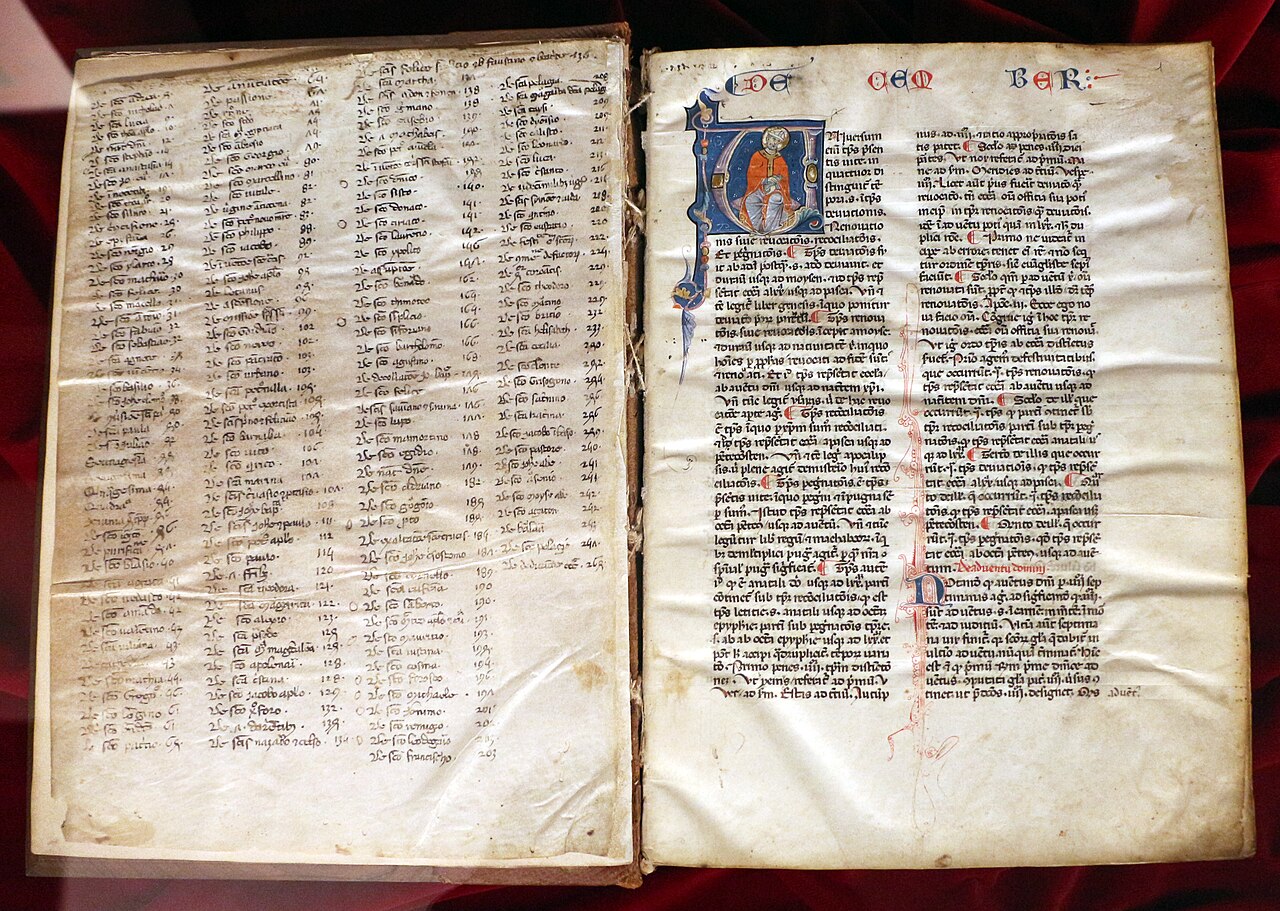
Golden Legend
Jacobus de Voragine · c. 1259–1266
 Artifact
Tertiary source
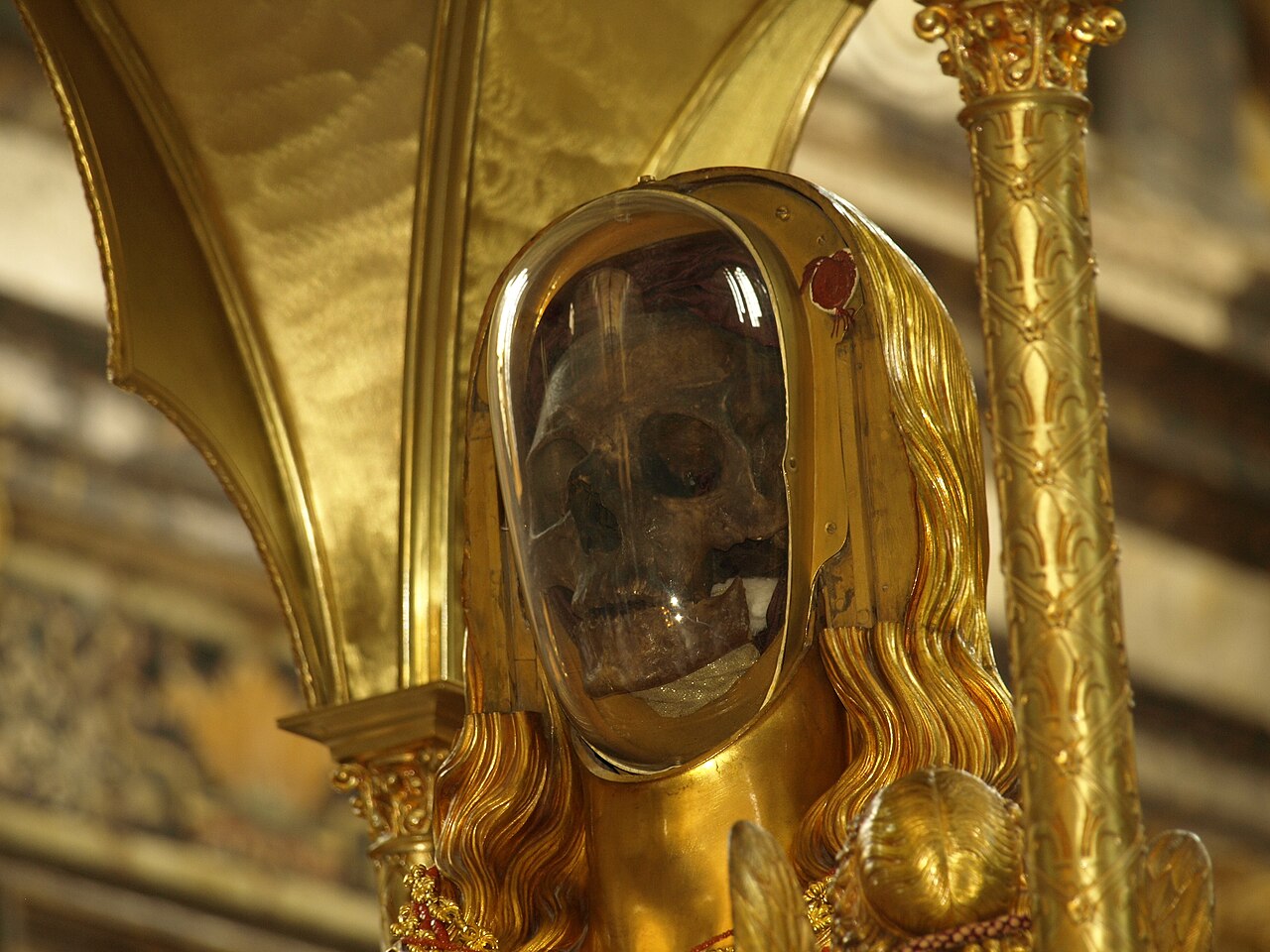
Skull Relic of Mary Magdalene
relic venerated from 1279; reliquary 19th century
Free account
Read every Mary Magdalene source
Sign up free →
Ready when you are
Start chatting with Mary Magdalene now.
20 messages free · No credit card · Available in 50+ languages.