


Primary sourceArtifactbetween 899 and 924
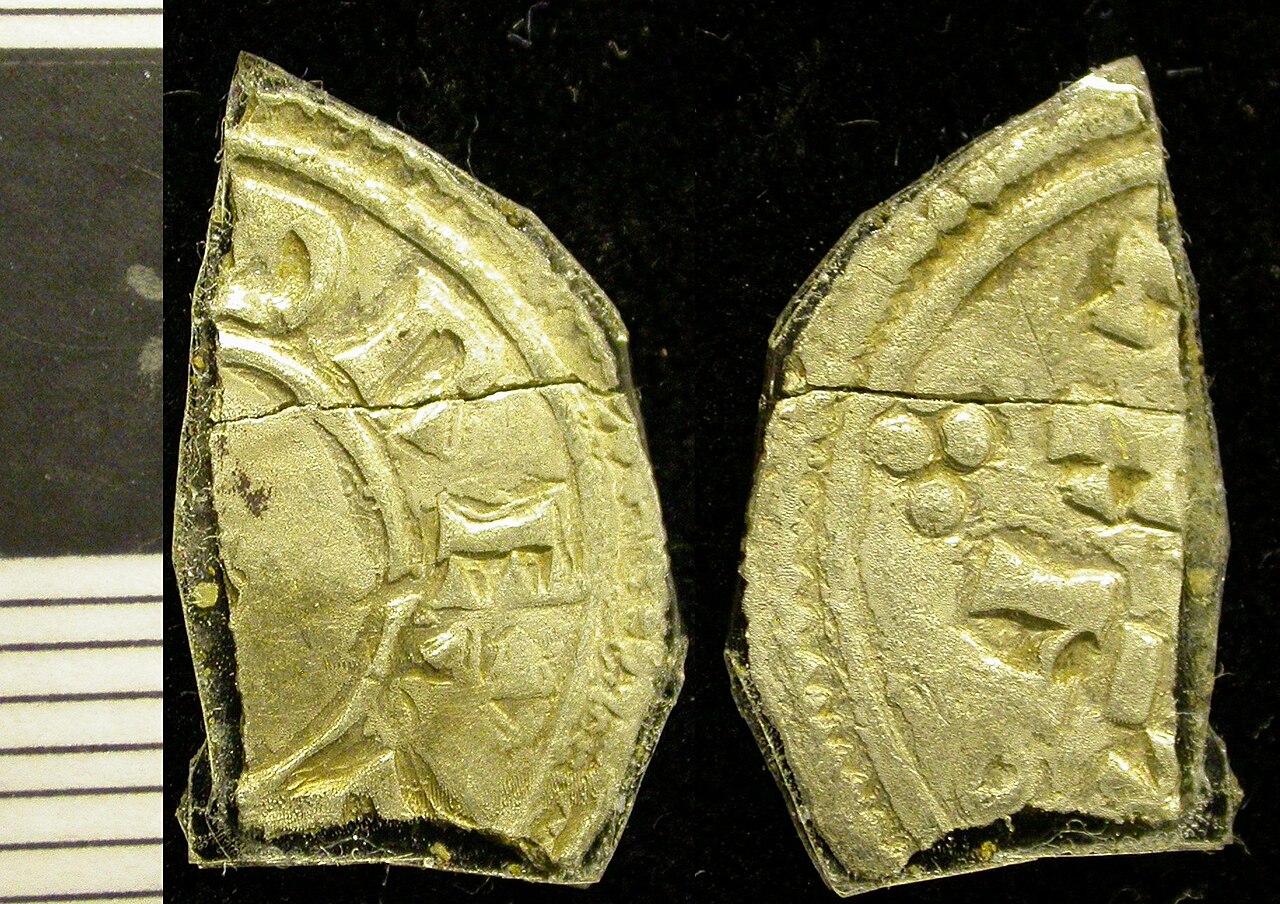
Penny Fragment of Edward the Elder, Two-Line Type
The Portable Antiquities Scheme · between 899 and 924
Two broken fragments of a silver penny struck in the reign of Edward the Elder, showing part of a moneyer's name.
Struck during Edward the Elder's reign, this coin fragment is physical evidence of his royal coinage.
About this source
What it is
These are two fragments of a broken silver penny of the two-line type, struck during the reign of Edward the Elder, King of Wessex (899-924). The obverse has a small central cross; the reverse carries part of the moneyer's name in two lines followed by the abbreviation MO.
Why it matters
Even partial inscriptions on coins help historians trace the network of moneyers who struck coins in the king's name across his kingdom. The uncertainty over the moneyer's exact name shows how archaeologists must work carefully from incomplete evidence.
Look closer
- Why might a coin break into several pieces over a thousand years?
- What does the partial name suggest about the limits of what we can know from damaged objects?
- How might this coin have been used before it was lost or broken?
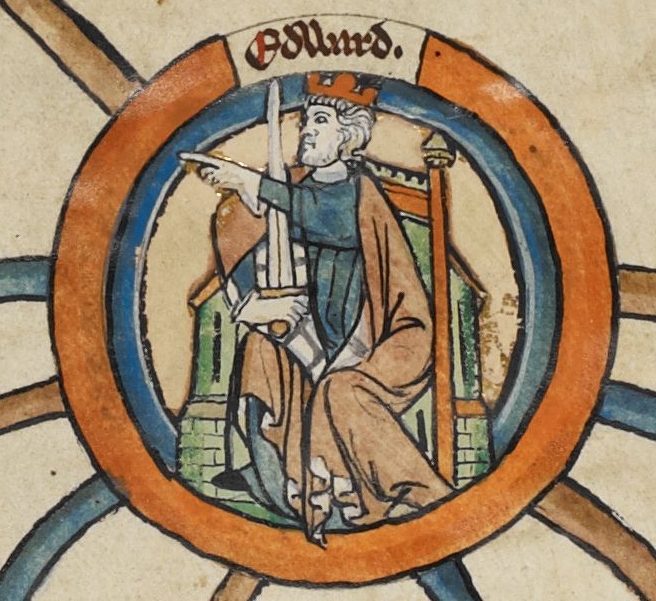
This artifact is part of the curated material that grounds the AI version of Edward the Elder on Humy.ai — when students ask about related events, the AI can quote it and cite it.
More Edward the Elder sources
Browse all 44 →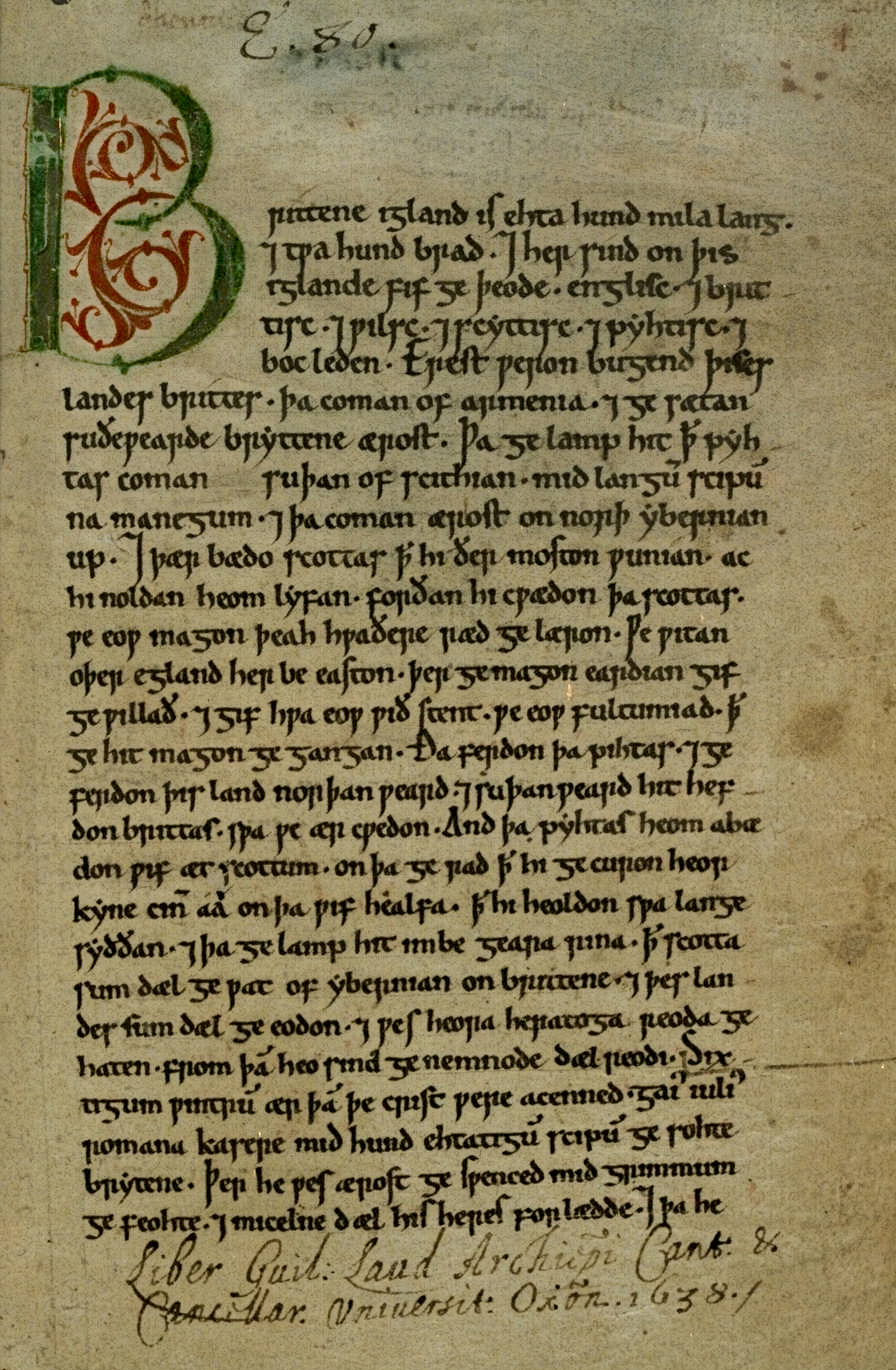 Document
Primary source
Anglo-Saxon Chronicle
c. 890 (Common Stock)
 Artifact
Primary source
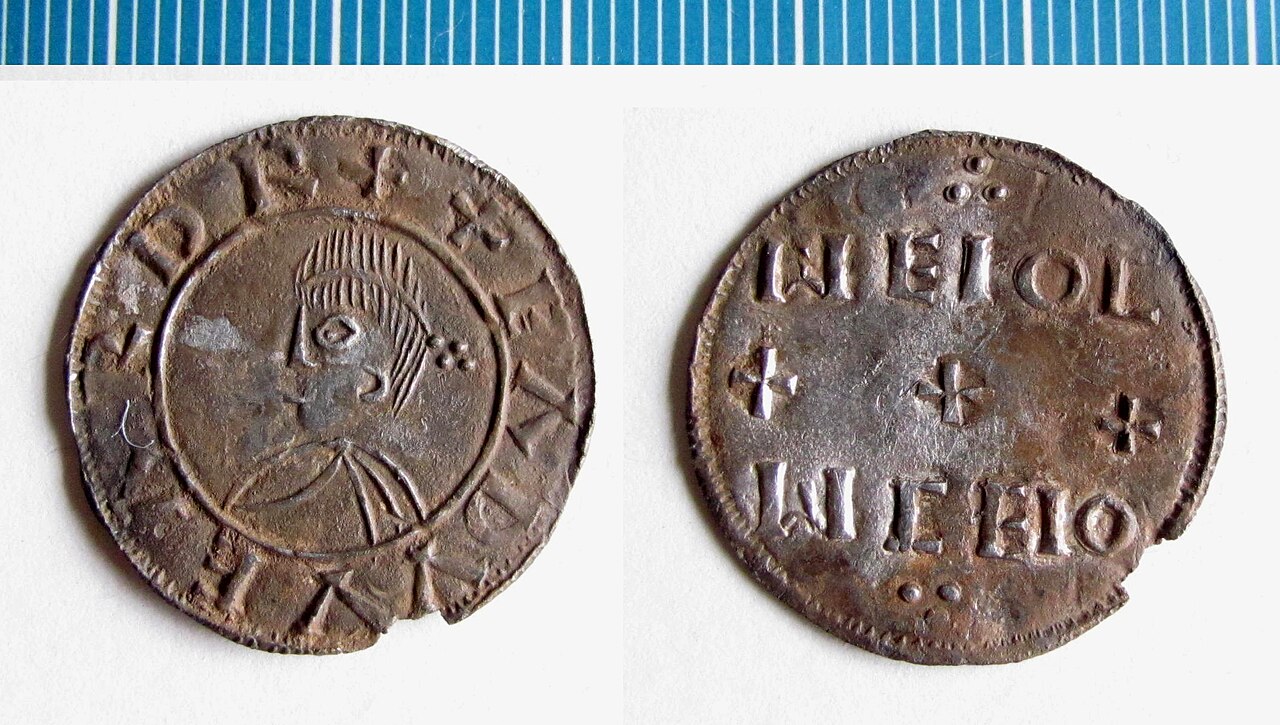
Silver Penny of Edward the Elder
Royal moneyers of Edward the Elder · 899–924
 Book
Primary source
Life of King Alfred
Asser · 893
 Document
Secondary source
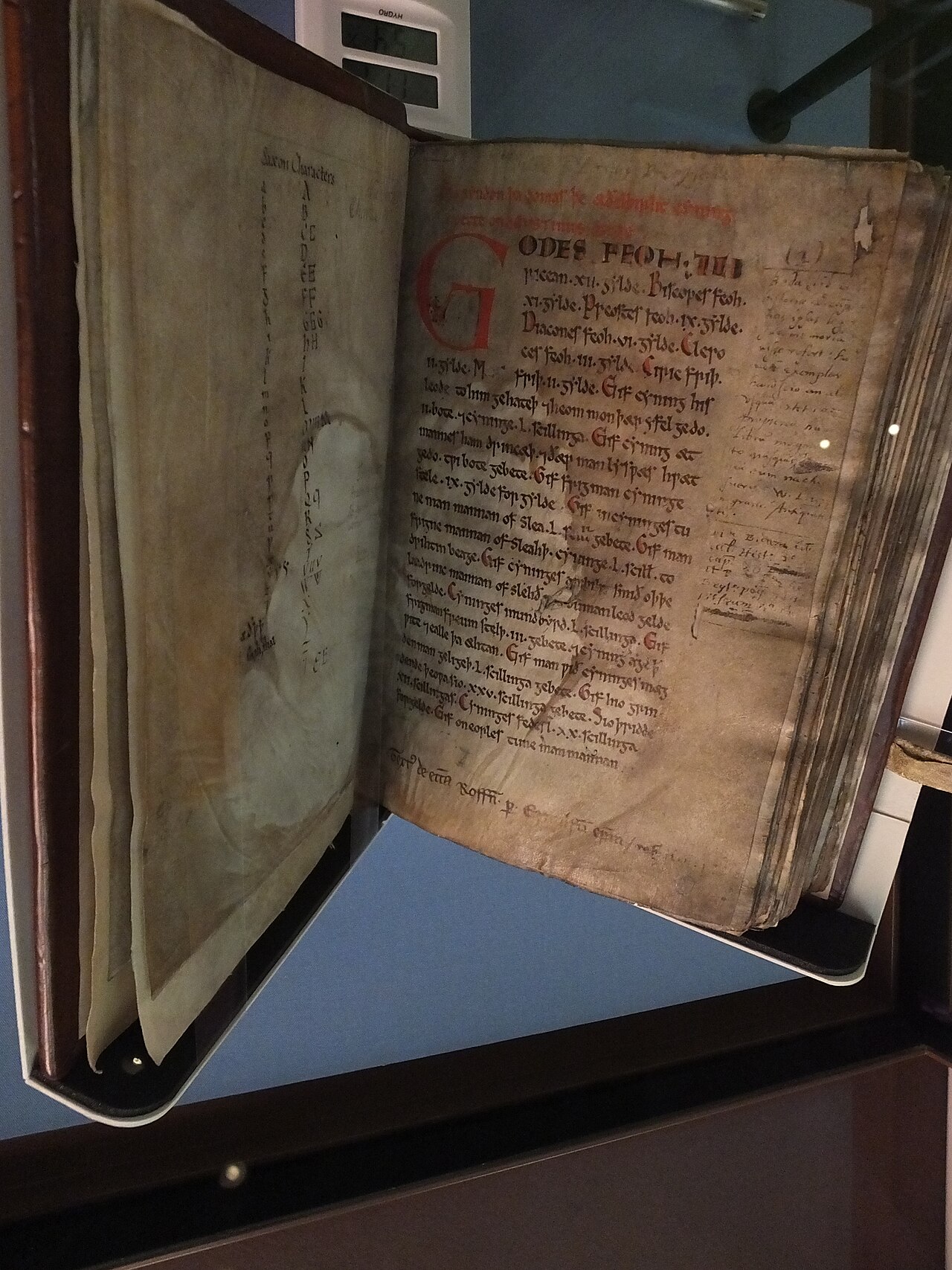
Textus Roffensis
c. 1300 (this copy; text 1122-1124)

Free account
Read every Edward the Elder source
Sign up free →
Ready when you are
Start chatting with Edward the Elder now.
20 messages free · No credit card · Available in 50+ languages.