


Primary sourceArtifactc. 1140s
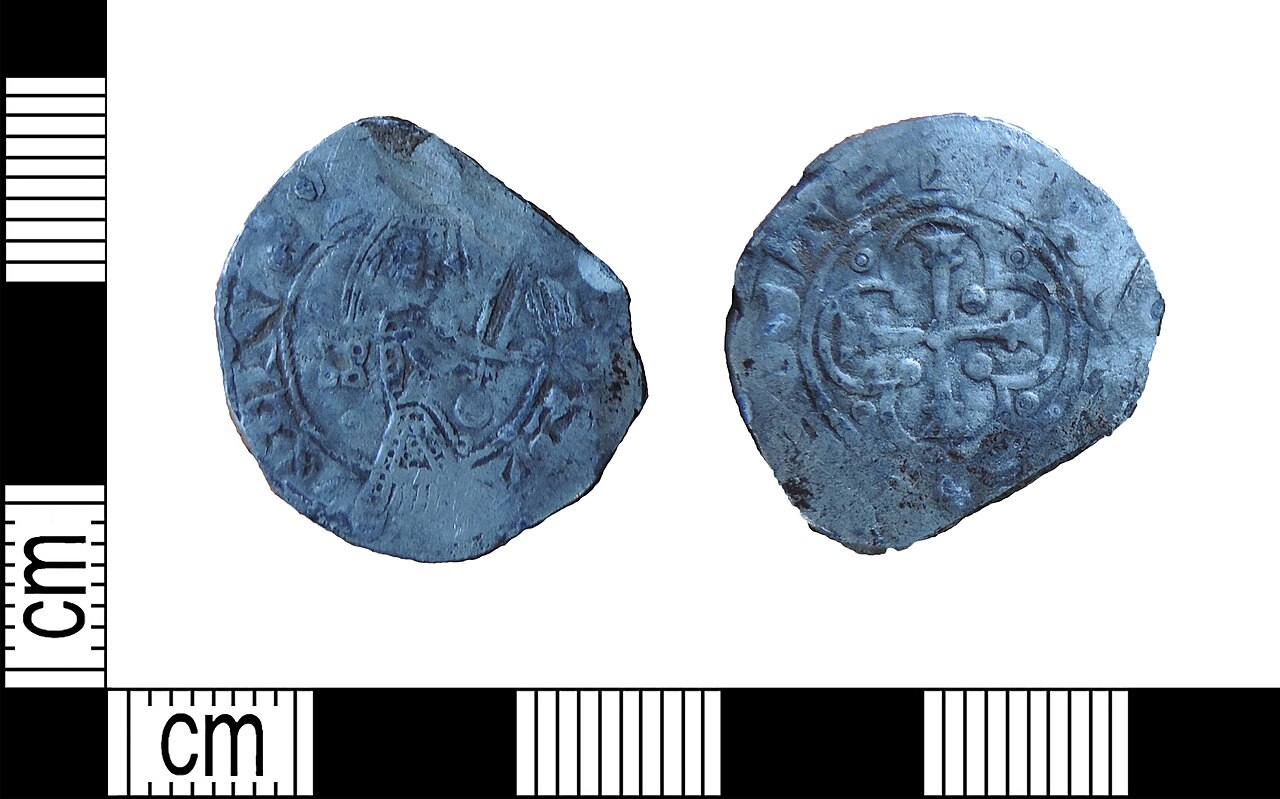
Penny of Eustace FitzJohn
c. 1140s
A baronial coin struck without the king's name during Stephen's reign, showing how nobles seized the royal right to mint money amid the civil war.
This baronial coin, struck without Stephen's name, shows how magnates usurped royal authority during his troubled reign.
Free Humy account · No credit card · 120,912 sources to read
About this source
What it is
This small silver-grey coin, held by the British Museum, is attributed to the baronial coinage of Eustace FitzJohn, struck around the 1140s in Yorkshire during the reign of King Stephen. It does not match any other known coin of Eustace FitzJohn, and may be a clipped contemporary piece or a later attempted copy, since it was cast rather than struck from dies.
Why it matters
Minting coins was normally a right reserved for the king alone. That a baron like Eustace FitzJohn could strike his own coinage, without naming Stephen, shows how far royal authority had broken down during the Anarchy, as local magnates took on powers usually kept by the crown.
Look closer
- Why would striking your own coins, without the king's name, be seen as a bold or even rebellious act?
- What do the uncertainties noted by experts about this coin's authenticity teach us about using objects as historical evidence?
- What does the existence of baronial coinage suggest about the strength of Stephen's rule?
This artifact is part of the curated material that grounds the AI version of Stephen, King of England on Humy.ai — when students ask about related events, the AI can quote it and cite it.
More Stephen, King of England sources
Browse all 73 →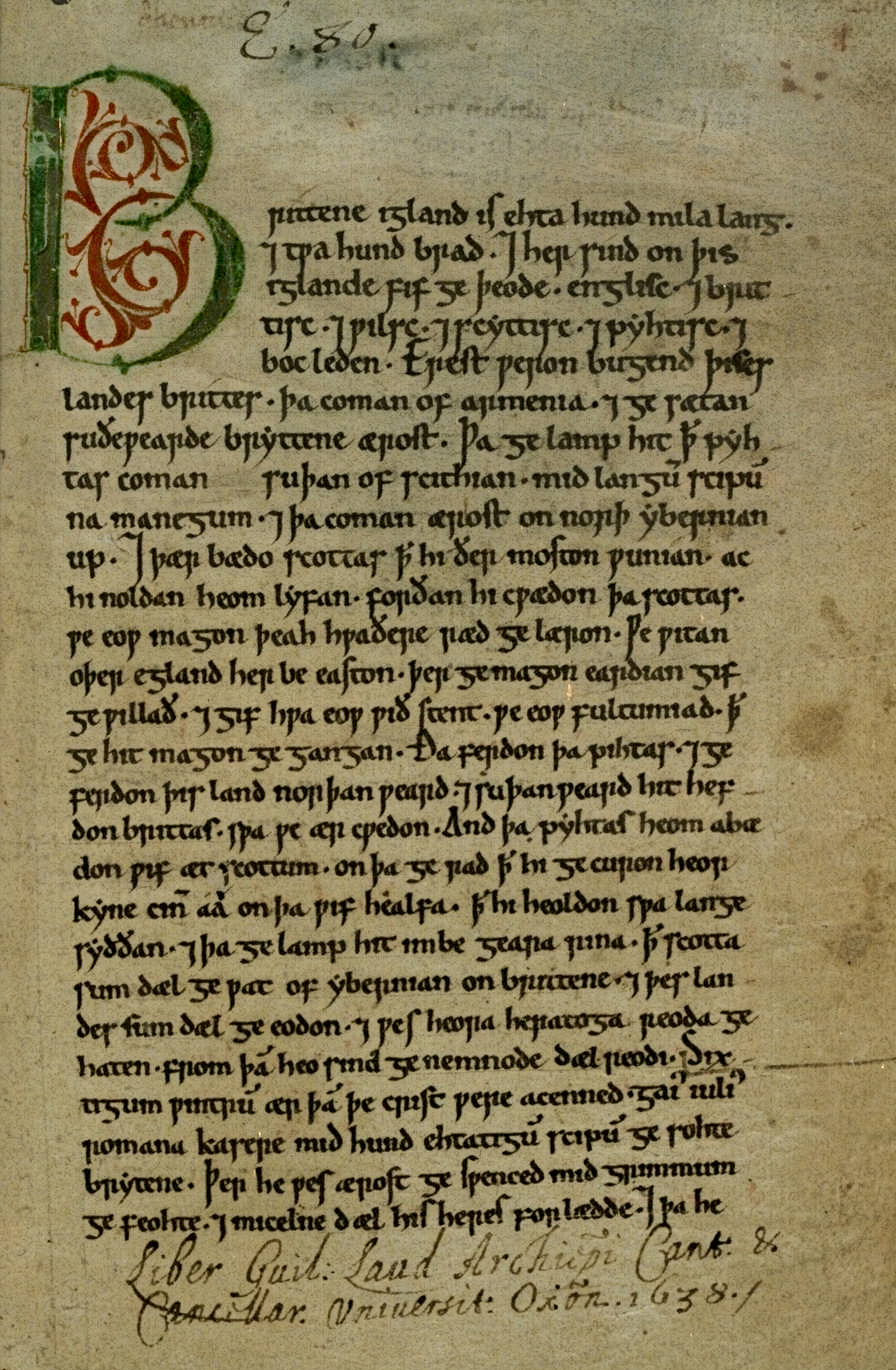 Book
Primary source
Peterborough Chronicle
c. 1130
 Artifact
Primary source
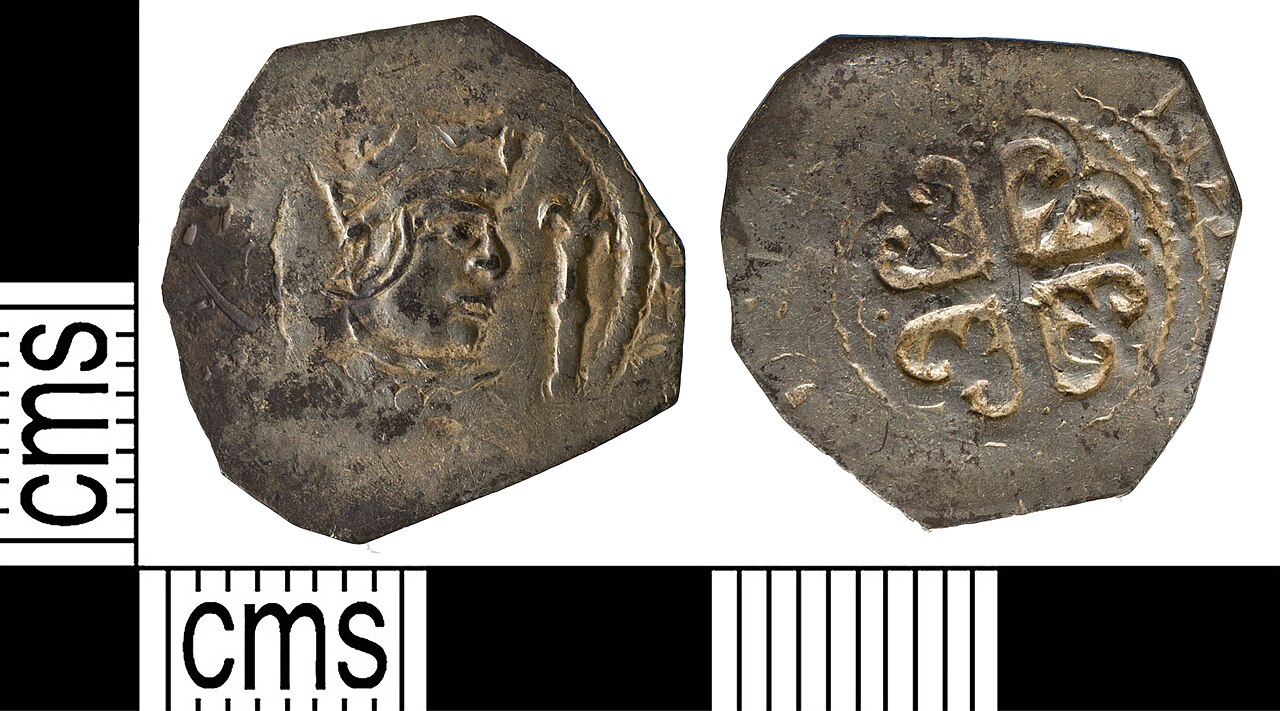
Silver Penny of King Stephen (Watford/Cross Moline Type)
Royal mints of Stephen · c. 1136–1145
 Artifact
Primary source
Lincoln Castle
1068
 Artifact
Secondary source
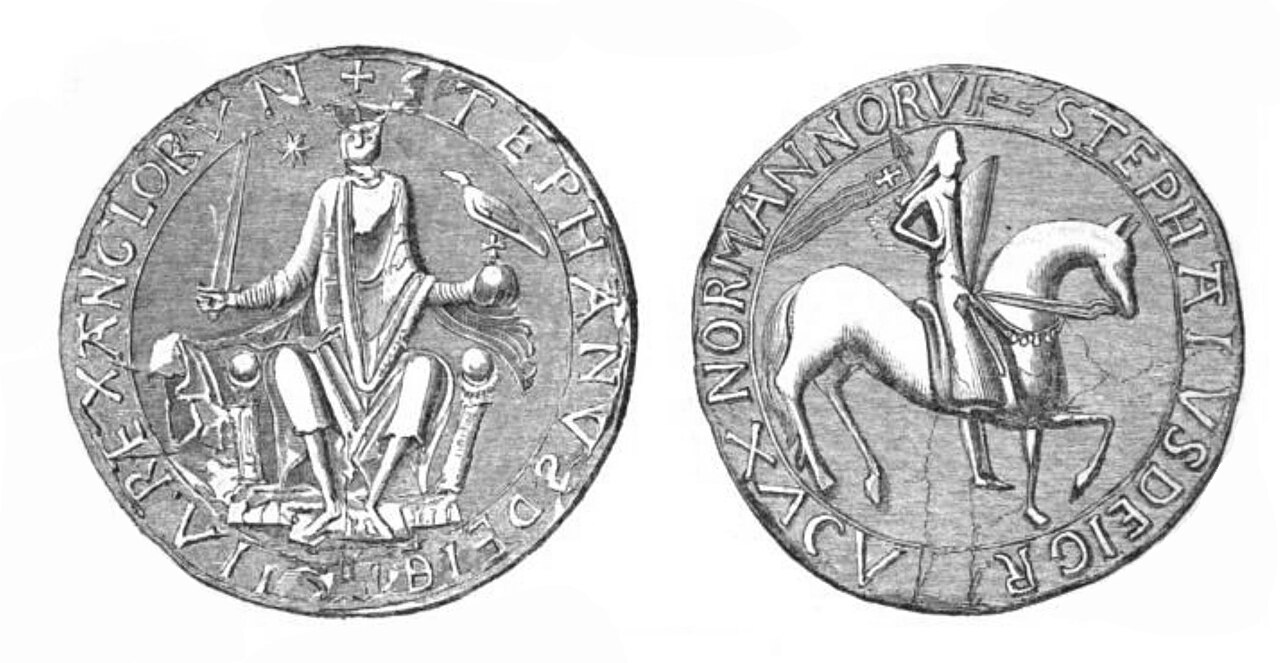
Great Seal of King Stephen
Royal chancery of Stephen · 1135–1154
Free account
Read every Stephen, King of England source
Sign up free →
Ready when you are
Start chatting with Stephen, King of England now.
20 messages free · No credit card · Available in 50+ languages.