


Secondary sourcePainting19th century
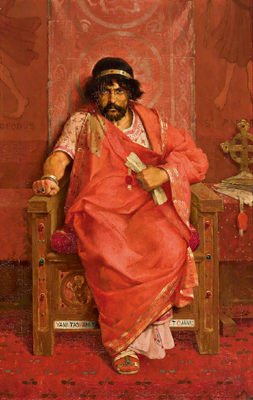
Pepin the Short after the Murder of Duke Waifre
Theophile Marie Francois Lybaert · 19th century
A 19th-century painting imagining Pepin the Short seated after the killing of Duke Waiofar of Aquitaine.
This later imagined portrait shows Pepin after a violent episode of his Aquitanian wars, reflecting how later artists depicted him.
About this source
What it is
This is a 19th-century painting by Théophile Marie François Lybaert showing Pepin the Short seated on an ornate throne, holding a folded paper, after the killing of Duke Waiofar of Aquitaine.
Why it matters
The painting recalls the brutal wars Pepin fought in Aquitaine, where Duke Waiofar resisted Frankish rule. It was painted many centuries after Pepin's lifetime, so it tells us more about how 19th-century artists imagined early medieval kingship than about the real appearance of Pepin or the events themselves.
Look closer
- What details make this man look like a powerful king?
- Why might an artist centuries later choose to paint this violent moment in Pepin's reign?
- What can't a painting like this tell us about what really happened?
This painting is part of the curated material that grounds the AI version of Pepin the Short on Humy.ai — when students ask about related events, the AI can quote it and cite it.
More Pepin the Short sources
Browse all 58 →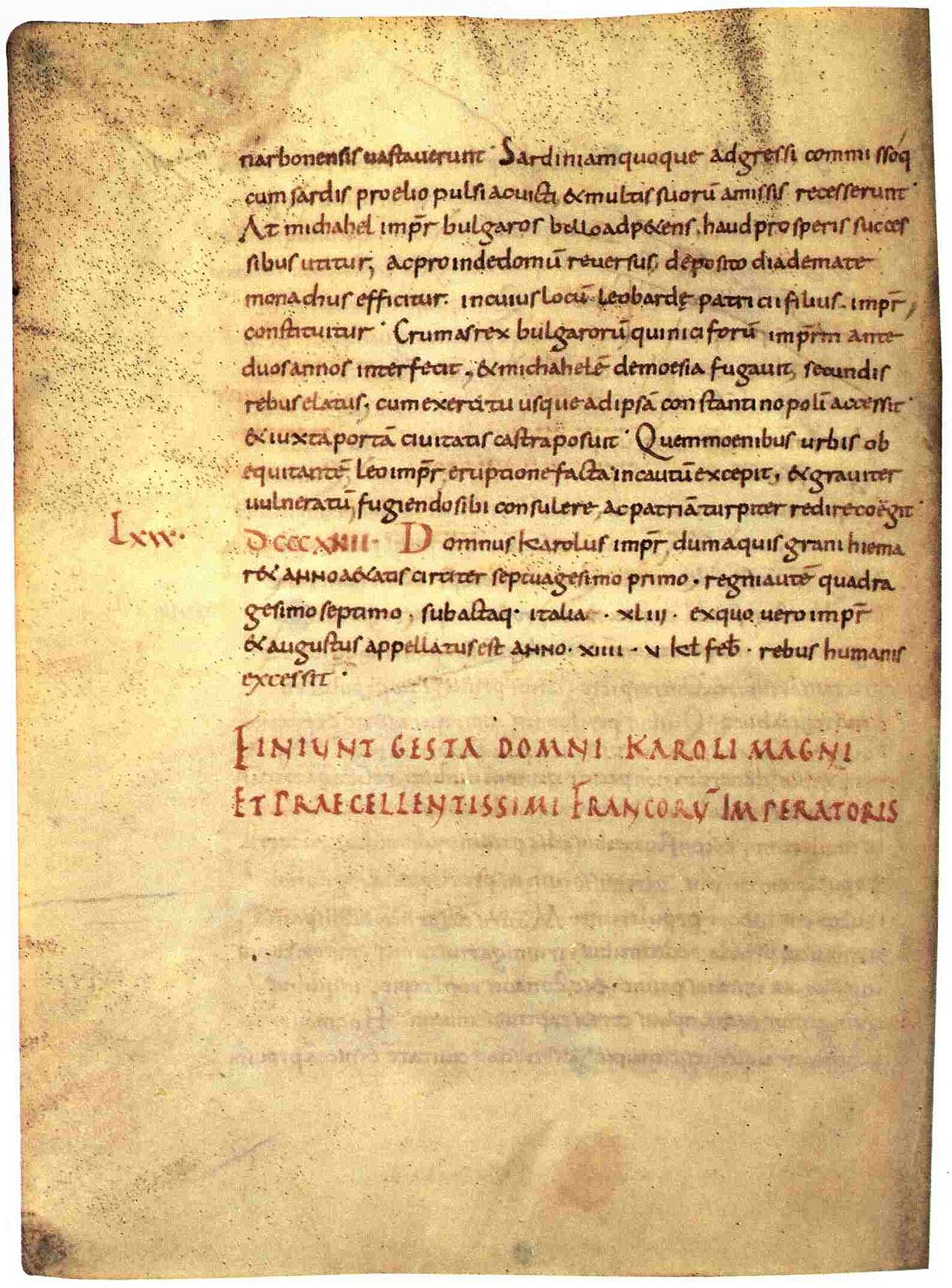 Document
Primary source
Royal Frankish Annals
741-829, this manuscript c. 900
 Document
Primary source
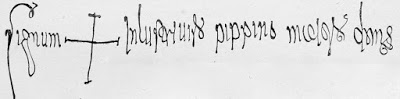
Signature of Pepin the Short
Pepin the Short
 Artifact
Secondary source
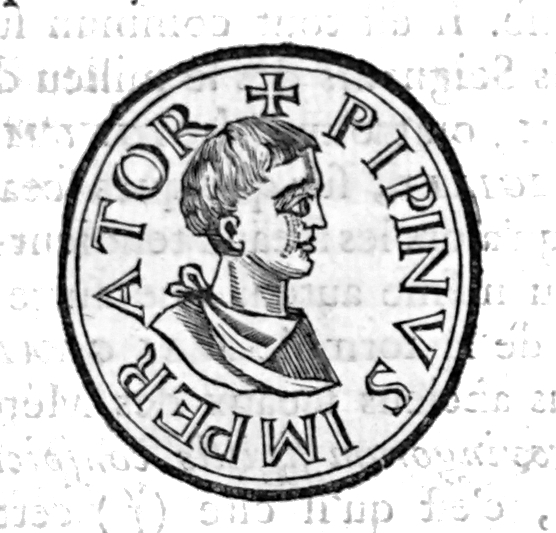
Seal of Pepin the Short
René Tassin
 Book
Secondary source
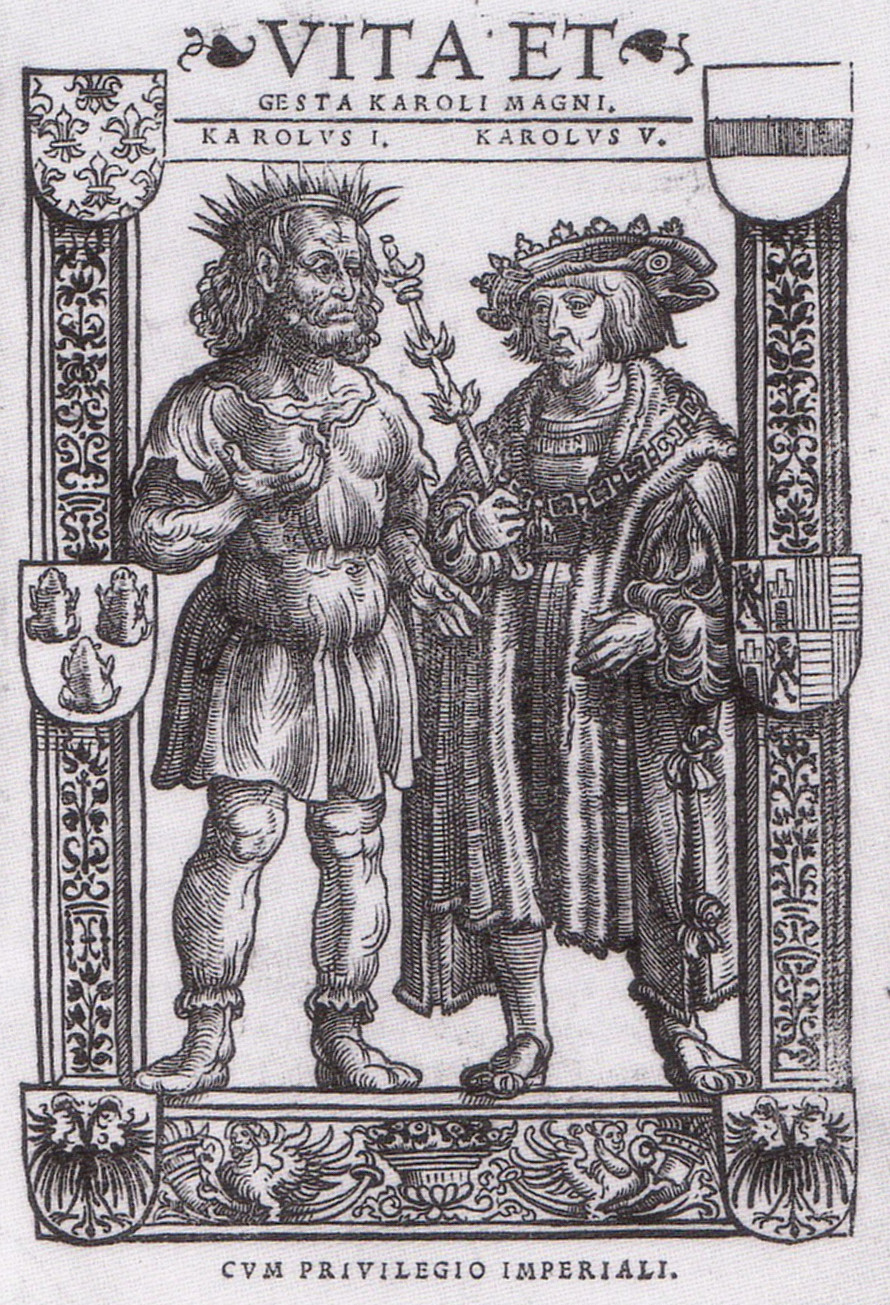
Vita Karoli Magni
Einhard · c. 817-833
Free account
Read every Pepin the Short source
Sign up free →
Ready when you are
Start chatting with Pepin the Short now.
20 messages free · No credit card · Available in 50+ languages.