


Primary sourceSculpturec. 515-465 BCE
Persepolis Apadana reliefs
Achaemenid sculptors · c. 515-465 BCE
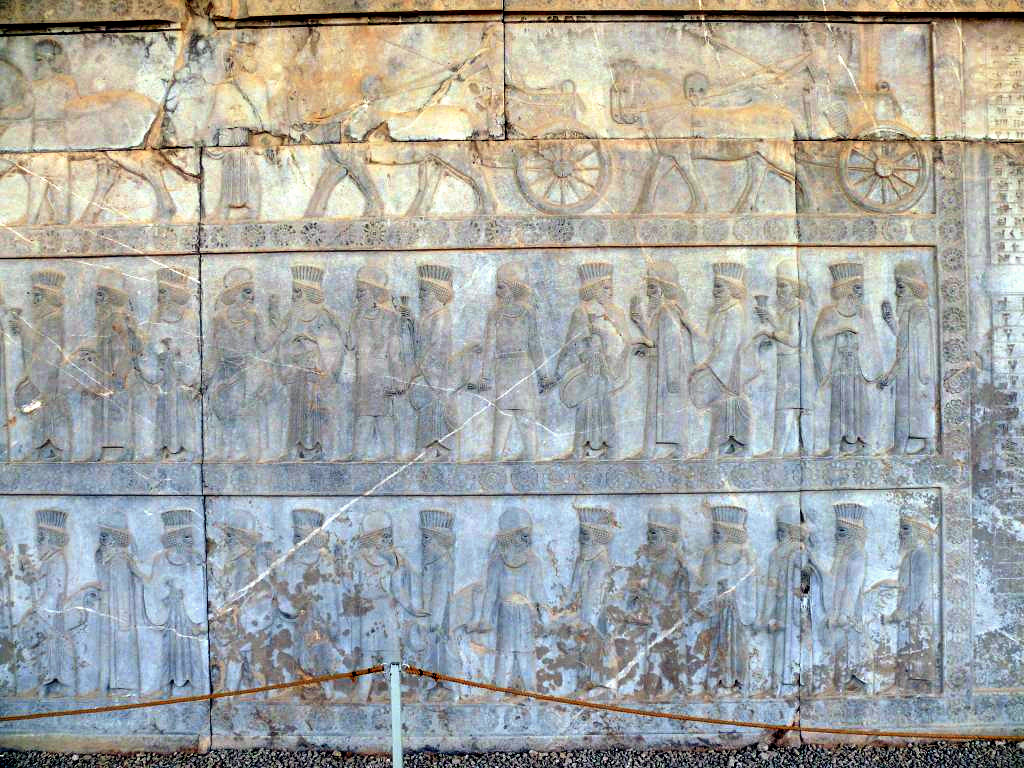
Stone carvings at the Persian palace of Persepolis showing the many peoples of the empire that Leonidas faced at Thermopylae.
Depicts the subject peoples of the Persian army that Leonidas and his men faced at Thermopylae.
Free Humy account · No credit card · 120,912 sources to read
About this source
What it is
These are stone relief carvings on the Apadana, a great columned hall at Persepolis in Iran, made by Achaemenid Persian sculptors in the late sixth and early fifth centuries BCE. They show rows of figures in long robes, bringing tribute, along with chariots and horses.
Why it matters
The reliefs show the vast range of peoples who were part of the Persian Empire ruled by kings such as Darius and Xerxes. This was the empire whose army Leonidas and his Spartan-led force confronted at the Battle of Thermopylae — the reliefs give a sense of its scale and diversity.
Look closer
- What does the careful, repeated carving of so many different peoples tell you about how the Persian kings wanted to present their empire?
- What is missing from this image — does it show any hint of conflict or resistance?
- How might this Persian viewpoint differ from the Greek stories about the same empire?
This sculpture is part of the curated material that grounds the AI version of Leonidas I on Humy.ai — when students ask about related events, the AI can quote it and cite it.
More Leonidas I sources
Browse all 58 → Book
Secondary source
Histories
Herodotus · c. 440 BCE
 Document
Primary source
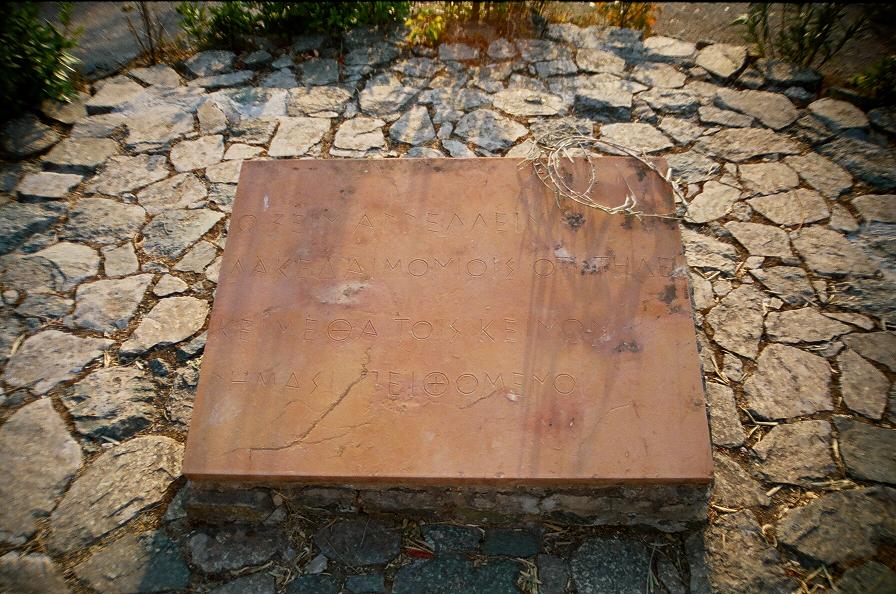
Go Tell the Spartans epitaph
Attributed to Simonides of Ceos · c. 480-479 BCE
 Painting
Primary source
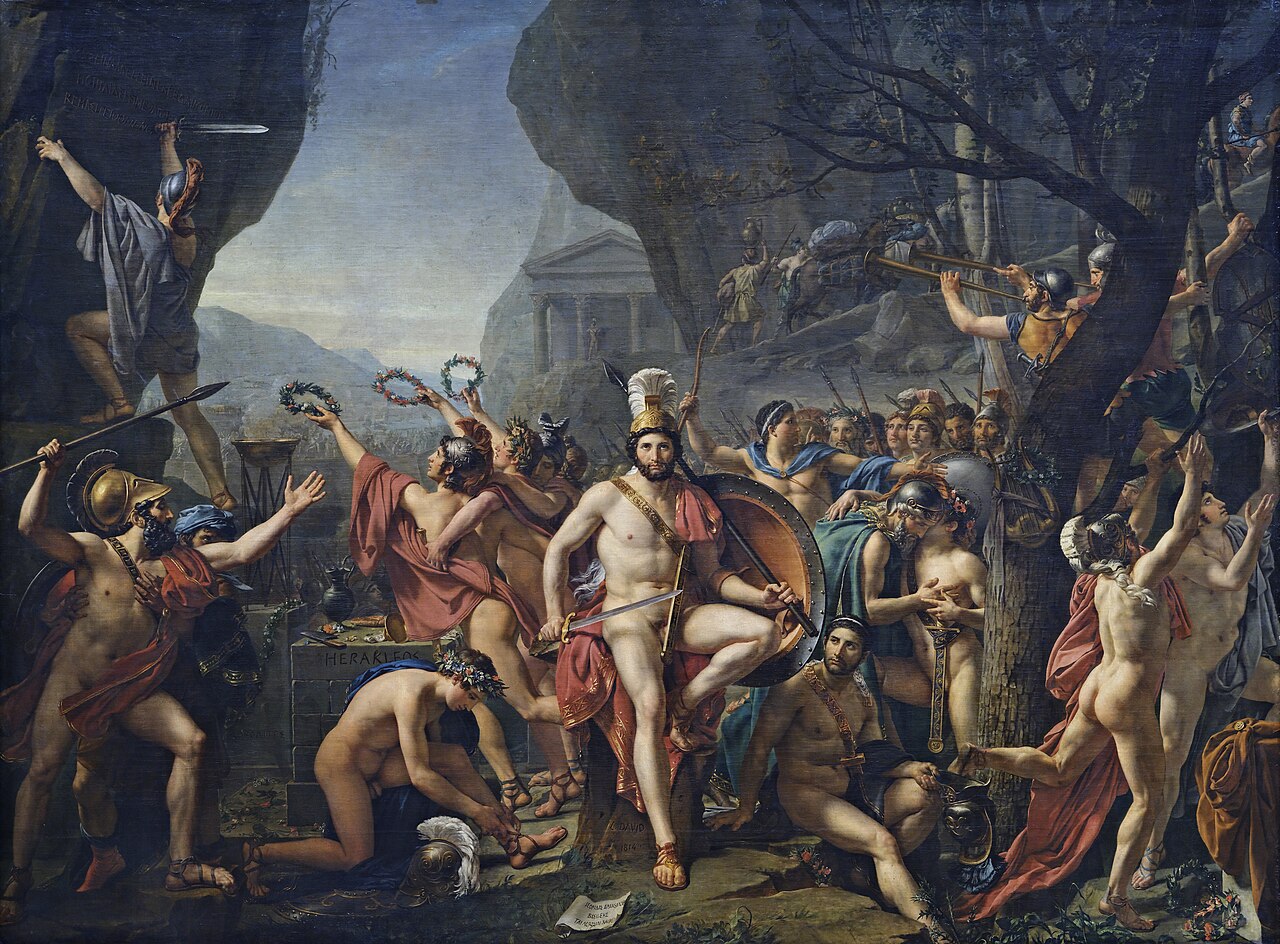
Leonidas at Thermopylae
Jacques-Louis David · 1799–1814
 Book
Secondary source
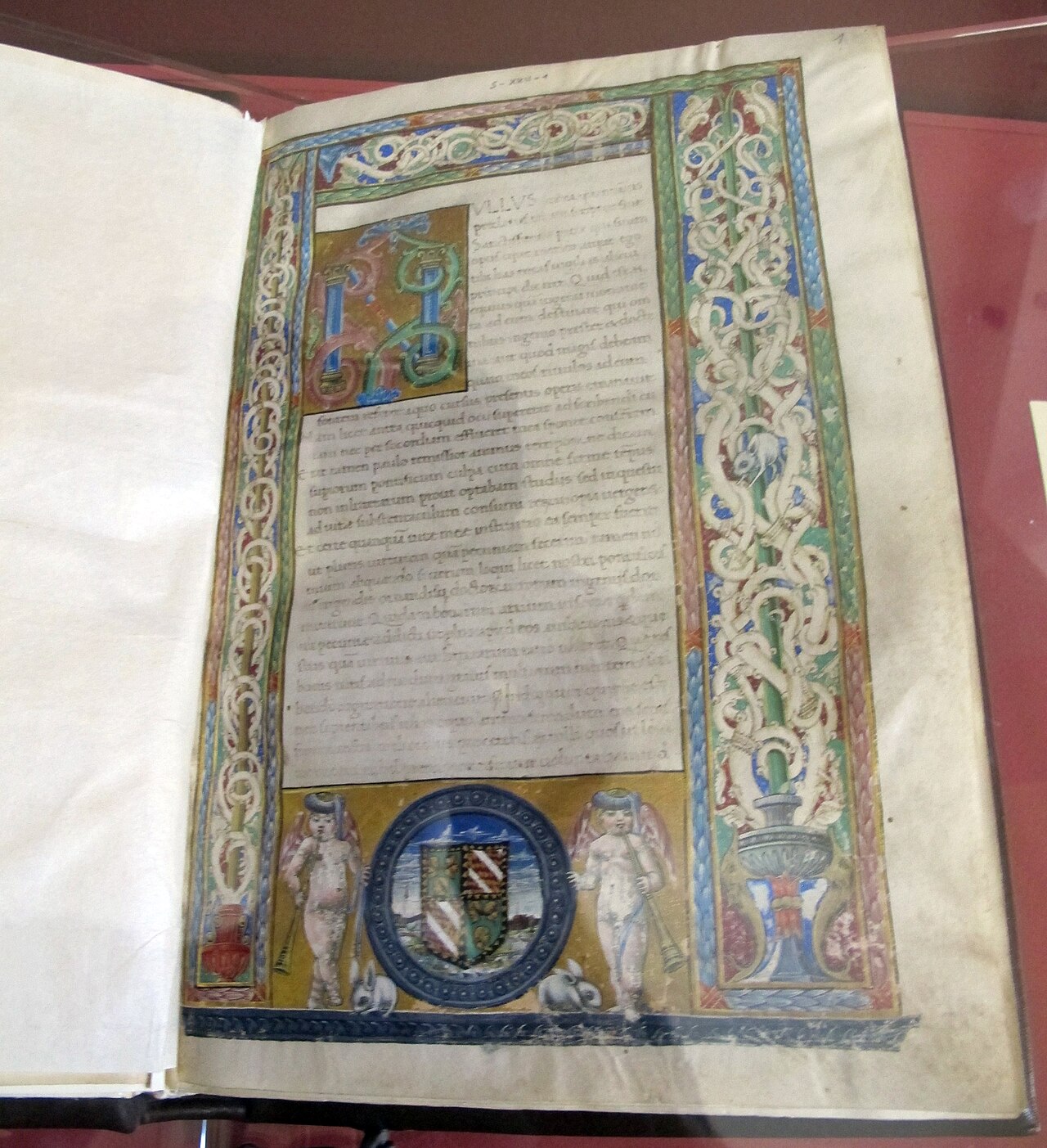
Bibliotheca Historica
Diodorus Siculus · 1st century BCE
Free account
Read every Leonidas I source
Sign up free →
Ready when you are
Start chatting with Leonidas I now.
20 messages free · No credit card · Available in 50+ languages.