


Secondary sourcePainting1902
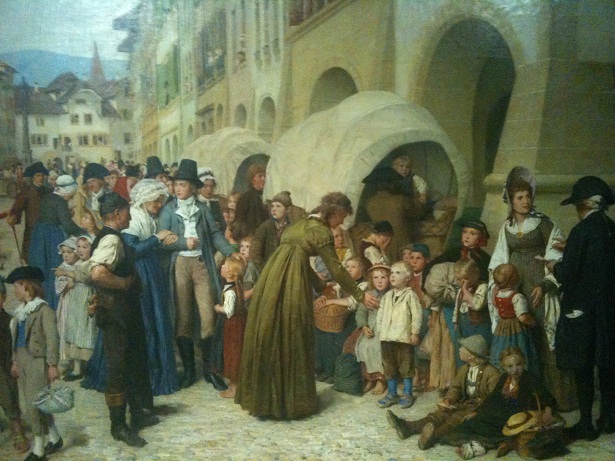
Pestalozzi et les orphelins
Albert Anker · 1902
A 1902 painting imagining Pestalozzi helping orphaned children, created decades after his death.
This painting imagines Pestalozzi caring for orphaned children, reflecting his reputation as a champion of the poor.
About this source
What it is
This painting was made in 1902 by the Swiss artist Albert Anker. It shows an imagined scene of Pestalozzi with orphans, created more than seventy years after Pestalozzi's death, likely referring to his work caring for poor and orphaned children at Stans.
Why it matters
Because it was painted long after Pestalozzi's lifetime, this image is not a firsthand record but a later artist's tribute, showing how Pestalozzi was remembered and celebrated as a caring figure in Swiss history. It reflects the values people in 1902 wanted to associate with him: compassion and generosity toward the poor.
Look closer
- Since Anker painted this scene decades after Pestalozzi died, what choices might he have made to show Pestalozzi in a certain light?
- What do the ragged children and the man and woman giving out bread suggest about the story the painting tells?
- What might this painting leave out about the real, harder conditions of Pestalozzi's work with orphans?
This painting is part of the curated material that grounds the AI version of Johann Heinrich Pestalozzi on Humy.ai — when students ask about related events, the AI can quote it and cite it.
More Johann Heinrich Pestalozzi sources
Browse all 93 →Primary source
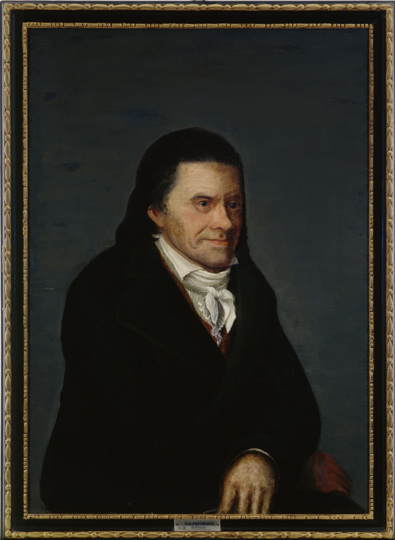
Leonard and Gertrude
Johann Heinrich Pestalozzi · 1781
 Painting
Primary source
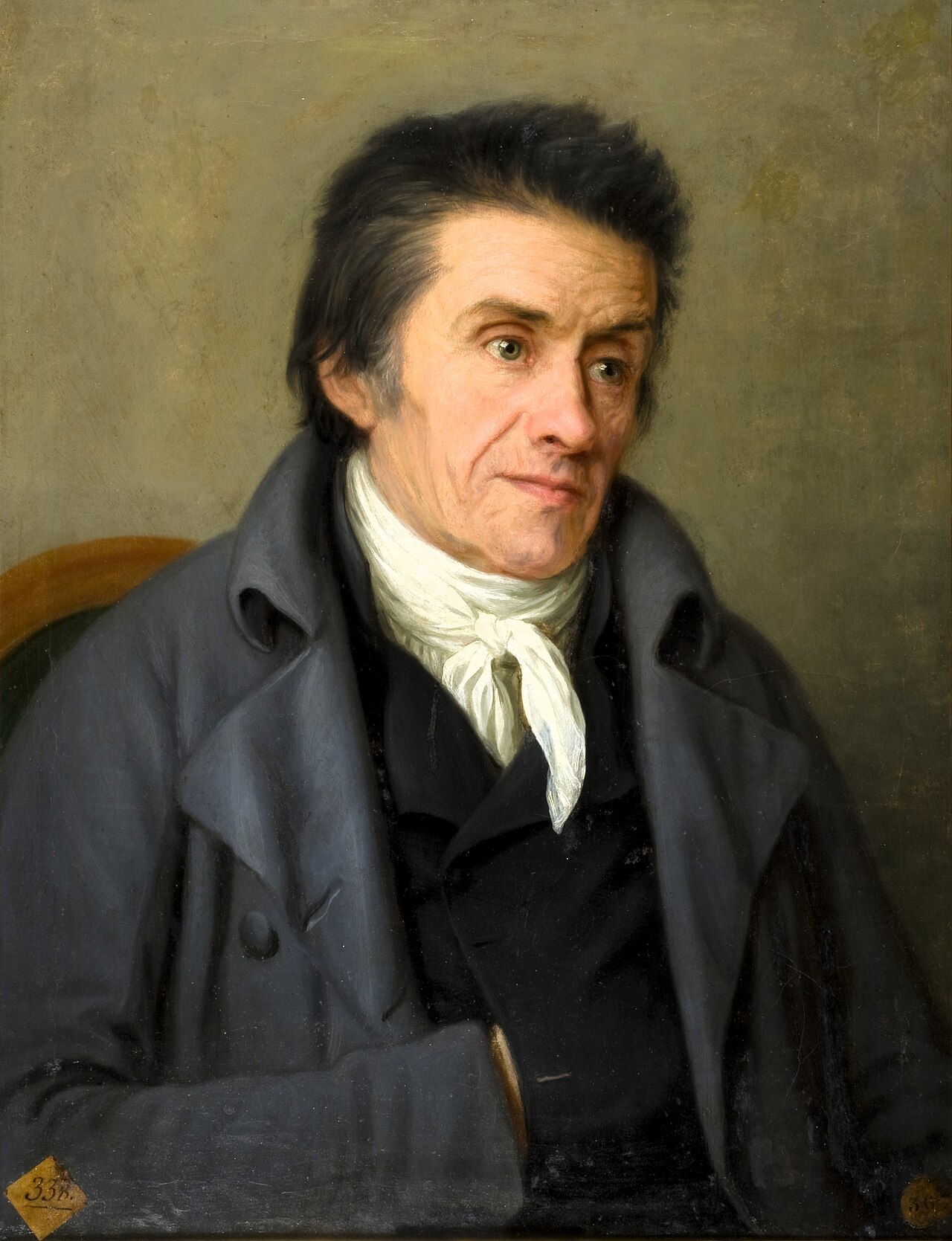
Portrait of Johann Heinrich Pestalozzi by Georg Friedrich Adolph Schöner
Georg Friedrich Adolph Schöner · 1804
 Sculpture
Primary source
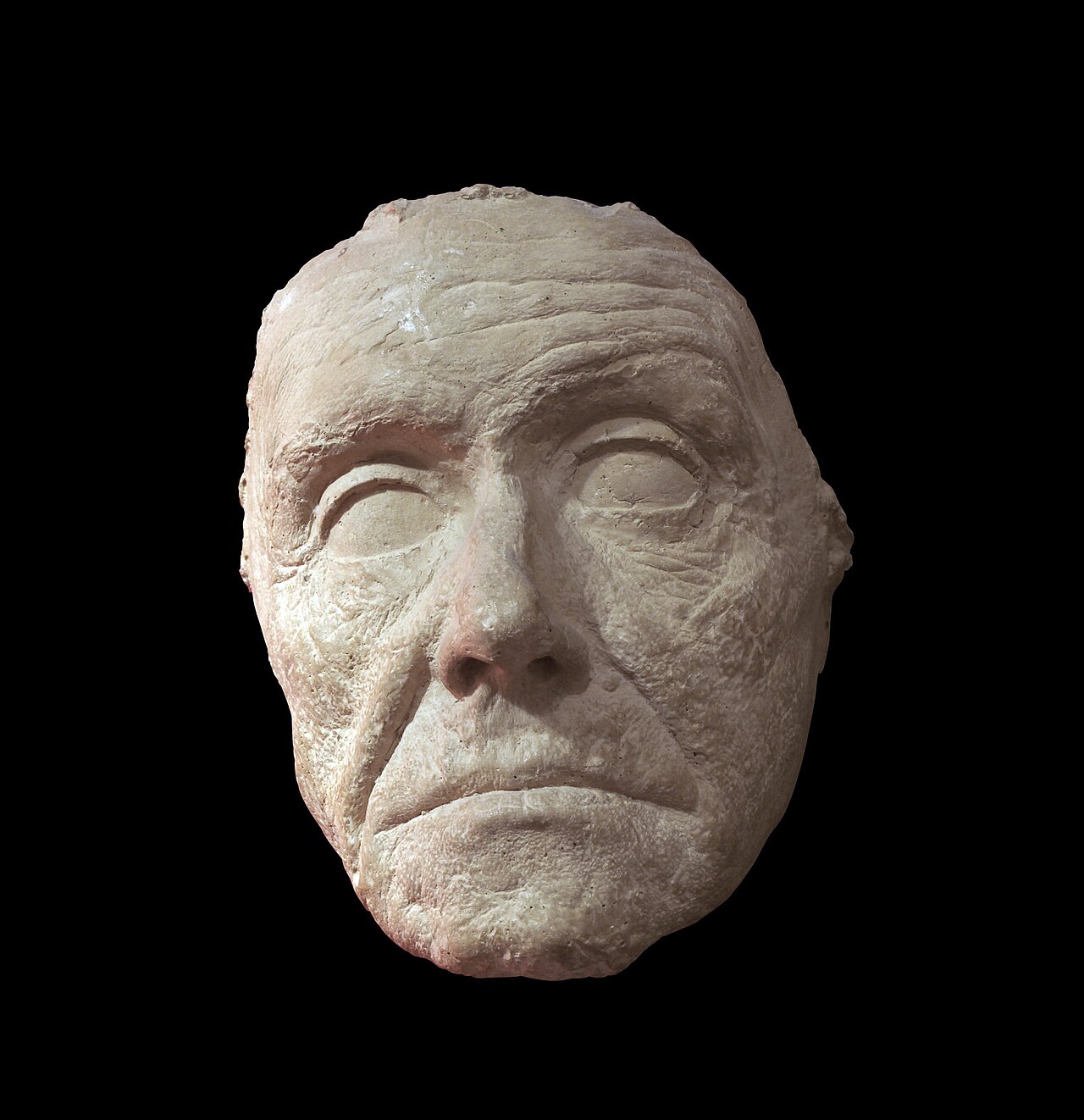
Terracotta Mask of Johann Heinrich Pestalozzi
J.M. Christen · 1809
 Painting
Secondary source
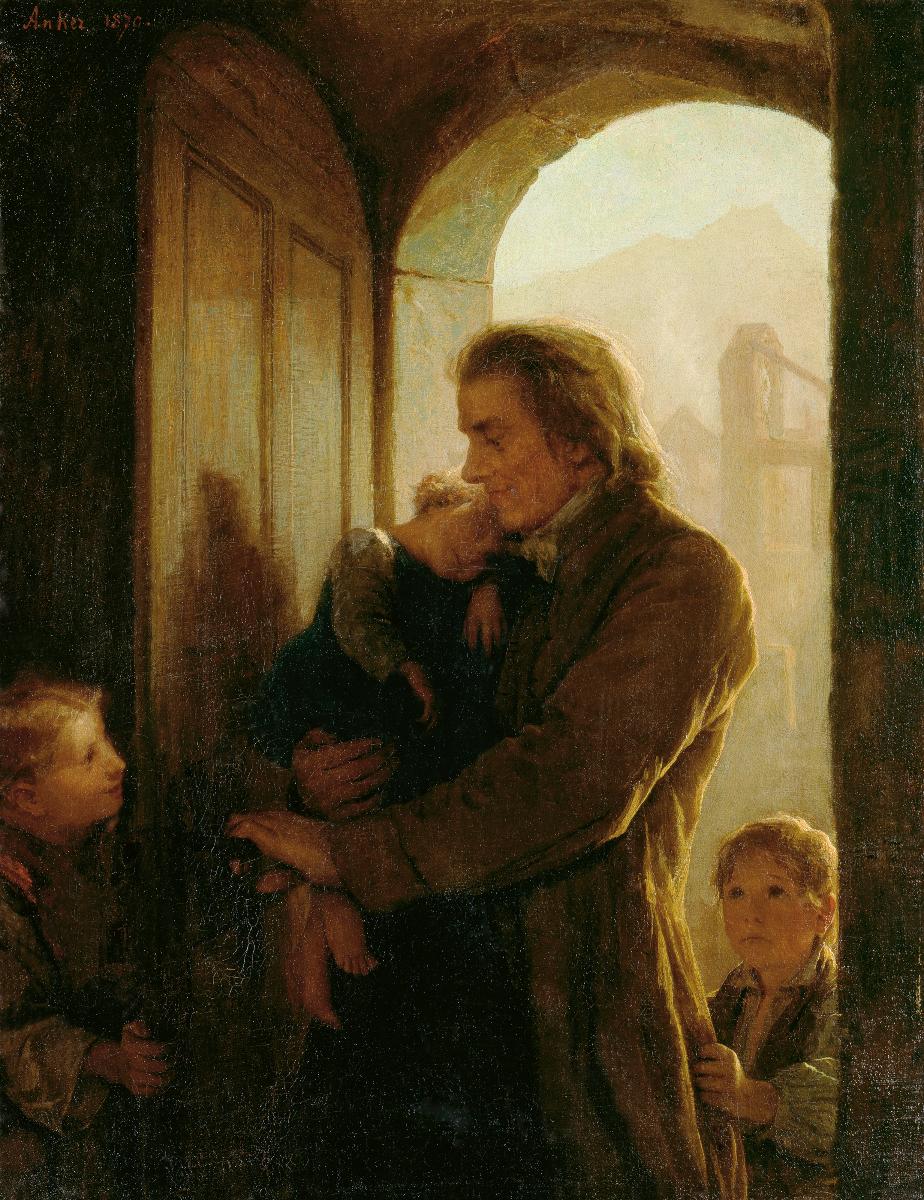
Heinrich Pestalozzi with the Orphans of Stans
Albert Anker · 1870
Free account
Read every Johann Heinrich Pestalozzi source
Sign up free →
Ready when you are
Start chatting with Johann Heinrich Pestalozzi now.
20 messages free · No credit card · Available in 50+ languages.