


Primary sourceSculpture1679-1694
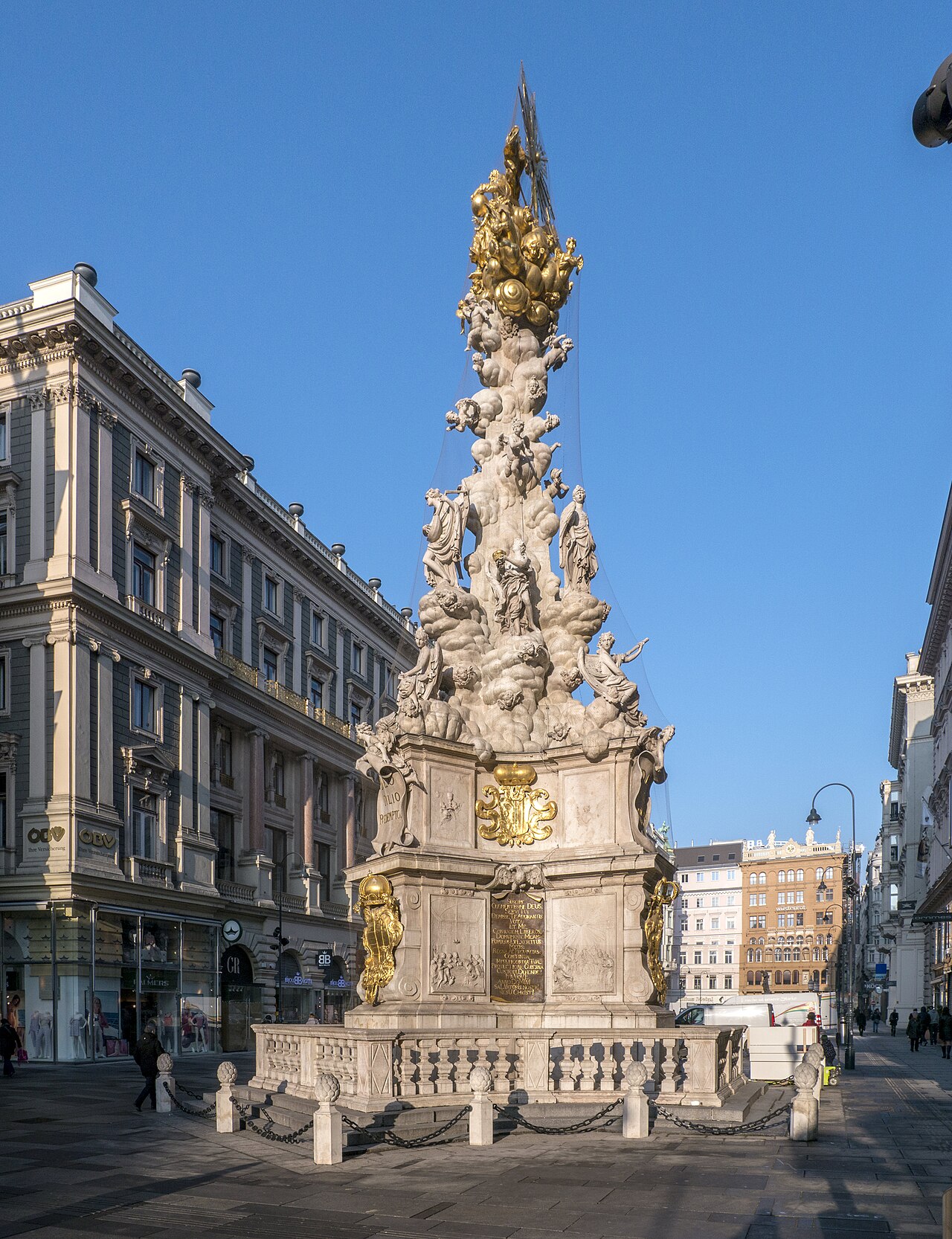
Pestsäule
Johann Bernhard Fischer von Erlach · 1679-1694
Vienna's Plague Column, vowed by Leopold I during the 1679 plague, shows the emperor kneeling in prayer among its Baroque sculptures.
Leopold vowed the column during the 1679 plague and is depicted kneeling in prayer on it, embodying his pious self-image.
About this source
What it is
The Plague Column, or Trinity Column, stands on the Graben in Vienna. It was begun after the 1679 plague epidemic, when Emperor Leopold I vowed to build a mercy column if the outbreak ended. Several artists worked on it over years, including Johann Bernhard Fischer von Erlach, Matthias Rauchmiller and Paul Strudel, and it was finally inaugurated in 1694.
Why it matters
The column tells a story in stone: that plague and the Ottoman siege of Vienna, seen as punishments for sin, were overcome through Leopold's piety. It shows Leopold kneeling in prayer, turning the monument into both a religious memorial and a tribute to his rule. The column also marks a shift toward the dramatic High Baroque style that influenced art across the Austrian lands.
Look closer
- Why do you think the emperor is shown praying rather than commanding soldiers?
- What do the coats of arms on different sides of the column tell us about the lands Leopold ruled?
- How does showing suffering as divine punishment shape the way people understood the plague?
This sculpture is part of the curated material that grounds the AI version of Leopold I, Holy Roman Emperor on Humy.ai — when students ask about related events, the AI can quote it and cite it.
More Leopold I, Holy Roman Emperor sources
Browse all 92 →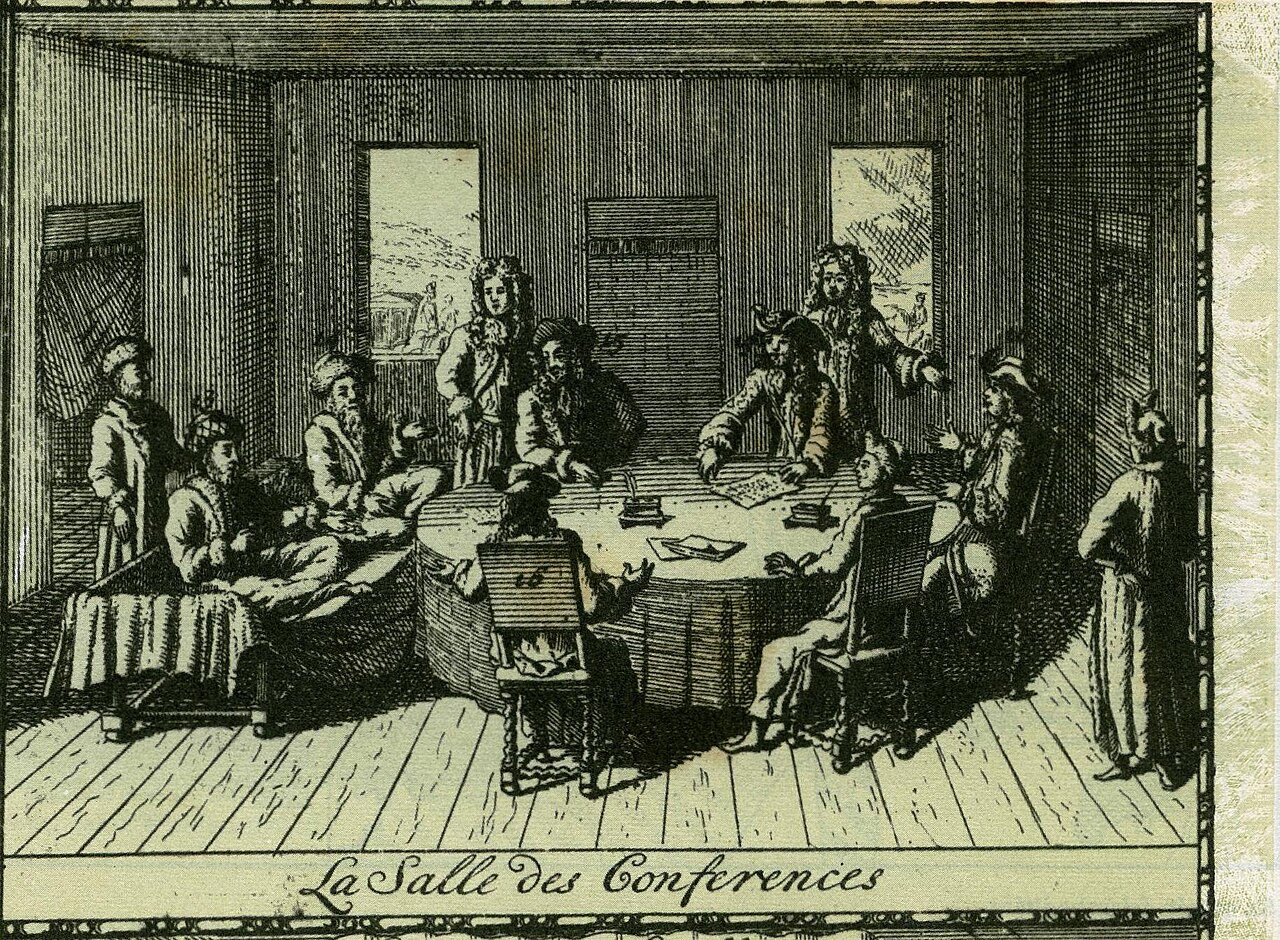 Document
Primary source
Treaty of Karlowitz
26 January 1699
 Document
Primary source
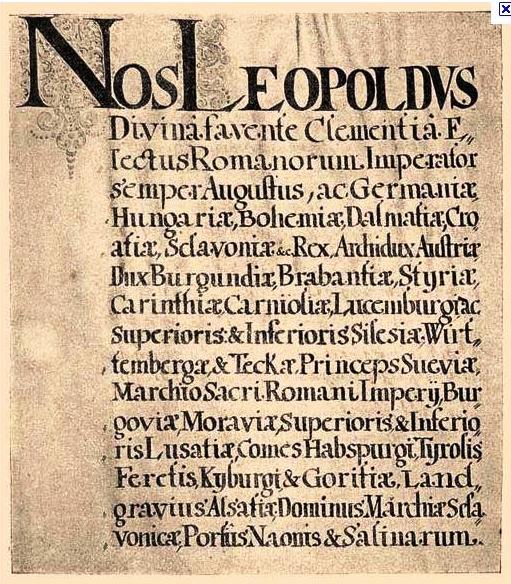
Diploma Leopoldinum
Leopold I, Holy Roman Emperor · 1690
 Painting
Primary source
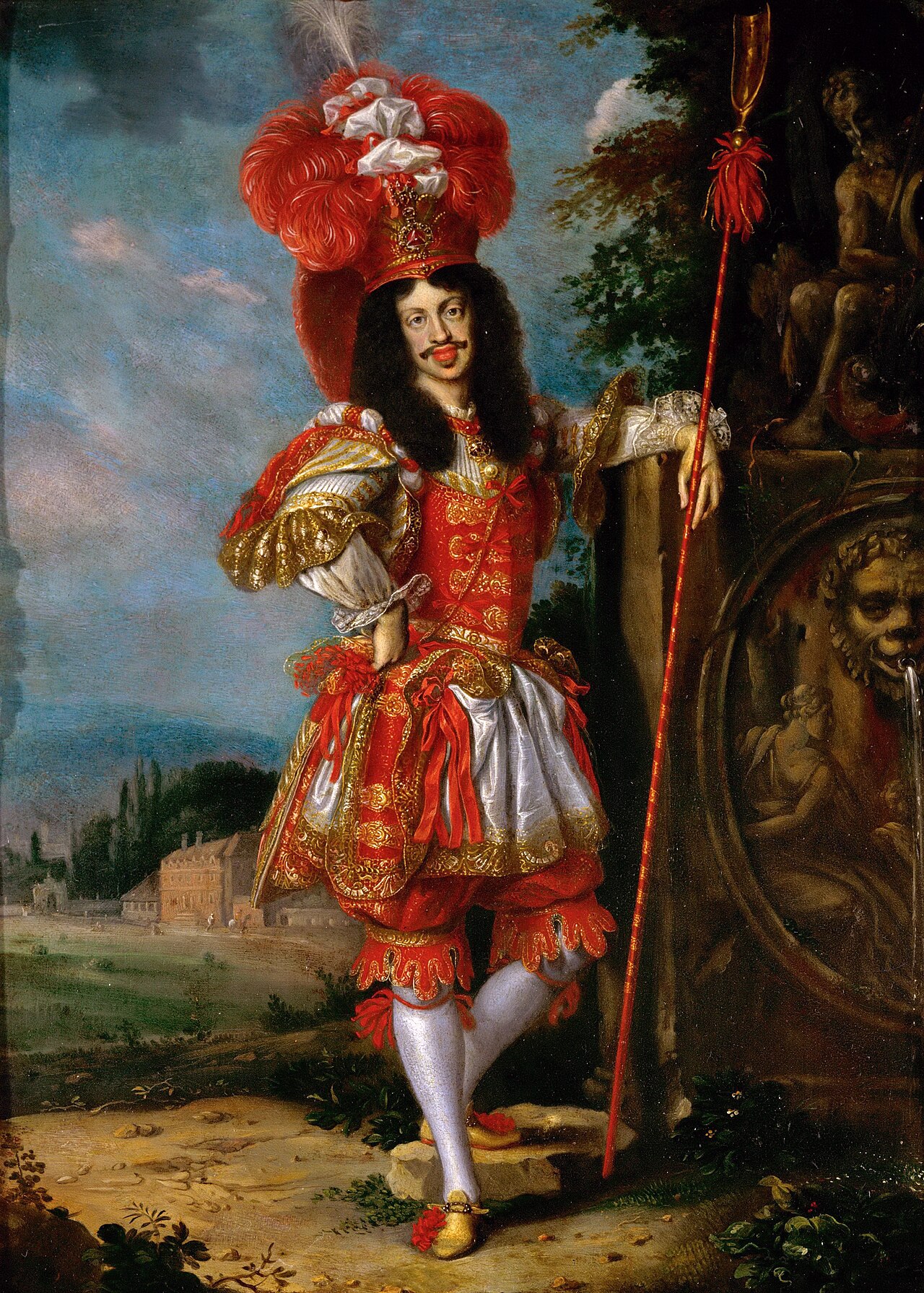
Leopold I as Acis in La Galatea
Jan Thomas van Ieperen · 1667
 Painting
Primary source
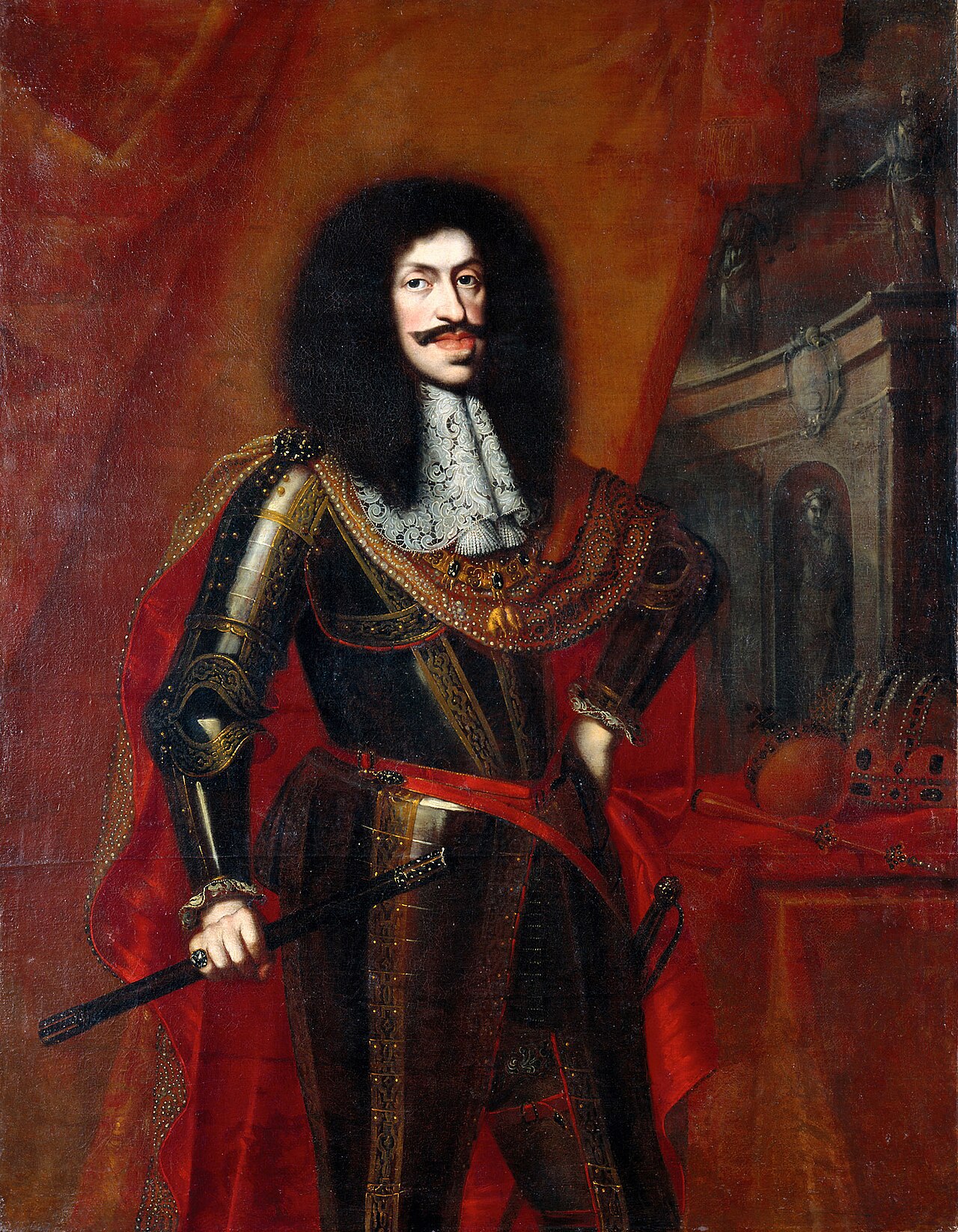
Portrait of Leopold I, Holy Roman Emperor
Benjamin Block · 1672
Free account
Read every Leopold I, Holy Roman Emperor source
Sign up free →
Ready when you are
Start chatting with Leopold I, Holy Roman Emperor now.
20 messages free · No credit card · Available in 50+ languages.