


Primary sourceDocument1722
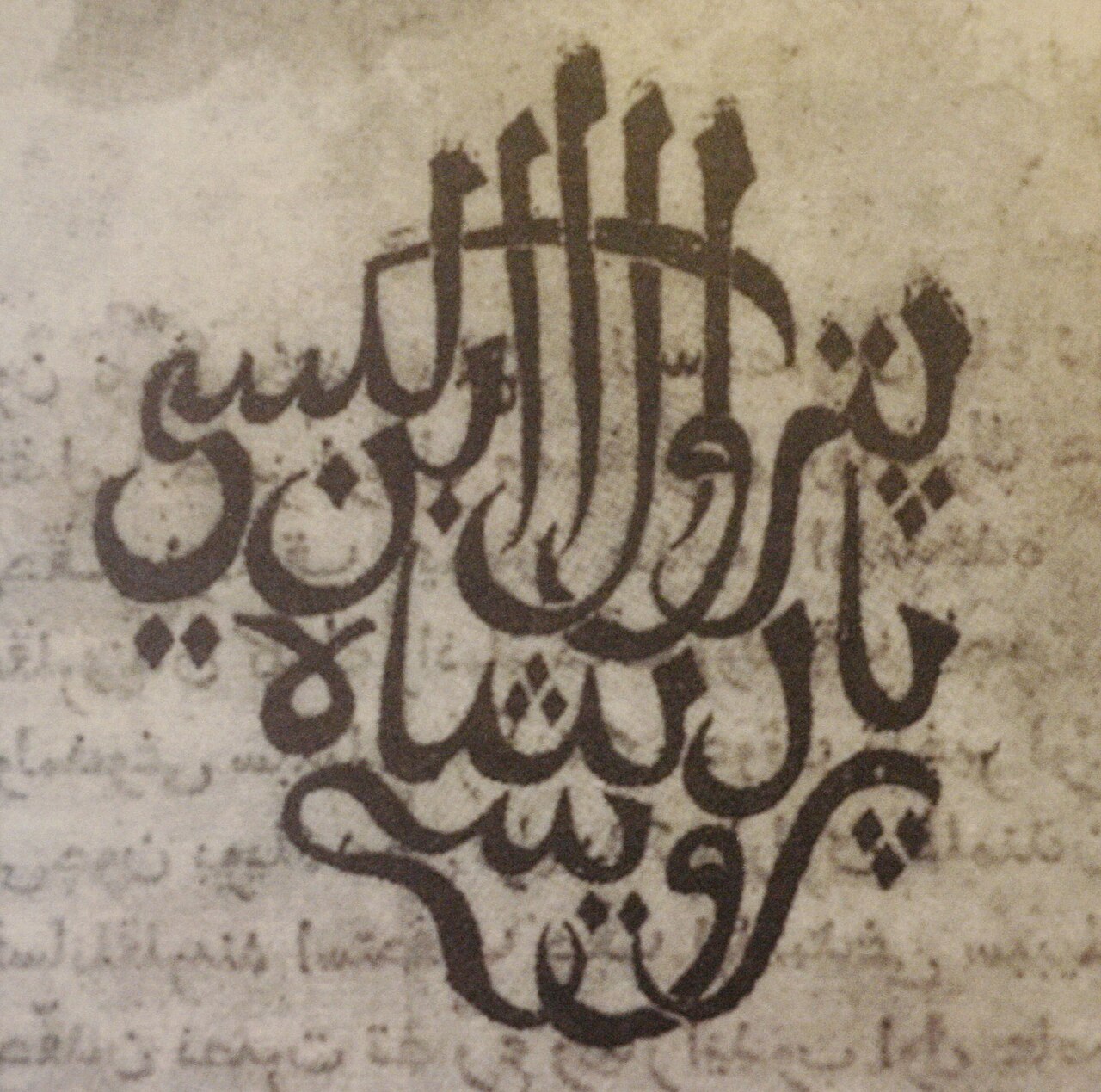
Peter I's Tughra in Ottoman Script with Printed Manifesto
Peter I of Russia · 1722
A 1722 Ottoman-style monogram (tughra) made for Peter I, used to present him to Ottoman audiences, with a printed manifesto text.
This tughra was created to represent Peter I in Ottoman-style diplomatic communication.
About this source
What it is
This is a tughra, an Ottoman-style calligraphic monogram, made for Peter I in 1722 and paired with a printed manifesto text. The Ottoman script reads: 'Peter the First, son of Alexei, padishah of Russia.'
Why it matters
This document shows how Peter adapted his image for diplomacy with the Ottoman Empire, using a format Ottoman rulers themselves used. The record notes Peter had Crimean Tatar ancestry through his mother, adding another layer to how his identity was presented across cultures.
Look closer
- Why would a Russian tsar use an Ottoman-style monogram?
- What does this tell you about diplomacy and image-making in the 1700s?
- What does the calligraphy style suggest about who made it and for whom?
This document is part of the curated material that grounds the AI version of Peter the Great on Humy.ai — when students ask about related events, the AI can quote it and cite it.
More Peter the Great sources
Browse all 89 →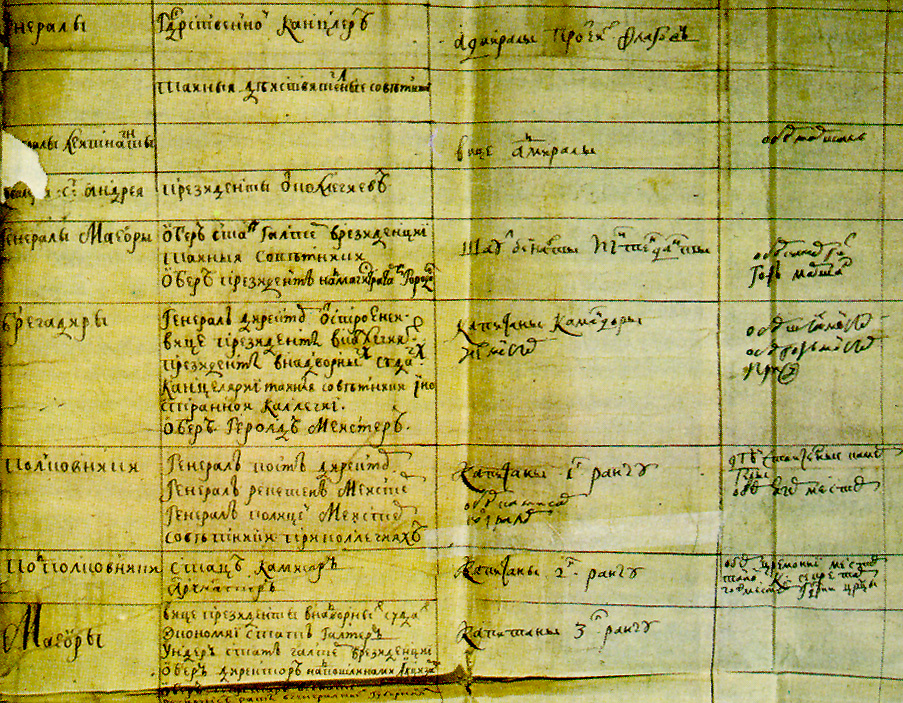 Document
Primary source
Table of Ranks
Peter the Great · 1722
 Document
Primary source
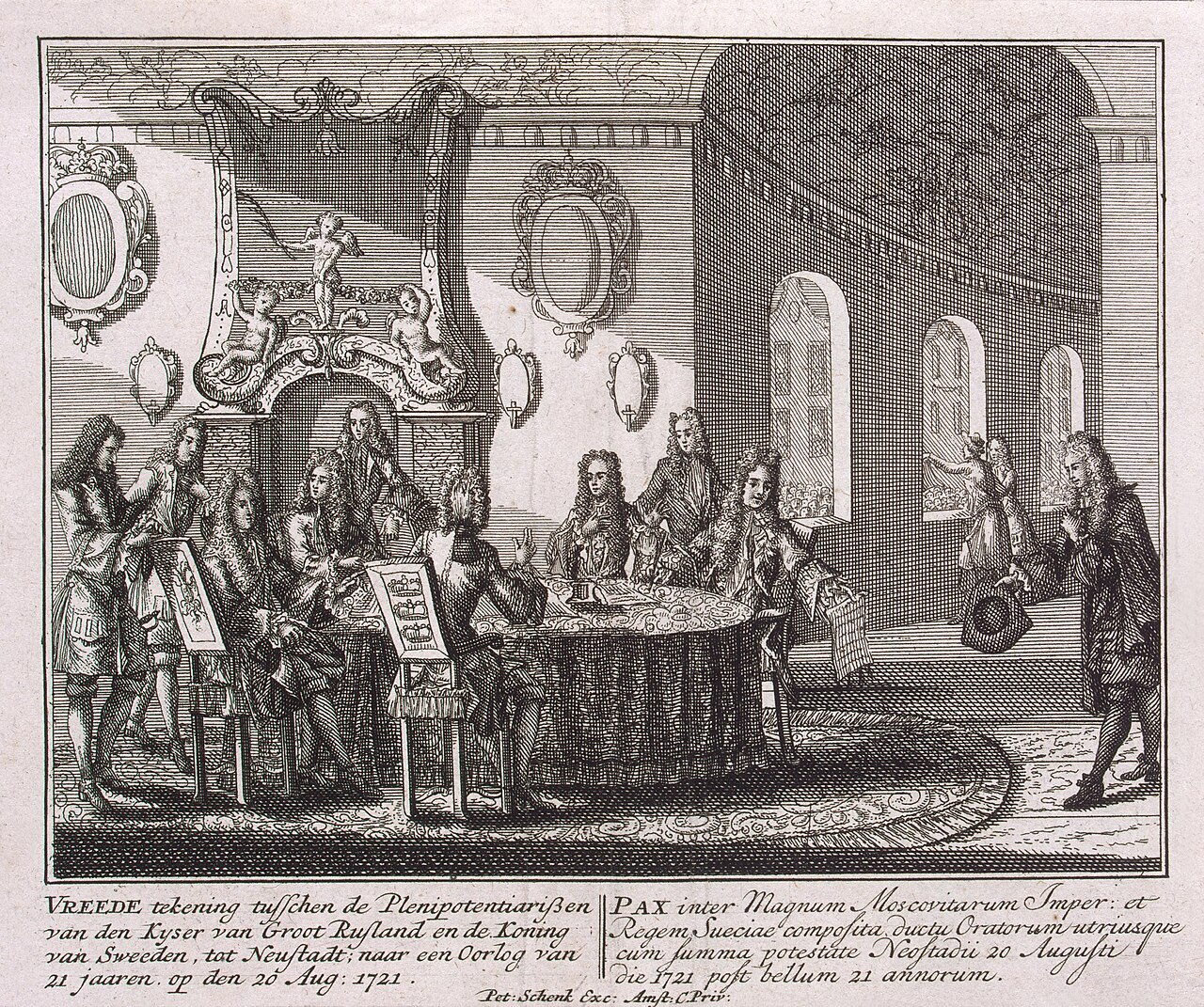
Treaty of Nystad
1721
 Painting
Primary source
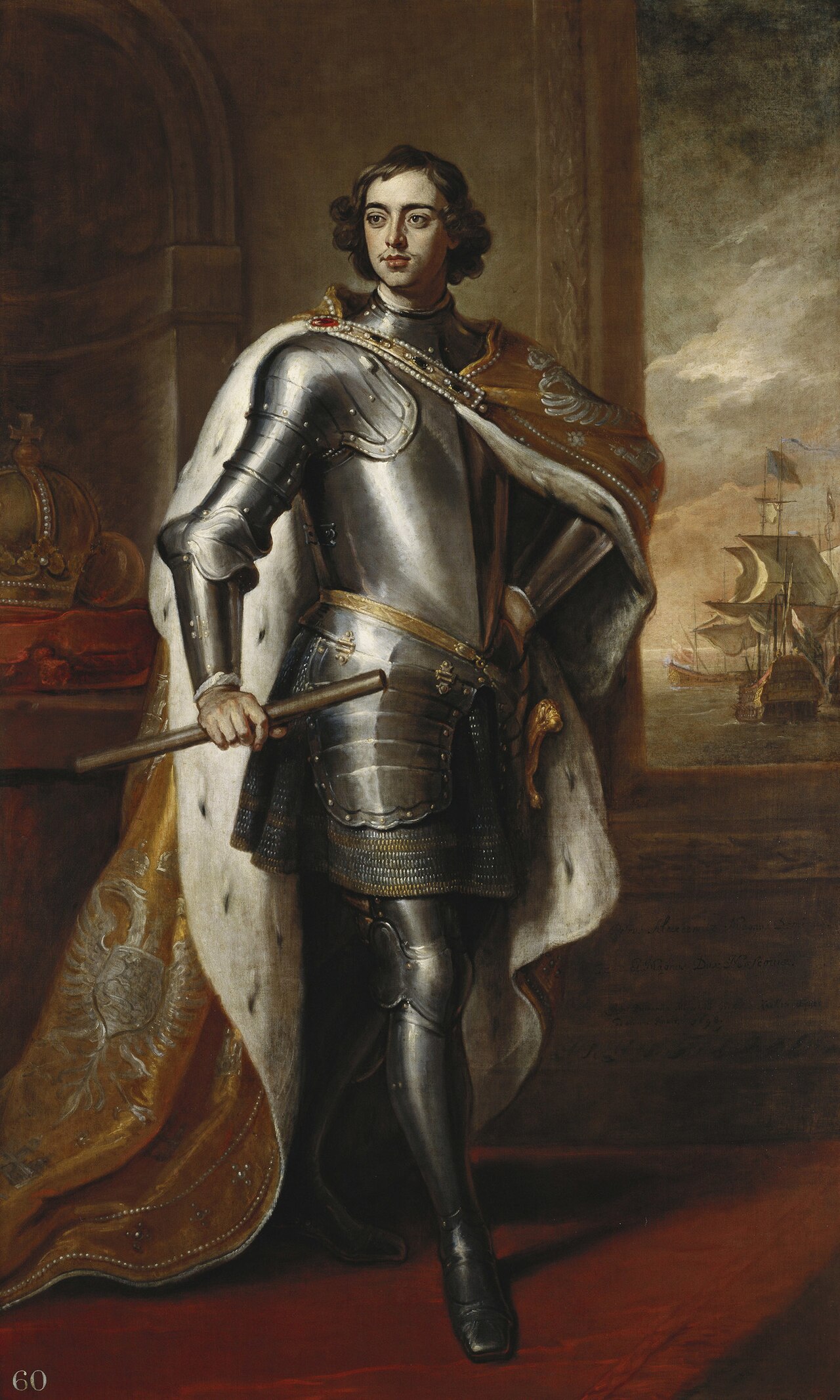
Peter the Great, Tsar of Russia (1672-1725)
Godfrey Kneller · 1698
 Diary entry
Primary source
Diary of an Austrian Secretary of Legation
Johann Georg Korb · 1700
Free account
Read every Peter the Great source
Sign up free →
Ready when you are
Start chatting with Peter the Great now.
20 messages free · No credit card · Available in 50+ languages.