


Primary sourcePainting1827–38
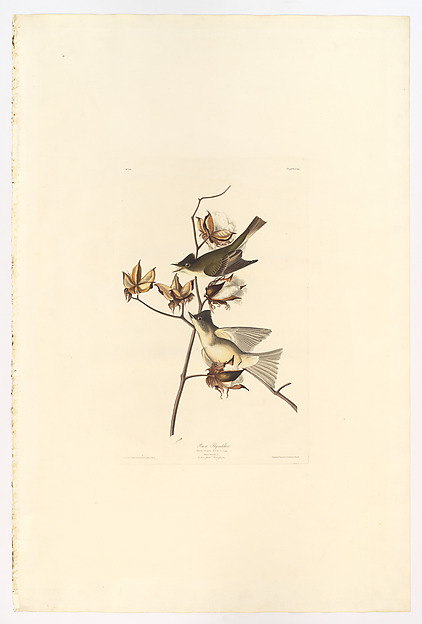
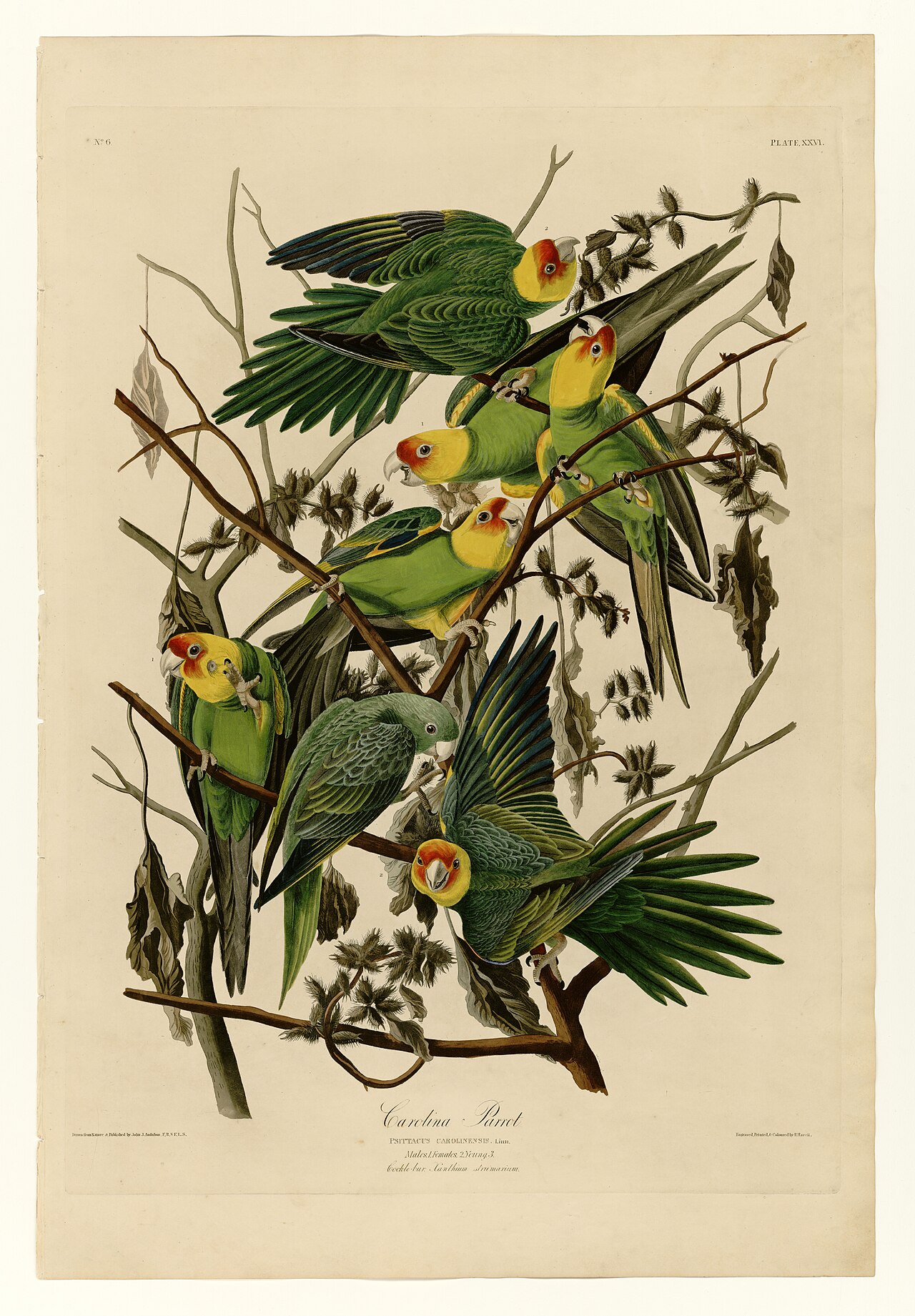
Pewee or Pewit Flycatcher, plate CXX, The Birds of America
John James Audubon · 1827–38
A hand-colored print of two flycatchers by Audubon, now known as the Eastern Phoebe, from The Birds of America.
Audubon made this print as part of his comprehensive survey of North American birds.
About this source
What it is
This hand-colored etching, aquatint and engraving by John James Audubon is plate CXX from his series The Birds of America, created between 1827 and 1838. It shows two small flycatchers perched on a branch with dried seed pods. The print is held by The Metropolitan Museum of Art.
Why it matters
Audubon's large-scale, detailed prints of American birds were groundbreaking for their combination of artistic skill and scientific observation. This plate, like many others, helped document species whose names and classifications have since changed, showing how science evolves over time.
Look closer
- What differences can you spot between the two birds shown in the print?
- Why might Audubon have included natural details like seed pods in the background?
- How does the species name on the print differ from the modern name, and what might explain that change?
This painting is part of the curated material that grounds the AI version of John James Audubon on Humy.ai — when students ask about related events, the AI can quote it and cite it.
More John James Audubon sources
Browse all 91 →Primary source
Ornithological Biography
John James Audubon
 Painting
Primary source
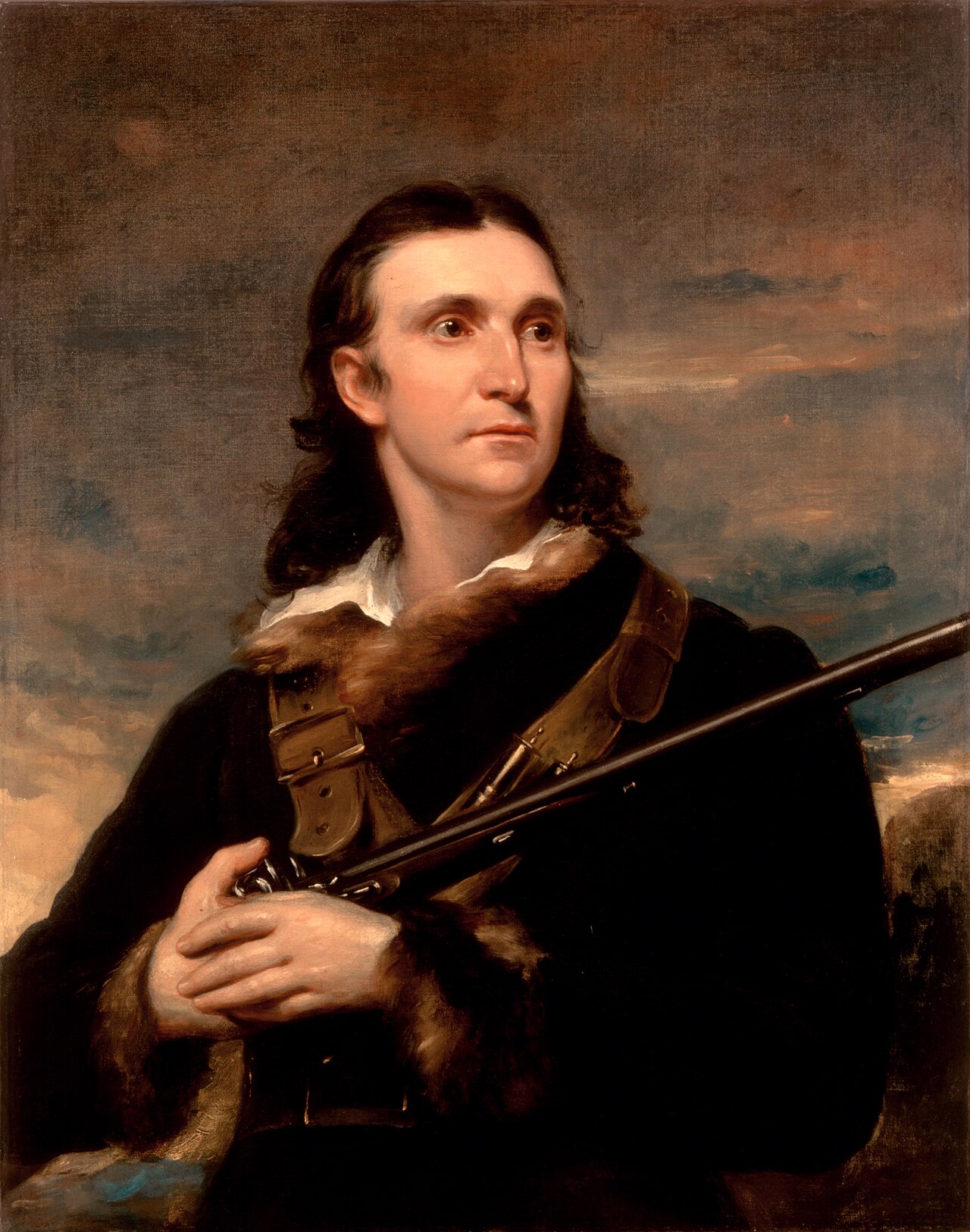
John James Audubon
John Syme · 1826
 Painting
Primary source
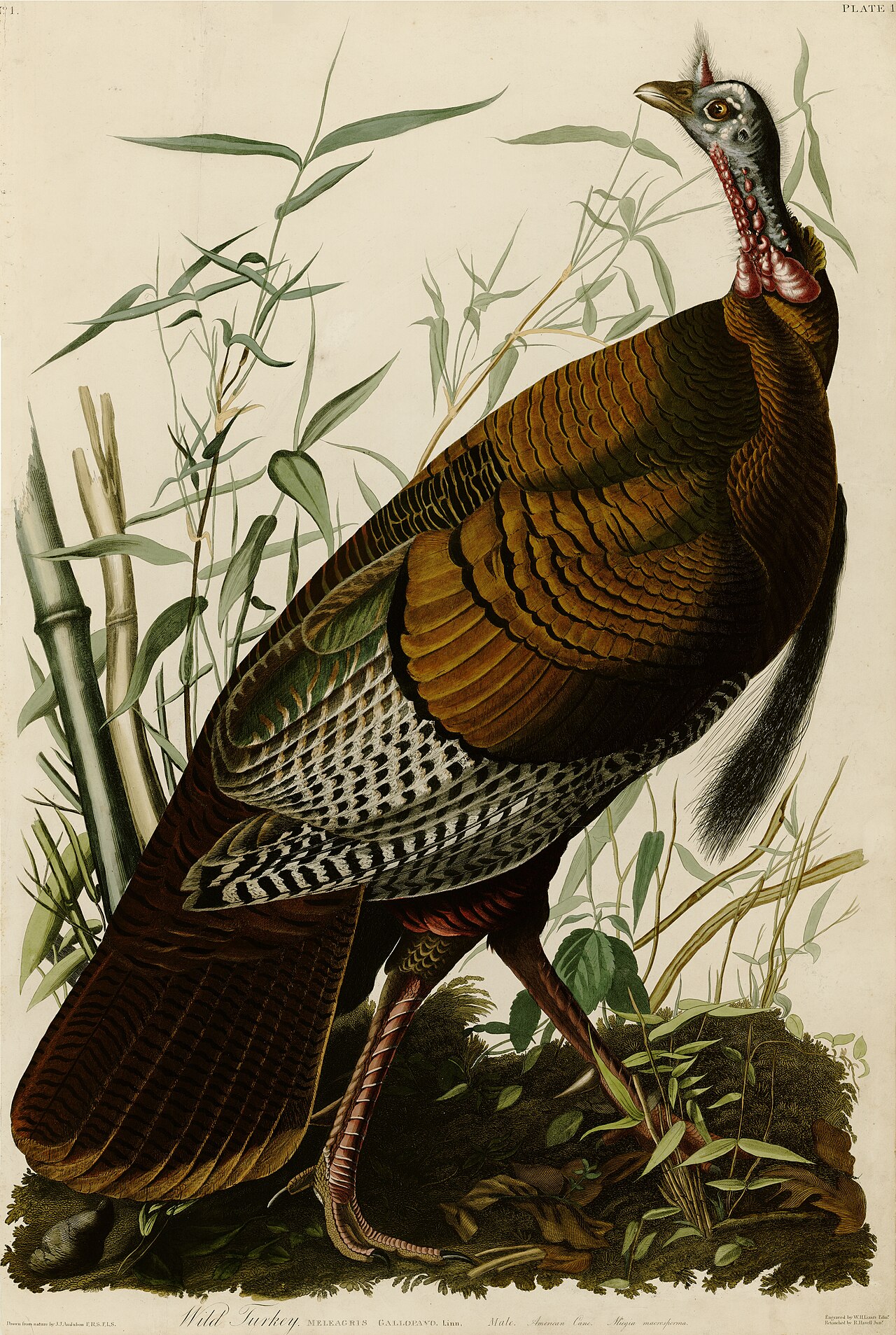
Wild Turkey
John James Audubon · 1825
 Painting
Primary source
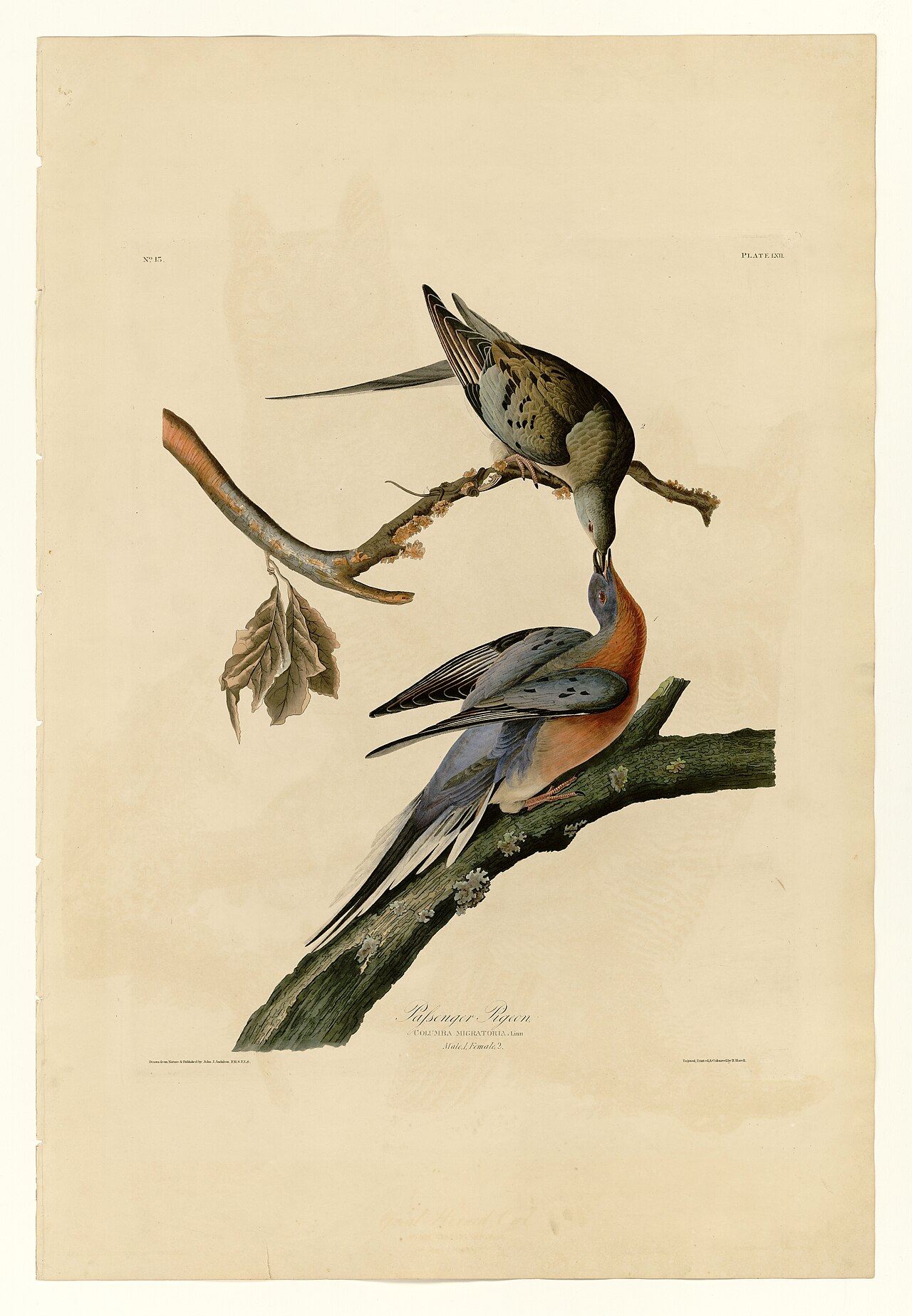
Passenger Pigeon
John James Audubon
Free account
Read every John James Audubon source
Sign up free →
Ready when you are
Start chatting with John James Audubon now.
20 messages free · No credit card · Available in 50+ languages.