


Secondary sourceArtifact1750
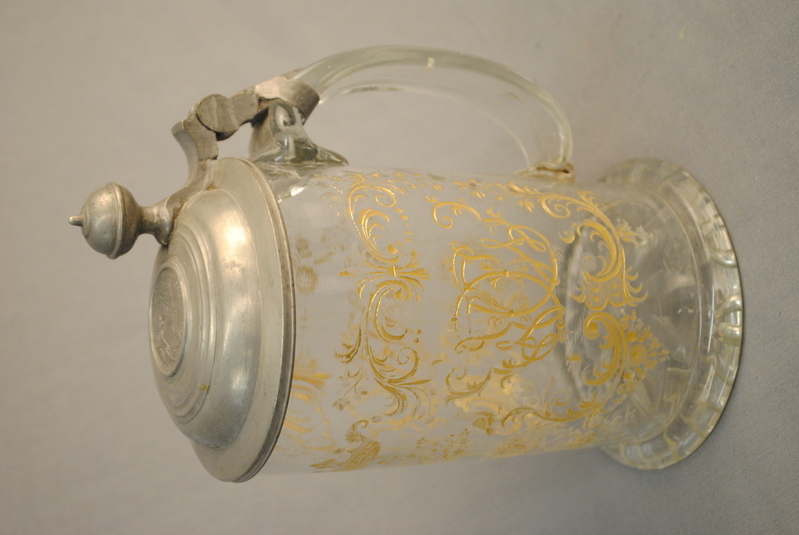
Pewter-Lidded Jug with Medallion of Anna Ivanovna
1750
A glass tankard with a gold-decorated body and pewter lid, made in 1750 with a medallion naming Empress Anna Ivanovna.
This 1750 jug bears a medallion naming Anna Ivanovna as empress, showing how her title was commemorated after her reign.
About this source
What it is
This is a glass tankard with a pewter lid, dated to 1750, held in the Pärnu Museum in Estonia. According to the museum's record, the lid carries a medallion with the inscription naming Anna Ivanovna as Russian Empress. The body of the glass is decorated with engraved and gilded ornament.
Why it matters
Objects like this show how a ruler's name and image could appear on everyday luxury items long after an event or even after a reign had ended. Anna Ivanovna ruled the Russian Empire, and this jug, made years later, shows how her memory was kept in decorative objects far from the court, in the Baltic provinces under Russian rule.
Look closer
- Why might a craftsman choose to put an empress's name on a drinking vessel?
- What does the gold decoration tell you about who might have owned this object?
- What is missing from the object that would help us know exactly why it was made?
This artifact is part of the curated material that grounds the AI version of Anna of Russia on Humy.ai — when students ask about related events, the AI can quote it and cite it.
More Anna of Russia sources
Browse all 52 →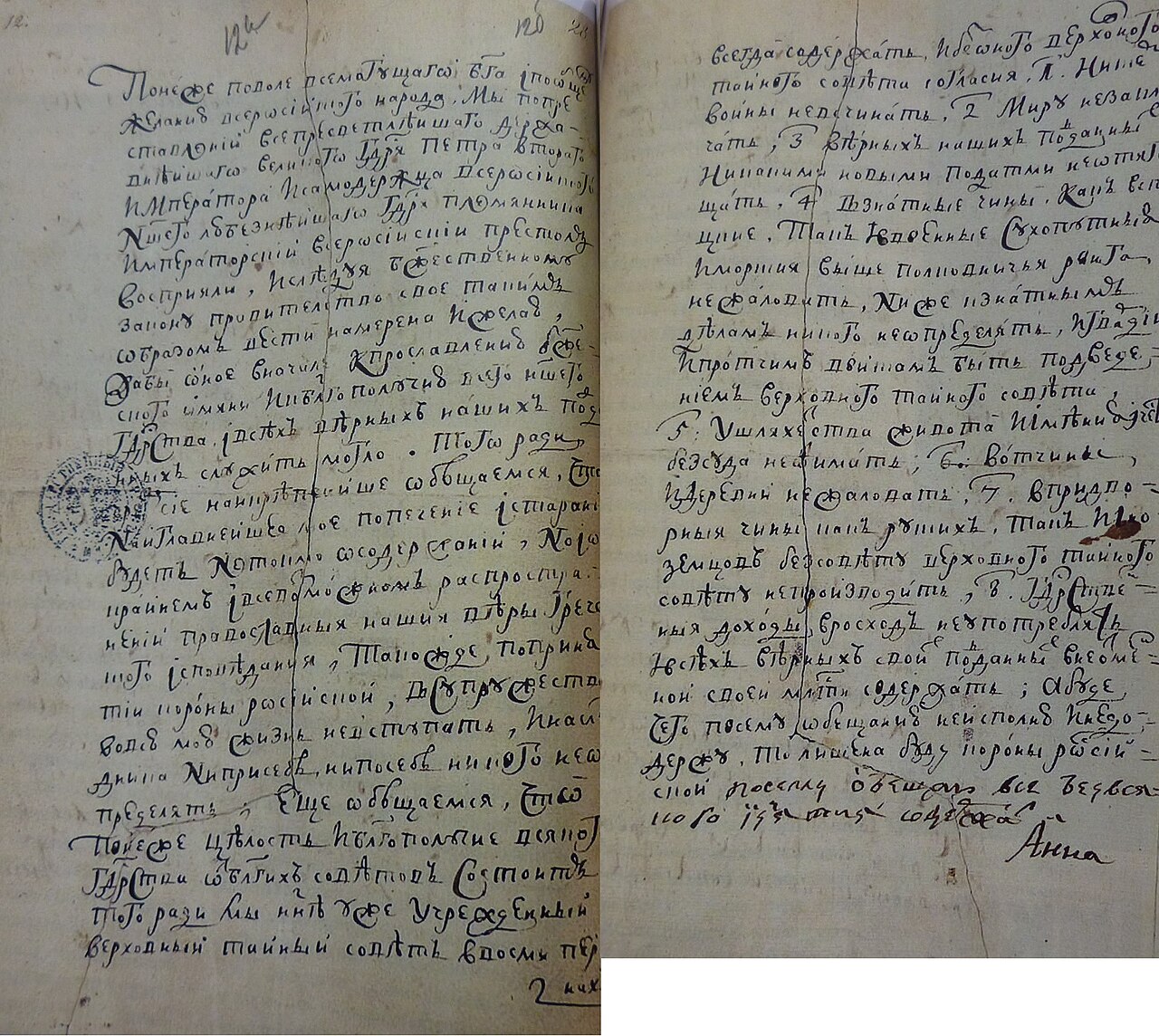 Document
Primary source
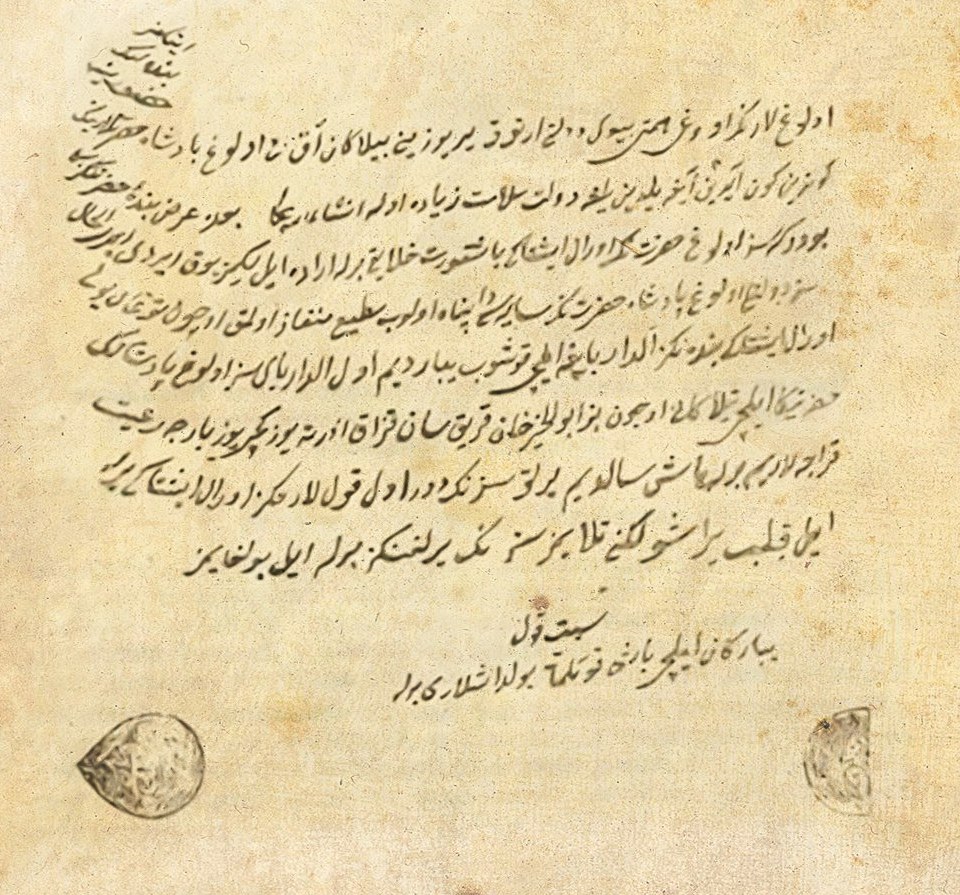
Conditions of 1730
Members of the Supreme Privy Council · January 1730
 Painting
Primary source
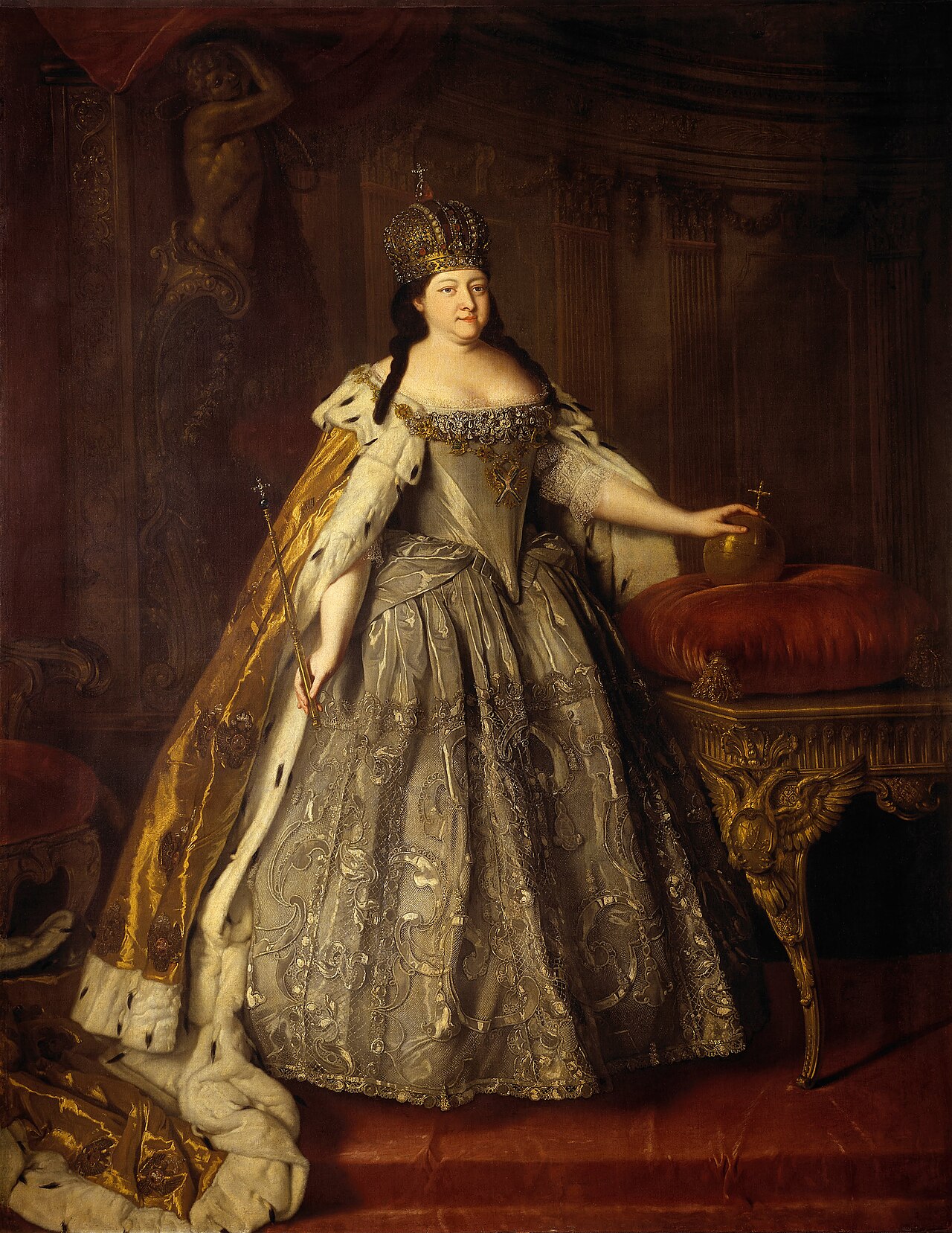
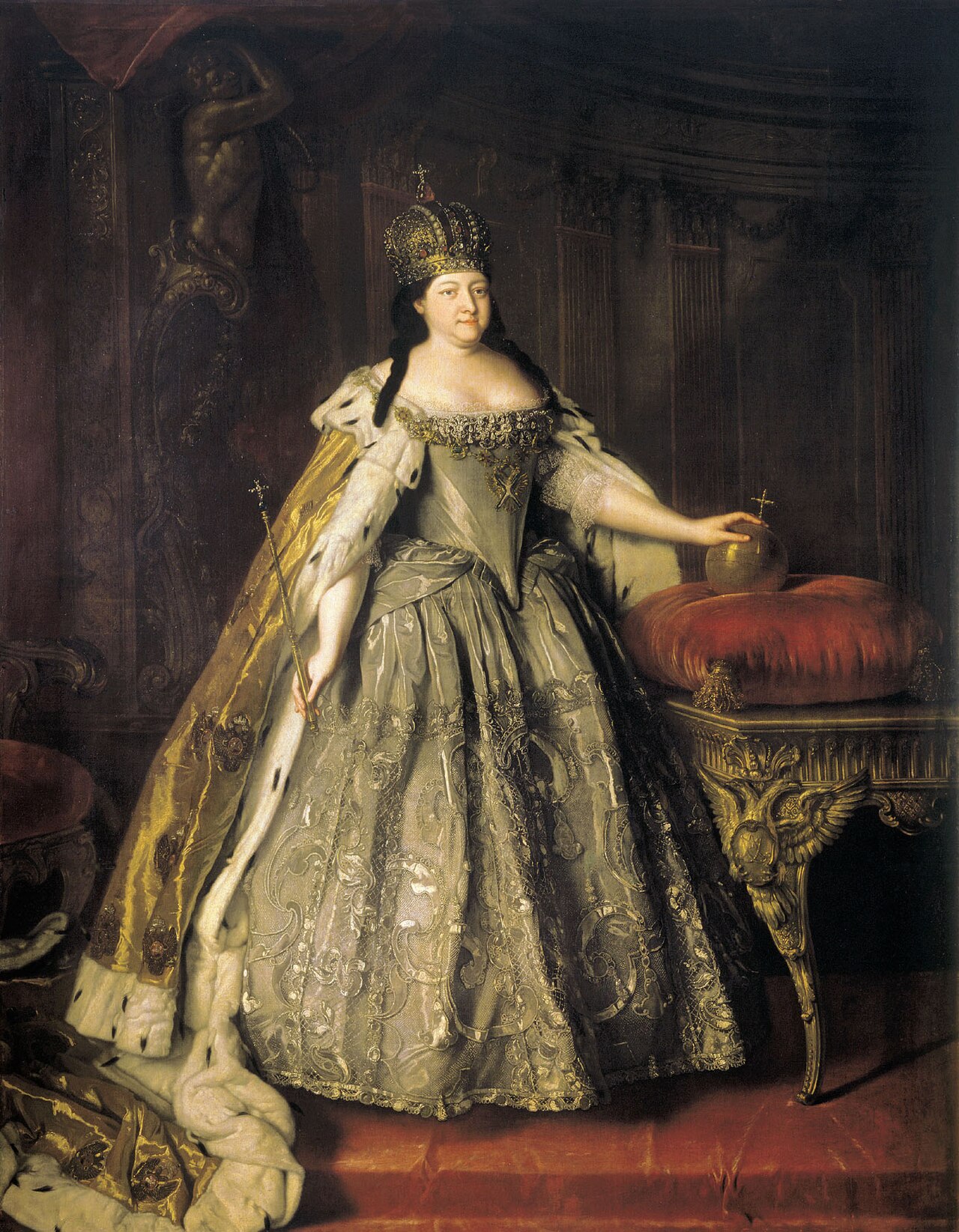
Portrait of Empress Anna Ioannovna
Louis Caravaque · 1730
 Painting
Primary source
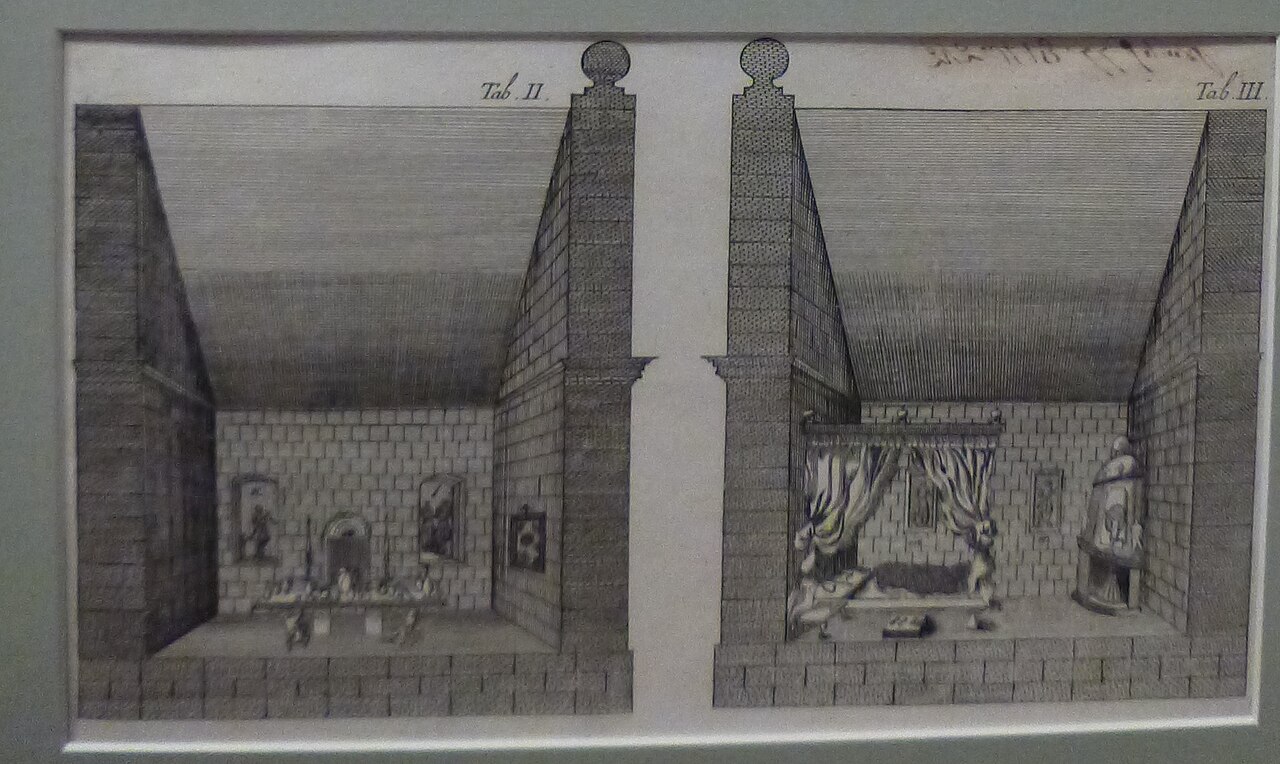
Cross-section of the Ice Palace Dining Room and Bedroom
Unknown engraver · 1741
 Artifact
Primary source
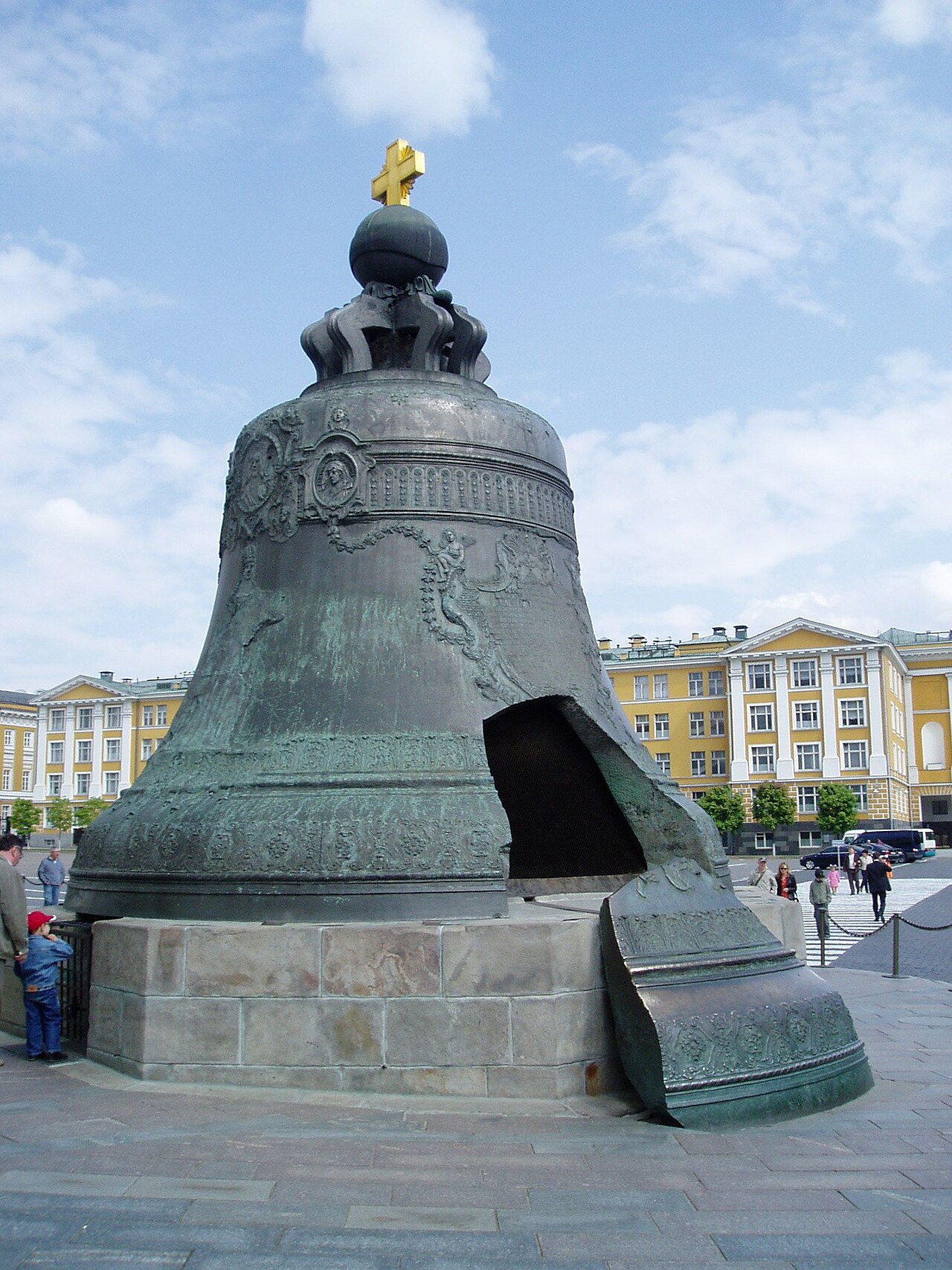
Tsar Bell
Ivan and Mikhail Motorin · 1733
Free account
Read every Anna of Russia source
Sign up free →
Ready when you are
Start chatting with Anna of Russia now.
20 messages free · No credit card · Available in 50+ languages.