


Primary sourcePhotograph1850-1859
Philadelphia Vigilance Committee
1850-1859
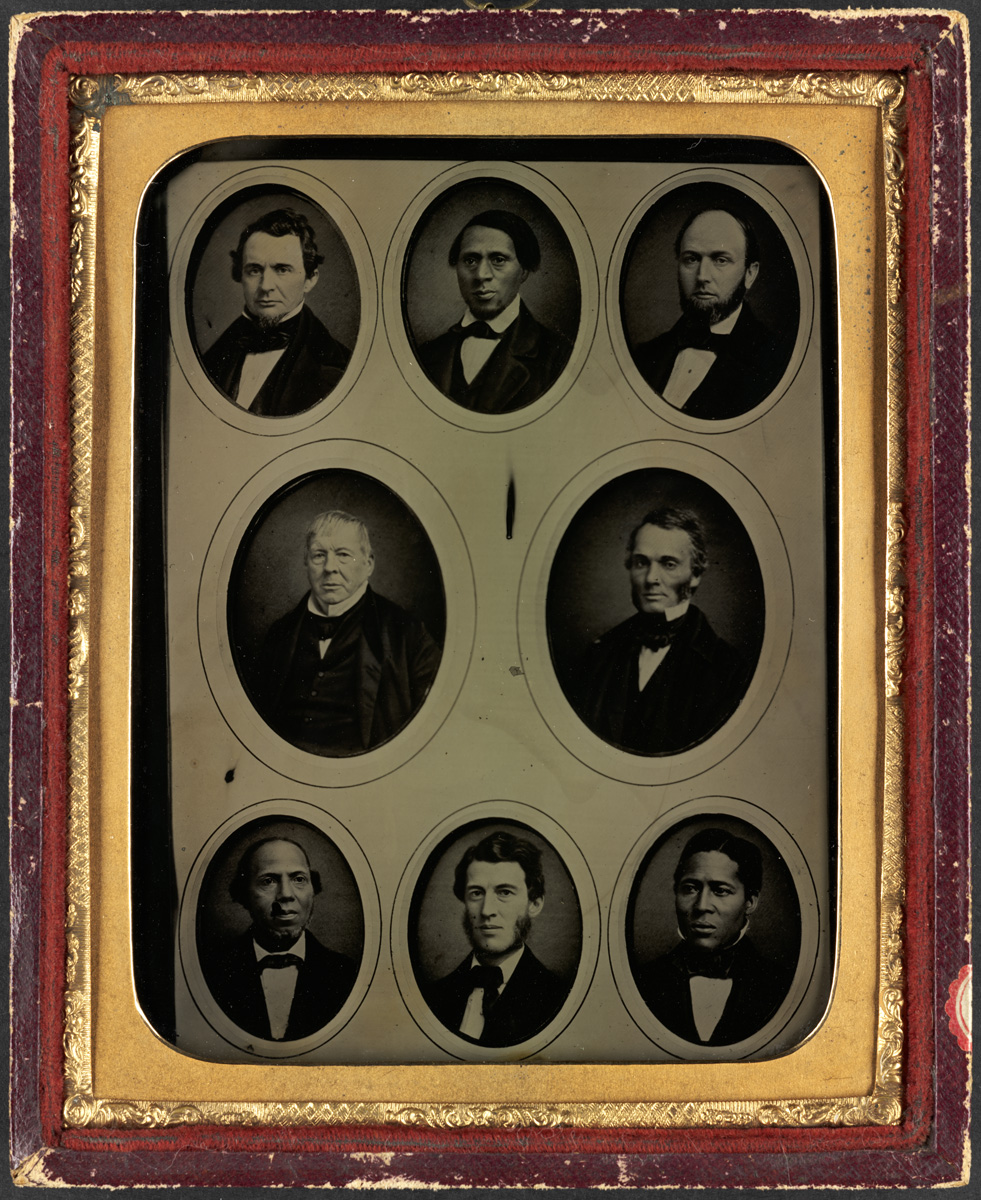
A tintype portrait case showing seven members of the Philadelphia Vigilance Committee, the organization William Still chaired to aid fugitives from slavery.
Still appears among the committee members in this portrait, chaired the committee himself, and directed aid to fugitives through it.
About this source
What it is
This is a framed tintype photograph, made sometime between 1850 and 1859, holding small oval portraits of men connected to the Philadelphia Vigilance Committee. It is kept today in the Print Department of the Boston Public Library.
The portraits include Thomas Garrett, Robert Purvis, William Still, Passmore Williamson, N.W. Depee, James Miller McKim, Jacob C. White, and Charles Wise.
Why it matters
The Vigilance Committee coordinated aid to people escaping slavery as they passed through Philadelphia. William Still chaired the committee and kept detailed records of the people it helped, work that later became the basis of his famous book. This image puts faces to the network of abolitionists — Black and white — who organized this resistance together.
Look closer
- Why might these men have wanted a group portrait like this made?
- What does the formal, respectable style of the portraits suggest about how the committee wanted to be seen?
- What is missing from this image — whose faces and stories are not shown here?
This photograph is part of the curated material that grounds the AI version of William Still on Humy.ai — when students ask about related events, the AI can quote it and cite it.
More William Still sources
Browse all 70 → Book
Primary source
The Underground Rail Road
William Still · 1872
 Photograph
Primary source
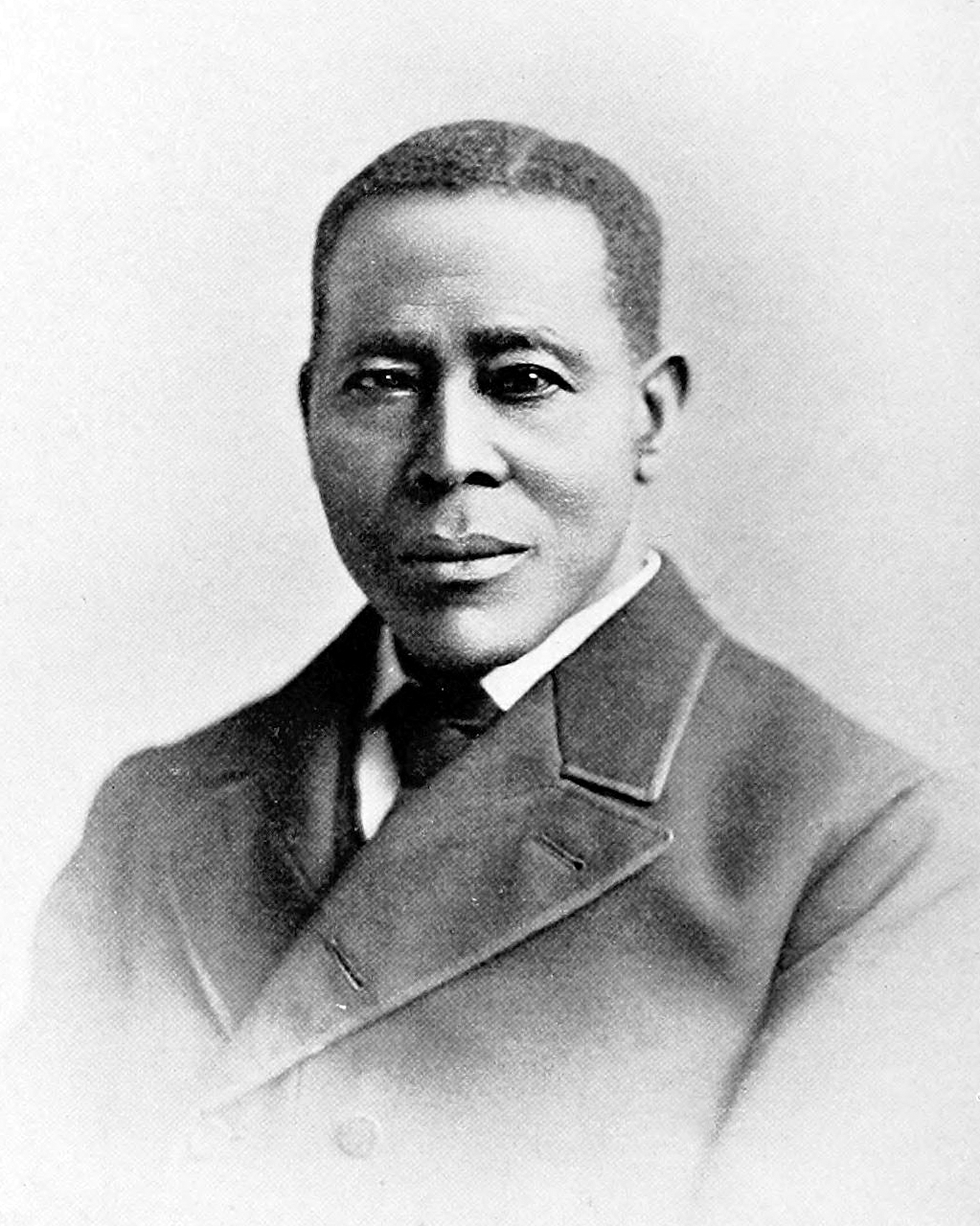
Portrait of William Still
 Painting
Primary source
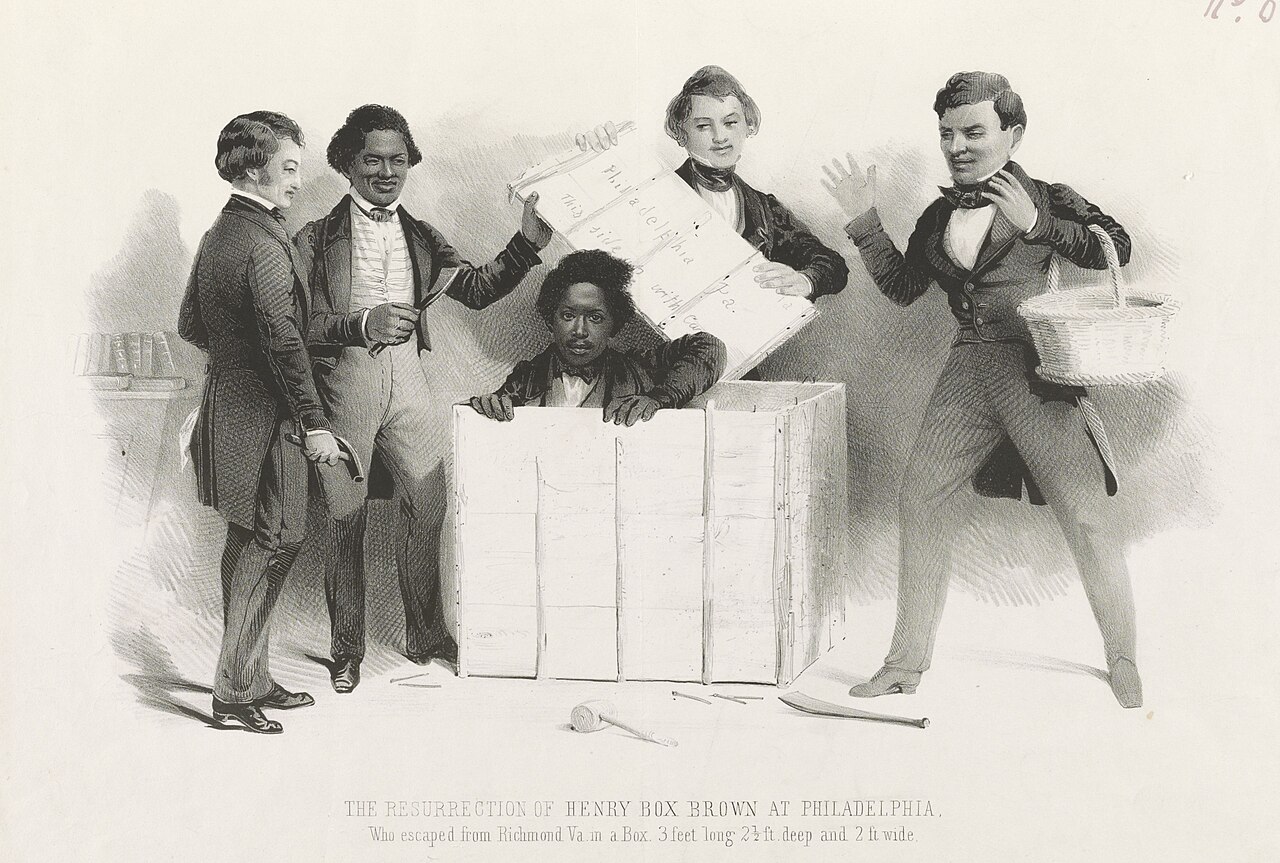
The Resurrection of Henry Box Brown at Philadelphia
Samuel W. Rowse · 1850
 Document
Primary source
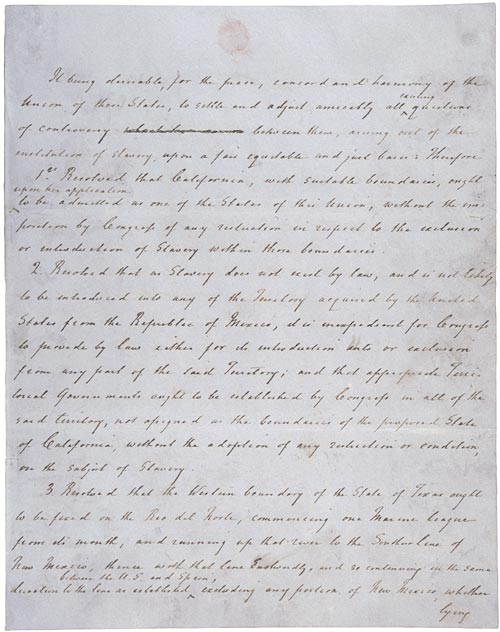
Compromise of 1850
Henry Clay · 29 January 1850 (resolutions); statutes enacted September 1850
Free account
Read every William Still source
Sign up free →
Ready when you are
Start chatting with William Still now.
20 messages free · No credit card · Available in 50+ languages.