


Primary sourceArtifact1554-1558
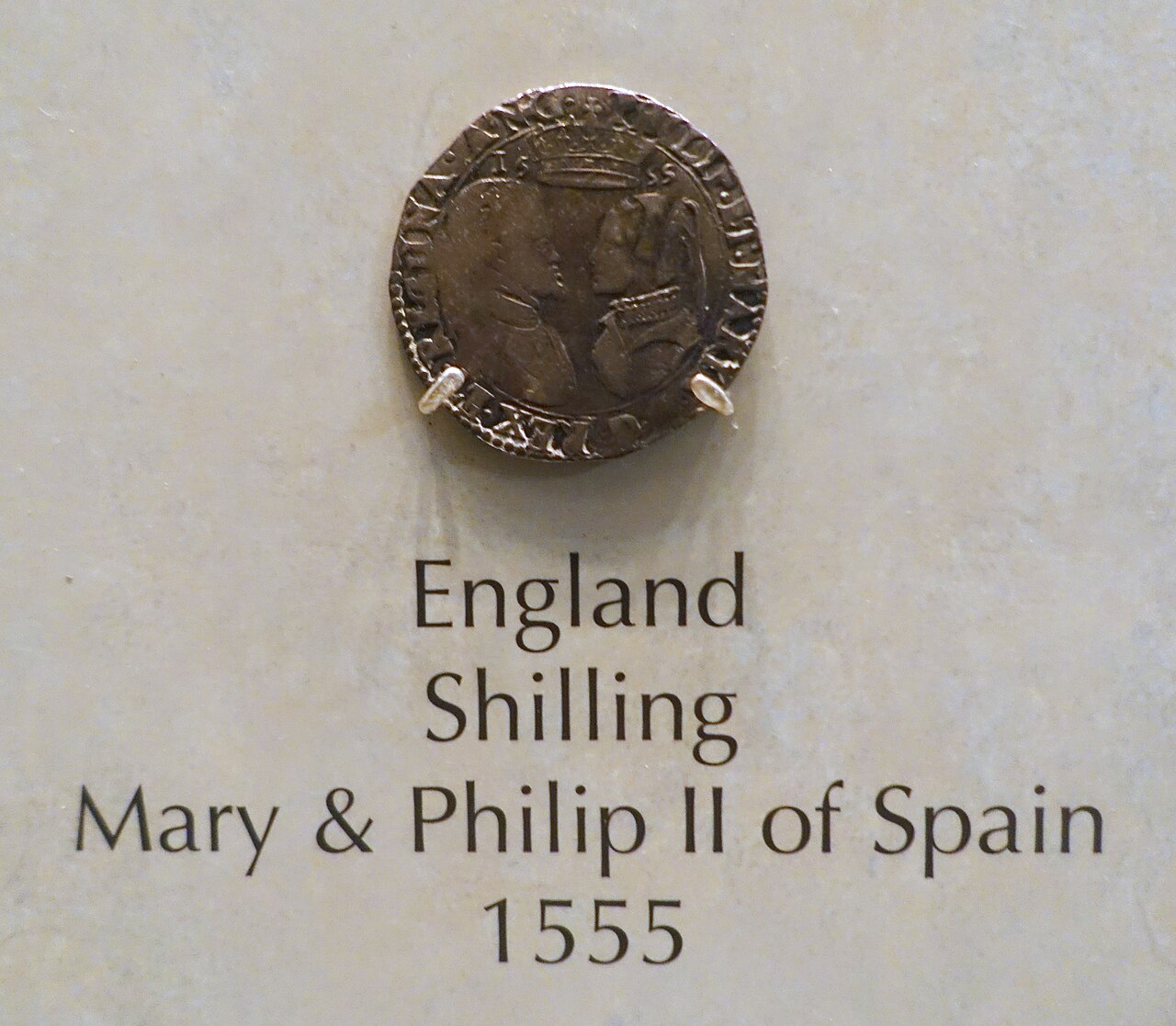
Philip and Mary shilling
1554-1558
A silver English shilling struck after Mary I married Philip II, showing their facing busts. It was a sign of his title as King of England.
It shows Philip's bust on English coinage, the visible sign of his title as King of England after his marriage to Mary I.
Free Humy account · No credit card · 120,912 sources to read
About this source
What it is
This is a silver shilling from the Royal Mint, struck at the Tower Mint between 1554 and 1558. It is held by the British Museum and the Fitzwilliam Museum. The coin shows facing profile portraits of Philip and Mary, with a crown above. The photograph in the archive shows the coin on a museum label dated 1555. No shillings were struck in England until Mary's marriage in 1554.
Why it matters
After the marriage, Philip's bust was placed on the coins to help his popularity in England. A coin passed through many hands each day, so it carried the royal image into ordinary life. The coin shows how the marriage was made visible in money, and there were two main varieties, one with Spanish titles and one with English titles.
Look closer
- Who is placed on which side of the coin, and what does that suggest about their status?
- Why might rulers choose to put their image on everyday money?
- What does the coin leave out about how English people felt about the marriage?
This artifact is part of the curated material that grounds the AI version of Philip II of Spain and Mary I on Humy.ai — when students ask about related events, the AI can quote it and cite it.
More Philip II of Spain sources
Browse all 90 → Artifact
Primary source
Royal Monastery of San Lorenzo de El Escorial
Juan Bautista de Toledo · 1563-1584
 Painting
Primary source
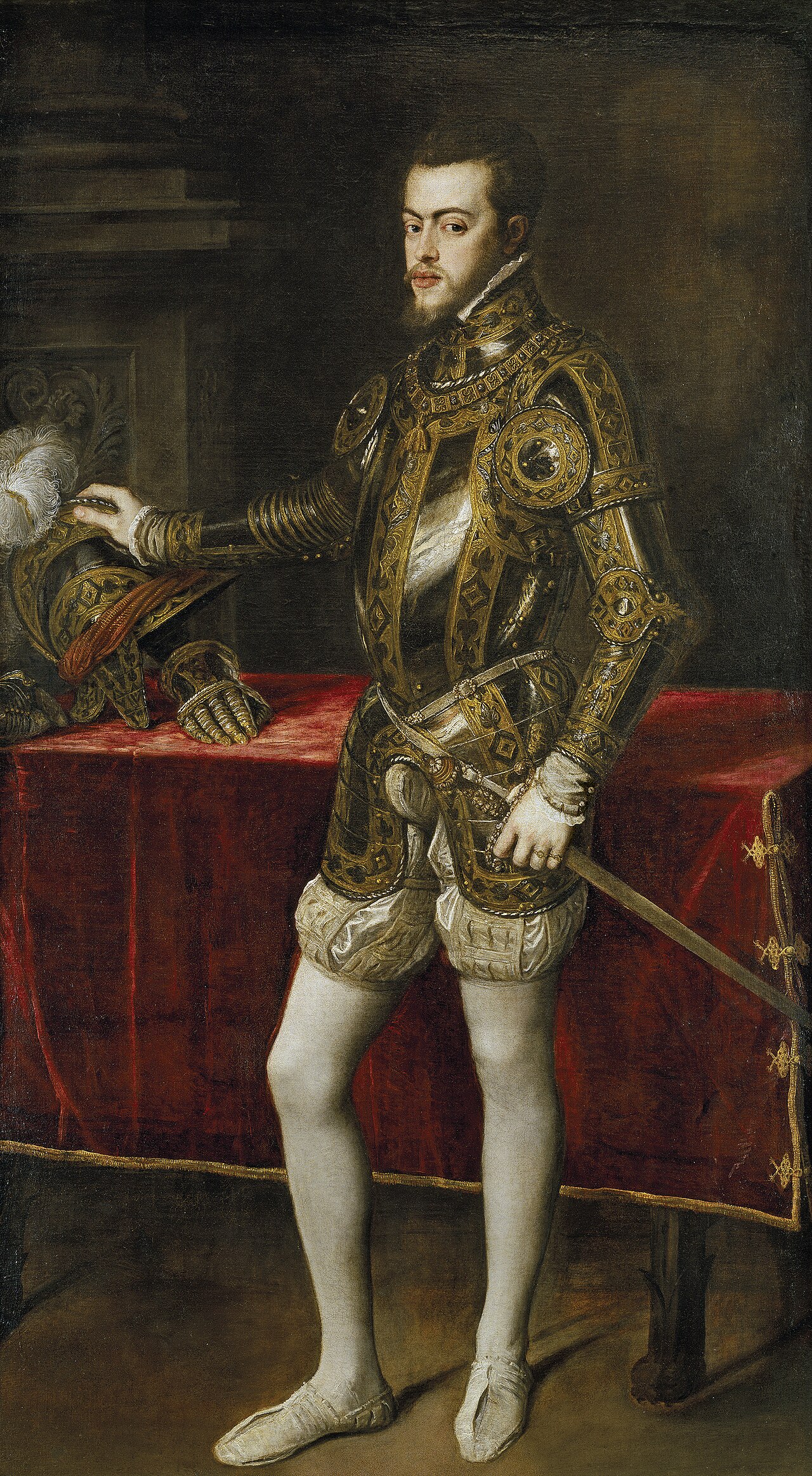
Philip II in Armour
Titian · 1551
 Painting
Secondary source
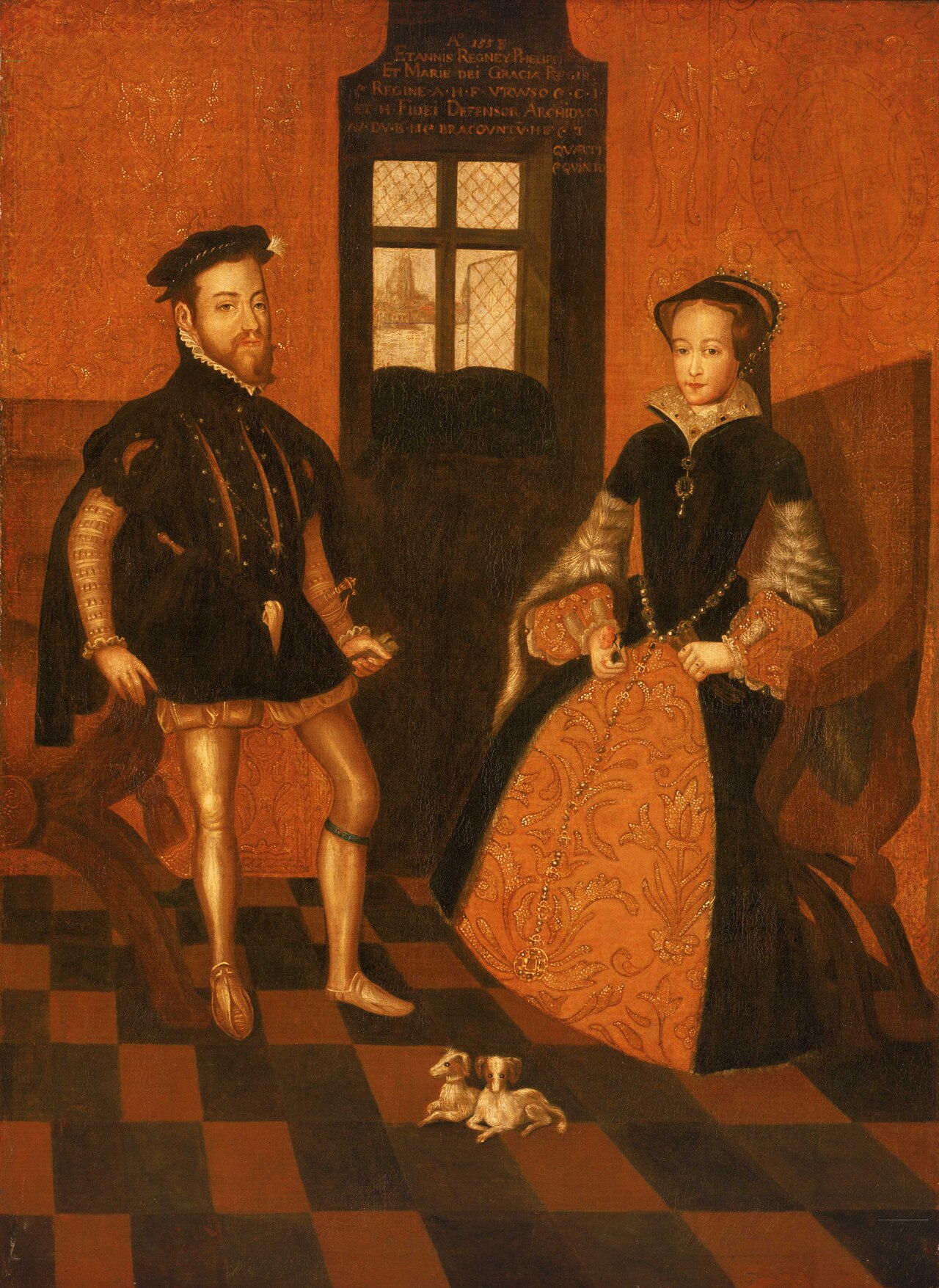
Mary I of England and Philip II of Spain Double Portrait
anonymous, after Lucas de Heere · after 1558
 Letter
Primary source
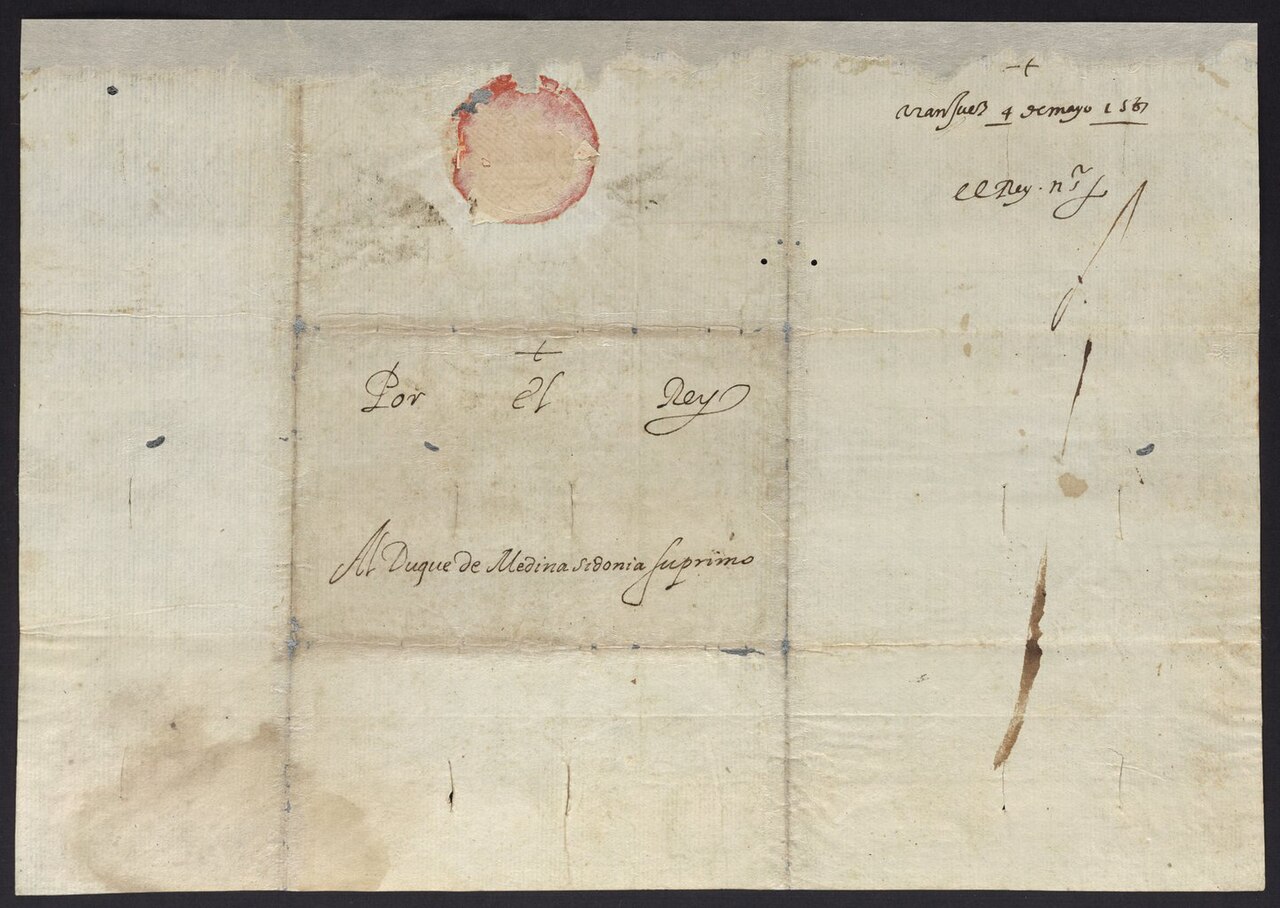
Philip II's Instructions to the Duke of Medina Sidonia
Philip II of Spain · 4 May 1587
Free account
Read every Philip II of Spain source
Sign up free →
Ready when you are
Start chatting with Philip II of Spain now.
20 messages free · No credit card · Available in 50+ languages.