


Secondary sourceBook
Philosophical Review summary of Fraser on Hobbes's psychology
A scholarly summary discussing how visualization shaped the psychology of Hobbes, Locke, Berkeley, and Hume.
This review places Hobbes at the start of a line of philosophers studied for their reliance on mental visualization.
About this source
What it is
This text is a summary published in The American Journal of Psychology, describing a study by A. Fraser on 'Visualization as a Chief Source of the Psychology of Hobbes, Locke, Berkeley, and Hume'. It is a secondary, scholarly source written long after Hobbes.
Why it matters
The piece argues that Hobbes, along with Locke, Berkeley, and Hume, relied heavily on mental images ('visualization') in their thinking, and traces how this habit shaped the philosophical movement called Sensationalism. It shows how historians of philosophy connect Hobbes's ideas to those of later thinkers.
Look closer
- What does the summary claim was the 'predominating element' in Hobbes's thought?
- How does this text link Hobbes to philosophers who came after him?
- Why might scholars be interested in how philosophers 'visualize' their ideas?
This book is part of the curated material that grounds the AI version of Thomas Hobbes on Humy.ai — when students ask about related events, the AI can quote it and cite it.
More Thomas Hobbes sources
Meet the AI Thomas Hobbes →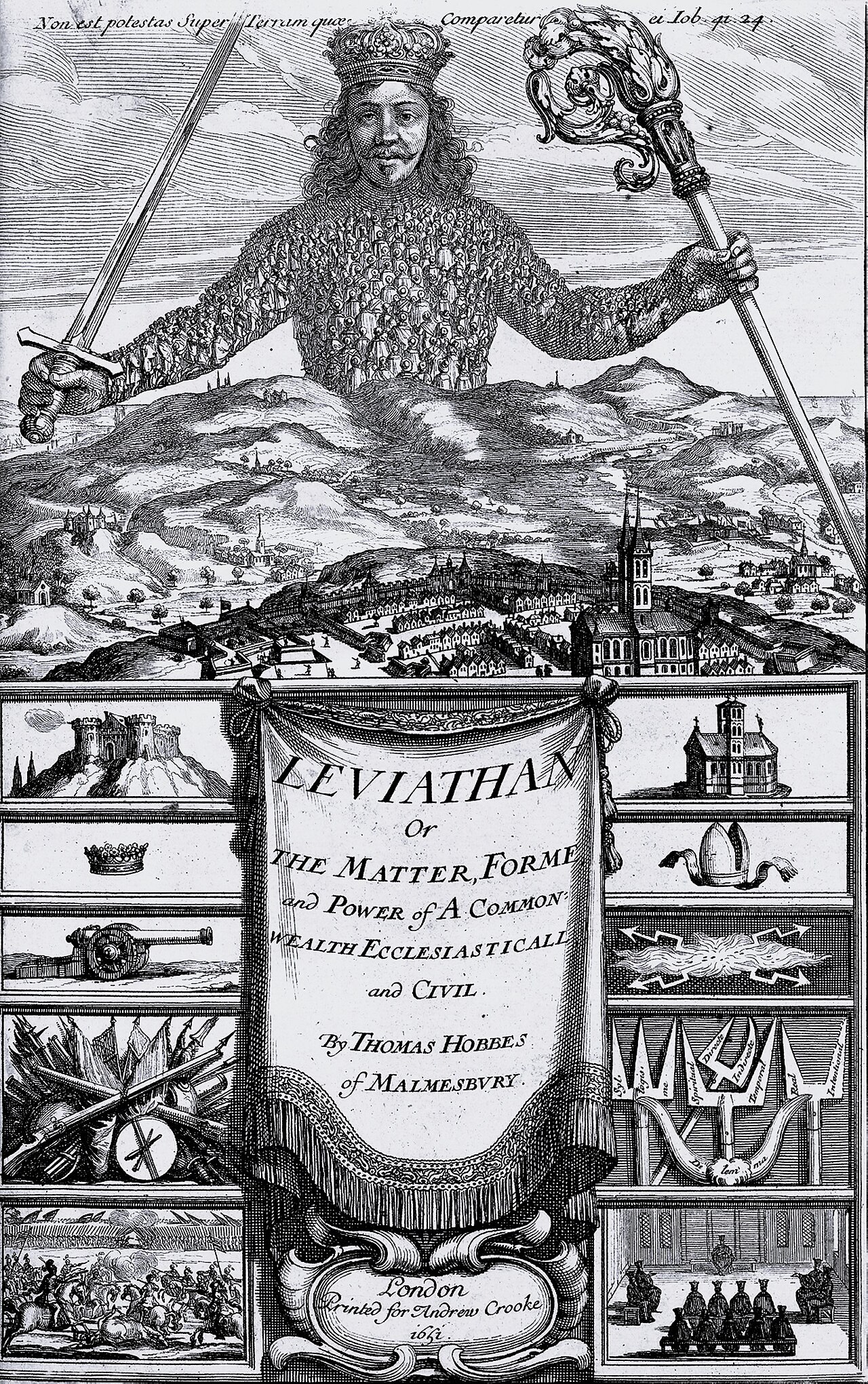 Book
Primary source
Leviathan
Thomas Hobbes · 1651
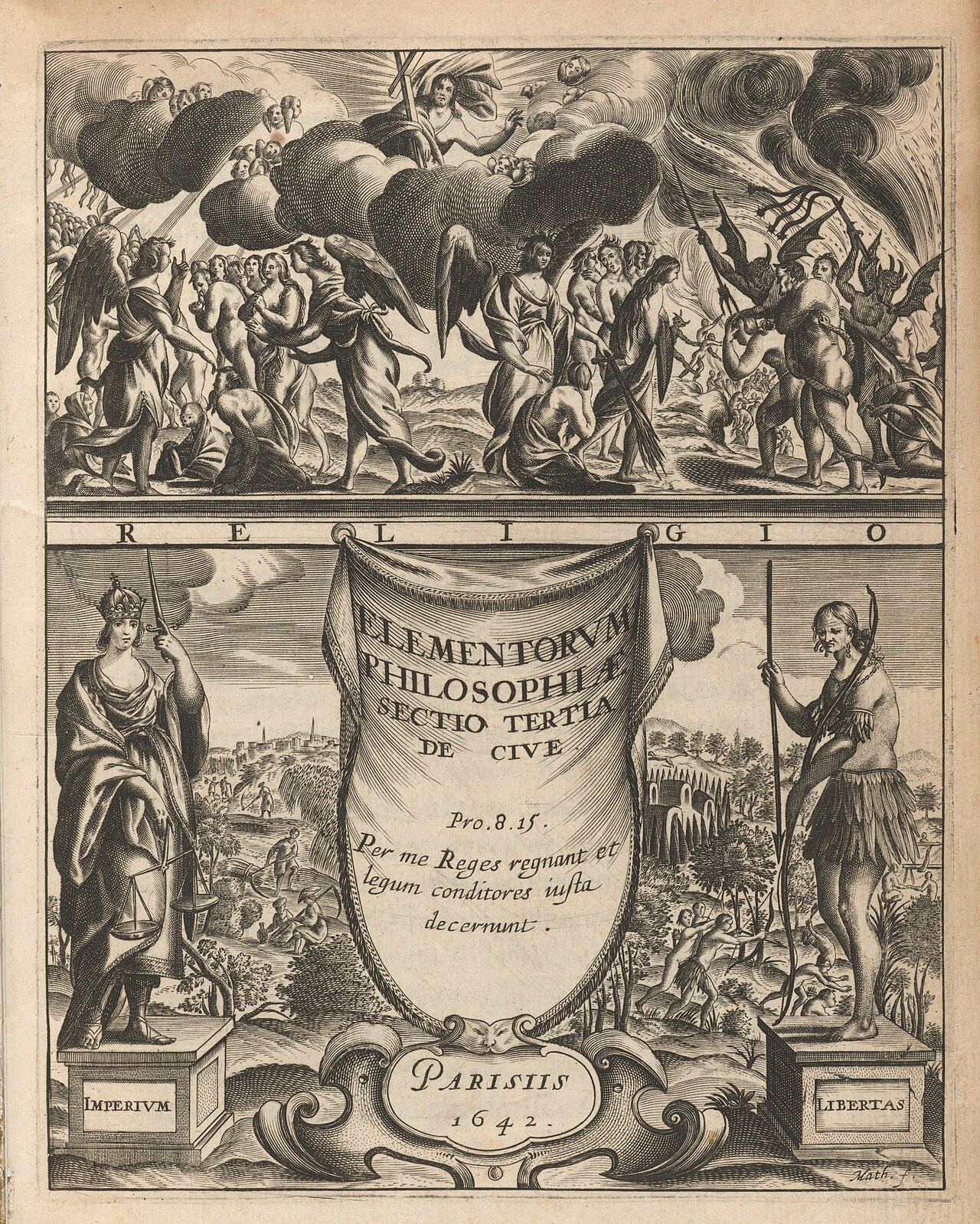 Book
Primary source
De Cive
Thomas Hobbes · 1642
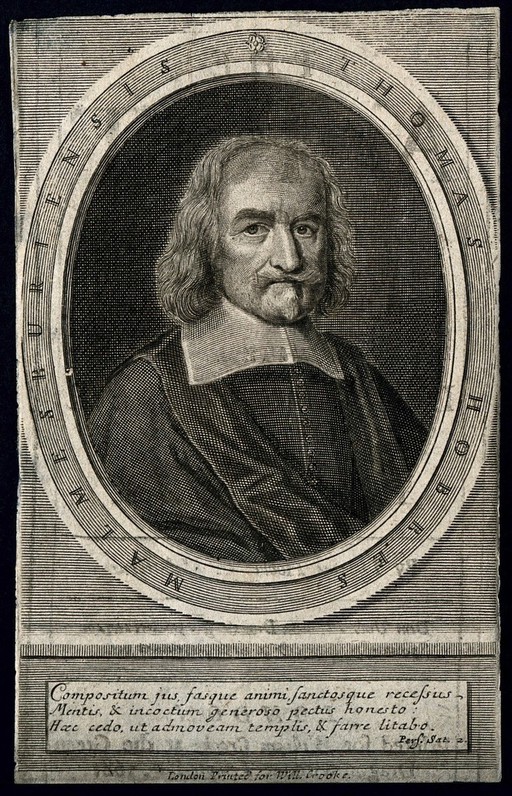 Painting
Secondary source
Portrait of Thomas Hobbes, Line Engraving
Primary source
The Elements of Law
Thomas Hobbes · 1640
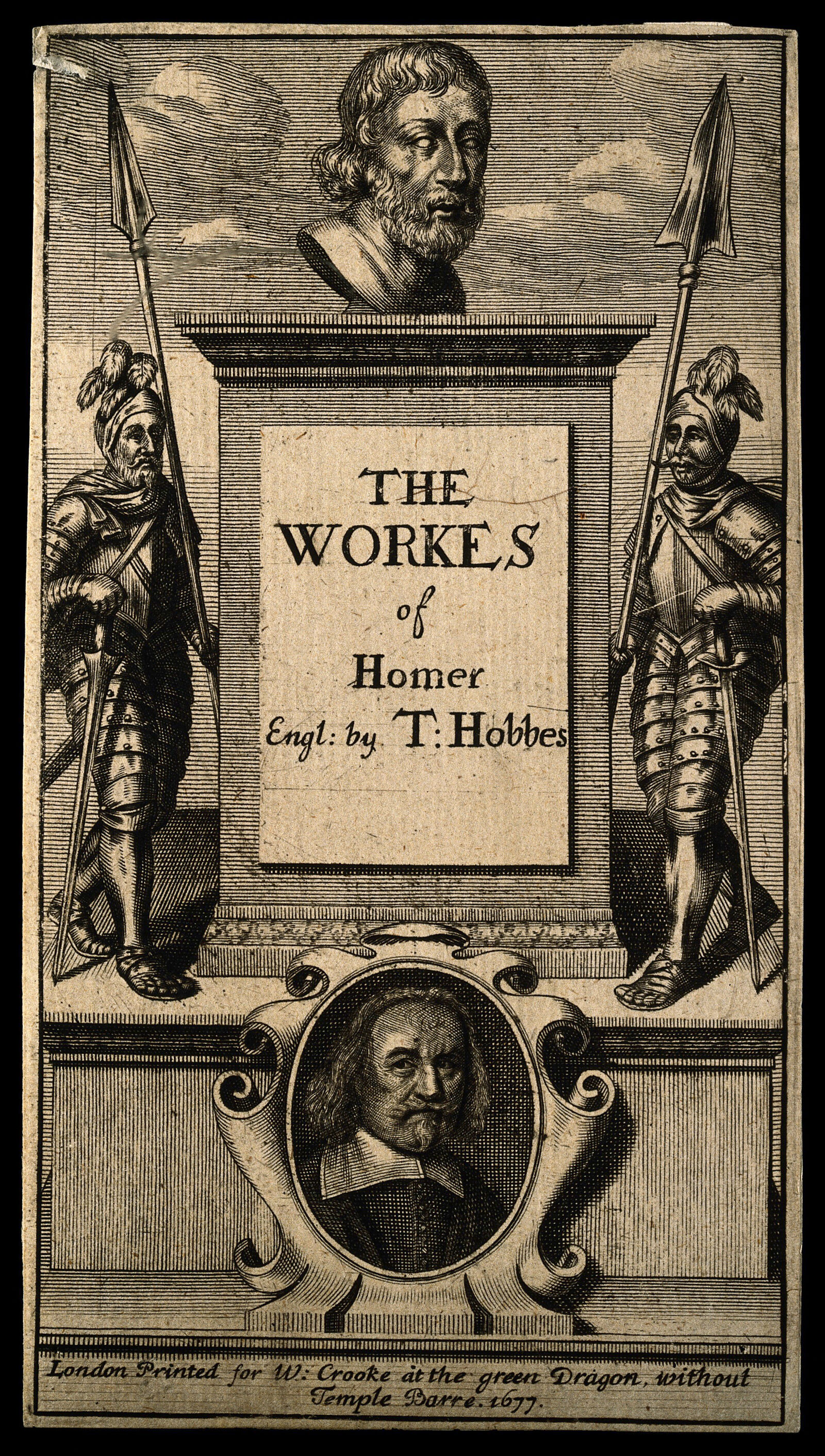 Artifact
Secondary source
Title Page of The Workes of Homer, Translated by Thomas Hobbes
1677
Ready when you are
Start chatting with Thomas Hobbes now.
20 messages free · No credit card · Available in 50+ languages.