


Primary sourceBook9th century
Photius's Library, book 72
Photios I of Constantinople · 9th century
A chapter of Photios's Bibliotheca epitomizing Ctesias's Persica and Indica, preserving much of these lost histories.
Photios composed this epitome himself, demonstrating his method of critically condensing ancient historians.
Free Humy account · No credit card · 120,288 sources to read
About this source
What it is
This chapter comes from the Bibliotheca, a massive collection of summaries of books compiled by Photios I of Constantinople in the 9th century. Here he condenses the Persica and Indica of the ancient Greek historian Ctesias, works about Persia and India that have since been largely lost.
Why it matters
Because the originals by Ctesias no longer survive in full, Photios's epitome is one of the main ways modern historians know their content. This chapter shows Photios working as a critical reader, judging and condensing older historical writing for later generations.
Look closer
- What choices does a summarizer like Photios have to make about what to keep and what to leave out?
- Why might ancient histories of distant lands like Persia and India have been of interest to a Byzantine scholar?
- How reliable can a summary of a summary be as a historical source?
This book is part of the curated material that grounds the AI version of Photios I of Constantinople on Humy.ai — when students ask about related events, the AI can quote it and cite it.
More Photios I of Constantinople sources
Browse all 31 →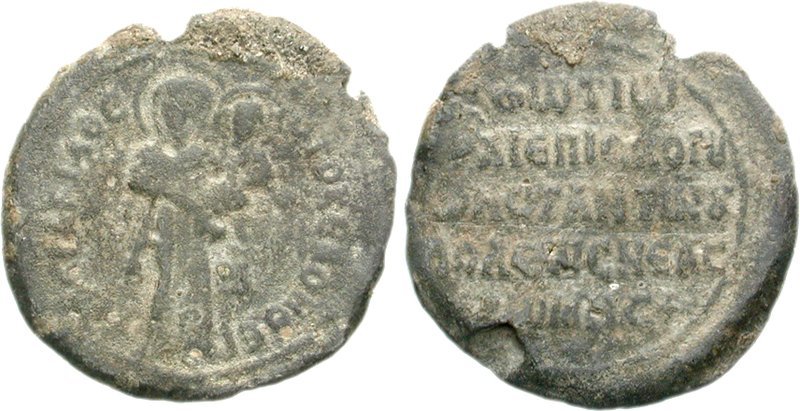 Artifact
Primary source
Lead Seal of Photios, Patriarch of Constantinople
9th century
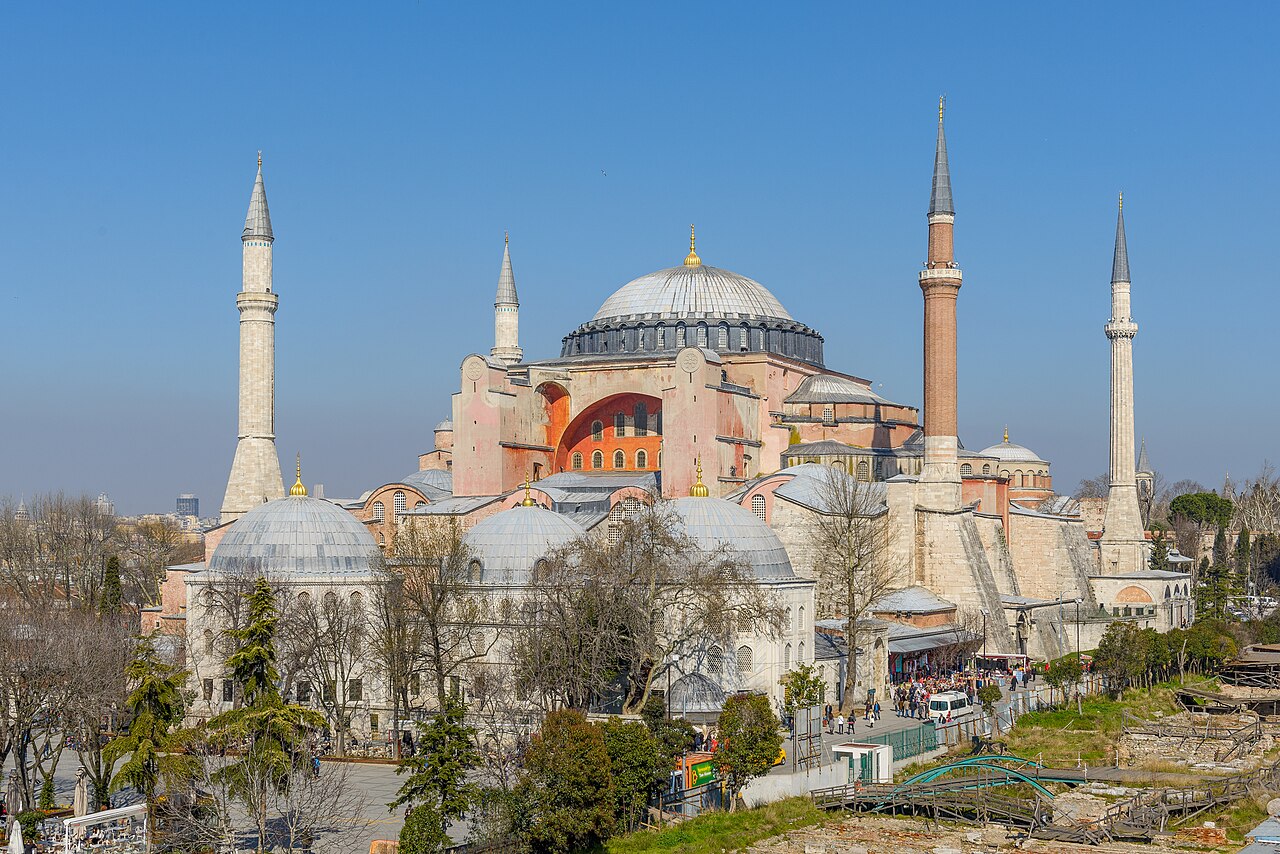 Artifact
Secondary source
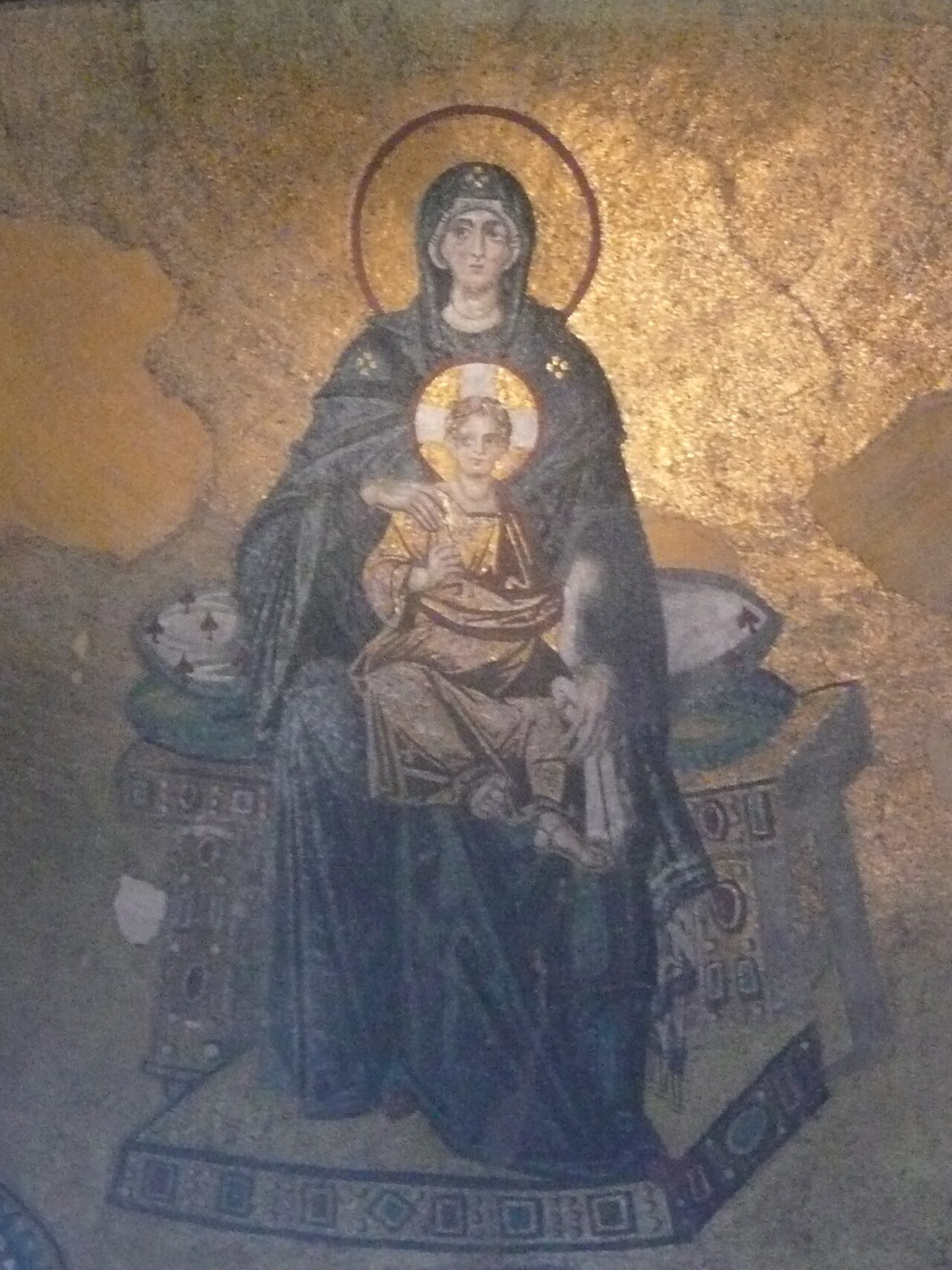
Hagia Sophia
Isidore of Miletus and Anthemius of Tralles · 532-537 CE
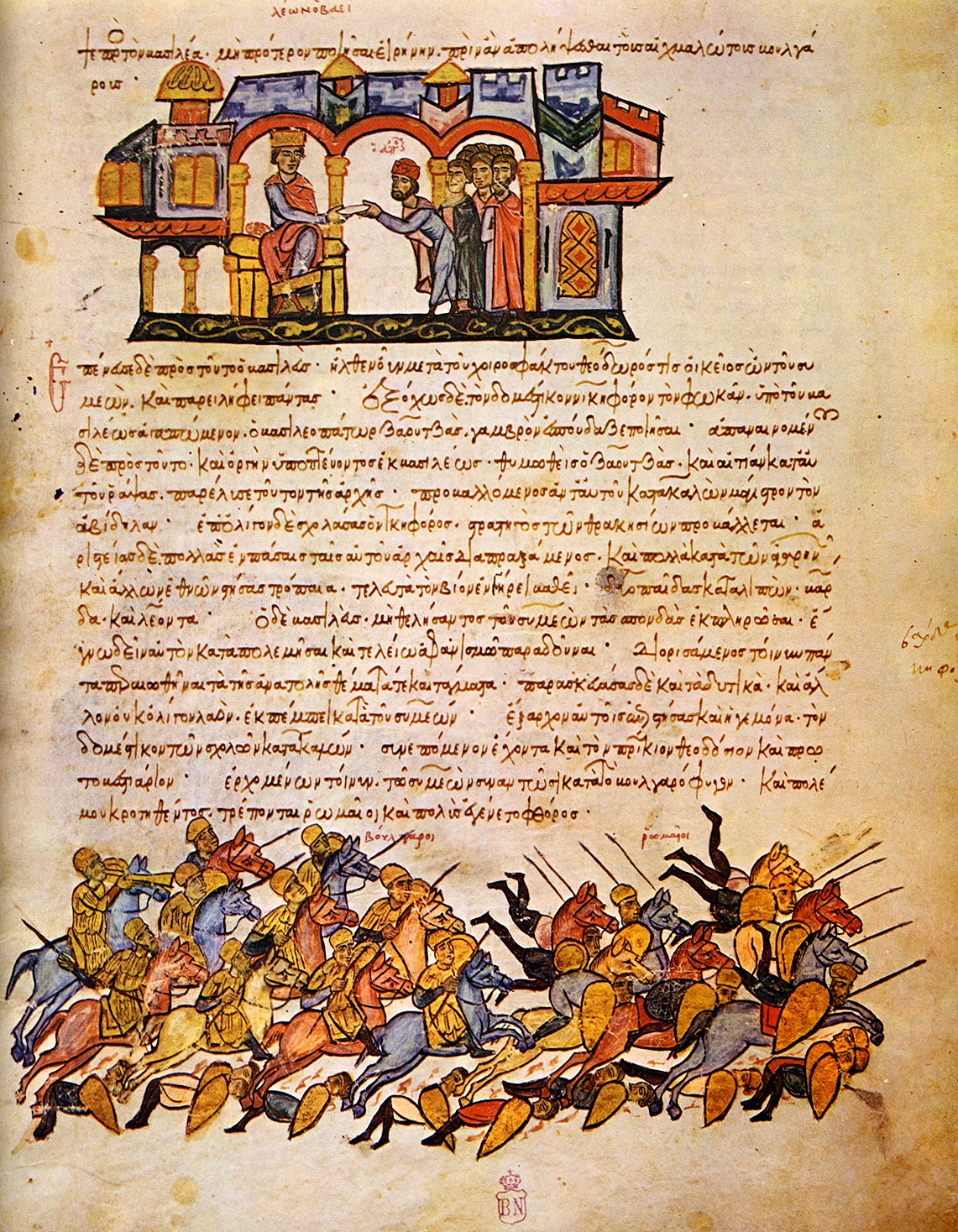 Painting
Secondary source
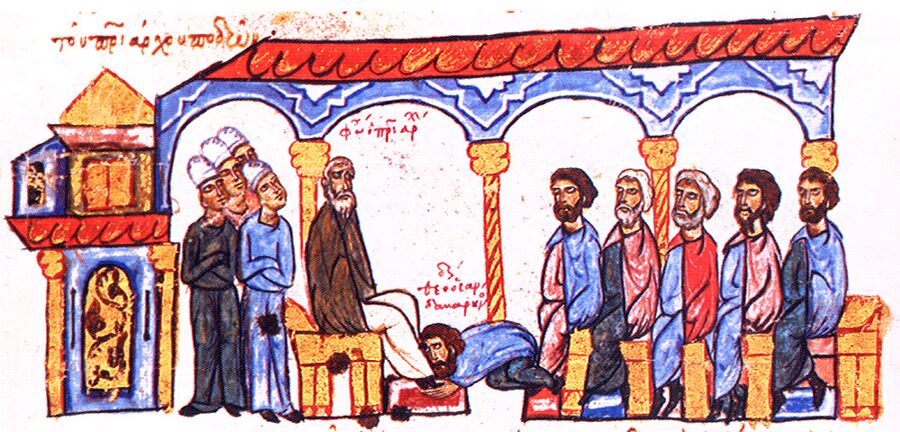
Madrid Skylitzes
John Skylitzes · 12th century
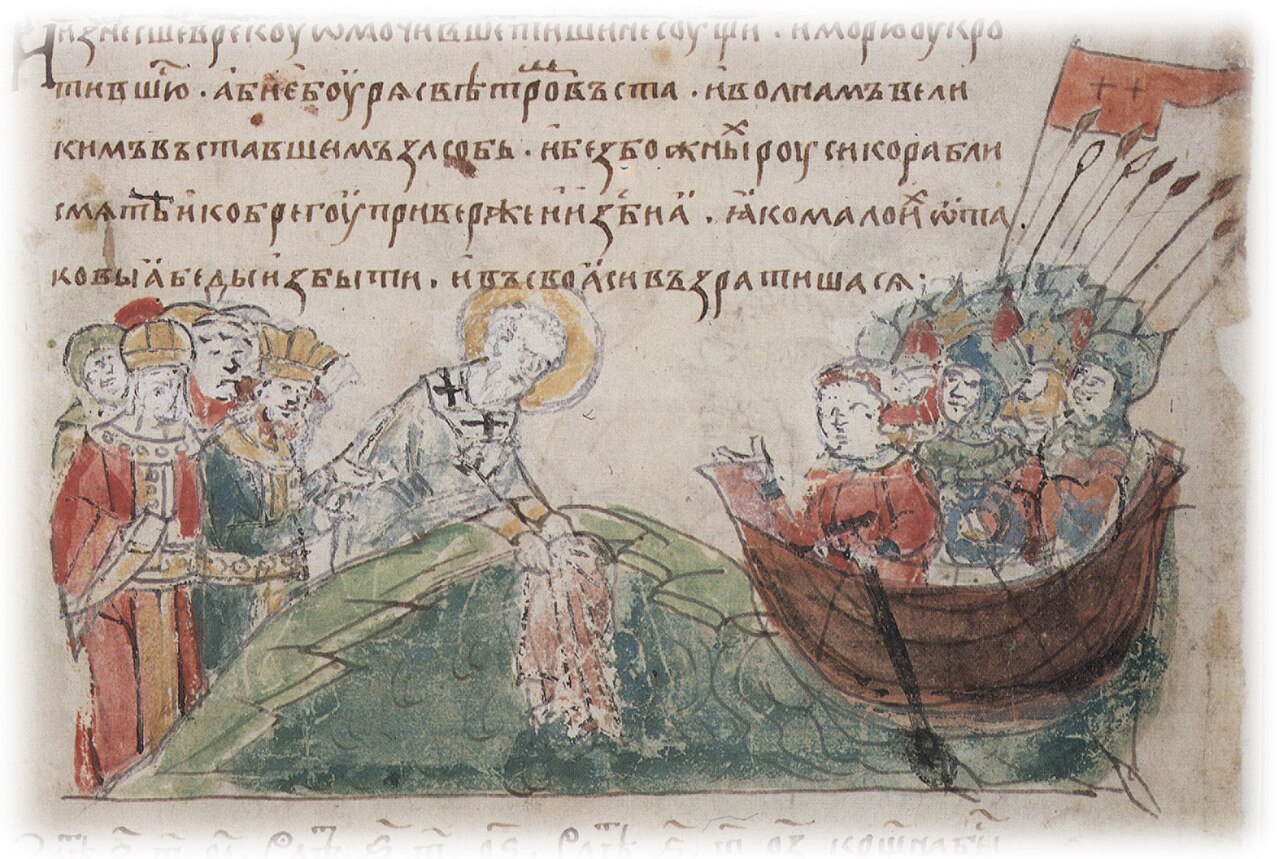 Painting
Secondary source
Photios Dipping the Virgin's Robe into the Sea
late 15th century
Free account
Read every Photios I of Constantinople source
Sign up free →
Ready when you are
Start chatting with Photios I of Constantinople now.
20 messages free · No credit card · Available in 50+ languages.