


Primary sourcePhotograph1954
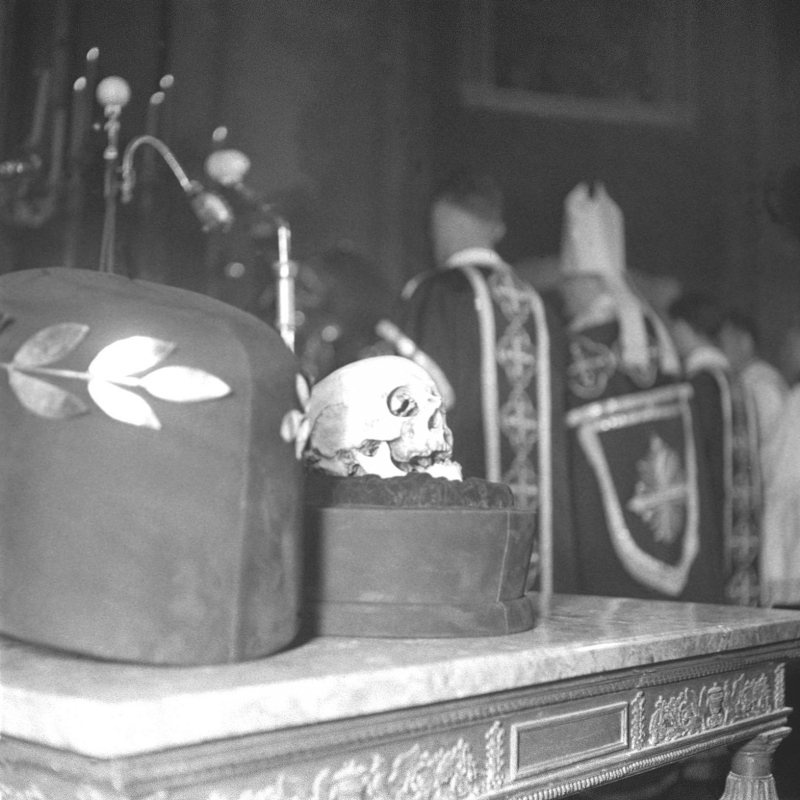
Photograph of Joseph Haydn's Skull at the Bergkirche Altar
Photographer for the United States Information Agency · 1954
A 1954 photograph documenting the return of Haydn's skull, stolen by phrenologists after his death, to be reunited with his body.
This photograph documents the 1954 reunion of Haydn's stolen skull with his skeleton.
About this source
What it is
This black-and-white photograph, taken in 1954 for the United States Information Agency, shows Haydn's skull resting on a cushion on the altar of the Bergkirche in Eisenstadt, with clergy standing nearby.
Why it matters
Shortly after Haydn died in 1809, phrenologists interested in studying the skulls of famous people stole his head. It took until 1954 for the skull to be formally reunited with his skeleton in a ceremony, shown in this photograph. The event reveals how 19th-century pseudo-science treated even famous people's remains, and how later generations tried to correct that wrong.
Look closer
- Why do you think phrenologists wanted the skulls of famous people like Haydn?
- What does the formal, ceremonial setting of this photograph suggest about how seriously this reunion was treated?
- What does this image not tell us about the decades the skull spent separated from Haydn's body?
This photograph is part of the curated material that grounds the AI version of Joseph Haydn on Humy.ai — when students ask about related events, the AI can quote it and cite it.
More Joseph Haydn sources
Browse all 77 →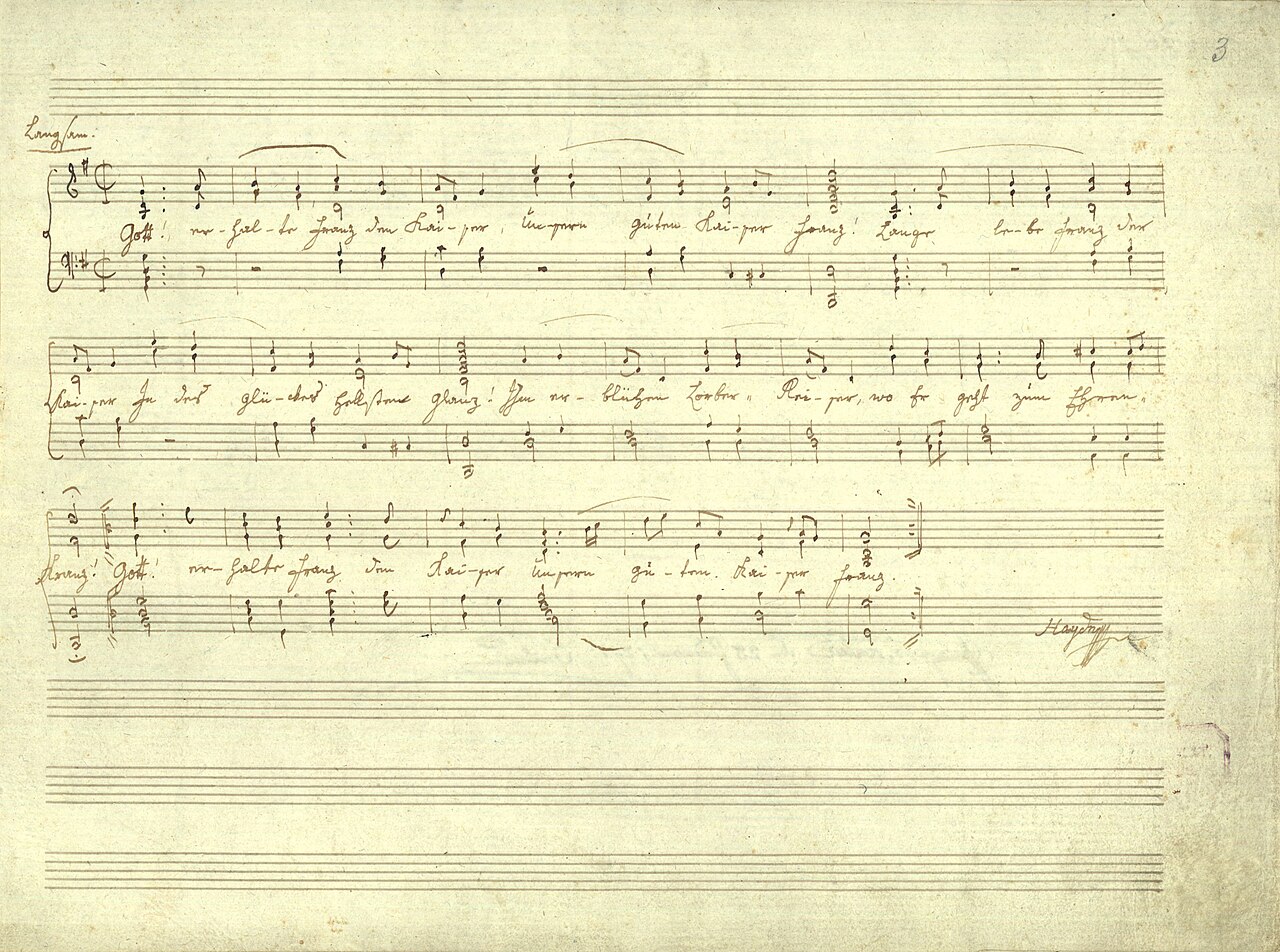 Document
Primary source
Gott erhalte Franz den Kaiser
Joseph Haydn · 1797
 Document
Primary source
Symphony No. 45 (Farewell Symphony)
Joseph Haydn · 1772
 Painting
Primary source
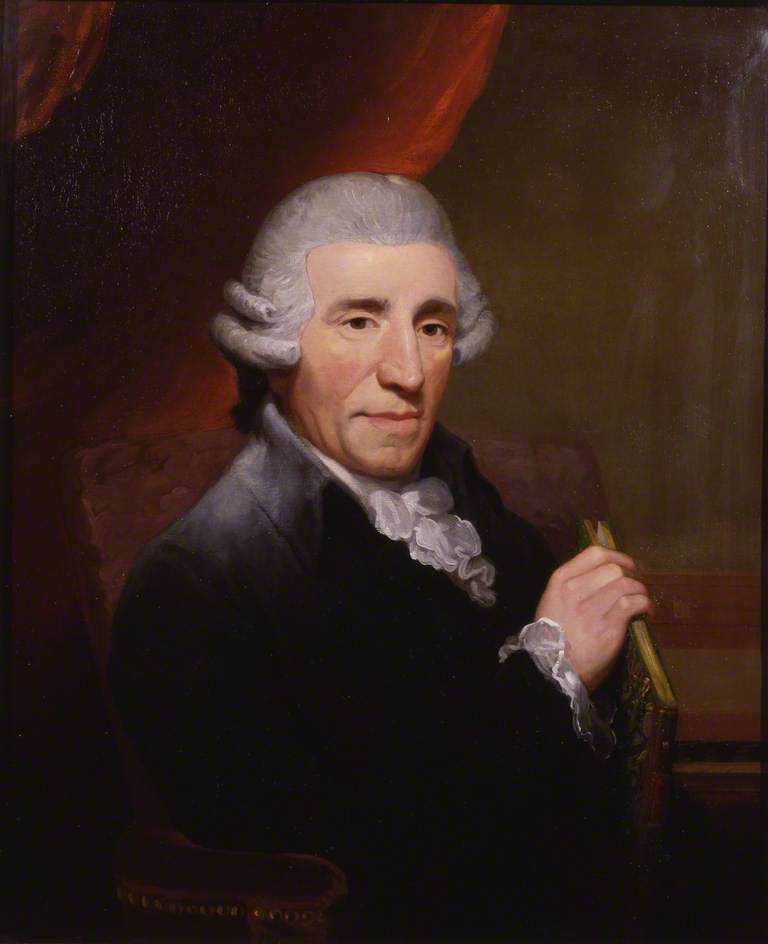
Joseph Haydn
Thomas Hardy · 1791
 Book
Primary source
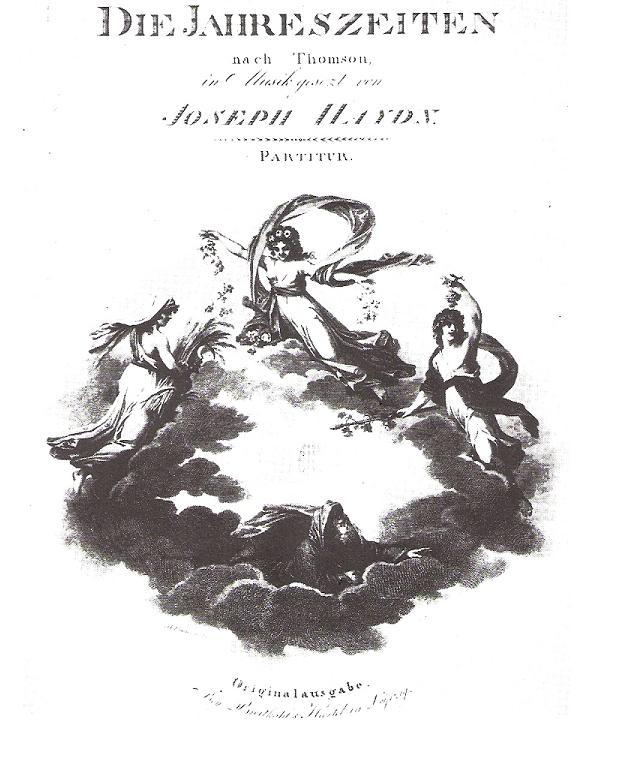
The Seasons
Joseph Haydn · 1801 (published 1802)

Free account
Read every Joseph Haydn source
Sign up free →
Ready when you are
Start chatting with Joseph Haydn now.
20 messages free · No credit card · Available in 50+ languages.