


Primary sourceBookc. 1310 copy
Physica
Hildegard of Bingen · c. 1310 copy
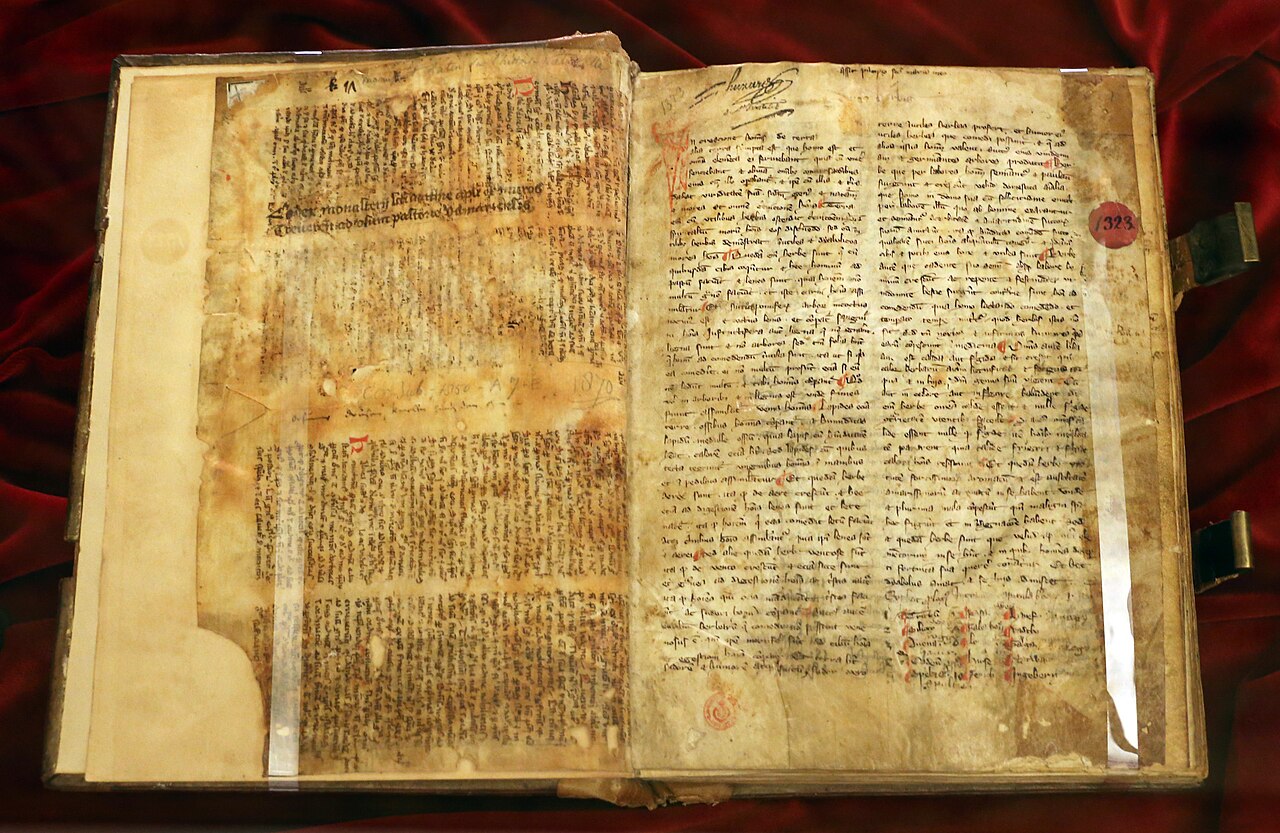
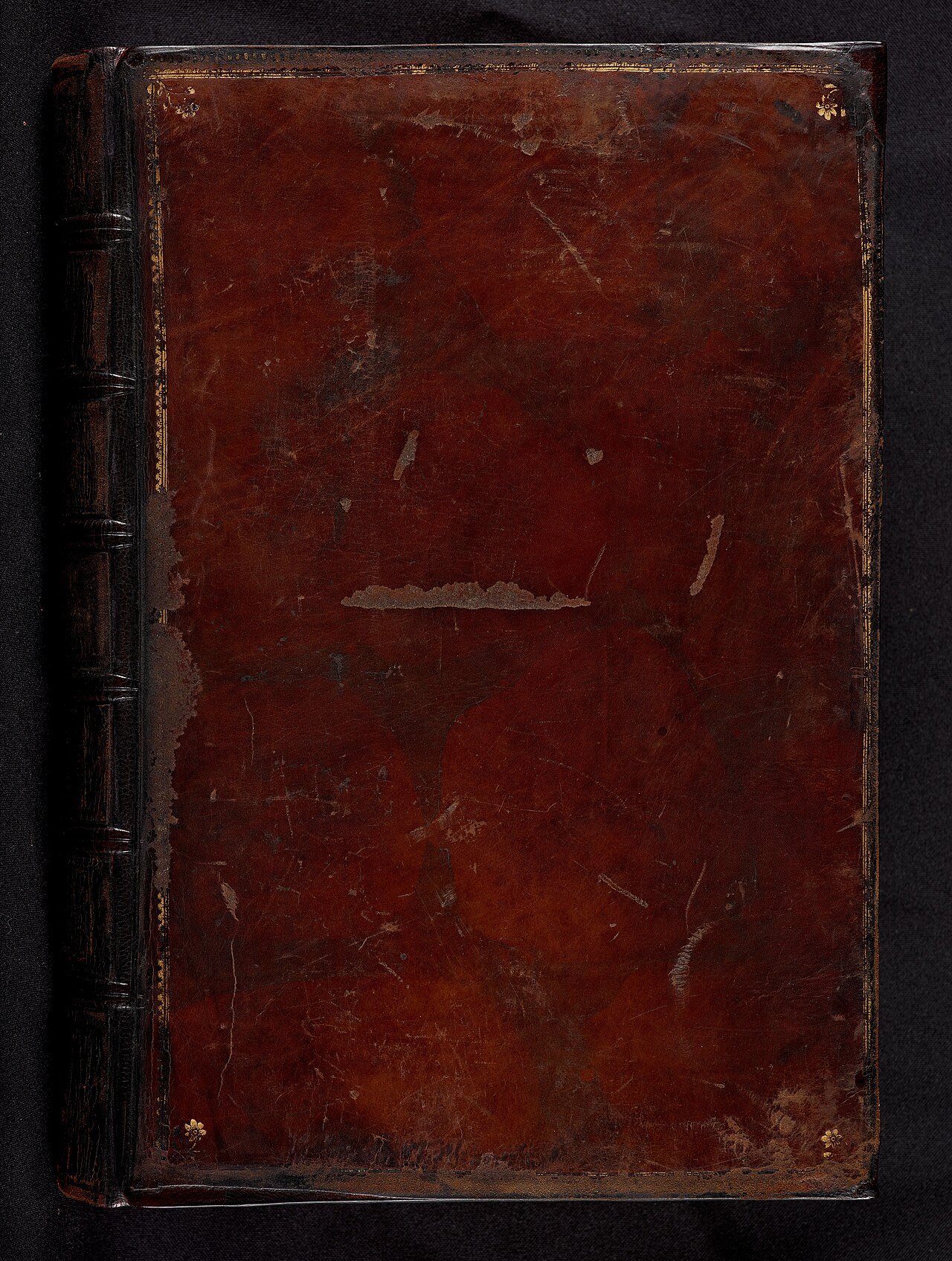
A later copy of Hildegard's Physica, her natural history text describing plants, animals and medicine.
This is a later copy of Hildegard's own text on natural history and medicine, showing her scholarly contributions.
About this source
What it is
This manuscript is a later copy, made around 1310, of Hildegard of Bingen's Physica, a natural history work she originally wrote. It is held in the Biblioteca Medicea Laurenziana. The photo shows an open bound volume with handwritten Latin text in black ink, red initials, and paragraph marks on yellowed vellum pages.
Why it matters
The Physica is one of Hildegard's own works, recording her knowledge of plants, animals, stones and their medicinal uses. It shows her as a scholar of natural science and medicine, not only a religious mystic, and reveals how medieval people understood the natural world and healing.
Look closer
- Why do you think later copyists kept producing new versions of this text over centuries?
- What might the red initials and markings have helped medieval readers do?
- What does the condition of the vellum tell you about how old and used this book is?
This book is part of the curated material that grounds the AI version of Hildegard of Bingen on Humy.ai — when students ask about related events, the AI can quote it and cite it.
More Hildegard of Bingen sources
Meet the AI Hildegard of Bingen → Book
Primary source
Scivias
Hildegard of Bingen · 1151-1152
 Painting
Primary source
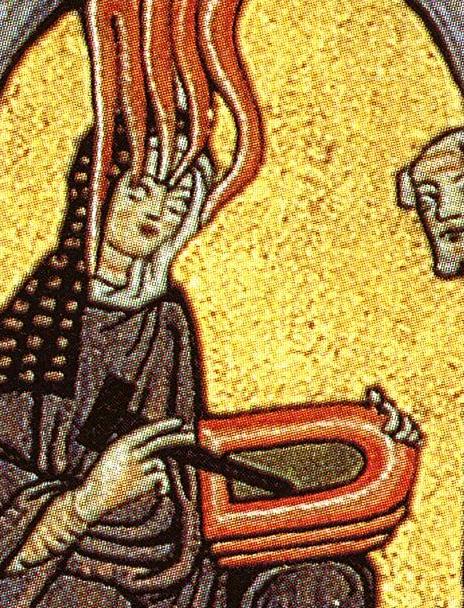
Scivias Frontispiece Miniature
12th century
 Book
Primary source
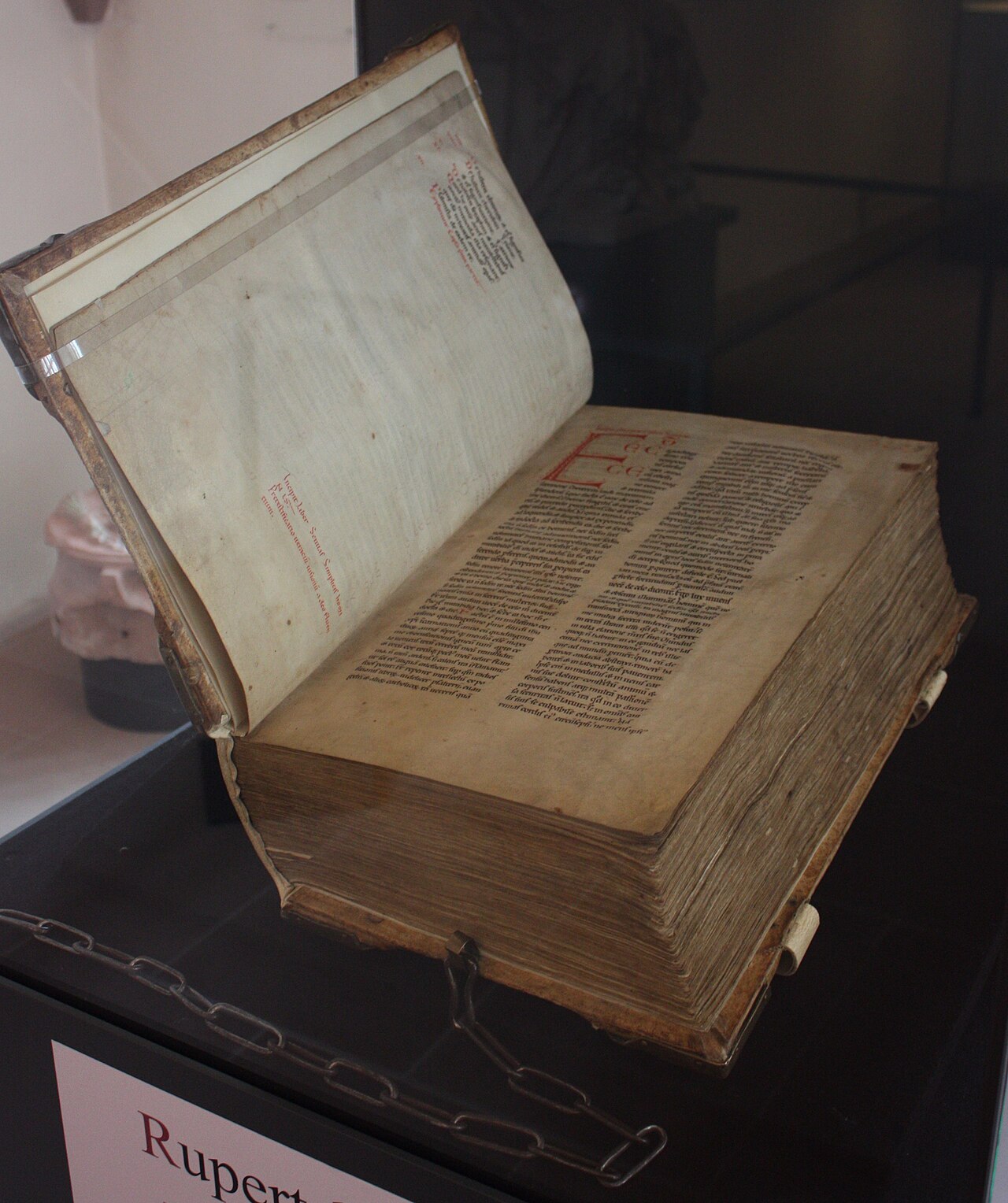
Wiesbaden Codex
Hildegard of Bingen · c. 1200
 Book
Primary source
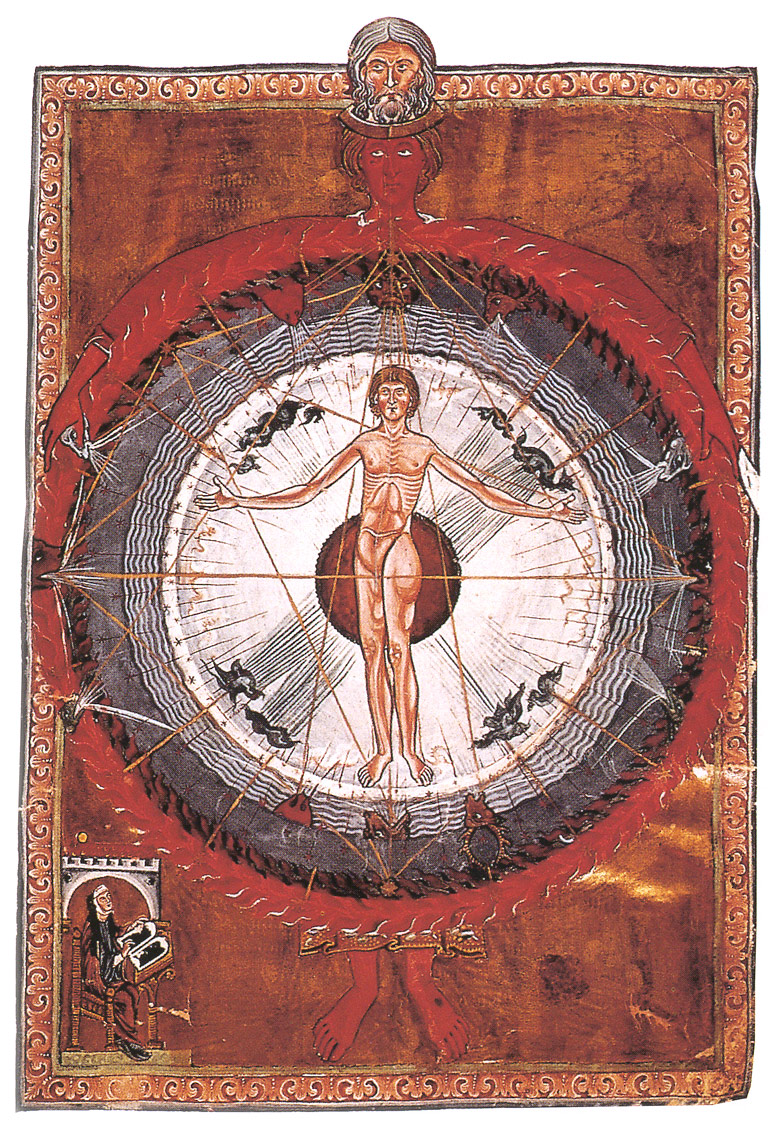
Liber divinorum operum
Hildegard of Bingen · c. 1163-1174
 Document
Primary source
Dendermonde Codex
Hildegard of Bingen · c. 1175
Ready when you are
Start chatting with Hildegard of Bingen now.
20 messages free · No credit card · Available in 50+ languages.