


Secondary sourceArtifactc. 1480–1530
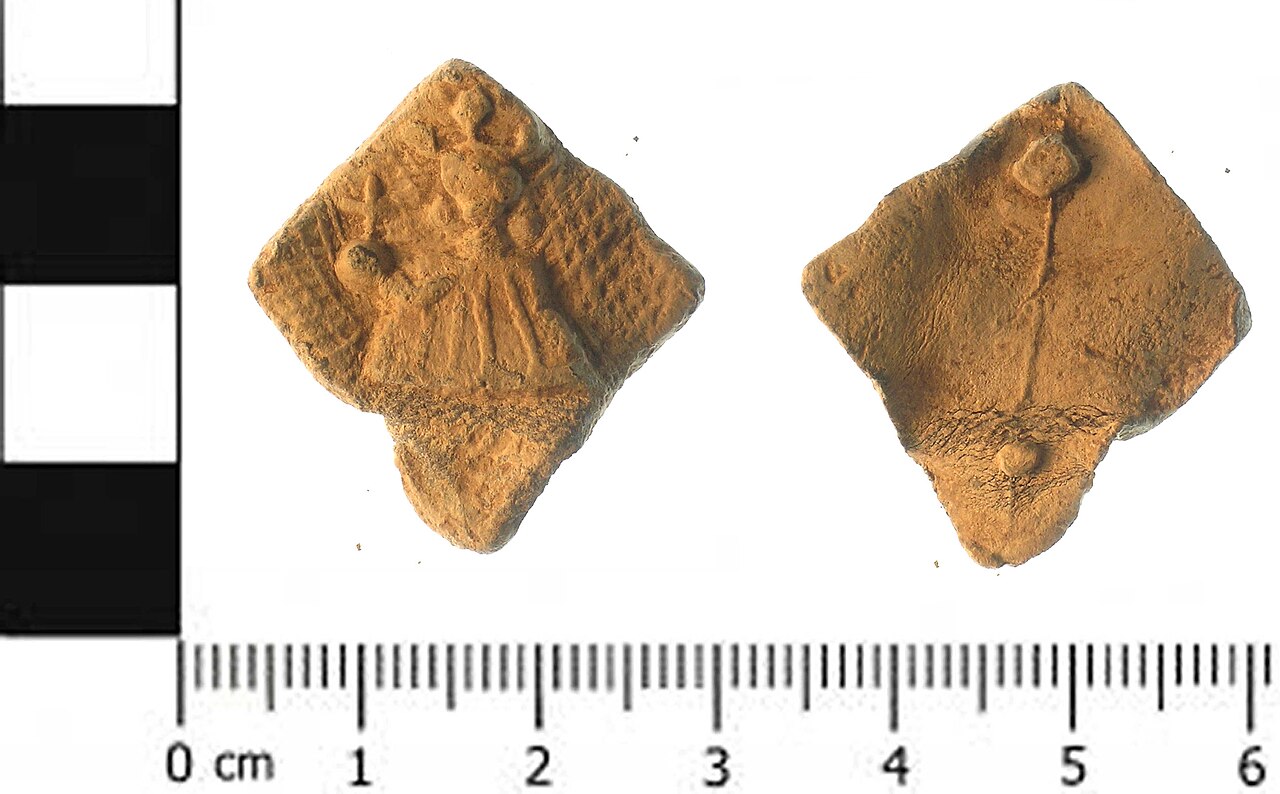
Pilgrim badges of Henry VI
Anonymous · c. 1480–1530
Cheap lead badges bought by pilgrims visiting Henry VI's shrine at Windsor, showing the popular cult that grew around the dead king.
These badges are physical evidence of the popular religious cult that developed around Henry VI after his death.
About this source
What it is
These are lead-alloy pilgrim badges, made roughly between 1480 and 1530, showing a crowned king holding an orb. They are held today by the British Museum and the Museum of London.
Why it matters
After Henry VI's death in 1471, a popular cult grew around his grave, first at Chertsey Abbey and later at his shrine in Windsor Castle. These cheap, crudely made badges were bought by ordinary pilgrims as souvenirs of their visit, showing that Windsor became a major pilgrimage destination for several decades, with people treating the murdered king almost as a saint.
Look closer
- What does the crude, mass-produced style of these badges tell us about who bought them and why?
- Why might people have venerated a king who was defeated and killed rather than one who died in power?
- What do large numbers of badges found in places like London and Salisbury suggest about the spread of Henry's cult?
This artifact is part of the curated material that grounds the AI version of Henry VI on Humy.ai — when students ask about related events, the AI can quote it and cite it.
More Henry VI sources
Meet the AI Henry VI →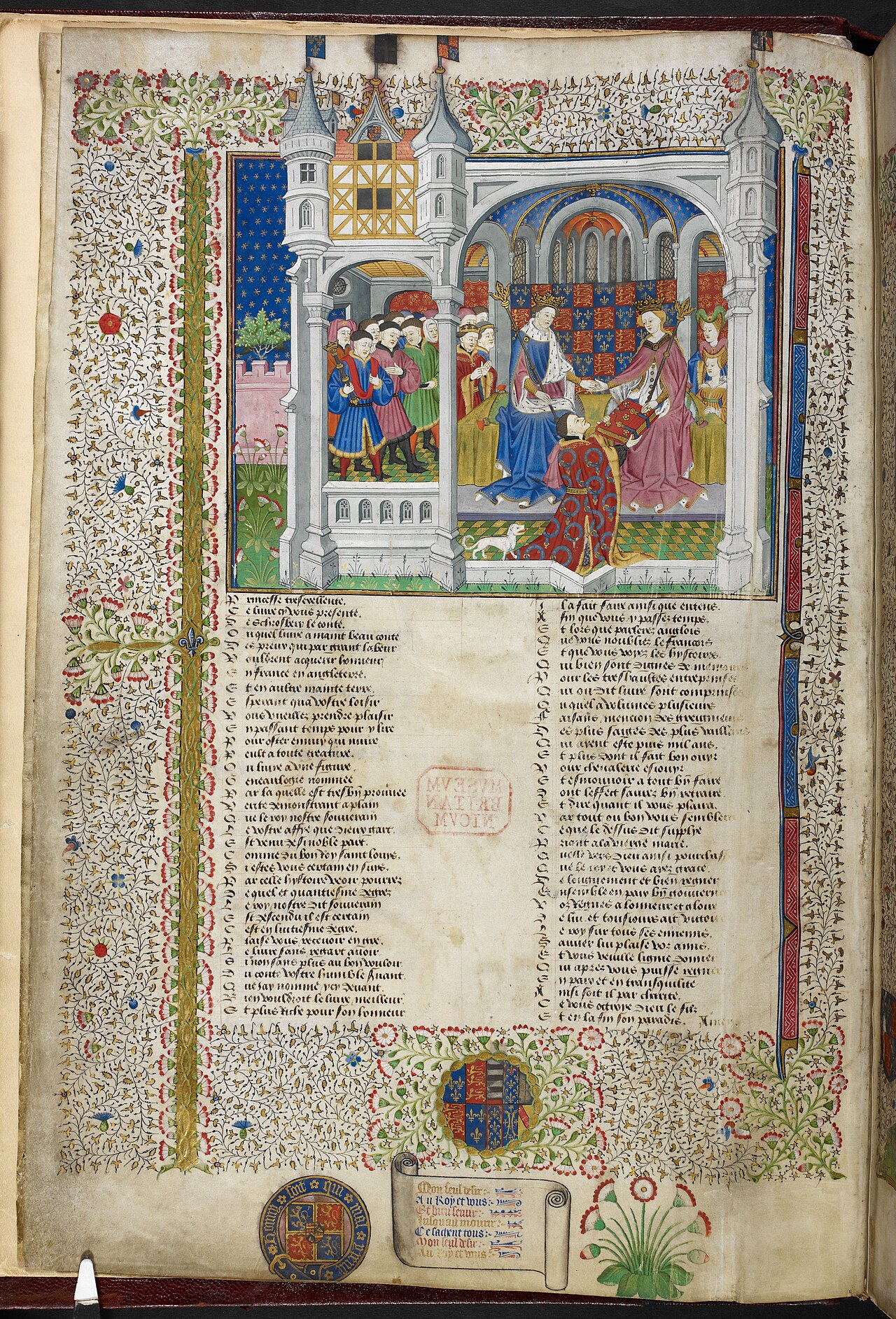 Book
Primary source
Talbot Shrewsbury Book
Master of the Munich Golden Legend · 1444/1445
 Painting
Secondary source
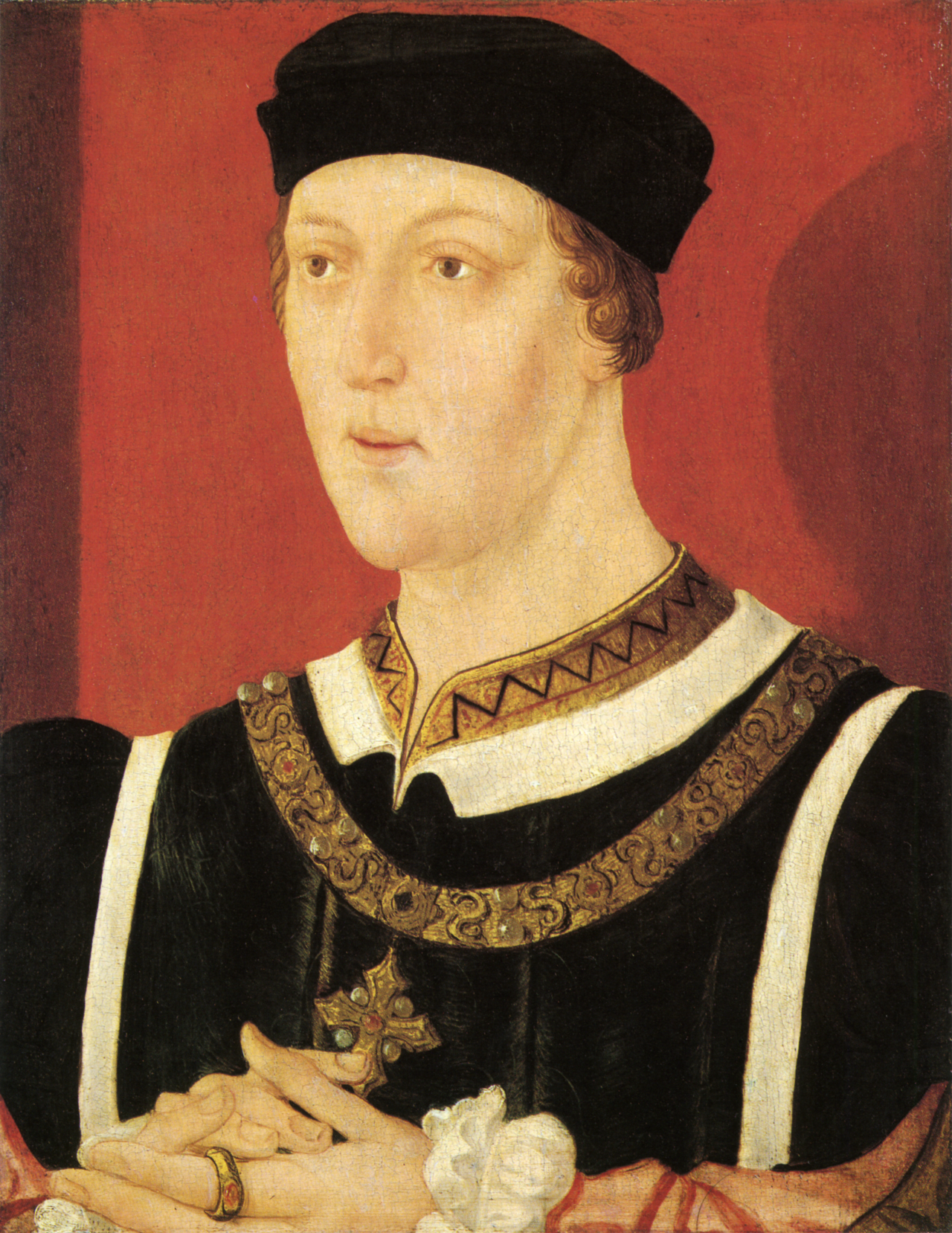
King Henry VI
Unknown English artist · c. 1540
 Artifact
Primary source
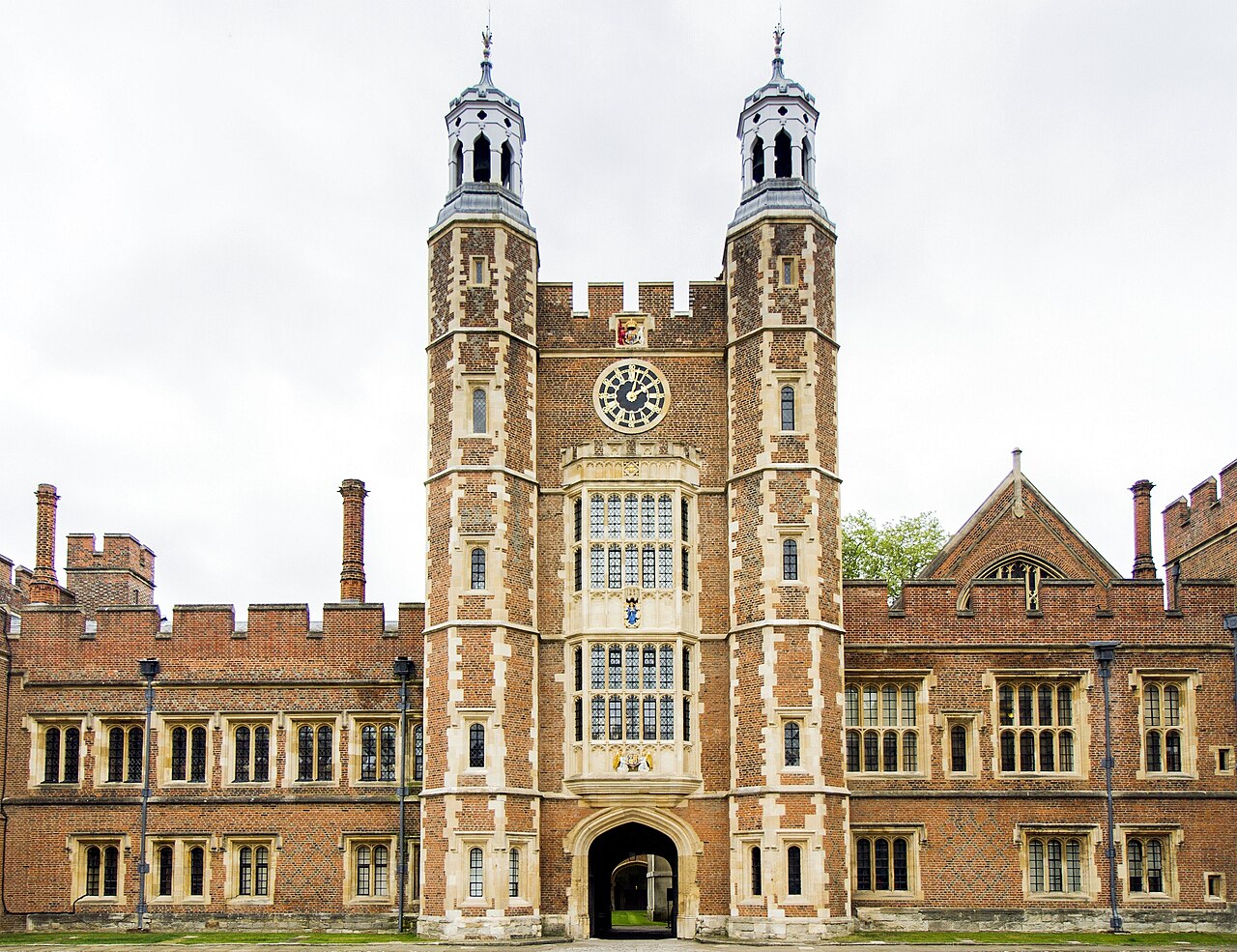
Eton College
1440
 Artifact
Primary source
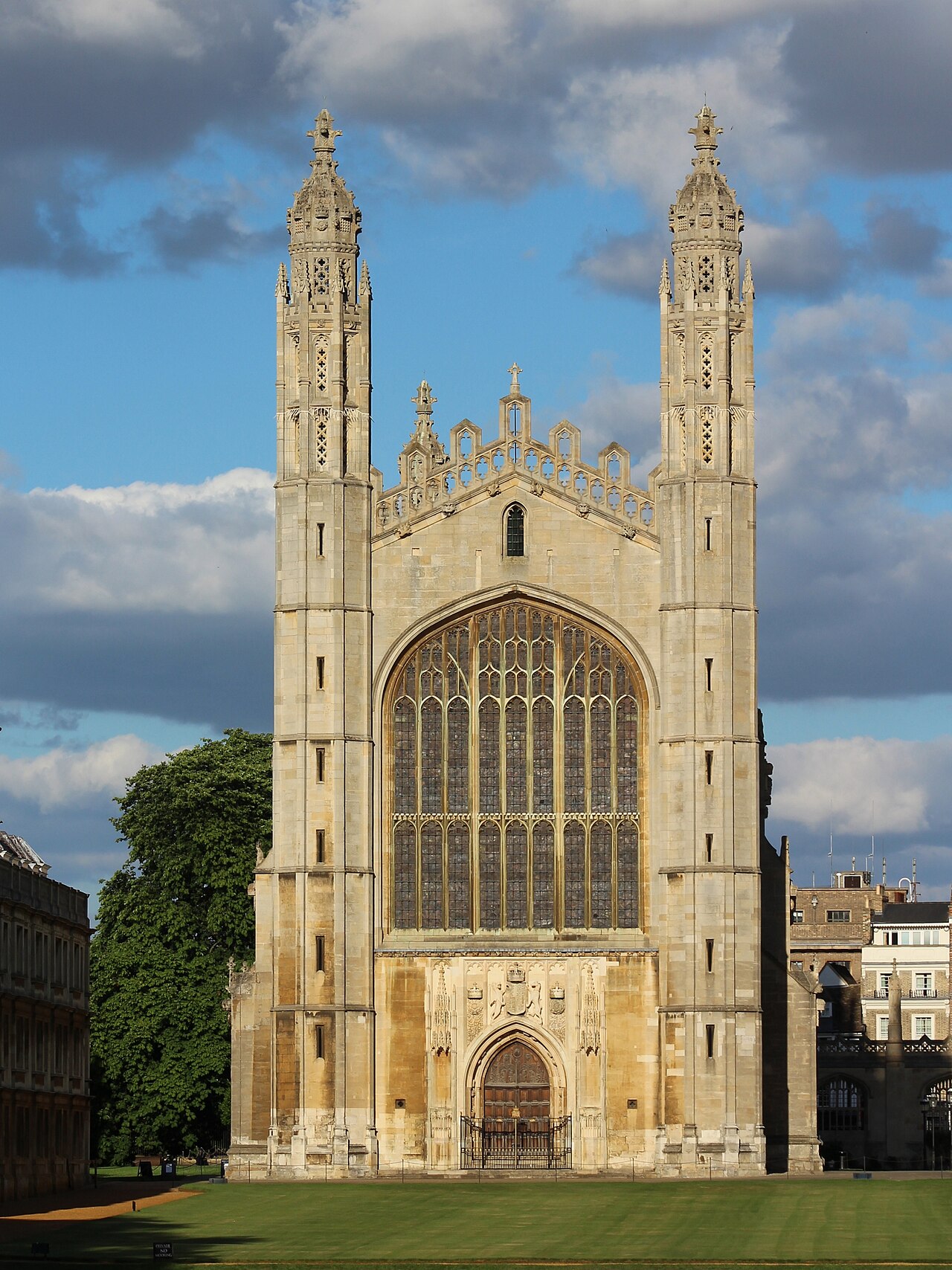
King's College Chapel
1446–1515
 Book
Secondary source
The Historie of the Arrivall of Edward IV
Unknown (servant of Edward IV) · c. 1500
Ready when you are
Start chatting with Henry VI now.
20 messages free · No credit card · Available in 50+ languages.