


Secondary sourceBook1849
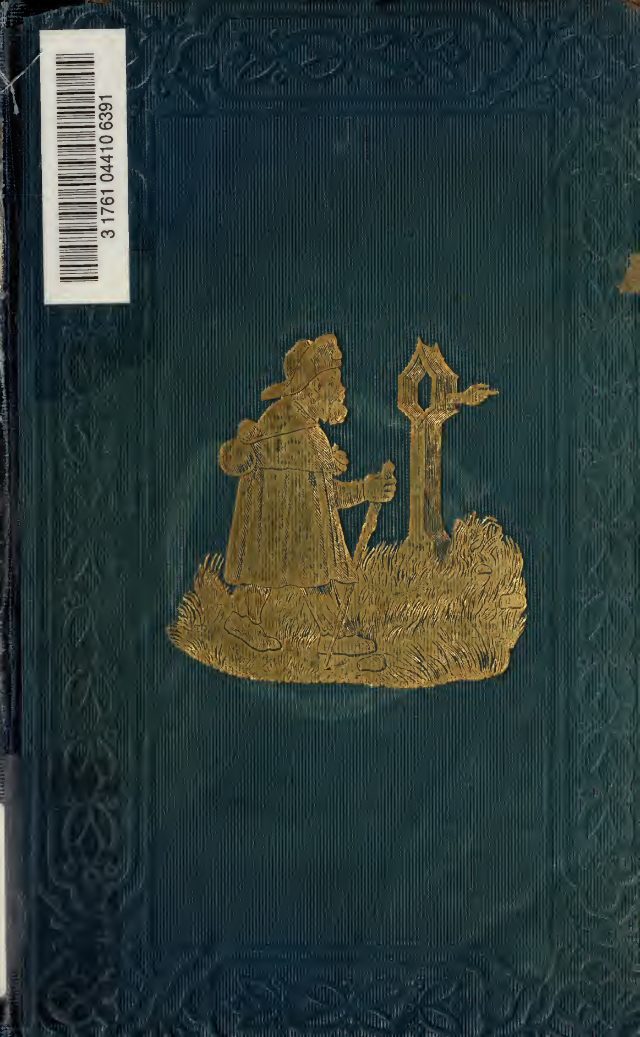
Pilgrimages to Saint Mary of Walsingham and Saint Thomas of Canterbury
Desiderius Erasmus · 1849
A translated edition of Erasmus's satirical account of pilgrimages to Becket's shrine at Canterbury, showing how his cult was viewed during the Reformation.
This satirical account describes pilgrimage to Becket's shrine, showing how his cult endured and was later questioned.
Free Humy account · No credit card · 124,282 sources to read
About this source
What it is
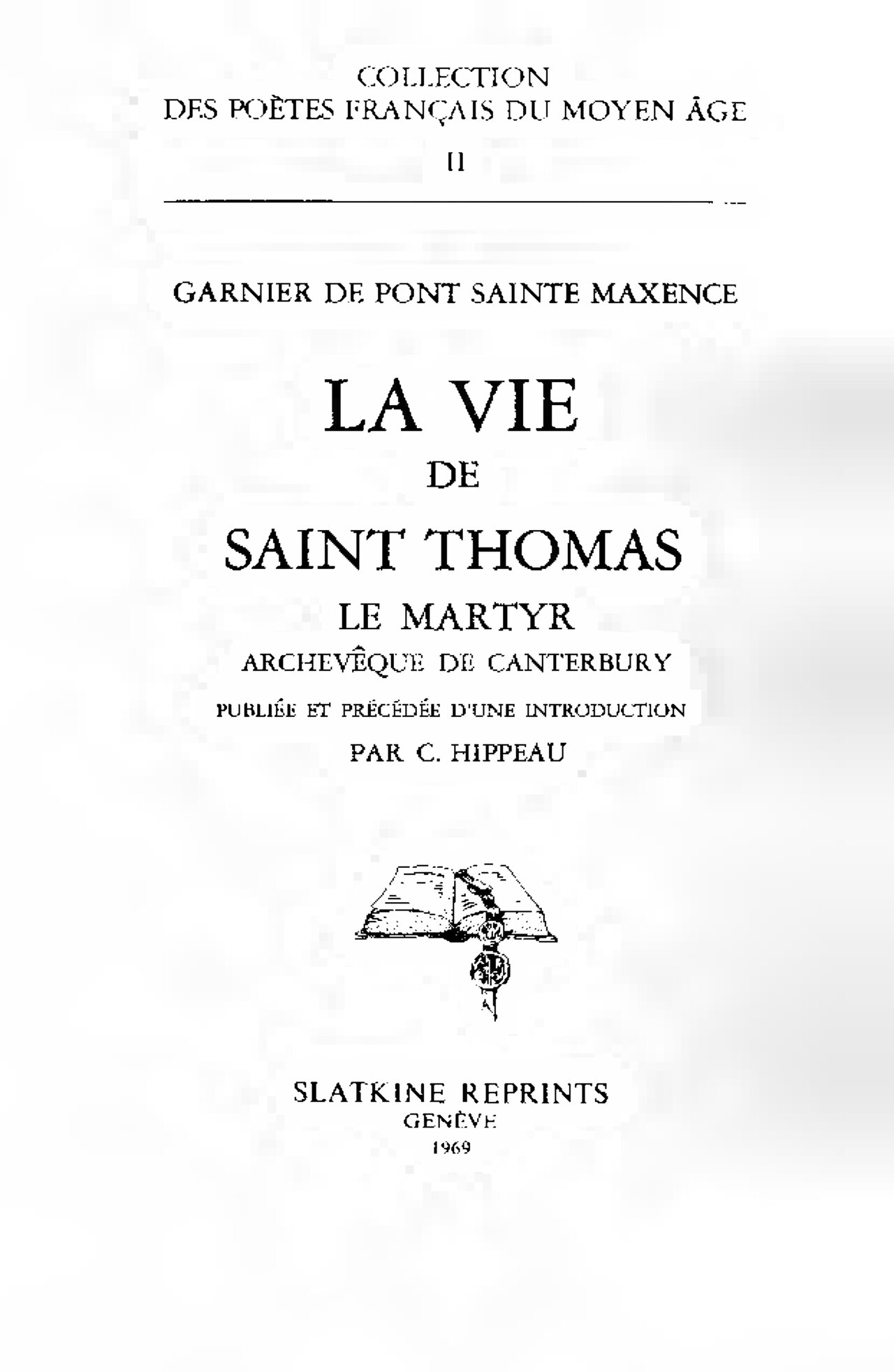
This 1849 edition presents a translation of a work by Desiderius Erasmus, describing pilgrimages to the shrines of Our Lady of Walsingham and St Thomas of Canterbury. The edition was prepared by John Gough Nichols, with notes and added material about Archbishop Warham and Dean Colet.
Why it matters
Erasmus wrote during the Reformation, a time when the veneration of saints like Becket was being questioned. His account, satirizing pilgrimage practices, shows how Becket's shrine at Canterbury had become a major destination for medieval pilgrims — and how that tradition looked to a sharp-eyed critic centuries later. This 1849 edition reflects renewed Victorian interest in Becket's cult and English religious history.
Look closer
- Why might Erasmus have chosen to write about pilgrimage in a satirical way?
- What does the popularity of Becket's shrine suggest about how he was remembered after his death?
- Why would Victorian editors in 1849 want to republish and annotate this older text?
This book is part of the curated material that grounds the AI version of Thomas Becket on Humy.ai — when students ask about related events, the AI can quote it and cite it.
More Thomas Becket sources
Browse all 71 →Primary source
Constitutions of Clarendon
Henry II of England · 1164
 Artifact
Primary source
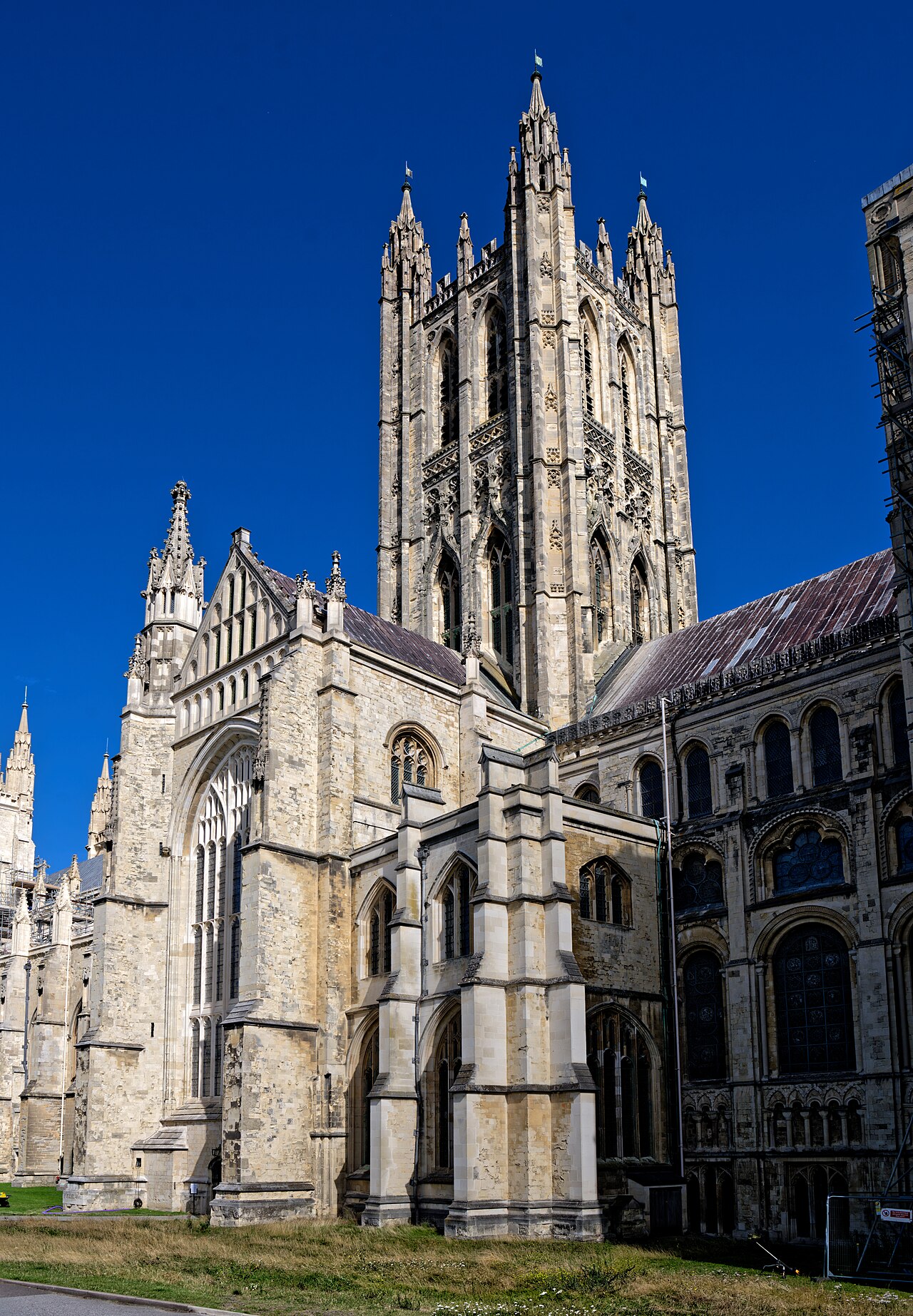
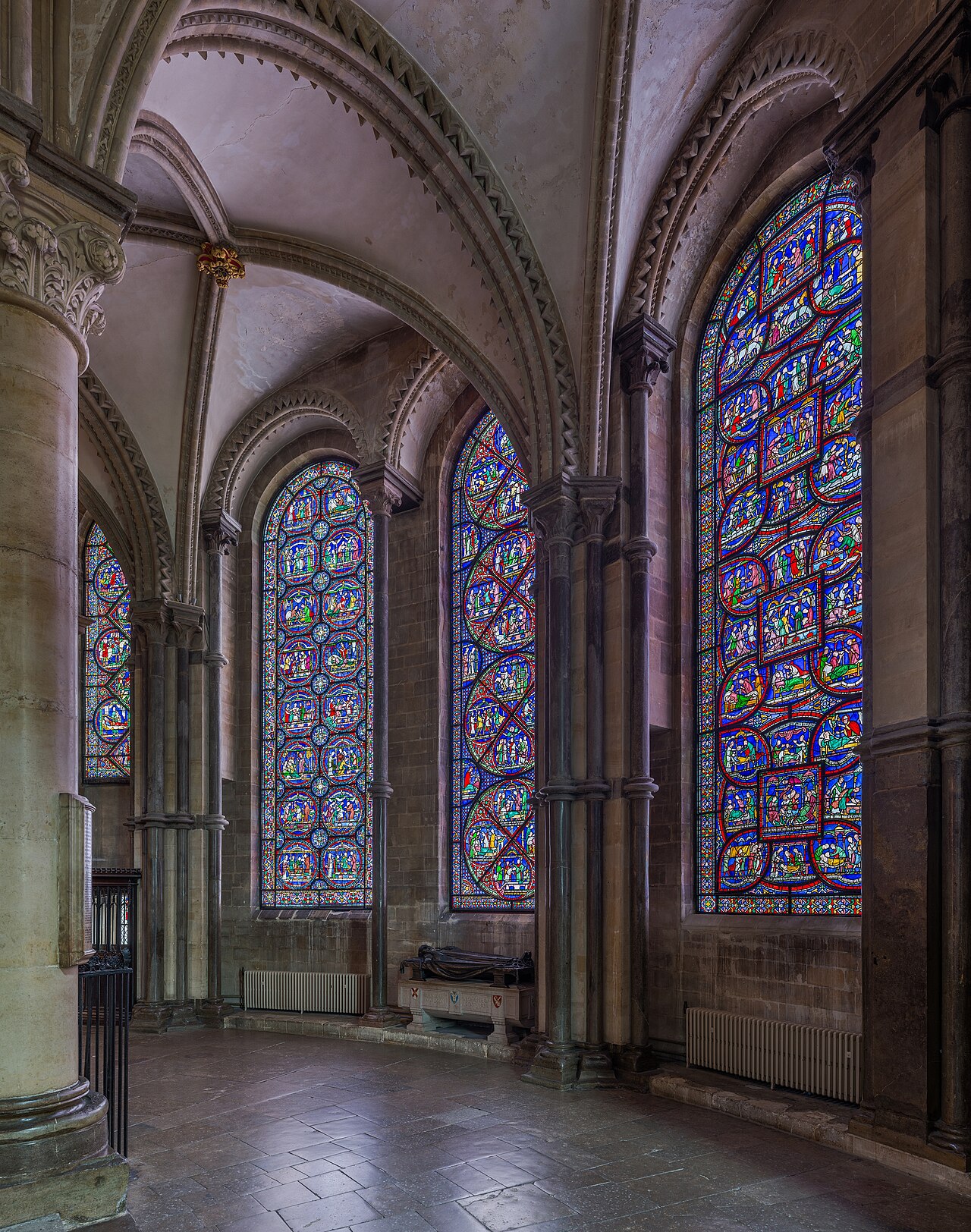
Canterbury Cathedral
founded 597
 Artifact
Secondary source
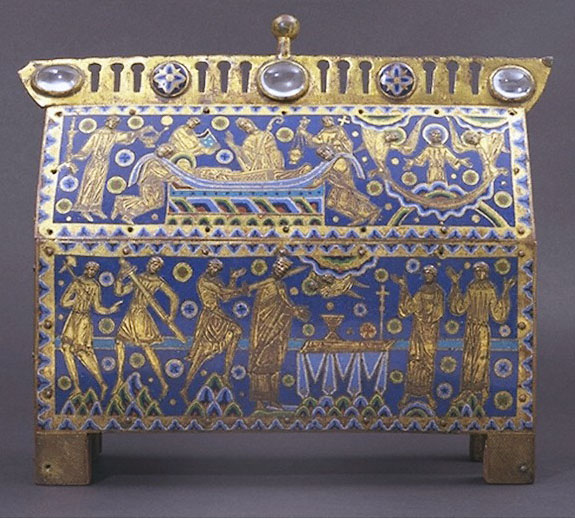
Becket Casket
c. 1180-1190
 Artifact
Secondary source
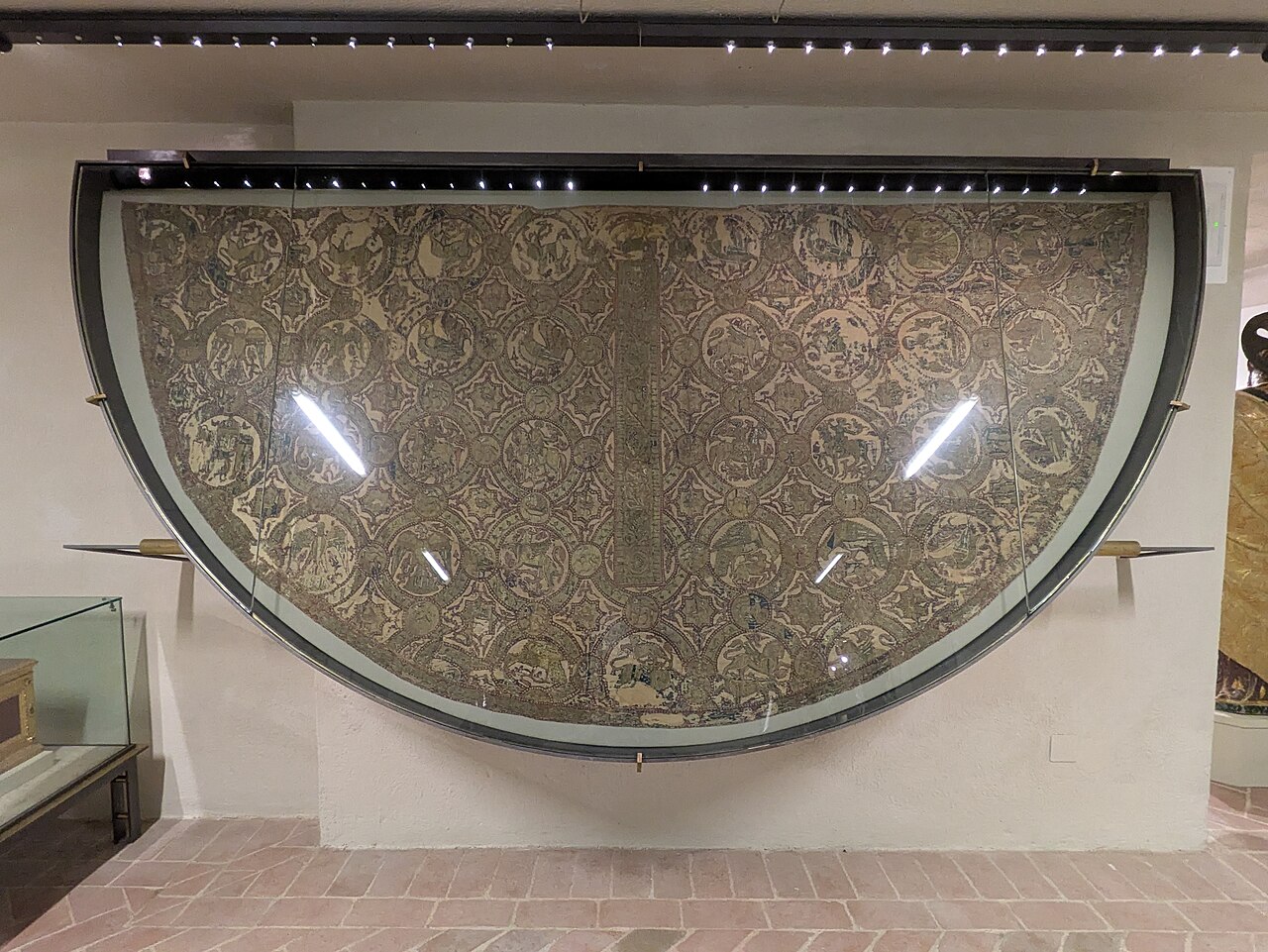
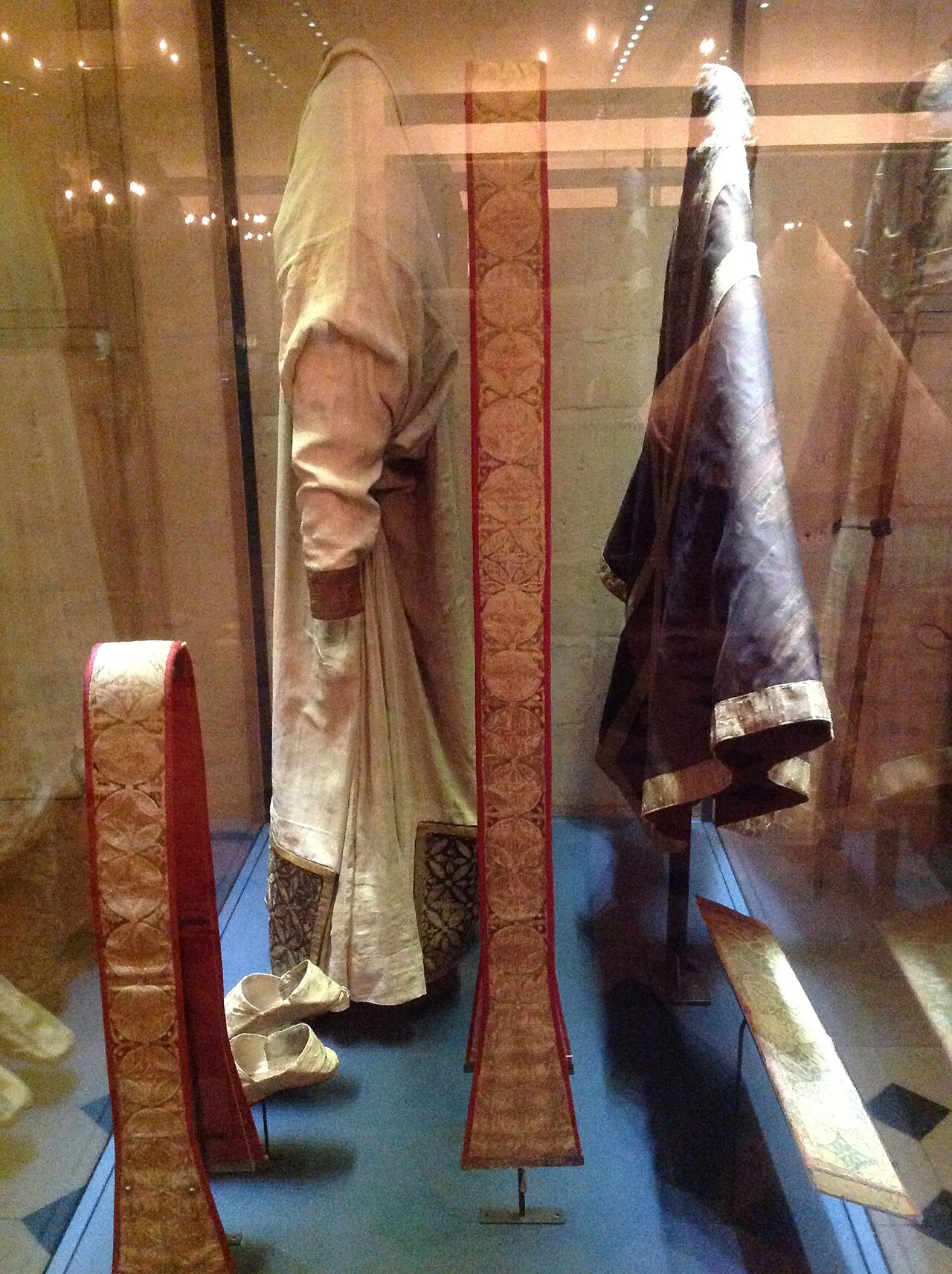
Fermo Chasuble of St. Thomas Becket
12th century
Free account
Read every Thomas Becket source
Sign up free →
Ready when you are
Start chatting with Thomas Becket now.
20 messages free · No credit card · Available in 50+ languages.