


Primary sourceArtifact1st century BCE (discovered 1853)
Pionsat Treasure of Arverni Gold Staters
1st century BCE (discovered 1853)
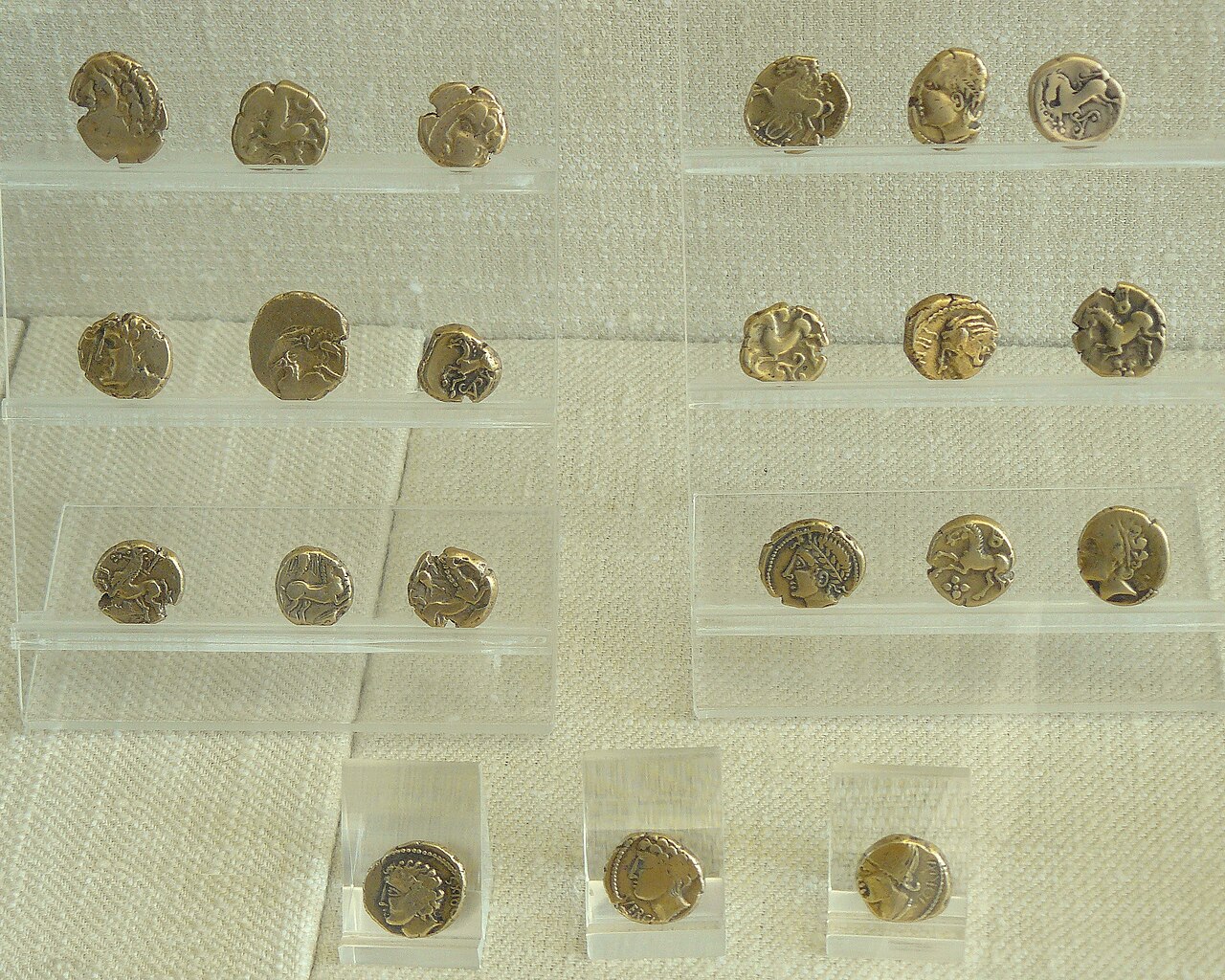
A photograph of gold coins from the Pionsat treasure, found in 1853, some of which bear the image of Vercingetorix.
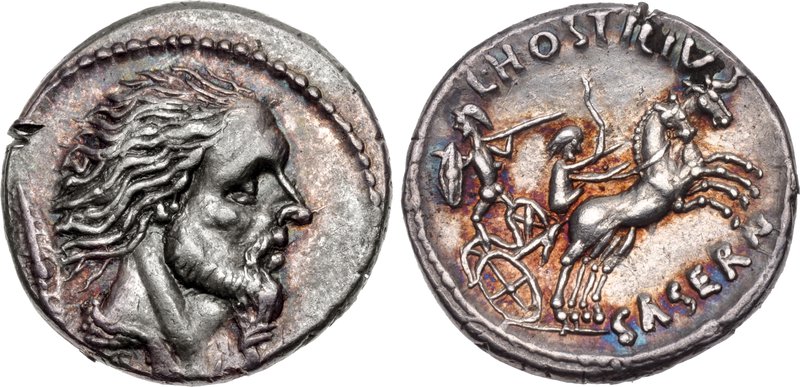
Some of these Arverni gold coins bear Vercingetorix's own image, offering rare physical evidence from his time.
About this source
What it is
This photograph shows a group of gold and electrum coins called staters, made by the Arverni people in the 1st century BCE. They are part of the Pionsat treasure, a hoard discovered in 1853, now held in the Cabinet des Médailles of the Bibliothèque nationale de France. Some of the coins carry the image of Vercingetorix.
Why it matters
These coins are rare physical evidence from Vercingetorix's own era. Because some bear his image, they tell historians that his leadership was recognized and commemorated by his own people, the Arverni, through their own currency — a sign of his authority and status.
Look closer
- Why might a leader's image be placed on coins during their lifetime or soon after?
- What can coins tell us about a society that written records cannot?
- What questions can't these coins answer about Vercingetorix as a person?
This artifact is part of the curated material that grounds the AI version of Vercingetorix on Humy.ai — when students ask about related events, the AI can quote it and cite it.
More Vercingetorix sources
Browse all 73 →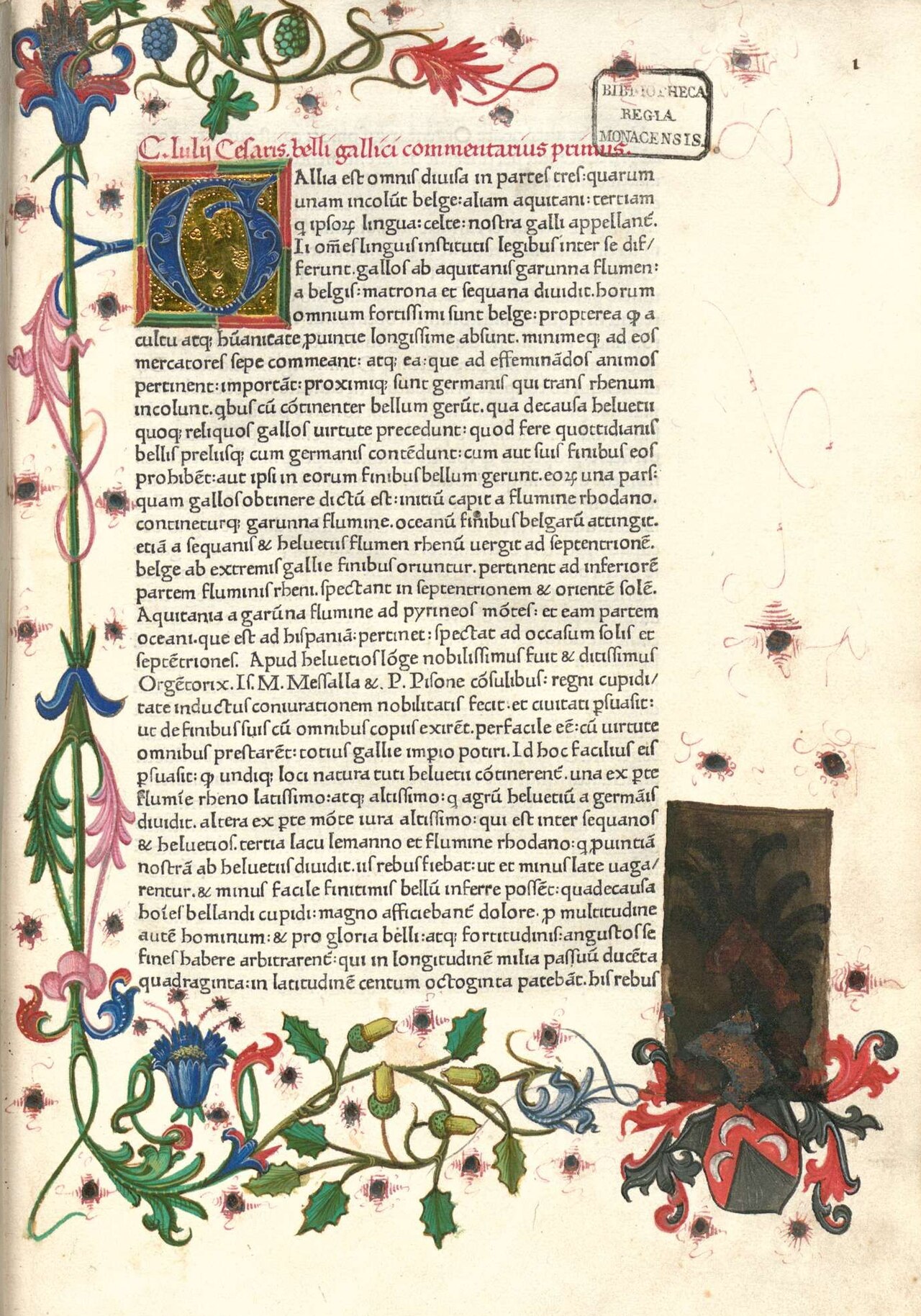 Book
Primary source
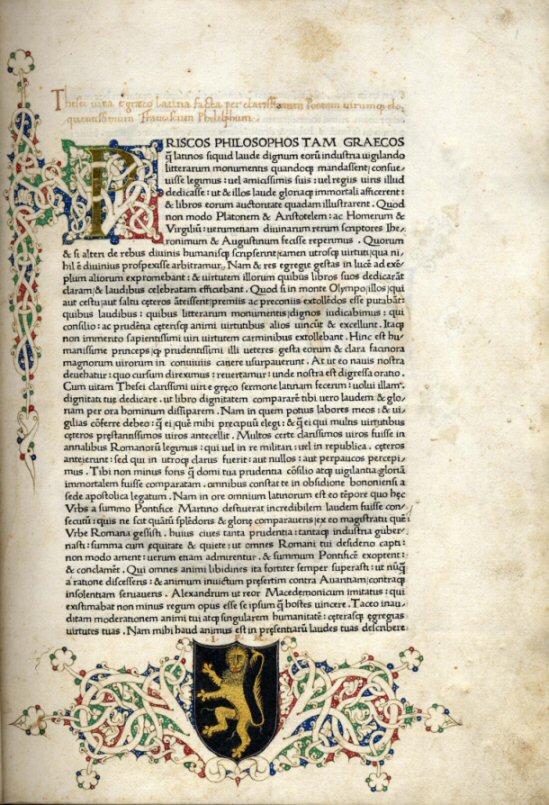
Commentarii de Bello Gallico
Julius Caesar · c. 58-50 BCE (this copy 1469)
 Painting
Secondary source
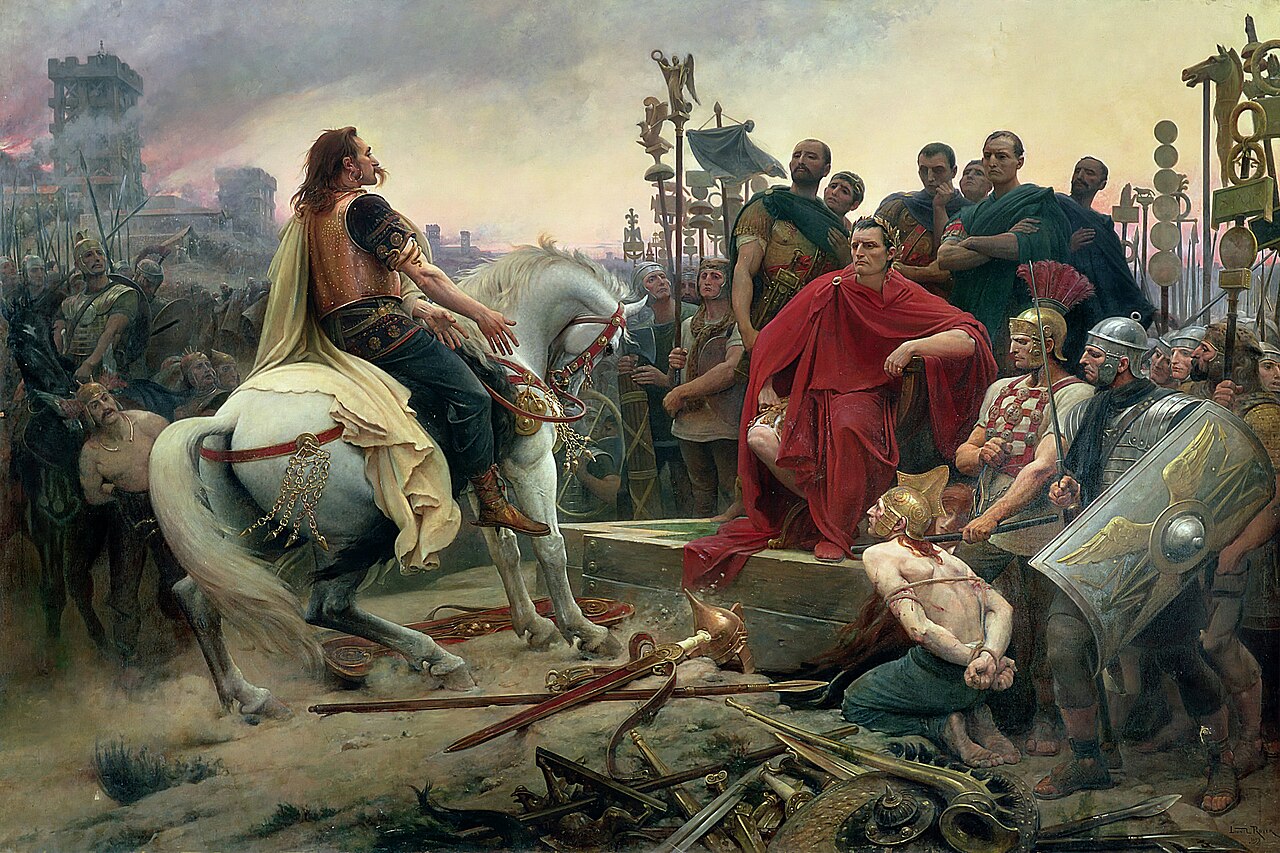
Vercingetorix Throwing down His Weapons at the Feet of Julius Caesar
Lionel Royer · 1899
 Sculpture
Secondary source
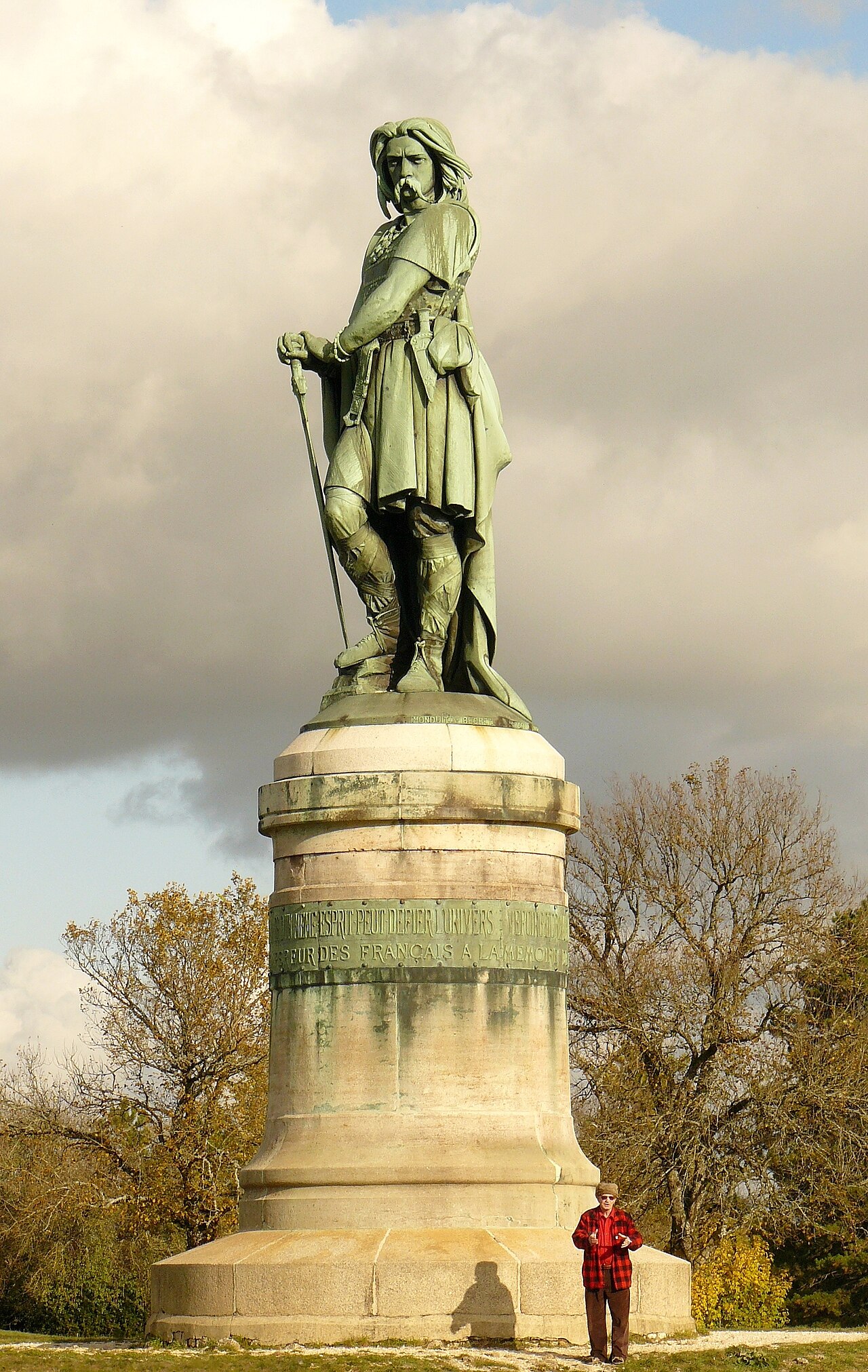
Vercingetorix Monument
Aimé Millet · 1865
 Book
Secondary source
Parallel Lives
Plutarch · c. 100-120 AD
Free account
Read every Vercingetorix source
Sign up free →
Ready when you are
Start chatting with Vercingetorix now.
20 messages free · No credit card · Available in 50+ languages.