


Primary sourcePainting1875
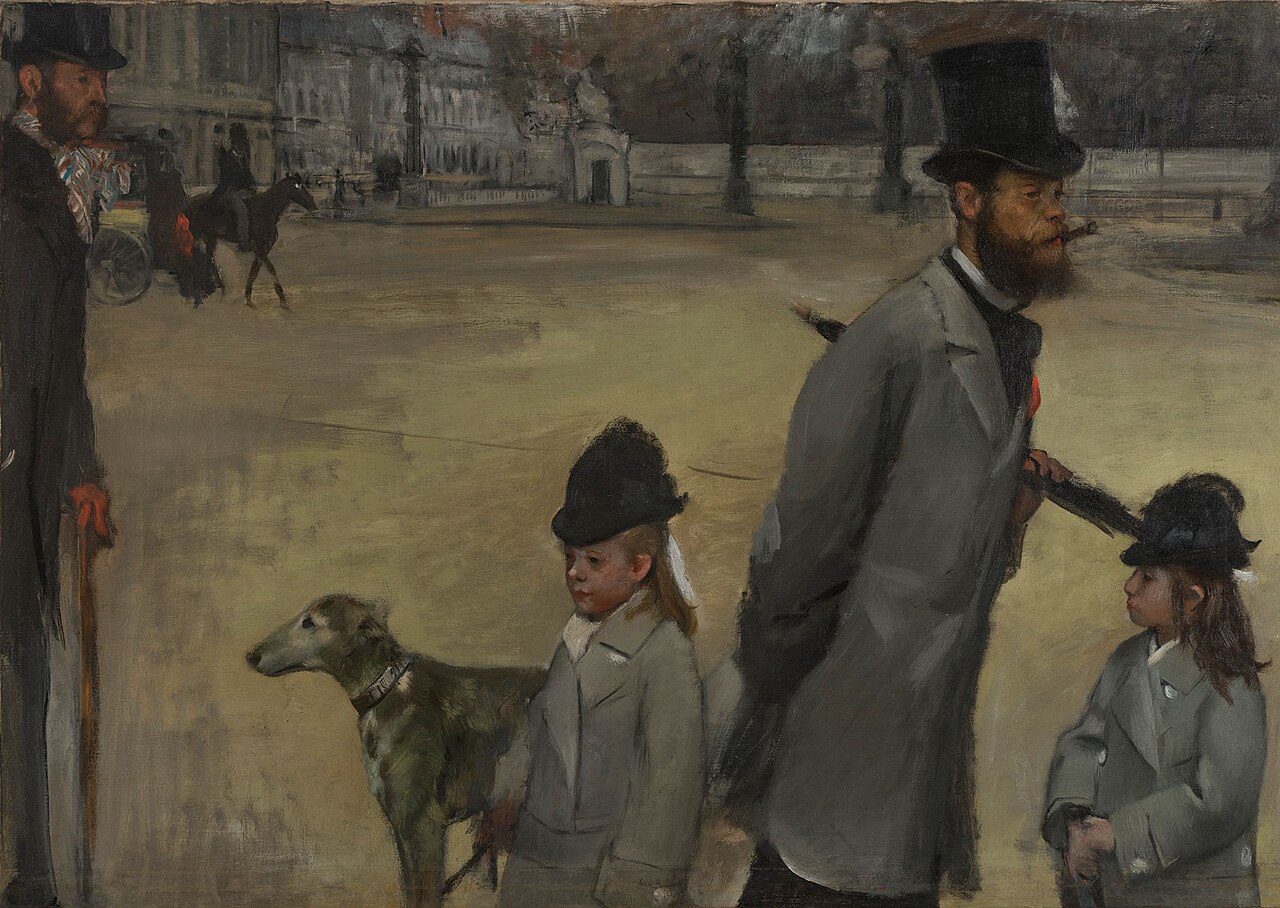
Place de la Concorde
Edgar Degas · 1875
An 1875 oil painting by Degas showing Viscount Lepic and his daughters crossing a Paris square, radically cropped and influenced by photography.
Painted by Degas, this work shows his experimental composition and interest in photography's influence on painting.
About this source
What it is
This oil painting, made by Edgar Degas in 1875, shows Ludovic-Napoléon Lepic walking across the Place de la Concorde in Paris with his two daughters, Eylau and Jeanine, and their dog, while a tall solitary man stands cropped at the edge of the frame. It is now held at the Hermitage Museum.
Why it matters
The painting is famous for its bold composition: empty space, cropped figures, and people facing in different directions, echoing new photographic ways of seeing the city. X-rays show Degas changed the composition as he worked, revealing how he built his scenes rather than simply recording them. The painting was long thought lost and only reappeared in 1994, having been part of art looted during World War II.
Look closer
- Why might Degas have cropped the man on the left instead of placing him fully in the frame?
- What does the empty space in the square suggest about movement and modern city life?
- What does the painting's history of being lost and rediscovered tell us about art and war?
This painting is part of the curated material that grounds the AI version of Edgar Degas on Humy.ai — when students ask about related events, the AI can quote it and cite it.
More Edgar Degas sources
Browse all 94 →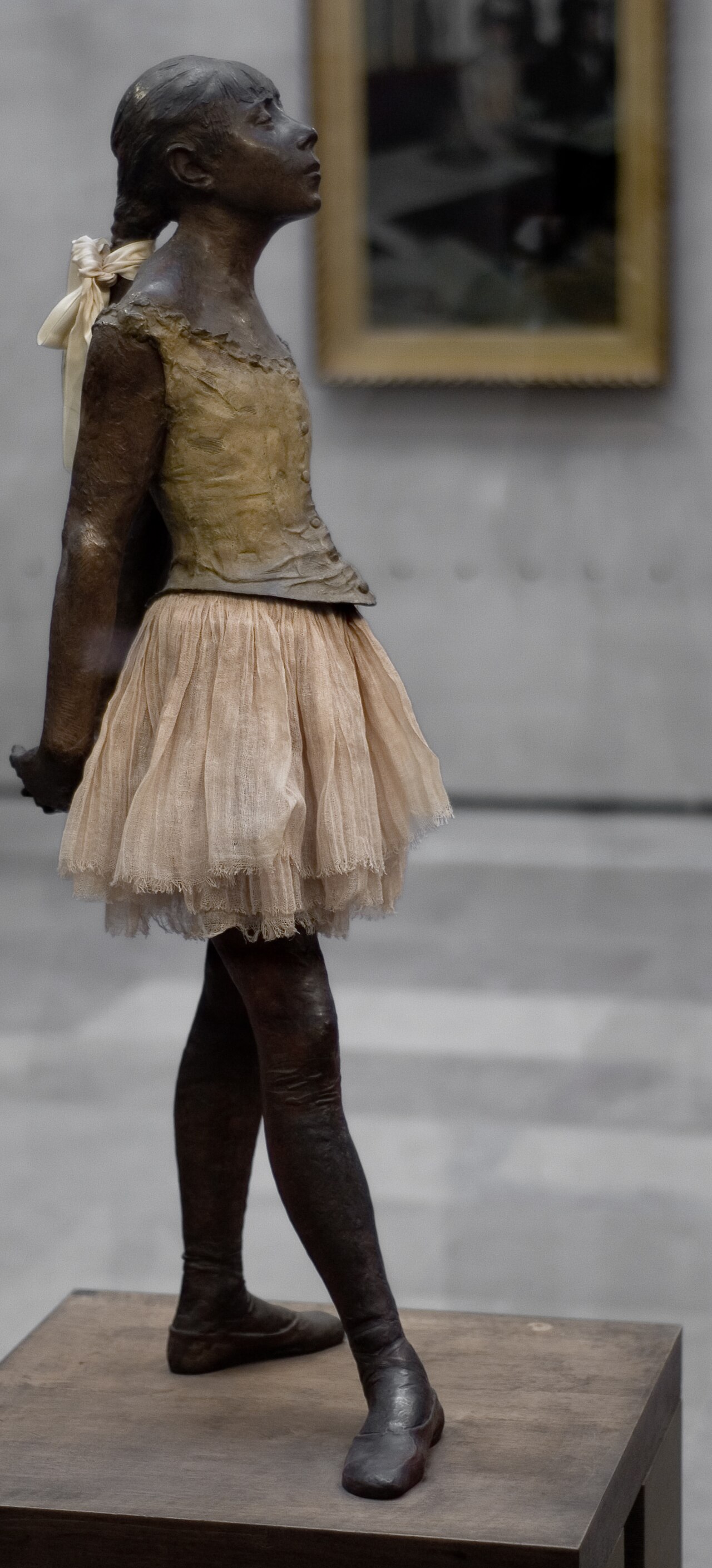 Sculpture
Primary source
Little Dancer of Fourteen Years
Edgar Degas · 1881
 Painting
Primary source
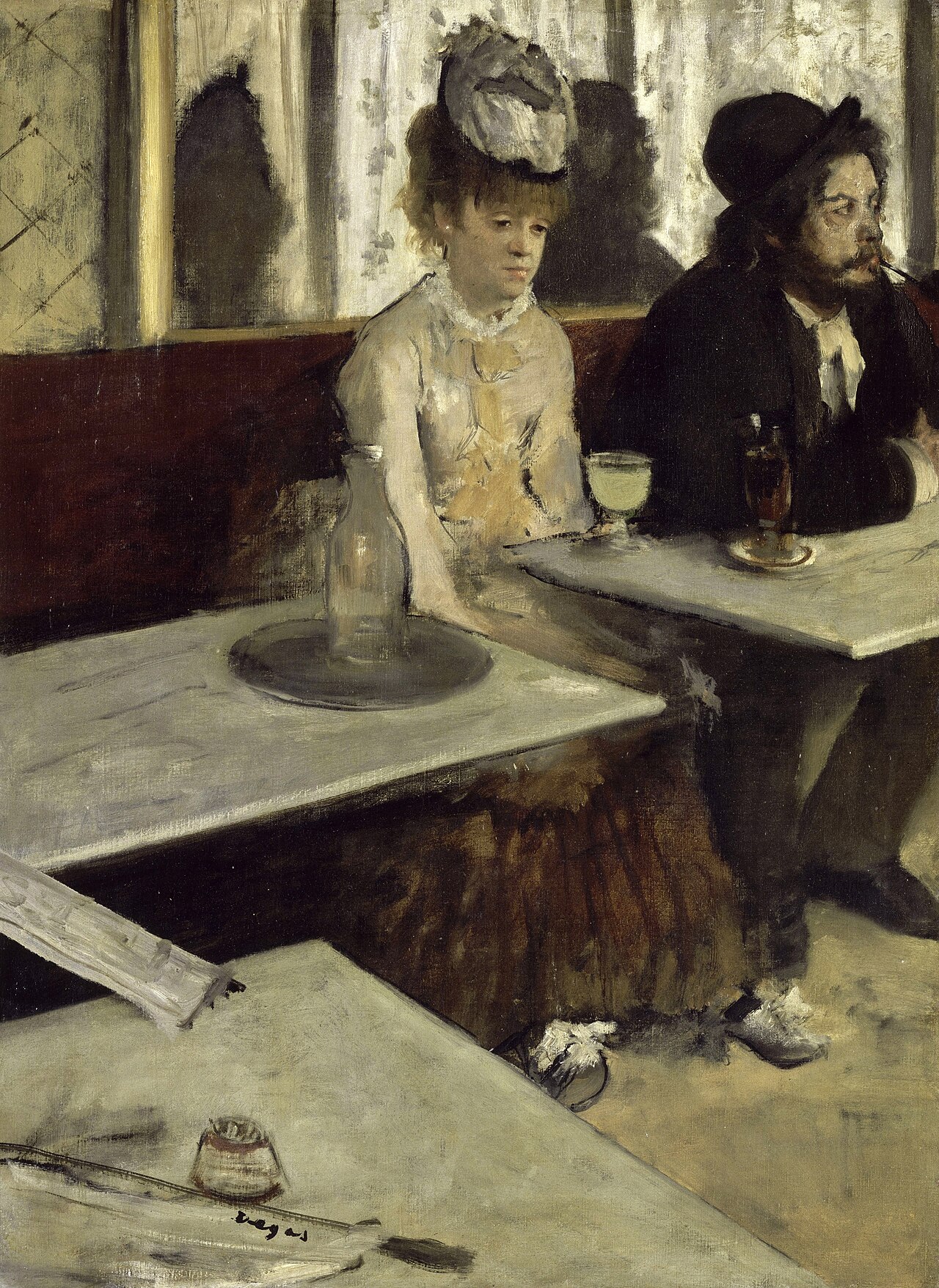
L'Absinthe
Edgar Degas · 1875-1876
 Painting
Primary source
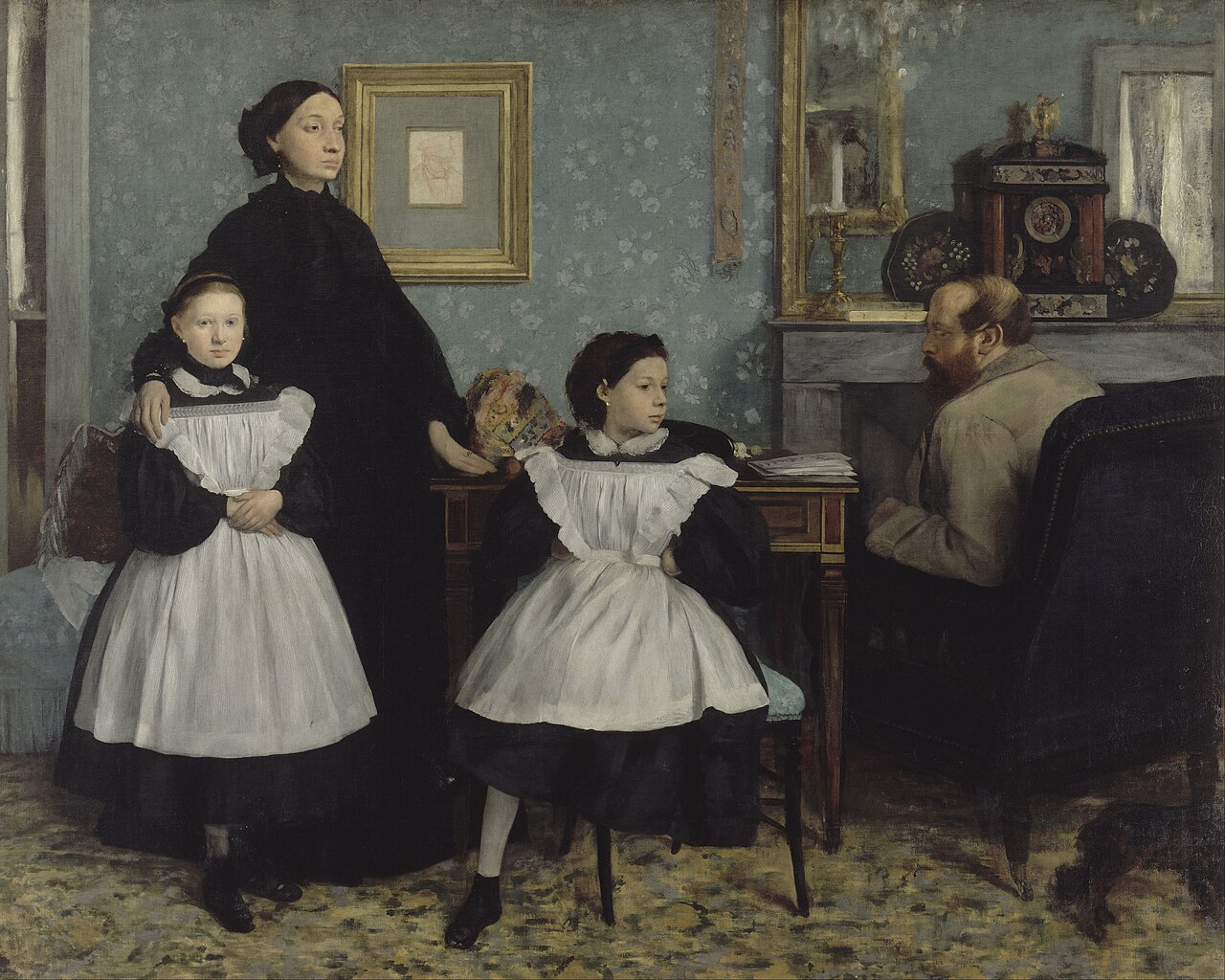
The Bellelli Family
Edgar Degas · c. 1858-1867
 Painting
Primary source
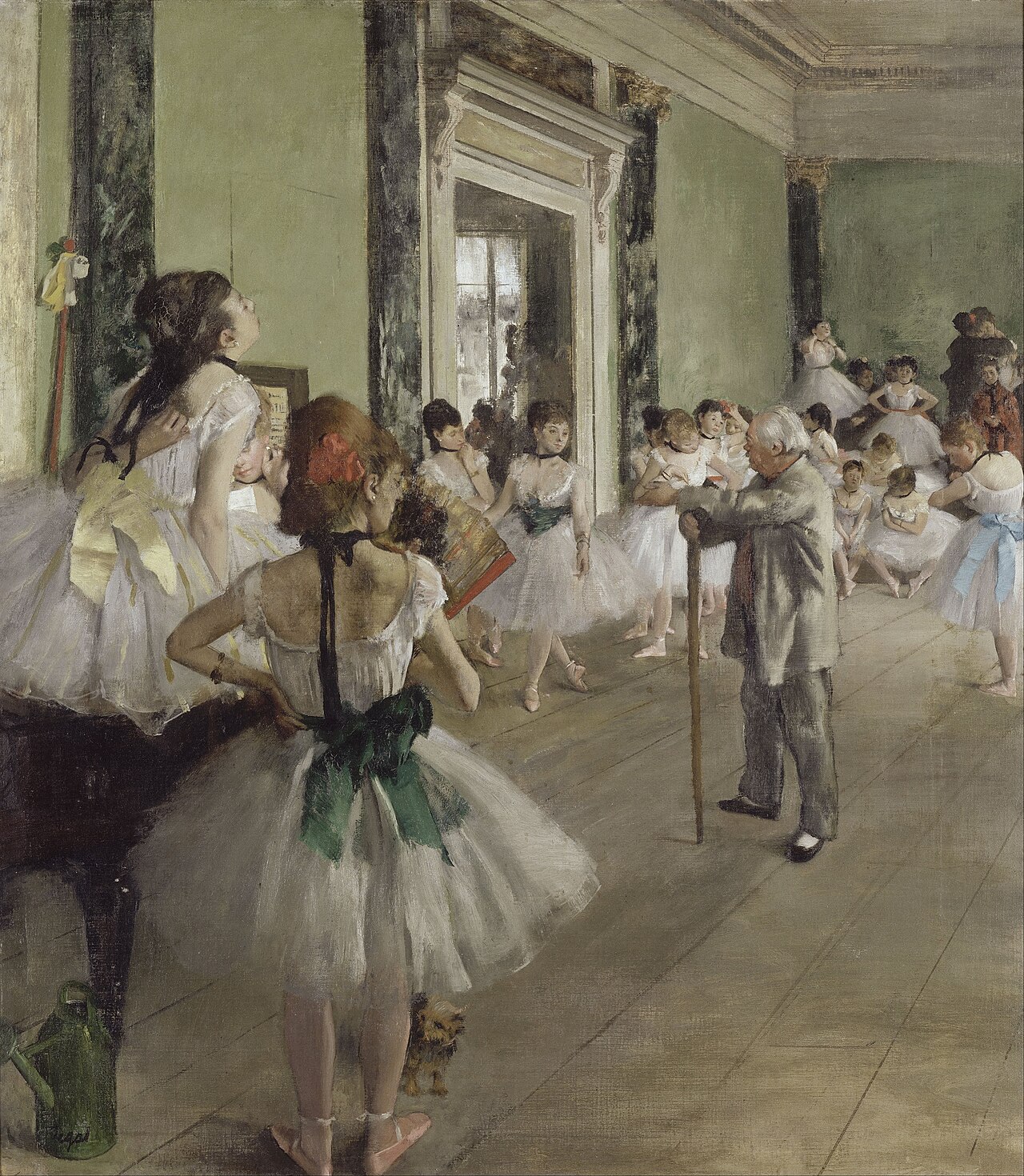
The Ballet Class
Edgar Degas · 1874-1876
Free account
Read every Edgar Degas source
Sign up free →
Ready when you are
Start chatting with Edgar Degas now.
20 messages free · No credit card · Available in 50+ languages.