


Primary sourceDocument1903
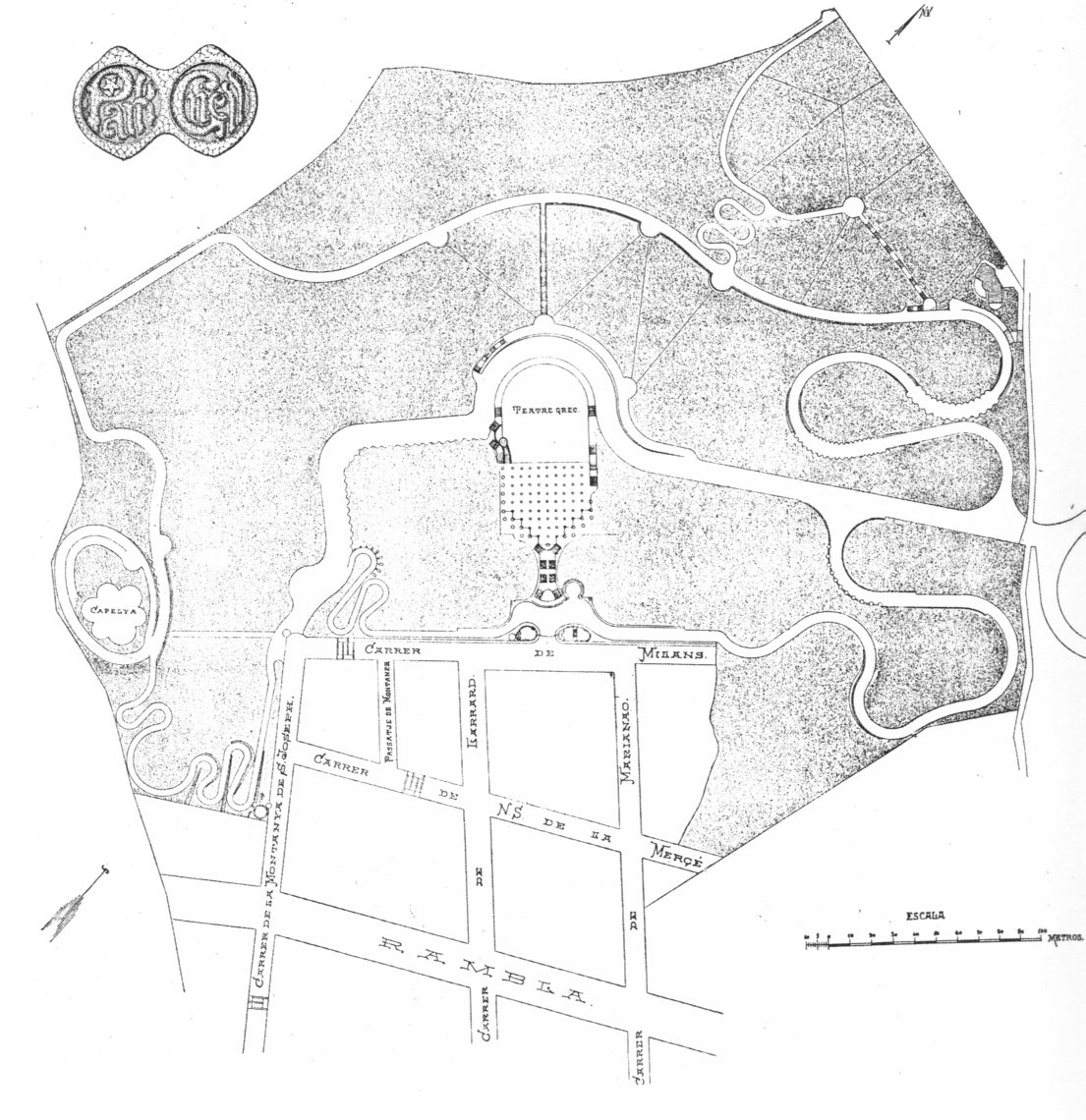
Plan of Park Güell by Gaudí
Antoni Gaudí · 1903
Gaudí's own 1903 published plan of Park Güell, showing the layout of paths, a chapel and an amphitheatre for the famous Barcelona park.
This is Gaudí's own design plan for Park Güell, a direct record of his planning process for the famous park.
About this source
What it is
This is a black-and-white line drawing of a site plan, made by Antoni Gaudí and published in 1903 in the yearbook of the Association of Architects of Catalonia in Barcelona. It shows the winding paths of Park Güell, a central amphitheatre labelled Teatre Grec, a chapel labelled Capelya, and the surrounding city streets, with a scale bar and north arrow.
Why it matters
This plan is a key design document that shows how Gaudí thought about Park Güell as a whole landscape, not just individual structures. It helps us understand his process of planning, combining architecture with the natural terrain and the surrounding city grid, and it documents the park's design at an early stage.
Look closer
- What can you tell about Gaudí's priorities from which features are drawn in most detail?
- Why might an architect publish a plan like this in a professional yearbook rather than keep it private?
- What is missing from this plan that you would need to actually experience the park?
This document is part of the curated material that grounds the AI version of Antonio Gaudí on Humy.ai — when students ask about related events, the AI can quote it and cite it.
More Antonio Gaudí sources
Meet the AI Antonio Gaudí →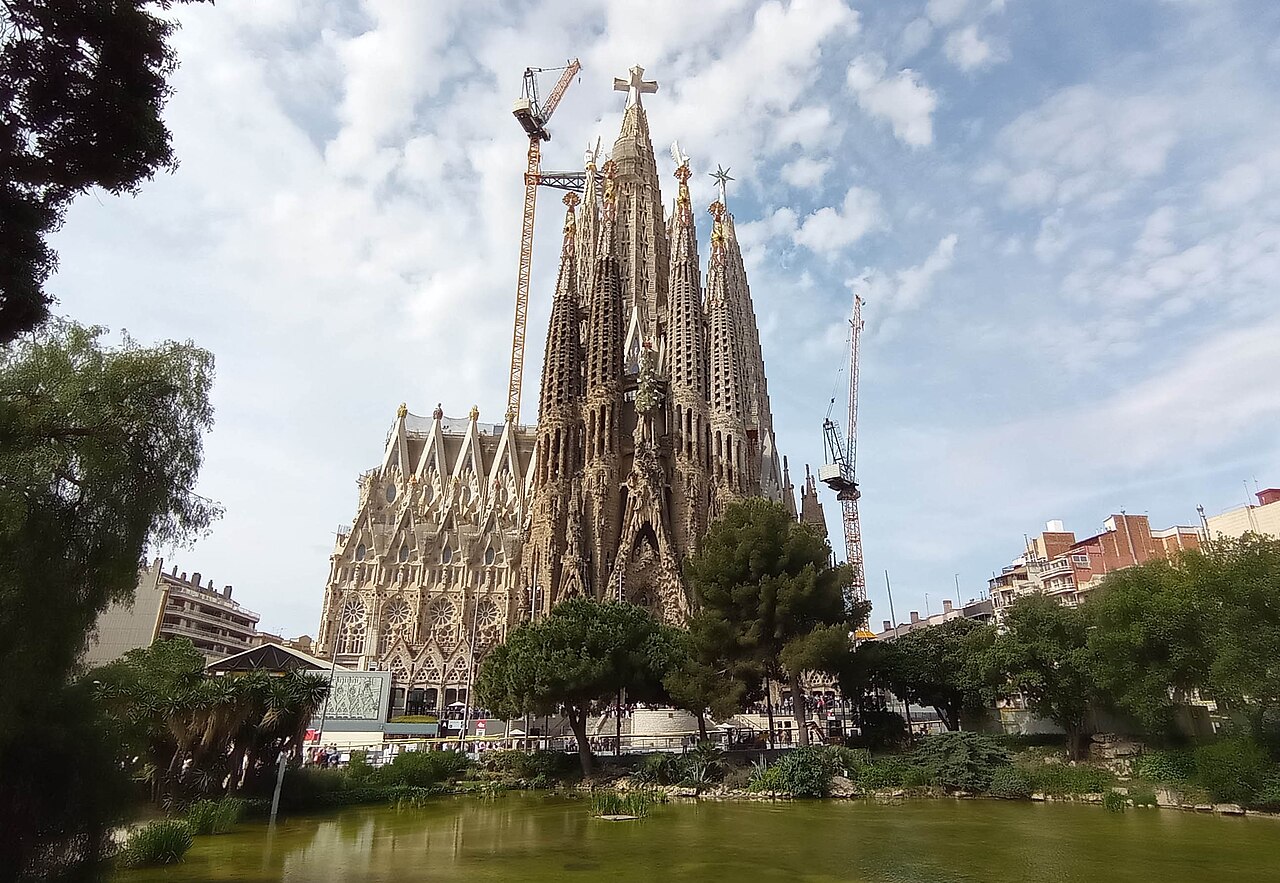 Artifact
Primary source
Sagrada Família
Antoni Gaudí · begun 1882, redesigned by Gaudí from 1883, still under construction
 Artifact
Primary source
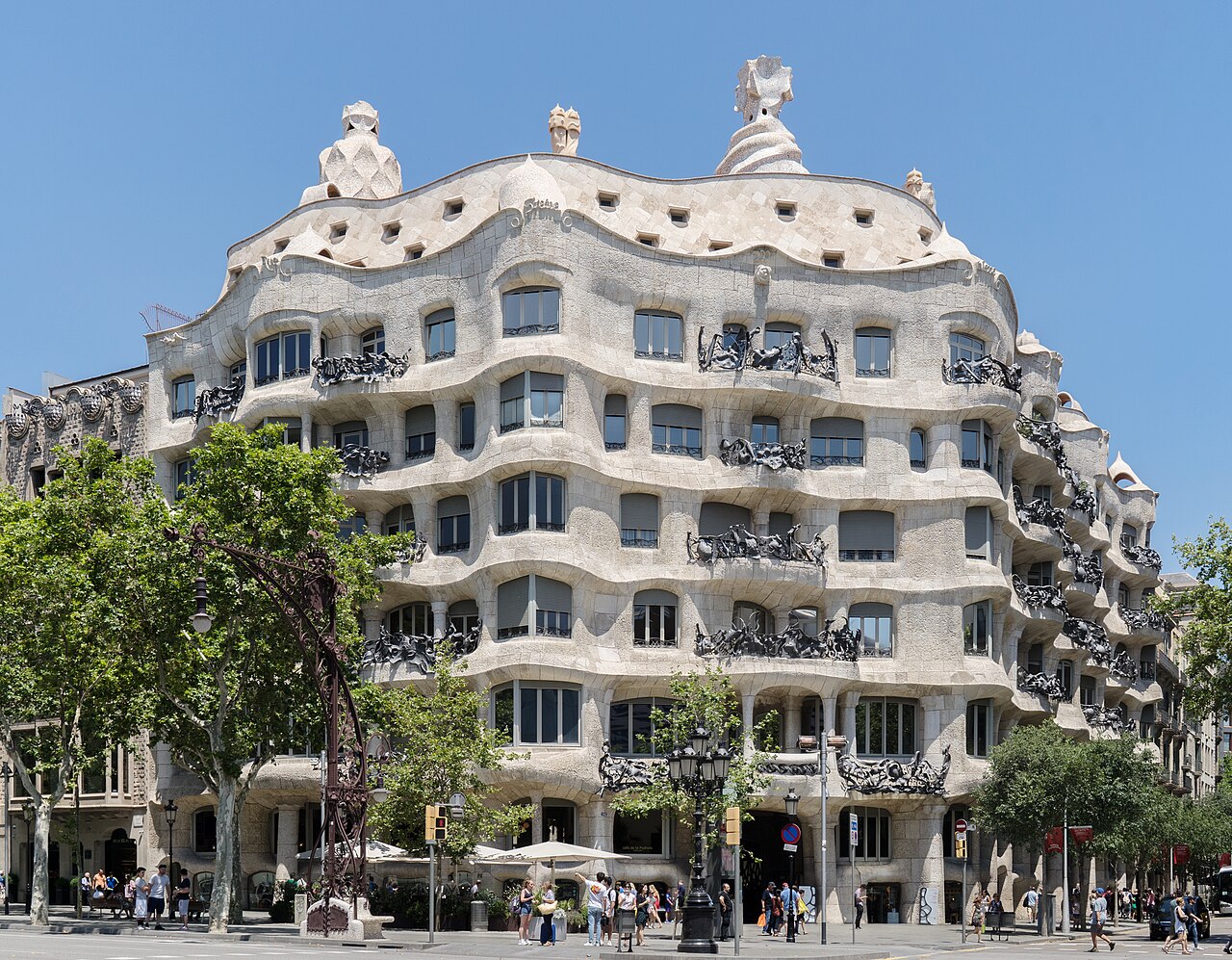
Casa Milà
Antoni Gaudí · 1906-1912
 Artifact
Primary source
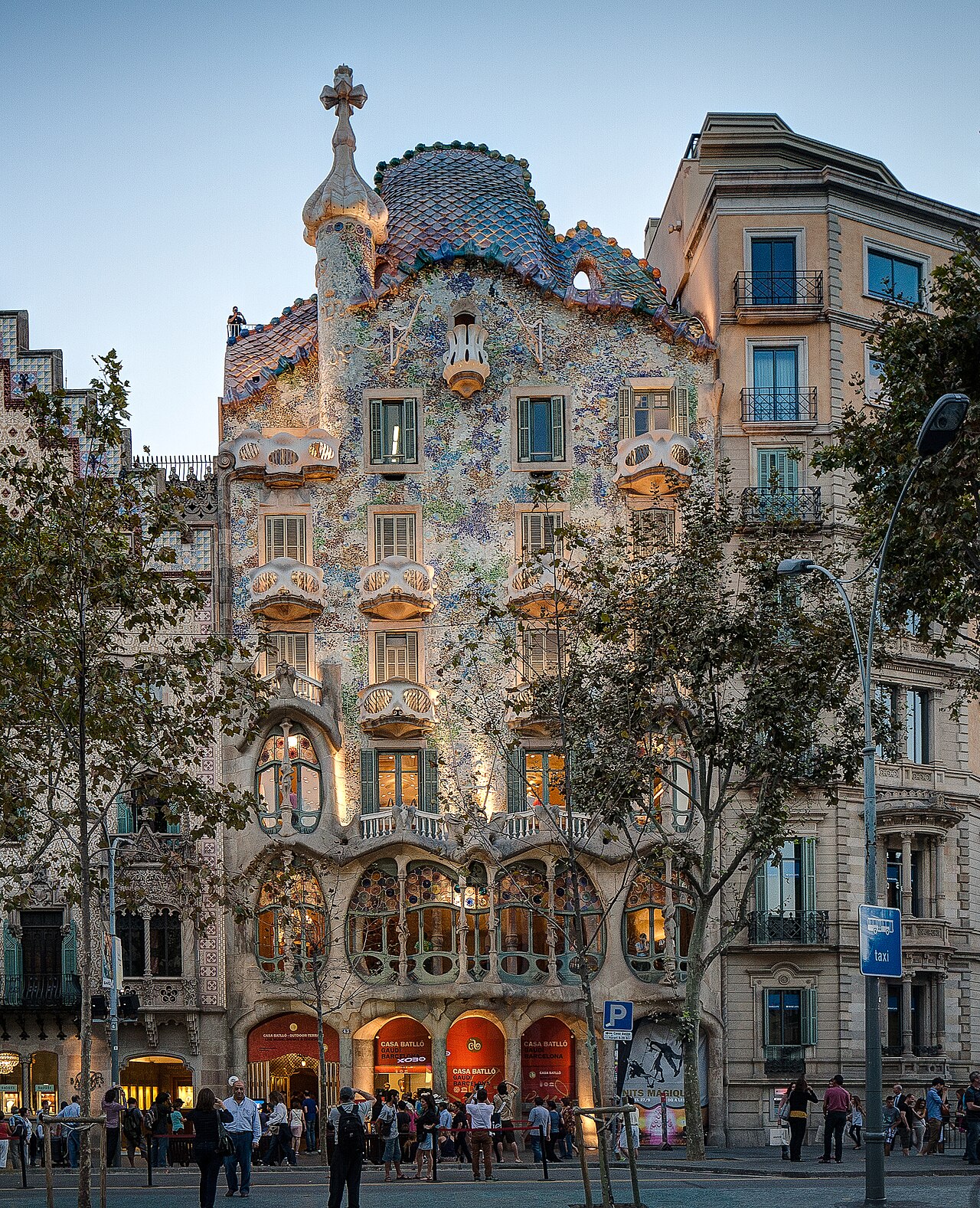
Casa Batlló
Antoni Gaudí · remodelled 1904-1906
 Artifact
Primary source
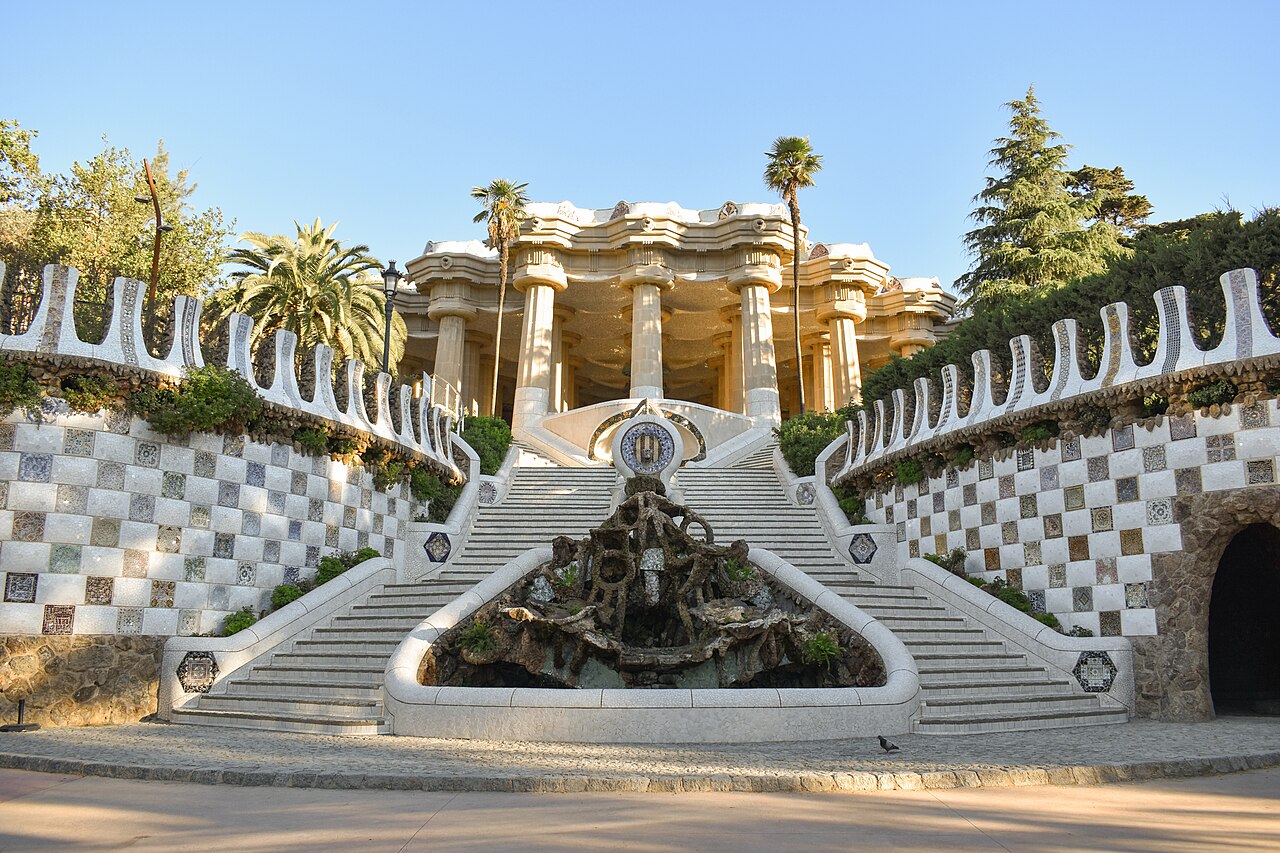
Park Güell
Antoni Gaudí · 1900-1914, opened 1926
 Artifact
Primary source
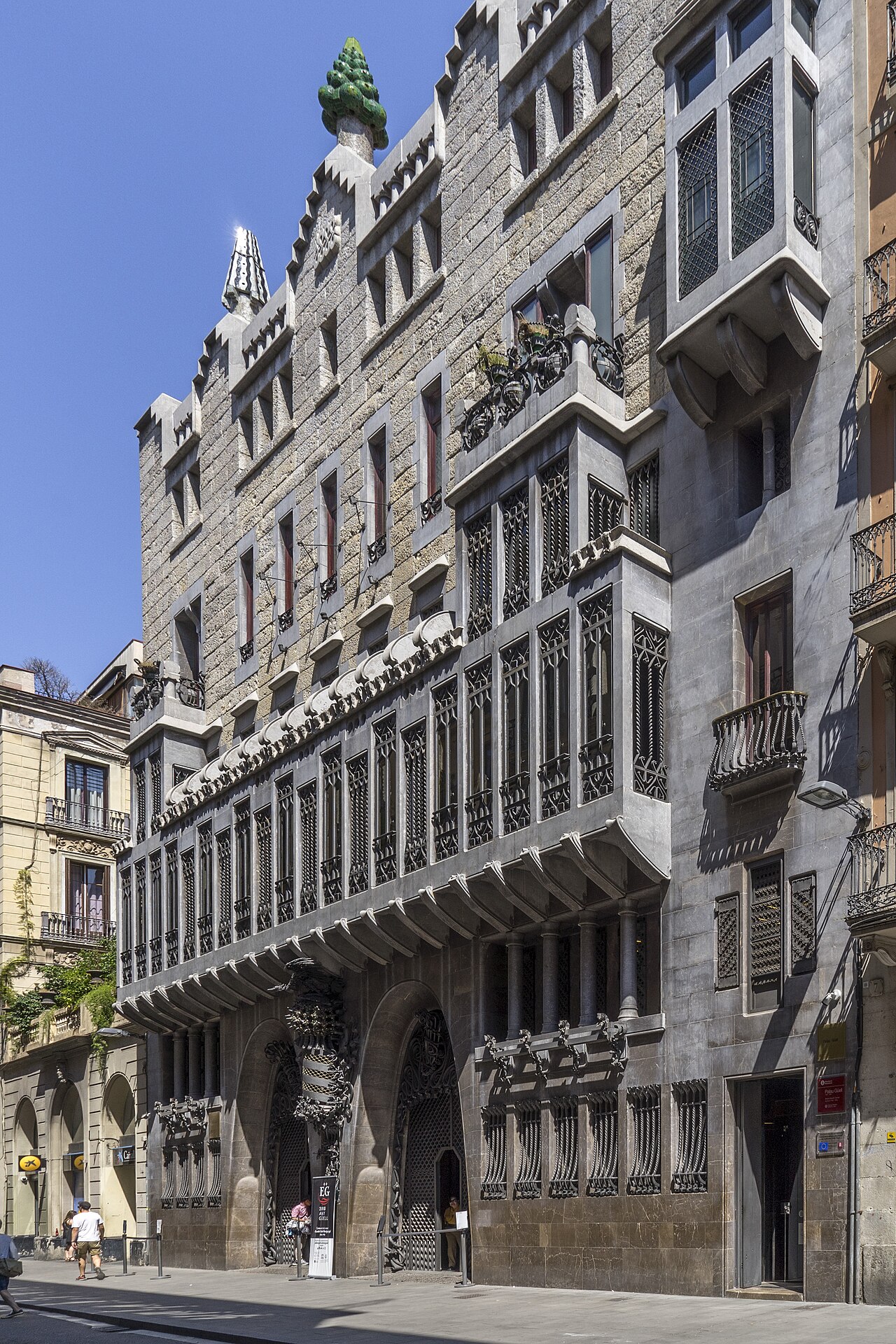
Palau Güell
Antoni Gaudí · 1886-1888
Ready when you are
Start chatting with Antonio Gaudí now.
20 messages free · No credit card · Available in 50+ languages.