


Secondary sourceArtifactc. 820-830
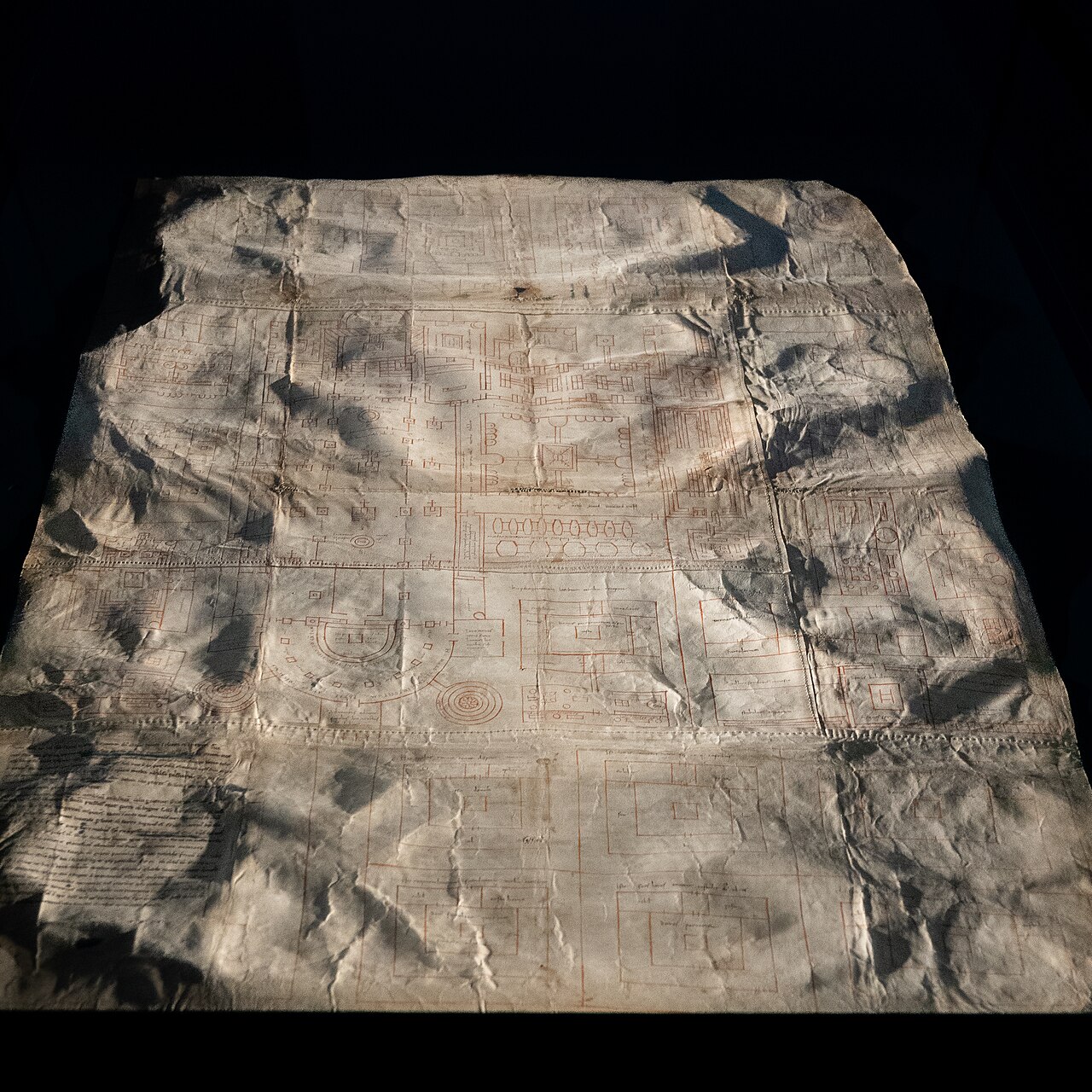
Plan of Saint Gall
c. 820-830
A Carolingian architectural drawing of an ideal Benedictine monastery, showing how Benedict's Rule was translated into buildings and layout.
This drawing shows how Benedict's Rule for monastic life was translated into an ideal architectural layout generations after his death.
About this source
What it is
The Plan of Saint Gall is a medieval architectural drawing from around 820-830, dedicated to Gozbert, abbot of the Abbey of Saint Gall. It depicts an entire Benedictine monastic compound — church, houses, kitchens, workshops, infirmary and more — and is kept at the Abbey library of Saint Gall in Switzerland.
Why it matters
Though never built, the Plan shows how the ideals in Benedict of Nursia's Rule — prayer, work, hospitality and enclosure — were imagined in physical form by monks of the Carolingian period, centuries after Benedict's death. It is the only surviving major architectural drawing from the long period between the fall of Rome and the 13th century, making it a rare window into how medieval people planned monastic life.
Look closer
- Why might monks have wanted to draw an 'ideal' monastery that was never actually built?
- What does the plan's inclusion of workshops, an infirmary and guest housing tell you about what the Rule expected of a monastery?
- What might be missing from a plan like this that we would need other sources to learn?
This artifact is part of the curated material that grounds the AI version of Saint Benedict on Humy.ai — when students ask about related events, the AI can quote it and cite it.
More Saint Benedict sources
Meet the AI Saint Benedict →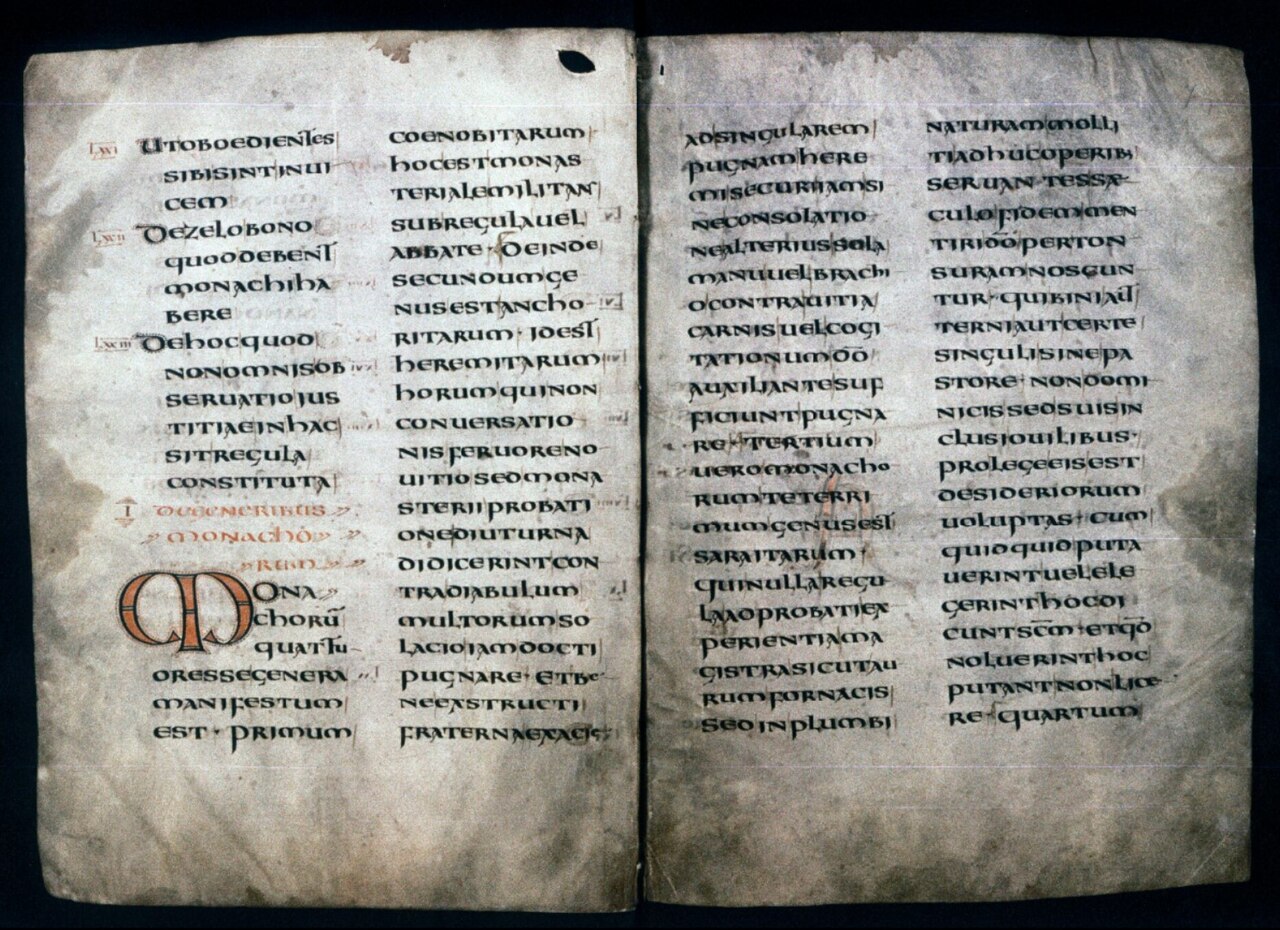 Book
Primary source
Rule of Saint Benedict
Benedict of Nursia · c. 600
 Artifact
Secondary source
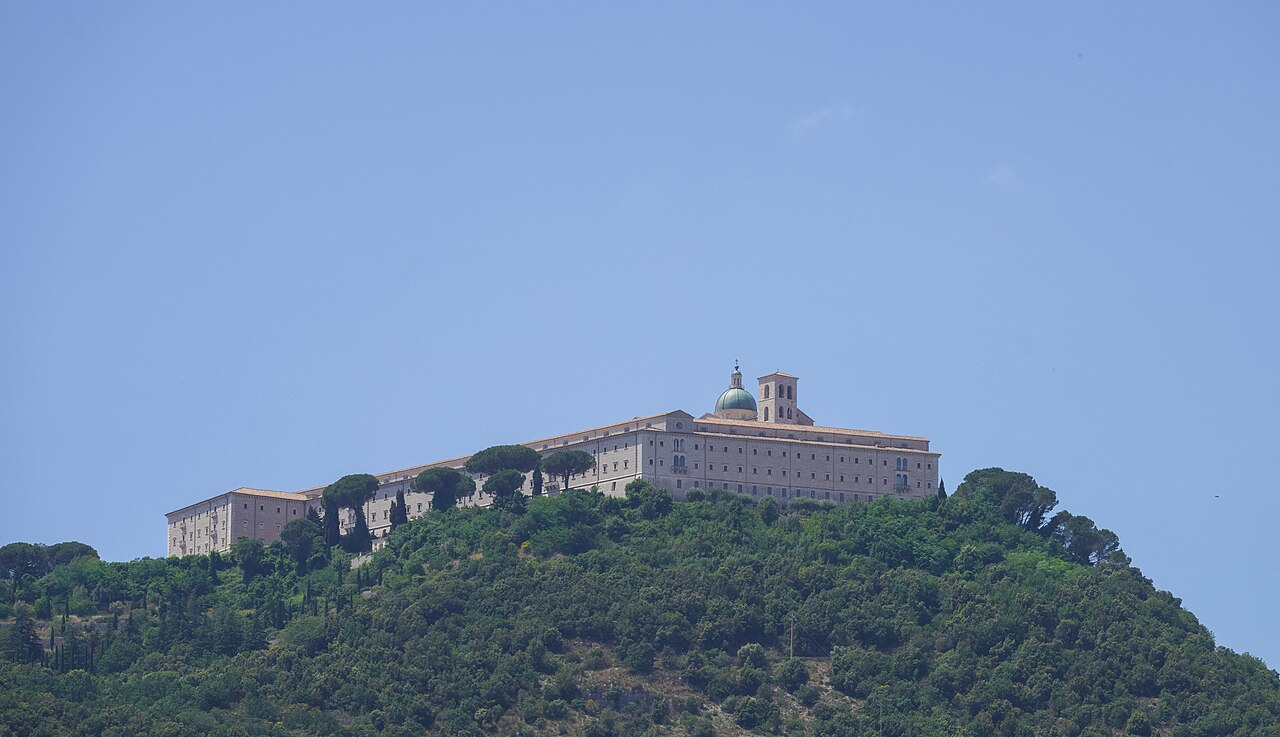
Monte Cassino
founded c. 529/530
 Painting
Secondary source
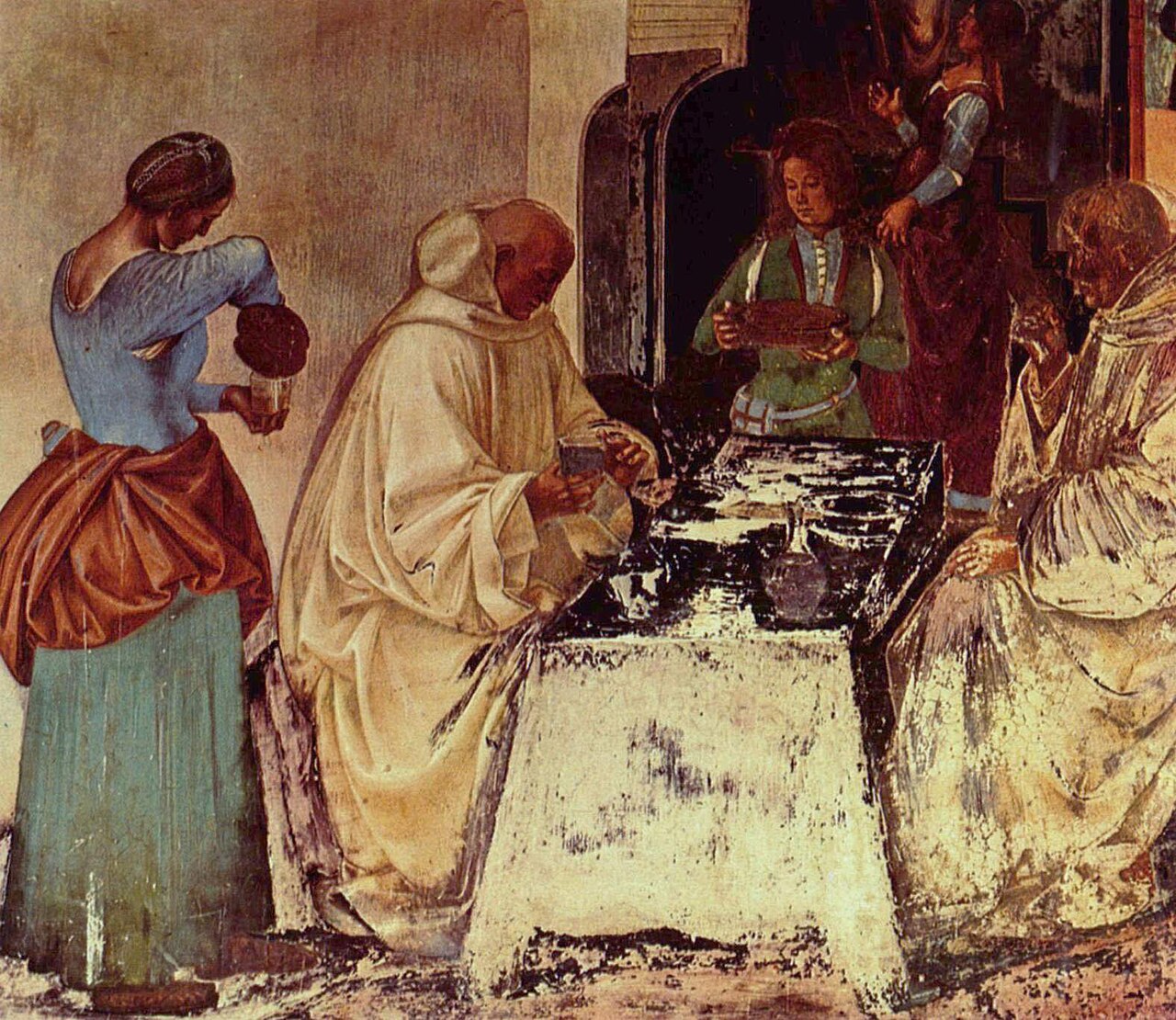
Fresco Cycle of the Life of St Benedict at Monte Oliveto Maggiore
Luca Signorelli and Sodoma · 1497-1505 (fresco cycle); abbey founded 1313
 Artifact
Secondary source
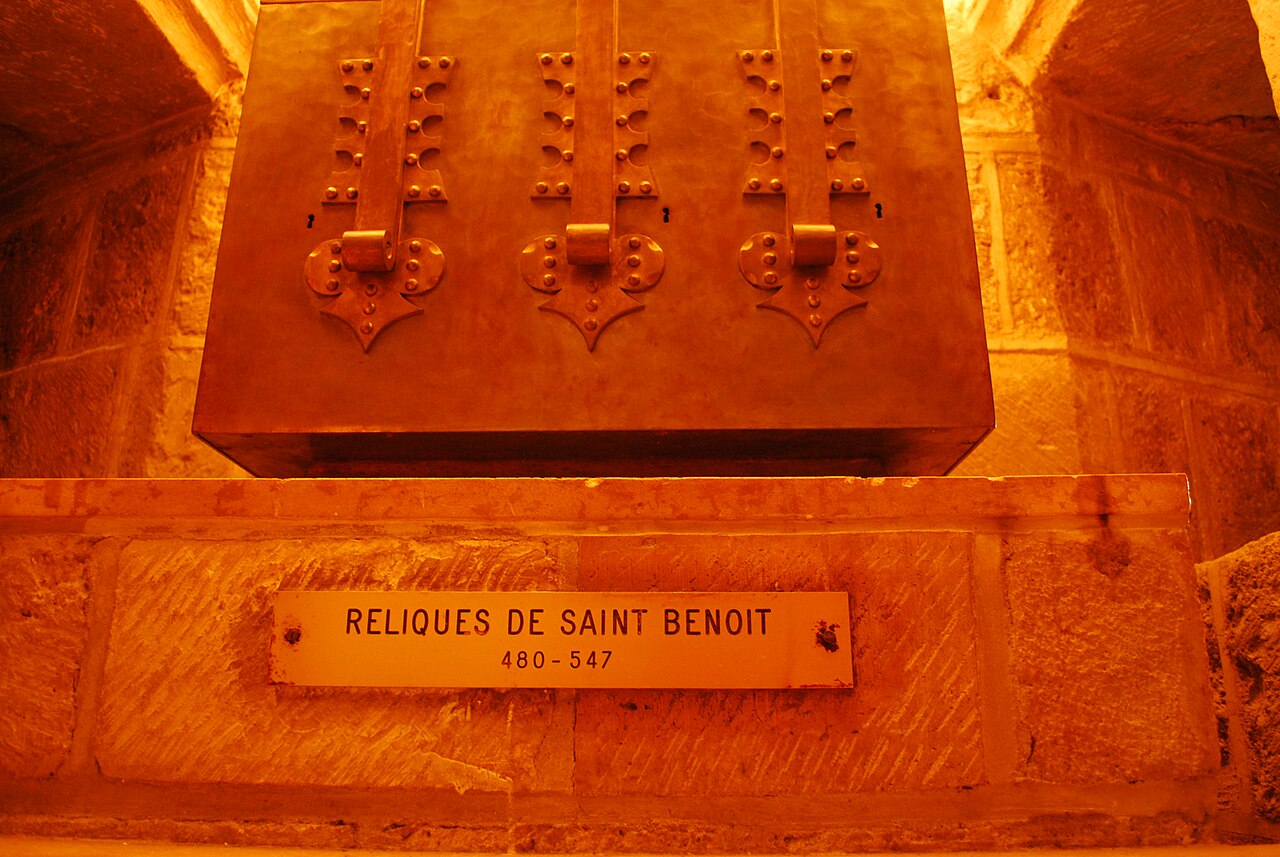
Reliquary of Saint Benedict at Fleury
 Book
Secondary source
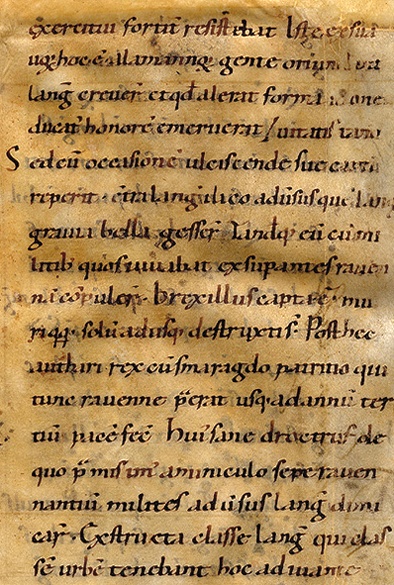
History of the Lombards
Paul the Deacon · after 787, before 796
Ready when you are
Start chatting with Saint Benedict now.
20 messages free · No credit card · Available in 50+ languages.