


Primary sourceBookc. 600
Rule of Saint Benedict
Benedict of Nursia · c. 600
Benedict's own book of precepts for monks living in community, written near the end of his life — the founding text of Western monasticism.
This is Benedict's own surviving work, written to guide the monastic community he founded.
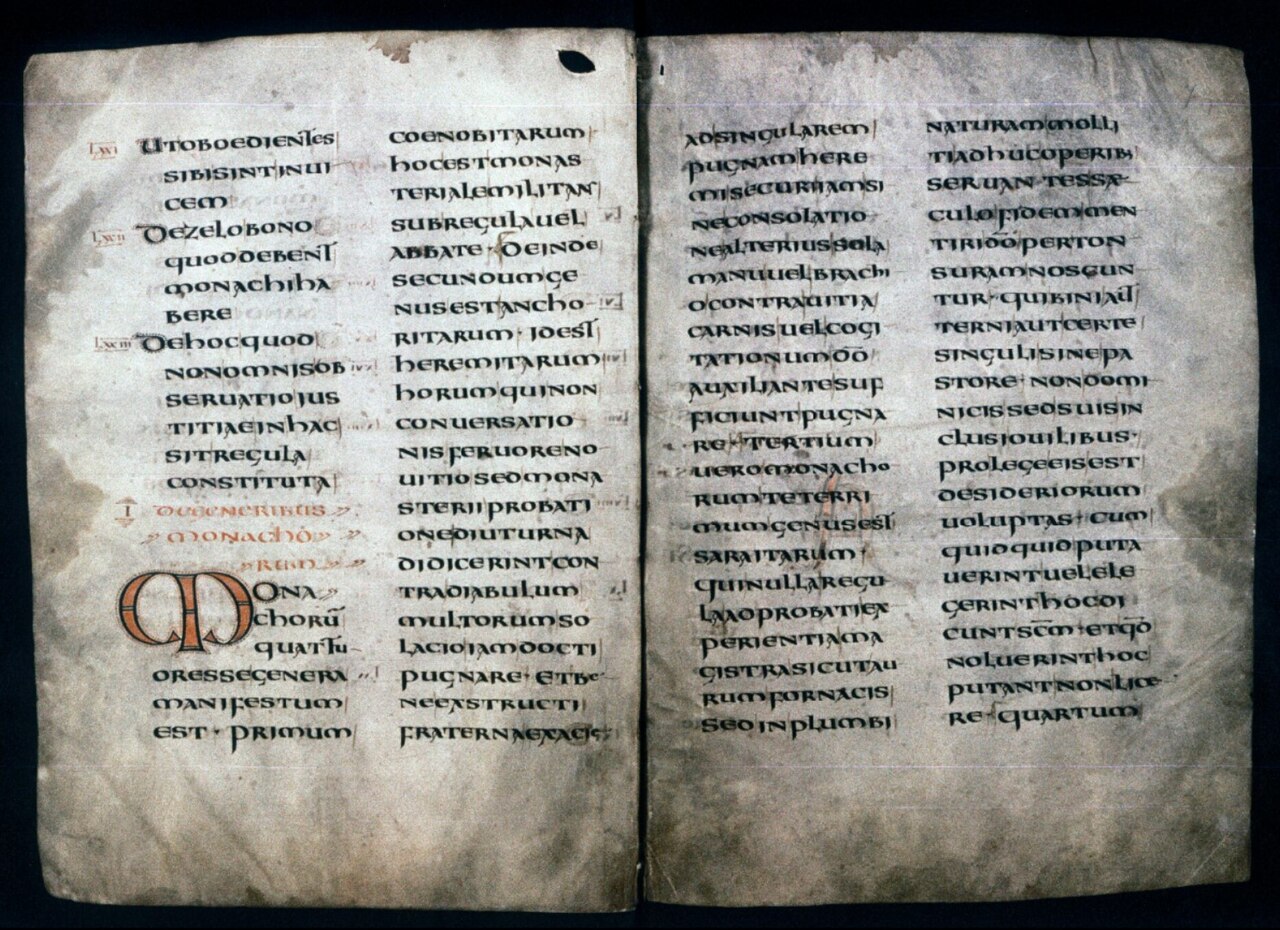
About this source
What it is
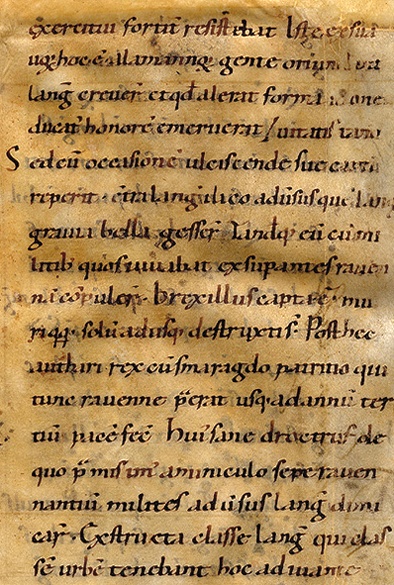
The Rule of Saint Benedict is a book of precepts written in Latin for monks living communally under an abbot. It was composed by Benedict of Nursia around 600, near the end of his life, likely at Monte Cassino. It survives in many later copies, including a medieval manuscript held at the Bodleian Library in Oxford.
Why it matters
The Rule's 73 chapters cover obedience, humility, prayer and manual labour, summed up in the Benedictine motto 'pray and work'. It offered a moderate path between harsh asceticism and loose discipline, which is why it became the template followed by monasteries across Western Europe for centuries, shaping how countless monks and nuns organised their daily lives.
Look closer
- Why might a 'moderate' set of rules have spread more widely than stricter ones?
- What does the decorated manuscript page tell you about how valued this text was later on?
- What parts of daily monastic life does the Rule try to control, and why might that matter to a community?
This book is part of the curated material that grounds the AI version of Saint Benedict on Humy.ai — when students ask about related events, the AI can quote it and cite it.
More Saint Benedict sources
Meet the AI Saint Benedict → Artifact
Secondary source
Monte Cassino
founded c. 529/530
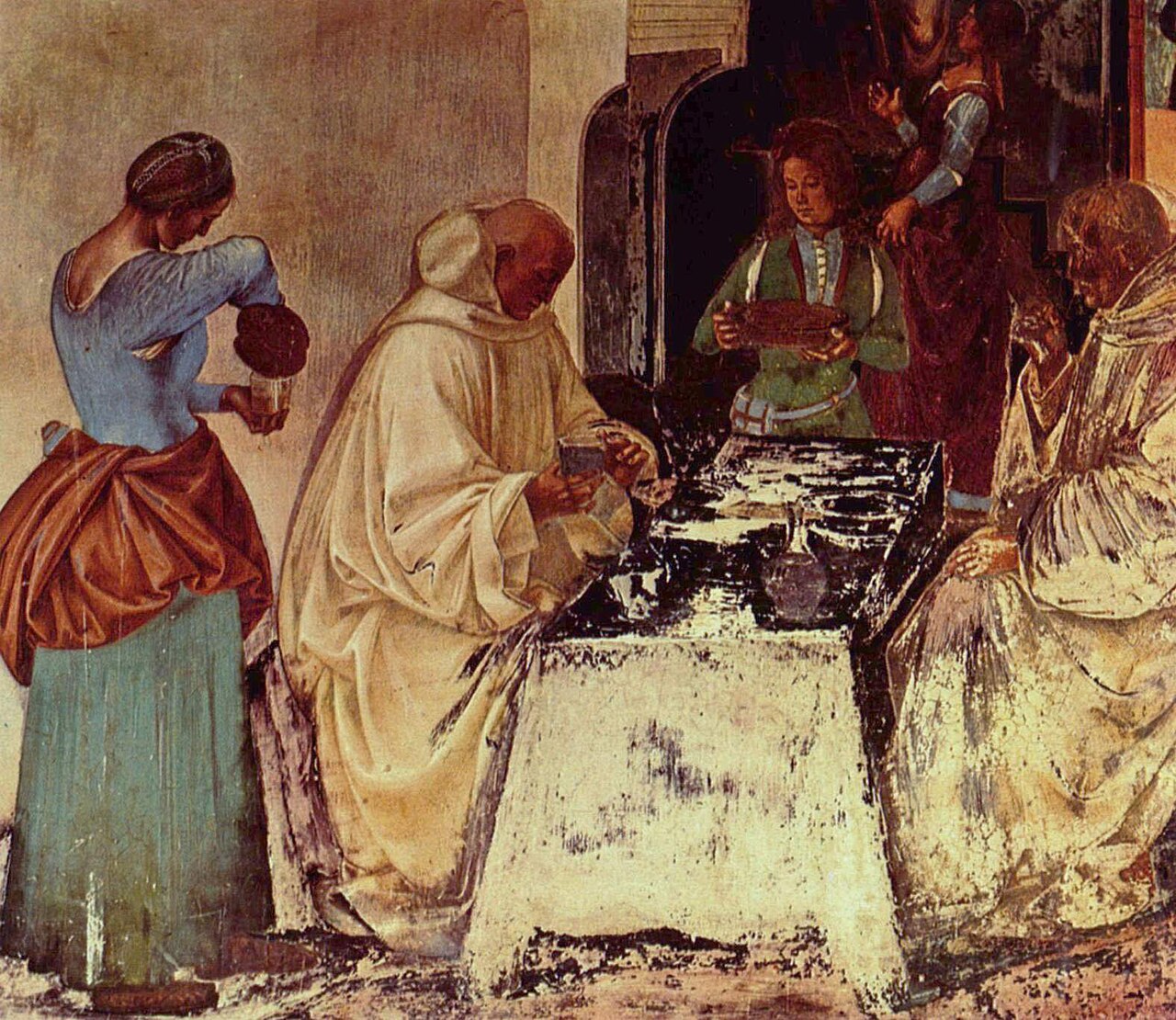 Painting
Secondary source
Fresco Cycle of the Life of St Benedict at Monte Oliveto Maggiore
Luca Signorelli and Sodoma · 1497-1505 (fresco cycle); abbey founded 1313
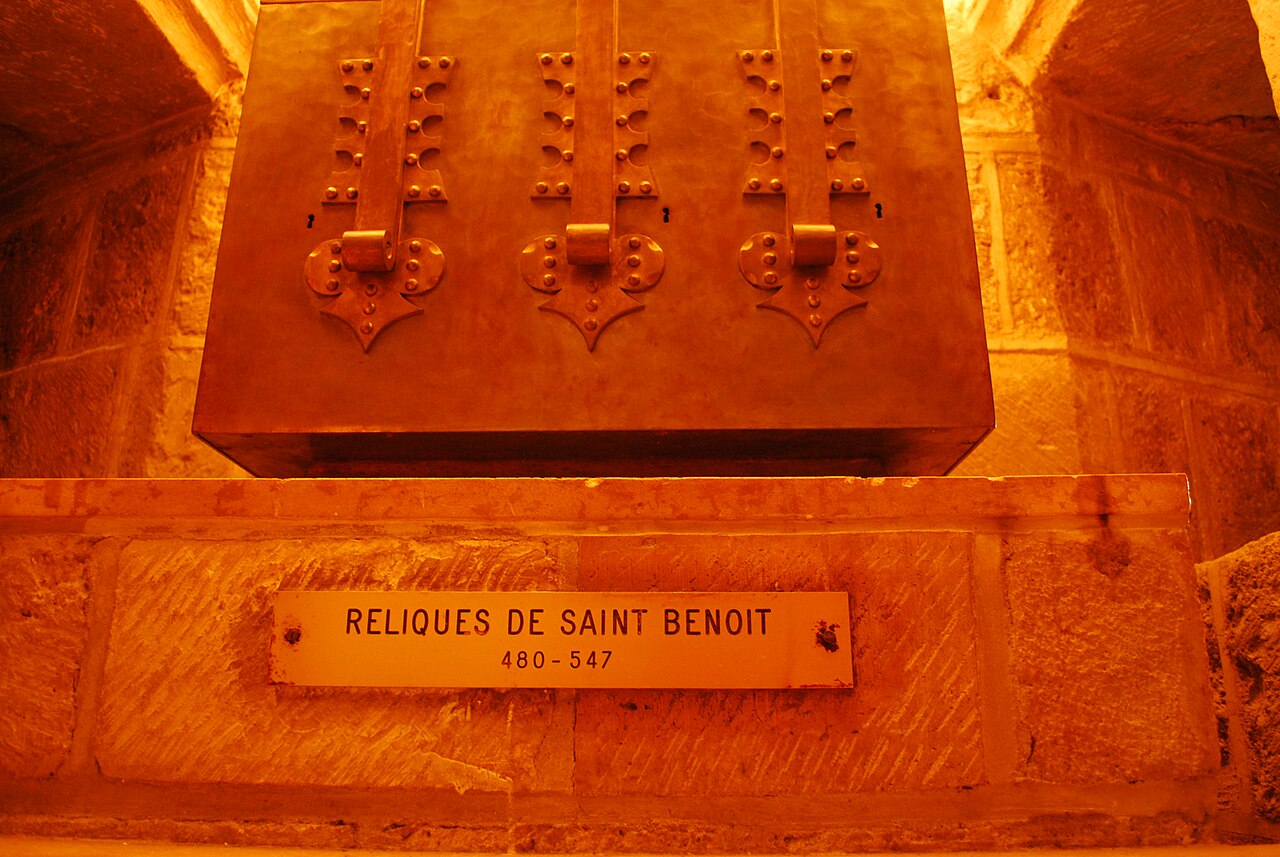 Artifact
Secondary source
Reliquary of Saint Benedict at Fleury
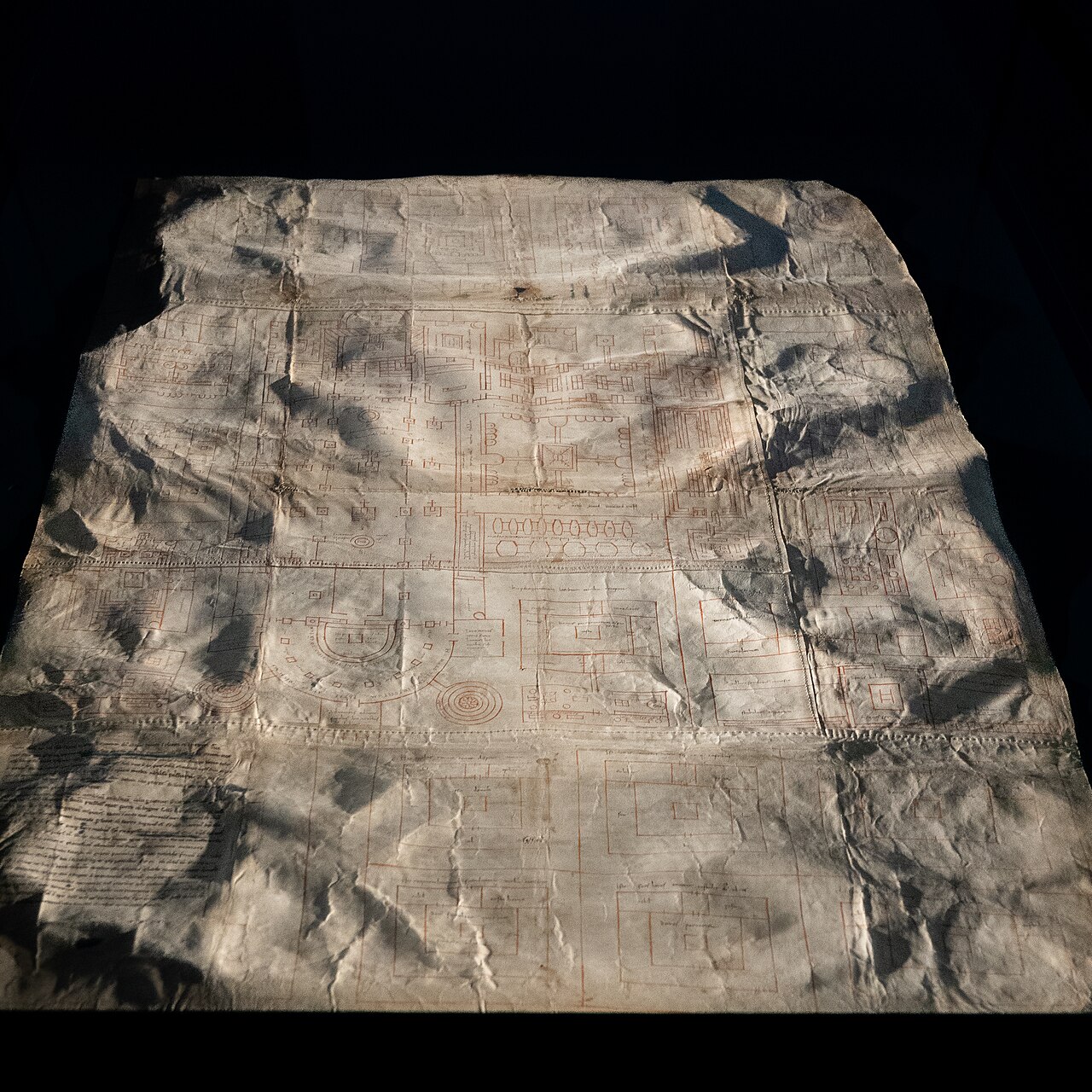 Artifact
Secondary source
Plan of Saint Gall
c. 820-830
 Book
Secondary source
History of the Lombards
Paul the Deacon · after 787, before 796
Ready when you are
Start chatting with Saint Benedict now.
20 messages free · No credit card · Available in 50+ languages.