


Secondary sourcePhotograph12 August 2014
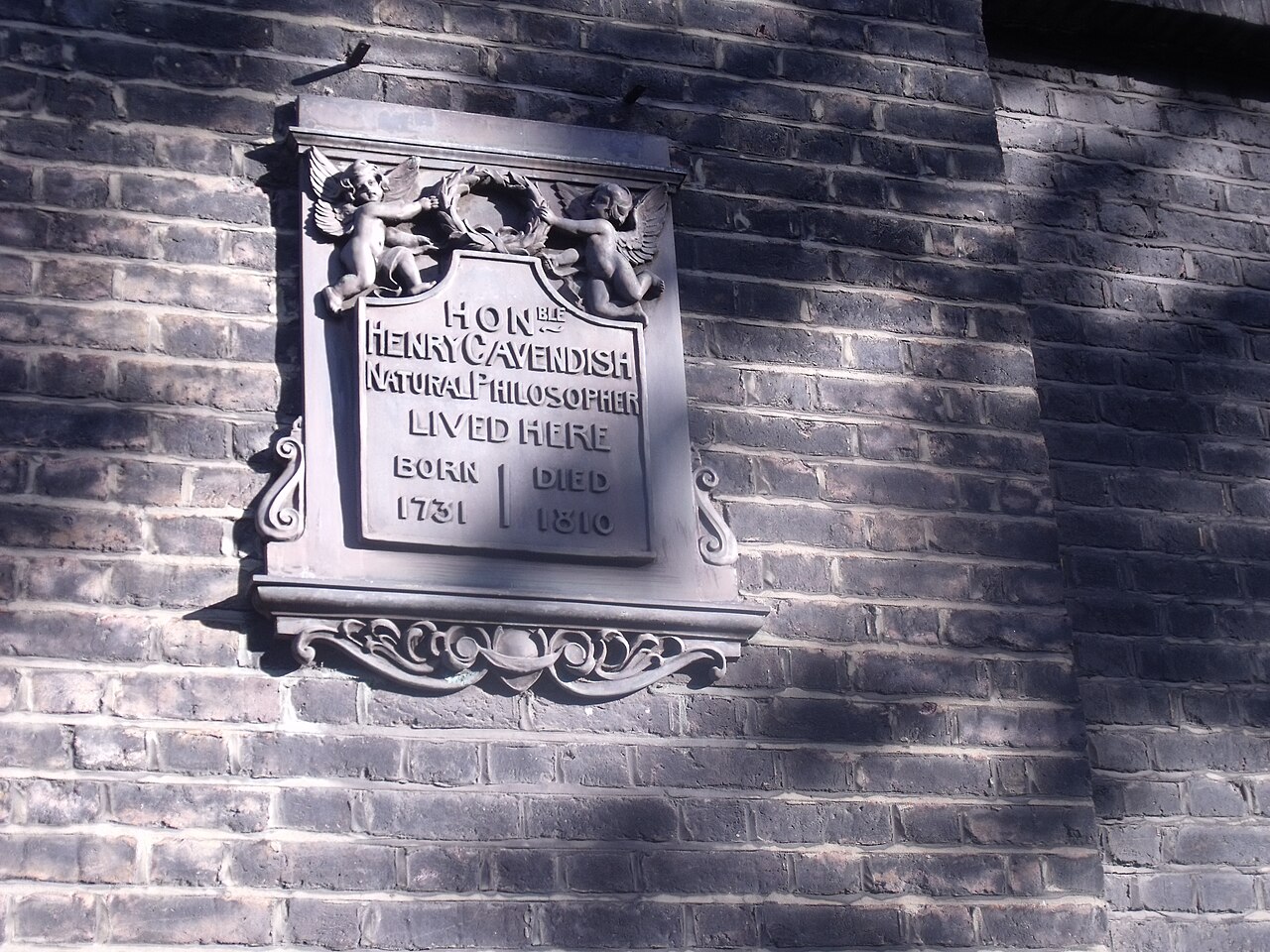
Plaque at Henry Cavendish's House, Spanish-Captioned Photo
19Tarrestnom65 · 12 August 2014
A photograph of a bronze memorial plaque on a brick wall, honoring Henry Cavendish as a natural philosopher who lived at this house. The image has a Spanish caption.
Shows a later memorial marking the house where Henry Cavendish lived, which commemorates him as a natural philosopher.
About this source
What it is
This is a photograph, taken on 12 August 2014 and uploaded to Wikimedia Commons by the user 19Tarrestnom65. It shows a bronze plaque mounted on a dark brick wall, decorated with two cherubs holding a laurel wreath above and a scrolled ornament below. The plaque reads: "Hon. Henry Cavendish, Natural Philosopher, Lived Here, Born 1731, Died 1810." The Commons record adds a Spanish caption, "Henry Cavendish vivió aquí" (Henry Cavendish lived here). The uploader's note says the plaque is a near-copy of the Bedford Square memorial.
Why it matters
Memorial plaques like this one mark places connected with famous people, so visitors can find where they lived or worked. Cavendish was a scientist of the late eighteenth century, known for his experiments on gases and the density of the Earth. The plaque does not describe those achievements. It names him simply as a "Natural Philosopher," the term used for scientists before the word "scientist" became common. A later memorial like this shows how a figure is remembered, not how they lived at the time.
Look closer
- What words does the plaque choose to describe Cavendish, and what does it leave out?
- Why might a memorial include both birth and death years, and what does that tell you about how people are remembered?
- Who would have decided to put up this plaque, and why might they have chosen this house?
This photograph is part of the curated material that grounds the AI version of Henry Cavendish on Humy.ai — when students ask about related events, the AI can quote it and cite it.
More Henry Cavendish sources
Browse all 53 →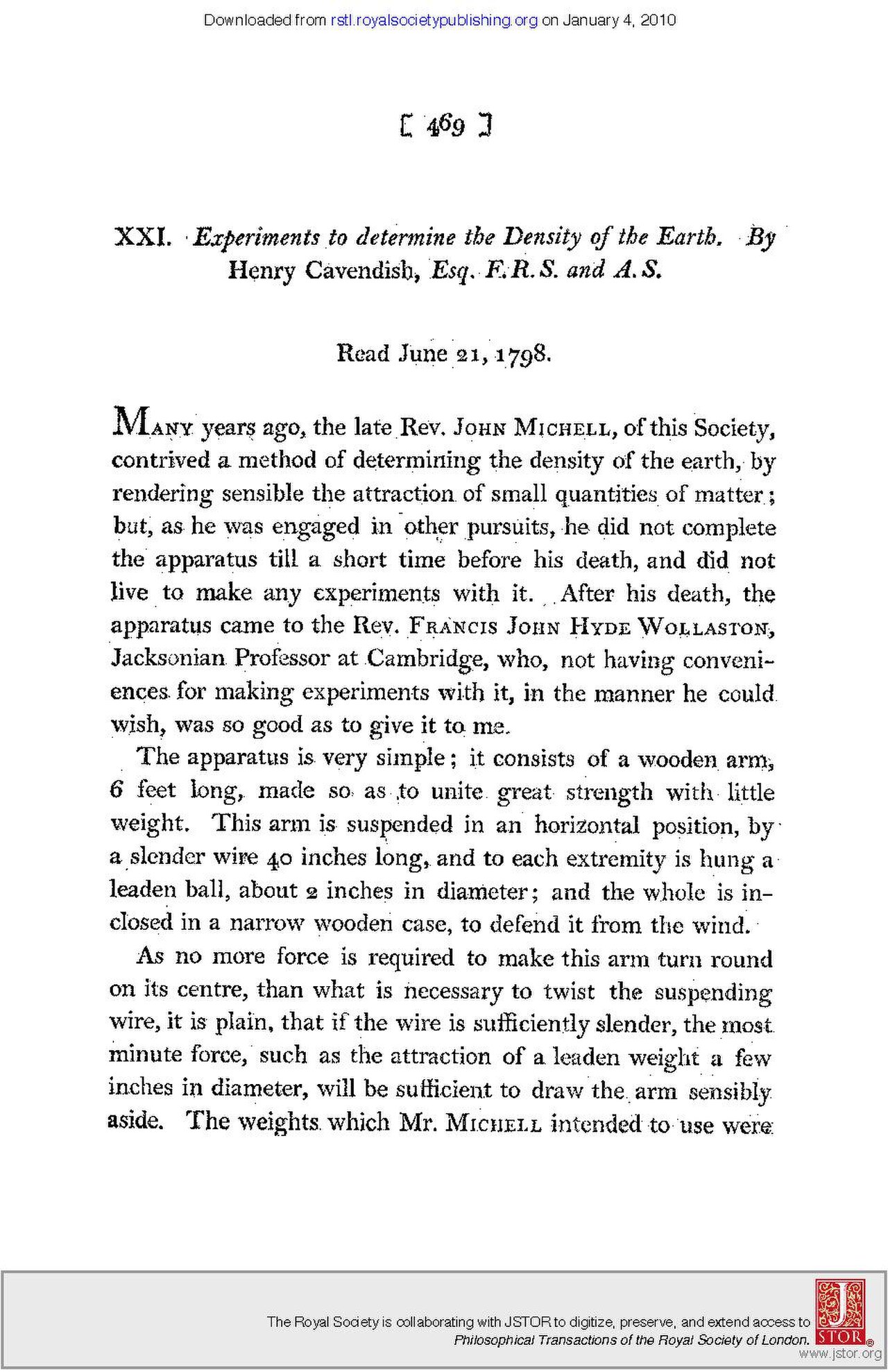 Document
Primary source
Experiments to Determine the Density of the Earth
Henry Cavendish · 1798
 Document
Primary source
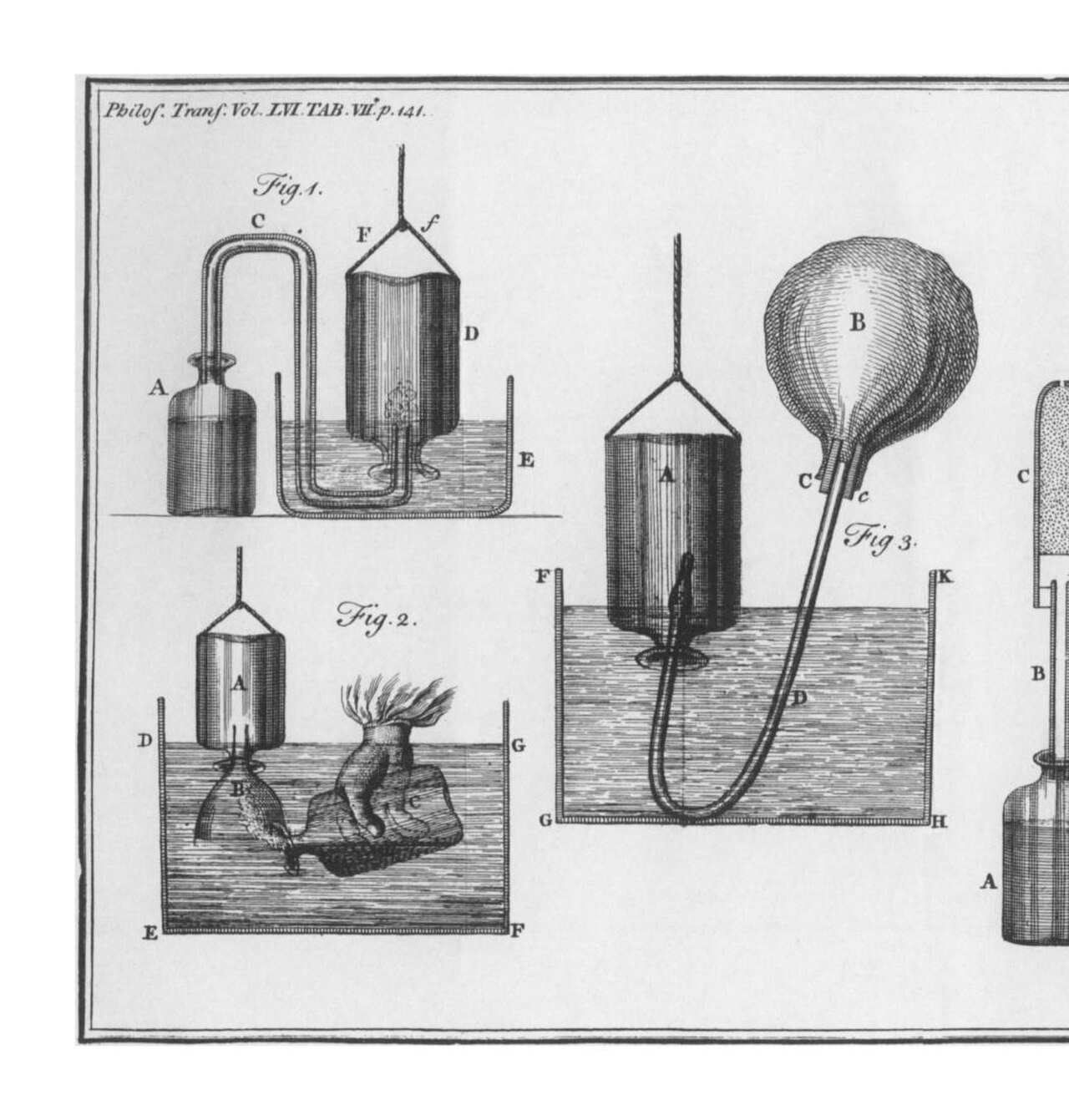
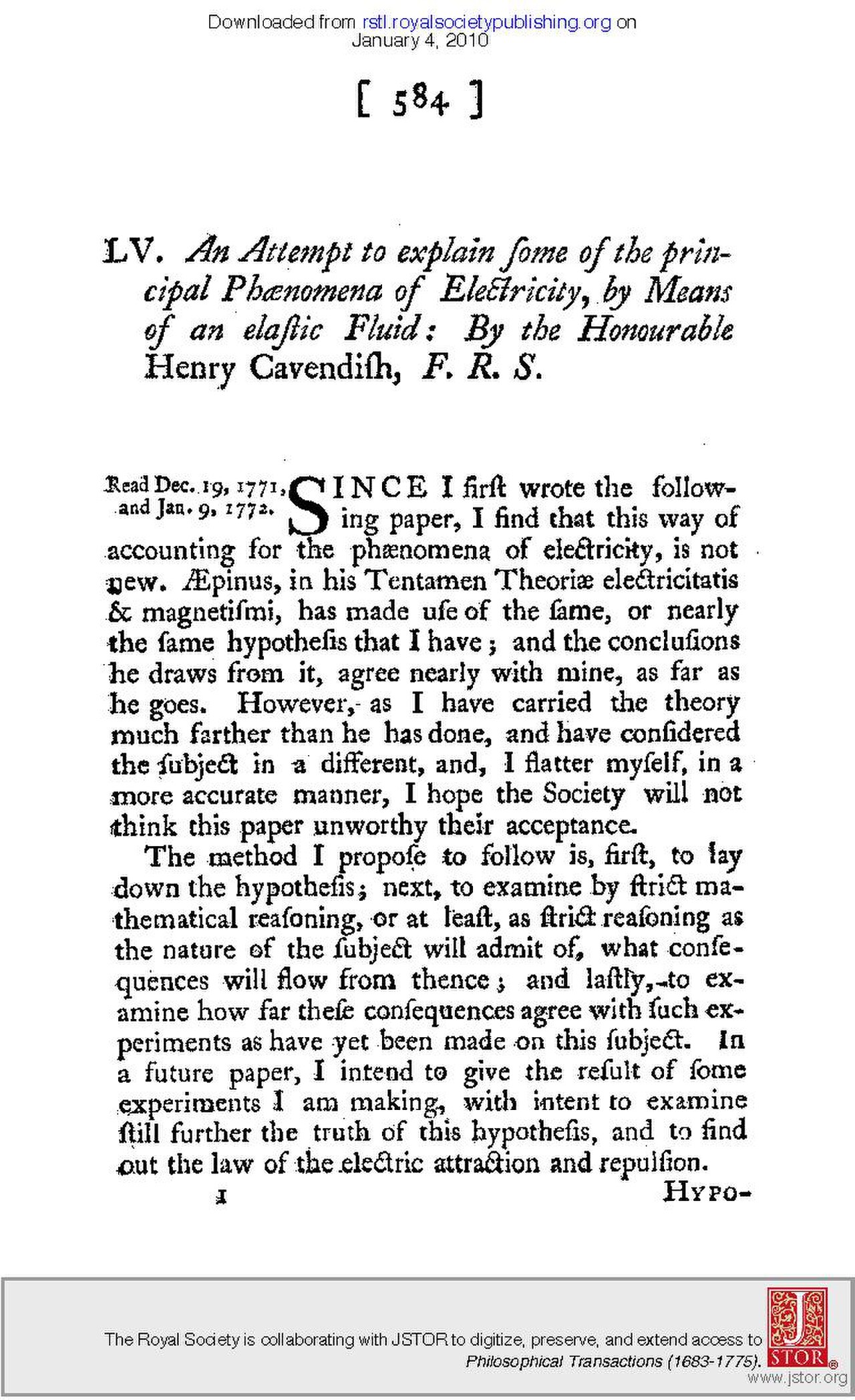
Three Papers, Containing Experiments on Factitious Air
Henry Cavendish · 1766
 Document
Primary source
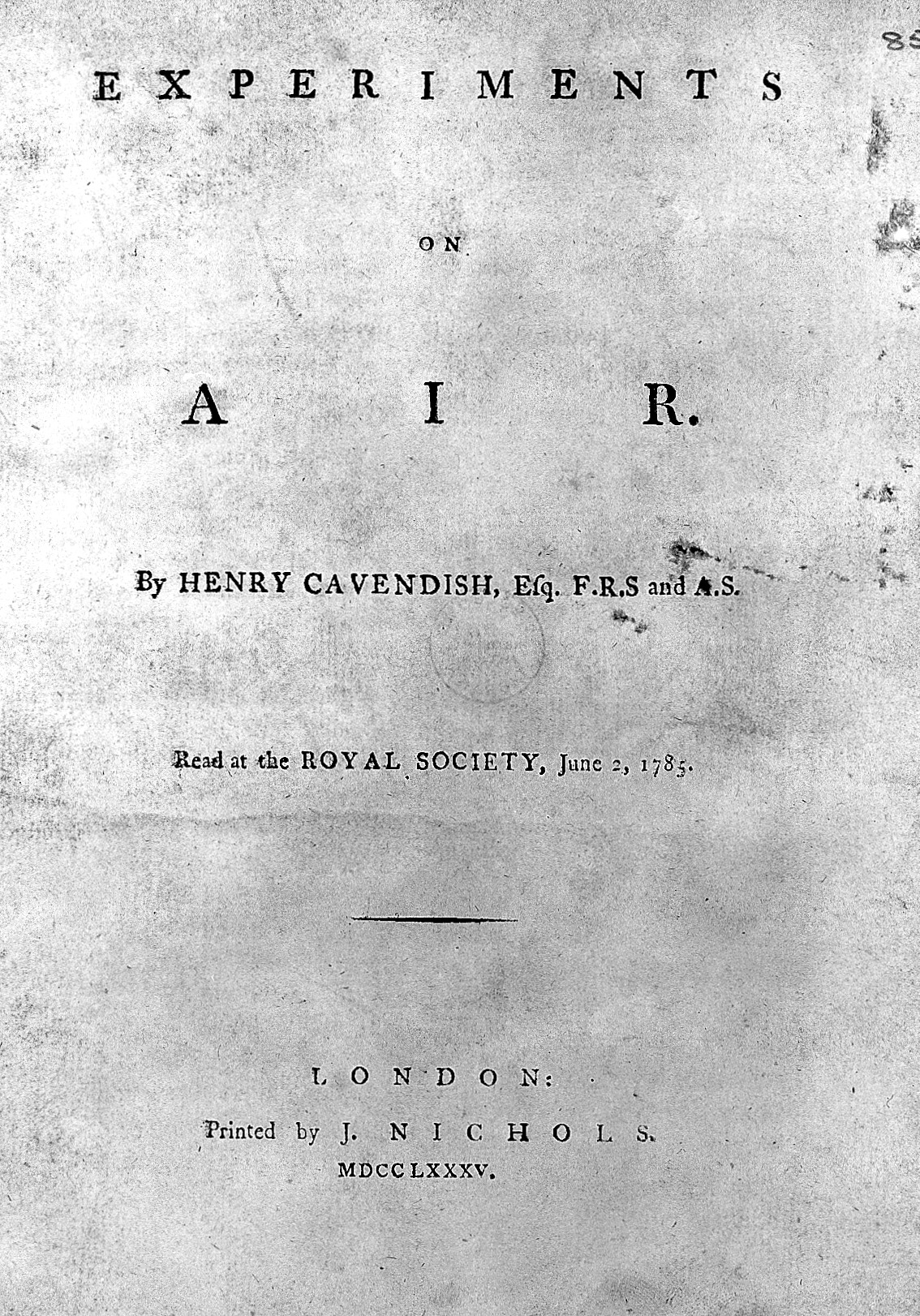
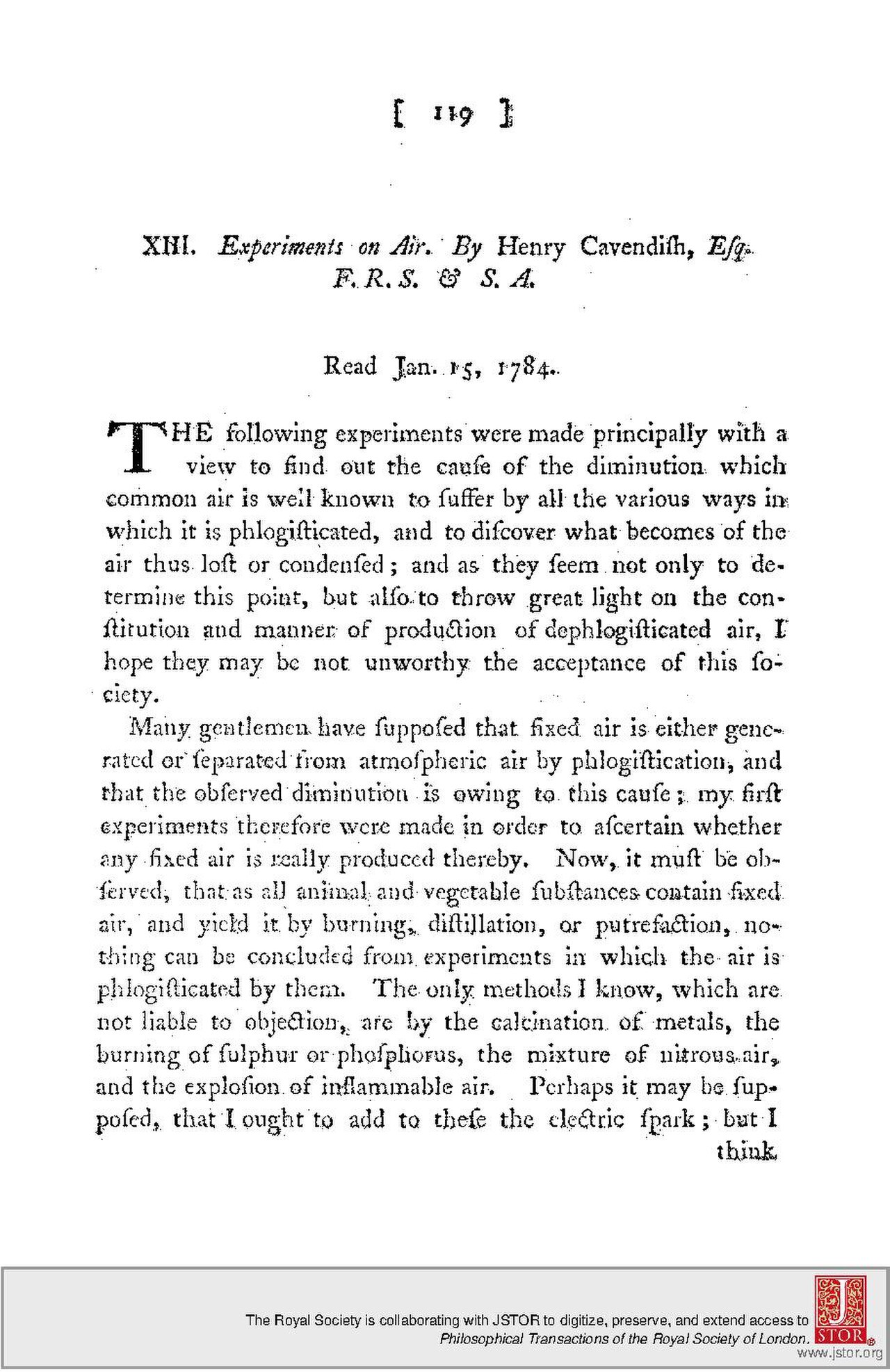
Experiments on Air, 1785 title page
Henry Cavendish · 1785
 Painting
Primary source
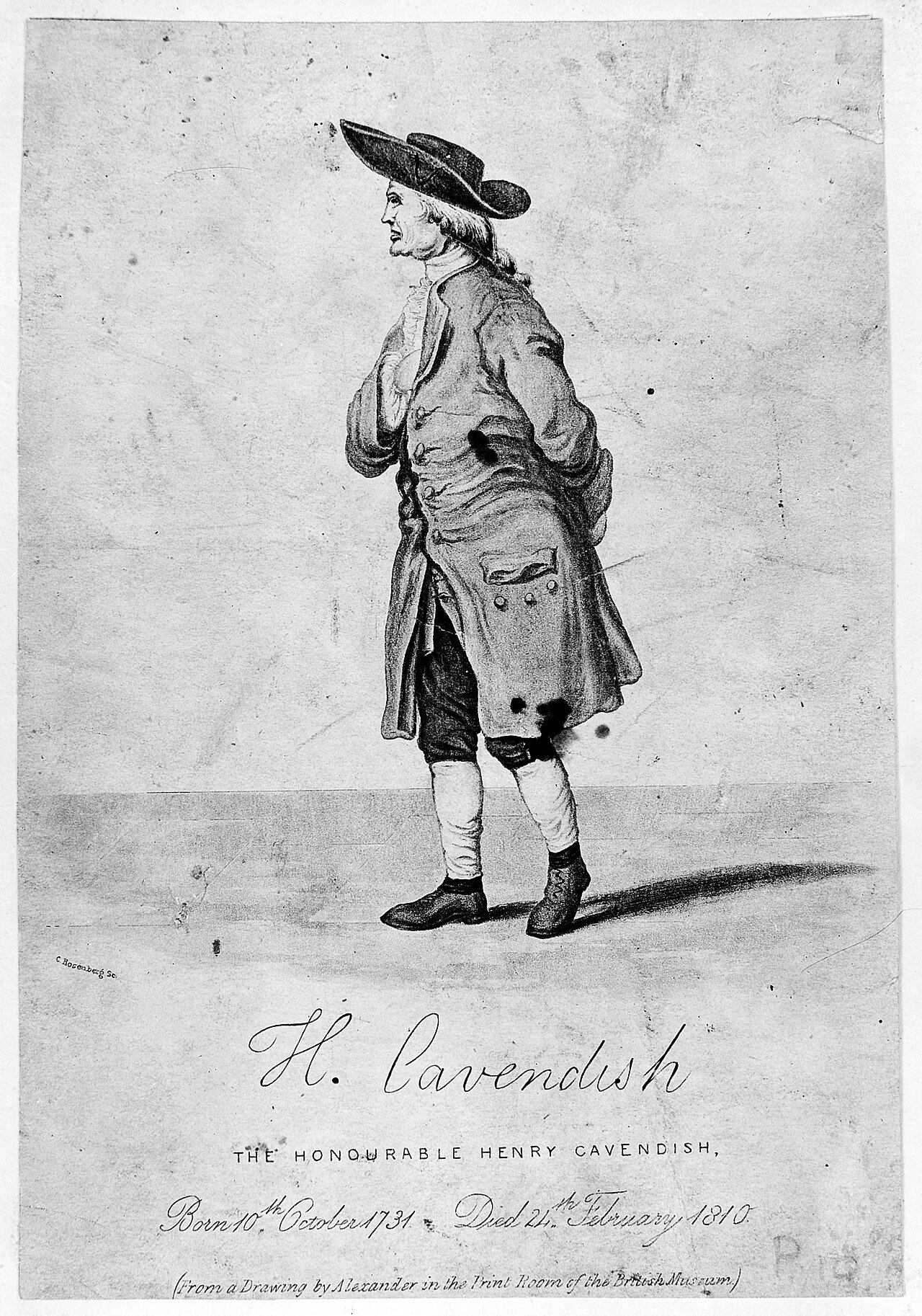
Henry Cavendish, Chemist (lithograph after Alexander)
William Alexander
Free account
Read every Henry Cavendish source
Sign up free →
Ready when you are
Start chatting with Henry Cavendish now.
20 messages free · No credit card · Available in 50+ languages.