


Secondary sourceSculpture
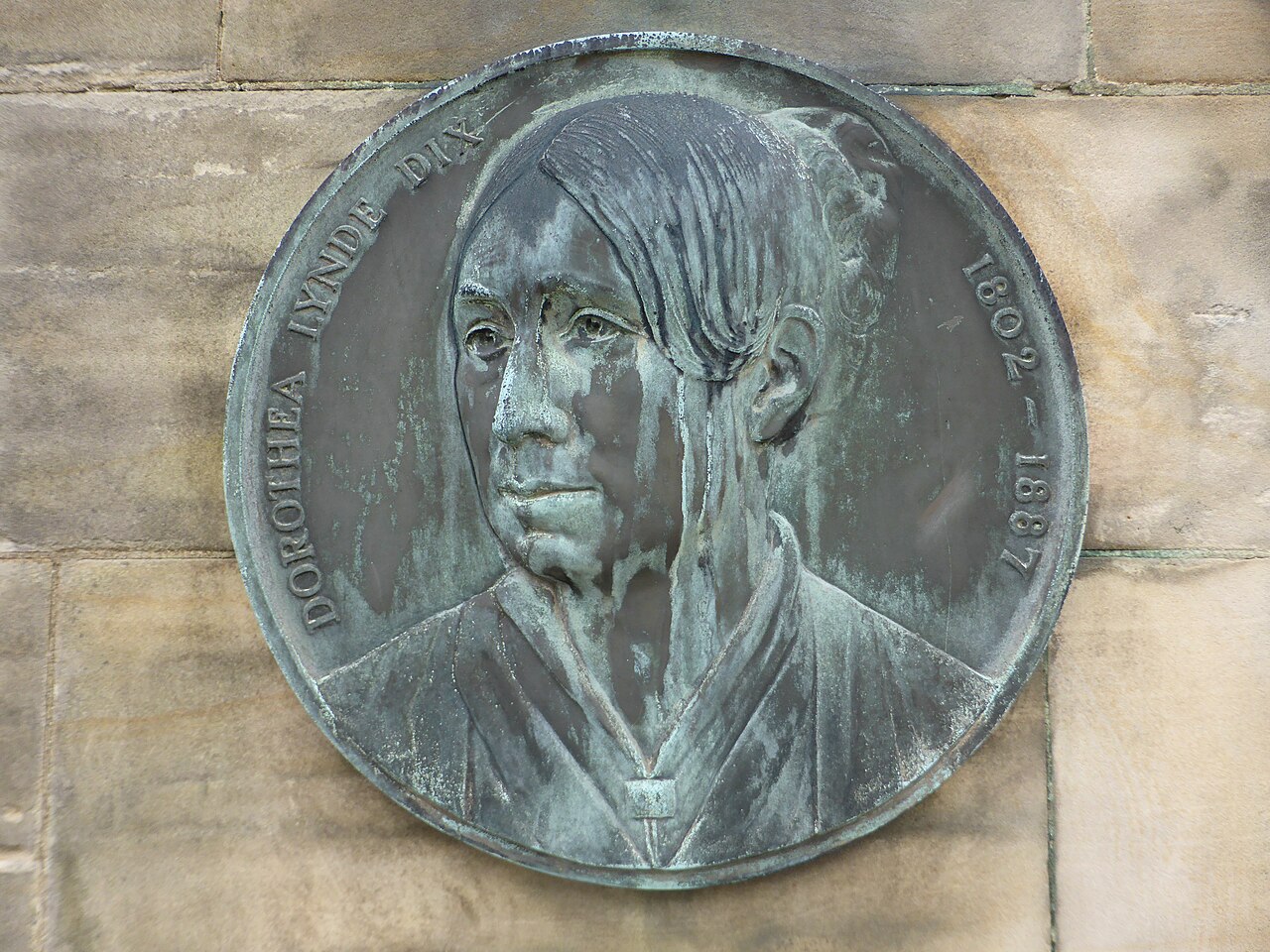
Plaque to Dorothea Lynde Dix at the Royal Edinburgh Hospital
Margaret Ferguson Burns
A bronze memorial plaque to Dorothea Dix at a Scottish psychiatric hospital, honoring her investigations into the treatment of the mentally ill in Scotland.
This plaque honors Dix's investigations of Scottish madhouses, which led to reform of Scotland's mental health laws.
About this source
What it is
This bronze relief plaque, made by Margaret Ferguson Burns, shows a profile portrait of Dorothea Dix with her name and dates inscribed around the edge. It is set in sandstone at the Royal Edinburgh Hospital, as part of a memorial to notable figures in the history of mental health care.
Why it matters
The plaque commemorates Dix's investigations of conditions in Scottish madhouses, work that fed into the Scottish Lunacy Commission of 1857. It shows that Dix's reform efforts extended beyond the United States to Europe, and that she is still honored today alongside other pioneers of mental health care, such as Philippe Pinel, who is also part of the same memorial.
Look closer
- Why might a hospital choose to memorialize a foreign reformer rather than only local figures?
- What does placing Dix alongside Philippe Pinel suggest about how her work was viewed internationally?
- What can and can't a small portrait plaque tell us about a person's life and achievements?
This sculpture is part of the curated material that grounds the AI version of Dorothea Dix on Humy.ai — when students ask about related events, the AI can quote it and cite it.
More Dorothea Dix sources
Browse all 55 → Document
Primary source
Memorial to the Legislature of Massachusetts
Dorothea Dix · January 1843
 Document
Primary source
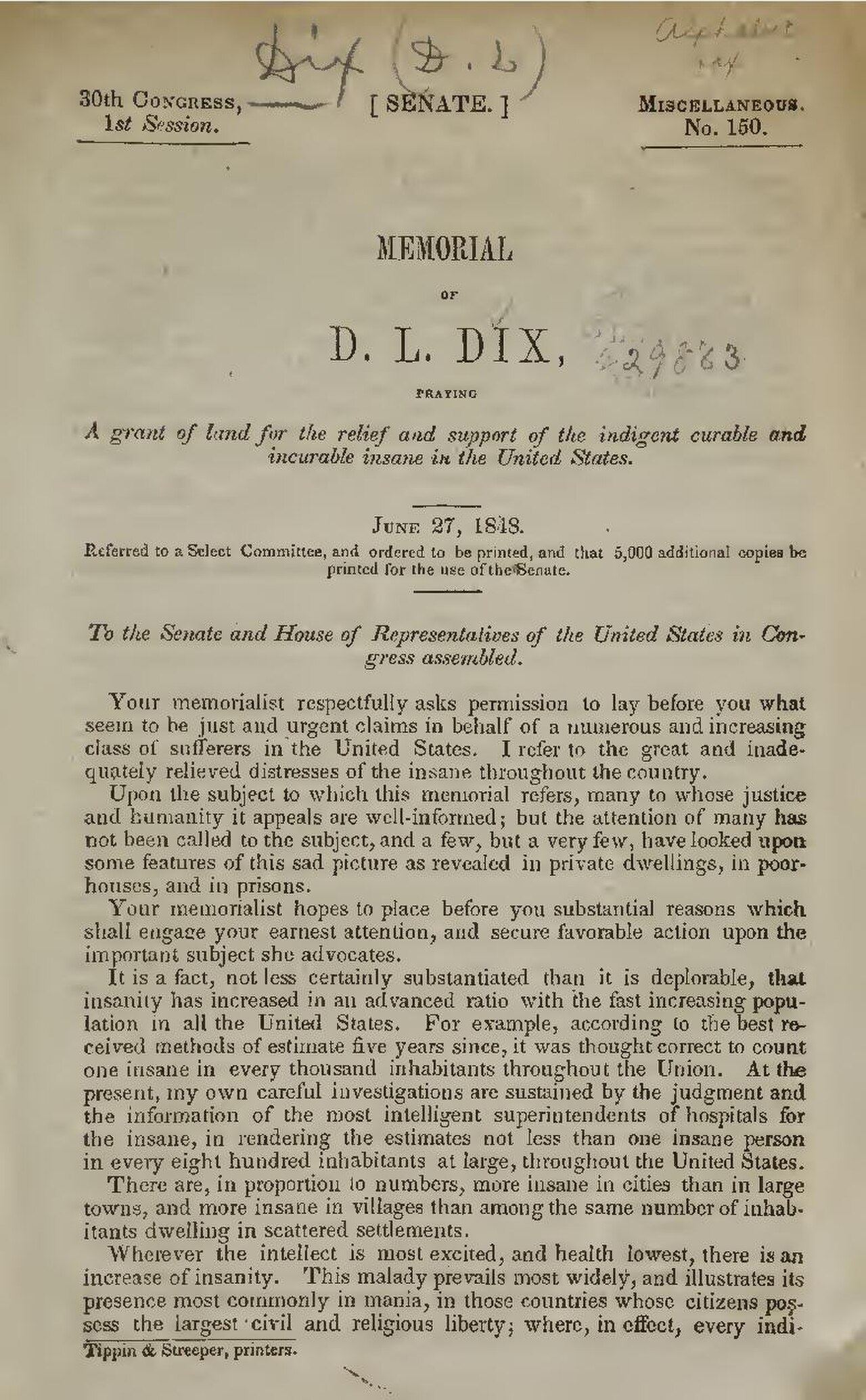
Memorial of D. L. Dix Praying a Grant of Land for the Indigent Insane
Dorothea Dix · 27 June 1848
 Photograph
Primary source
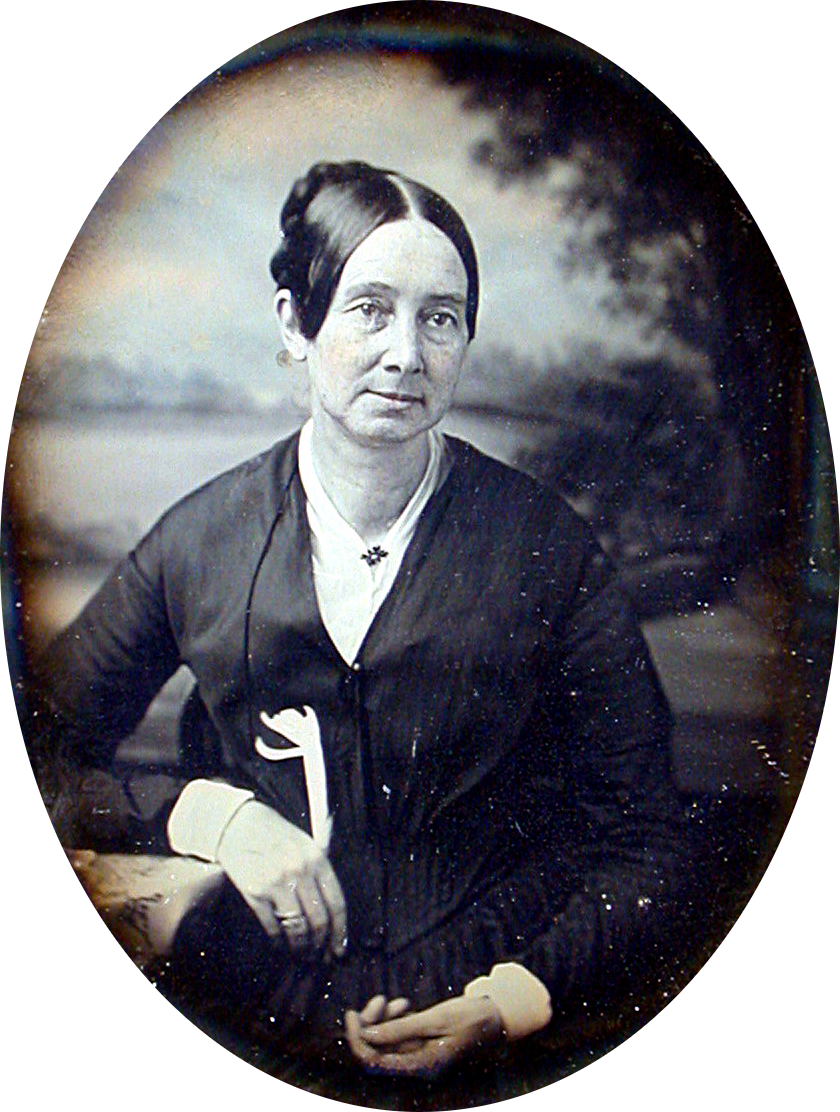
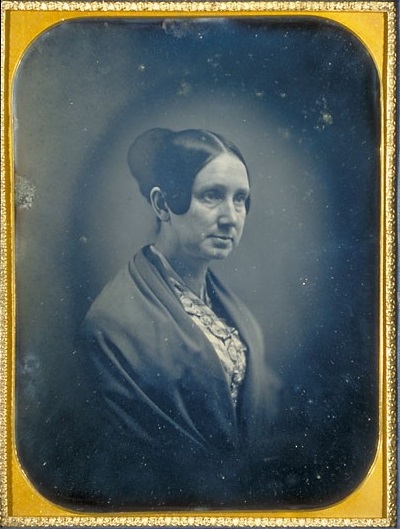
Dorothea Lynde Dix, c. 1850-1855
Samuel Broadbent · c. 1850-1855
 Document
Primary source
Memorial Soliciting a State Hospital for the Insane, New Jersey
Dorothea Dix · 23 January 1845

Free account
Read every Dorothea Dix source
Sign up free →
Ready when you are
Start chatting with Dorothea Dix now.
20 messages free · No credit card · Available in 50+ languages.