


Secondary sourceSculpturec. 1292 (cast made 2009)
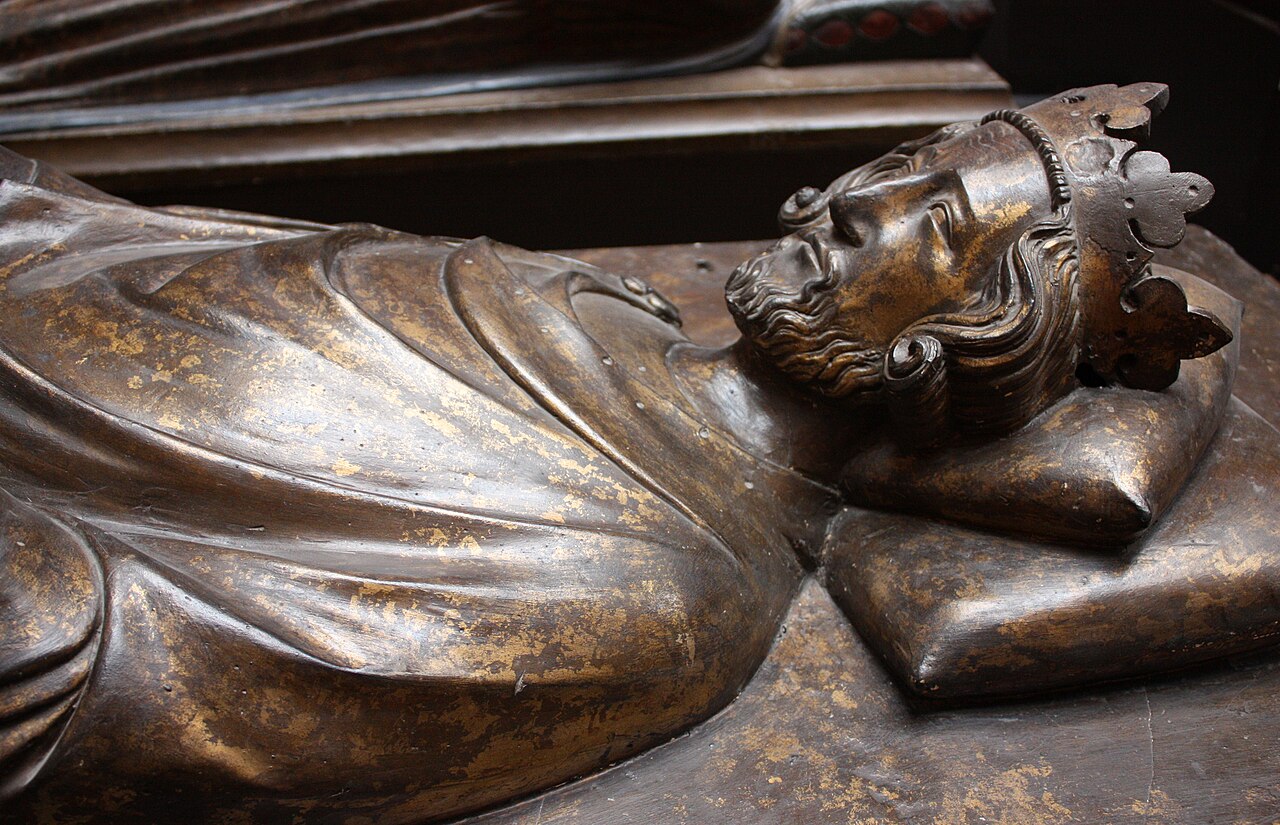
Plaster cast of Henry III's tomb effigy
William Torel · c. 1292 (cast made 2009)
A plaster cast of the gilt bronze tomb effigy of Henry III made by William Torel, showing the king as he was remembered after death.
This cast reproduces the tomb effigy made for Henry III after his death, showing how he was commemorated as king.
About this source
What it is
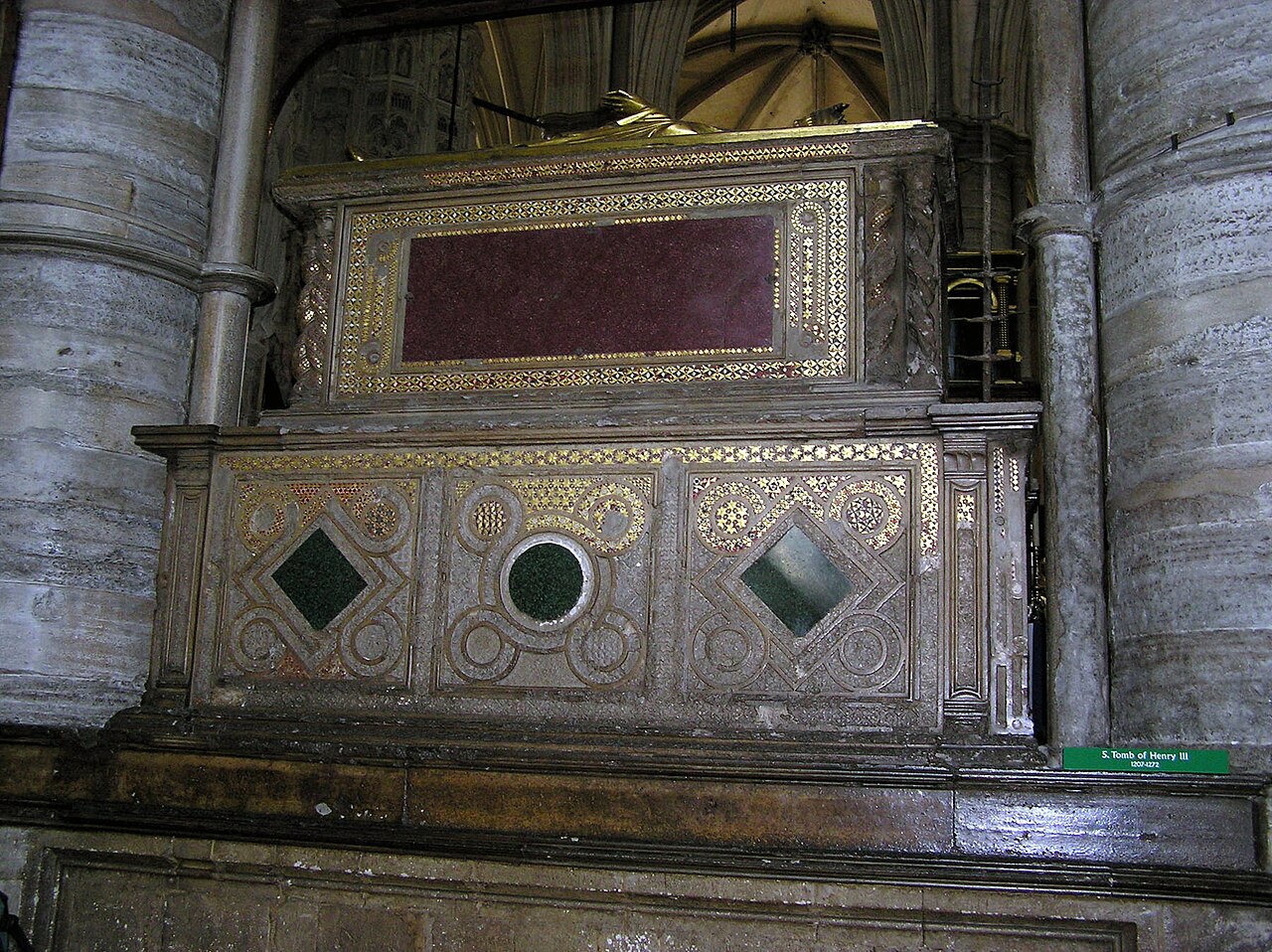
This is a plaster cast (with restored gilding) of the tomb effigy of Henry III, originally made in gilt bronze by the sculptor William Torel around 1292, about twenty years after Henry's death. The original effigy lies in the Confessor's Chapel at Westminster Abbey.
Why it matters
The effigy shows how Henry III was remembered and honored after death, crowned and robed as a king. The inscription around the tomb slab names him as son of King John and ruler of England, Ireland, and Aquitaine, showing how his identity and lineage were presented for future generations.
Look closer
- Why might a king's tomb effigy be made to look different from how he actually looked in life?
- What does the inscription tell us about what mattered most about Henry's identity and titles?
- Why do you think casts like this one are made and displayed separately from the original tomb?
This sculpture is part of the curated material that grounds the AI version of Henry III on Humy.ai — when students ask about related events, the AI can quote it and cite it.
More Henry III sources
Browse all 96 →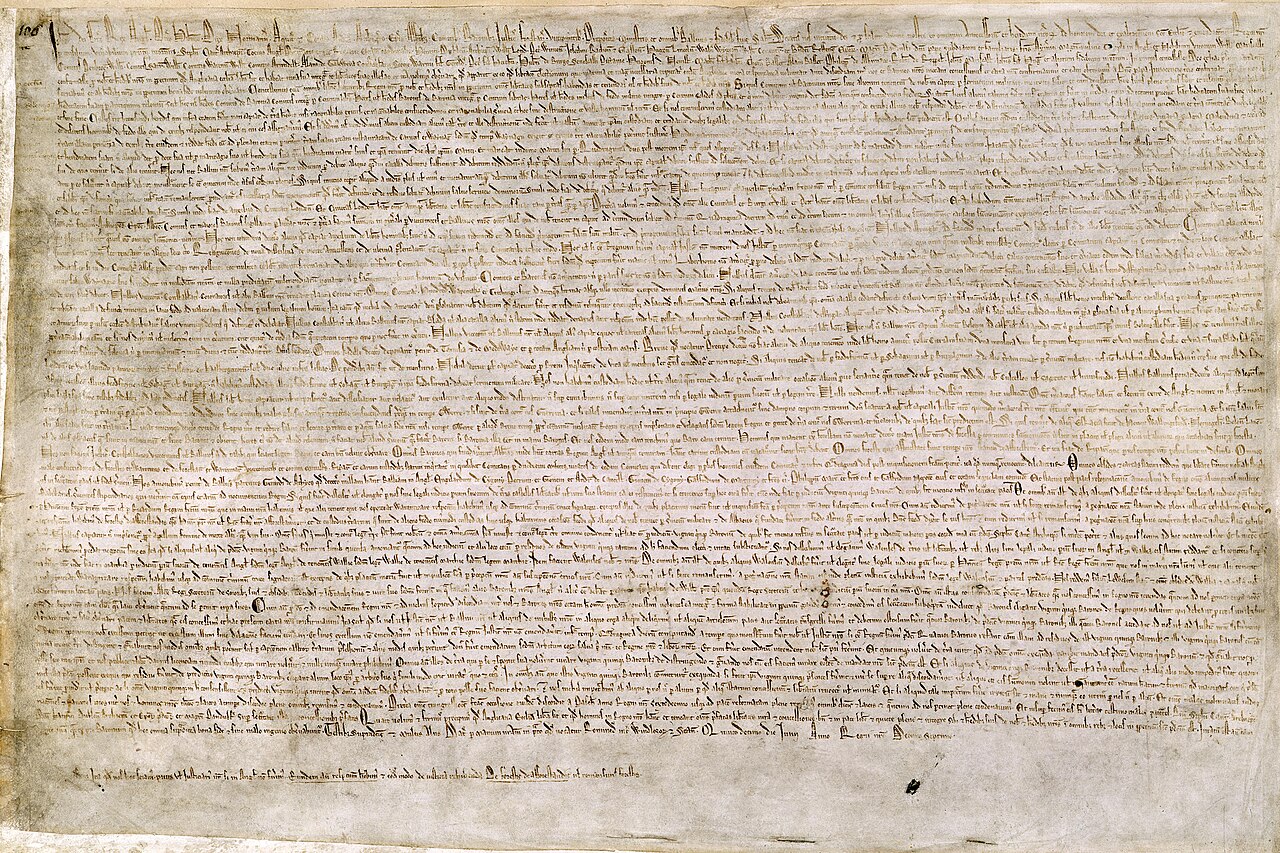 Document
Primary source
Magna Carta
1215; reissued 1216 and 1225
 Document
Primary source
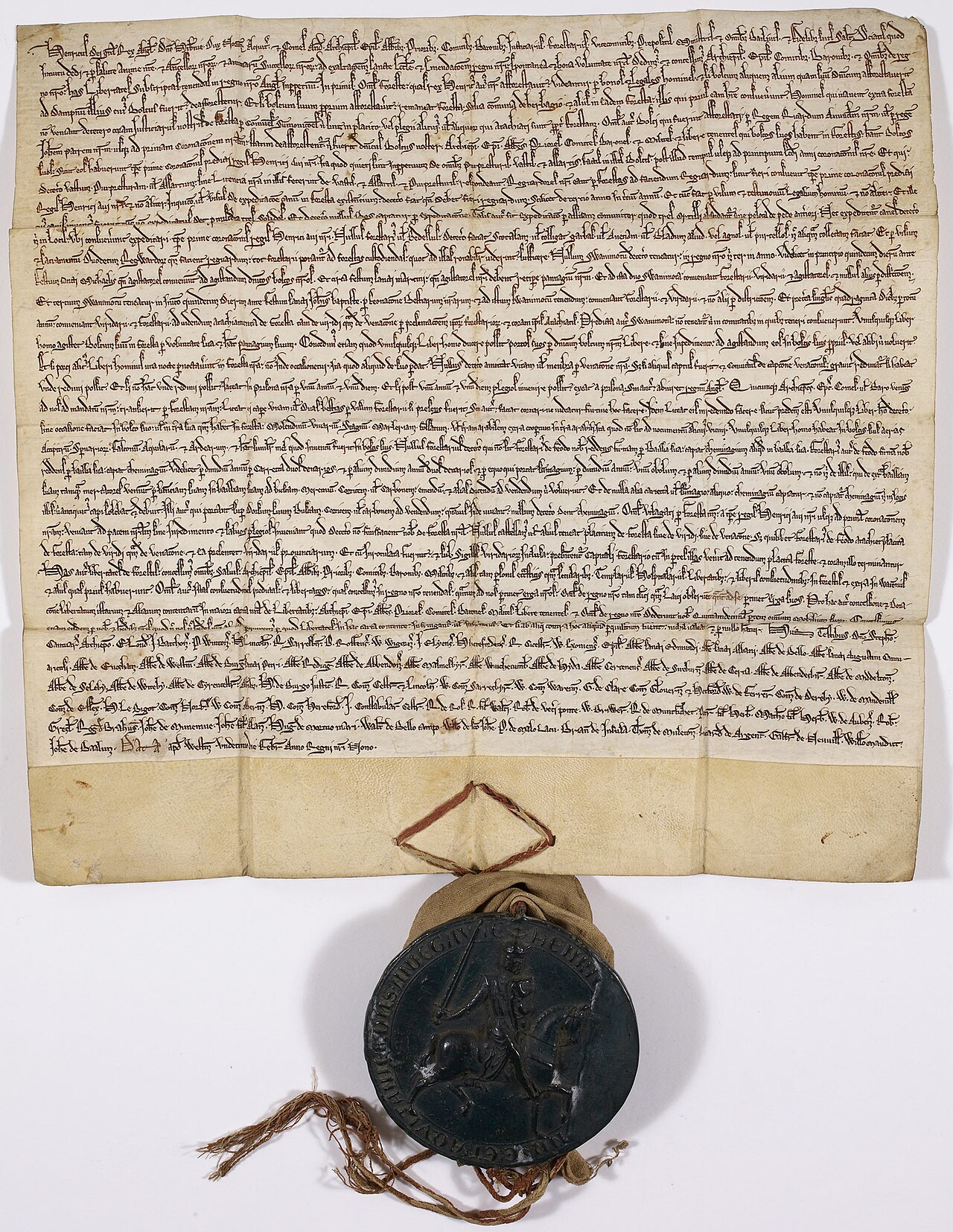
Charter of the Forest
1217
 Book
Primary source
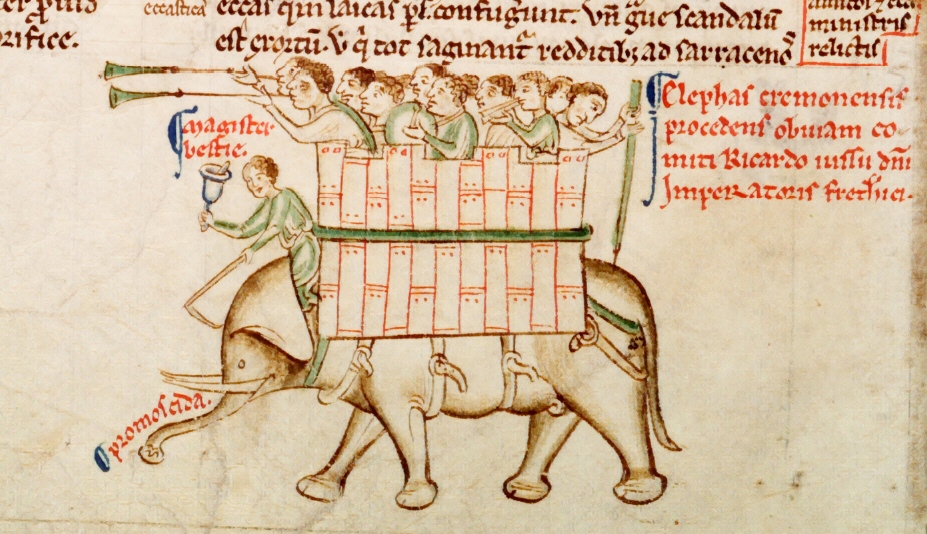
Chronica Majora
Matthew Paris · 13th century, to 1259
 Artifact
Primary source
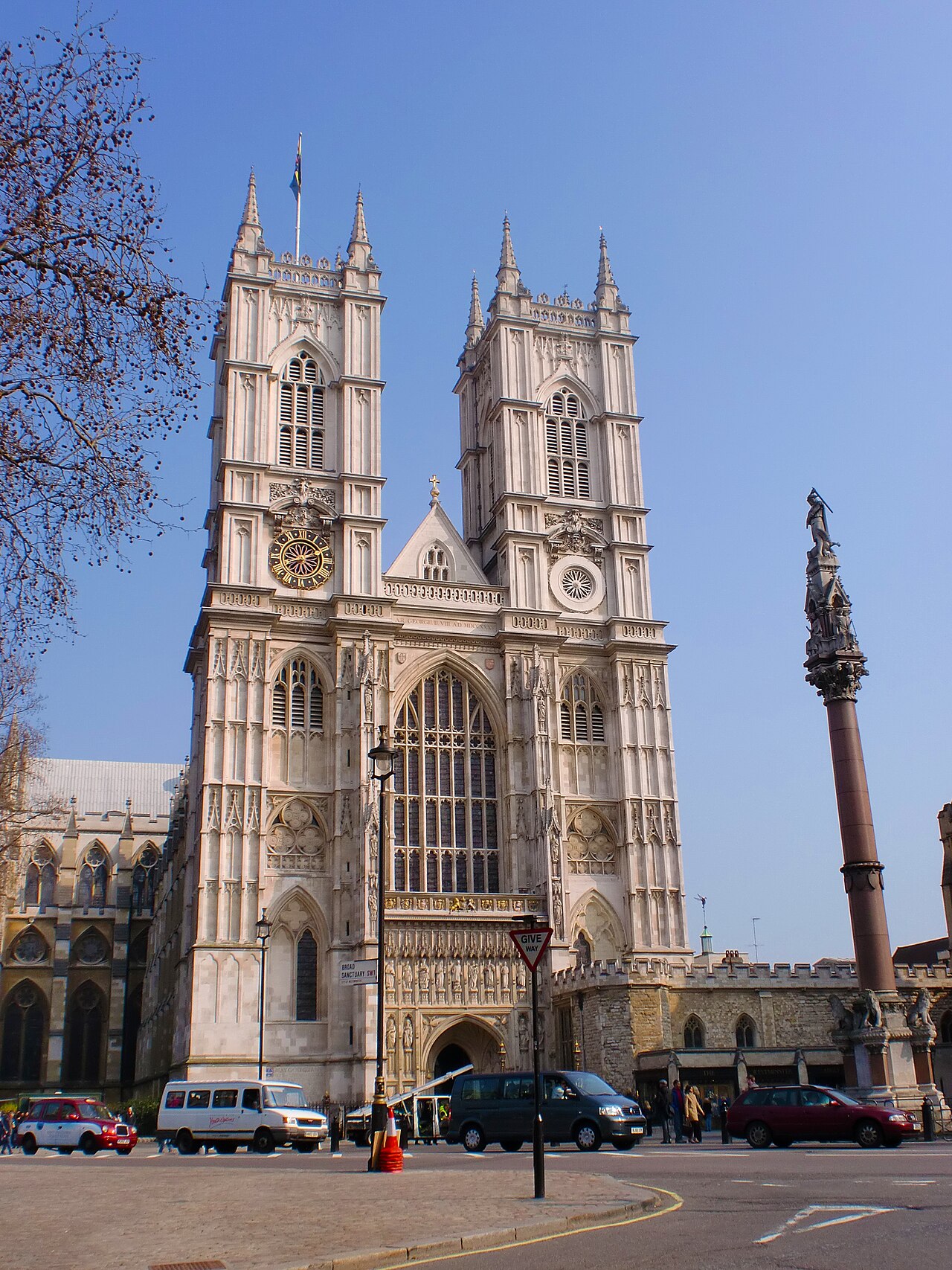
Westminster Abbey
rebuilding begun 1245
Free account
Read every Henry III source
Sign up free →
Ready when you are
Start chatting with Henry III now.
20 messages free · No credit card · Available in 50+ languages.