


Secondary sourcePaintingbetween 1620 and 1664
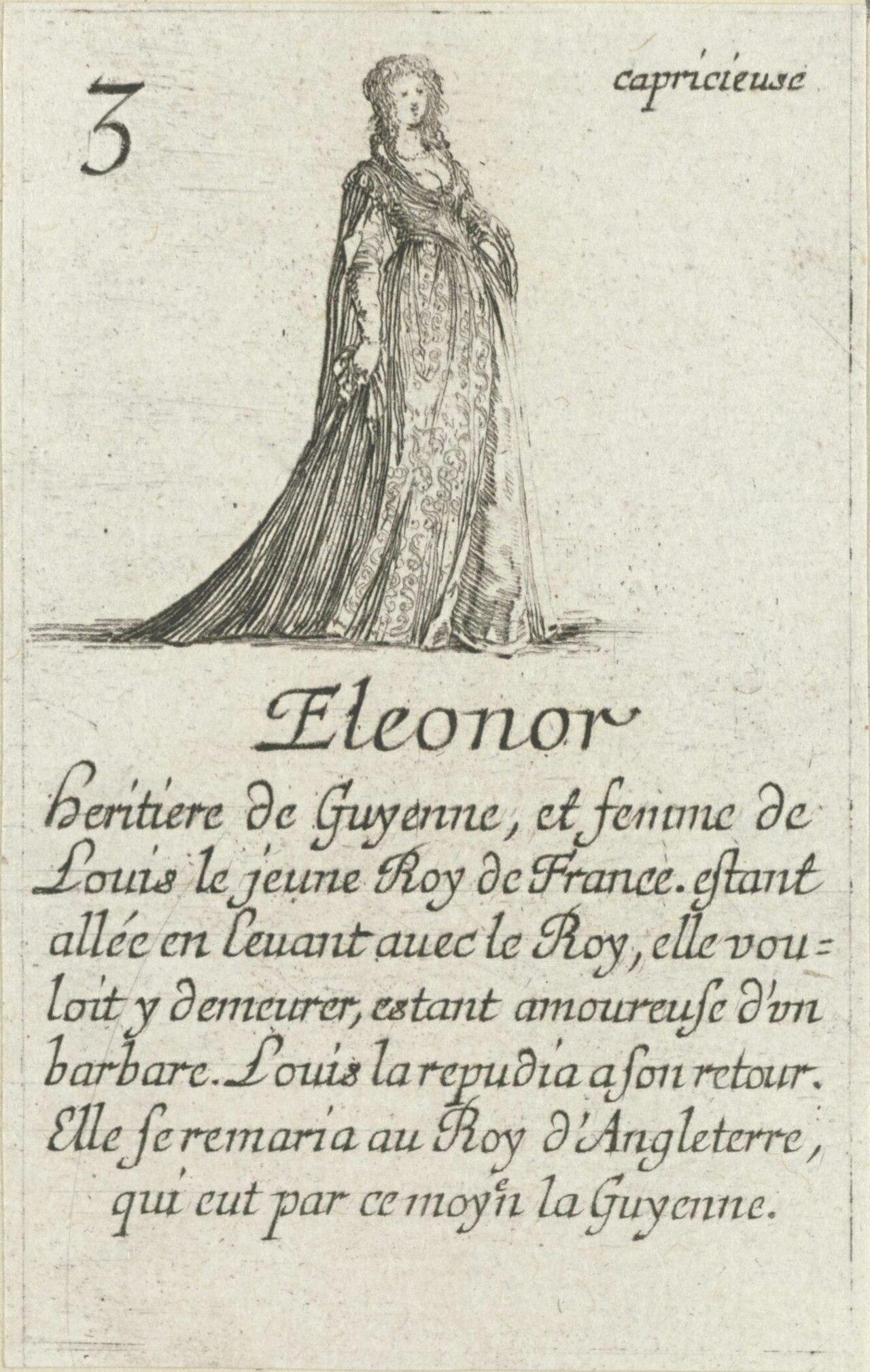
Playing card of Eleonora van Aquitanië, series of famous queens
Stefano della Bella · between 1620 and 1664
A 17th-century etched playing card from a Paris set of famous queens, showing Eleanor of Aquitaine as a standing woman in a long gown. It shows her later reputation, not a contemporary image.
Shows Eleanor as one of the famous queens in a 17th-century French card set, a sign of her later reputation rather than a contemporary likeness.
About this source
What it is
This is an etched playing card, numbered 3, from a set of 52 cards showing famous queens. The engraver was Stefano della Bella, and the publisher was Henry le Gras, in Paris. The Rijksmuseum dates the print between 1620 and 1664 and holds it under the number RP-P-OB-34.864. The card shows a standing woman in a long gown with a train and a flowing cloak. Her title, 'Eleonor', and French italic text beneath describe her as heiress of Guyenne and queen of France. The word 'capricieuse' appears at the top right.
Why it matters
The museum notes that the series was devised by Jean Desmarests de Saint-Sorlin on the commission of Cardinal Mazarin. It was made for the young Louis XIV, alongside other card sets. The card therefore shows how a French court of the 1600s chose to remember Eleanor, who lived in the twelfth century. It reveals more about the seventeenth-century makers and their royal patrons than about Eleanor's own world.
Look closer
- What details of clothing and pose does the engraver use to show Eleanor as a ruler, and why might those choices matter to a court audience?
- Why do you think the card includes a French description of her, and who would have been expected to read it?
- What does this card leave out about Eleanor's actual power, and where would you look to check it?
This painting is part of the curated material that grounds the AI version of Eleanor of Aquitaine on Humy.ai — when students ask about related events, the AI can quote it and cite it.
More Eleanor of Aquitaine sources
Browse all 81 →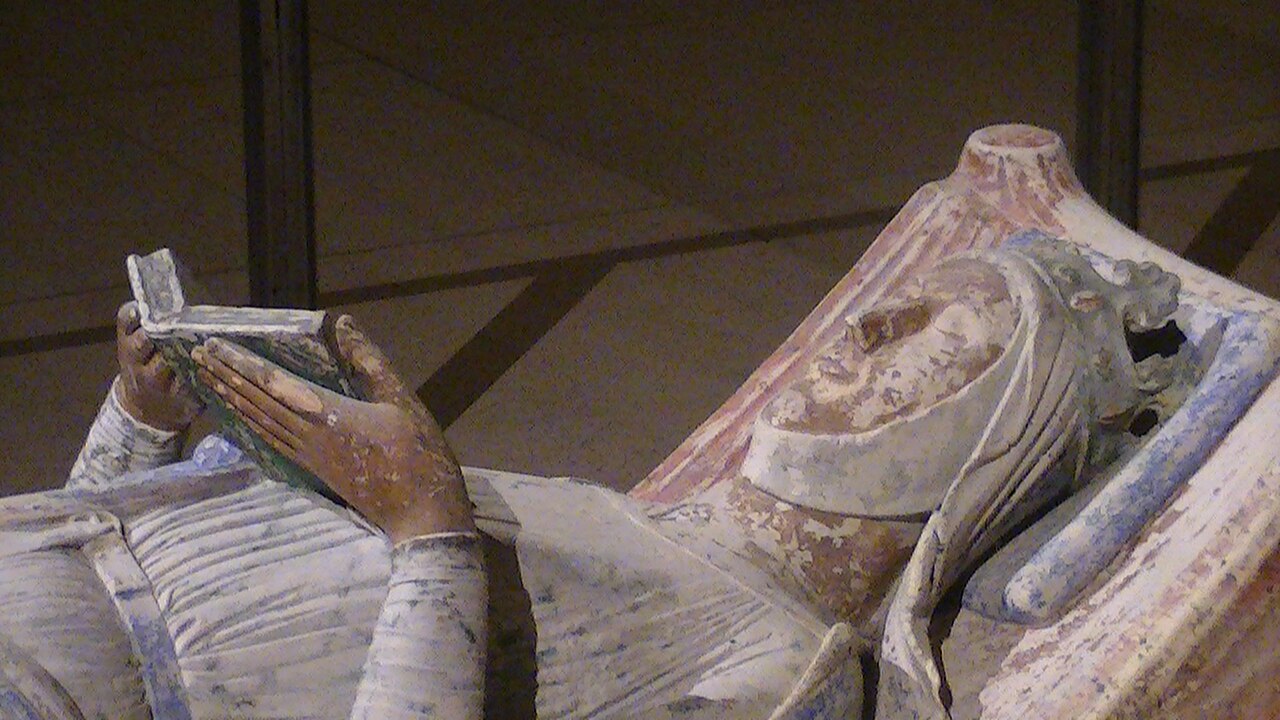 Sculpture
Primary source
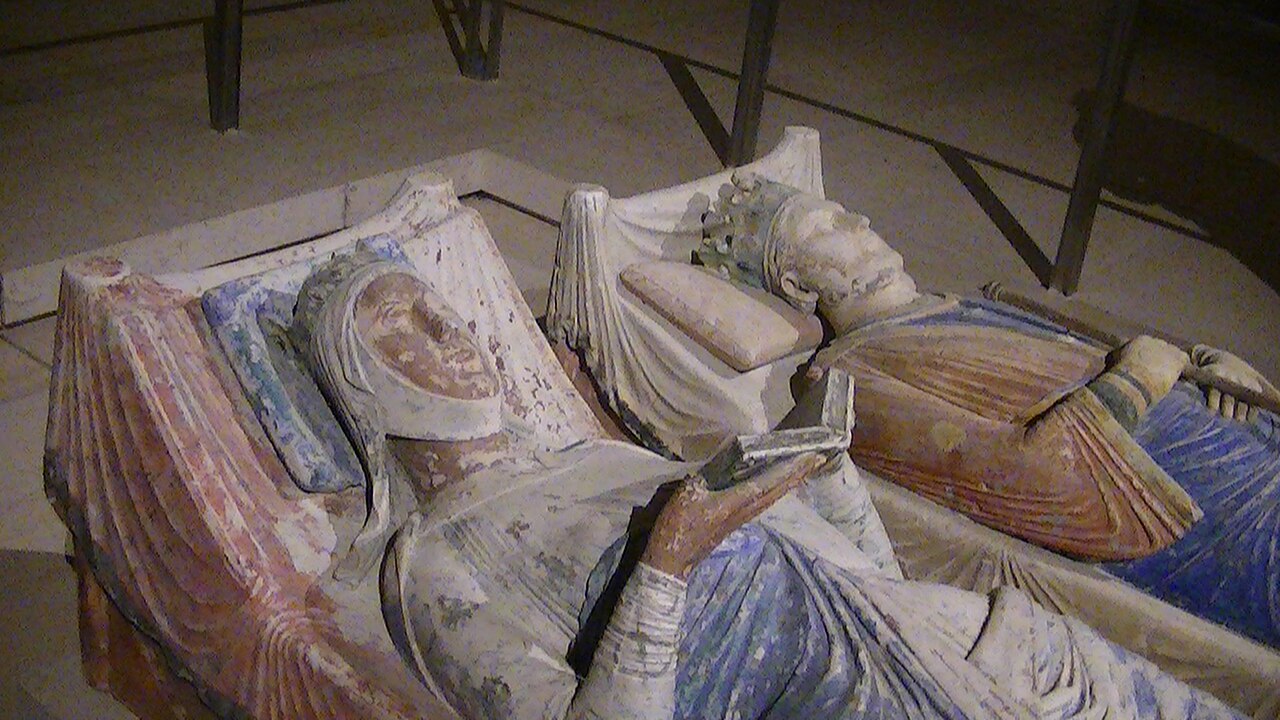
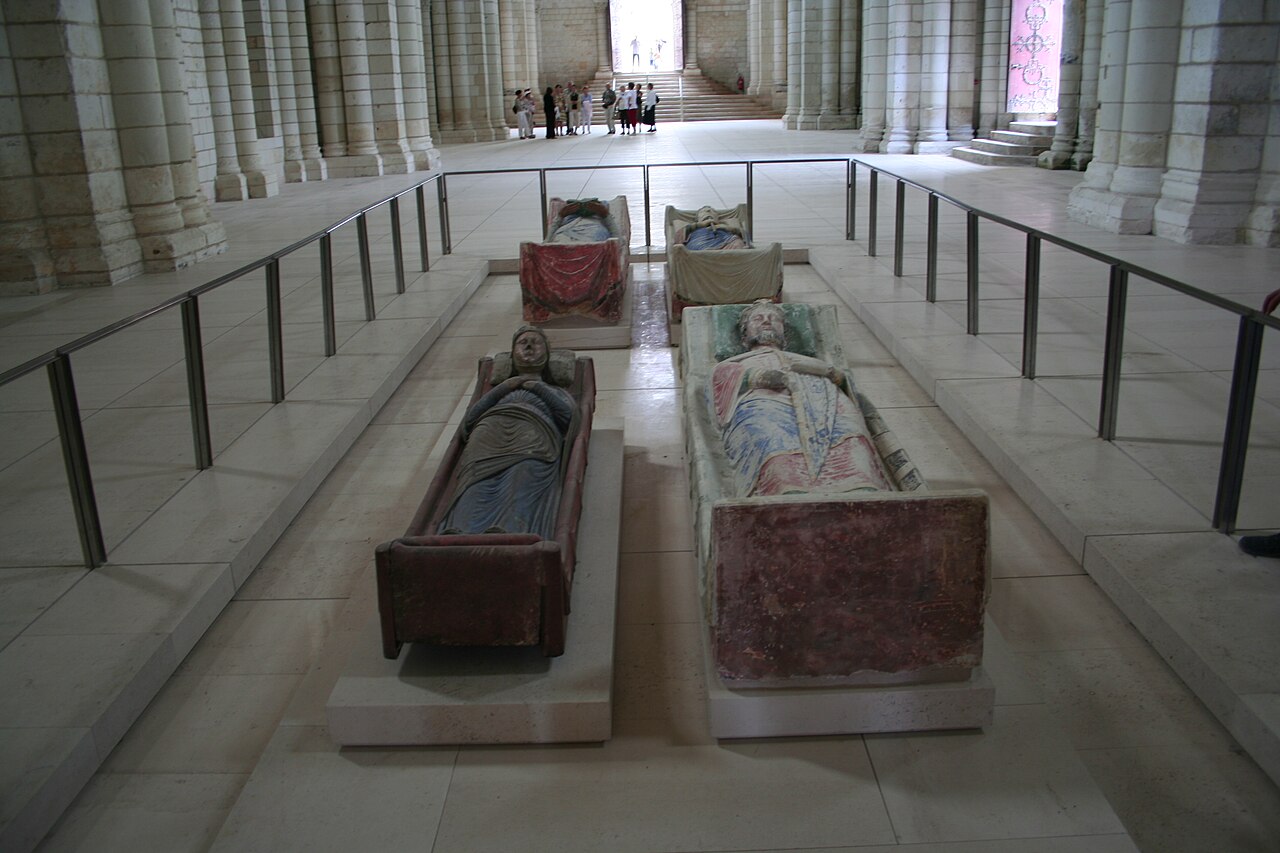
Grave of Eleanor of Aquitaine
 Painting
Secondary source
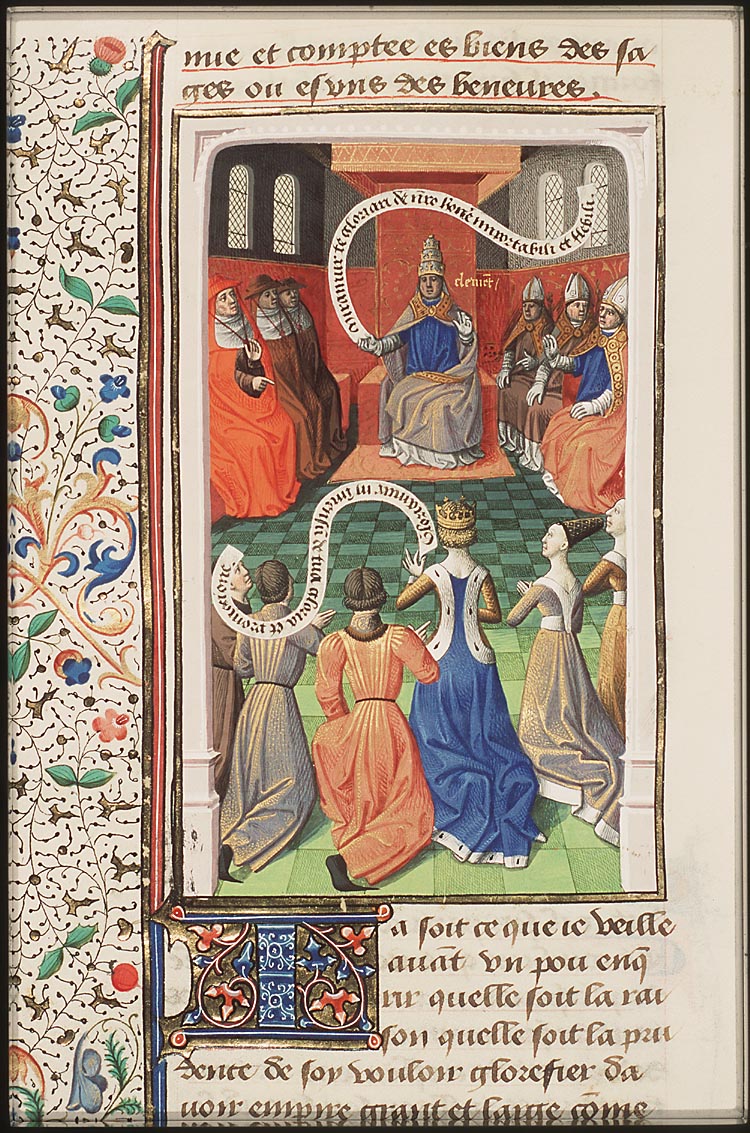
The Queen of England, Eleanor of Aquitaine, before Pope Clement III
Maïtre François
 Artifact
Primary source
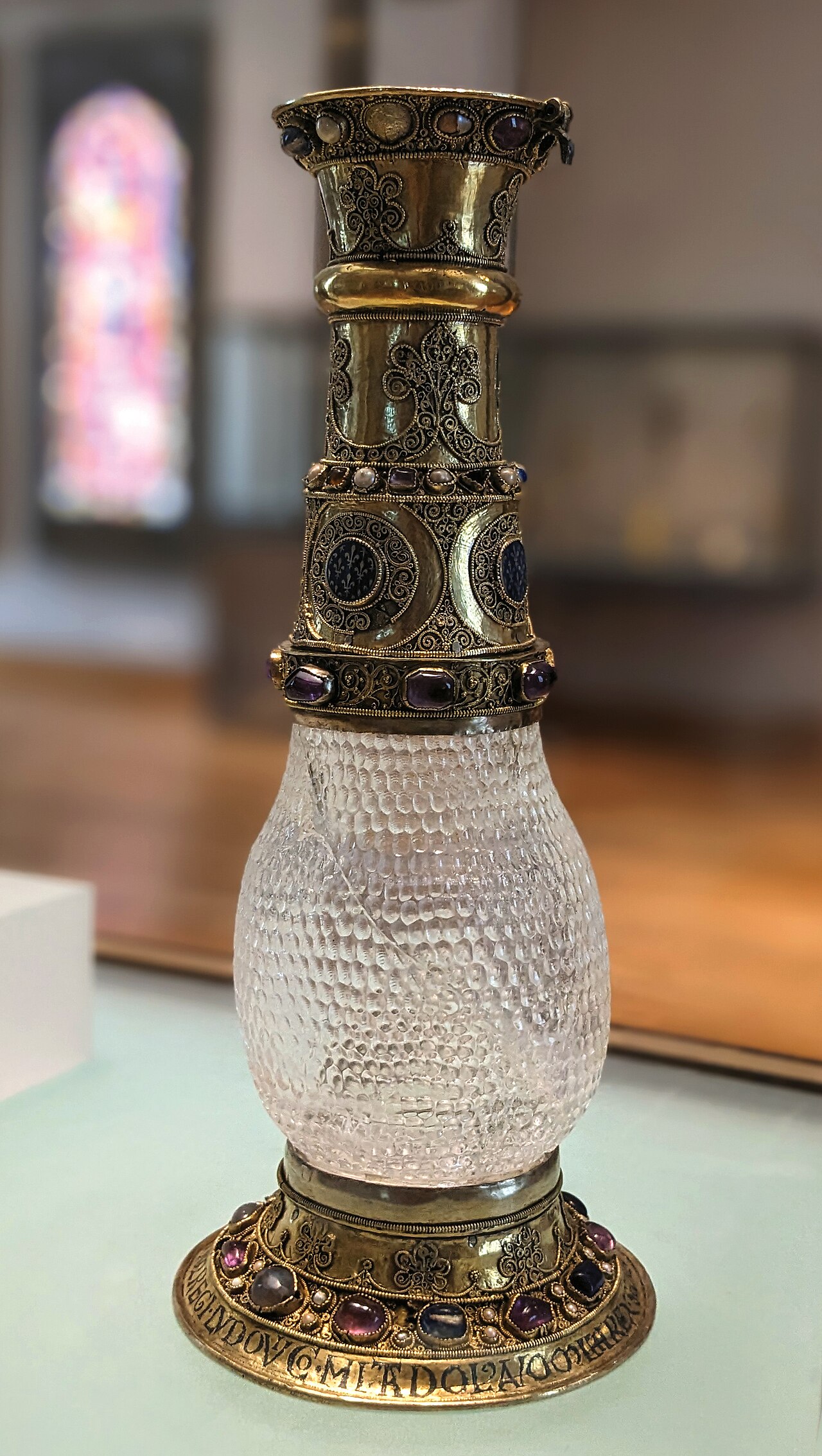
Crystal Vase of Eleanor of Aquitaine
c. 600 (object), given in the 12th century
 Artifact
Primary source
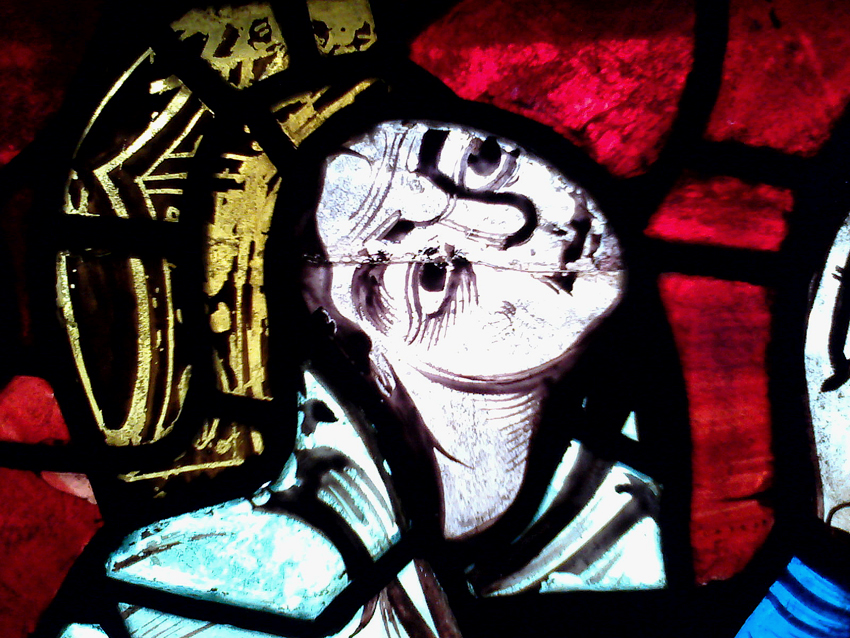
Crucifixion Window of Poitiers Cathedral
c. 1165-1170

Free account
Read every Eleanor of Aquitaine source
Sign up free →
Ready when you are
Start chatting with Eleanor of Aquitaine now.
20 messages free · No credit card · Available in 50+ languages.