


Secondary sourcePaintinglate 16th century or early 17th century
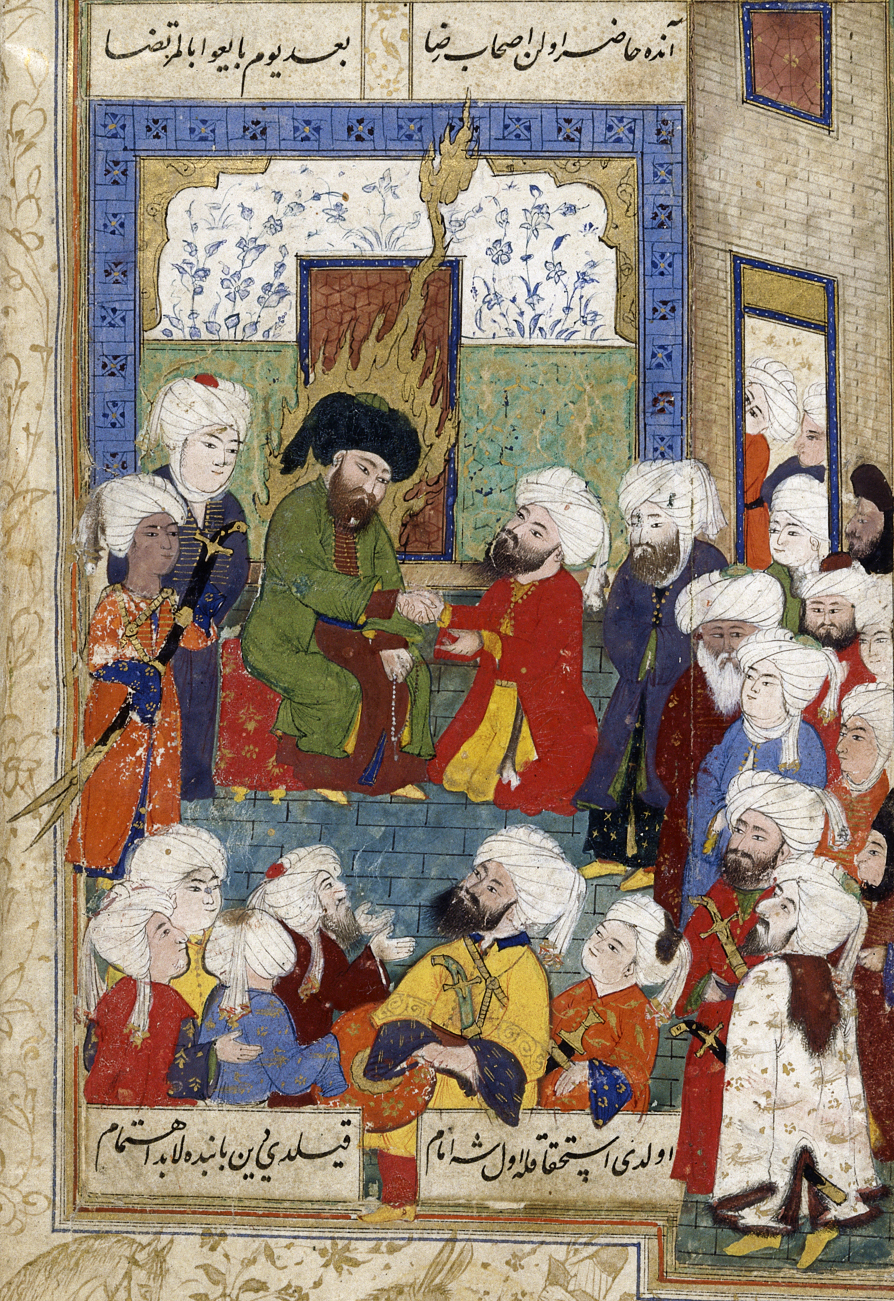
Pledge of Allegiance to Ali at Kufa
Unknown · late 16th century or early 17th century
A Persian-style miniature depicting the people of Kufa pledging allegiance to Ali after the murder of Uthman.
Depicts the moment the people of Kufa pledged allegiance to Ali, confirming his caliphate.
About this source
What it is
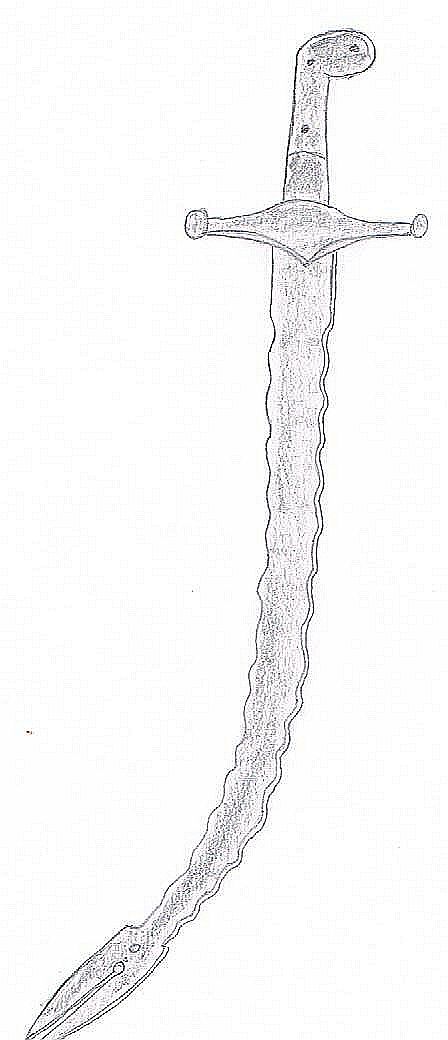
This miniature painting, maker unknown, dates from the late 16th or early 17th century. It shows the pledge of allegiance to Ali at Kufa following the murder of the previous caliph, Uthman. Ali is shown clasping hands with another man amid a crowd of turbaned figures, with an attendant holding his sword, Zulfiqar.
Why it matters
This scene marks Ali's accession as caliph after a crisis in the young Muslim community. The painting, made long after the event, also includes a black attendant, possibly identified as Bilal, showing how diverse figures from early Islamic history were remembered and included in later art.
Look closer
- Why do you think the artist placed a flaming halo behind Ali?
- What might the presence of the attendant holding Zulfiqar tell us about how Ali was remembered?
- How does this crowded scene convey the importance of the moment?
This painting is part of the curated material that grounds the AI version of Alī ibn Abī Ṭālib and Uthman ibn Affan on Humy.ai — when students ask about related events, the AI can quote it and cite it.
More Alī ibn Abī Ṭālib sources
Browse all 74 →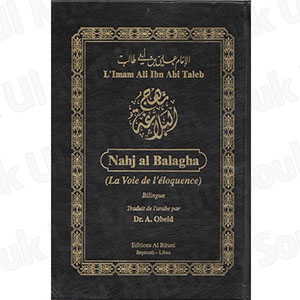 Book
Secondary source
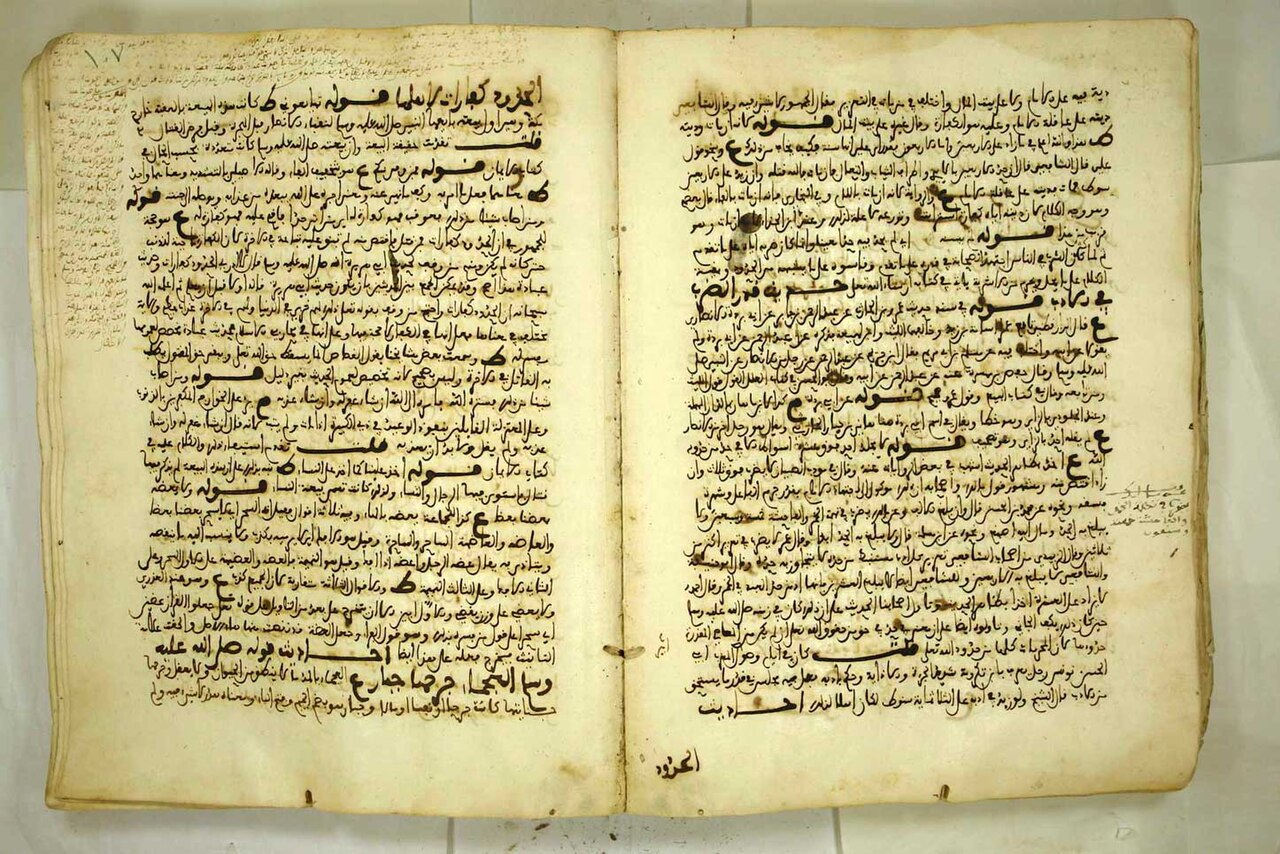
Nahj al-Balagha
Sharif al-Radi · c. 1000
 Artifact
Secondary source
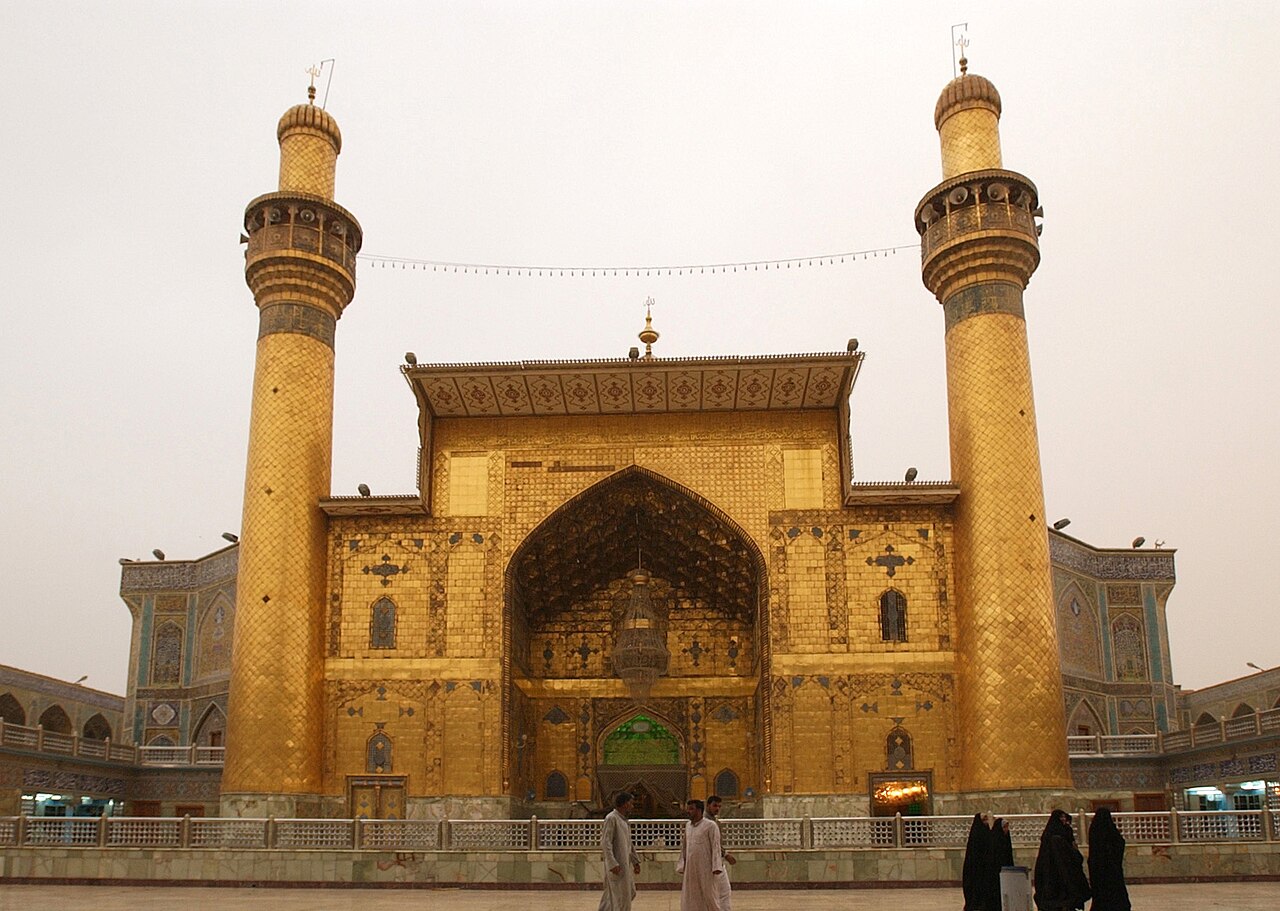
Imam Ali Shrine
977
 Artifact
Secondary source
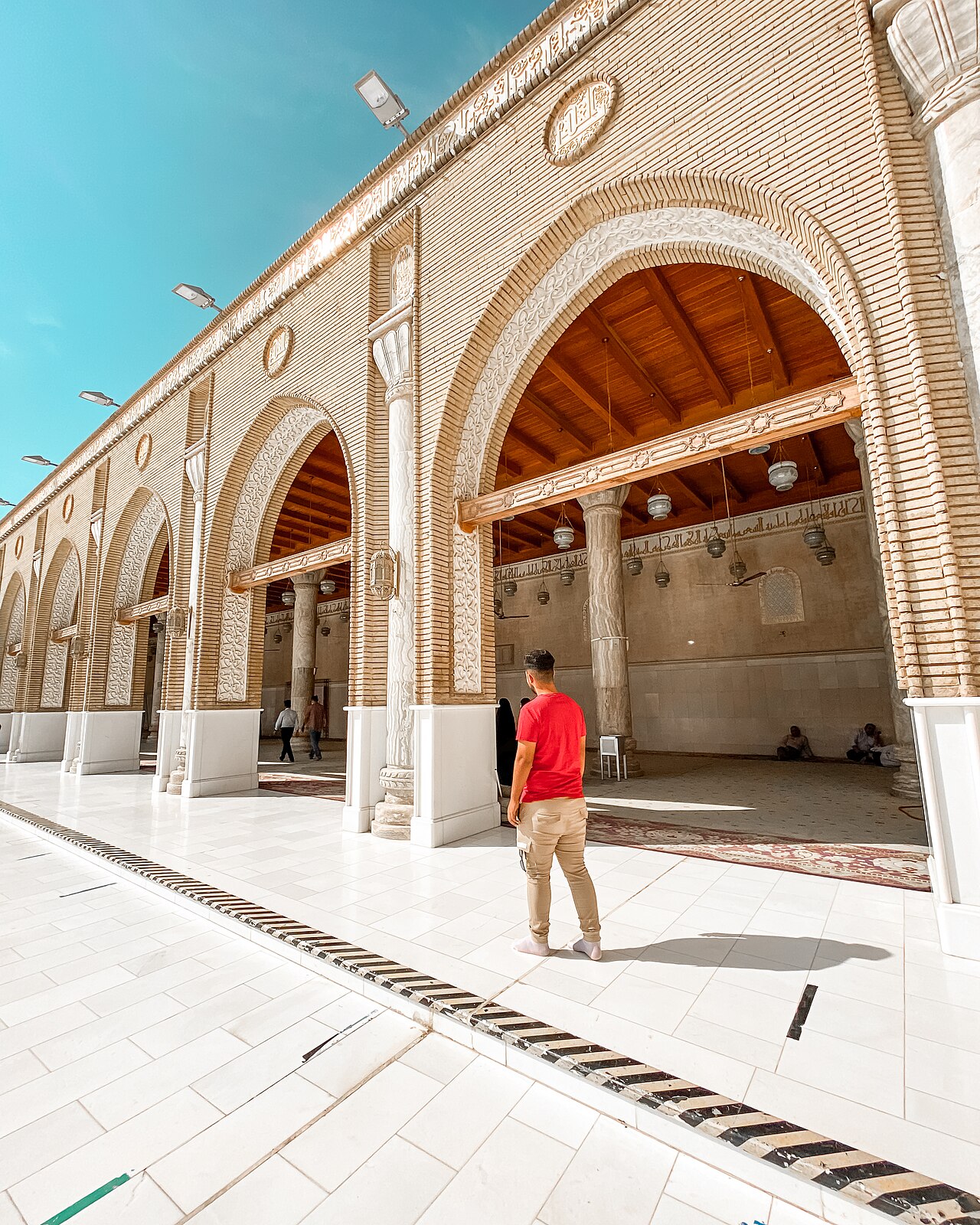
Great Mosque of Kufa
founded 638, completed 670s
 Book
Secondary source
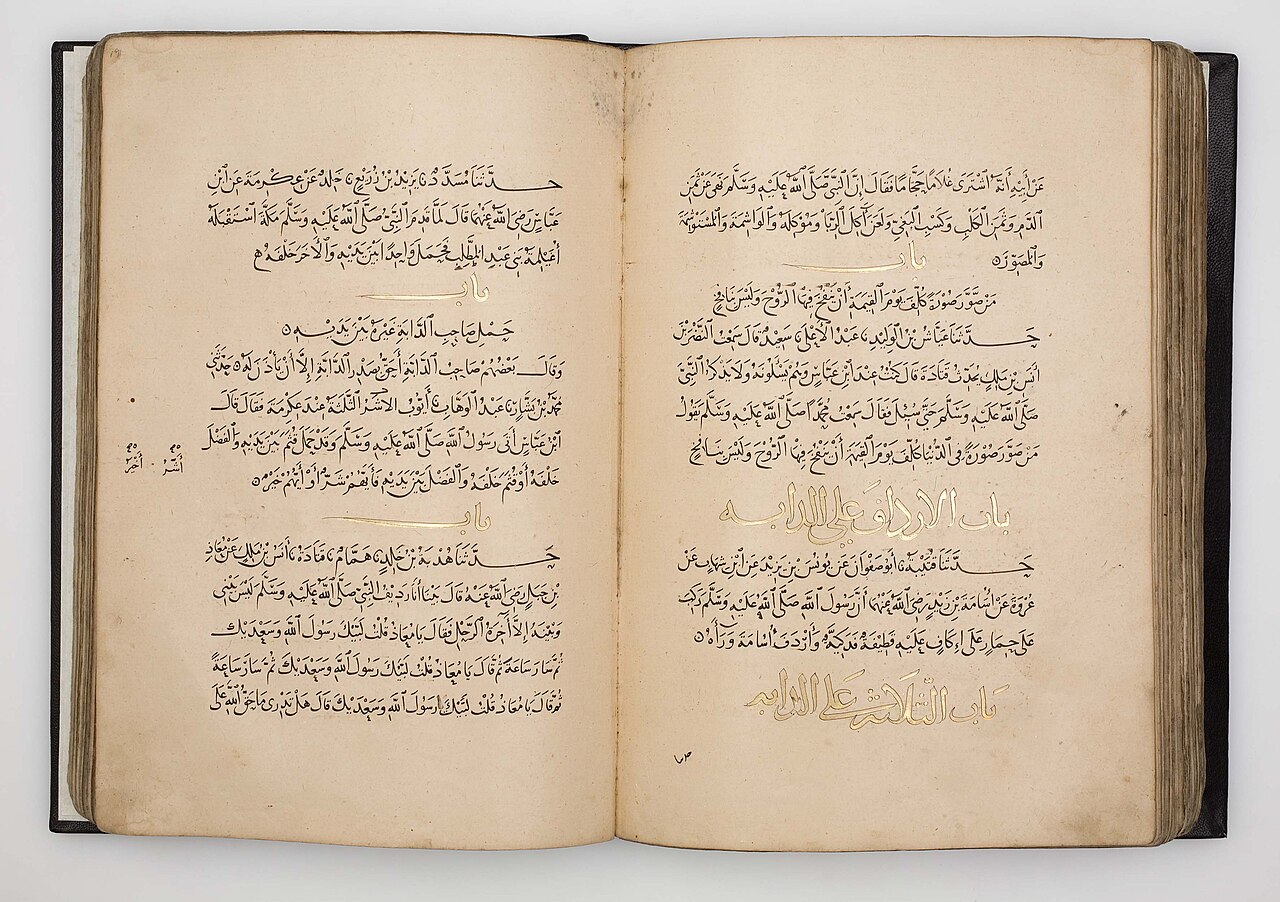
Sahih Muslim
Muslim ibn al-Hajjaj · c. 900
Free account
Read every Alī ibn Abī Ṭālib source
Sign up free →
Ready when you are
Start chatting with Alī ibn Abī Ṭālib now.
20 messages free · No credit card · Available in 50+ languages.