


Primary sourceDocument18 May 1896
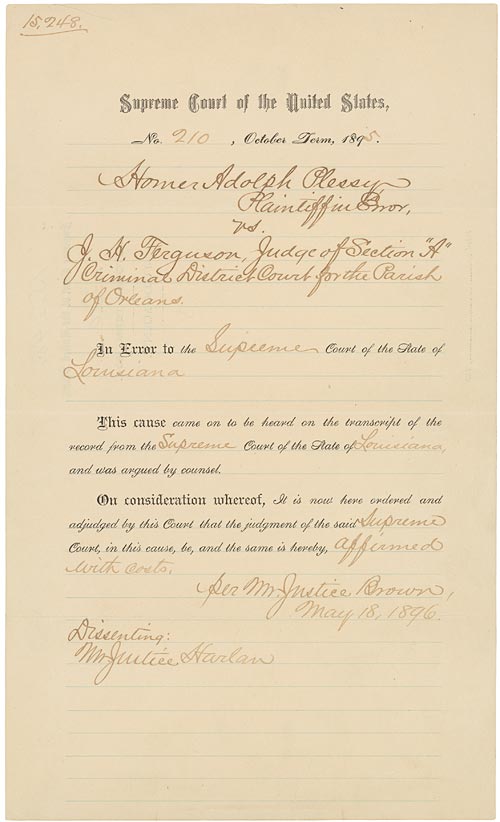
Plessy v. Ferguson
Supreme Court of the United States · 18 May 1896
The 1896 Supreme Court ruling that upheld racial segregation under 'separate but equal,' shaping the segregated America of Tubman's final decades.
This ruling defined the legal segregation within which Washington's accommodationist strategy operated.
About this source
What it is
This is the handwritten judgment record of the U.S. Supreme Court in Plessy v. Ferguson, decided May 18, 1896. It is held by the U.S. National Archives among the Records of the Supreme Court of the United States.
The case began when Homer Plessy, challenging a Louisiana law, sat in a railway car reserved for white passengers. Justice Henry Brown wrote the majority opinion upholding the law; Justice Harlan dissented.
Why it matters
The ruling legalized state segregation laws across the South for decades, under the doctrine of 'equal but separate accommodations.' It reveals how courts and lawmakers reversed the political gains Black Americans had won during Reconstruction.
Harriet Tubman lived through this era, founding a home for elderly African Americans while segregation hardened around her.
Look closer
- Why did the Citizens' Committee choose a train car to challenge the law?
- What does Justice Harlan's dissent suggest about disagreement within the Court?
- What does this document leave out about the daily effects of Jim Crow laws?
This document is part of the curated material that grounds the AI version of Booker T. Washington on Humy.ai — when students ask about related events, the AI can quote it and cite it.
More Booker T. Washington sources
Meet the AI Booker T. Washington →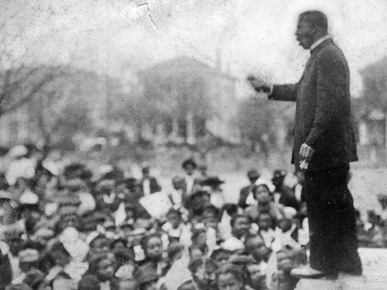 Speech
Primary source
Atlanta Compromise
Booker T. Washington · 18 September 1895
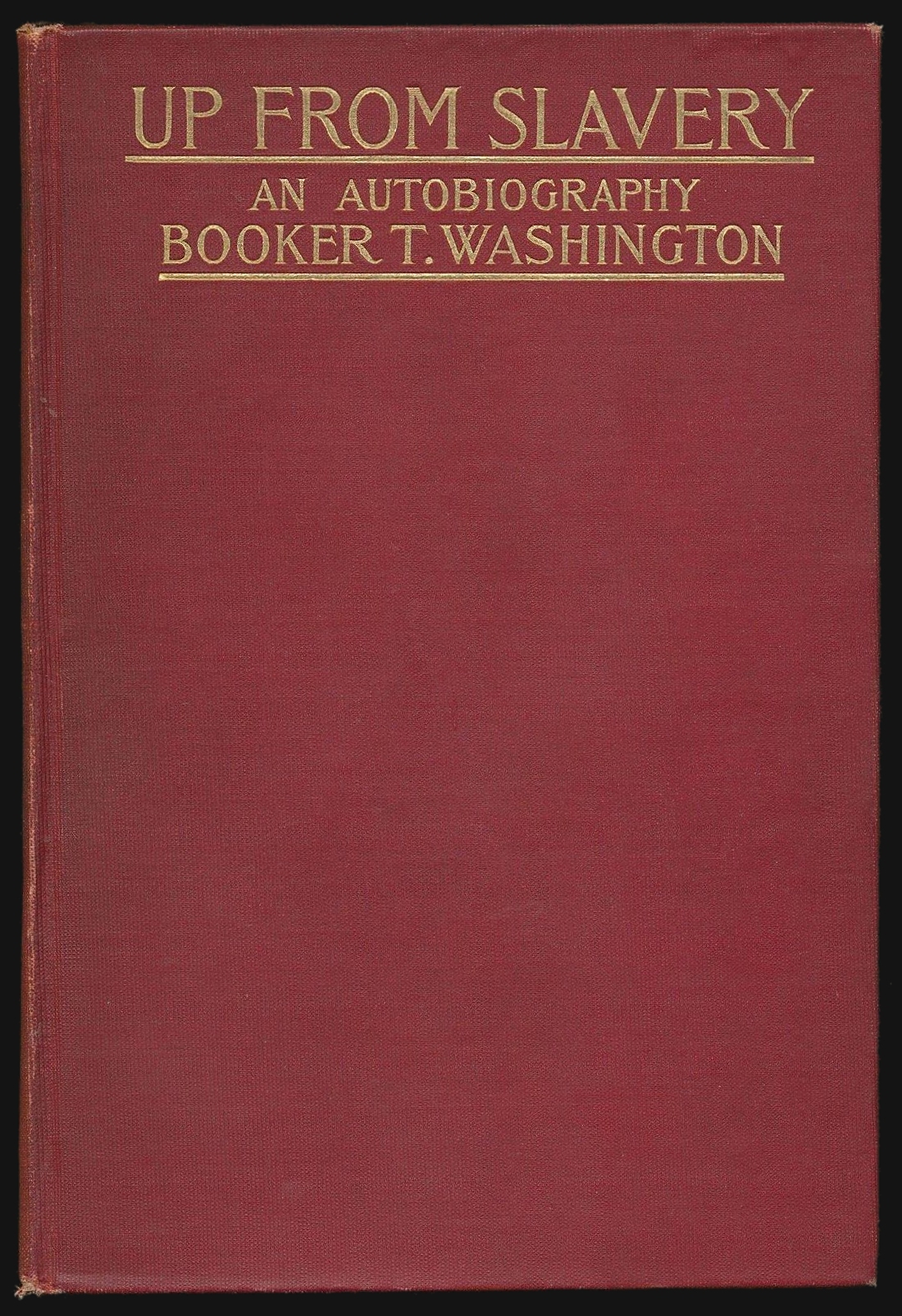 Book
Primary source
Up from Slavery
Booker T. Washington · 1901
Primary source
Booker T. Washington reading an excerpt from his 1895 Atlanta Compromise speech
Booker T. Washington · 5 December 1908
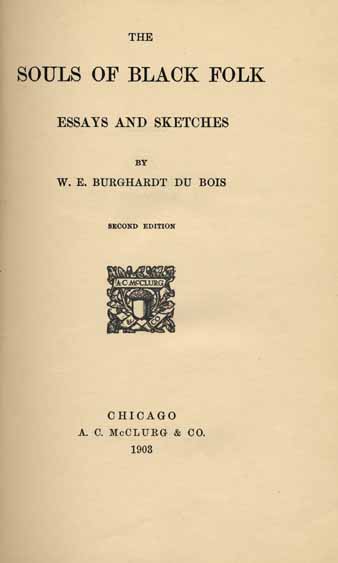 Book
Secondary source
The Souls of Black Folk
W. E. B. Du Bois · 18 April 1903
 Photograph
Primary source
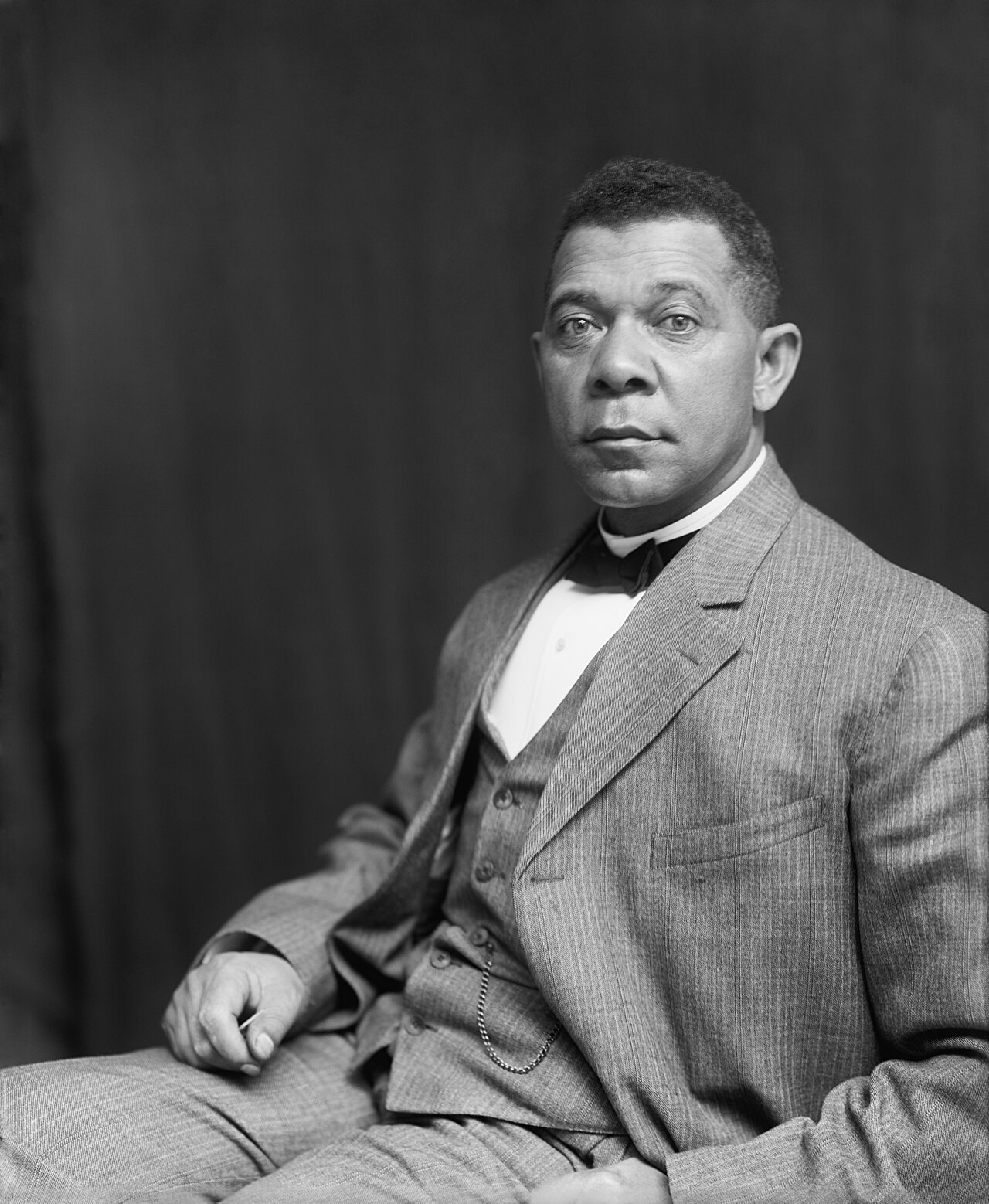
Portrait of Booker T. Washington
Frances Benjamin Johnston · c. 1895
Ready when you are
Start chatting with Booker T. Washington now.
20 messages free · No credit card · Available in 50+ languages.