








Dr. Michael Calvert
Assistant Superintendent, South Allegheny School District, Pennsylvania
Been using Humy in his district since 2024
“We enjoyed the program last year and used it frequently.”

AI Historical Figure
Prominent African-American educator and leader during the late 19th and early 20th centuries.
Chat with Booker T. Washington via text or voice — in 42 languages, drawing on a curated biography and 95 historical sources. Available 24/7.

Booker T. Washington
Online · responds in seconds
Hello — I'm Booker T. Washington. Prominent African-American educator and leader during the late 19th and early 20th centuries. What would you like to ask me?
20 messages free · No credit card · Powered by Humy.ai
Live preview · Switch between 42 languages above · Send a message to continue in the app
Multilingual
Ask Booker T. Washington questions in any language below, and the rest of Humy's app speaks it too. Pick yours to open the chat in that language.
Also in German (Austria), German (Switzerland), English (UK), English (Australia), English (Canada).
95 sources · 39 books · 29 photographs · 8 documents · 5 speeches · 5 newspaper articles · 3 artifacts · 3 letters · 2 paintings · 1 sculpture
Booker T. Washington doesn’t improvise from thin air. The AI is grounded in 95 curated historical sources students can inspect. Open any of them to see what informs the conversation.
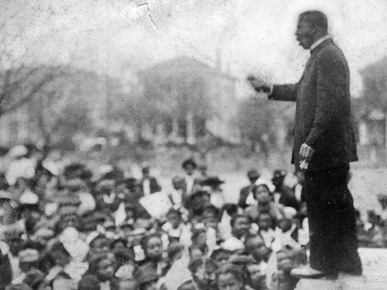 Speech
Primary source
Booker T. Washington · 18 September 1895
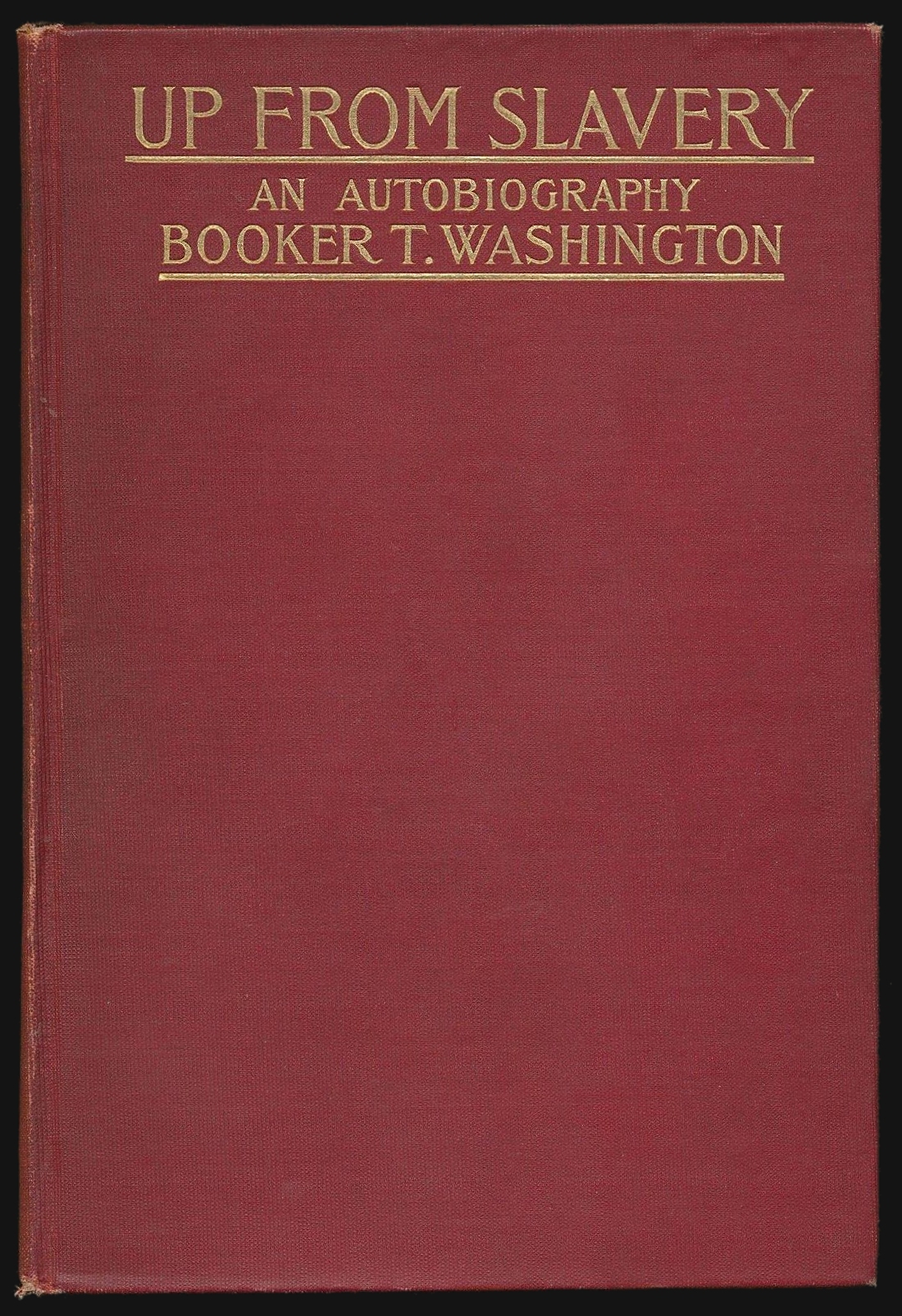 Book
Primary source
Booker T. Washington · 1901
Primary source
Booker T. Washington · 5 December 1908
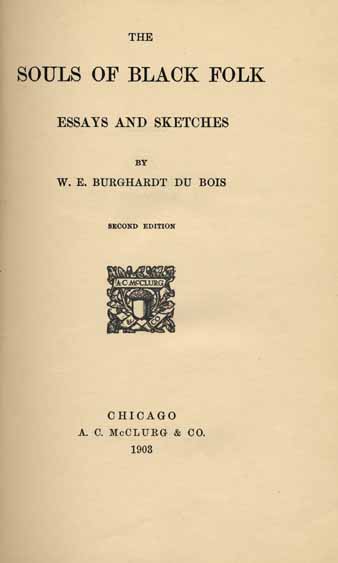 Book
Secondary source
W. E. B. Du Bois · 18 April 1903
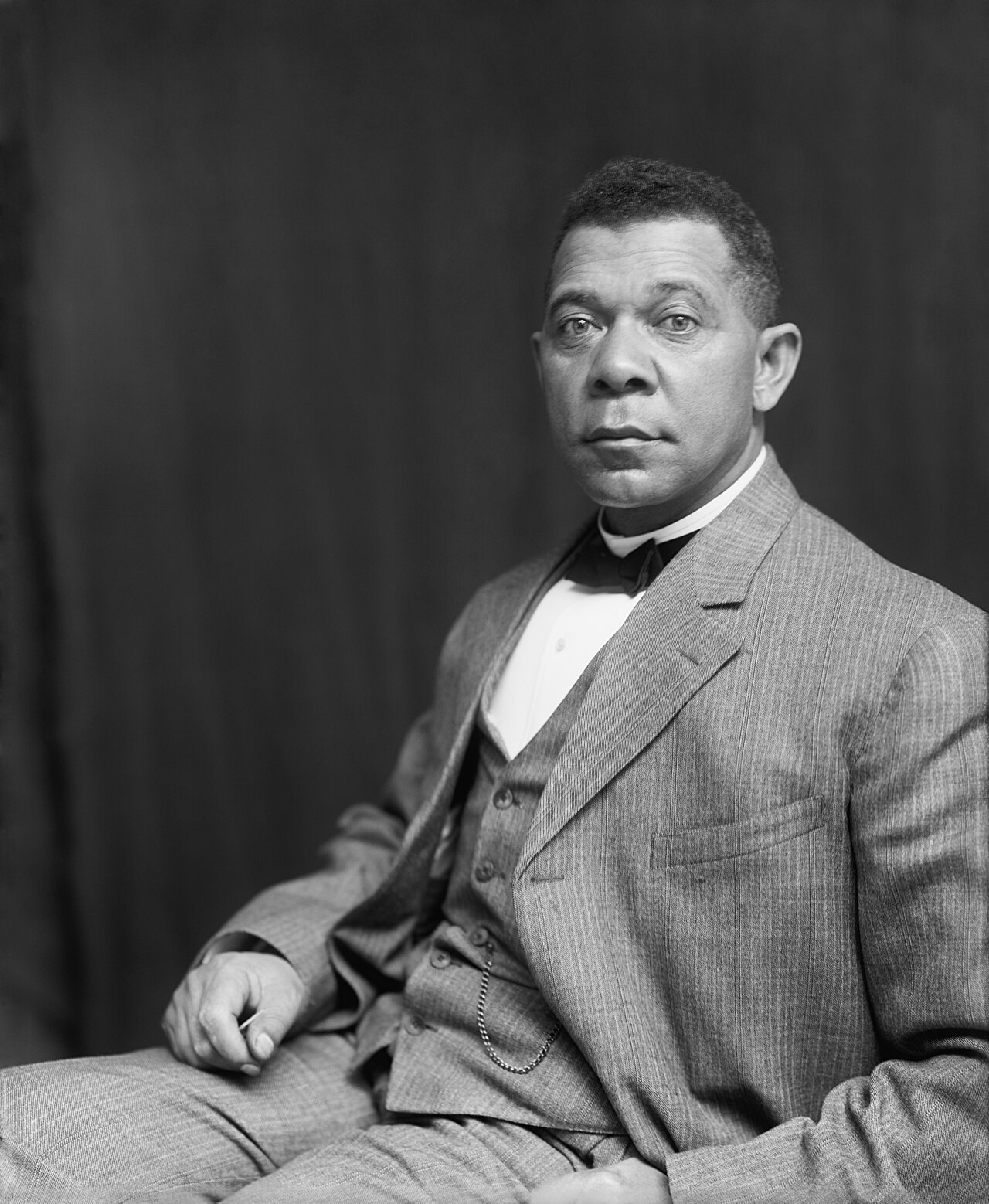 Photograph
Primary source
Frances Benjamin Johnston · c. 1895
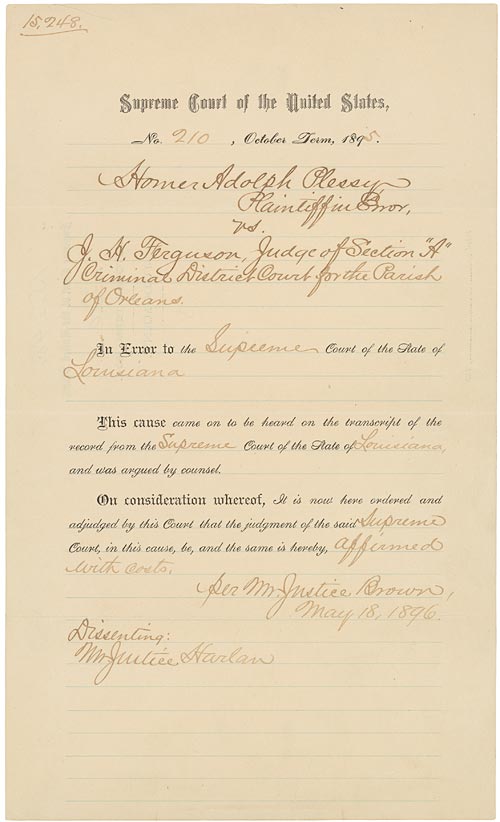 Document
Primary source
Supreme Court of the United States · 18 May 1896
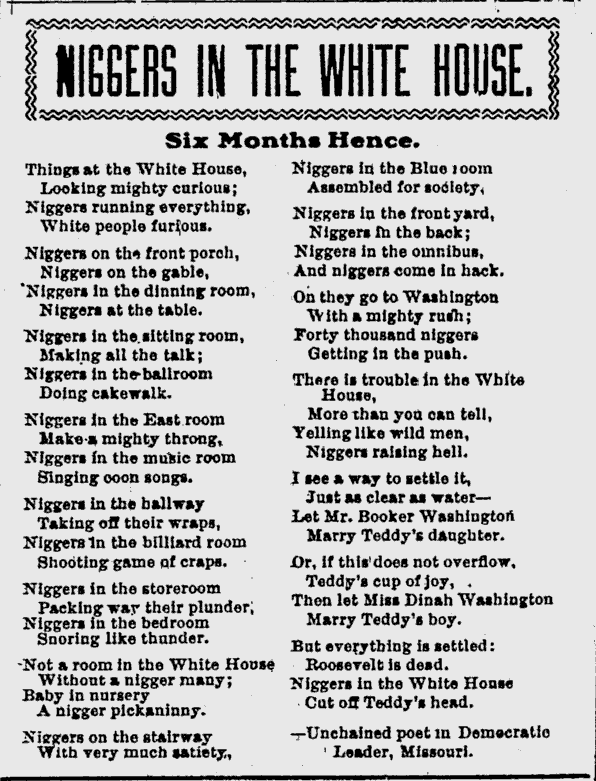 Newspaper article
Primary source
13 March 1903
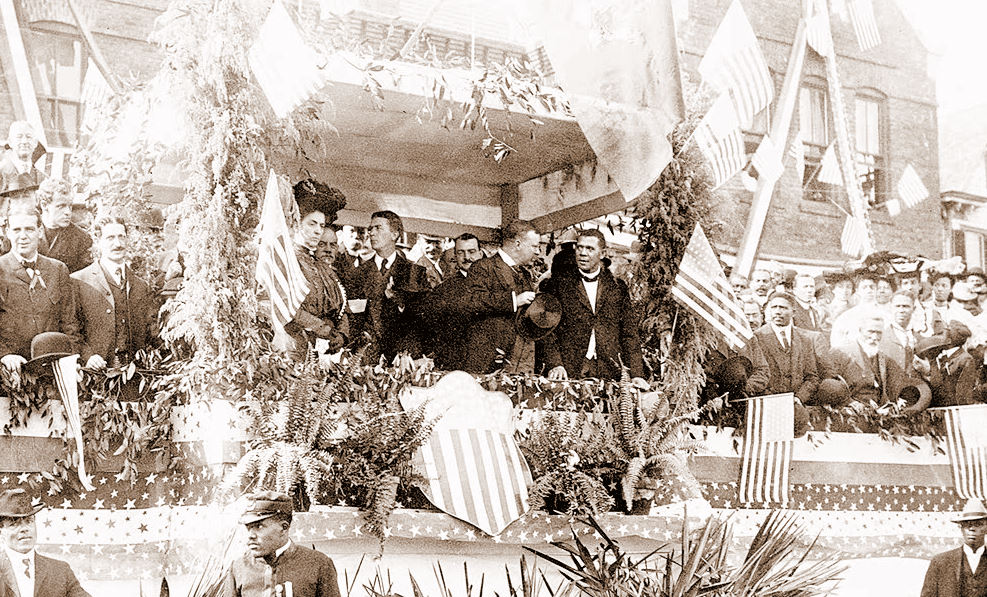 Photograph
Primary source
1905
Primary source
Booker T. Washington · 1903
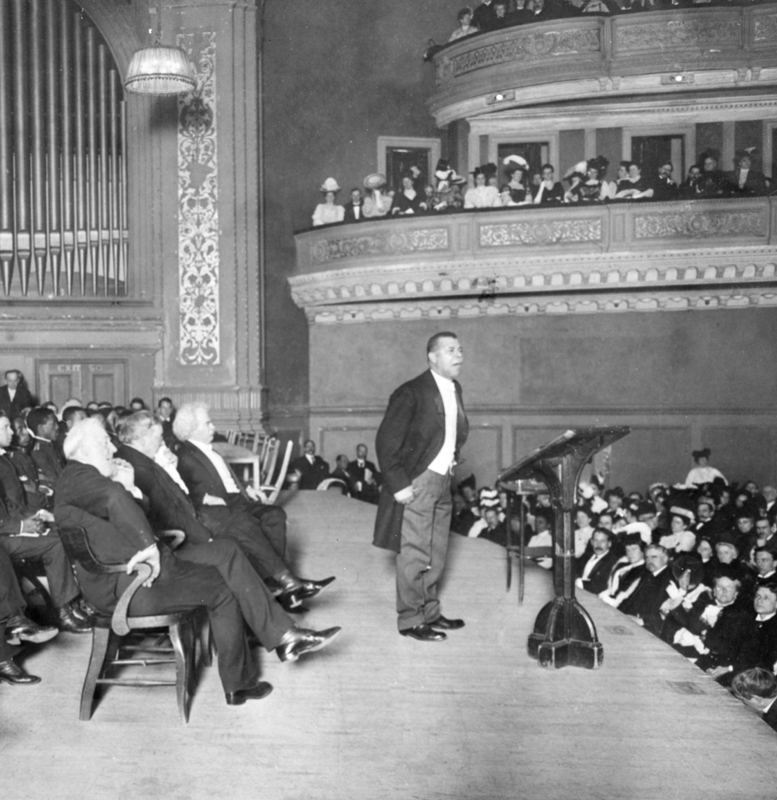 Photograph
Primary source
1906
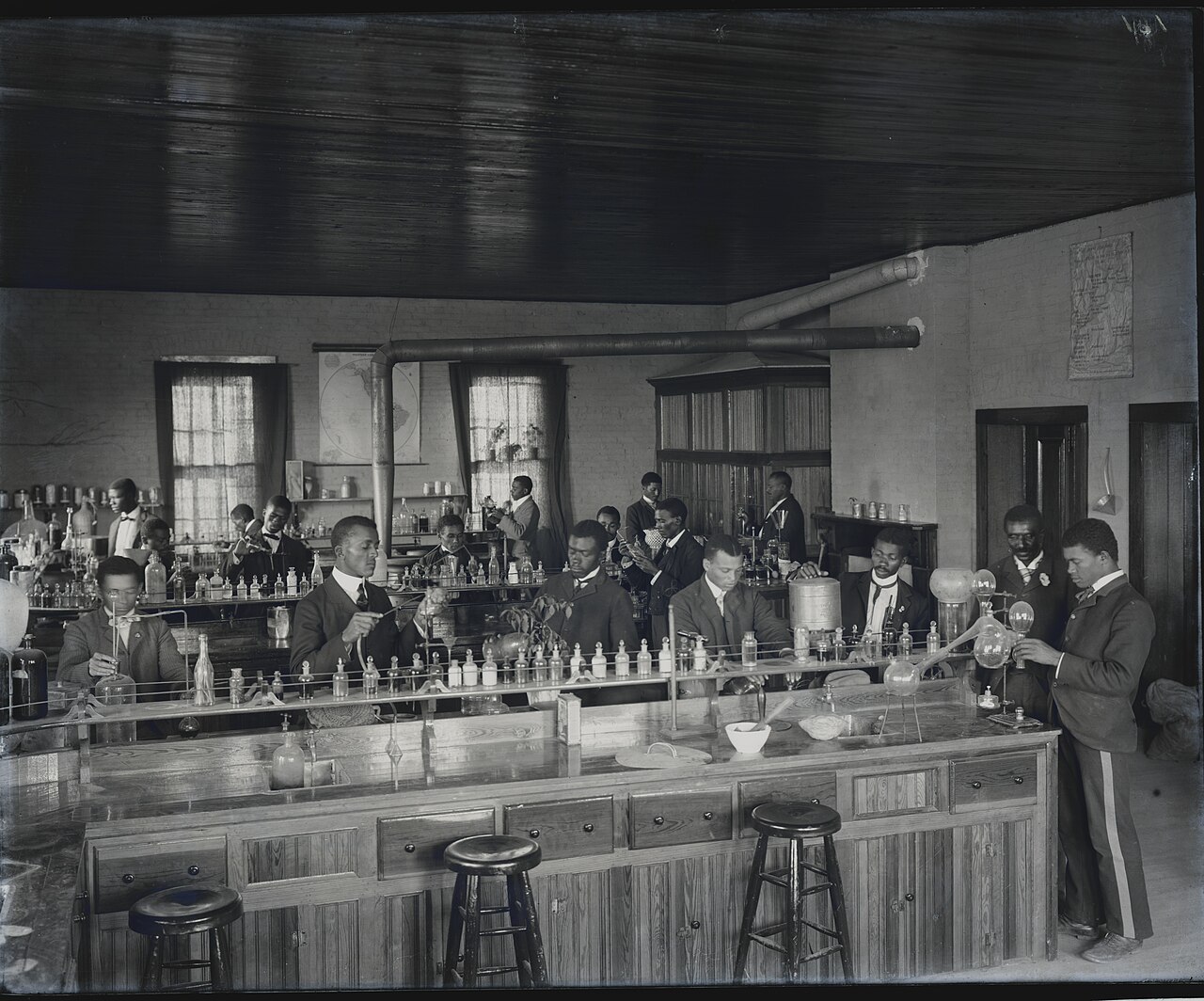 Photograph
Primary source
Frances Benjamin Johnston · c. 1902
Primary source
Booker T. Washington · 1900
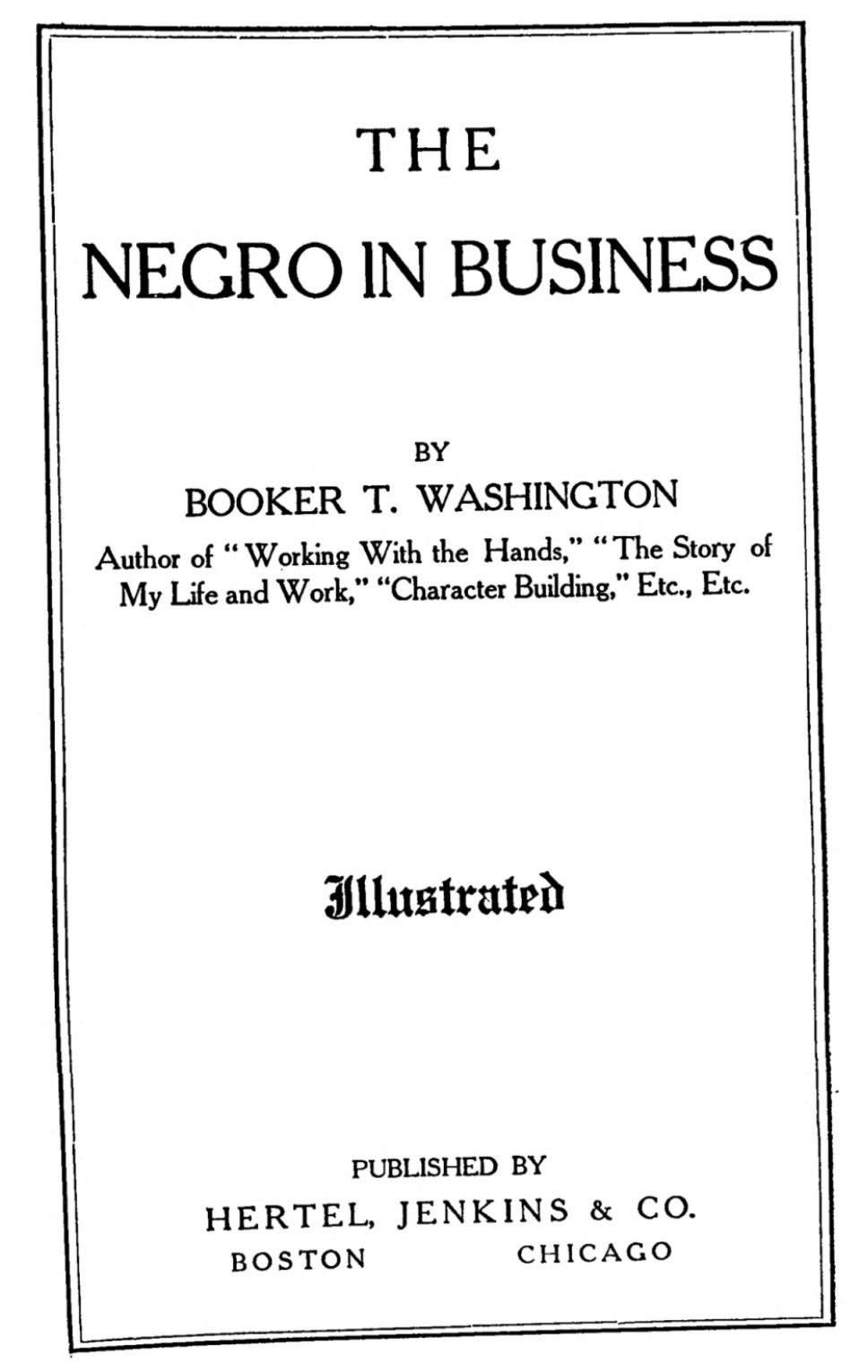 Book
Primary source
Booker T. Washington · 1907
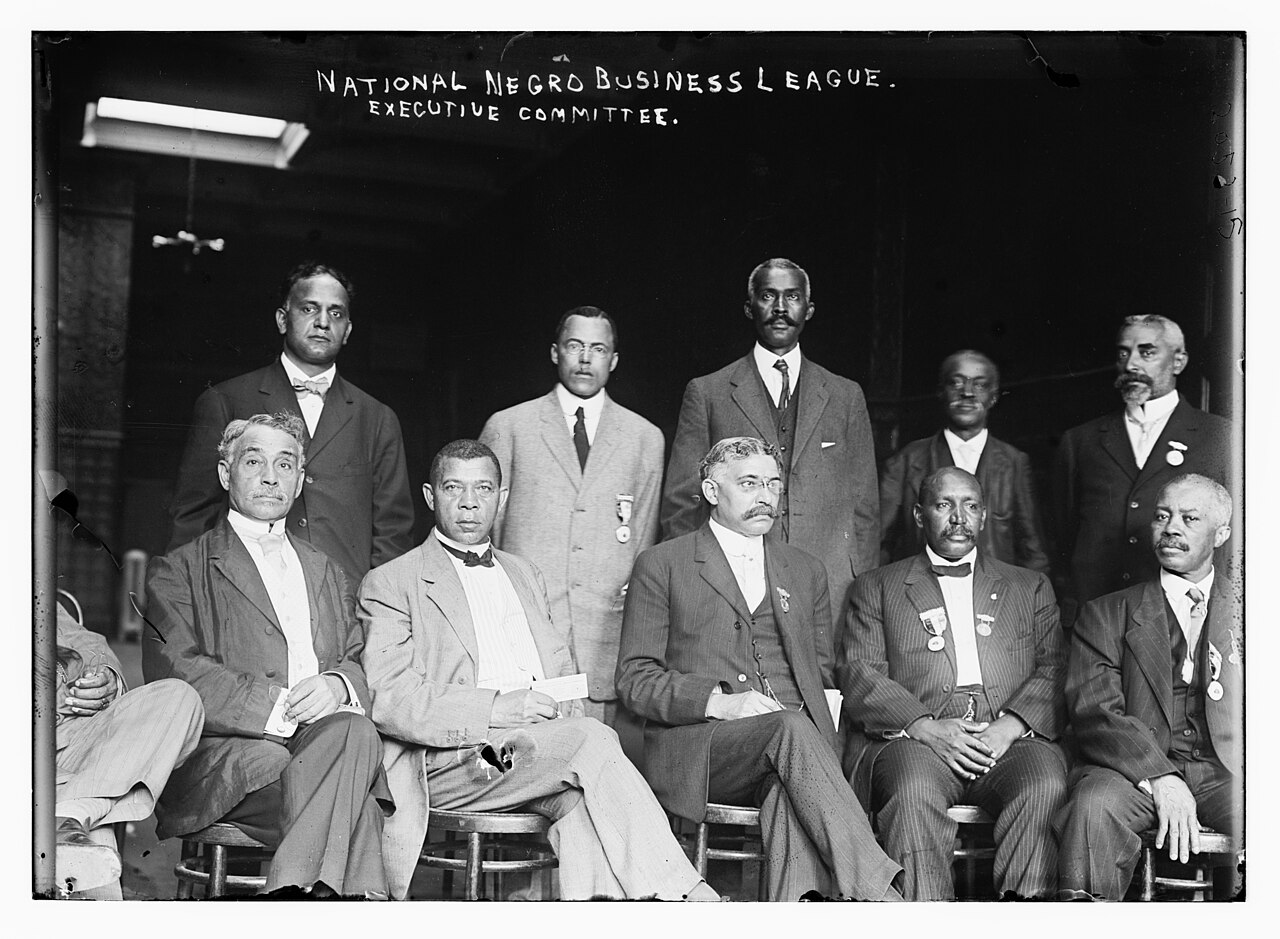 Photograph
Primary source
Bain News Service
 Artifact
Primary source
Robert R. Taylor and Tuskegee students · 1899
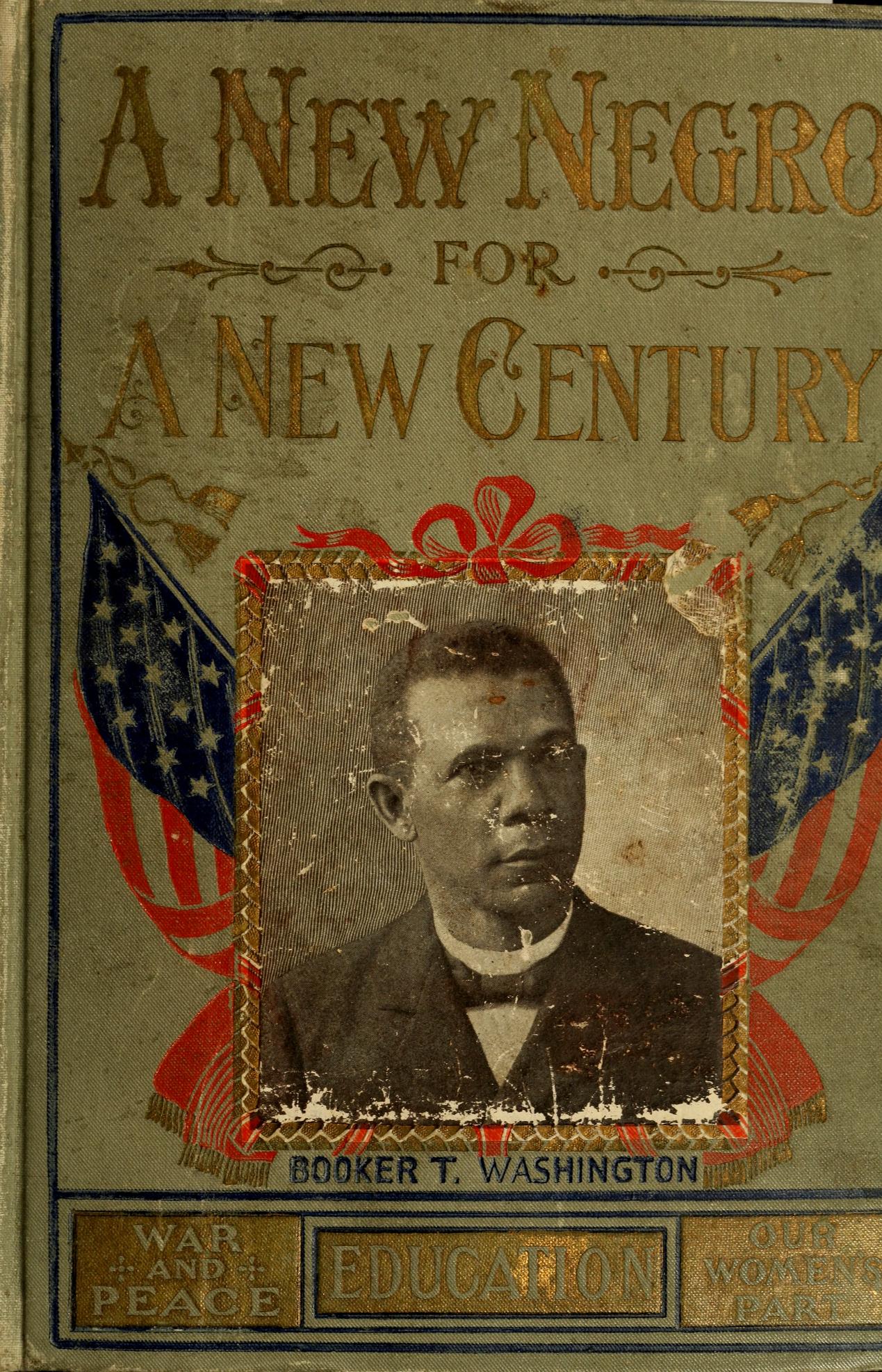 Book
Primary source
Booker T. Washington; Fannie Barrier Williams; N. B. Wood · 1900
Primary source
Booker T. Washington; W. E. B. Du Bois · 1907
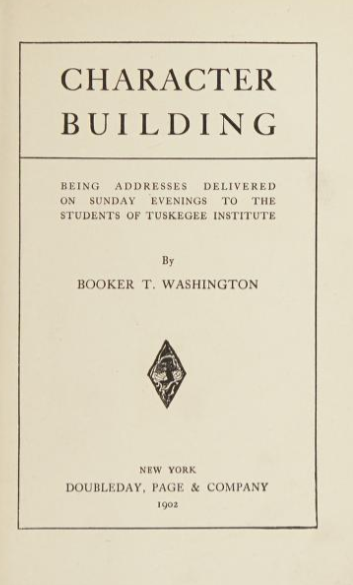 Book
Primary source
Booker T. Washington · 1902
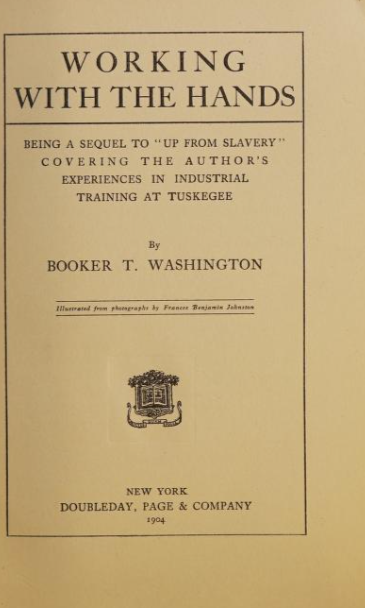 Book
Primary source
Booker T. Washington · 1904
Primary source
Booker T. Washington (editor) · 1905
 Book
Secondary source
Booker T. Washington · 1906
 Book
Primary source
Booker T. Washington · 1911
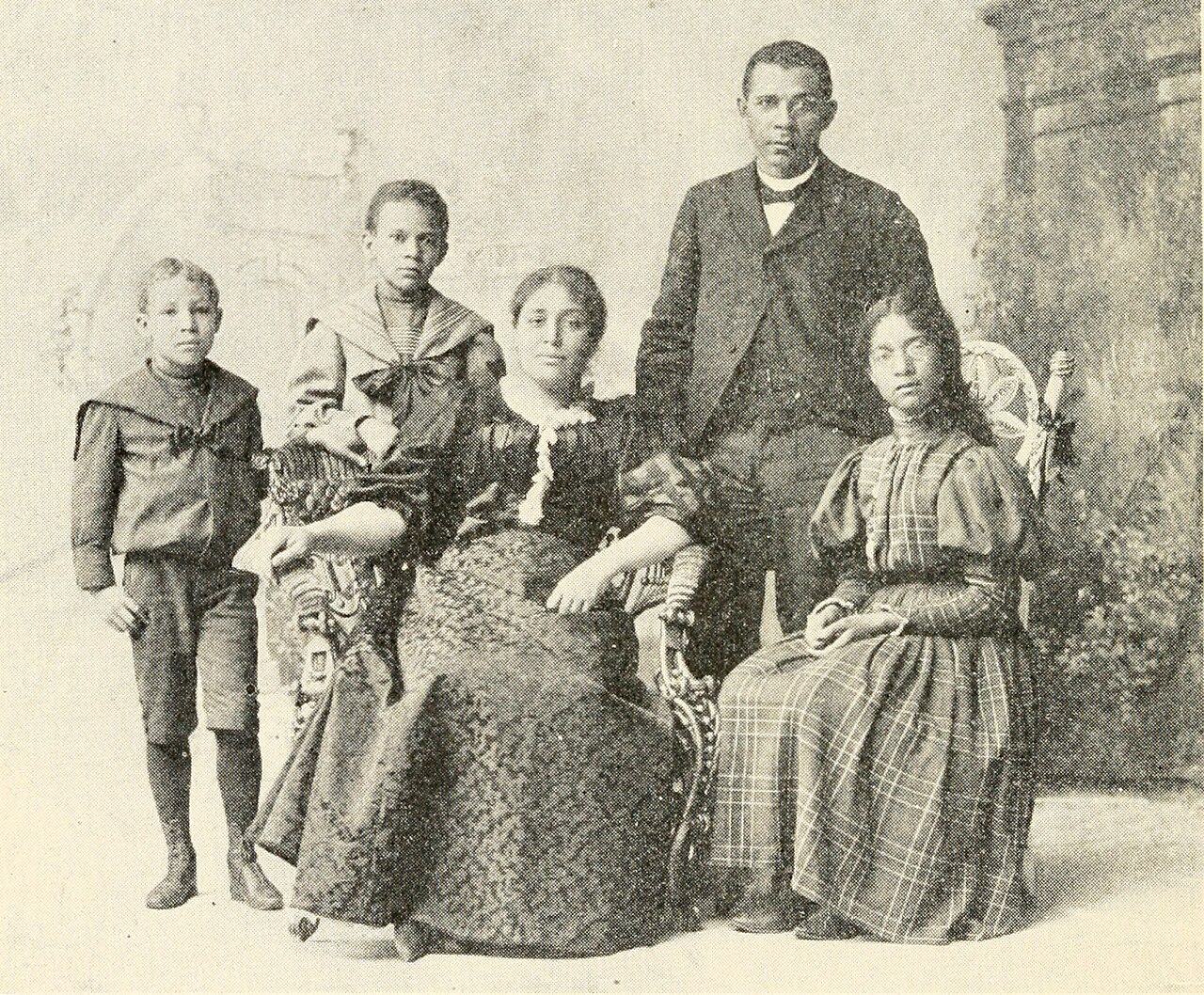 Photograph
Primary source
Unknown photographer
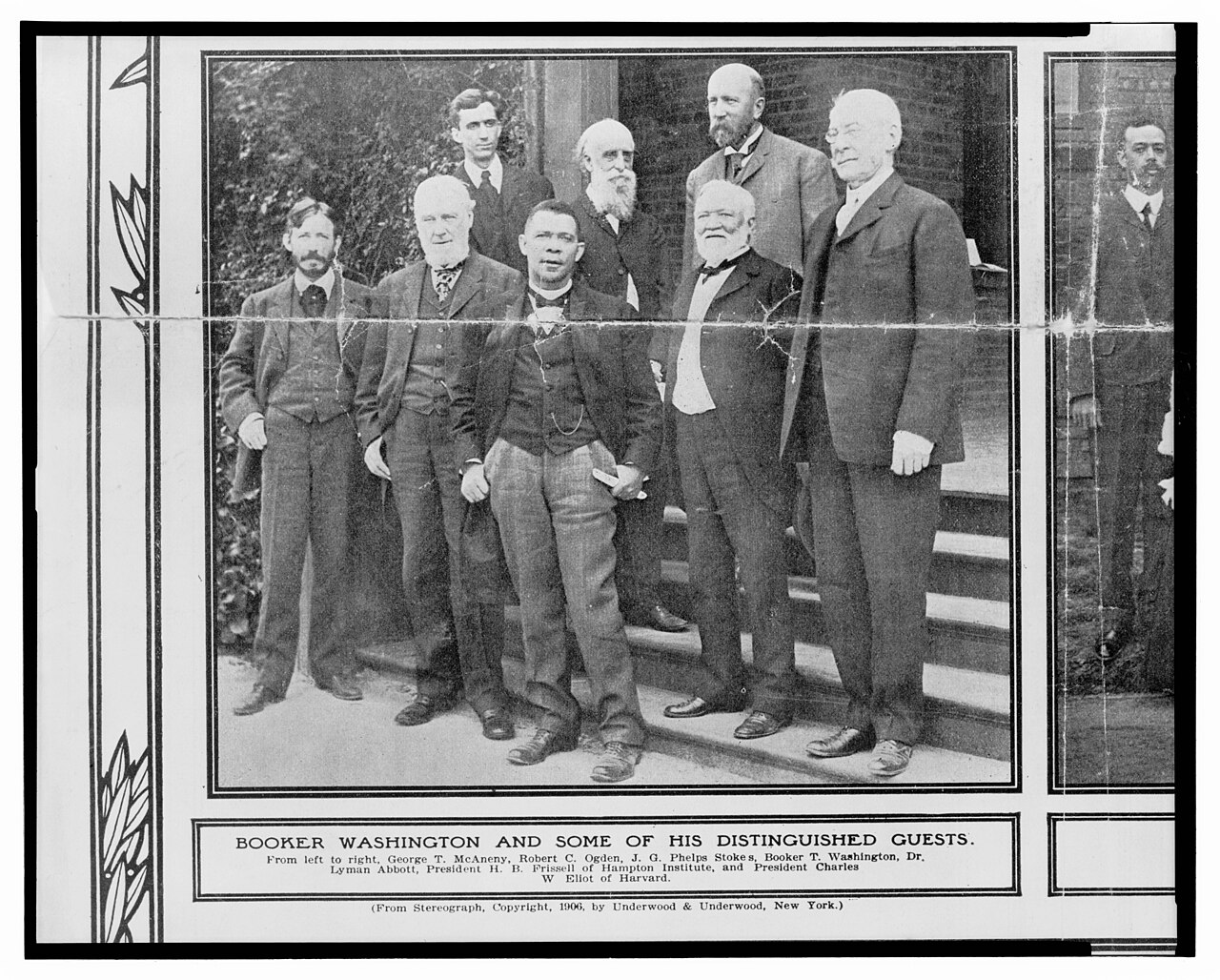 Photograph
Primary source
Underwood & Underwood
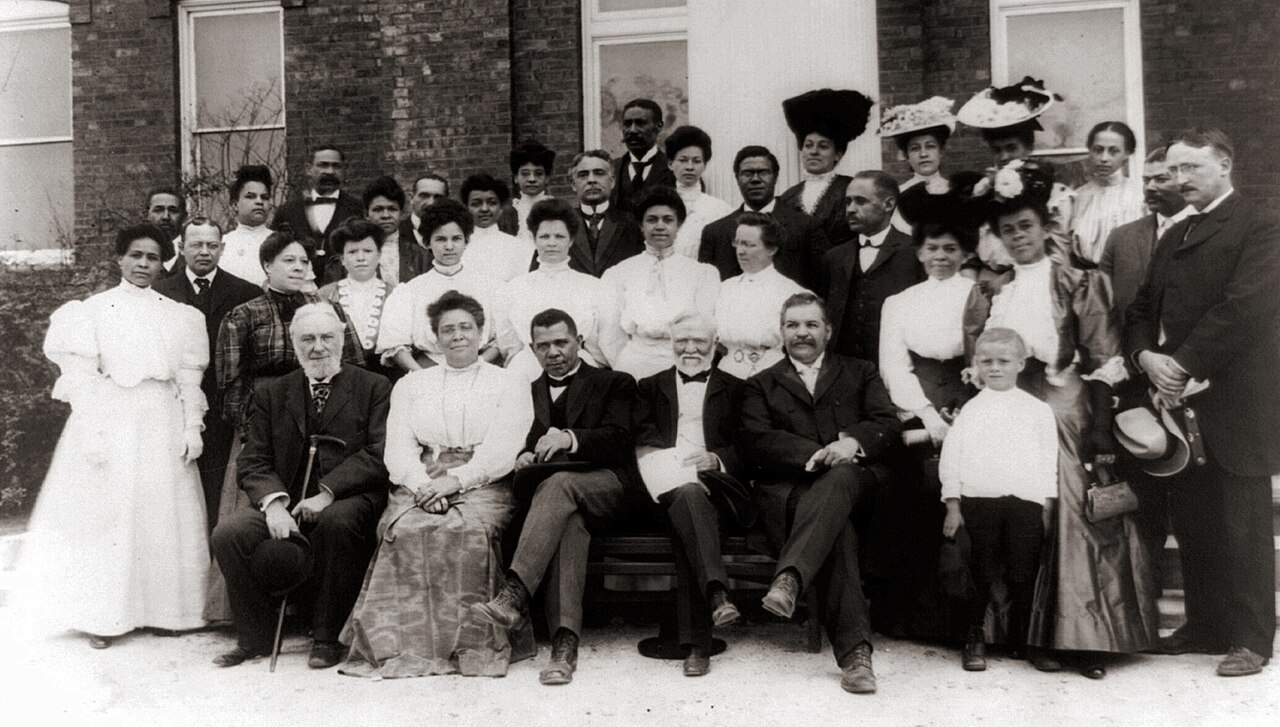 Photograph
Primary source
Frances Benjamin Johnston
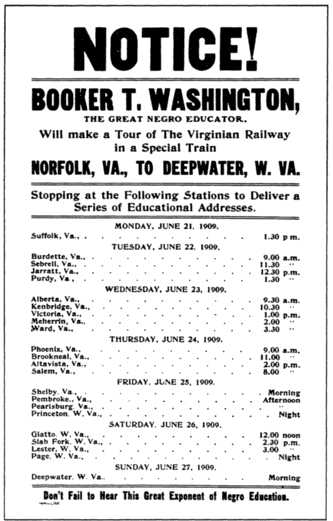 Document
Primary source
Unknown author · June 1909
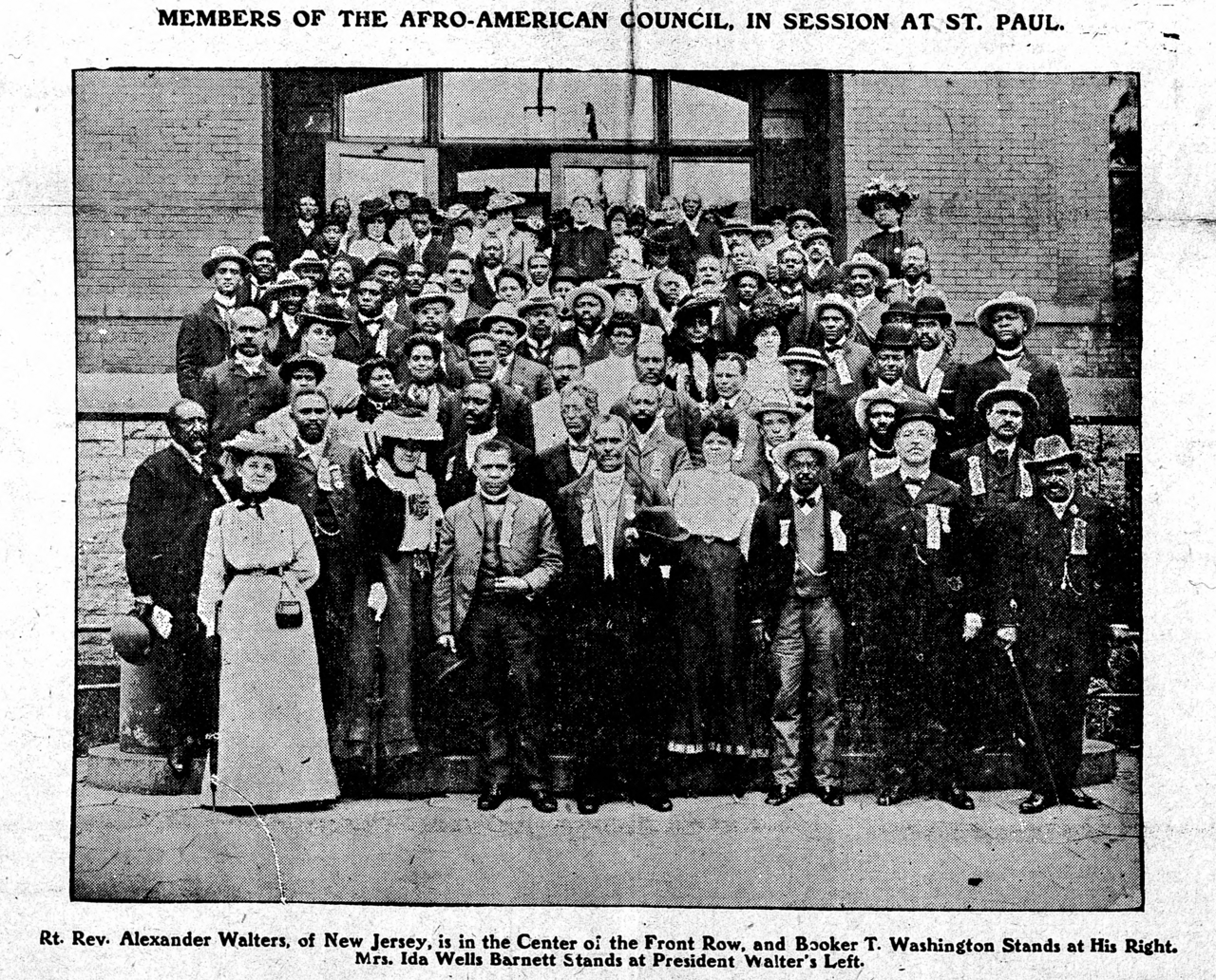 Photograph
Primary source
The Appeal · 1902
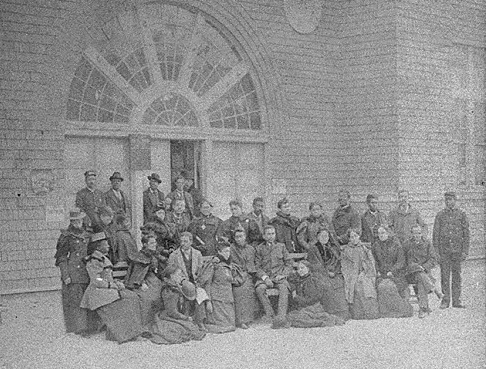 Photograph
Primary source
Benjamin W. Kilburn · 1895
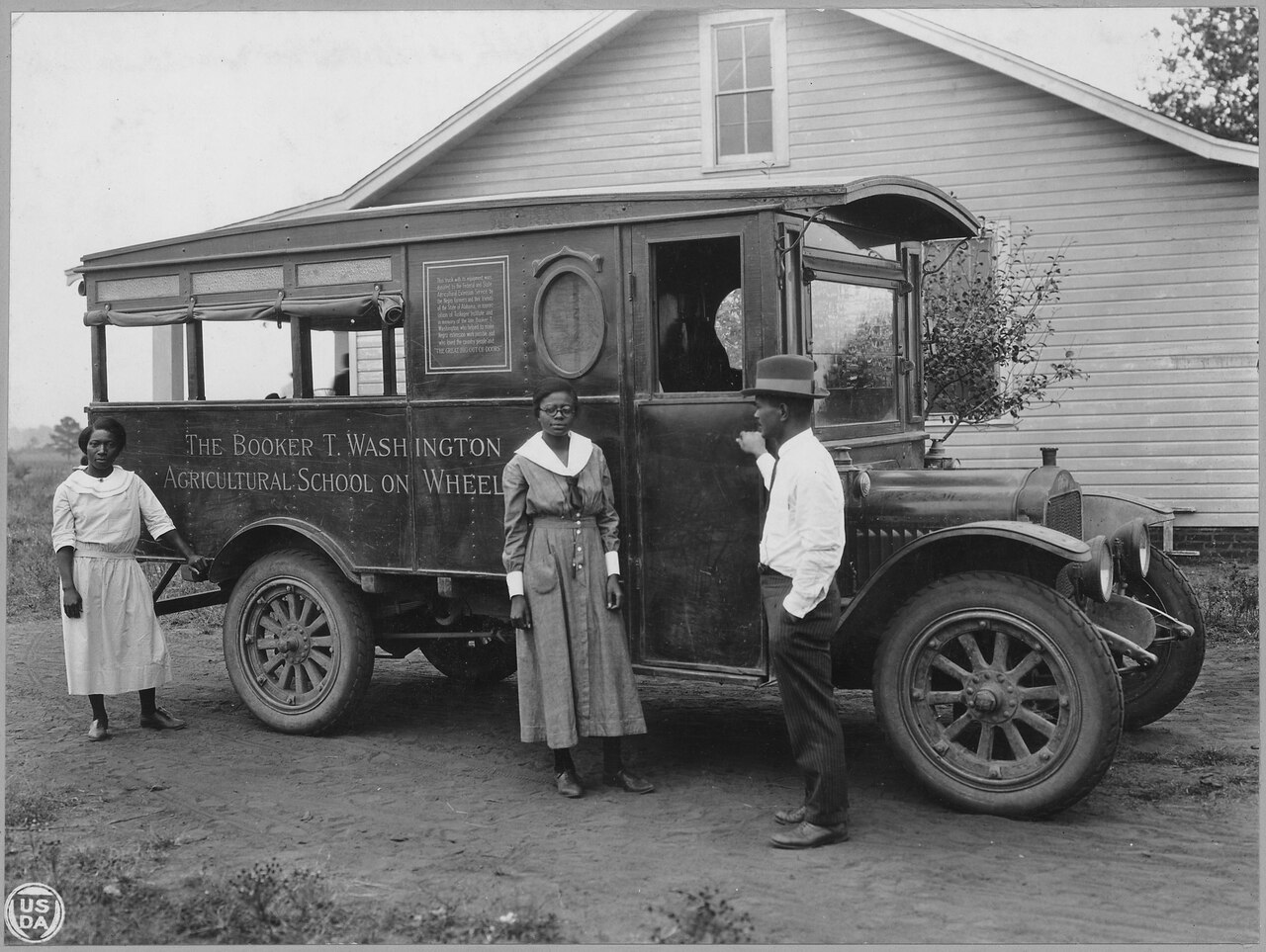 Photograph
Primary source
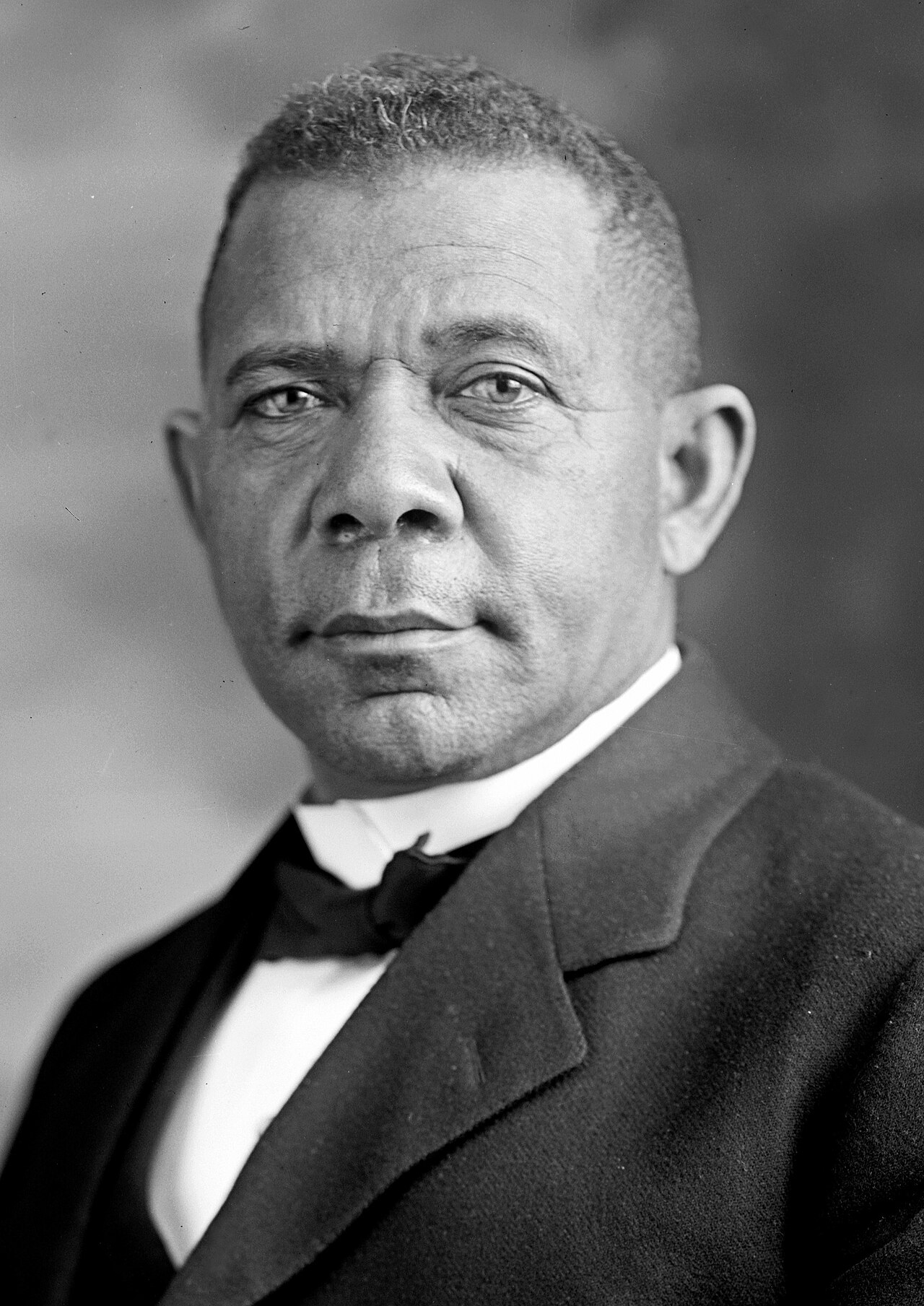 Photograph
Primary source
Harris & Ewing · between 1905 and 1915
 Document
Primary source
Booker T. Washington
Tertiary source
1911
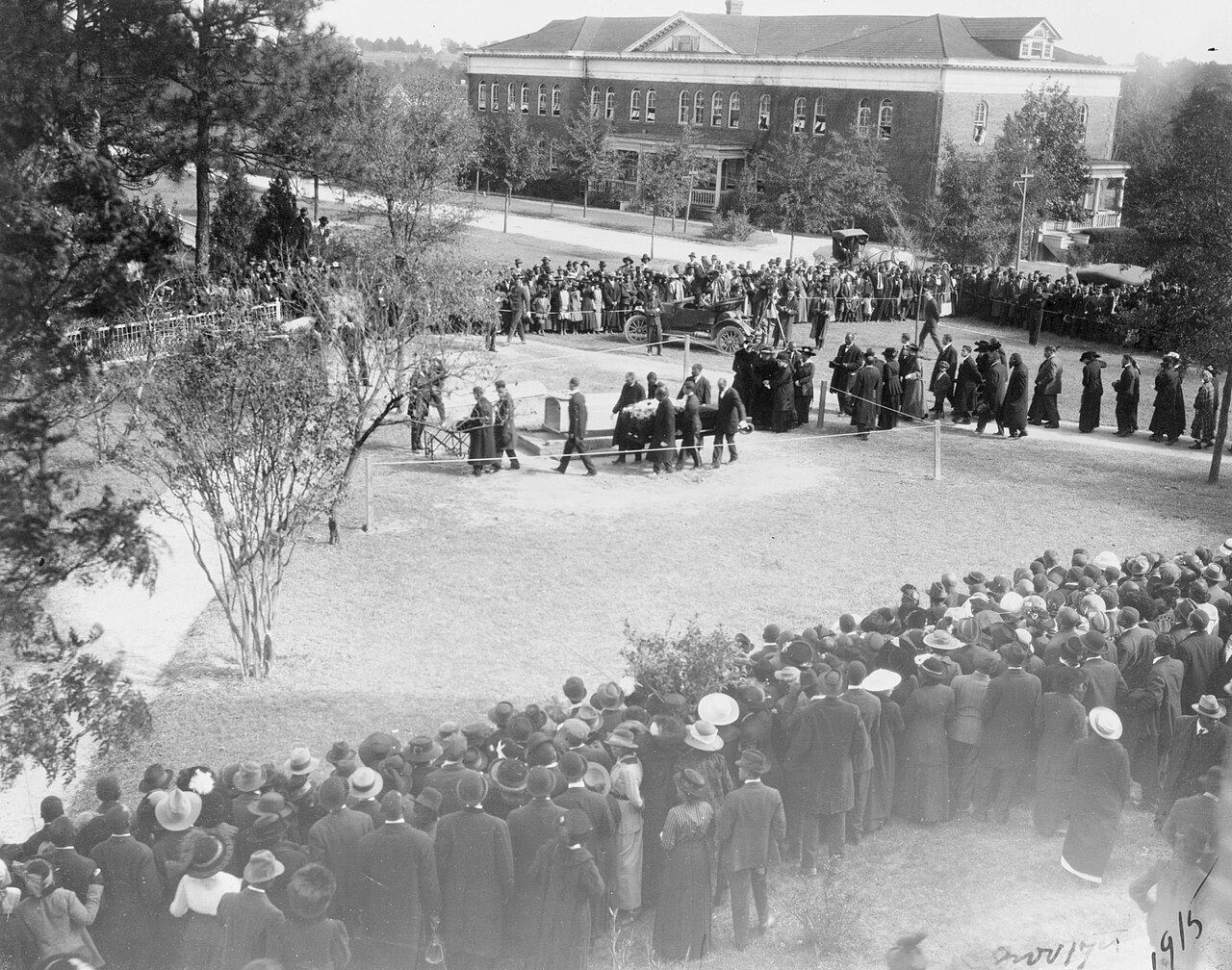 Photograph
Primary source
November 1915
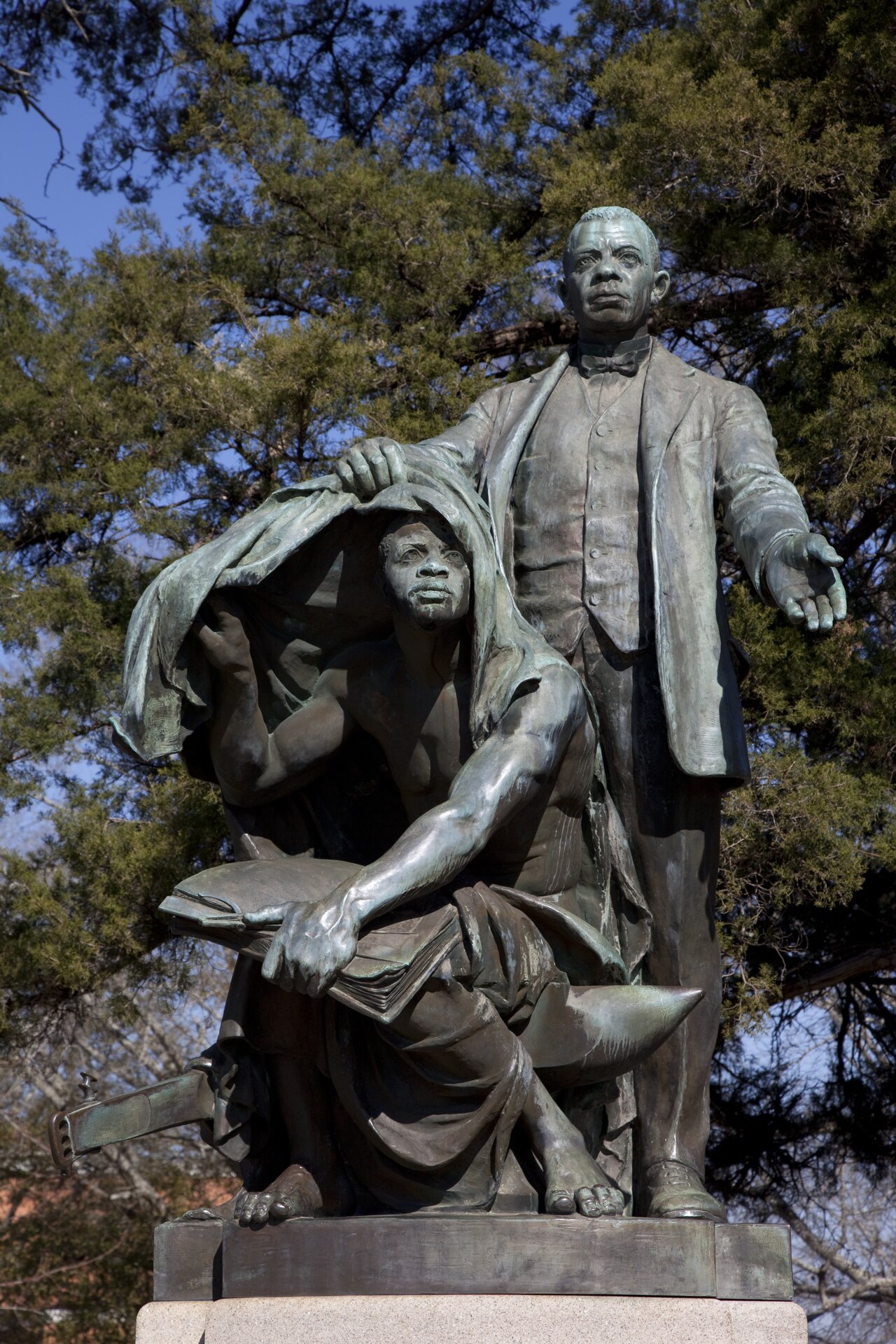 Sculpture
Secondary source
Charles Keck · 1922
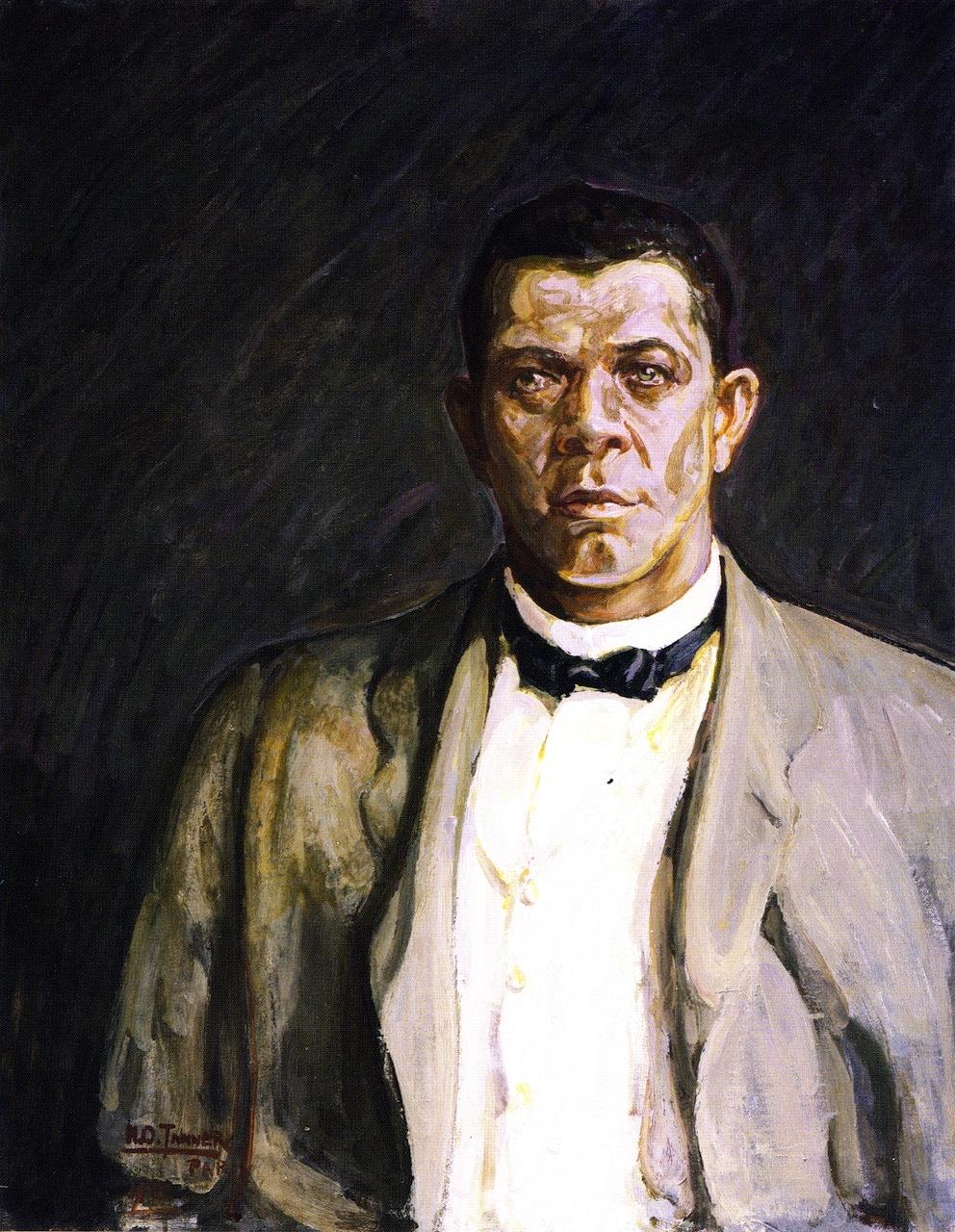 Painting
Secondary source
Henry Ossawa Tanner · 1917
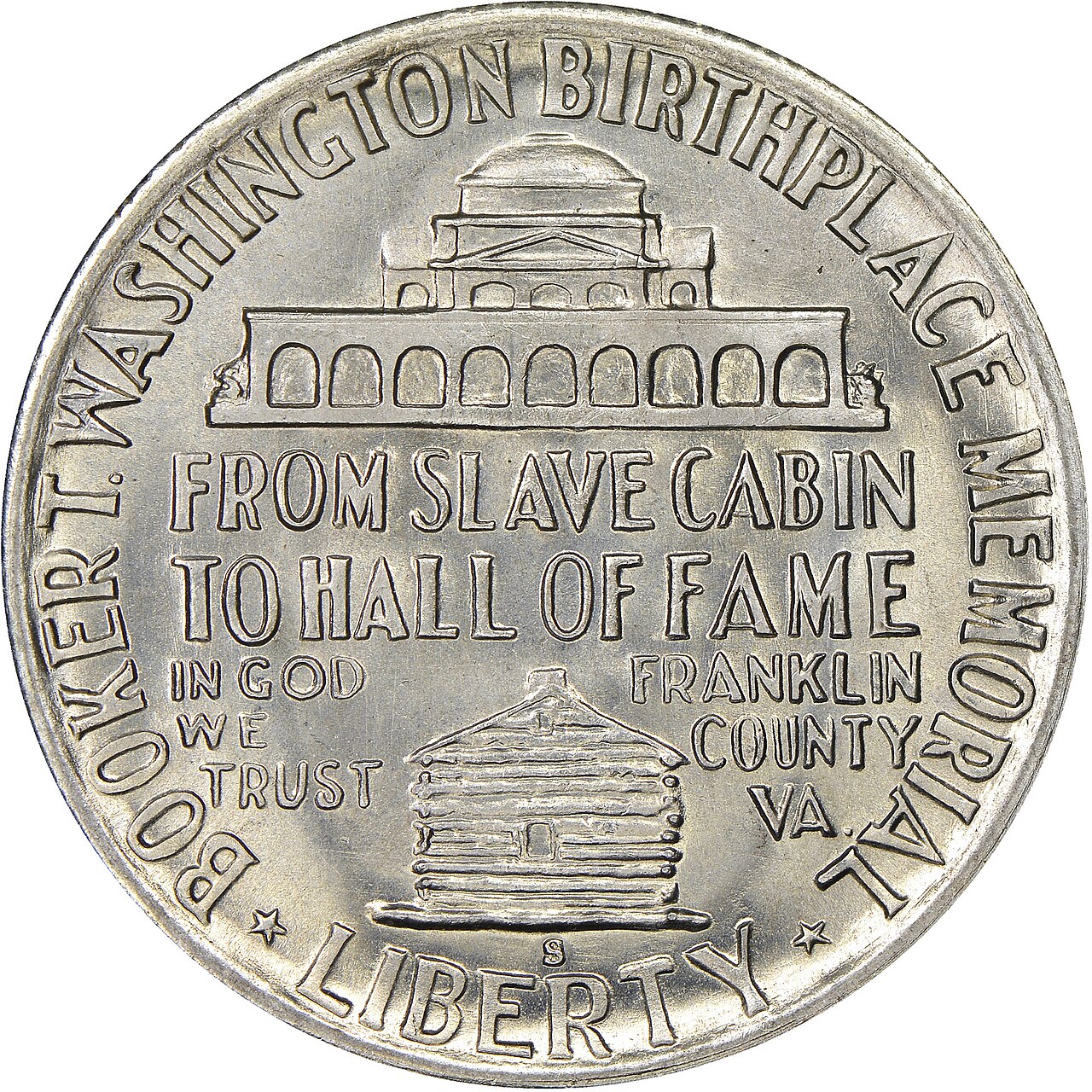 Artifact
Secondary source
Isaac Scott Hathaway · 1946-1951
 Speech
Primary source
Booker T. Washington · 1896
 Book
Primary source
Booker T. Washington · 1909
Primary source
Alice Dunbar-Nelson · 1914
 Artifact
Secondary source
Isaac Scott Hathaway · 1951-1954
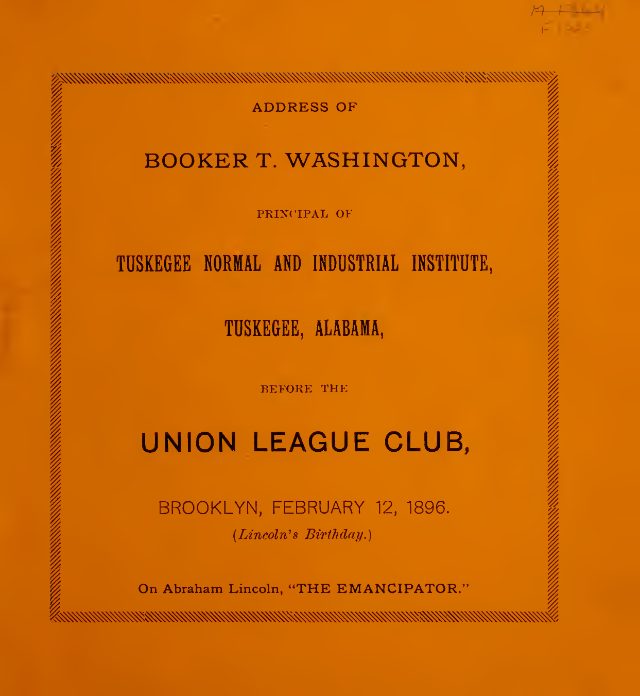 Speech
Primary source
Booker T. Washington · 12 February 1896
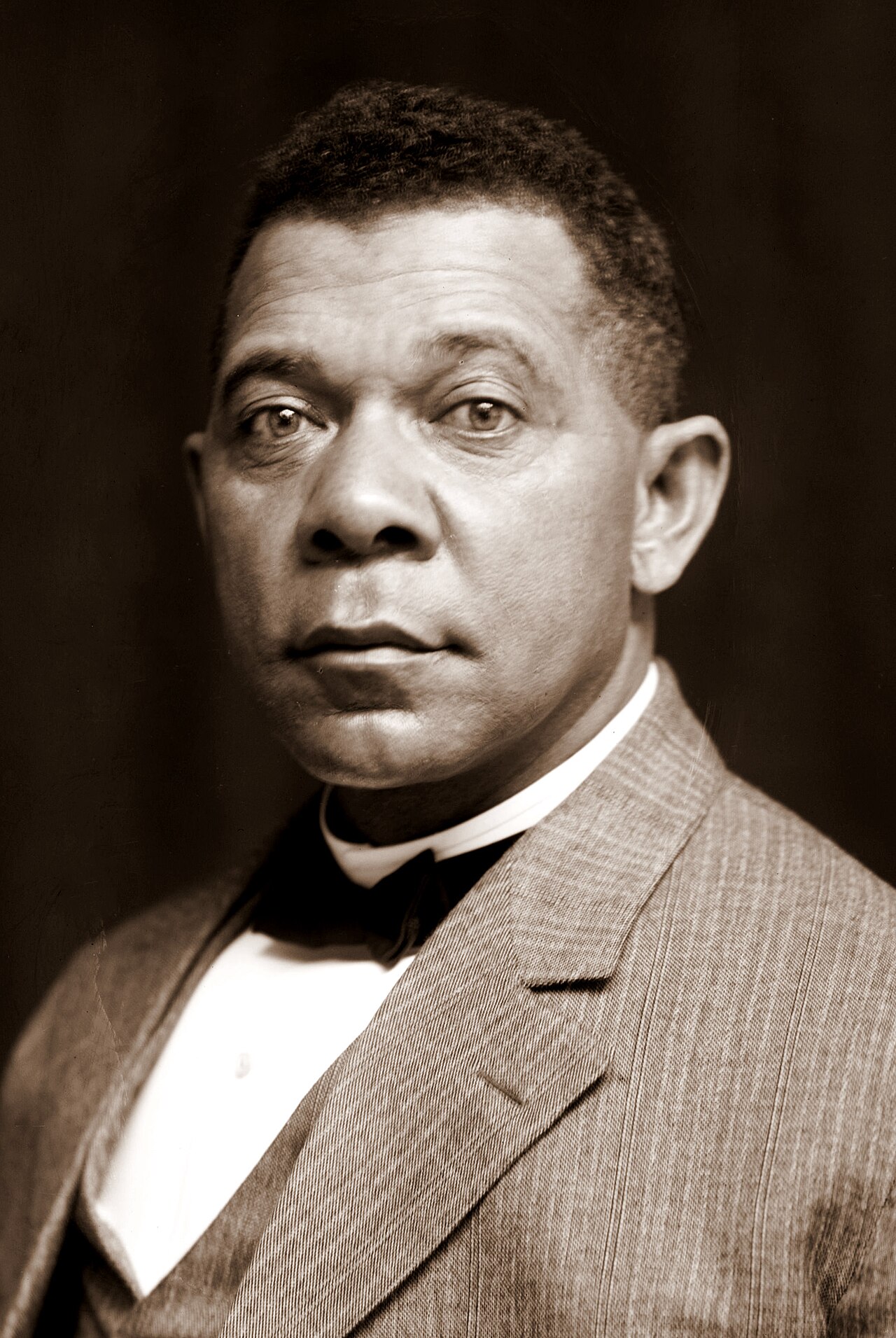 Photograph
Primary source
Frances Benjamin Johnston · c. 1895
Secondary source
Booker T. Washington
Secondary source
Booker T. Washington · September 1906
Secondary source
Booker T. Washington · 1900
Secondary source
Booker T. Washington · 1911
Secondary source
Booker T. Washington
Secondary source
Booker T. Washington · 1899
Secondary source
Booker T. Washington · 1913
 Book
Secondary source
Emmett J. Scott · 1916
Primary source
Booker T. Washington · 1906
Primary source
M. B. Thrasher · 1899
Primary source
Booker T. Washington and W. E. B. Du Bois · 1907
Secondary source
G. Holden Pike
 Book
Secondary source
Emmett Jay Scott and Lyman Beecher Stowe · 1916
 Book
Primary source
H. Rufus White · 1895
 Book
Primary source
Booker T. Washington · 1906
 Document
Primary source
National Negro Business League · 1915
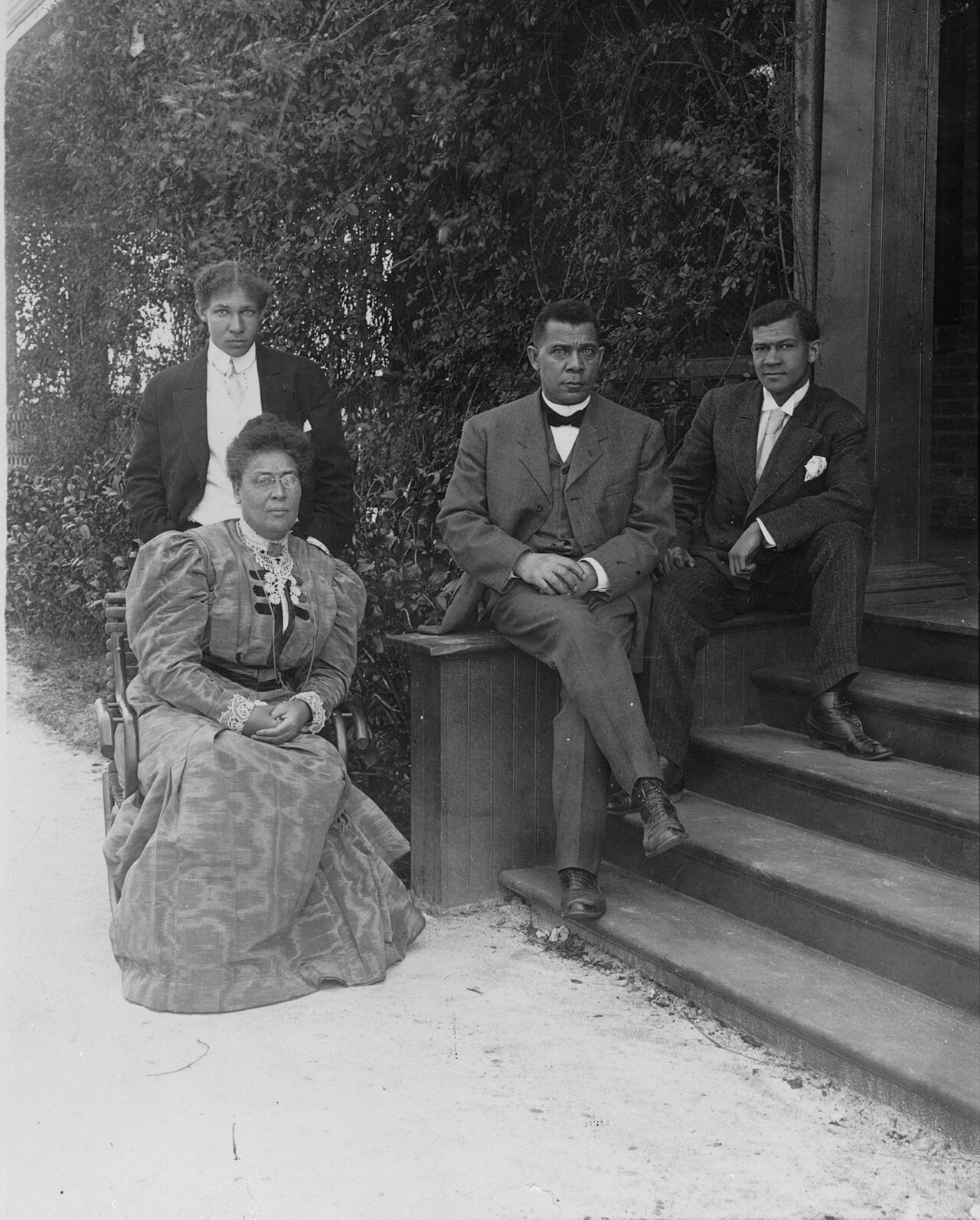 Photograph
Primary source
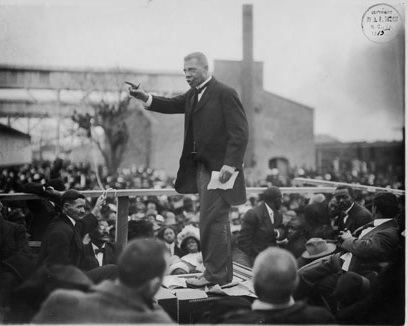 Photograph
Primary source
Arthur P. Bedou · 1915
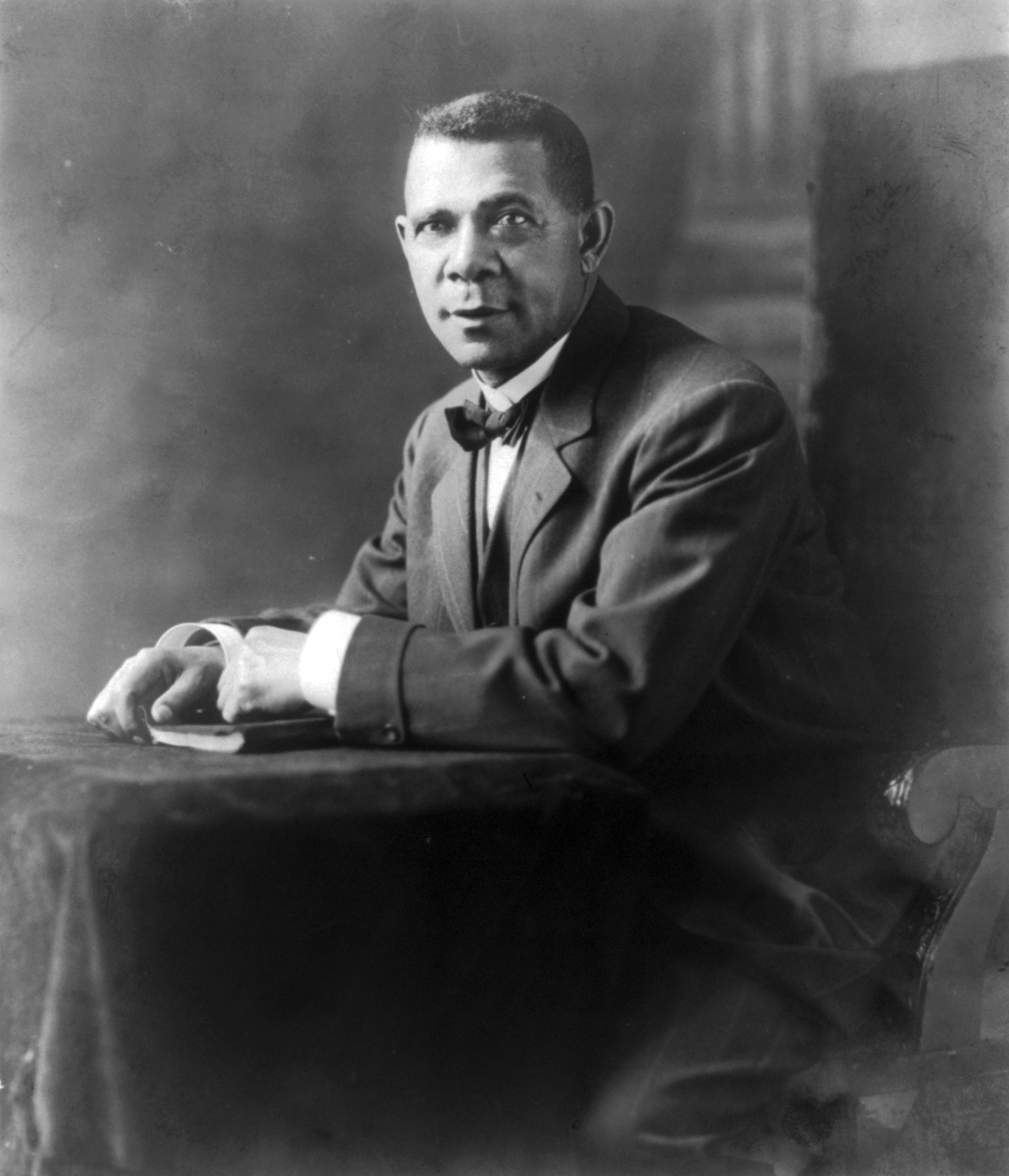 Photograph
Primary source
George C. Rockwood · 17 June 1909
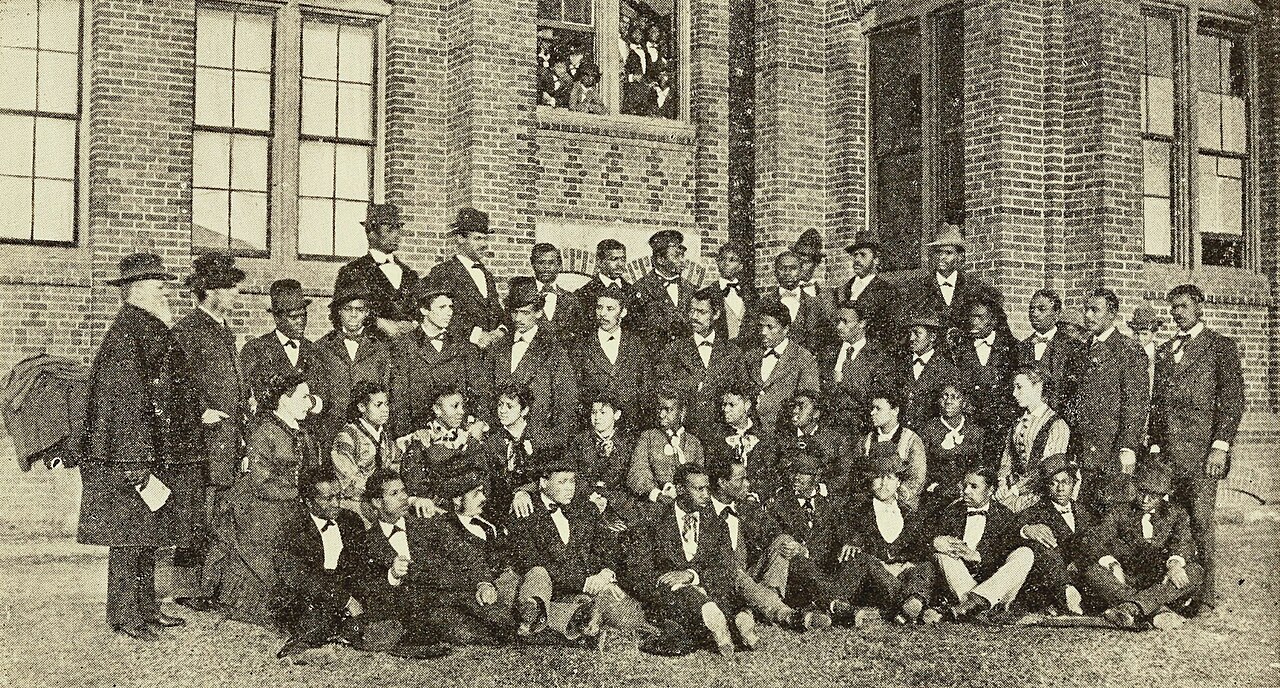 Photograph
Primary source
Unknown photographer · 1875
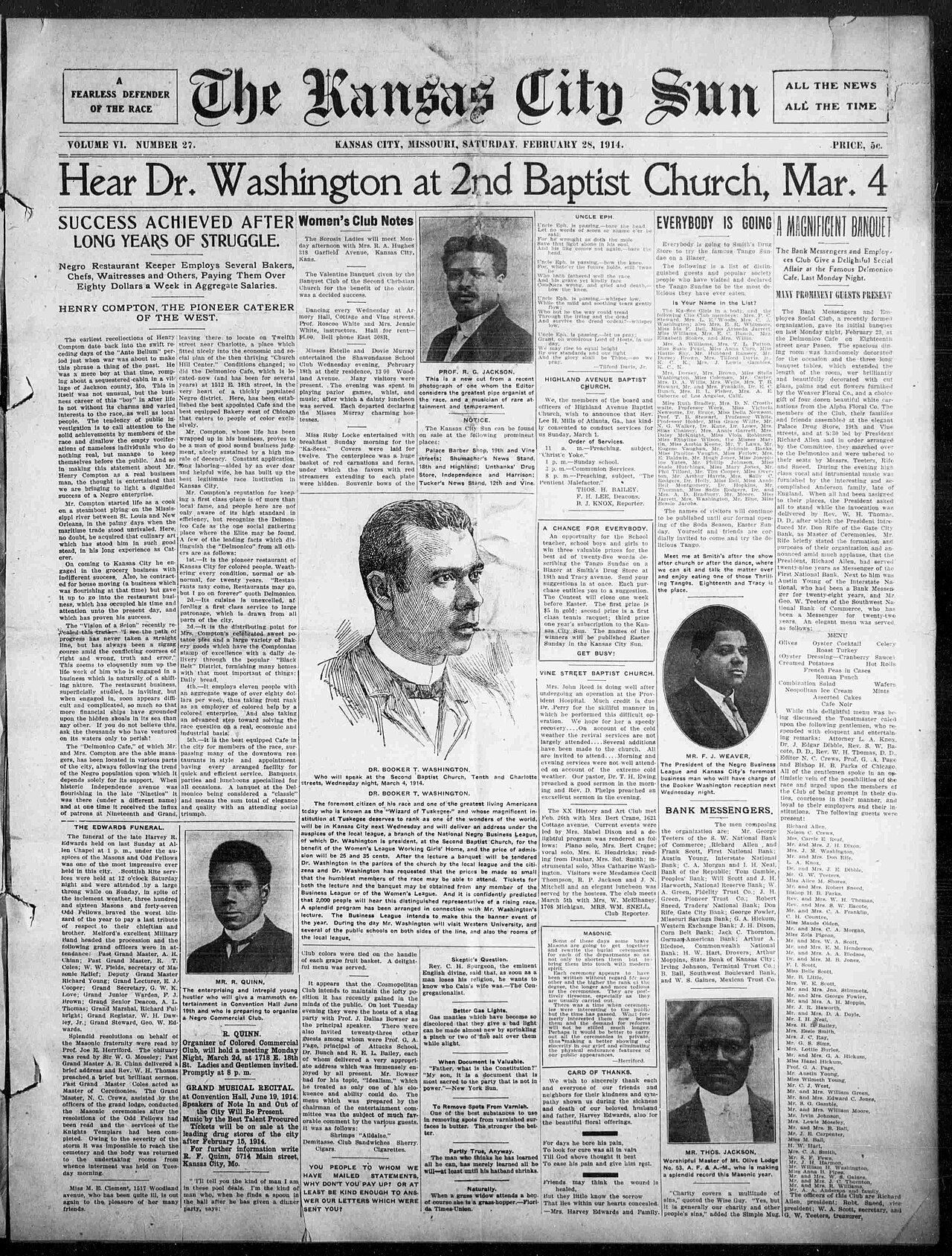 Newspaper article
Primary source
Kansas City Sun · 28 February 1914
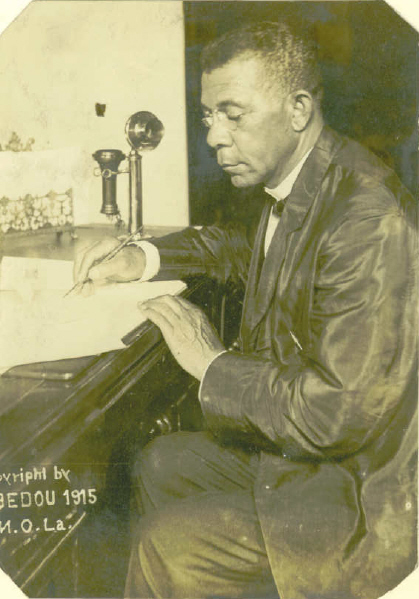 Photograph
Primary source
Arthur P. Bedou · 1915
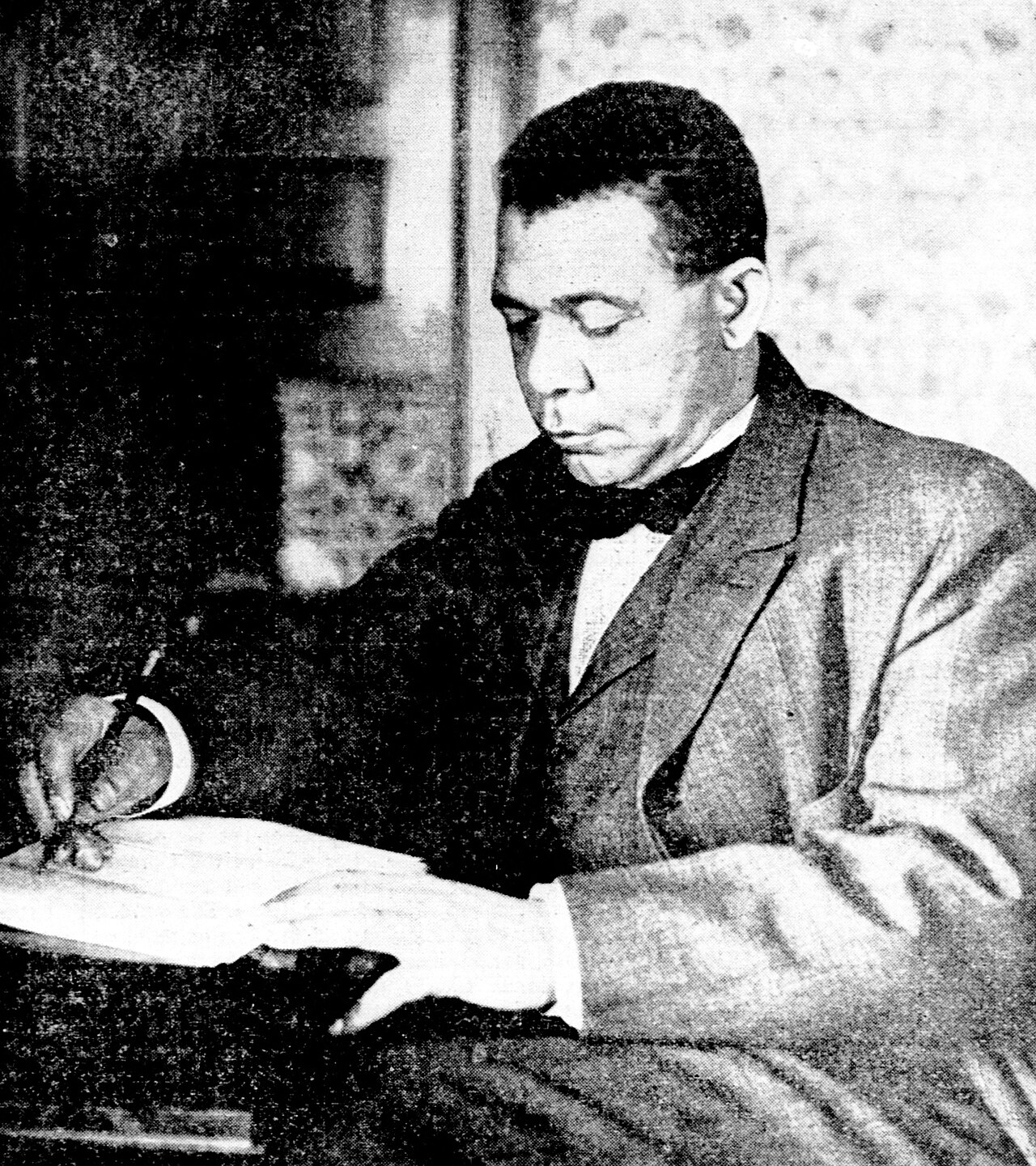 Photograph
Primary source
New-York Tribune · 25 February 1906
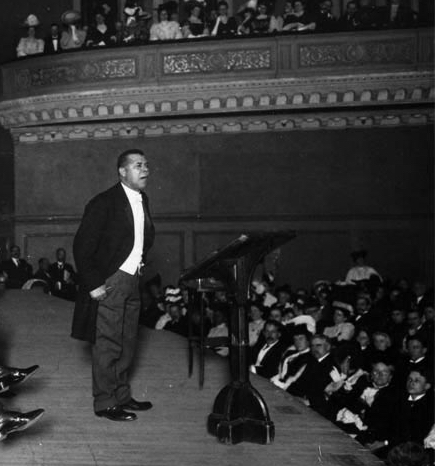 Photograph
Primary source
The New York Times · 23 January 1906
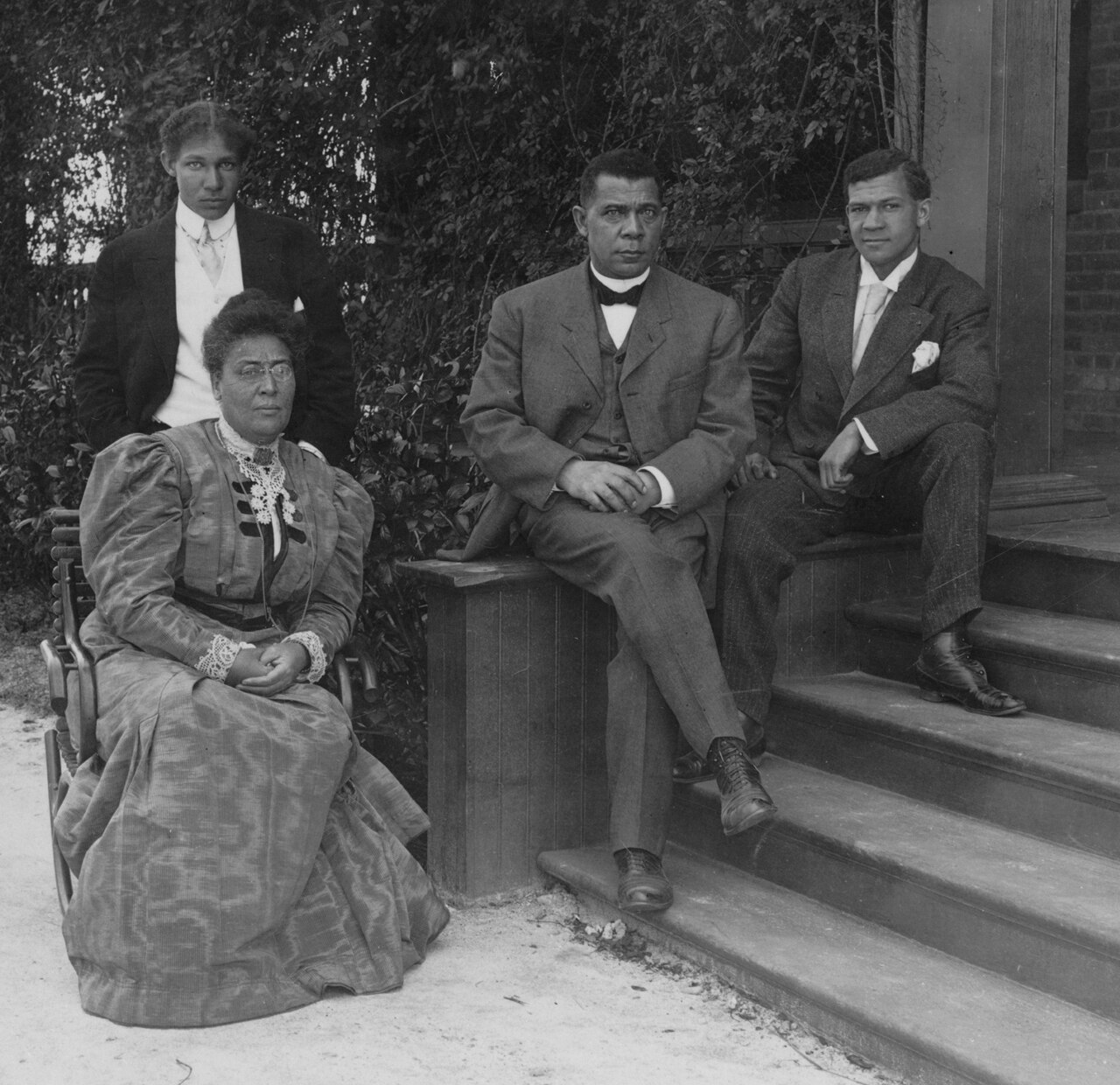 Photograph
Primary source
1906
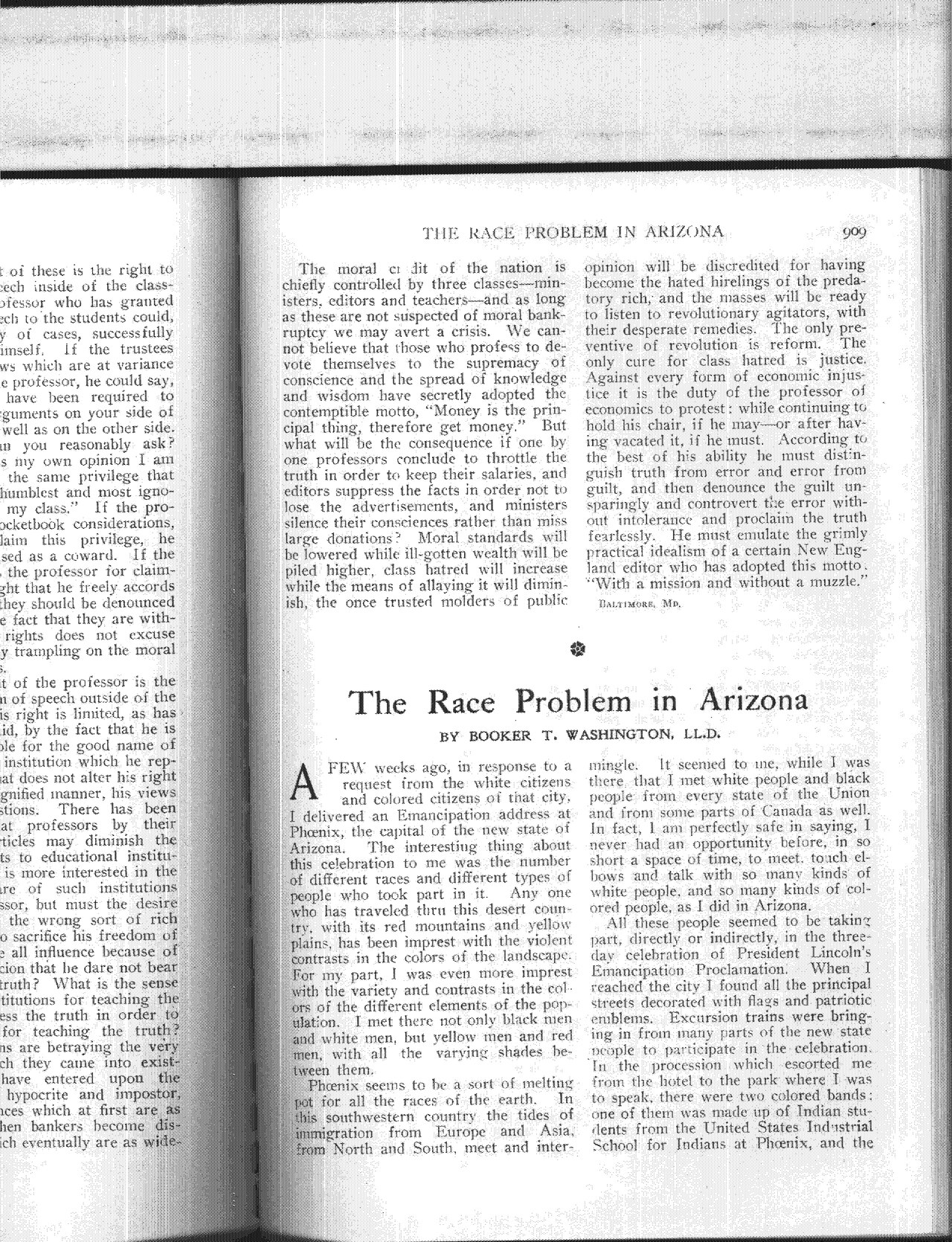 Newspaper article
Primary source
Booker T. Washington · 26 October 1911
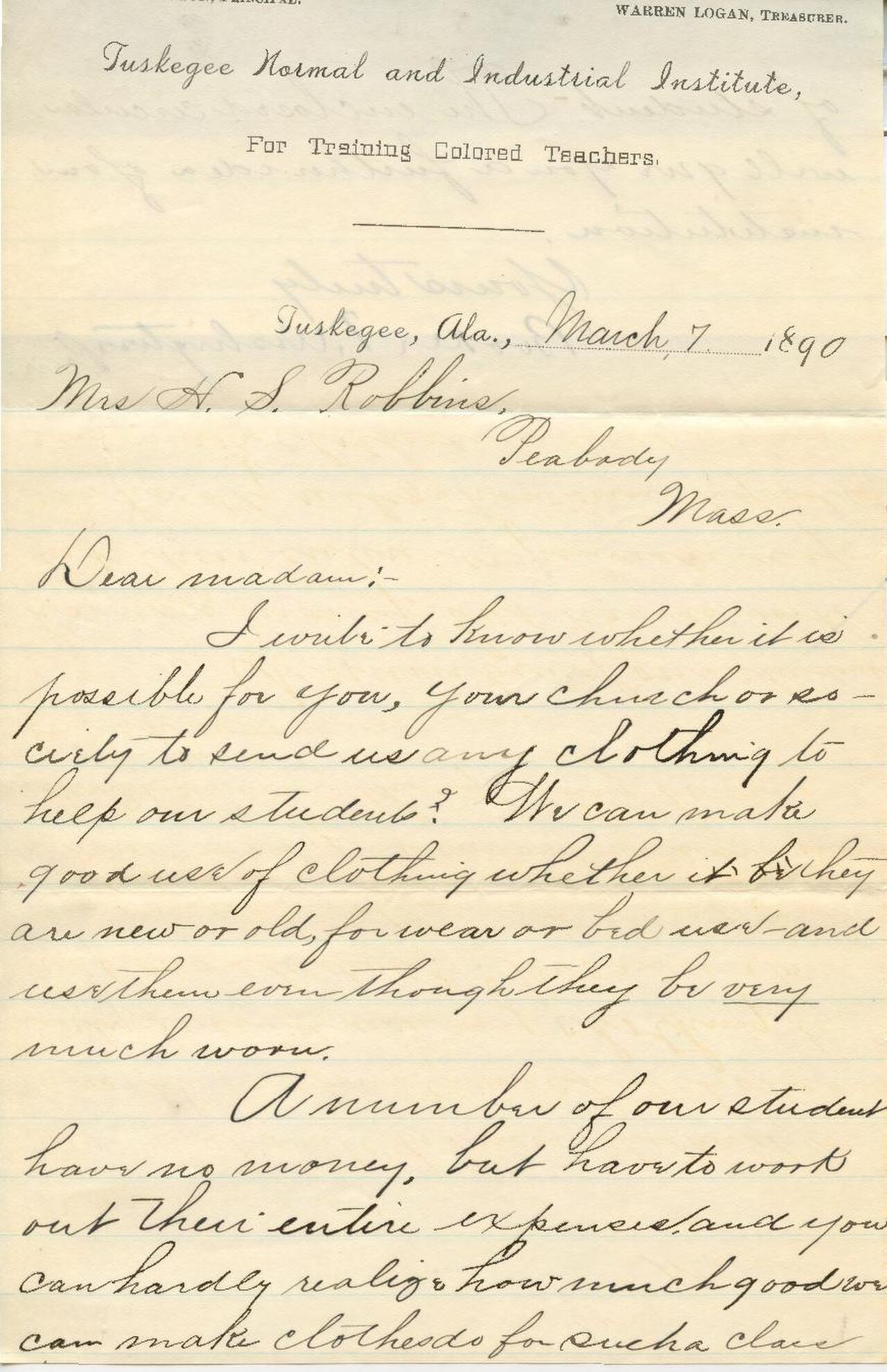 Letter
Primary source
Booker T. Washington · 7 March 1890
 Book
Primary source
Booker T. Washington · 1900
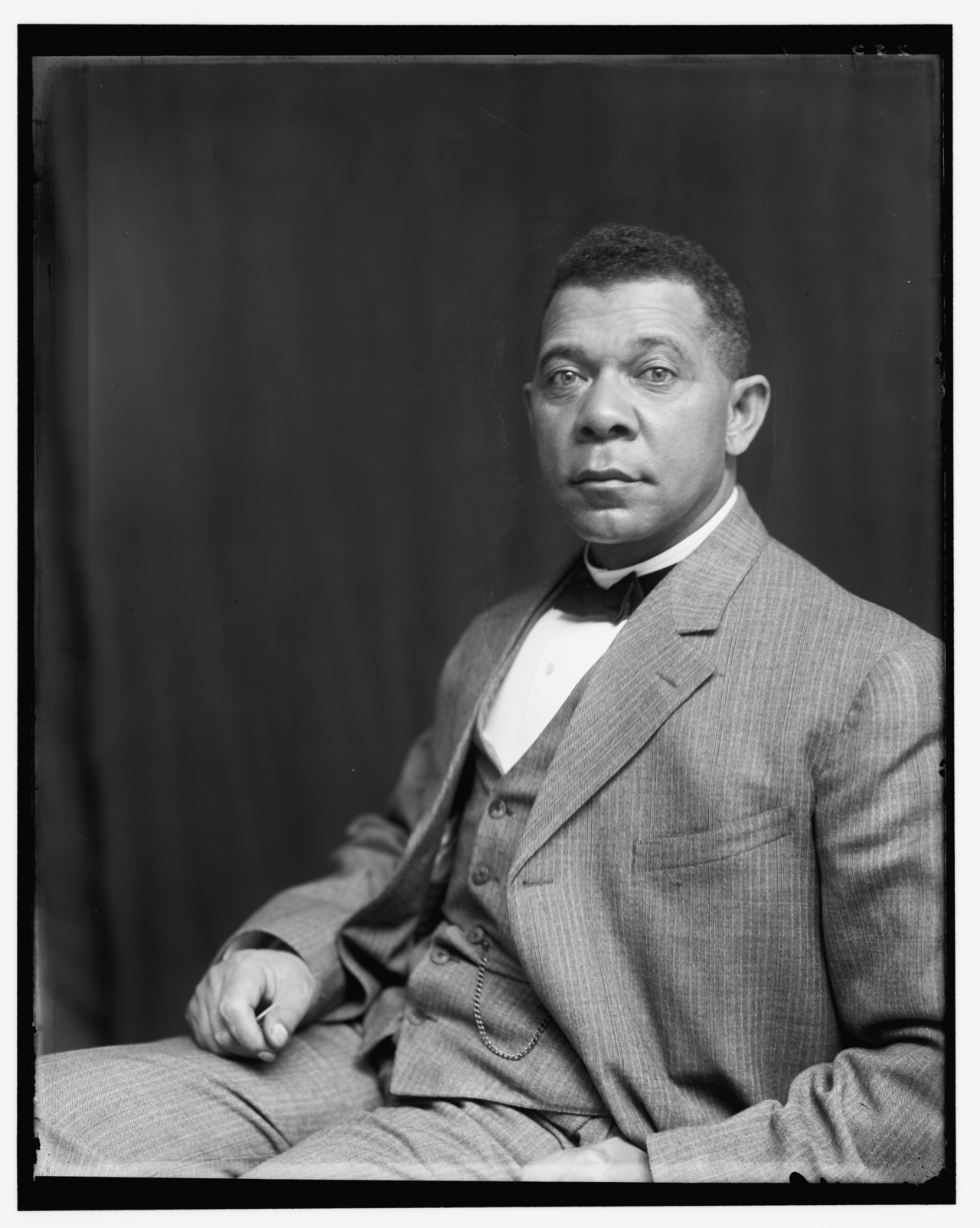 Photograph
Primary source
Frances Benjamin Johnston · circa 1895
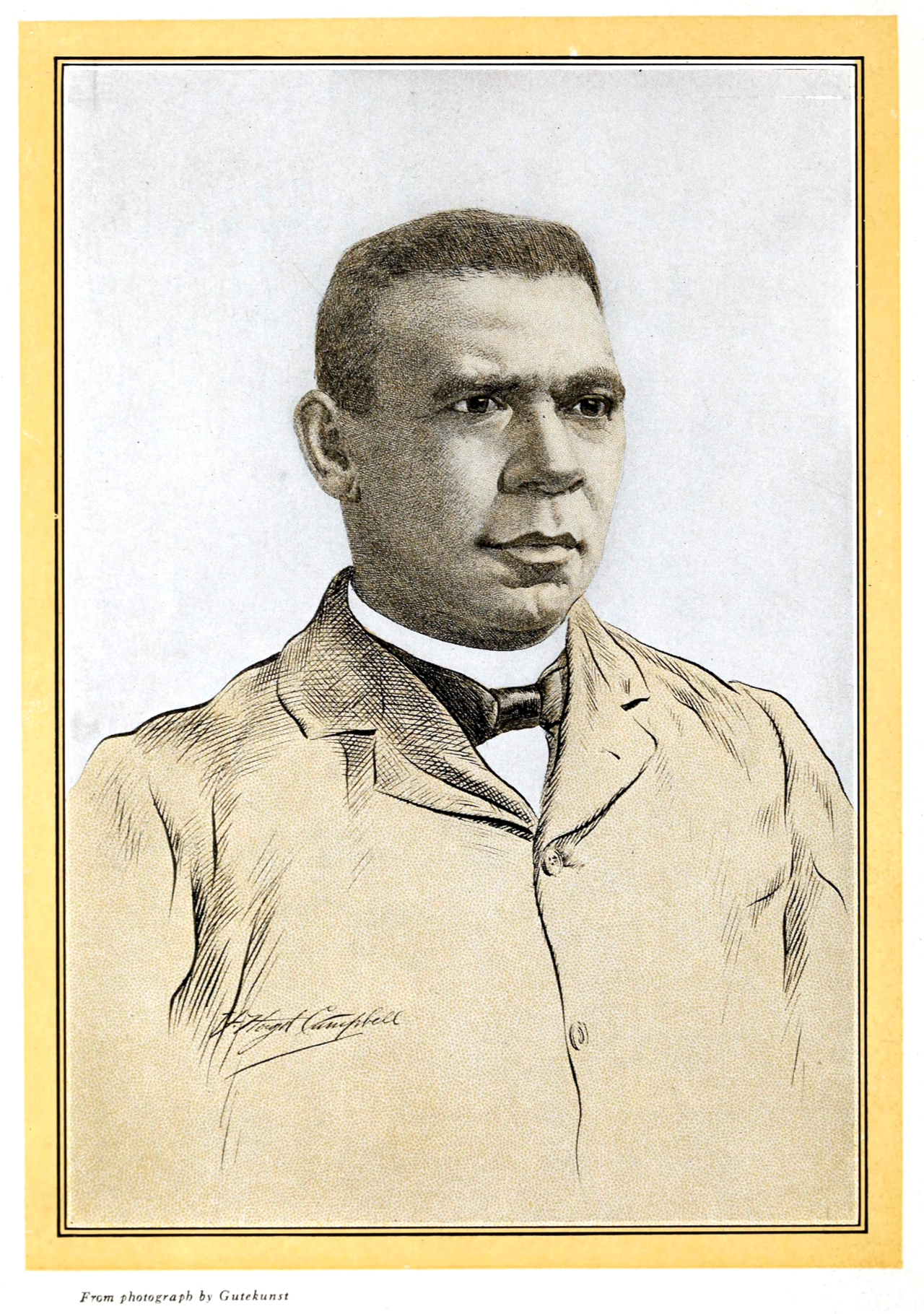 Painting
Primary source
V. Floyd Campbell · 1903
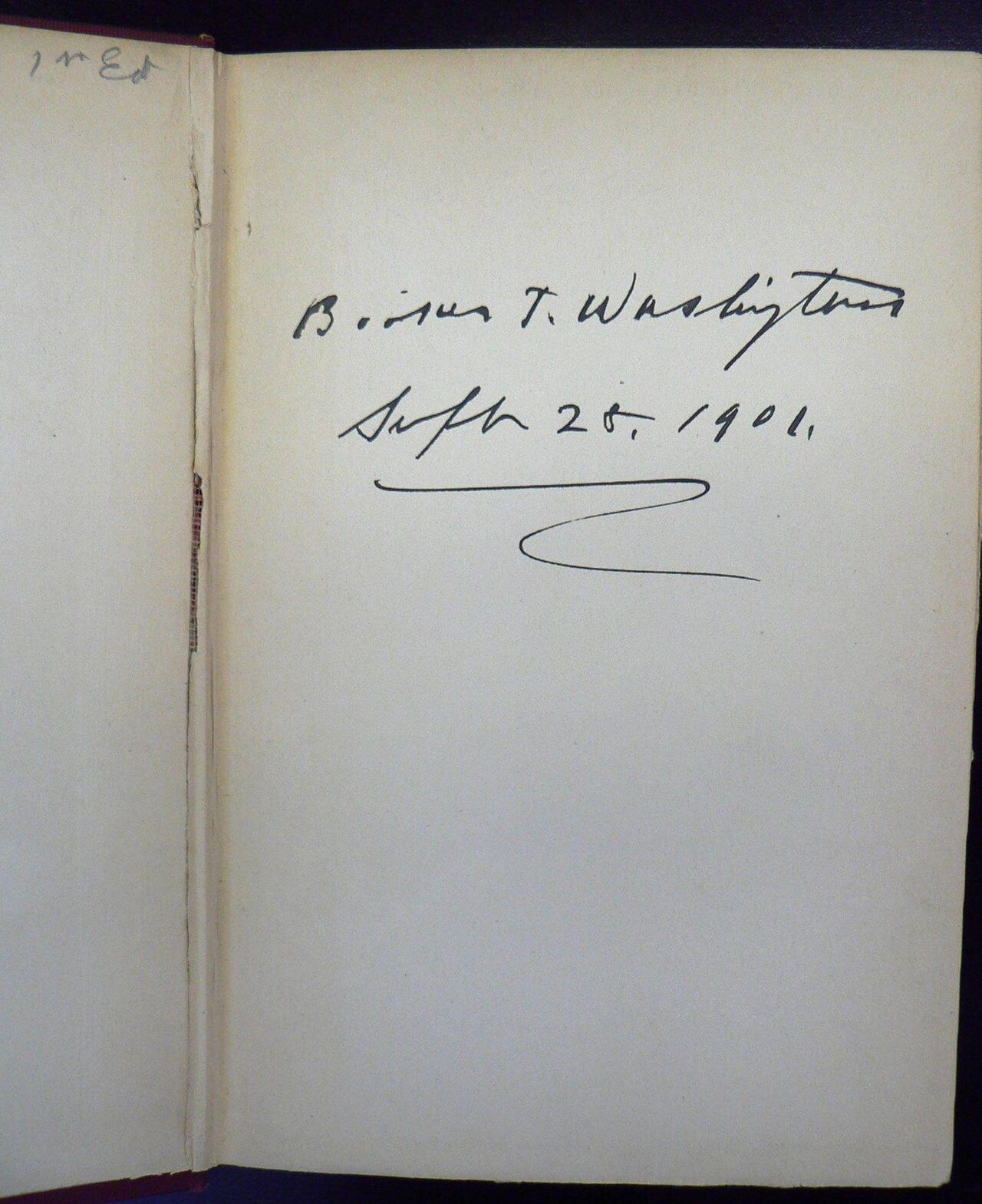 Document
Primary source
Booker T. Washington · 1901
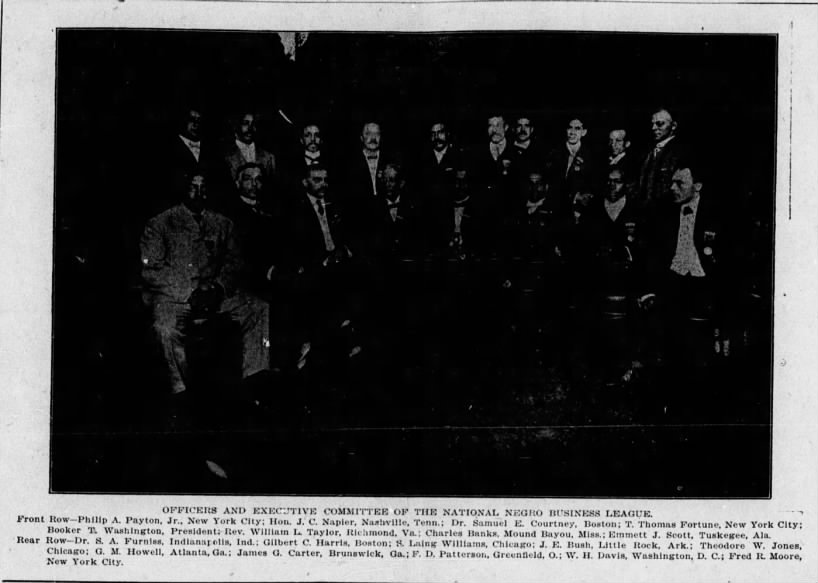 Newspaper article
Primary source
14 September 1905
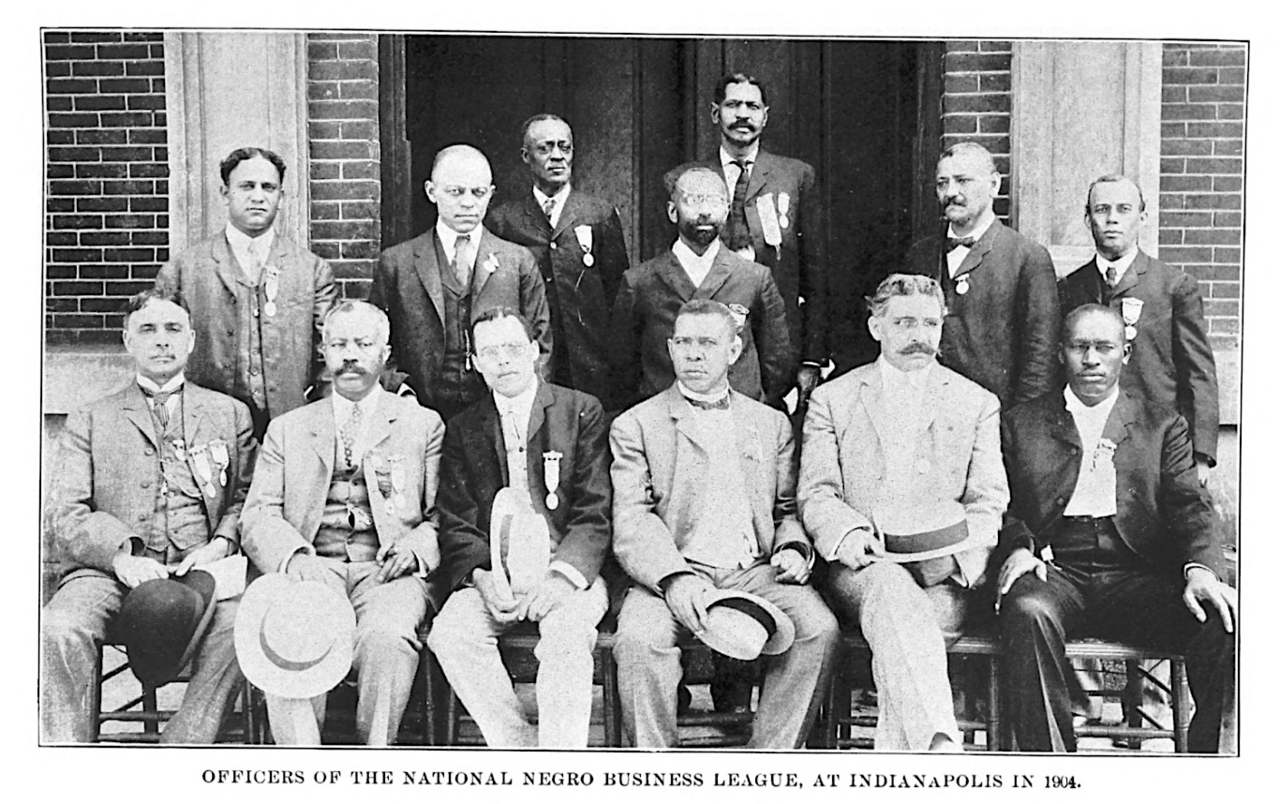 Photograph
Primary source
1904
 Book
Secondary source
George Lake Imes · 1917
Secondary source
Max Bennett Thrasher · 1901
Primary source
Matthew A. Henson · February 1912
Tertiary source
1889
Tertiary source
1905
Secondary source
Elbert Hubbard · 1916
Secondary source
H. Rufus White
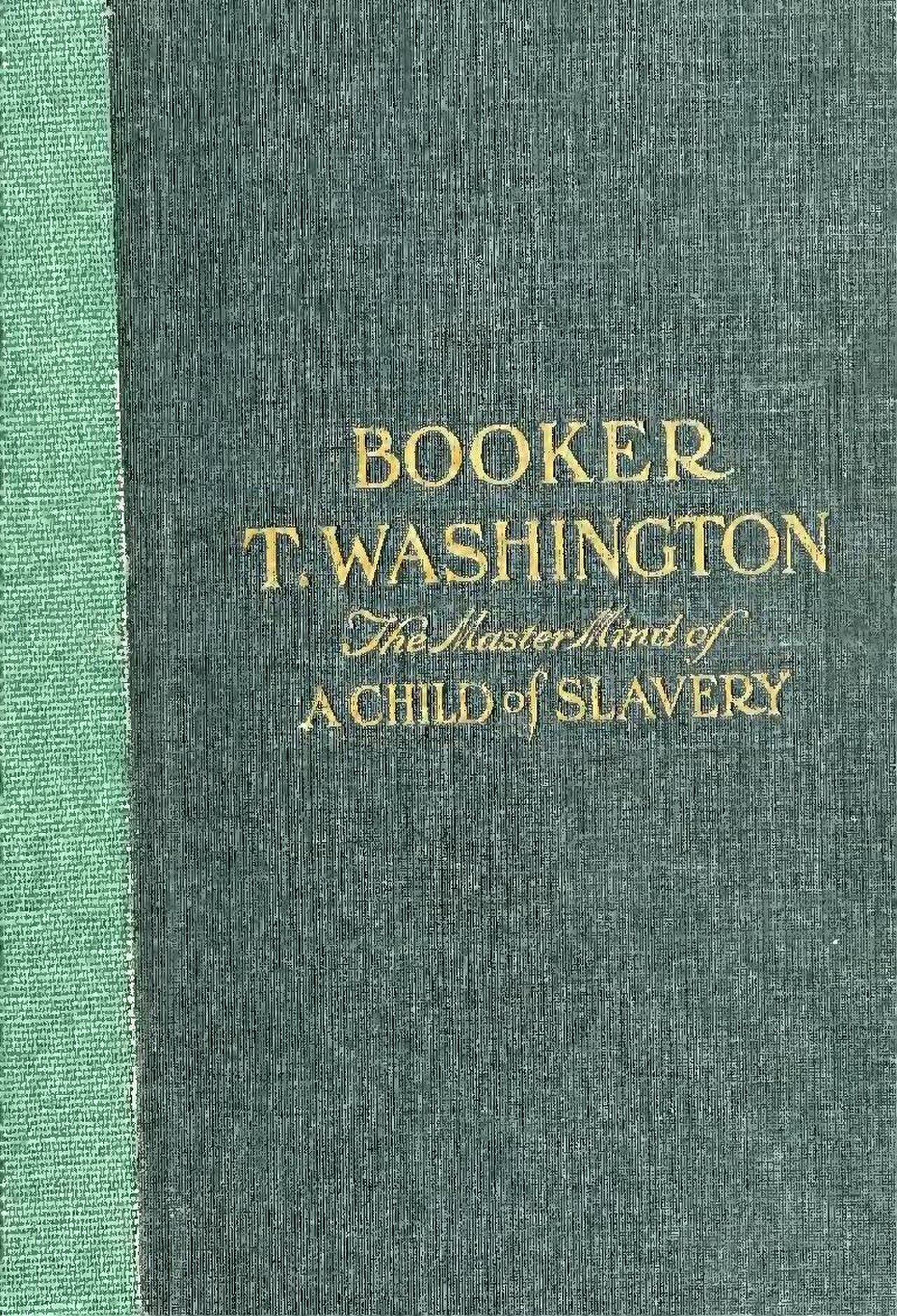 Book
Secondary source
Frederick E. Drinker
Secondary source
Walter Clinton Jackson · 1922
Primary source
Theodore Roosevelt · 27 April 1906
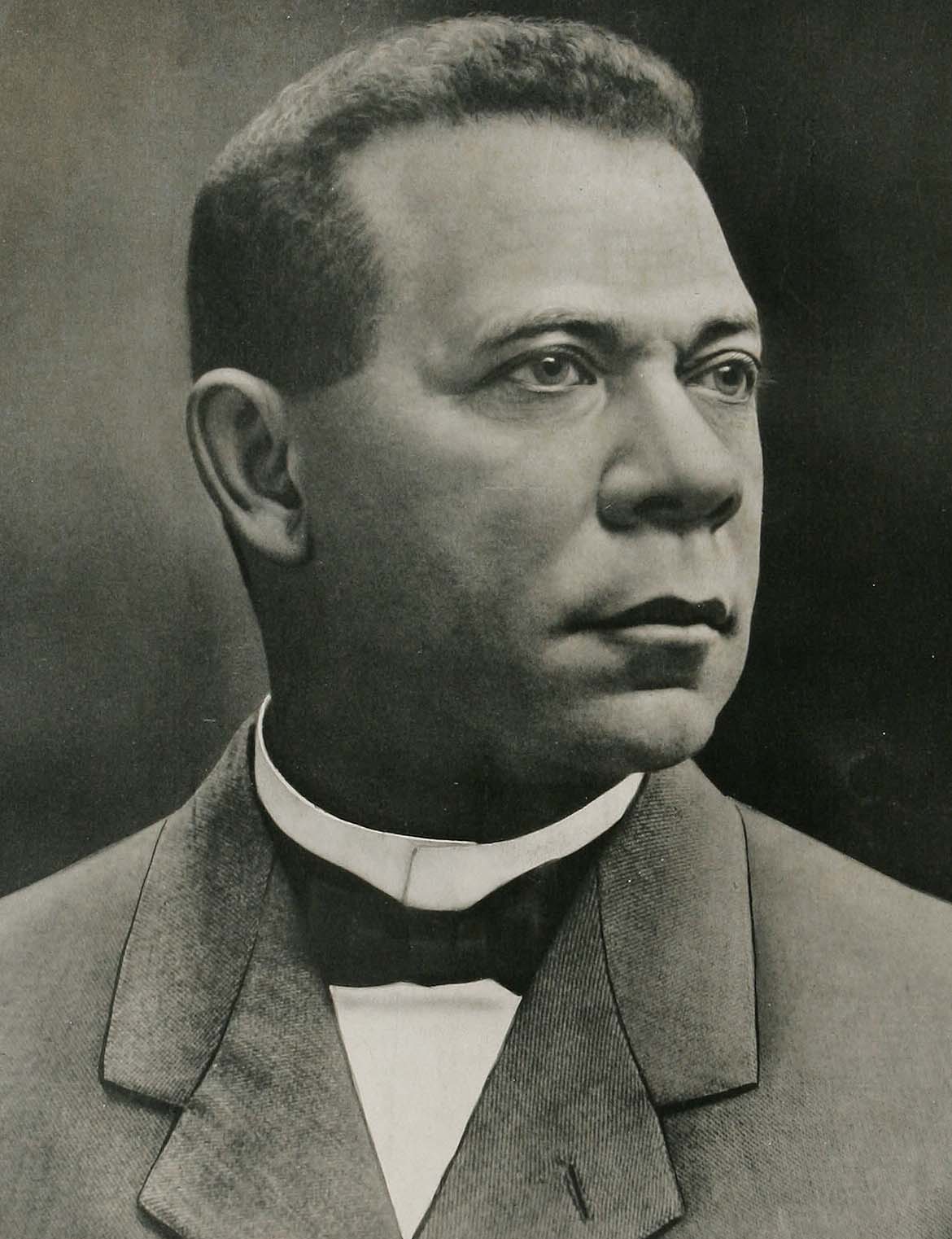 Photograph
Primary source
1911
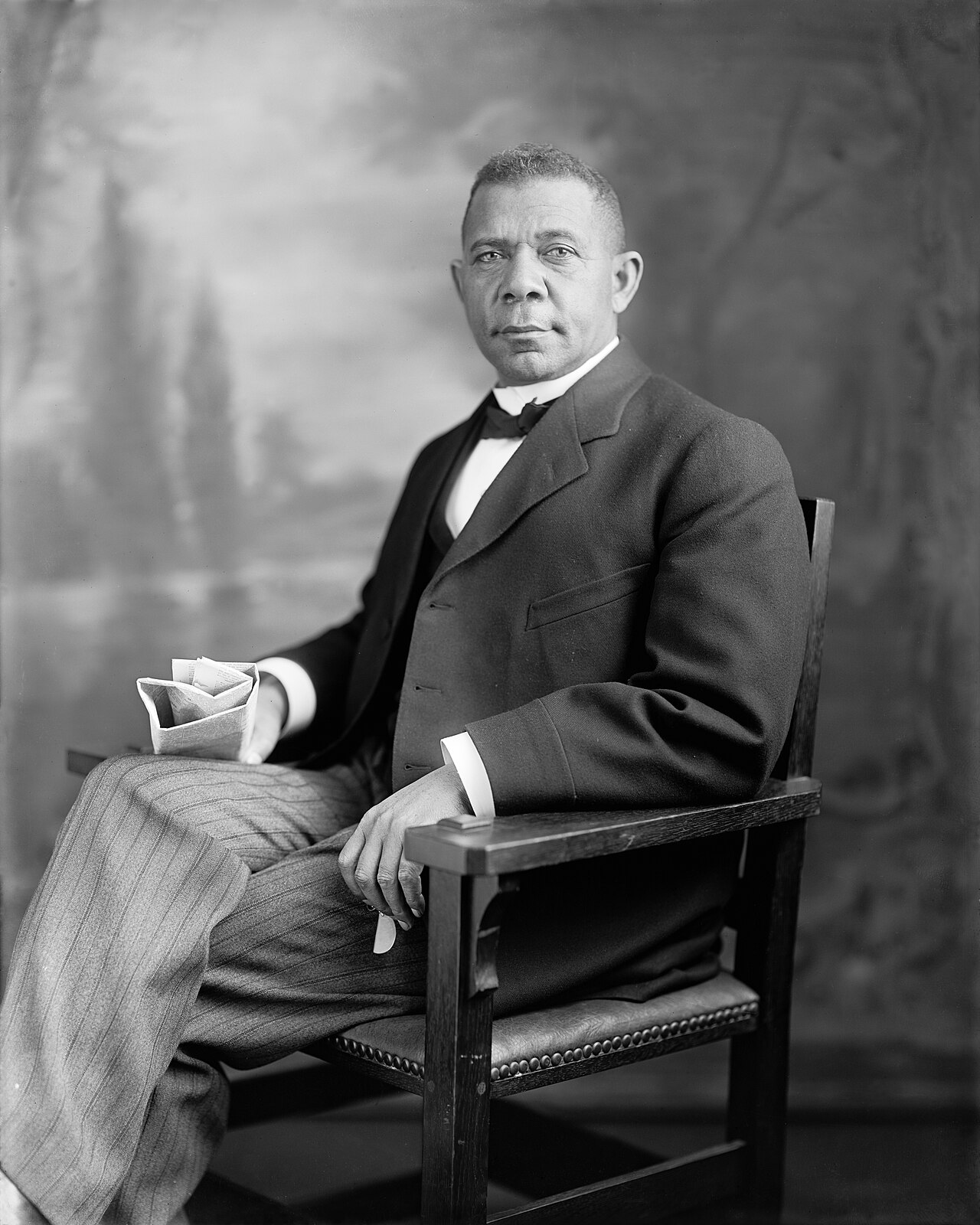 Photograph
Primary source
Harris & Ewing · Between 1905 and 1915 (exact date unknown)
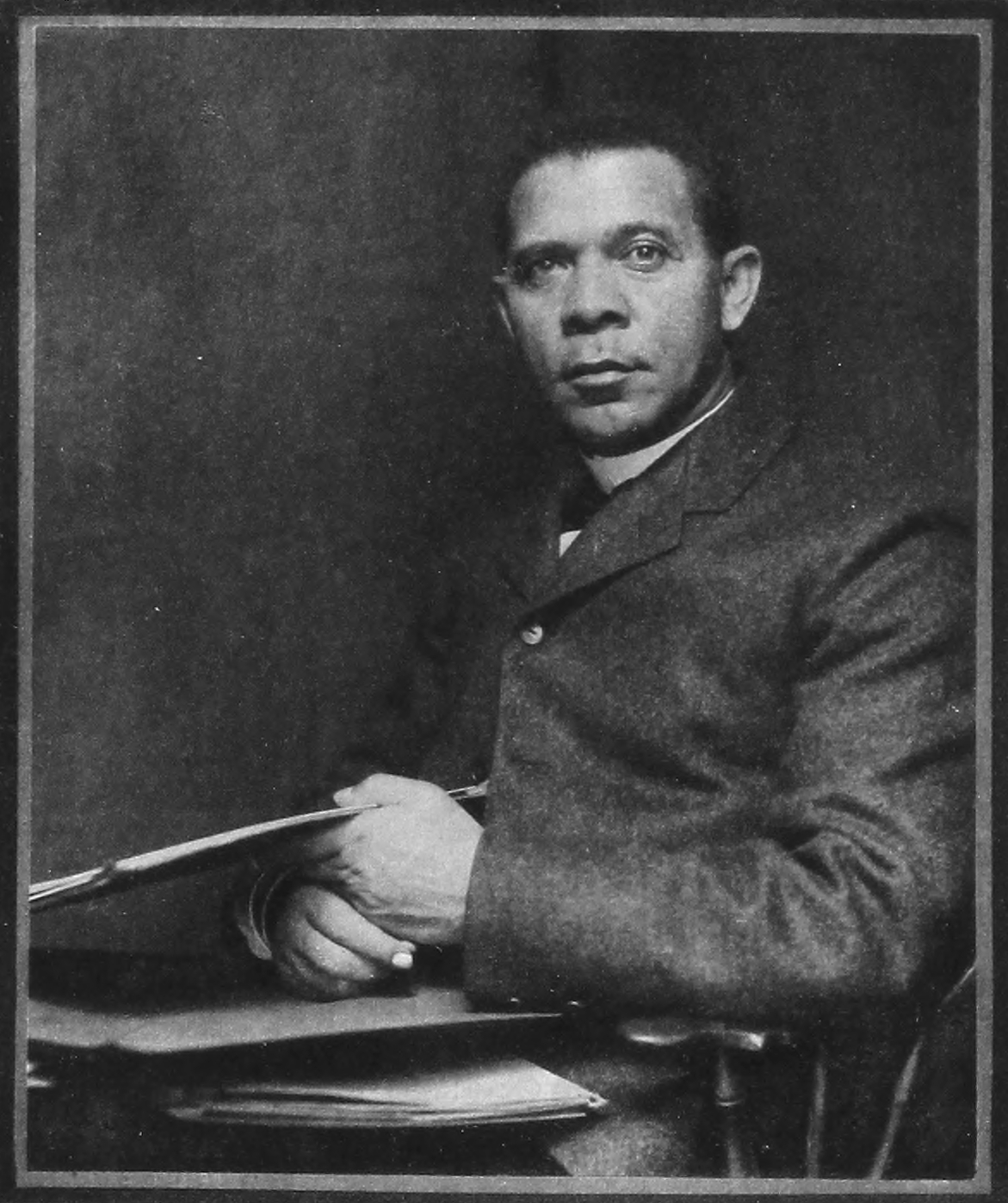 Photograph
Primary source
Booker T. Washington · 1901
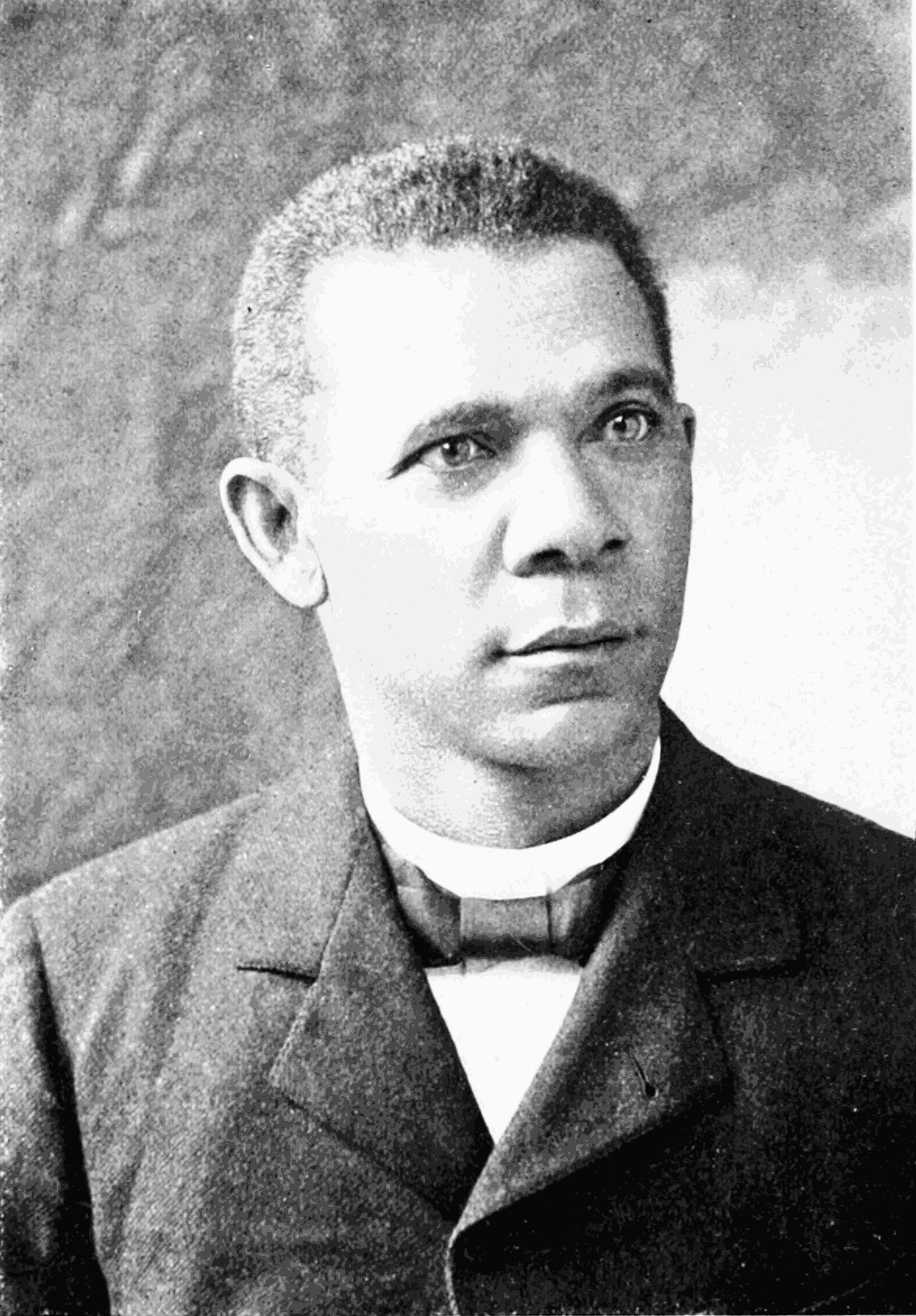 Photograph
Primary source
1899
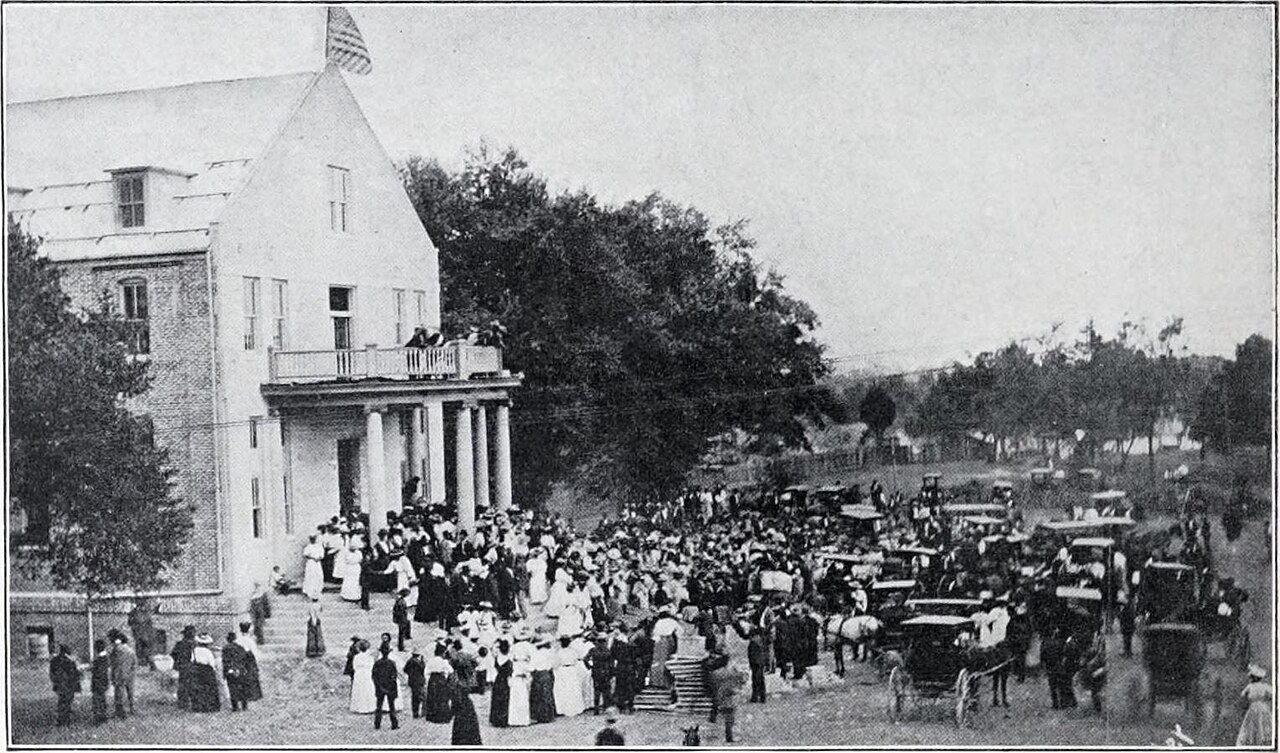 Photograph
Primary source
Visit of 7 October 1908; published 1910
 Book
Primary source
Booker T. Washington and others · 1903
 Book
Primary source
Max Bennett Thrasher · 1900
Primary source
Andrew Carnegie · 1899
 Document
Primary source
Monroe Nathan Work · 1911
Tertiary source
1914
Want the full shelf? Chat with Booker T. Washington in the app and open the Sources panel — every quote links back to the original.
2 collections
Ready-made collections from the Humy team that feature Booker T. Washington. Preview any of them, then try it free.
Paying customers



























Dr. Michael Calvert
Assistant Superintendent, South Allegheny School District, Pennsylvania
Been using Humy in his district since 2024
“We enjoyed the program last year and used it frequently.”

Jacob Chisom
World and American History, Monticello High School, Arkansas
Been using Humy in his classroom since 2024
“My students say it’s a welcome change of pace. I’m not a fan of the “sage on the stage” model, so I try to incorporate research-oriented and self-paced activities. With Humy, students have to take charge of their learning. They’ve become more adept at critical thinking, forming better questions, and improving their reading comprehension. The interview feature has been my go-to tool. I create assignments where students must ask historical figures a set number of questions, then summarize the responses to ensure they’re truly absorbing the material. This approach lets them actively explore the past rather than passively consuming information.”
Roger Campbell
7th-grade World History, Lancaster County, Pennsylvania
Been using Humy in his classroom since 2024
“Humy has helped me bring historical figures, sometimes long past, to life. When my students interact with these figures in real-time, it eliminates some of the perceived “ancient” characteristics of my curriculum. This has shifted my students’ thinking away from viewing history as abstract or irrelevant. Real-time interactions make historical figures relatable, even allowing students to ask off-topic questions that help put historical lives in a more relevant context for 13-year-olds. The feature I use the most is the interview feature. After teaching a topic, most recently Gandhi and Joan of Arc, I have the students ask pointed, focused questions. We practice good conversation techniques beforehand, teaching them to listen (or read) carefully and formulate thoughtful follow-up questions rather than just interrogating. It helps students practice effective conversation skills.”
Dr. Michael Calvert
Assistant Superintendent, South Allegheny School District, Pennsylvania
Been using Humy in his district since 2024
“We enjoyed the program last year and used it frequently.”
Jacob Chisom
World and American History, Monticello High School, Arkansas
Been using Humy in his classroom since 2024
“My students say it’s a welcome change of pace. I’m not a fan of the “sage on the stage” model, so I try to incorporate research-oriented and self-paced activities. With Humy, students have to take charge of their learning. They’ve become more adept at critical thinking, forming better questions, and improving their reading comprehension. The interview feature has been my go-to tool. I create assignments where students must ask historical figures a set number of questions, then summarize the responses to ensure they’re truly absorbing the material. This approach lets them actively explore the past rather than passively consuming information.”
Roger Campbell
7th-grade World History, Lancaster County, Pennsylvania
Been using Humy in his classroom since 2024
“Humy has helped me bring historical figures, sometimes long past, to life. When my students interact with these figures in real-time, it eliminates some of the perceived “ancient” characteristics of my curriculum. This has shifted my students’ thinking away from viewing history as abstract or irrelevant. Real-time interactions make historical figures relatable, even allowing students to ask off-topic questions that help put historical lives in a more relevant context for 13-year-olds. The feature I use the most is the interview feature. After teaching a topic, most recently Gandhi and Joan of Arc, I have the students ask pointed, focused questions. We practice good conversation techniques beforehand, teaching them to listen (or read) carefully and formulate thoughtful follow-up questions rather than just interrogating. It helps students practice effective conversation skills.”
FAQ
Like any LLM, the AI version of Booker T. Washington can get details wrong. Open one of these sources in a new tab to verify what you’ve read.

African American journalist, suffragist, and early leader in the civil rights movement.

Civil rights activist and co-founder of the NAACP.

Social reformer, advocate for women and the poor, and Nobel Peace Prize recipient.

Robust businessman and industrialist, primarily in the oil industry.

Industrialist and philanthropist, known for his contributions to the American steel industry.

Muckraking journalist and author.
Ready when you are
20 messages free · No credit card · Available in 50+ languages.