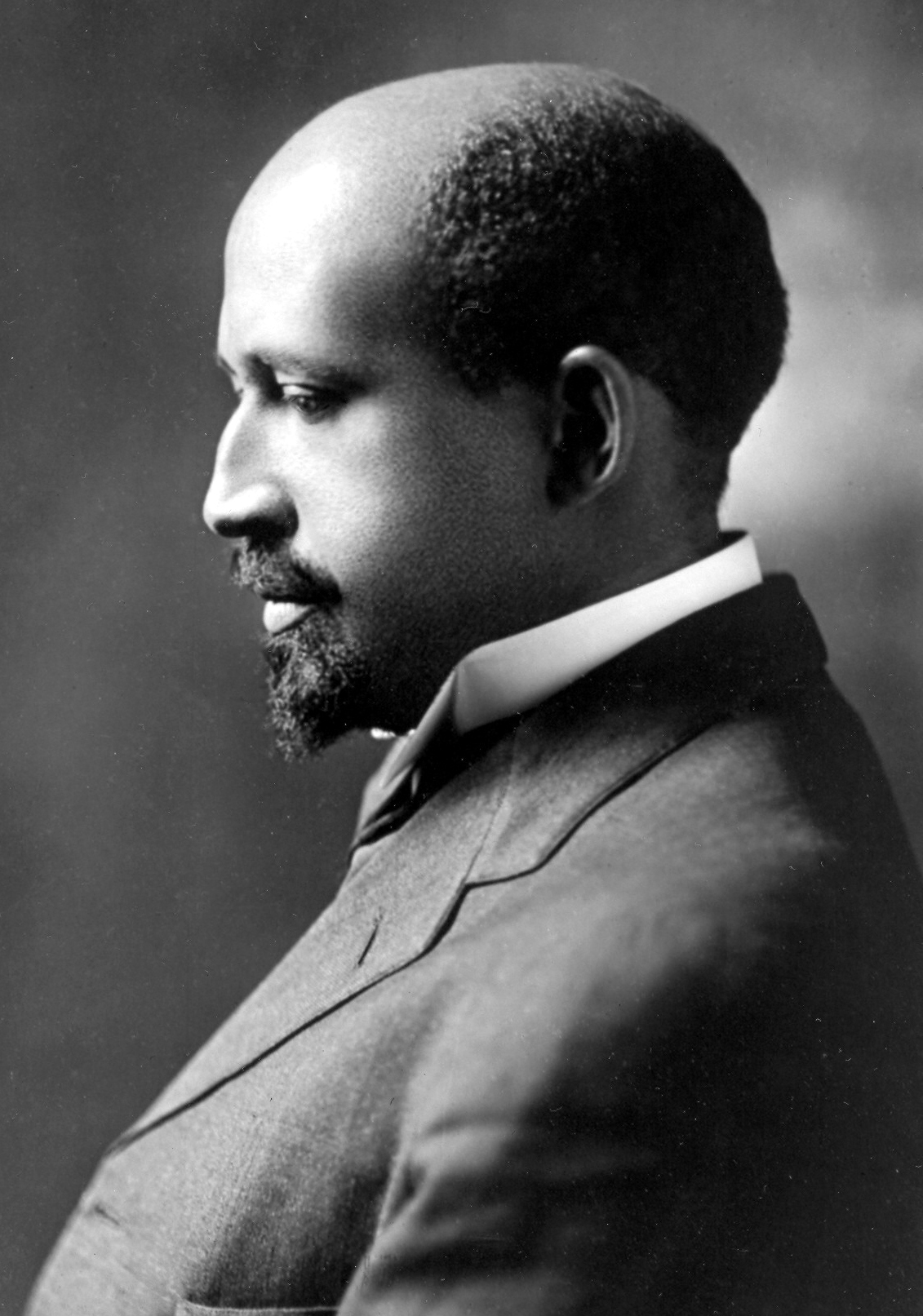

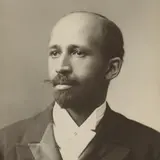
Portrait of W.E.B. Du Bois

AI Historical Figure

W.E.B. Du Bois

Civil rights activist and co-founder of the NAACP.

Chat with W.E.B. Du Bois via text or voice — in 42 languages, drawing on a curated biography and 95 historical sources. Available 24/7.

Start chatting with W.E.B. Du Bois20 messages free · No credit card
Lived
1868–1963
From
United StatesGhana
Known for
Scholarship & social scienceLiterature & writing
W.E.B. Du Bois

W.E.B. Du Bois

Online · responds in seconds

Hello — I'm W.E.B. Du Bois. Civil rights activist and co-founder of the NAACP. What would you like to ask me?

20 messages free · No credit card · Powered by Humy.ai

Live preview · Switch between 42 languages above · Send a message to continue in the app

Multilingual

Talk to W.E.B. Du Bois in 42 languages

Ask W.E.B. Du Bois questions in any language below, and the rest of Humy's app speaks it too. Pick yours to open the chat in that language.

Also in German (Austria), German (Switzerland), English (UK), English (Australia), English (Canada).

The sources behind this AI

95 sources · 30 books · 26 photographs · 11 documents · 10 artifacts · 7 newspaper articles · 6 letters · 4 paintings · 1 sculpture

W.E.B. Du Bois doesn’t improvise from thin air. The AI is grounded in 95 curated historical sources students can inspect. Open any of them to see what informs the conversation.

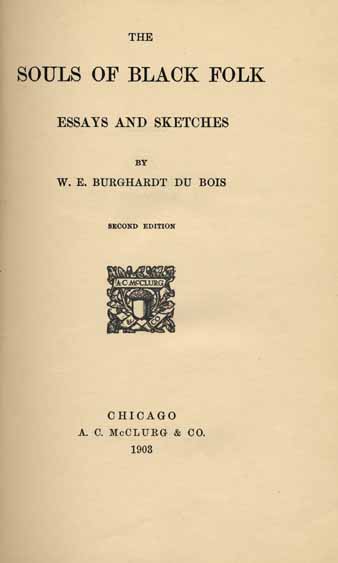
Title page of The Souls of Black Folk: Essays and Sketches by W. E. Burghardt Du Bois, Second Edition, with a printer's device reading A. C. McClurg, and imprint Chicago, A. C. McClurg & Co., 1903.Book

Secondary source

The Souls of Black Folk

W. E. B. Du Bois · 18 April 1903

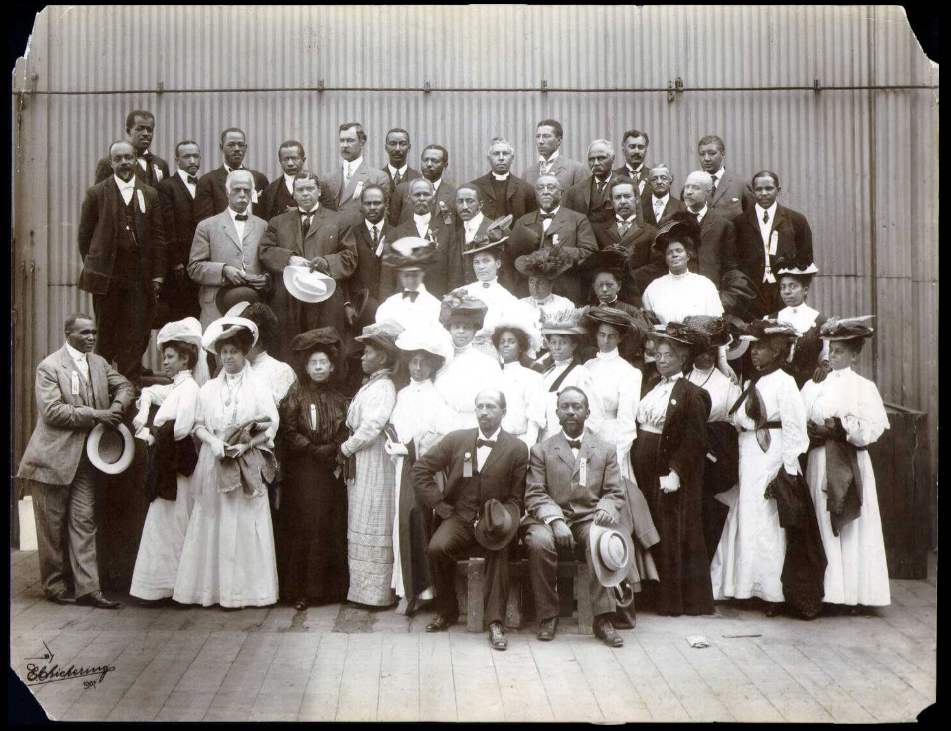
Black and white group photograph of about fifty African American men and women posed in rows on a wooden platform before a corrugated metal wall. Men wear dark suits and some wear hats; women wear long white and dark dresses and large hats. Two men seated in front hold hats.Document

Primary source

Niagara Movement

W. E. B. Du Bois · 1905

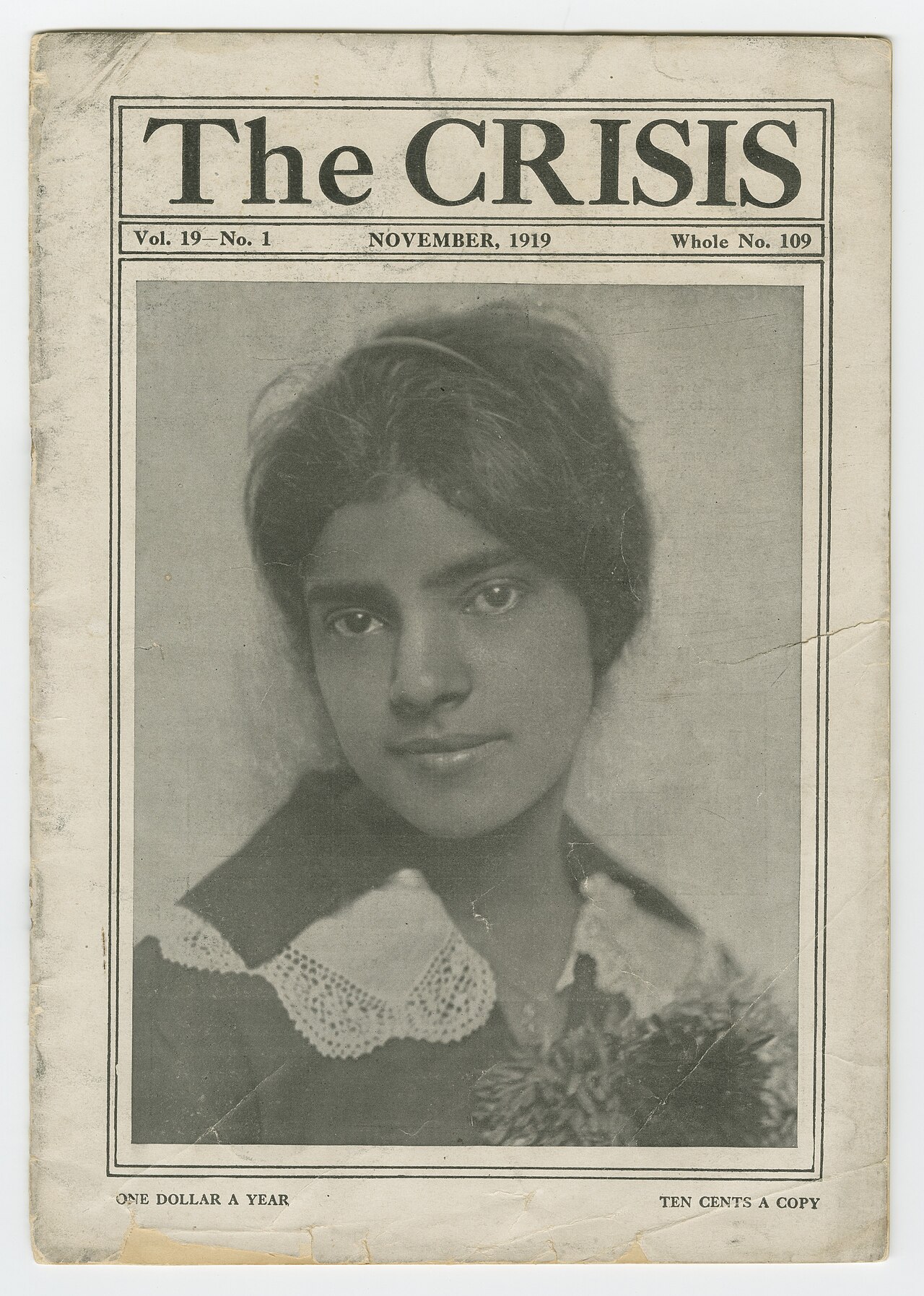
Front cover of The Crisis magazine, Vol. 19 No. 1, November 1919. Masthead reads 'The CRISIS' with 'NOVEMBER, 1919' and 'Whole No. 109'. A black-and-white portrait of a young woman with upswept dark hair and a lace collar fills the cover. Prices printed at the bottom.Newspaper article

Primary source

The Crisis

W. E. B. Du Bois · 1910

Book

Primary source

The Talented Tenth

W. E. B. Du Bois · 1903

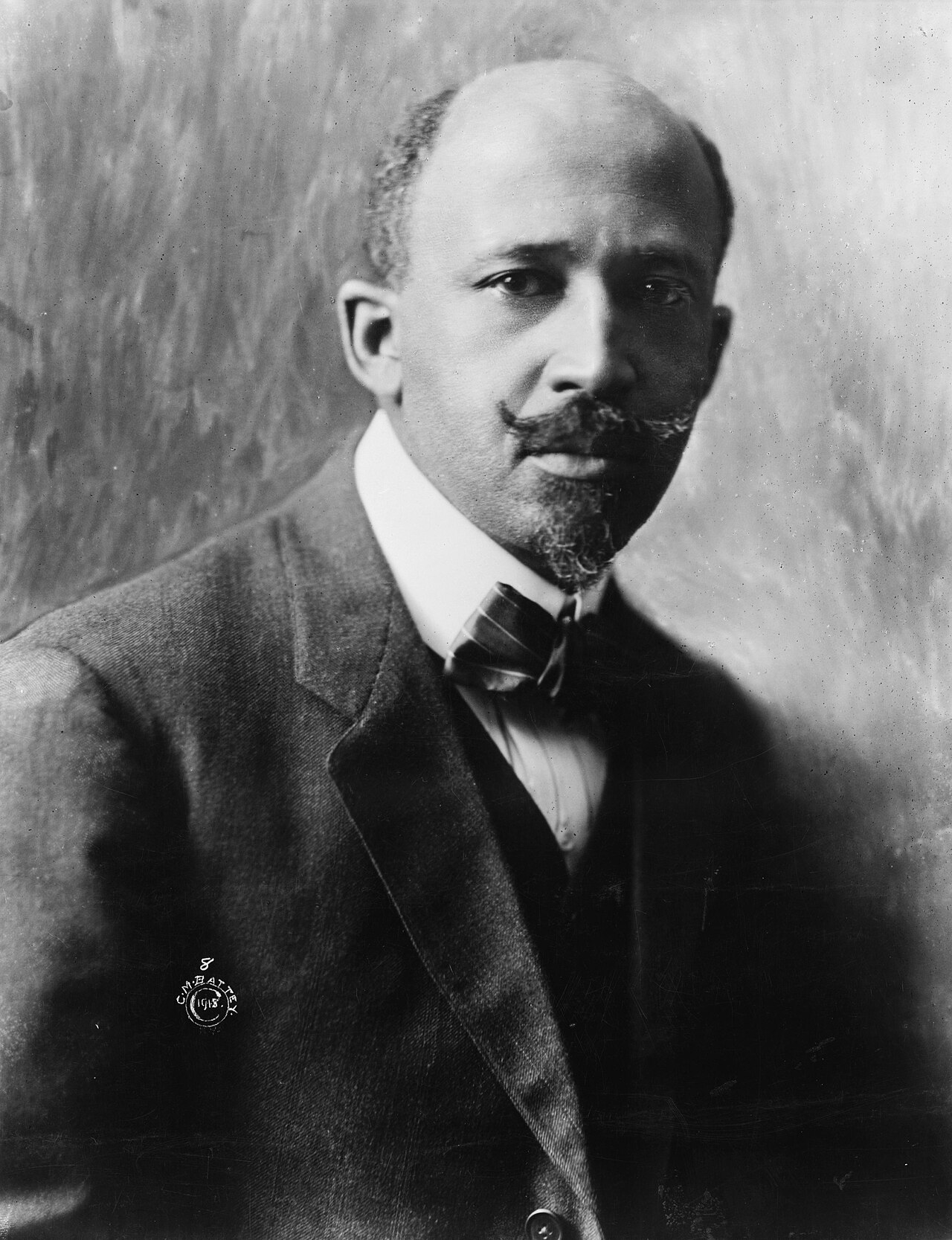
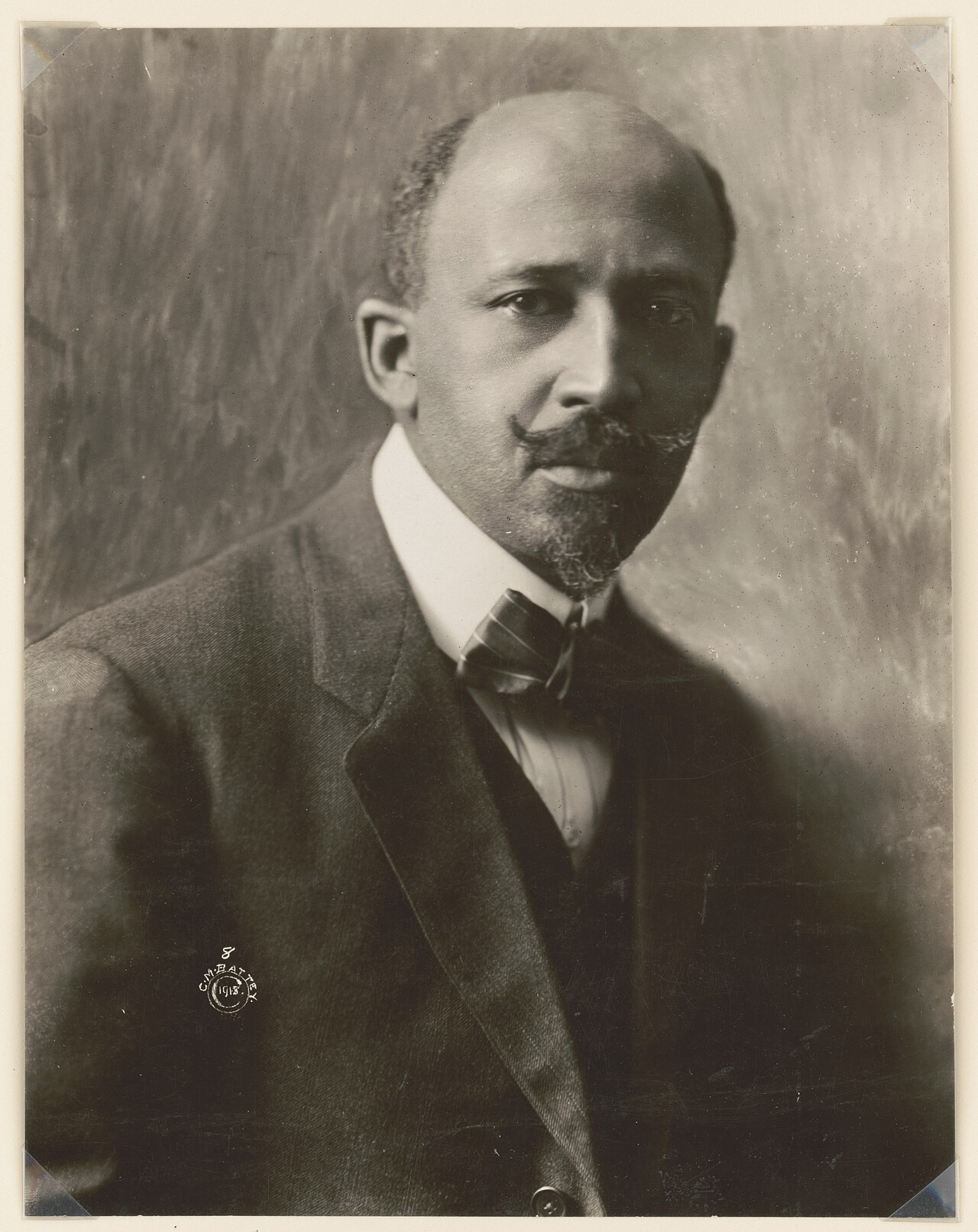
Black-and-white studio portrait of a middle-aged man with a receding hairline, a mustache and goatee, wearing a dark suit, white collar, and striped bow tie, against a mottled backdrop. A small circular stamp is visible on the lower left of the image.Photograph

Primary source

W. E. B. Du Bois, 1918 portrait

Cornelius Marion Battey · 1918

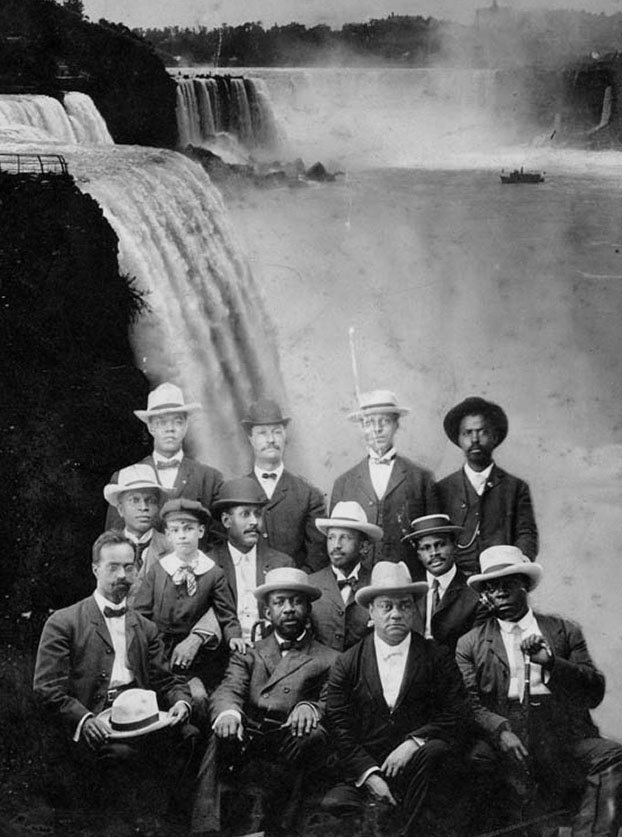
Black and white group photograph of about fourteen men and a boy posed in tiers in front of a large waterfall, with a small boat on the river. Many wear suits, bow ties, and hats; the seated men in front are holding hats.Photograph

Primary source

Niagara Movement Meeting in Fort Erie, Canada, 1905

Unknown author · 1905

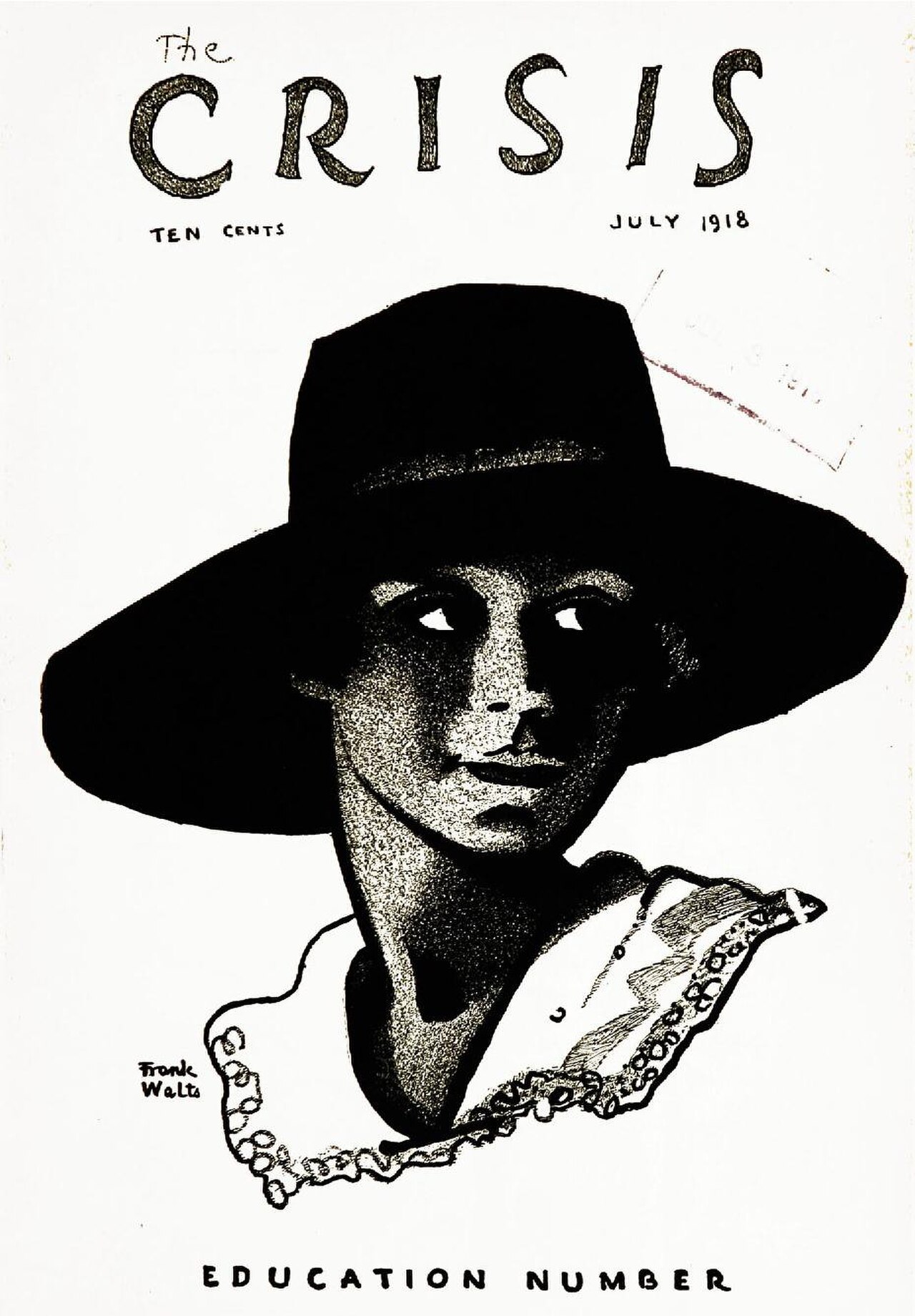
Cover of The Crisis, July 1918, Education Number, ten cents. Black-and-white illustration by Frank Walts of a woman in a wide-brimmed hat with a lace collar, shown in stippled shading against a white background.Newspaper article

Primary source

Close Ranks

W. E. B. Du Bois · 1918

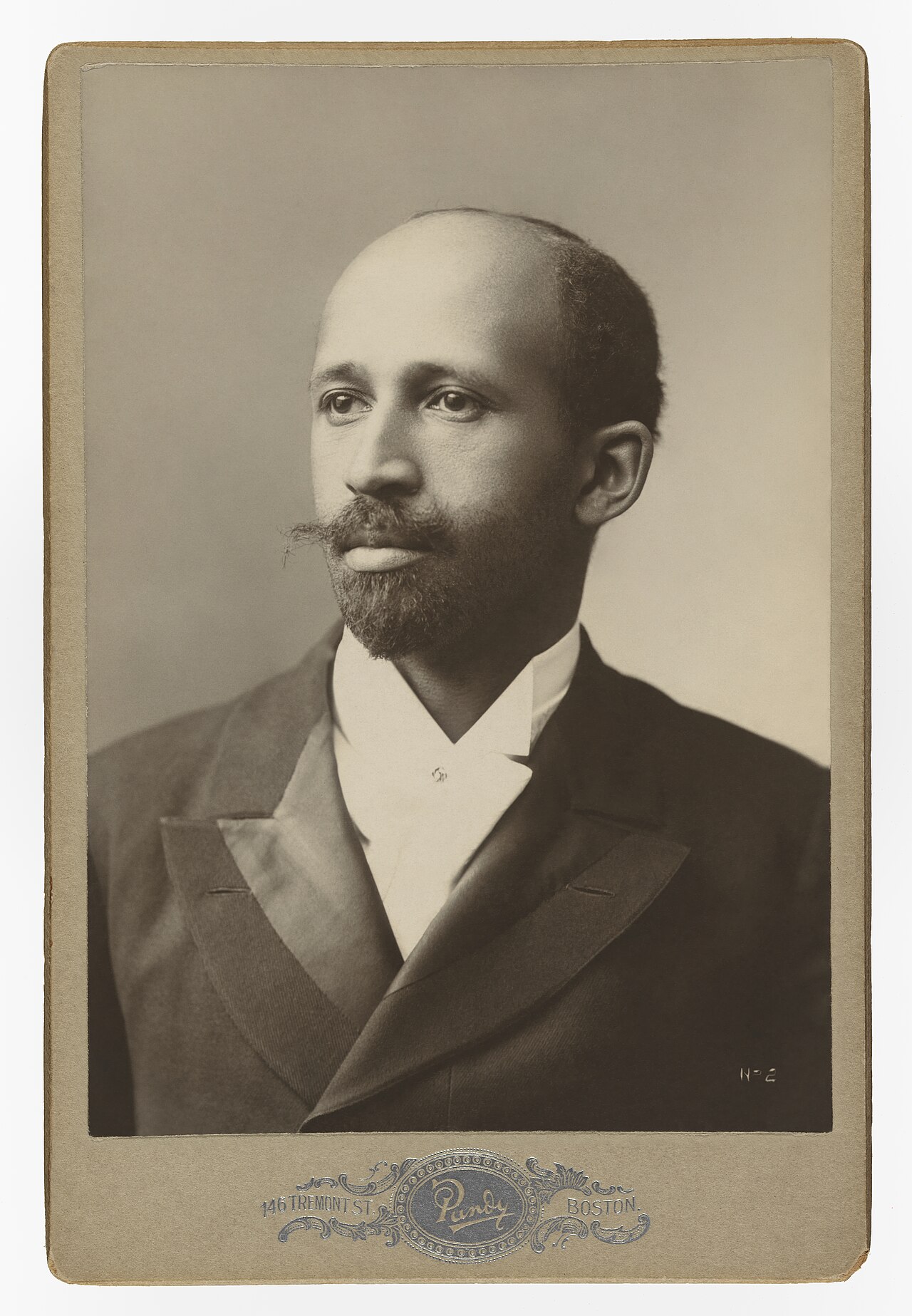
Sepia cabinet card portrait of a bald man with a mustache and short beard, seated in a three-quarter turn to the left in a dark suit, white high-collared shirt and tie, against a gray backdrop. A printed mount reads 146 Tremont St, Boston, Purdy.Photograph

Primary source

W. E. B. Du Bois by James E. Purdy

James E. Purdy · 1907

Newspaper article

Primary source

Strivings of the Negro People

W. E. B. Du Bois · August 1897

Book

Primary source

The Conservation of Races

W. E. B. Du Bois · 1897

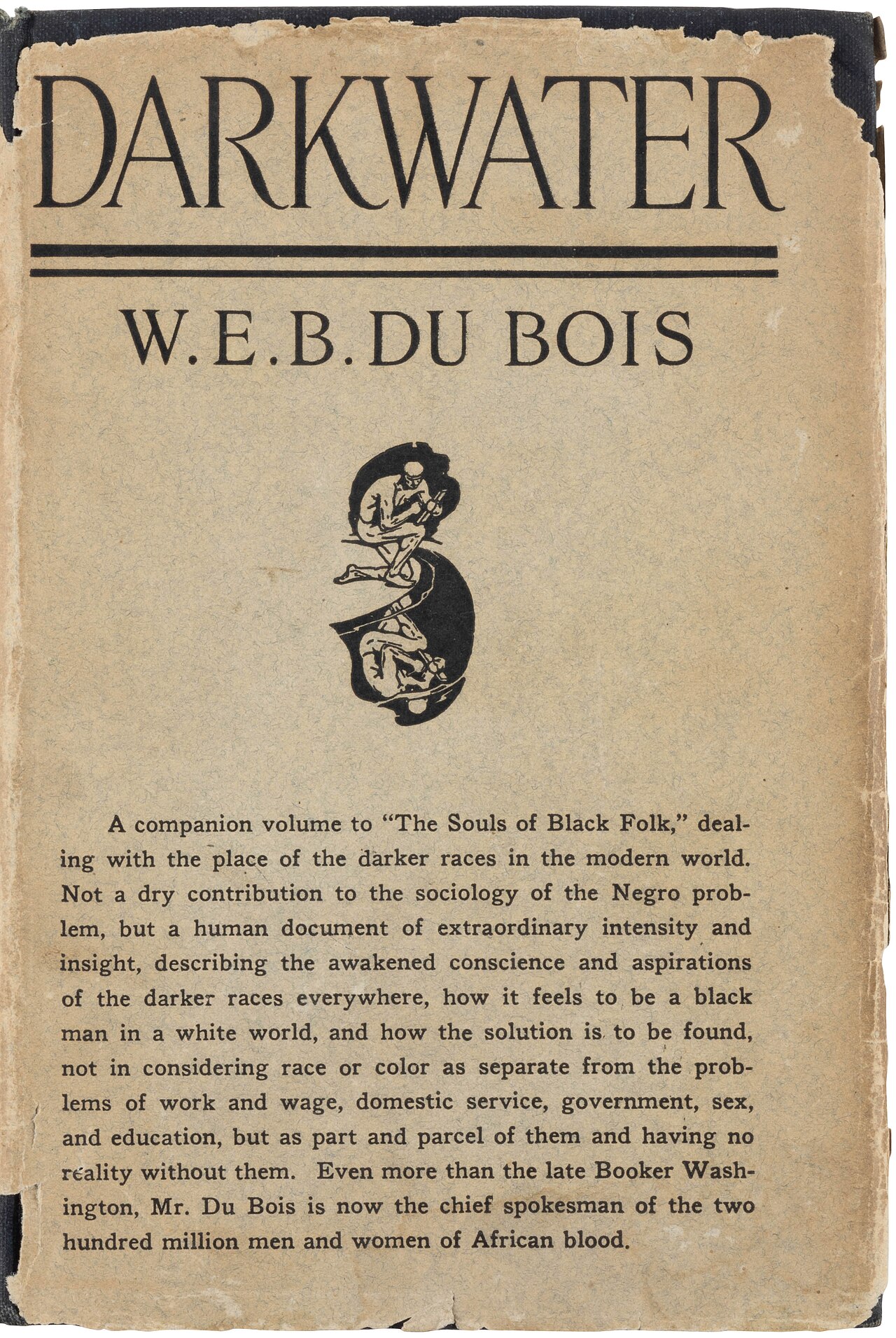
Front dust jacket of the book Darkwater by W. E. B. Du Bois. Title in large letters at top, author name below, a small black woodcut-style vignette of two figures in the middle, and a block of promotional text at the bottom. Paper is aged and tan with worn edges.Book

Primary source

Darkwater: Voices from Within the Veil

W. E. B. Du Bois · 1920

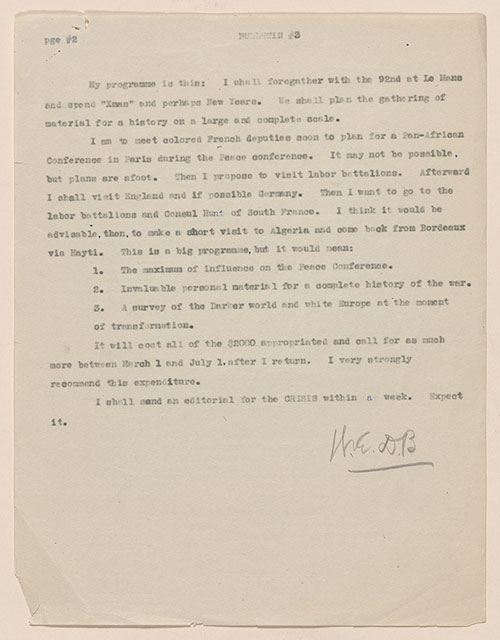
Typed letter on aged paper, headed 'Pge #2' and 'Dec 1918'-style header, with a signature 'W.E.B. Du Bois' at bottom right. Text describes plans to meet French deputies for a Pan-African Conference in Paris during the Peace Conference, and a visit to England and Germany.Letter

Primary source

W.E.B. Du Bois to NAACP, January 1919, on the Pan-African Congress

W.E.B. Du Bois · January 1919

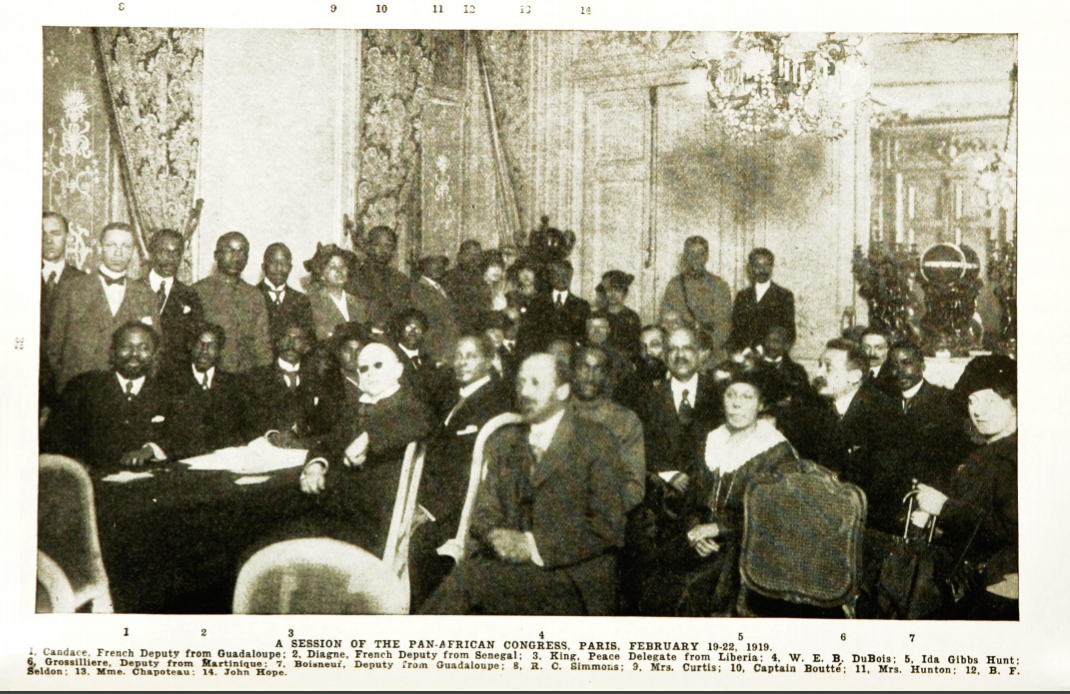
Black-and-white photograph of a formal session of the Pan-African Congress in an ornate Paris room with gilded walls, chandeliers, and draped curtains. Men in suits and women in dark dresses sit at a table and in rows, some standing at the back. A printed caption lists numbered attendees below.Photograph

Primary source

Pan-African Congress, Paris, February 1919

Unknown · 19-22 February 1919

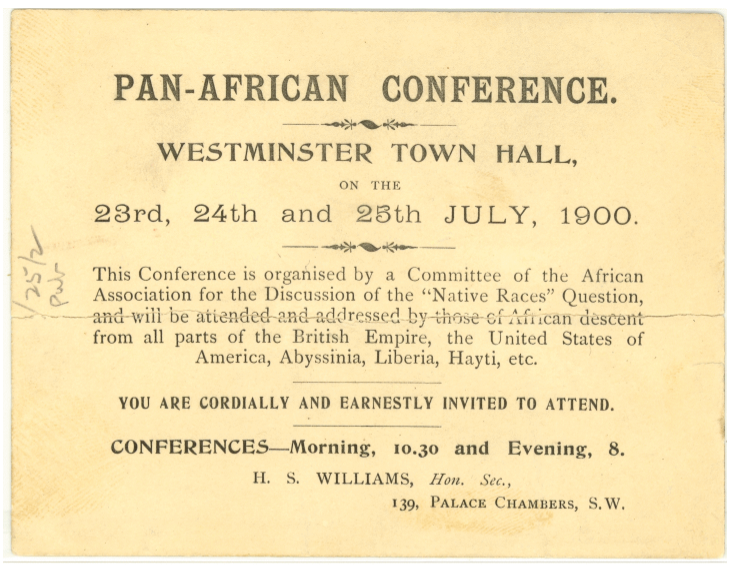
Scan of a cream-colored printed card announcing the Pan-African Conference at Westminster Town Hall on 23, 24 and 25 July 1900. It invites attendance, lists session times, and is signed by H. S. Williams, Hon. Sec., 139 Palace Chambers, S.W. Some text is struck through.Document

Primary source

Invitation to the Pan-African Conference, Westminster Town Hall, 1900

Henry Sylvester Williams · July 1900

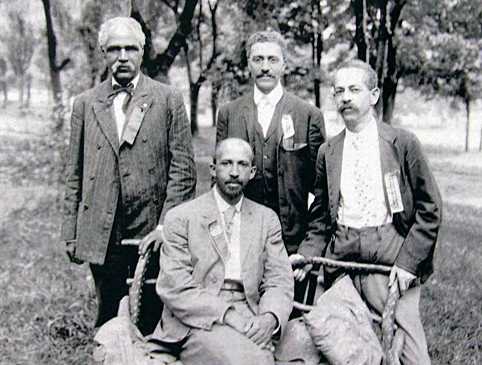
Black and white photograph of four men outdoors among trees. Seated in front, a man in a light suit holds a cane. Standing behind him are three men in suits: the left one with white hair, the center one with a mustache, and the right one with a mustache and a pale vest, wearing a badge on his lapel.Photograph

Primary source

Niagara Movement Leaders at Harpers Ferry

Unknown · c. 1906

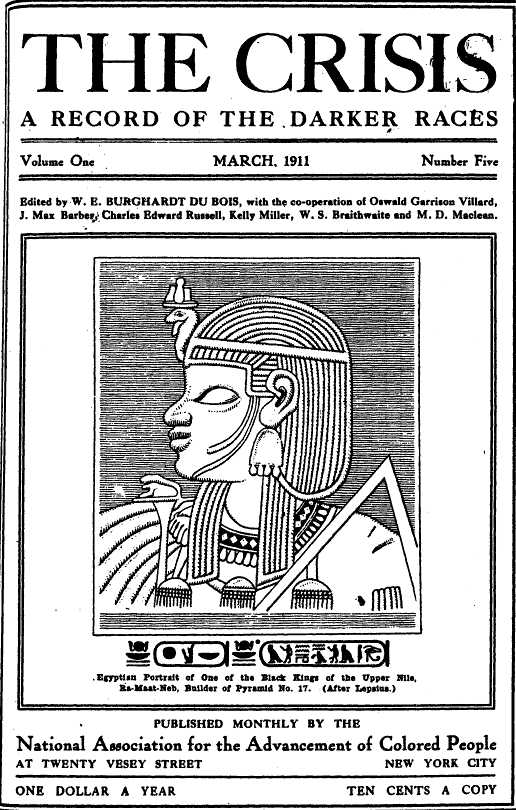
Cover of The Crisis, Volume One, March 1911, Number Five. Masthead reads 'A Record of the Darker Races.' Below, an edited-by line names W. E. Burghardt Du Bois and co-operators. The central image is an engraved line drawing of an ancient Egyptian portrait of a Black king, in profile with a striped headdress, captioned Ea-Maat-Neb, Builder of Pyramid No. 17. Footer reads published monthly by the National Association for the Advancement of Colored People, New York City, one dollar a year, ten cents a copy.Newspaper article

Primary source

The Crisis, March 1911 Cover with Black Pharaoh Illustration

W. E. B. Du Bois · March 1911

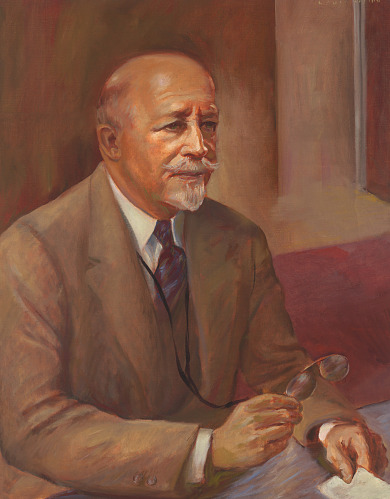
Oil portrait of an older bald man with a white mustache and goatee, wearing a tan suit, white shirt, and dark striped tie. He sits at a table holding eyeglasses by a cord, with warm brown and red tones in the background.Painting

Primary source

W. E. B. Du Bois

Laura Wheeler Waring · 1948

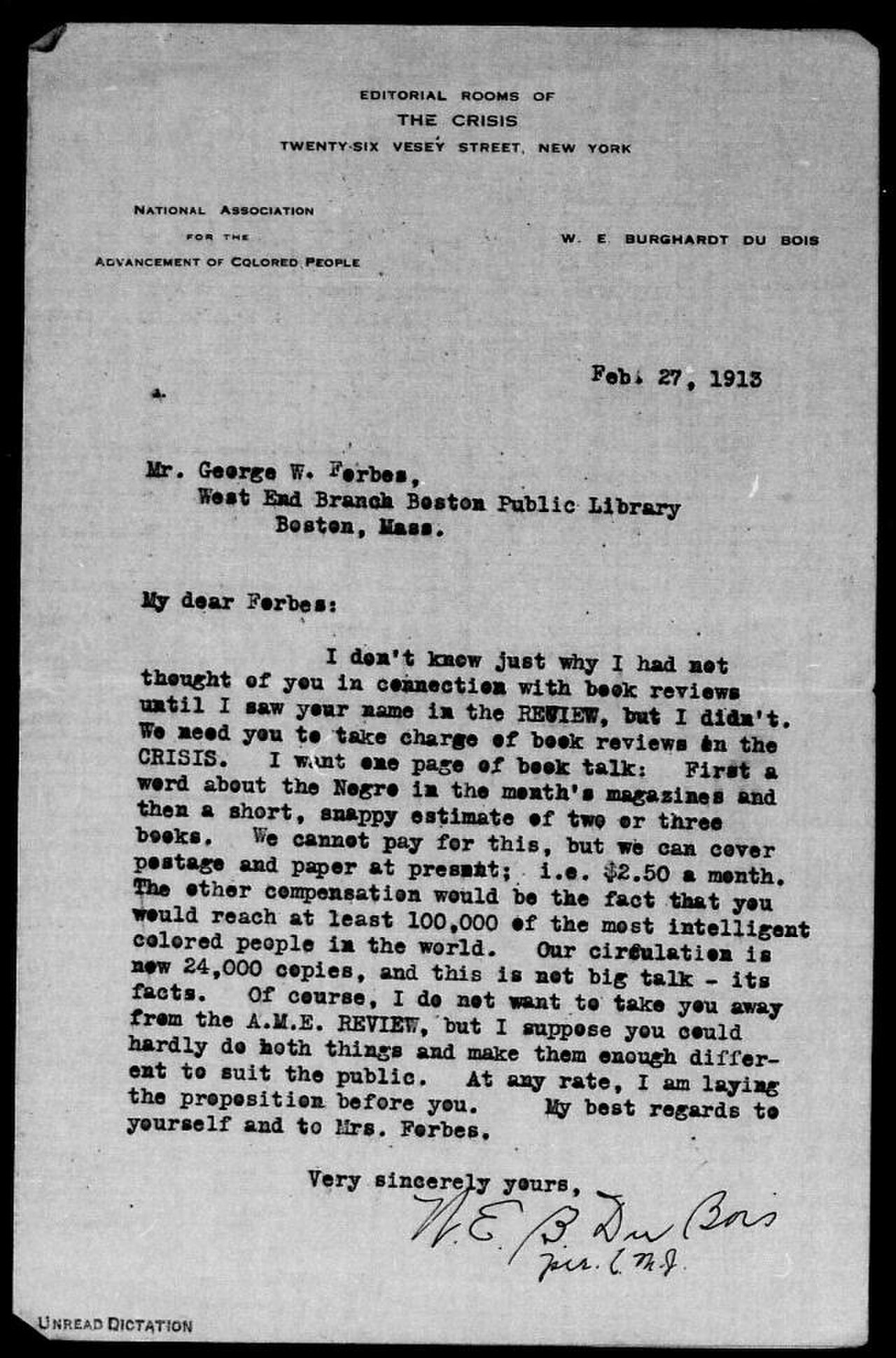
Typed letter on letterhead of The Crisis, Editorial Rooms, Twenty-Six Vesey Street, New York, dated Feb 27, 1913, addressed to Mr. George W. Forbes, West End Branch Boston Public Library, inviting him to take charge of book reviews. Signed in ink with a signature and 'per C.N.J.' notation; bottom left reads 'Unread Dictation'.Letter

Primary source

Letter to George W. Forbes on The Crisis Book Reviews

W. E. B. Du Bois · 27 February 1913

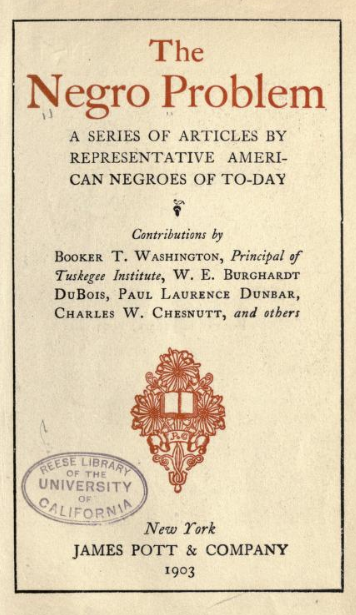
Title page of 'The Negro Problem', 1903. Large red title, subtitle 'A series of articles by representative American Negroes of to-day', contributor names including Booker T. Washington, W. E. B. DuBois, Paul Laurence Dunbar, and Charles W. Chesnutt. Red floral emblem with an open book, a Reese Library University of California stamp, and the publisher James Pott & Company, New York.Book

Primary source

The Negro Problem

Booker T. Washington (editor); essays by W. E. B. Du Bois and others · 1903

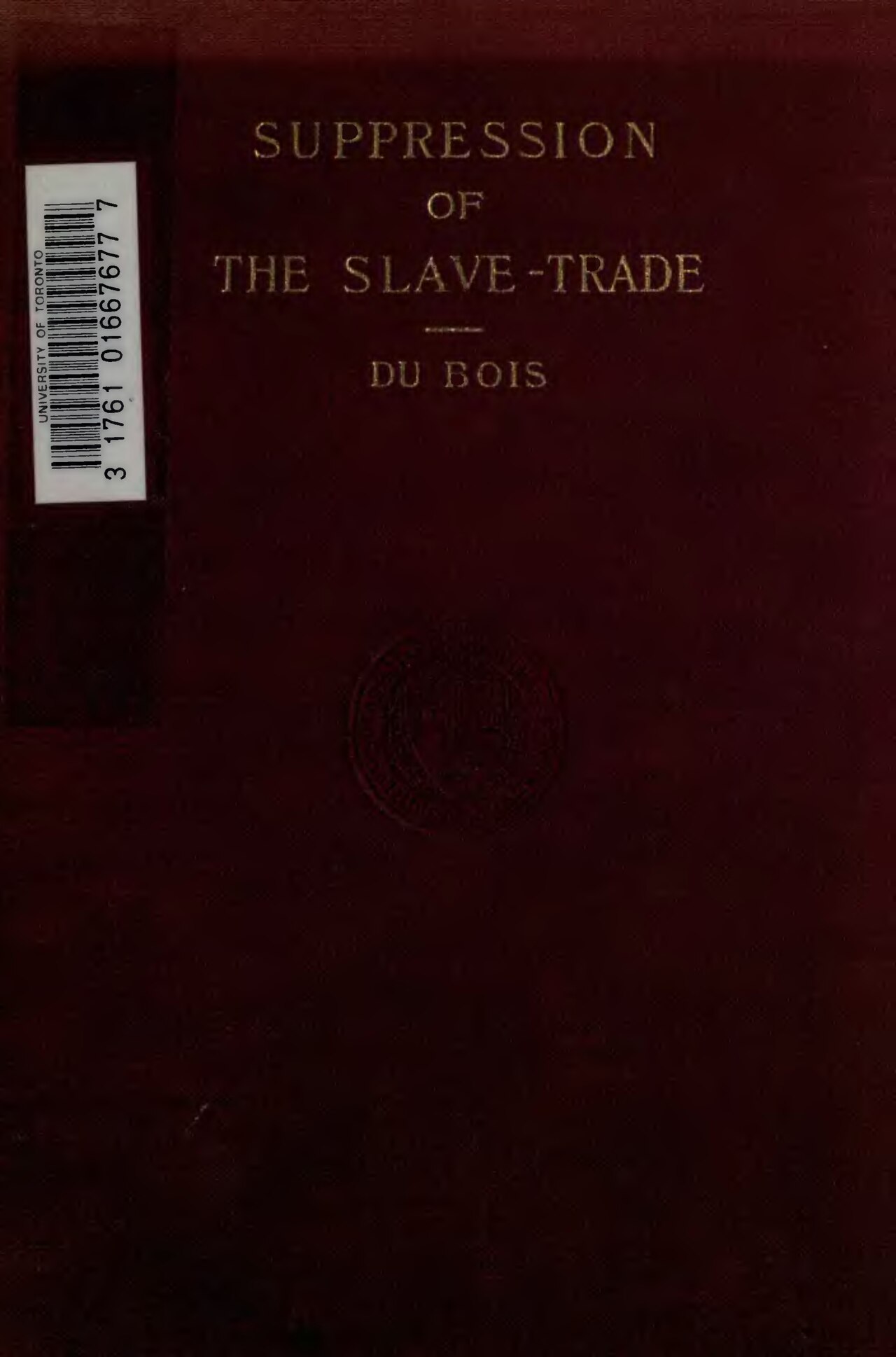
Front cover of a dark red cloth book. Gold title reads 'SUPPRESSION OF THE SLAVE-TRADE' and 'DU BOIS' below. A white University of Toronto library barcode label sits on the left edge, and a faint circular emblem appears on the cover.Book

Primary source

The Suppression of the African Slave-Trade to the United States of America, 1638-1870

W. E. B. Du Bois · 1896

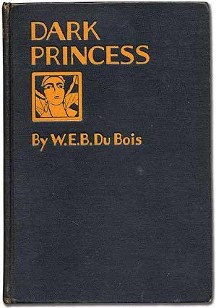
Dark blue cloth book cover titled DARK PRINCESS in orange capitals, with a small orange framed illustration of a woman's face and the line 'By W.E.B. Du Bois' below.Book

Primary source

Dark Princess

W. E. B. Du Bois · 1928

Book

Primary source

The Quest of the Silver Fleece

W. E. B. Du Bois · 1911

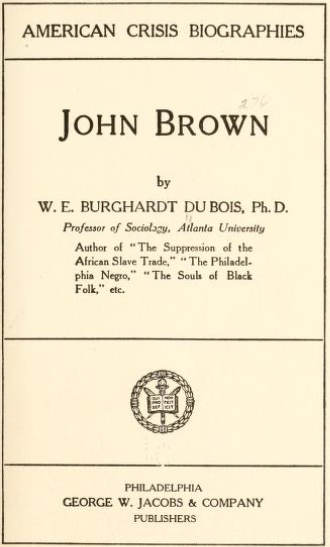
Title page of the book "John Brown" by W. E. B. Du Bois, Ph.D., Professor of Sociology, Atlanta University. Header reads American Crisis Biographies. Publisher: George W. Jacobs & Company, Philadelphia. Includes a small seal emblem.Book

Secondary source

John Brown

W. E. B. Du Bois · 1909

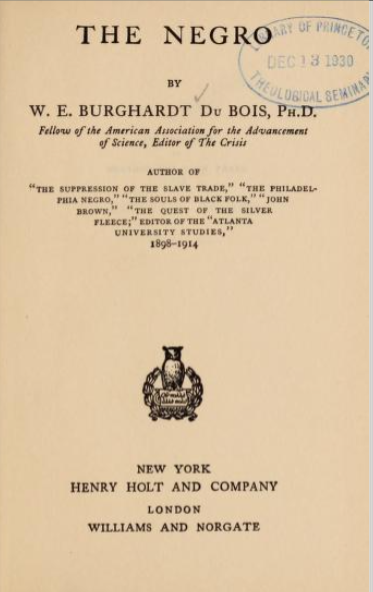
Title page of the book The Negro by W. E. B. Du Bois, with a library stamp reading Princeton Theological Seminary in the upper right. Below the title are the author's name and credentials, a list of his other works, a small emblem, and the publisher line for New York, Henry Holt and Company, London, and Williams and Norgate.Book

Primary source

The Negro

W. E. B. Du Bois · 1915

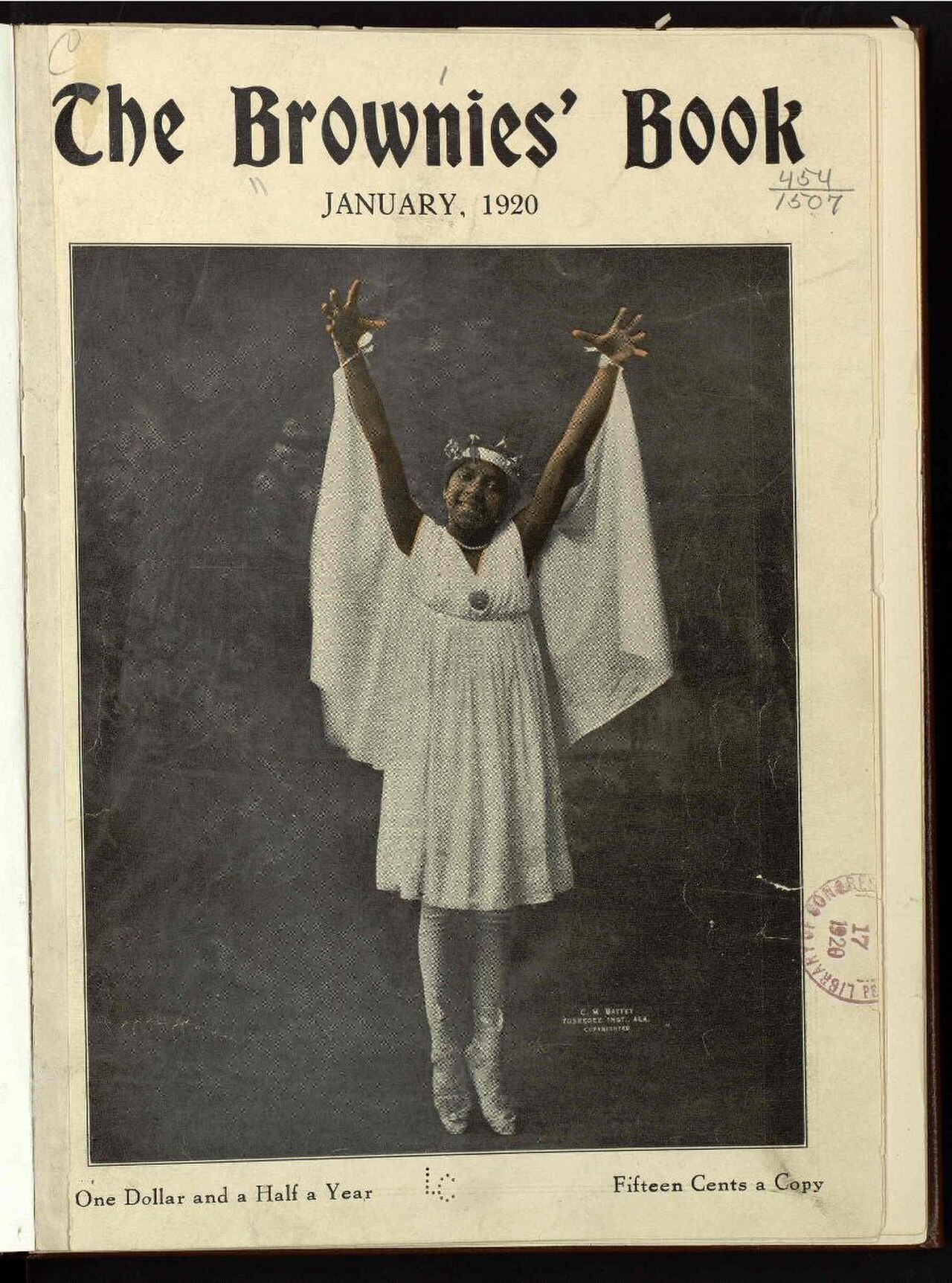
Cover of The Brownies' Book, January 1920. Title in large black blackletter type above a photograph of a young Black dancer in a white dress with arms raised overhead, wearing a white headband. Price notes at the bottom.Newspaper article

Primary source

The Brownies' Book

W. E. B. Du Bois · 1920

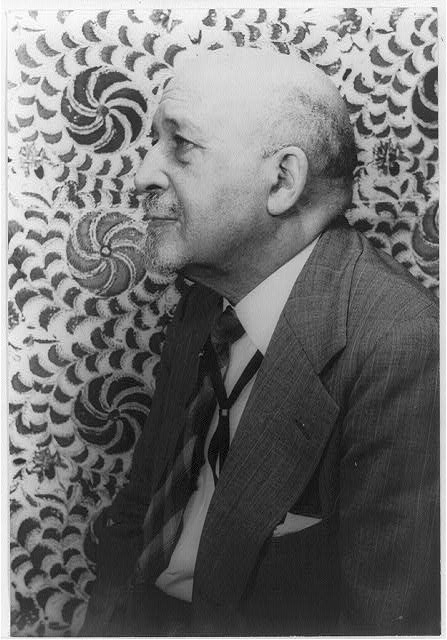
Black-and-white portrait of an older bald man in a suit jacket, tie, and white shirt, seen in profile looking left, against a patterned swirl background.Photograph

Primary source

Portrait of W. E. B. Du Bois

Carl Van Vechten · 1946

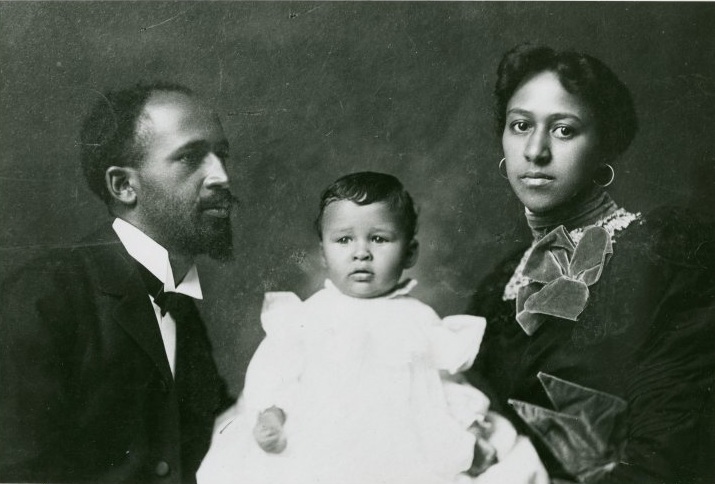
Black and white studio portrait of three people: a man with a mustache and beard in a dark suit and bow tie on the left, a toddler in a white dress in the center, and a woman with hoop earrings and dark dress with a velvet bow on the right.Photograph

Primary source

W. E. B. Du Bois with his wife Nina and daughter Yolande

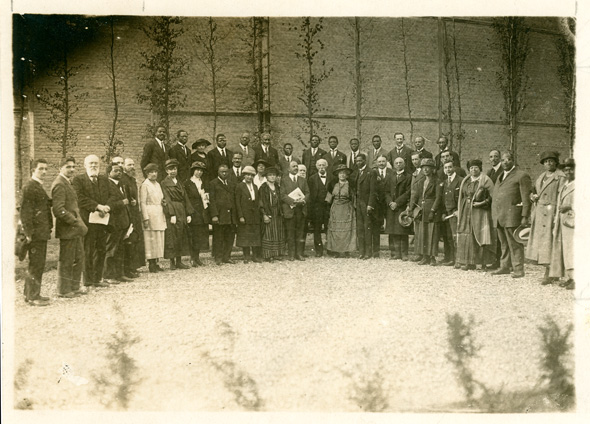
Sepia group photograph of about fifty men and a few women in dark formal clothing standing outdoors on gravel in front of a brick wall with young bare trees, taken at the 1921 Pan African Conference in Brussels.Photograph

Primary source

The Second Pan African Conference, Brussels, 1921

31 August - 2 September 1921

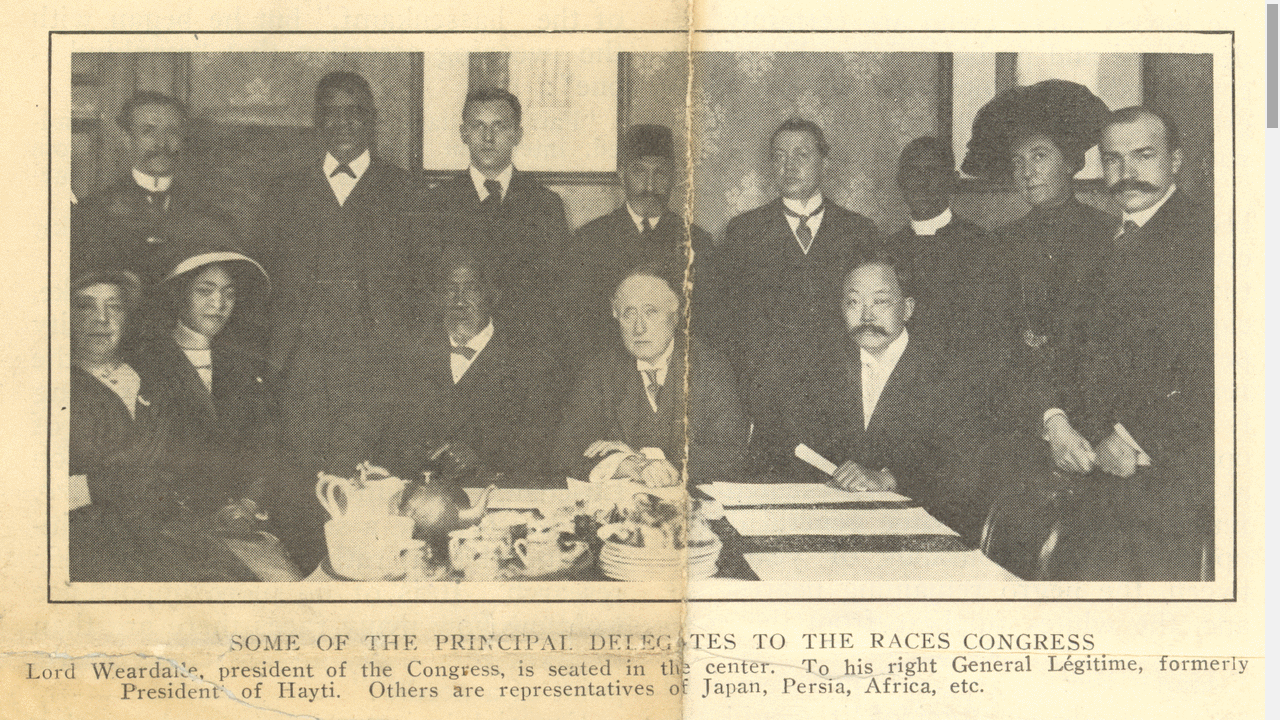
Black-and-white photograph of a group of formally dressed men and women seated and standing around a table with teapots and dishes, with a printed caption below describing the principal delegates to the Races Congress.Photograph

Primary source

Principal Delegates at the First Universal Races Congress

Unknown author · 1911

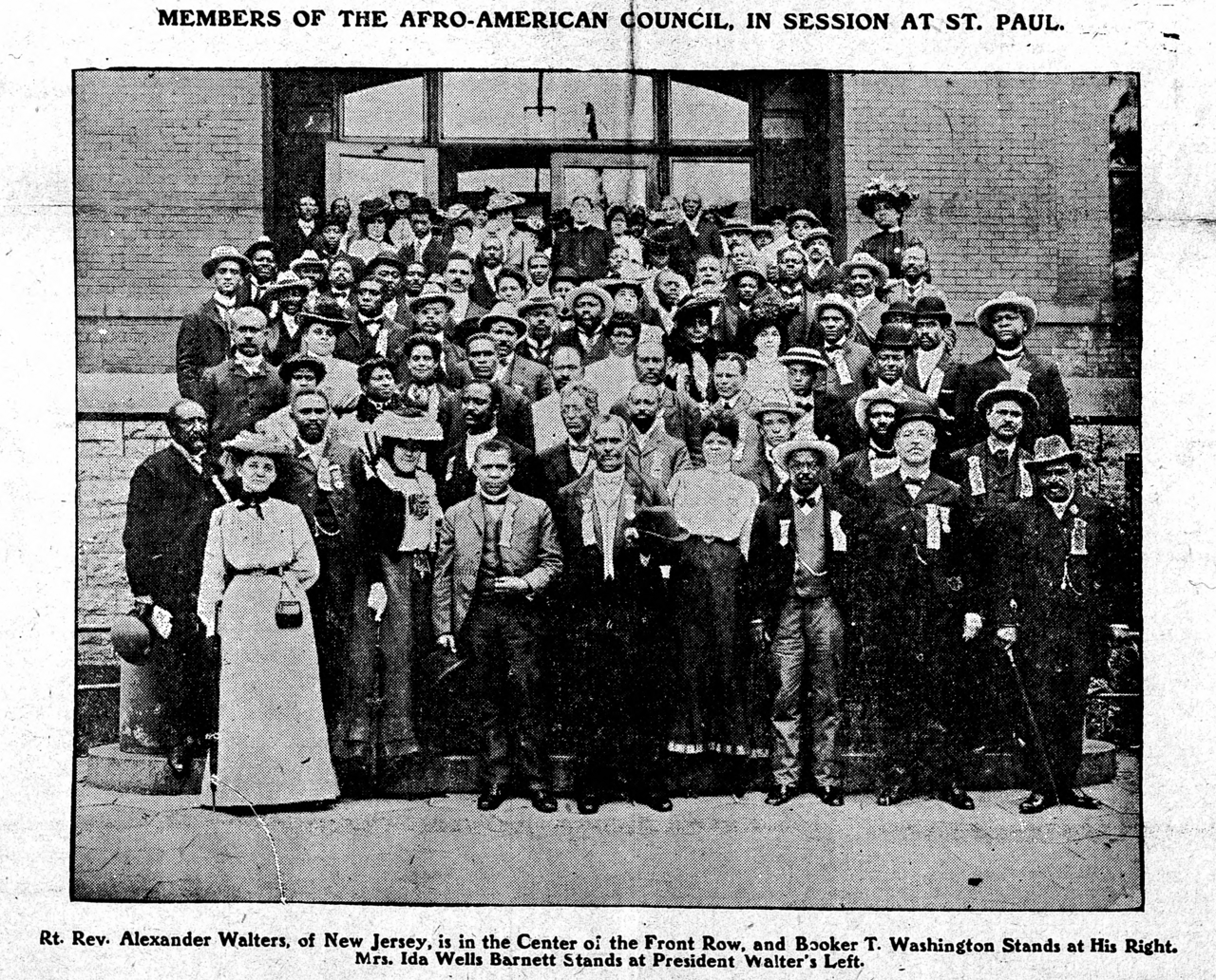
Newspaper reproduction of a group photograph of members of the Afro-American Council posed on and in front of a brick building's entrance steps. Many men in suits and hats and a few women in long dresses and hats fill the rows. A caption above reads 'Members of the Afro-American Council, in session at St. Paul,' and a caption below identifies Alexander Walters, Booker T. Washington, and Ida Wells Barnett.Photograph

Primary source

Afro-American Council Group Photograph, 1902

The Appeal · 1902

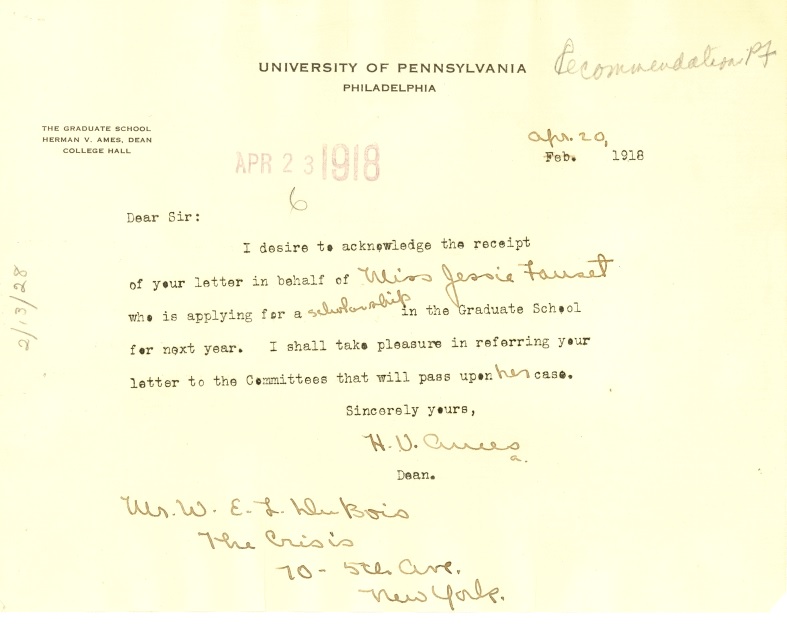
Typed letter on yellowed paper from the University of Pennsylvania Graduate School, signed by Dean H. V. Ames, dated Feb. 20, 1918, acknowledging a letter on behalf of Miss Jessie Fauset applying for a scholarship. Handwritten address to Mr. W. E. B. DuBois, The Crisis, 70 Fifth Ave, New York. Stamped received Apr 23 1918, with handwritten 'Recommendation' in the top corner.Letter

Primary source

Letter from Herman Ames to W. E. B. Du Bois, 1918

Herman Vandenburg Ames · 20 February 1918

Handwritten cursive signature reading 'W. E. B. Du Bois' in black ink on a white background, with flourishes under the letters.Document

Primary source

Signature of W. E. B. Du Bois

W. E. B. Du Bois · 1897

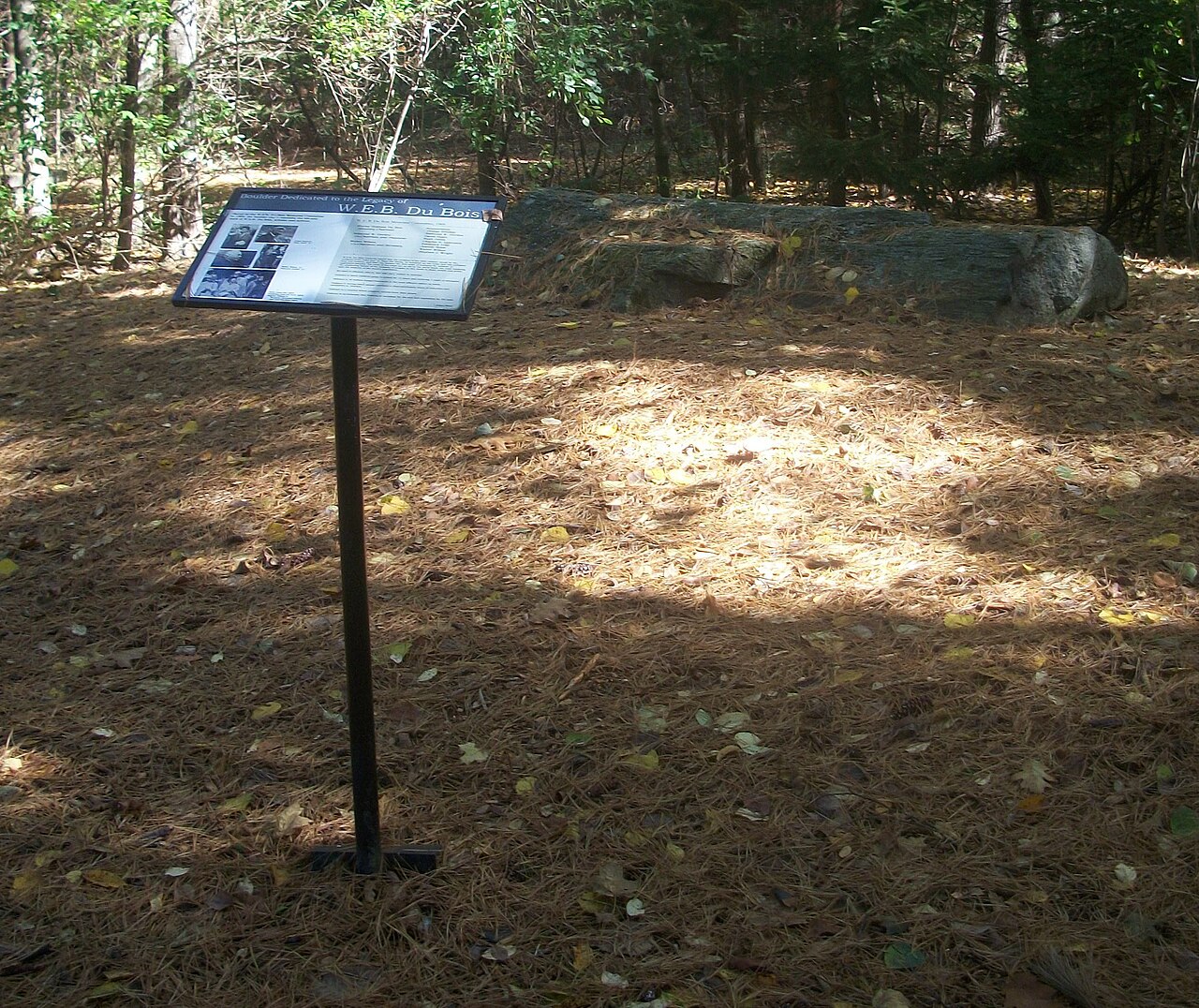
A dark metal post supports a rectangular plaque in a wooded clearing covered with pine needles. The plaque reads 'Marker Dedicated to the Memory of W.E.B. Du Bois' and includes small photographs and text. Behind it lies a large grey boulder among trees.Artifact

Secondary source

W. E. B. Du Bois Boyhood Homesite

18th–19th century

Economic Co-operation Among Negro AmericansBook

Primary source

Economic Co-operation Among Negro Americans

W. E. B. Du Bois · 1907

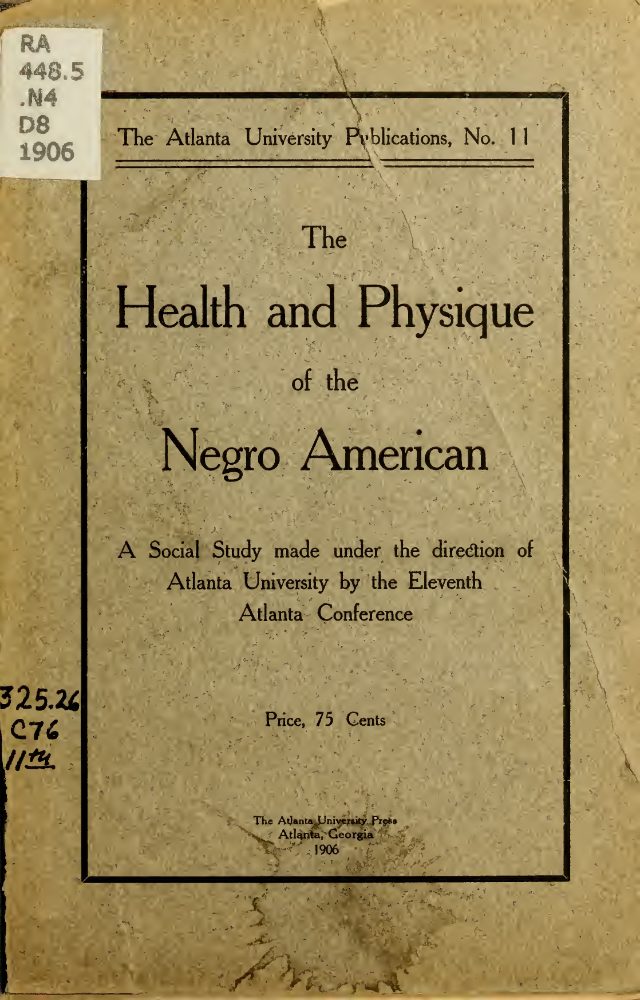
The Health and Physique of the Negro AmericanBook

Primary source

The Health and Physique of the Negro American

W. E. B. Du Bois (editor) · 1906

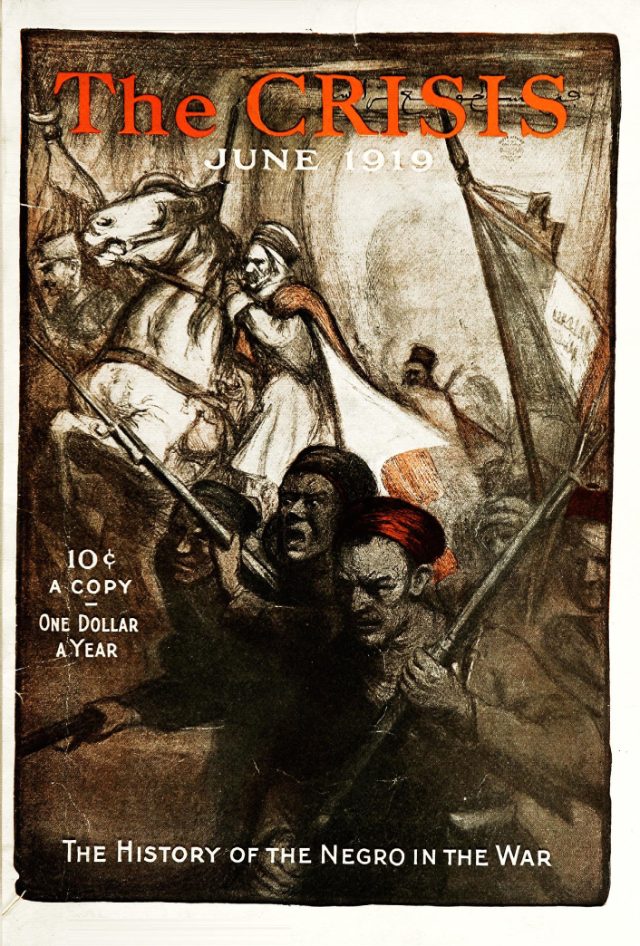
An Essay Toward a History of the Black Man in the Great WarNewspaper article

Primary source

An Essay Toward a History of the Black Man in the Great War

W. E. B. Du Bois · June 1919

Book

Primary source

A Negro Schoolmaster in the New South

W. E. B. Du Bois · 1899

Book

Primary source

The Black North: A Social Study

W. E. B. Du Bois · 1901

Book

Primary source

The Freedmen's Bureau

W. E. B. Du Bois · 1901

Book

Primary source

Of the Training of Black Men

W. E. B. Du Bois · 1902

Book

Secondary source

Crispus Attucks address in Masterpieces of Negro Eloquence

George L. Ruffin · 1914

Book

Primary source

A Litany of Atlanta

W. E. B. Du Bois · 1922

Book

Primary source

The Social Evolution of the Black South

W. E. B. Du Bois · 1911

Book

Secondary source

W. E. Burghardt Du Bois (Chapter V, The Negro in Literature and Art)

Benjamin Griffith Brawley · 1918

Black-and-white studio portrait in profile of a bald-crowned man with short hair at the sides, a mustache and goatee, wearing a dark suit jacket and a white collar, looking downward to the left.Photograph

Primary source

Photograph of W.E.B. Du Bois by Addison Scurlock

Addison N. Scurlock · c. 1911

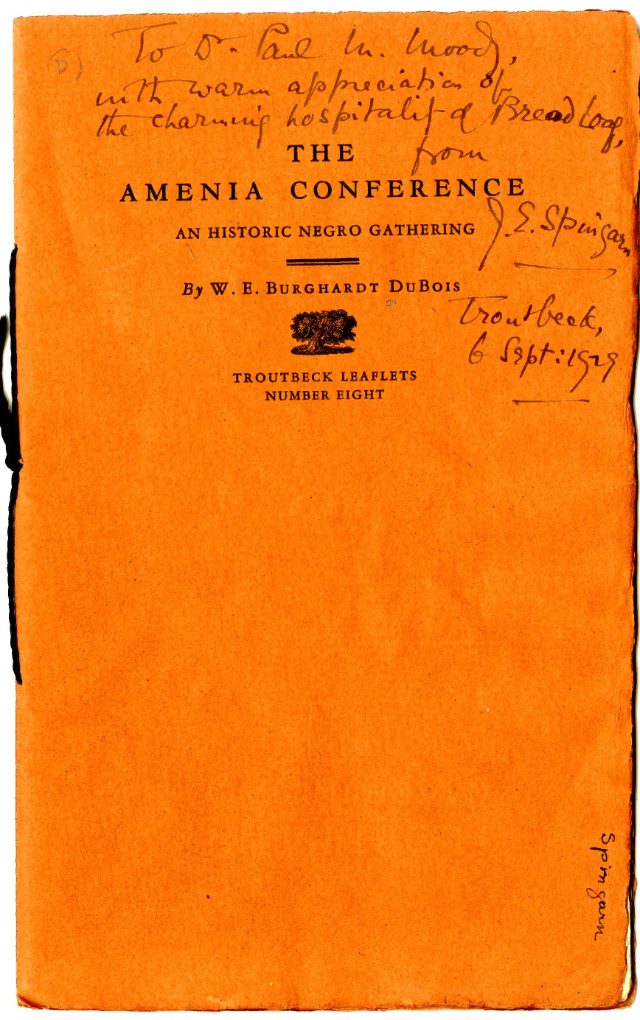
The Amenia Conference: An Historic Negro GatheringBook

Primary source

The Amenia Conference: An Historic Negro Gathering

W. E. B. Du Bois · September 1925

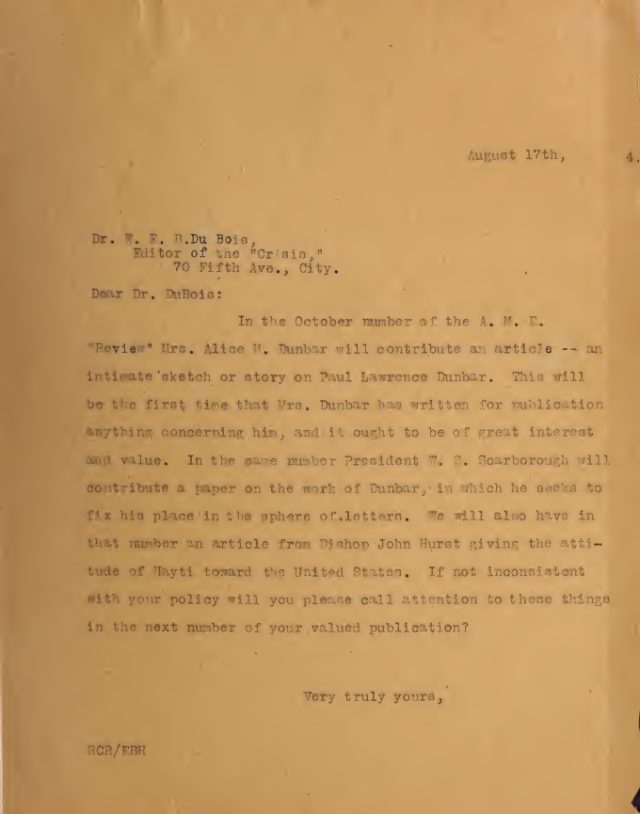
Letter from Reverdy C. Ransom to W. E. B. Du Bois, 1914Letter

Primary source

Letter from Reverdy C. Ransom to W. E. B. Du Bois, 1914

Reverdy C. Ransom · 17 August 1914

Black-and-white studio portrait of a bald man with a mustache and goatee, wearing a dark suit, white collar, and striped bow tie, against a painted backdrop. A circular photographer's stamp with 1919 appears at lower left.Photograph

Primary source

Photograph of W.E.B. Du Bois by C. M. Battey, 1919

C. M. Battey · 1919

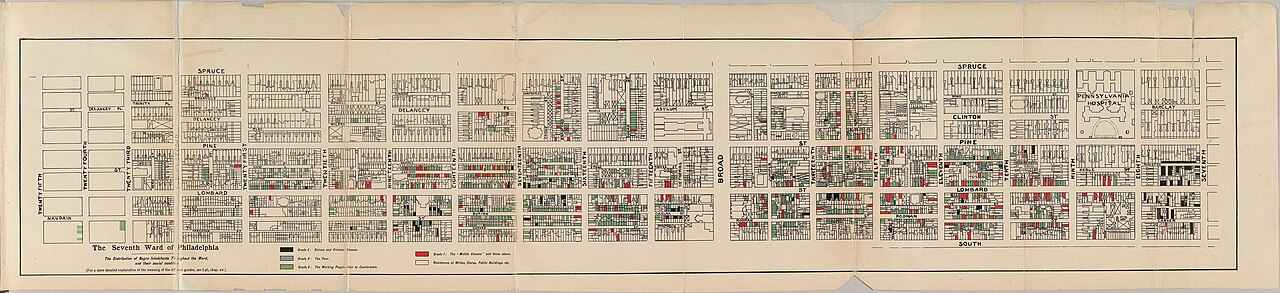
Long, horizontal color-coded street map titled 'The Seventh Ward of Philadelphia,' showing city blocks labeled with street names such as Spruce, Clinton, and Bainbridge, with colored blocks indicating residence categories and a legend at the bottom.Document

Primary source

Map of African American Residents, Seventh Ward, Philadelphia

W. E. B. Du Bois · 1899

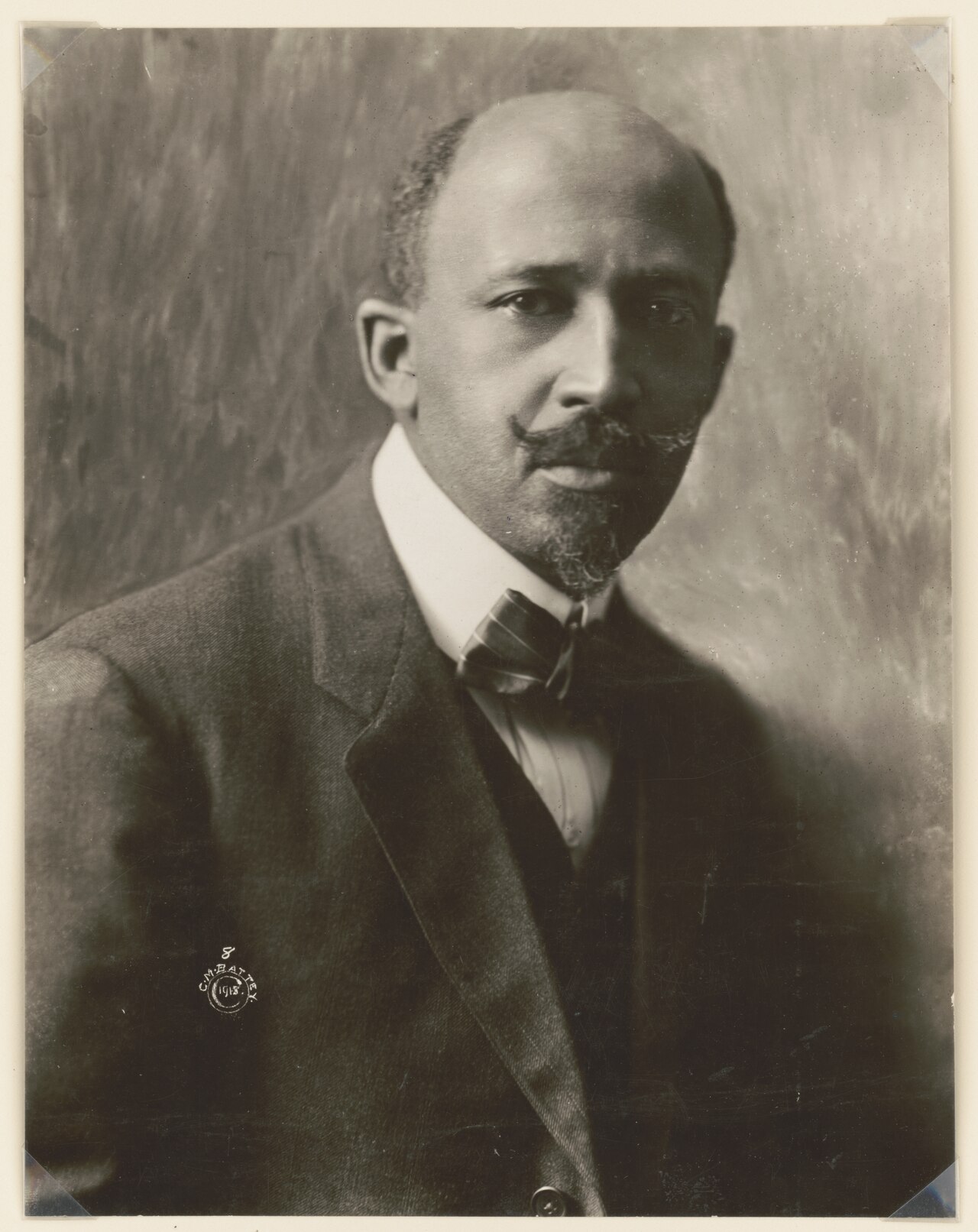
Sepia-toned studio portrait of a bald man with a mustache and goatee, wearing a dark suit, white collar, and striped bow tie, against a mottled gray backdrop. A circular photographer's stamp with the date 1918 appears on the lower left.Photograph

Primary source

W. E. B. Du Bois Portrait by C. M. Battey, 1919 (Second Print)

C. M. Battey · 1919

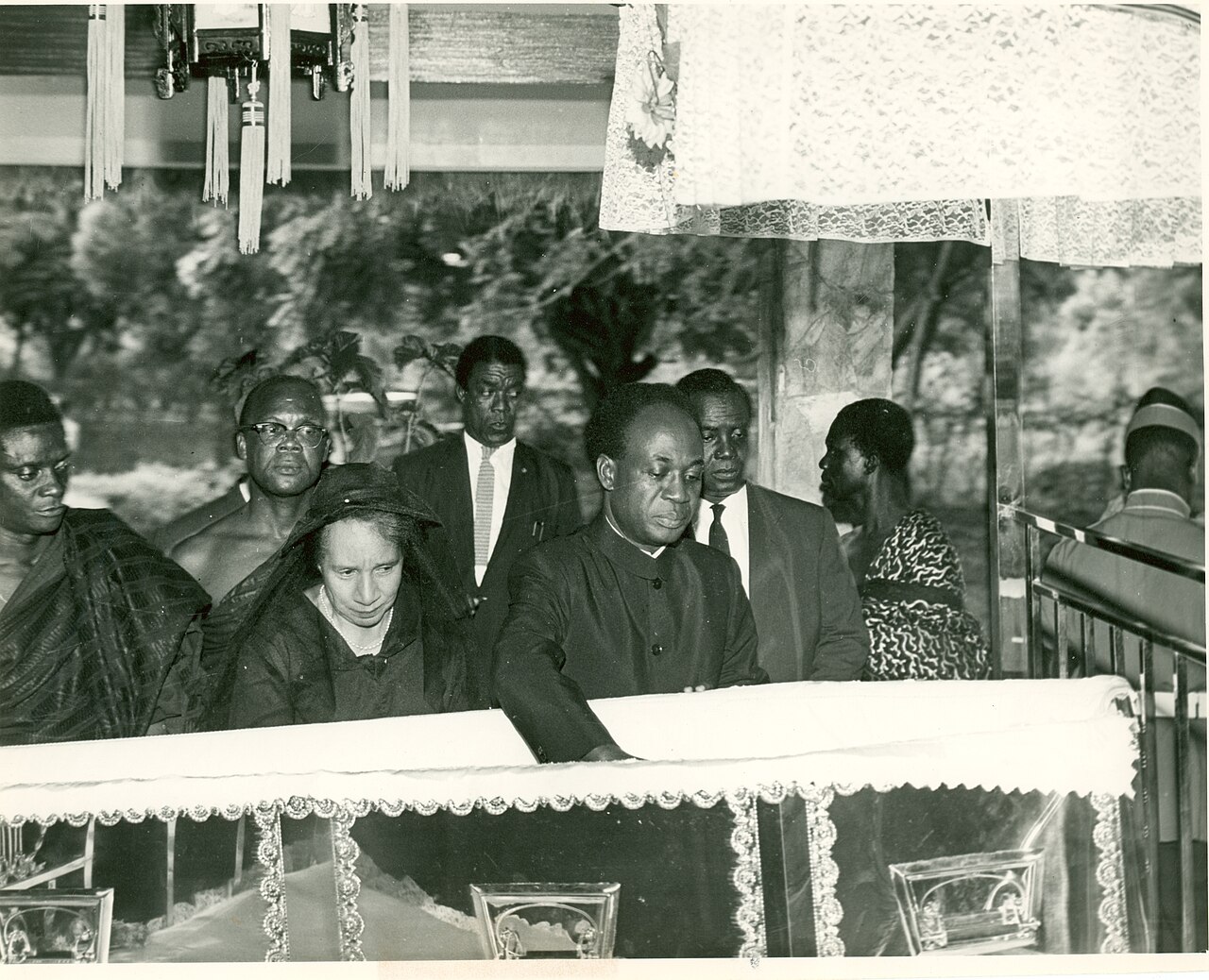
Black-and-white photograph of a funeral scene: a woman in a dark veil and a man in a dark high-collared suit stand beside a draped open casket with lace trim. Other mourners stand behind, and a lace canopy hangs above.Photograph

Primary source

Shirley Graham Du Bois and Kwame Nkrumah at Du Bois's Funeral

29 August 1963

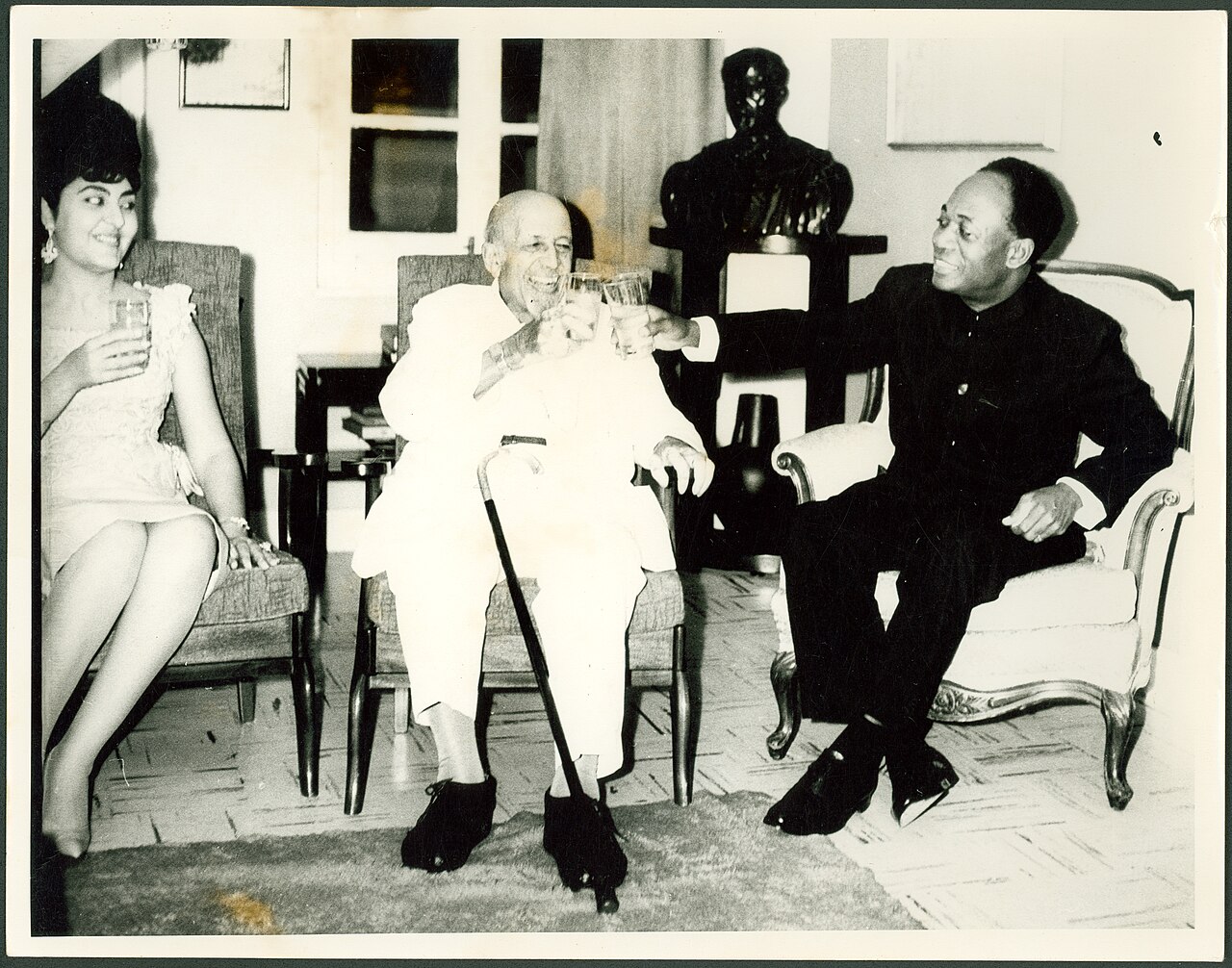
Black-and-white photograph of three people in a living room, raising glasses in a toast. A smiling woman with dark hair sits at left holding a glass. A man in a white suit and white shoes, holding a cane, sits in the center. A smiling man in a dark suit sits at right. A dark bust stands on a pedestal behind them.Photograph

Primary source

Du Bois Toasting Nkrumah at His 95th Birthday, Accra

23 February 1963

A scanned page from a printed book, mostly a grainy gray halftone-like pattern filling a rectangular area on a white page, with a small faint caption line of text visible near the middle-left of the image. The text is largely illegible.Book

Primary source

The Philadelphia Negro: A Social Study

W. E. B. Du Bois · 1899

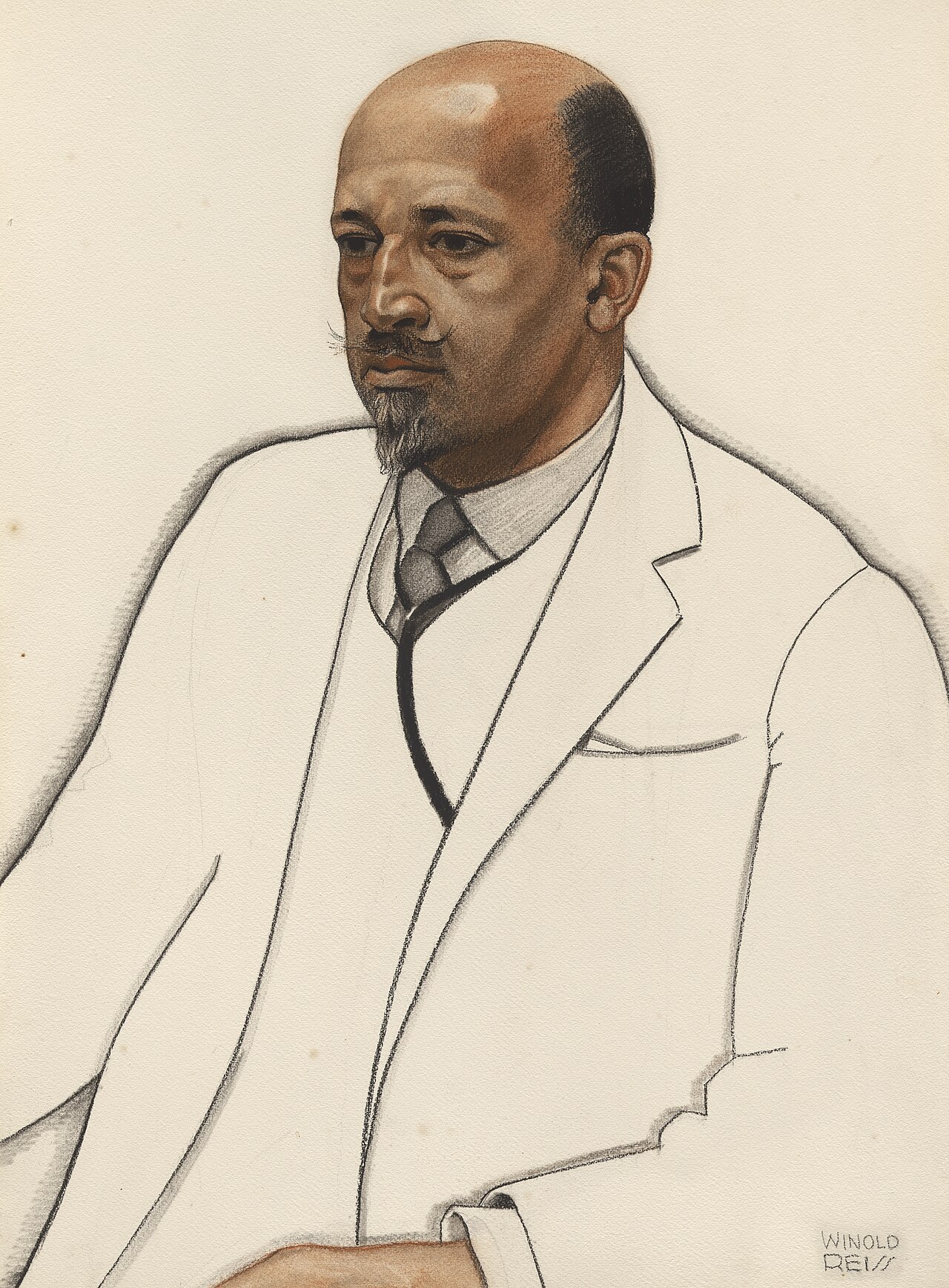
Pastel portrait of a bald man with a dark mustache and goatee, wearing a white suit, grey shirt, and dark striped tie, seated in three-quarter view against a cream background. Signed Winold Reiss at lower right.Painting

Primary source

W.E.B. Du Bois

Winold Reiss · 1925

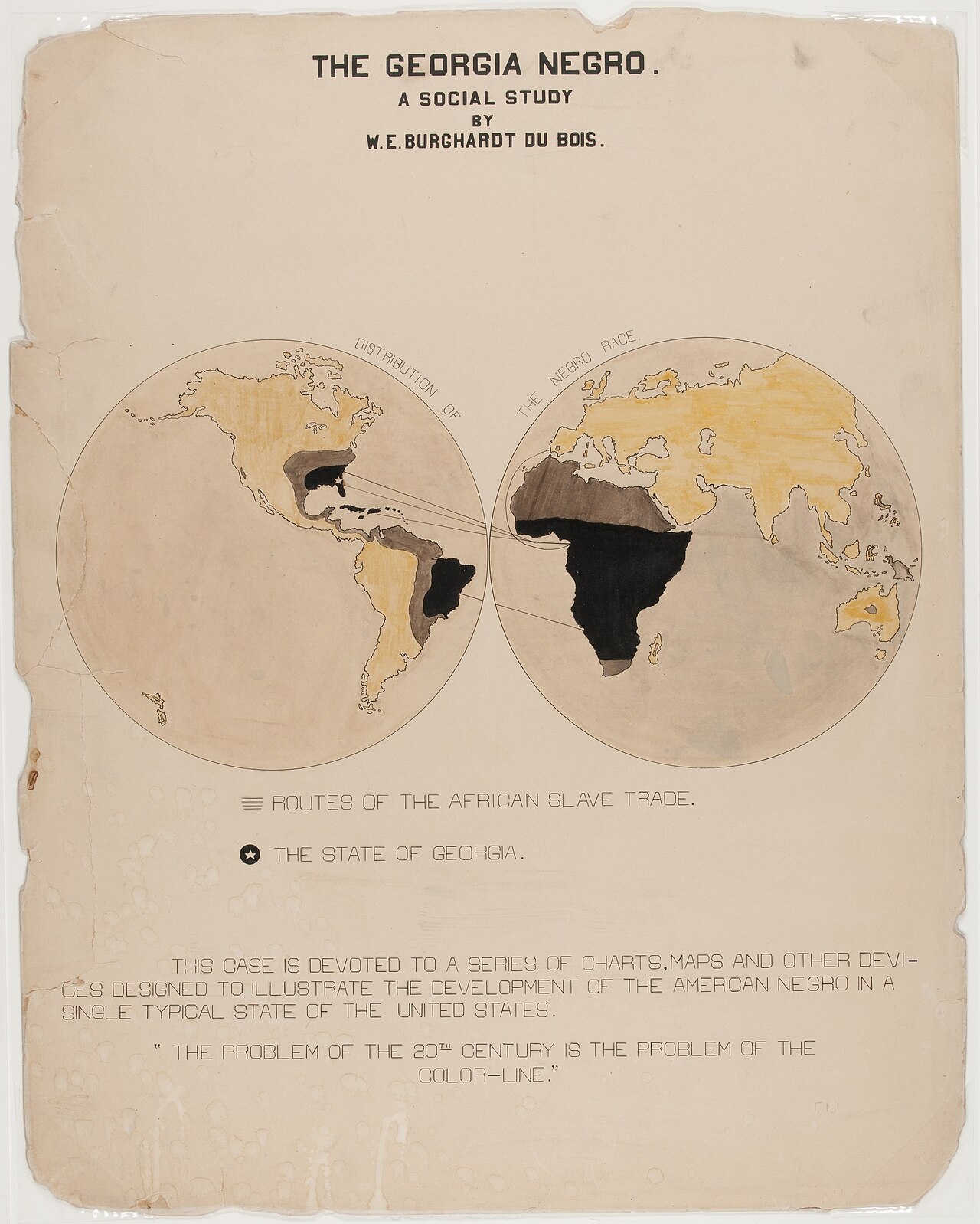
Hand-drawn ink and watercolor chart titled 'The Georgia Negro, A Social Study by W.E. Burghardt Du Bois.' Two side-by-side world maps in circles show distribution of the Negro race, with lines linking the Americas to Africa for slave trade routes. Legend lists slave trade routes and a star for the State of Georgia. Text below describes the chart's purpose.Artifact

Primary source

The Georgia Negro: chart of slave trade routes

W. E. Burghardt Du Bois · 1900

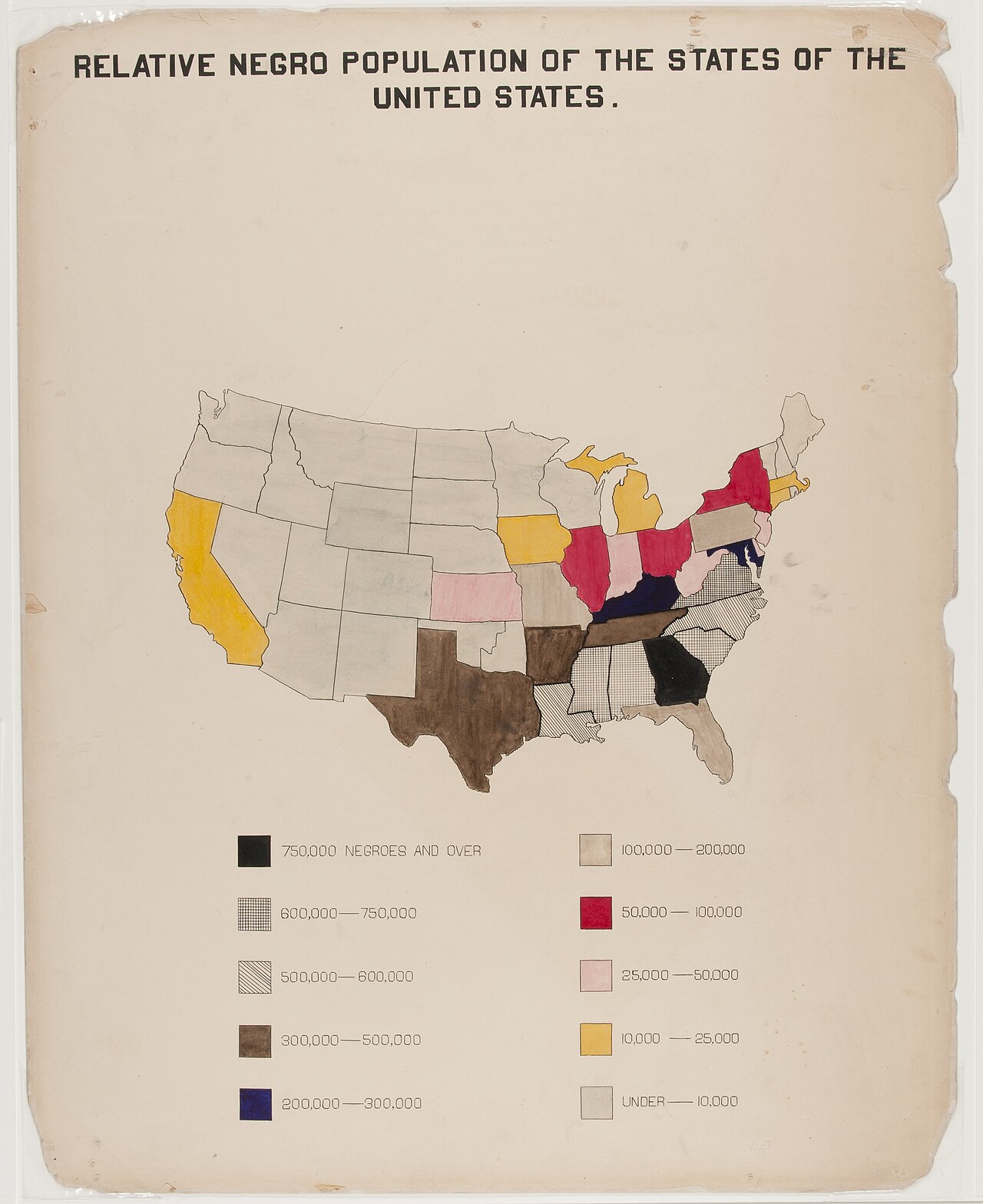
Hand-colored map titled 'Relative Negro Population of the States of the United States.' Each state is filled with color or pattern keyed to population ranges in a legend at bottom. Gold marks 10,000 to 25,000 in the west and Iowa; black marks 750,000 and over in Georgia; brown and dark blue mark larger southern populations; gray marks under 10,000 in much of the west.Artifact

Primary source

The Georgia Negro: map of African Americans by state

W. E. Burghardt Du Bois · 1900

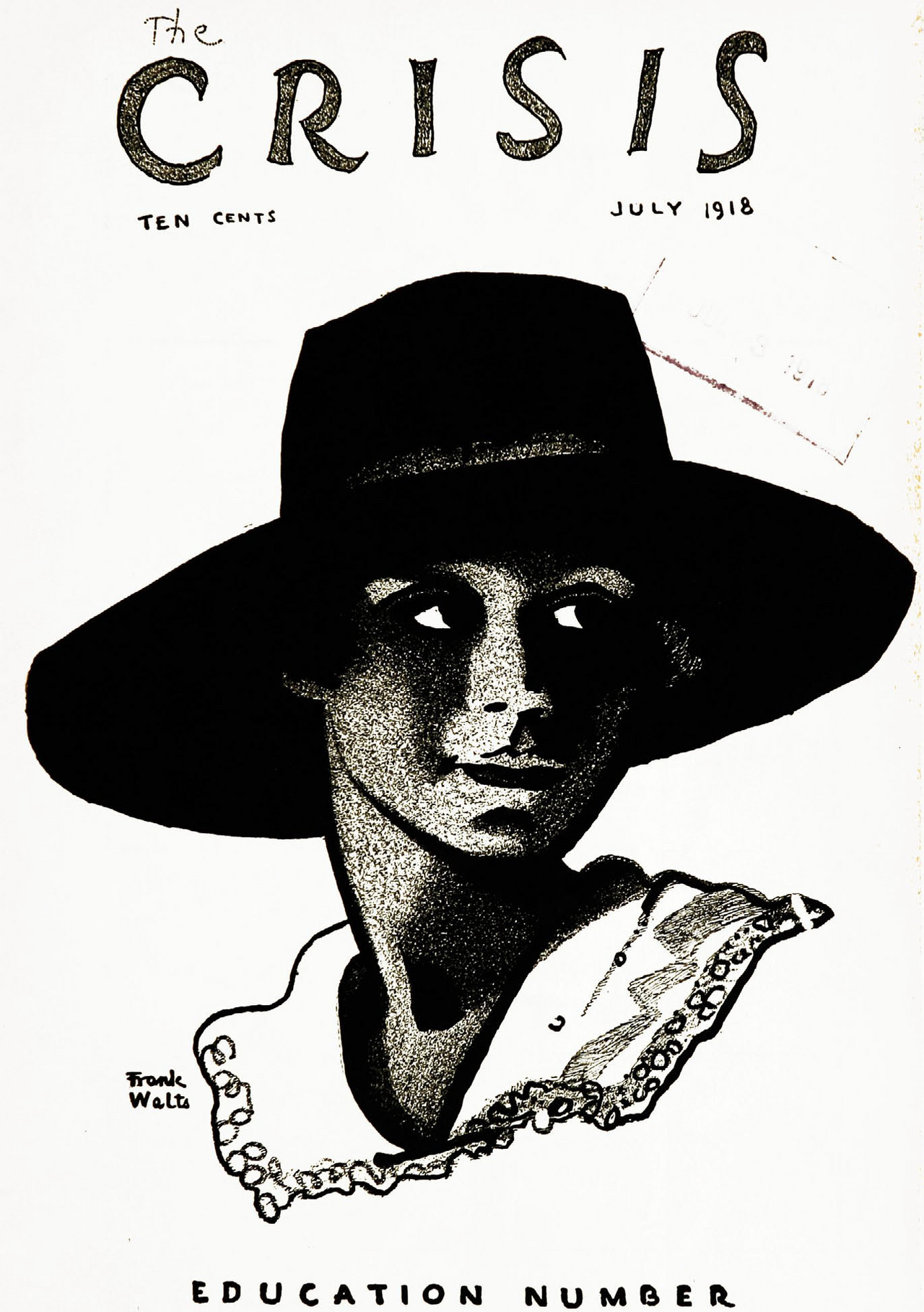
Cover of The Crisis magazine, July 1918, with the title in large letters, 'Ten Cents' and 'July 1918' beneath it. A black-and-white drawing shows a woman in a wide-brimmed black hat and a lace-trimmed collar. Signed 'Frank Walts' at lower left; 'Education Number' printed at bottom.Artifact

Primary source

The Crisis cover, July 1918

Frank Walts · July 1918

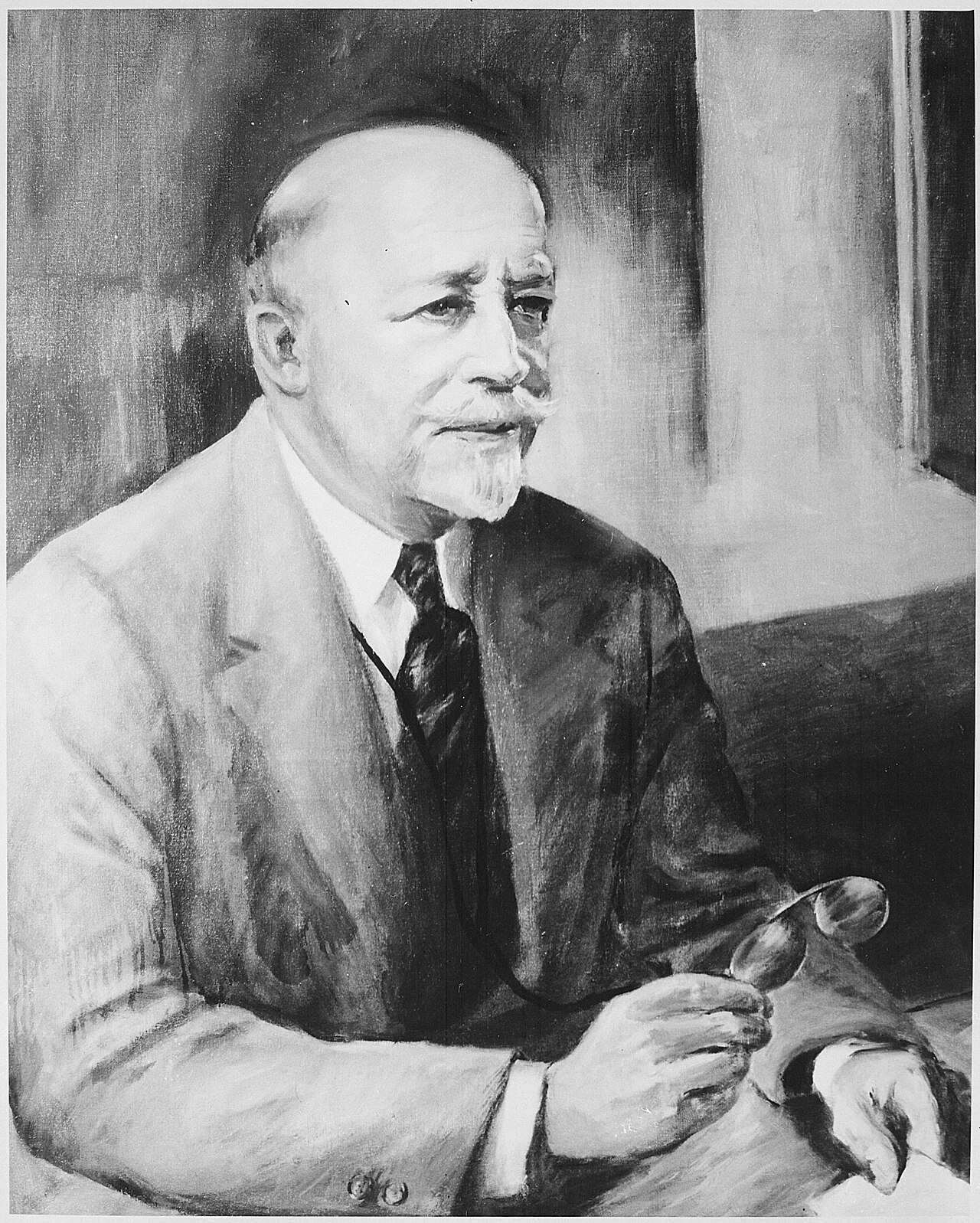
Black-and-white photograph of a painted portrait of an older bald man with a white mustache and goatee, wearing a suit, vest, and tie, holding eyeglasses in his hands, seated against a dark background with a window at right.Painting

Secondary source

W.E.B. Du Bois Portrait by Laura Wheeler Waring

Laura Wheeler Waring

Book

Primary source

American Literature, Encyclopaedia Britannica article by Du Bois, 1926

W. E. B. Du Bois · 1926

Book

Primary source

Foreword to Bronze by Georgia Douglas Johnson

W. E. B. Du Bois · 4 August 1922

Book

Secondary source

Dubois, William Edward Burghardt

1914

Book

Secondary source

Jupiter Hammon and Phillis Wheatley

1923

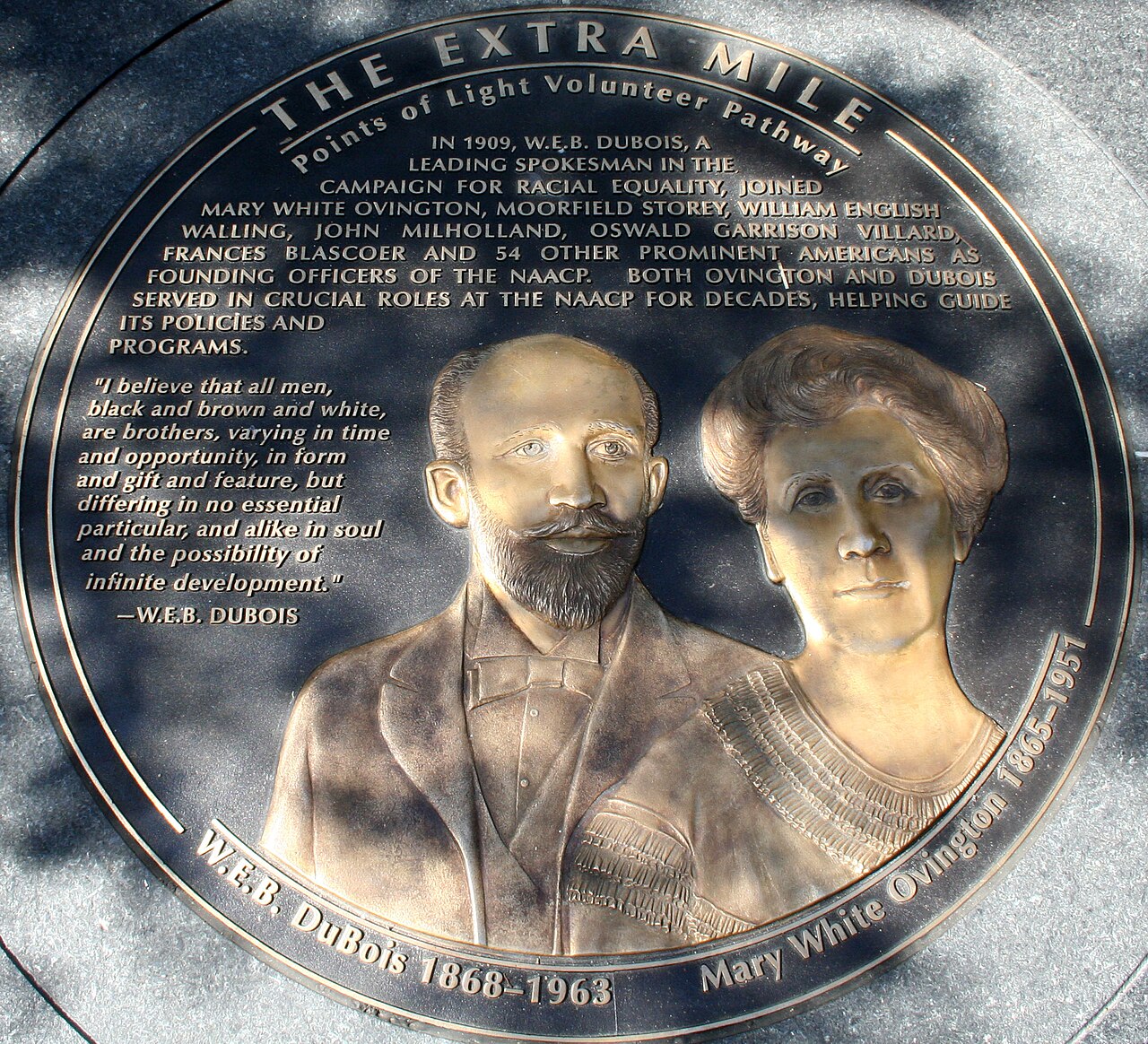
Bronze relief plaque titled 'The Extra Mile' with circular border, showing profile busts of W.E.B. Du Bois with a mustache and beard in a suit, and Mary White Ovington with upswept hair and a fringed collar. Text describes their NAACP founding roles and includes a Du Bois quote.Photograph

Secondary source

W.E.B. Du Bois and Mary White Ovington Plaque

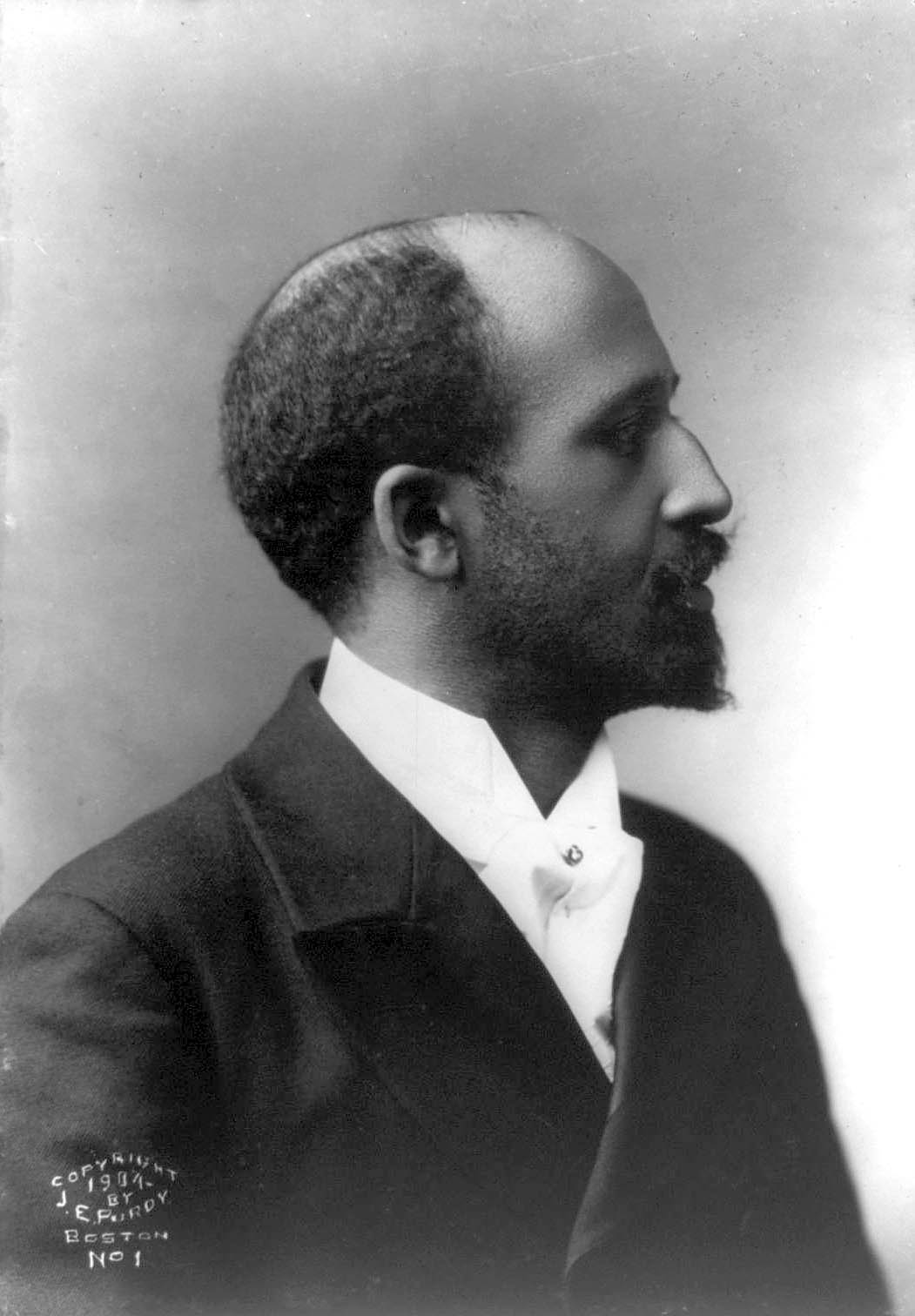
dbking · 2006-06-17

Black-and-white profile photograph of a bald-crowned man with a short beard and dark suit, white high collar and tie, facing right. Copyright text in the lower left reads 1901 by J. E. Purdy, Boston, No. 1.Photograph

Primary source

W. E. B. Du Bois Photograph by James E. Purdy

James E. Purdy · 1904

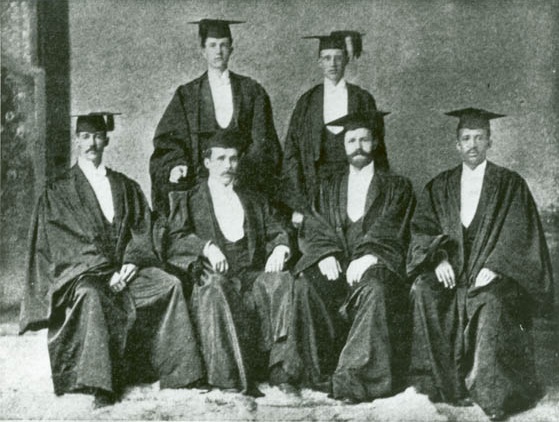
Black-and-white group photograph of six men in academic gowns and mortarboard caps. Two stand in the back row and four sit in the front, against a plain studio backdrop. Most have dark moustaches or beards.Photograph

Primary source

W. E. B. Du Bois at Harvard Graduation, 1890

1890

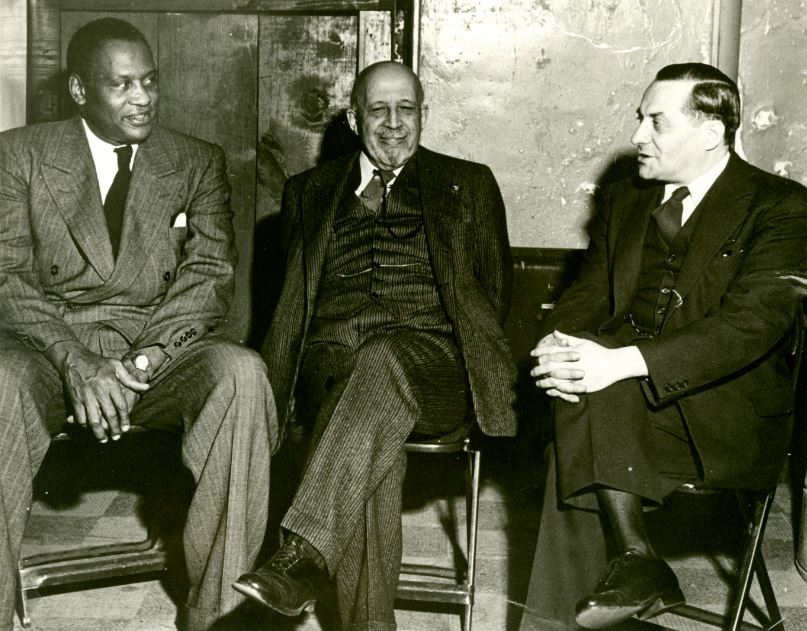
Black-and-white photograph of three men seated in folding chairs against a worn wall. On the left, a man in a striped suit with a pocket square smiles and clasps his hands. In the center, an older man with a mustache and vest smiles broadly. On the right, a man in a dark suit and vest leans forward, hands clasped, looking toward the others.Photograph

Primary source

Vito Marcantonio, W. E. B. Du Bois and Paul Robeson

1951

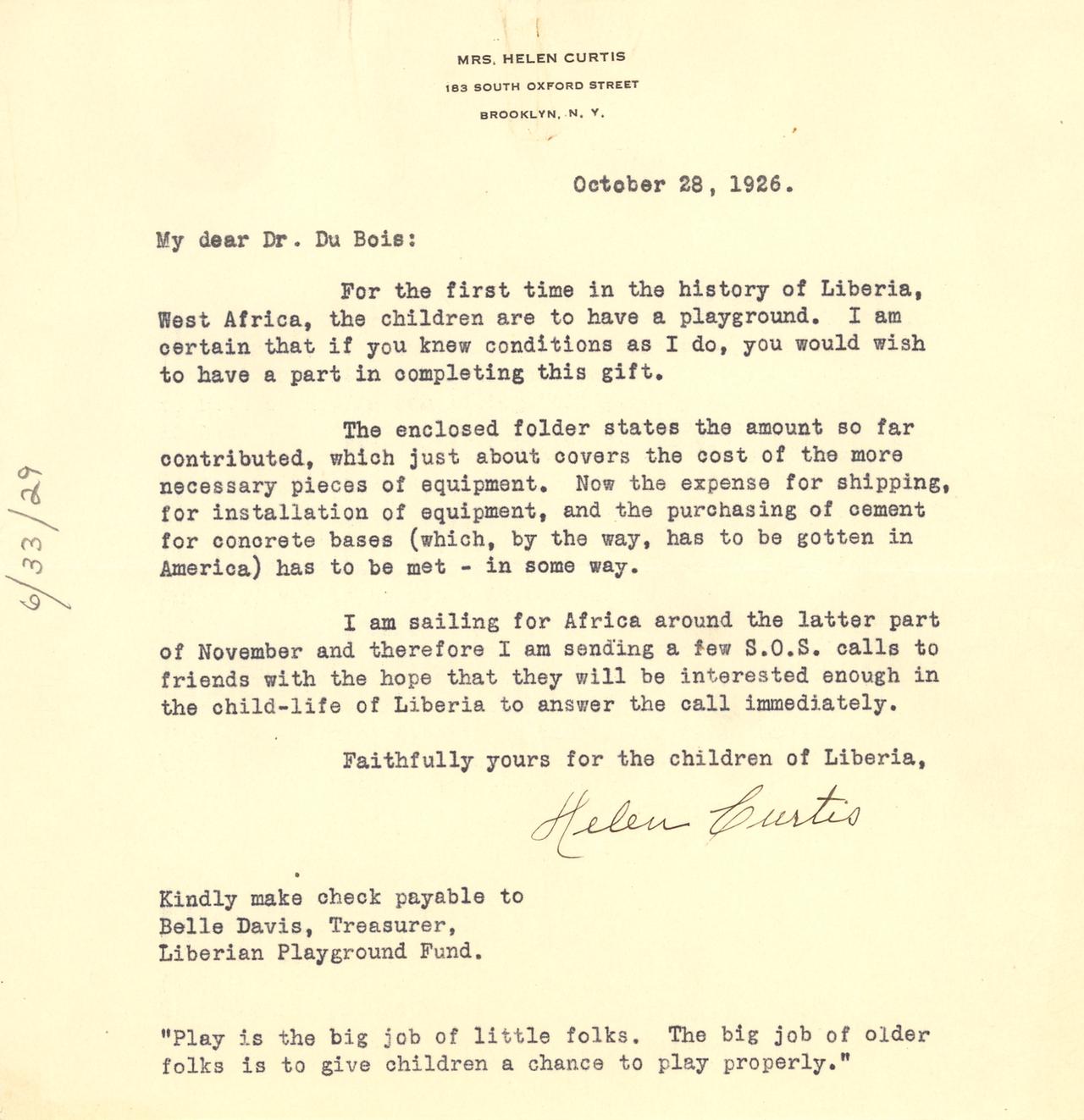
Typed letter on yellowed paper dated October 28, 1926, from Mrs. Helen Curtis of Brooklyn, N.Y., to Dr. Du Bois, asking support for a playground for children in Liberia, with a handwritten signature and a typed quotation about play at the bottom.Letter

Primary source

Letter from Helen Curtis to W. E. B. Du Bois, October 28, 1926

Helen Curtis · 28 October 1926

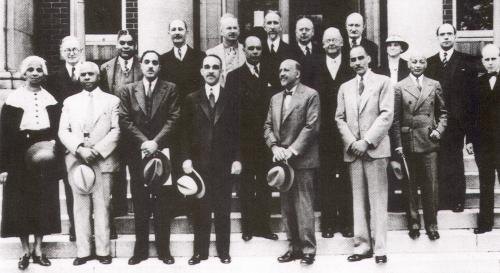
Black-and-white group photograph of about twenty men and two women in formal dress standing and seated on the steps and in front of a building, posed for a 1936 group portrait of the editorial and advisory boards of the Encyclopedia of the Negro. Several men hold hats in front.Photograph

Primary source

Du Bois and editors of the Encyclopedia of the Negro

1936

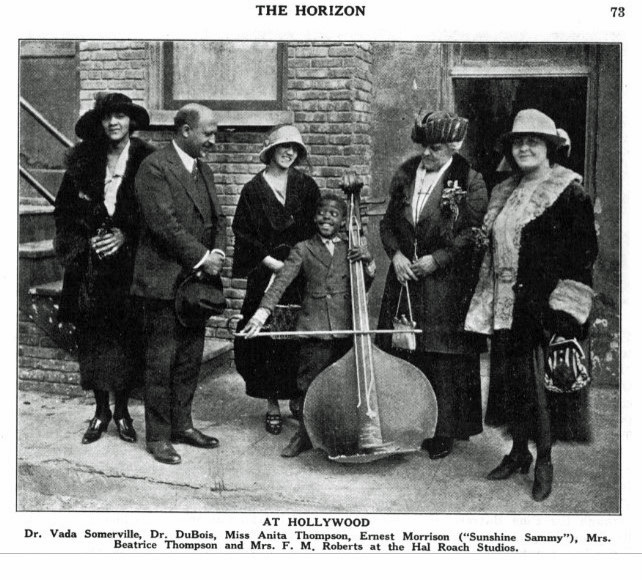
Black-and-white group photograph of six people standing outside a brick building at Hal Roach Studios. From left: a woman in a dark hat and fur stole, a bald man in a suit, a woman in a cloche hat, a young boy in a suit playing a large upright bass with a bow, an older woman in a hat and dark coat, and a woman in a fur-trimmed coat and hat. Caption below reads: At Hollywood, Dr. Vada Somerville, Dr. DuBois, Miss Anita Thompson, Ernest Morrison (Sunshine Sammy), Mrs. Beatrice Thompson and Mrs. F. M. Roberts at the Hal Roach Studios. Page header reads The Horizon, 73.Photograph

Primary source

Beatrice Sumner Thompson with Du Bois in Hollywood

July 1923

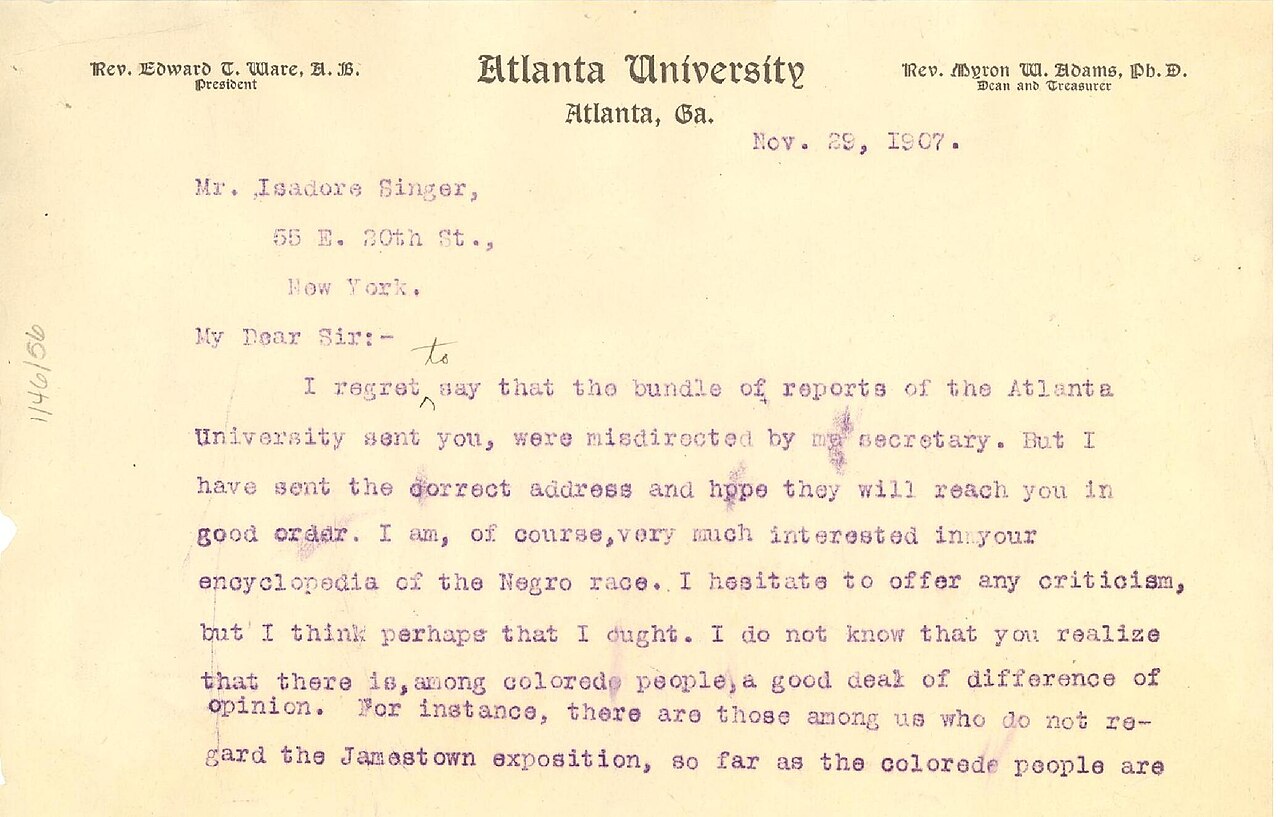
Typed letter on Atlanta University letterhead dated Nov. 29, 1907, addressed to Mr. Isadore Singer, New York, discussing misdirected reports, an encyclopedia of the Negro race, and differences of opinion among colored people about the Jamestown exposition.Letter

Primary source

Letter from W. E. B. Du Bois to Isidore Singer, November 29, 1907

W. E. B. Du Bois · 29 November 1907

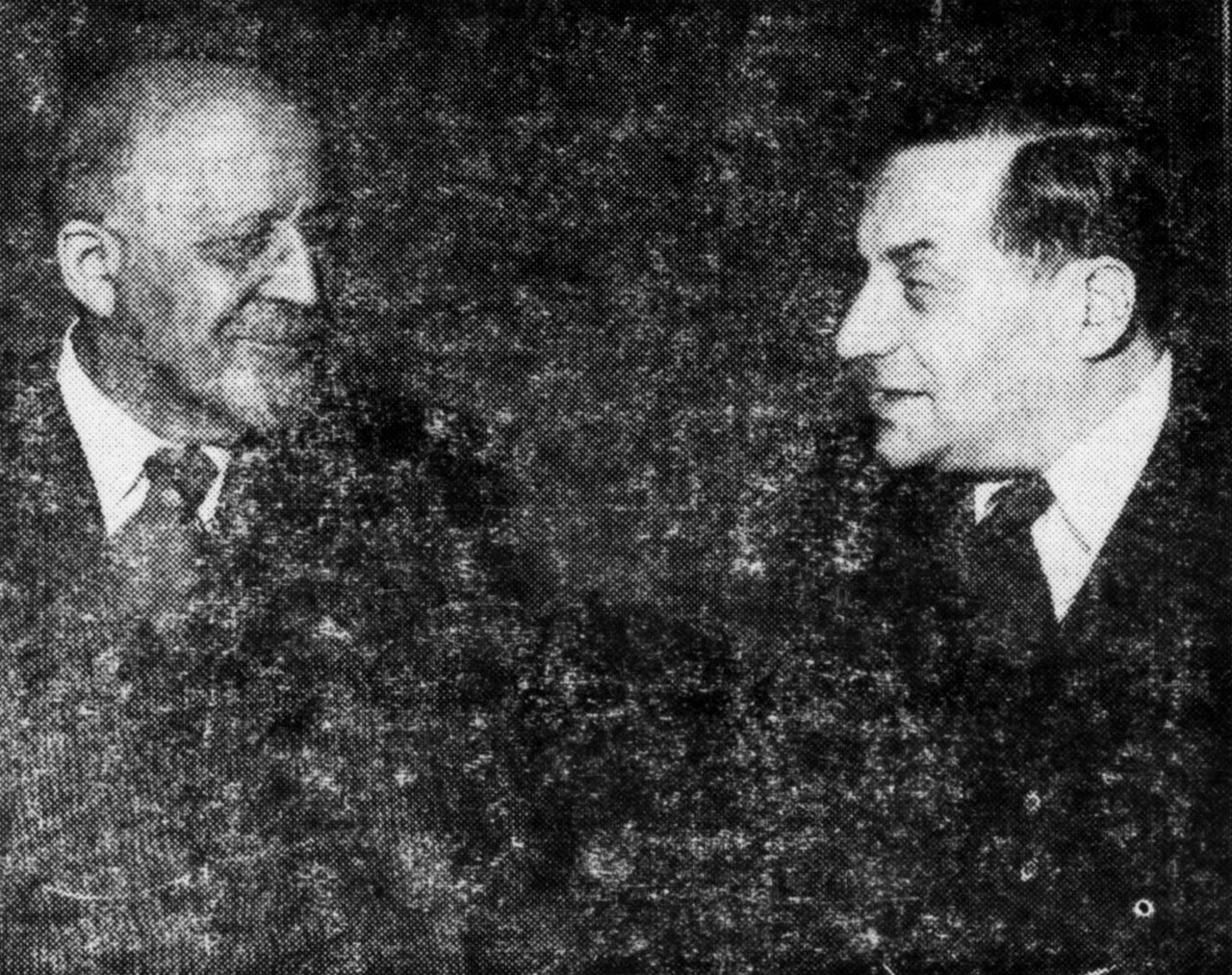
Black-and-white halftone newspaper photo of two men in profile facing each other. The man on the left is older and balding, with a white collar and dark tie. The man on the right has dark combed hair and wears a dark suit and tie.Newspaper article

Primary source

Report of Du Bois keynote at the 1952 American Labor Party meeting

22 May 1952

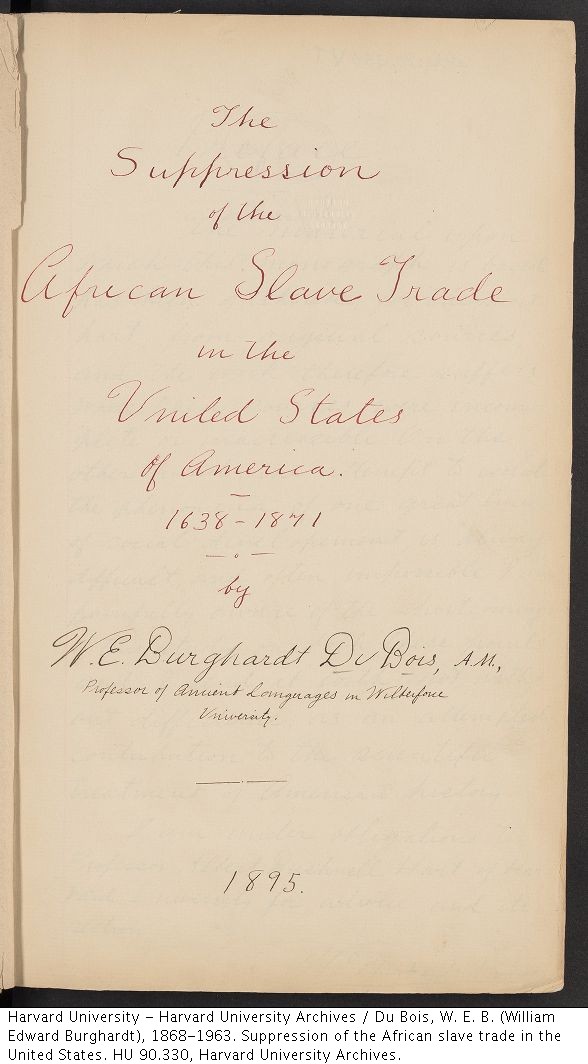
Handwritten title page in red and black ink reading 'The Suppression of the African Slave Trade in the United States of America, 1638-1871, by W. E. Burghardt Du Bois, A.M., Professor of Ancient Languages in Wilberforce University, 1895' on aged cream paper.Book

Primary source

The Suppression of the African Slave-Trade

W. E. B. Du Bois · 1895

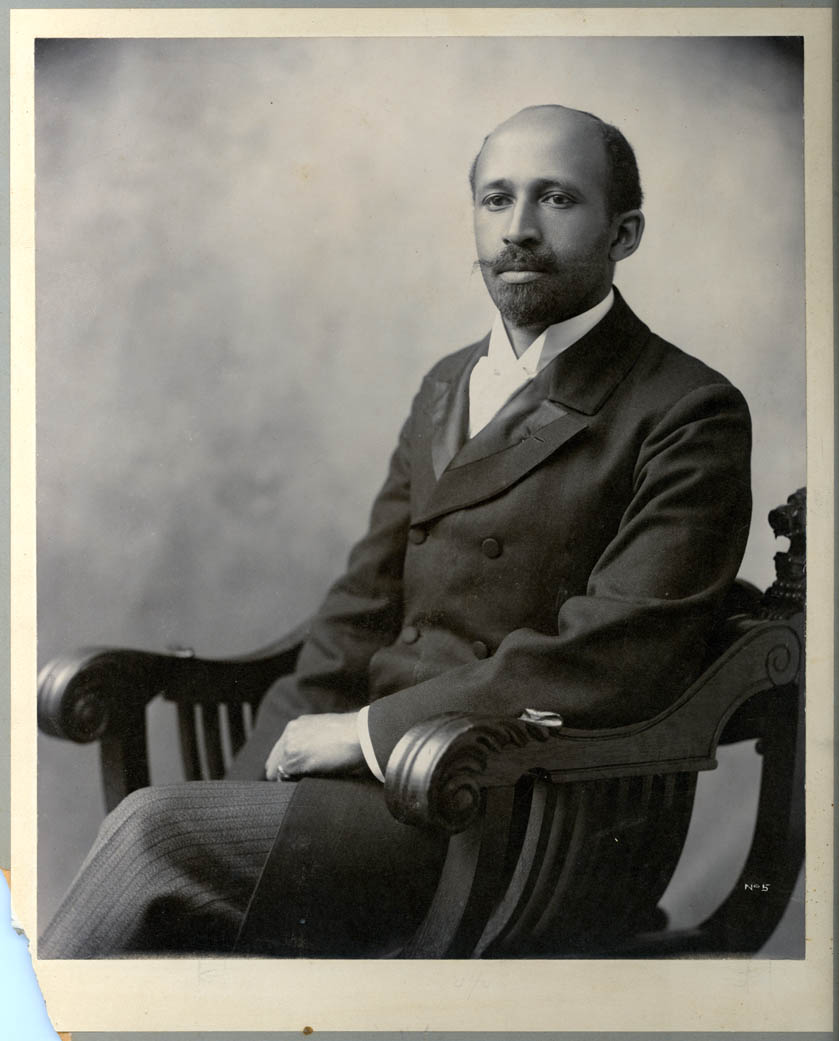
Black-and-white studio portrait of a man with a mustache and beard, seated in a carved wooden armchair, wearing a double-breasted dark suit and white collar, against a soft gray backdrop. The mounted print has a cream border.Photograph

Primary source

W. E. B. Du Bois photographed in Boston, summer 1907

Summer 1907

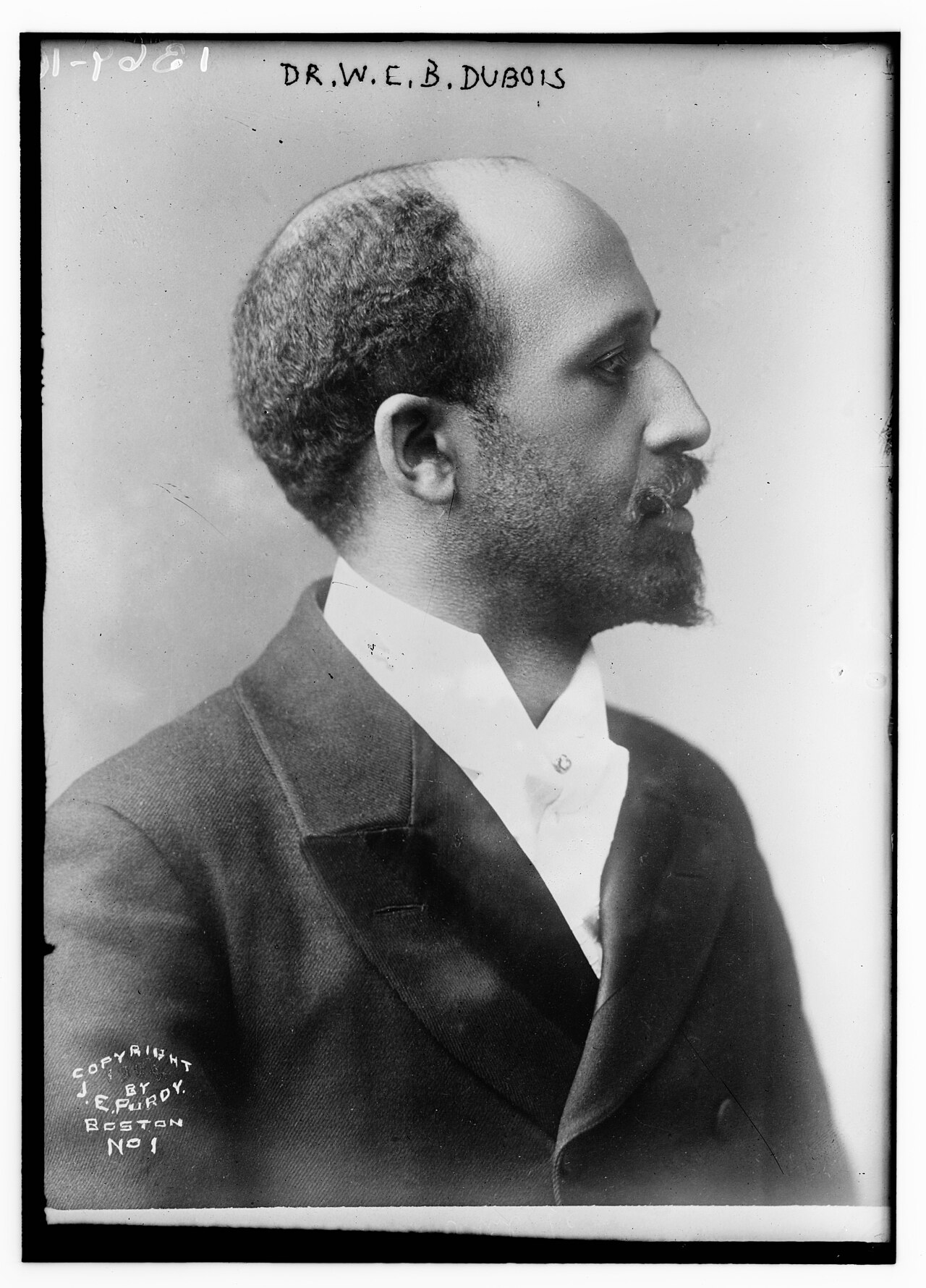
Black and white profile portrait photograph of a bald-crowned man with a mustache and goatee, wearing a dark suit jacket and white collar, facing right. Handwritten caption reads 'DR. W.E.B. DUBOIS'. Stamp in lower left reads 'Copyright by J.E. Purdy, Boston No 1'.Photograph

Primary source

Dr. W. E. B. Du Bois, Bain News Service photograph

Bain News Service · c. 1900

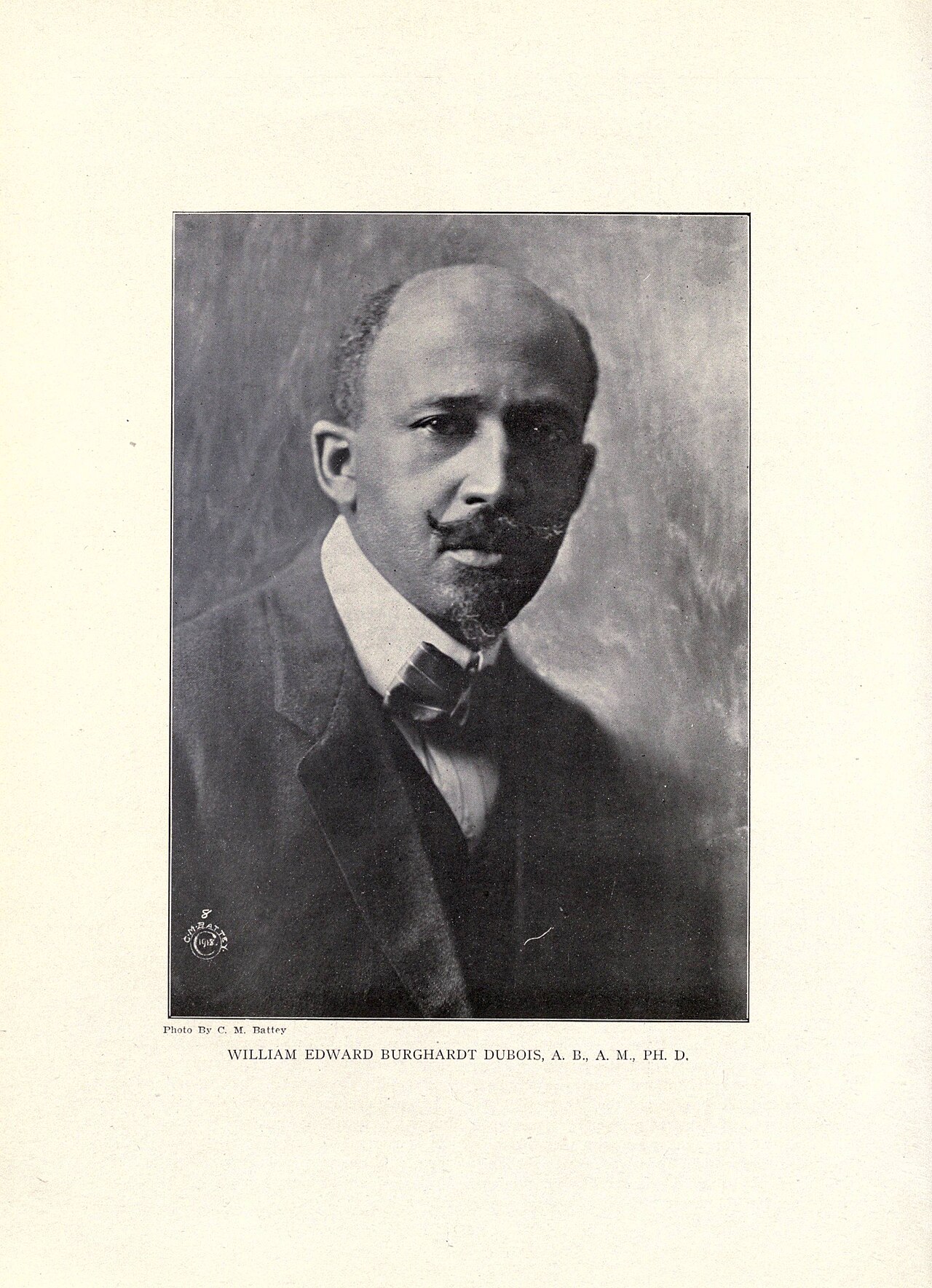
Black-and-white studio portrait of a bald man with a mustache and goatee, wearing a dark suit, high white collar, and striped tie, seen from the shoulders up against a mottled backdrop. Caption below reads William Edward Burghardt Dubois, A. B., A. M., Ph. D.Photograph

Primary source

Portrait of W. E. B. Du Bois by Cornelius Marion Battey

Cornelius Marion Battey · 1918

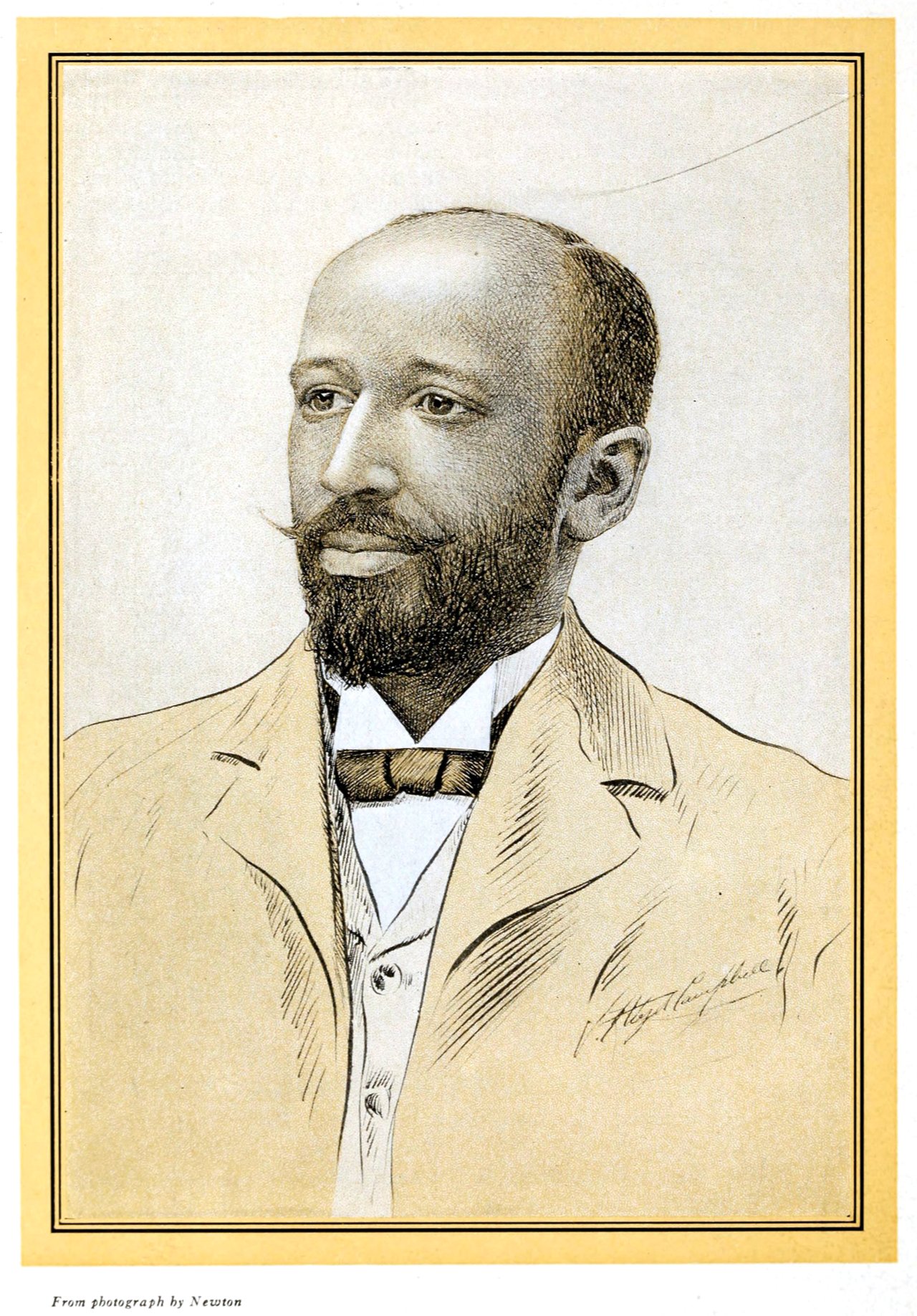
Color-tinted pen-and-ink drawing of a bald man with a full dark beard and mustache, wearing a light tan jacket, white shirt, and striped bow tie, turned to his left against a pale background. A signature appears at lower right. Caption at bottom reads 'From photograph by Newton'.Painting

Primary source

Portrait of W. E. B. Du Bois by V. Floyd Campbell

V. Floyd Campbell · 1903

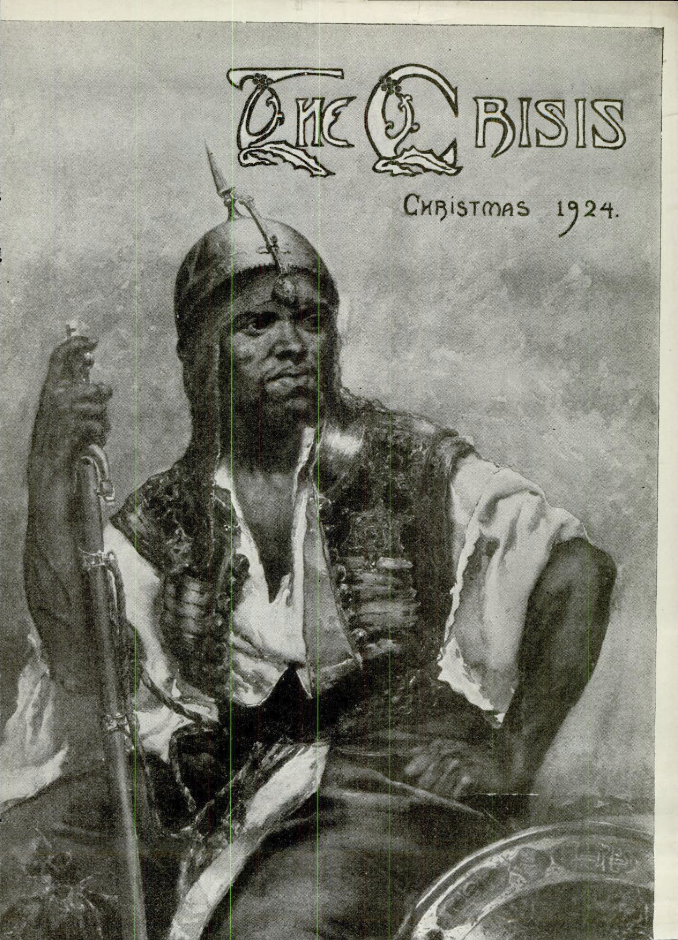
Front cover of The Crisis magazine, Christmas 1924 issue. Ornate title lettering reads 'The Crisis' with 'Christmas 1924' below. Below the title is a painted illustration of a dark-skinned man in a helmet with a feather plume, a white shirt, and a dark vest, holding a long staff or spear and gazing sideways.Artifact

Primary source

The Crisis front cover, December 1924

NAACP · December 1924

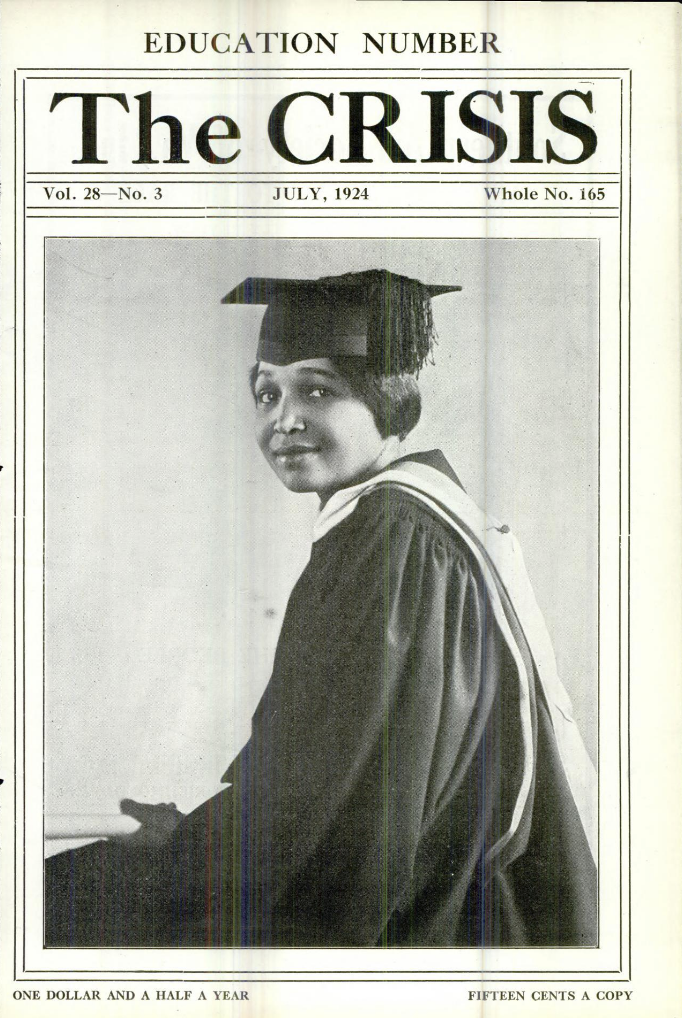
Front cover of The Crisis magazine, Education Number, Vol. 28 No. 3, July 1924. The masthead is above a black-and-white photograph of a young woman in a graduation cap and gown, smiling over her shoulder. Price notes appear at the bottom.Artifact

Primary source

The Crisis front cover, July 1924

NAACP · July 1924

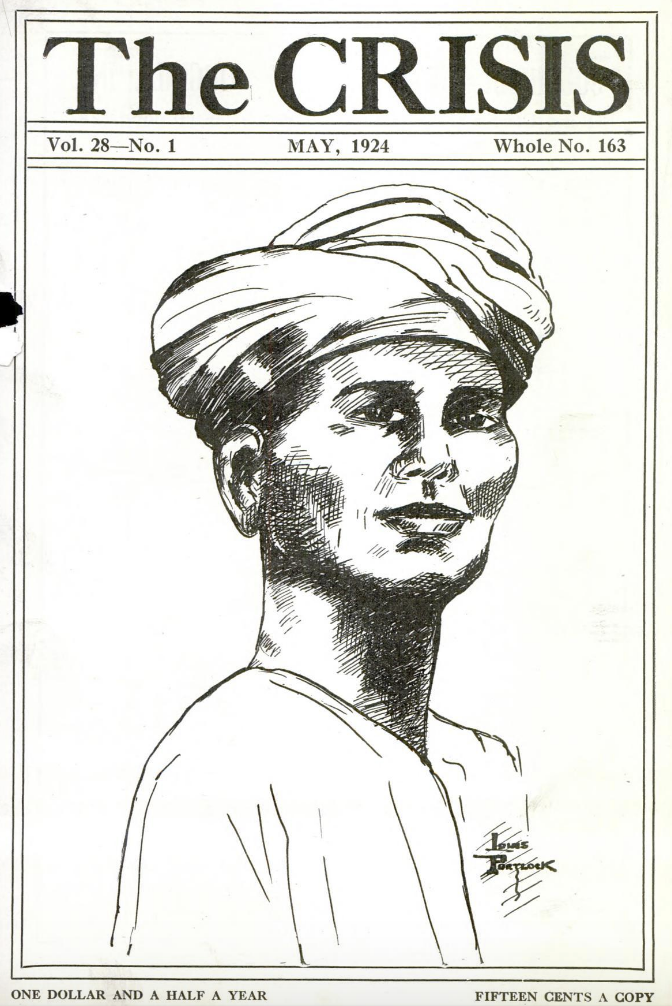
Cover of The Crisis, Vol. 28, No. 1, May 1924, Whole No. 163. Black-and-white pen-and-ink drawing of a man in a light turban and collared garment, head turned slightly, signed Louis Potrock. Prices printed at bottom.Artifact

Primary source

The Crisis cover, May 1924

Louis Potrock · May 1924

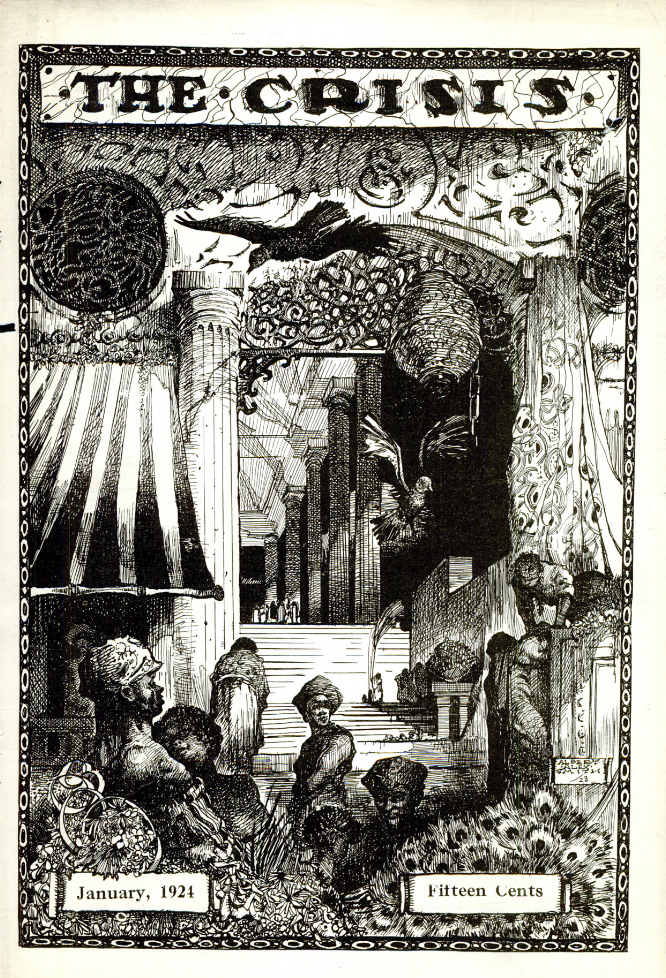
Black and white ink illustration of The Crisis magazine front cover, January 1924, with the title in ornate letters at top, a bordered frame, a dark winged bird, classical columns, figures on steps, and the label 'January, 1924 Fifteen Cents' at bottom.Artifact

Primary source

The Crisis front cover, January 1924

NAACP · January 1924

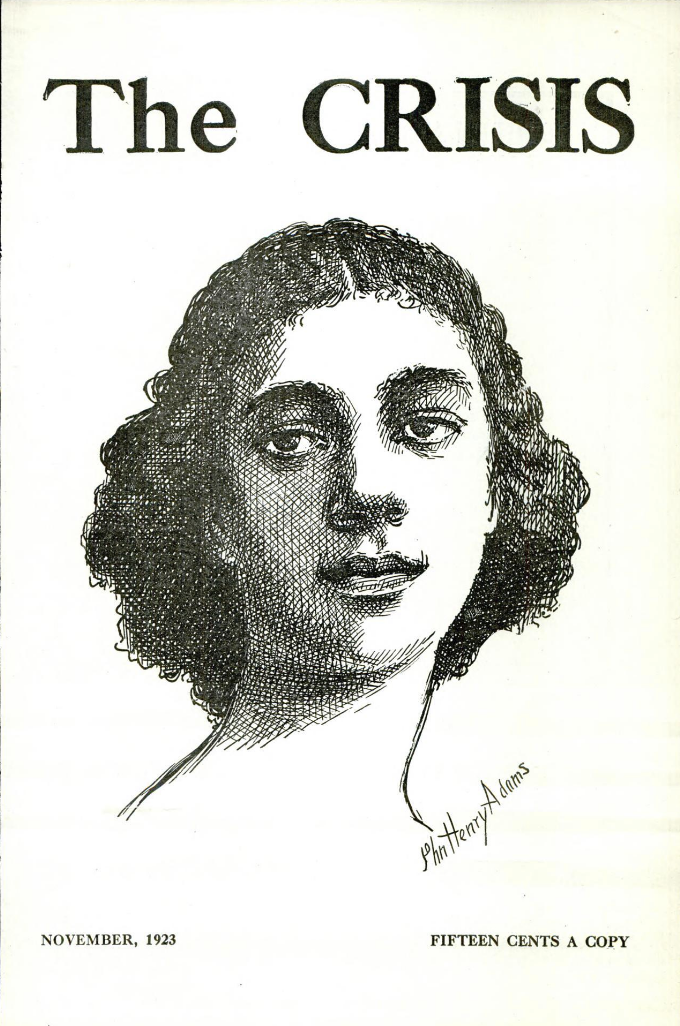
Front cover of The Crisis magazine, November 1923. Masthead reads 'The CRISIS' in large serif letters above a pen-and-ink portrait drawing of a young woman with curly dark hair, signed 'John Henry Adams'. Bottom reads 'NOVEMBER, 1923' and 'FIFTEEN CENTS A COPY'.Artifact

Primary source

The Crisis front cover, November 1923

John Henry Adams · November 1923

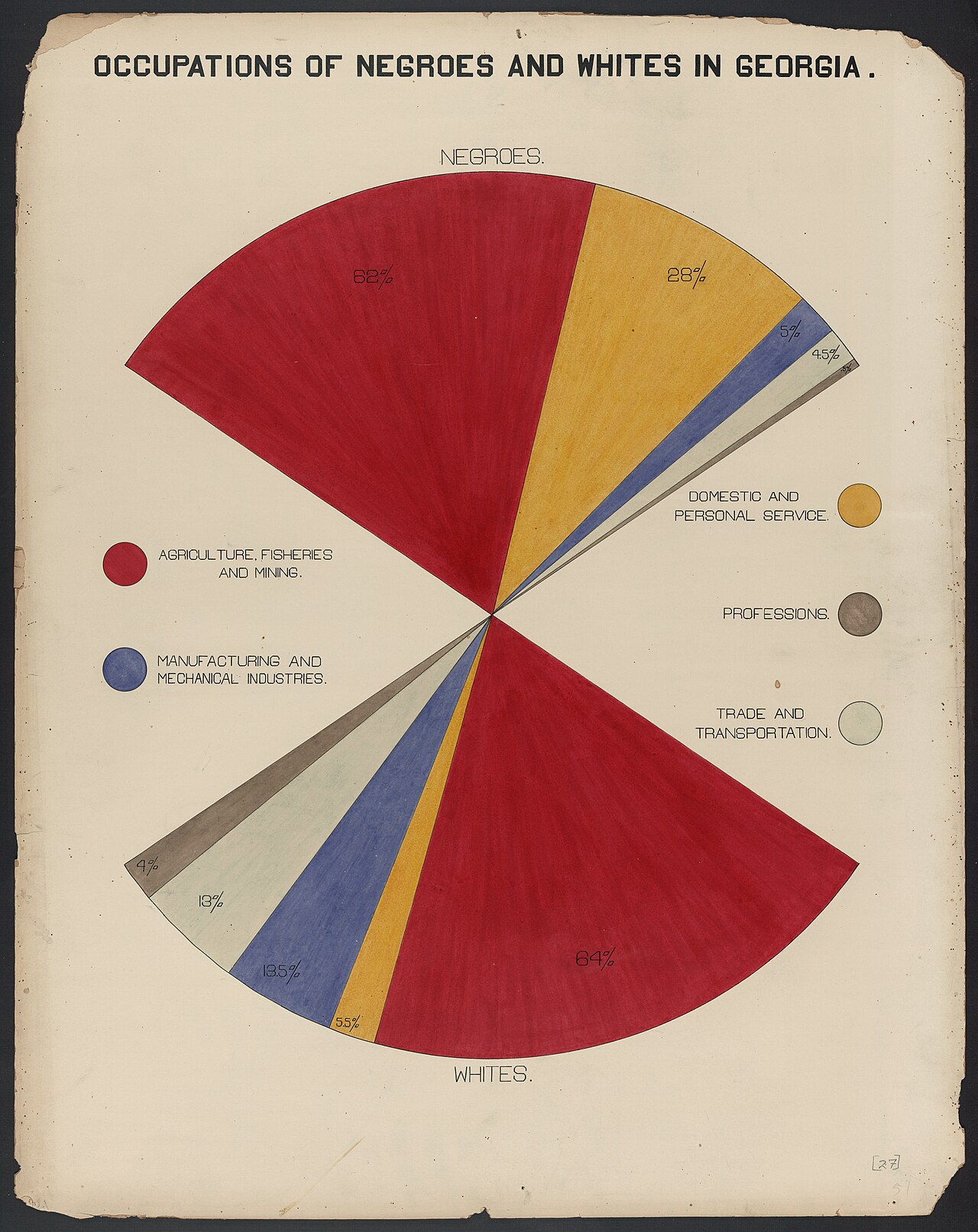
Hand-drawn pie chart titled 'Occupations of Negroes and Whites in Georgia' in ink and watercolor. Two half-circle pie charts, one labeled Negroes on top and one labeled Whites on bottom. Colors: red, yellow, blue, gray, and brown represent Agriculture, Fisheries and Mining; Domestic and Personal Service; Manufacturing and Mechanical Industries; Trade and Transportation; and Professions. Negroes: 62% agriculture, 28% domestic, 5% manufacturing, 4.5% trade, small professions slice. Whites: 84% agriculture, 13.5% manufacturing, 13% trade, 5% domestic, 4% professions.Document

Primary source

The Georgia Negro: occupations of Negroes and whites in Georgia

W. E. B. Du Bois · circa 1900

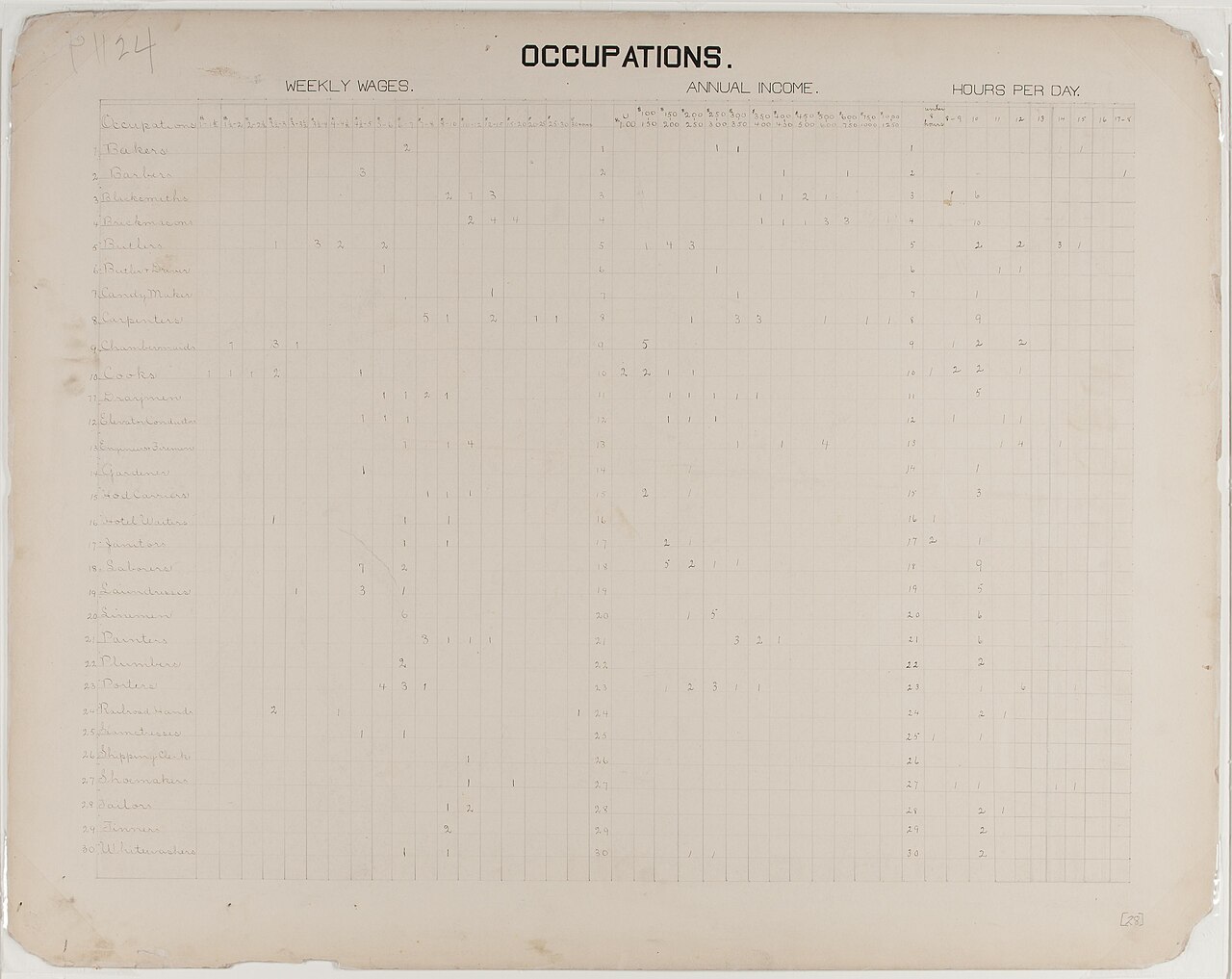
Hand-ruled ink chart titled OCCUPATIONS, with columns for weekly wages, annual income, and hours per day, listing occupations such as bakers, barbers, blacksmiths, and carpenters down the left side, with tally marks in the grid cells.Document

Primary source

The Georgia Negro: pay and hours chart, 1900

W. E. B. Du Bois · 1900

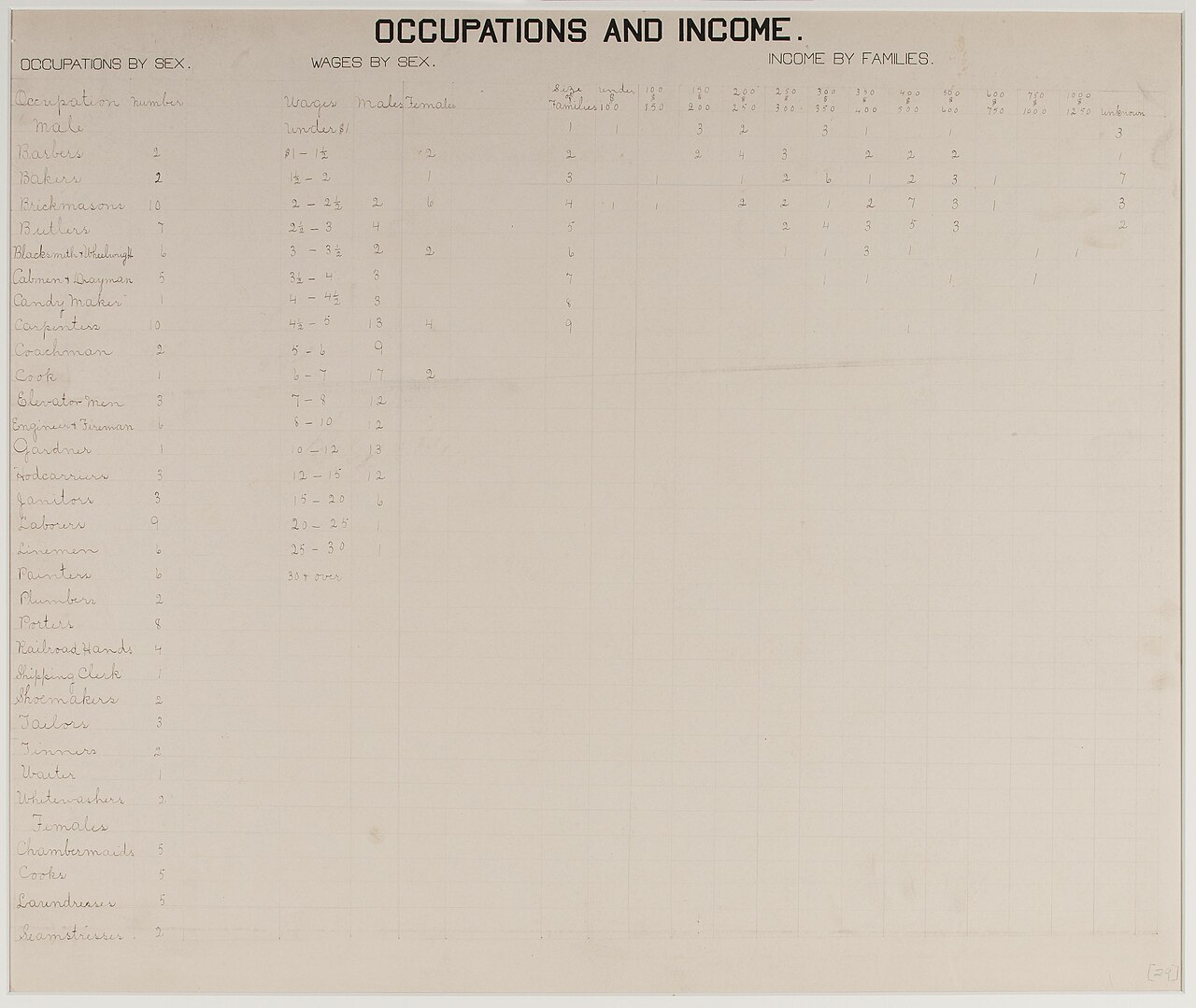
Hand-drawn ink chart titled 'Occupations and Income'. Columns list occupations by sex, wages by sex, and income by families, with tally marks in grid cells. Occupations include barbers, bakers, carpenters, and laborers for males, and chambermaids, cooks, laundresses, and seamstresses for females.Document

Primary source

The Georgia Negro: Occupations and Income Chart, 1900

W. E. B. Du Bois · 1900

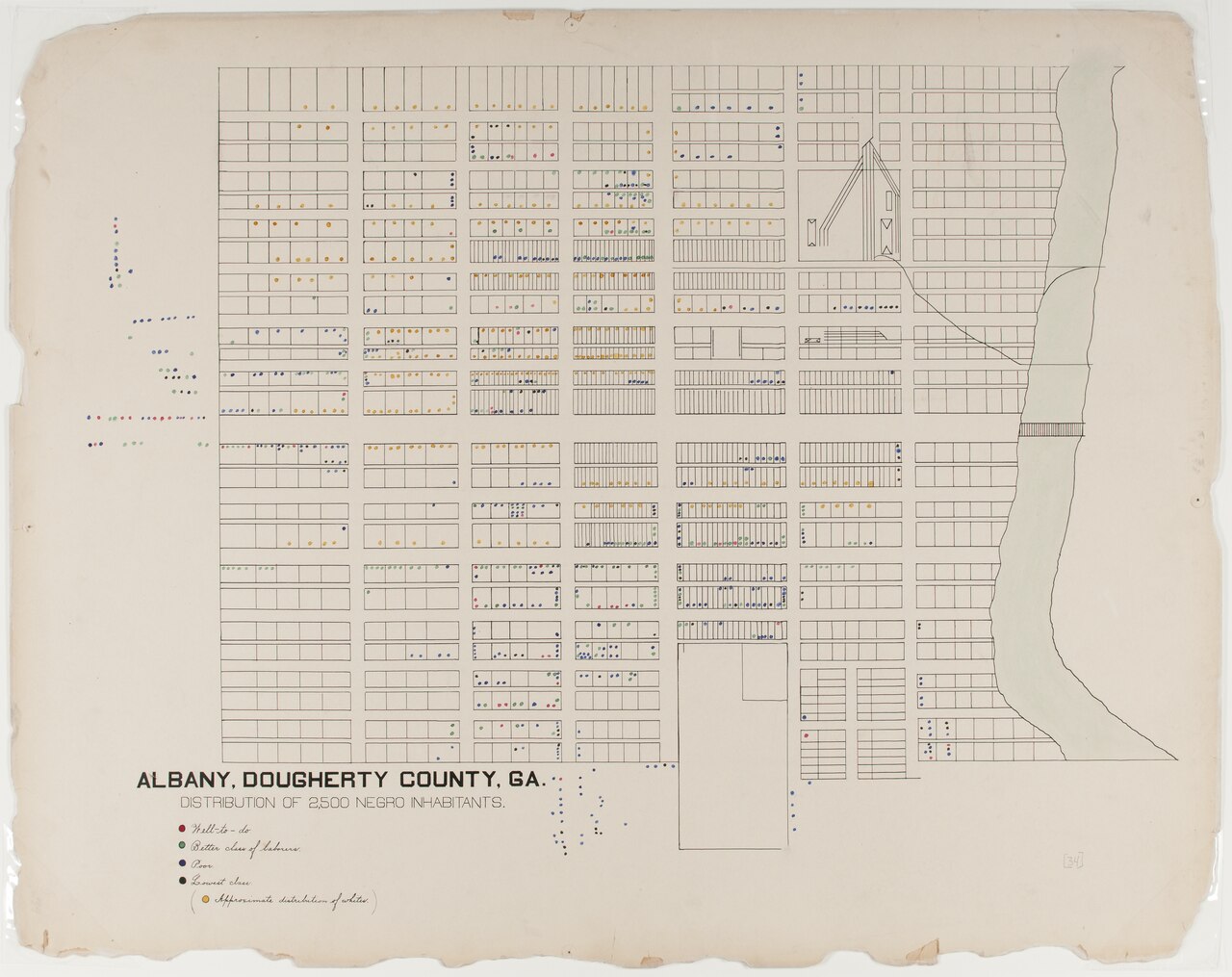
Hand-drawn ink and watercolor map of Albany, Dougherty County, Georgia, showing a street grid with colored dots marking the distribution of 2,500 Black inhabitants. A title reads 'Albany, Dougherty County, Ga.' with a legend of colored dots below. A river runs along the right edge.Document

Primary source

The Georgia Negro: Albany Population Distribution Map

W. E. B. Du Bois · circa 1900

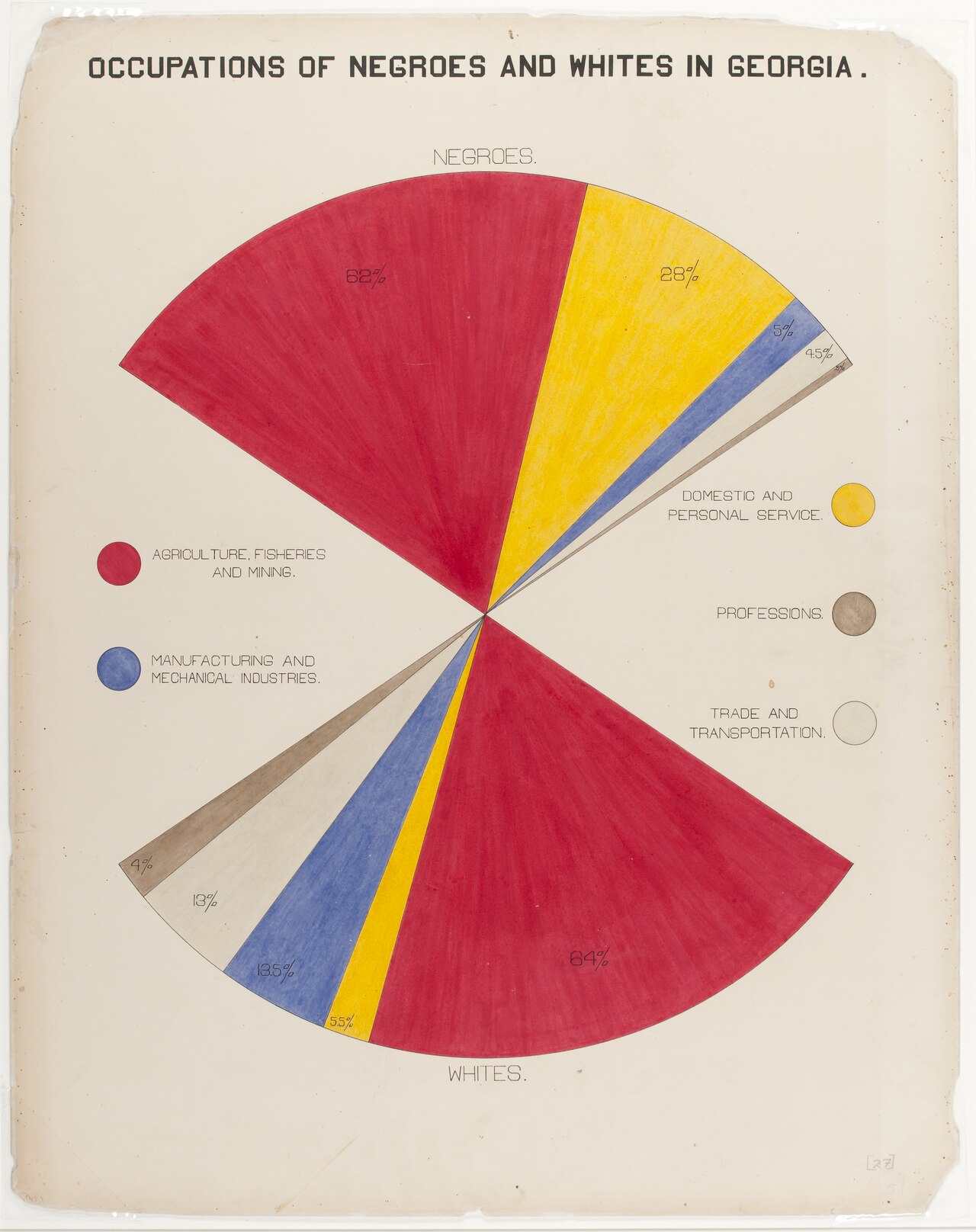
Hand-drawn pie chart in ink and watercolor titled 'Occupations of Negroes and Whites in Georgia.' Two half-circle charts, labeled Negroes (top) and Whites (bottom), show percentages in colored wedges: red agriculture, fisheries and mining; gold domestic and personal service; blue manufacturing; light grey trade and transportation; dark grey professions. Negroes: 62%, 28%, 5%, 4.5%. Whites: 64%, 4%, 13.5%, 5.5%, plus small wedges.Document

Primary source

The Georgia Negro Statistical Chart: Occupations of Negroes and Whites

W. E. B. Du Bois · 1900

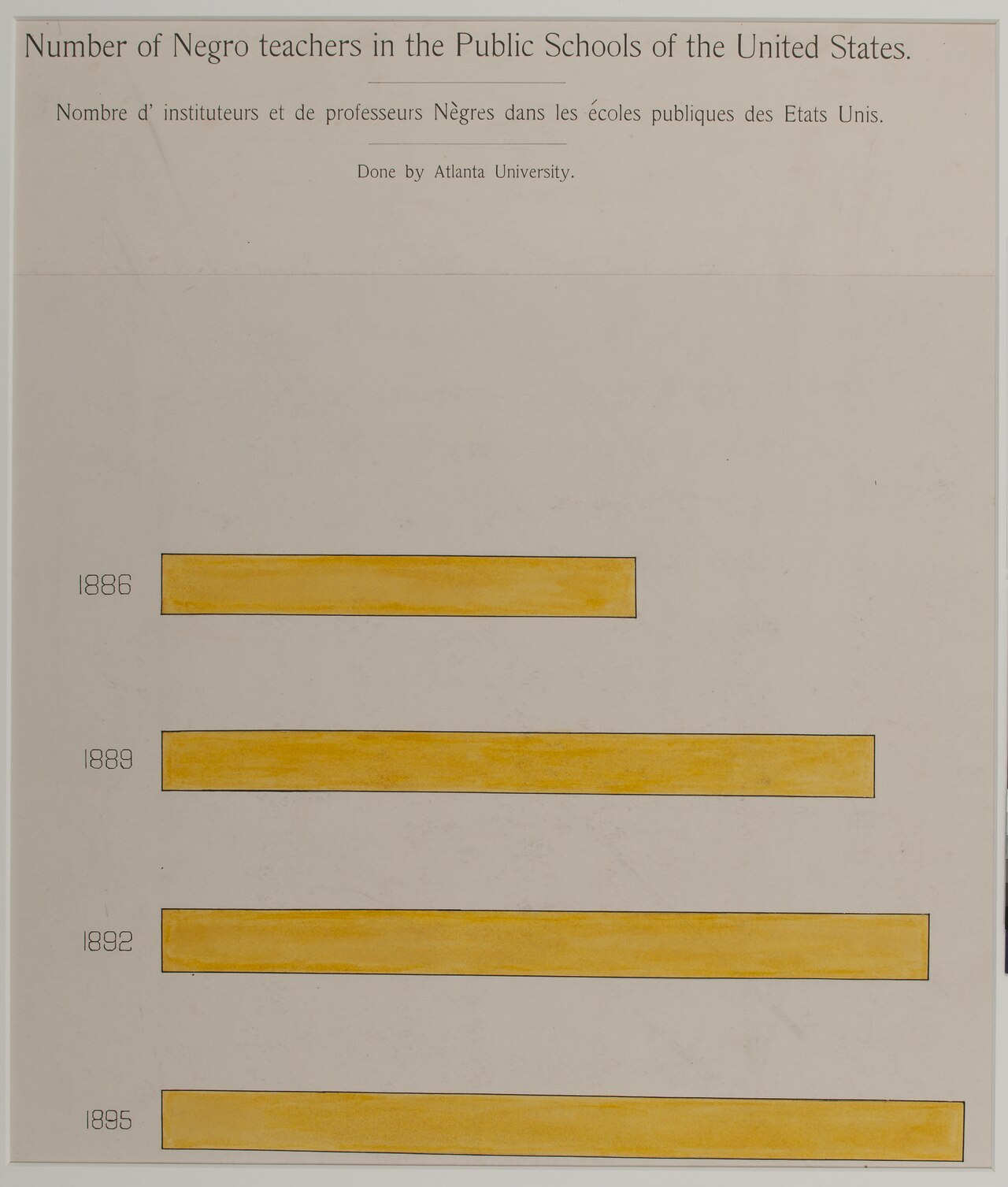
Hand-drawn bar chart titled 'Number of Negro teachers in the Public Schools of the United States', with French subtitle and 'Done by Atlanta University'. Four yellow horizontal bars labeled 1886, 1889, 1892, 1895 grow progressively longer downward.Document

Primary source

Statistical Chart: Number of Negro Teachers in Public Schools, 1886 to 1895

Atlanta University students · 1900

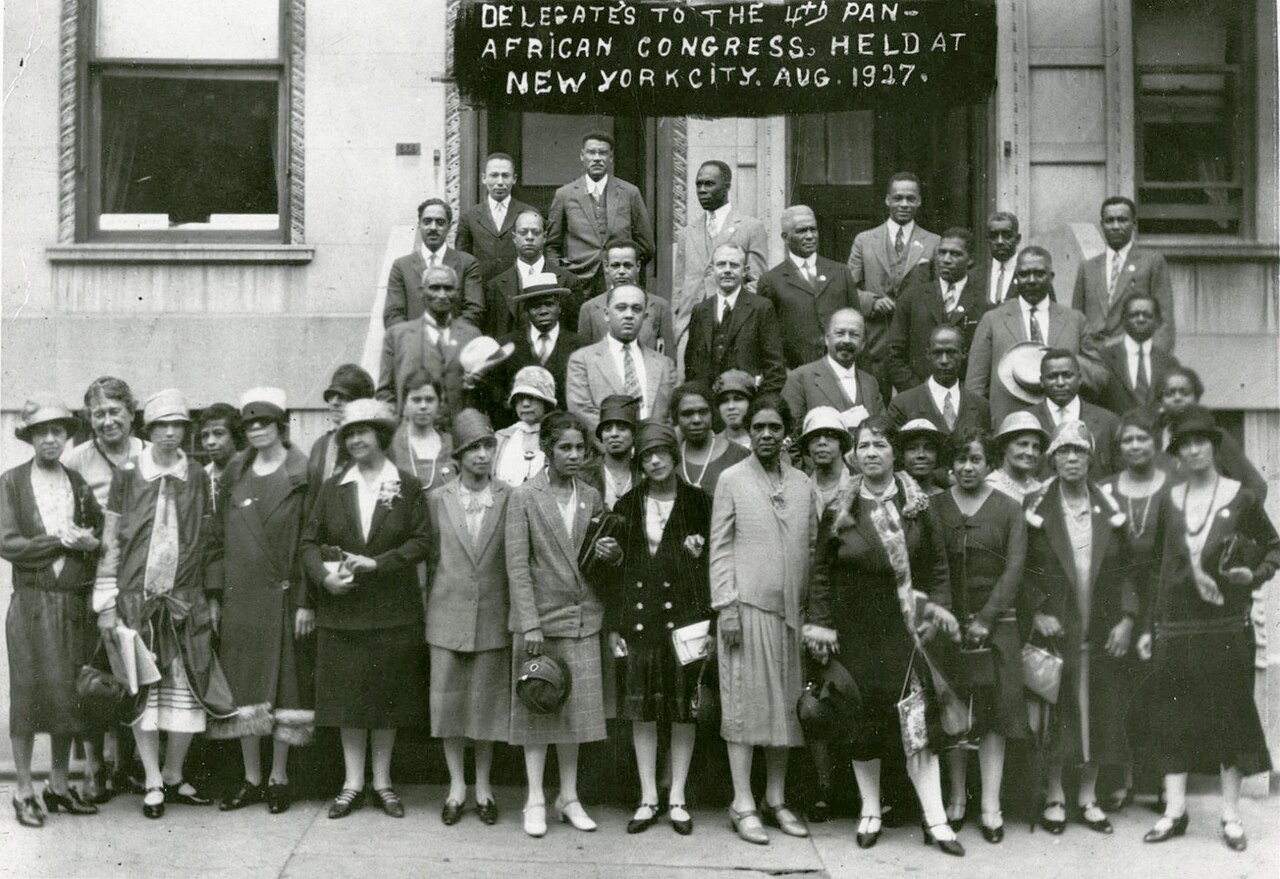
Black-and-white group photograph of about 50 men and women posed on a sidewalk before a building entrance. A banner above reads 'Delegates to the 4th Pan-African Congress held at New York City, Aug. 1927.' Men in suits and hats stand on the steps behind; women in hats and dresses stand in front.Photograph

Primary source

Delegates to the 4th Pan African Congress, New York, 1927

1 August 1927

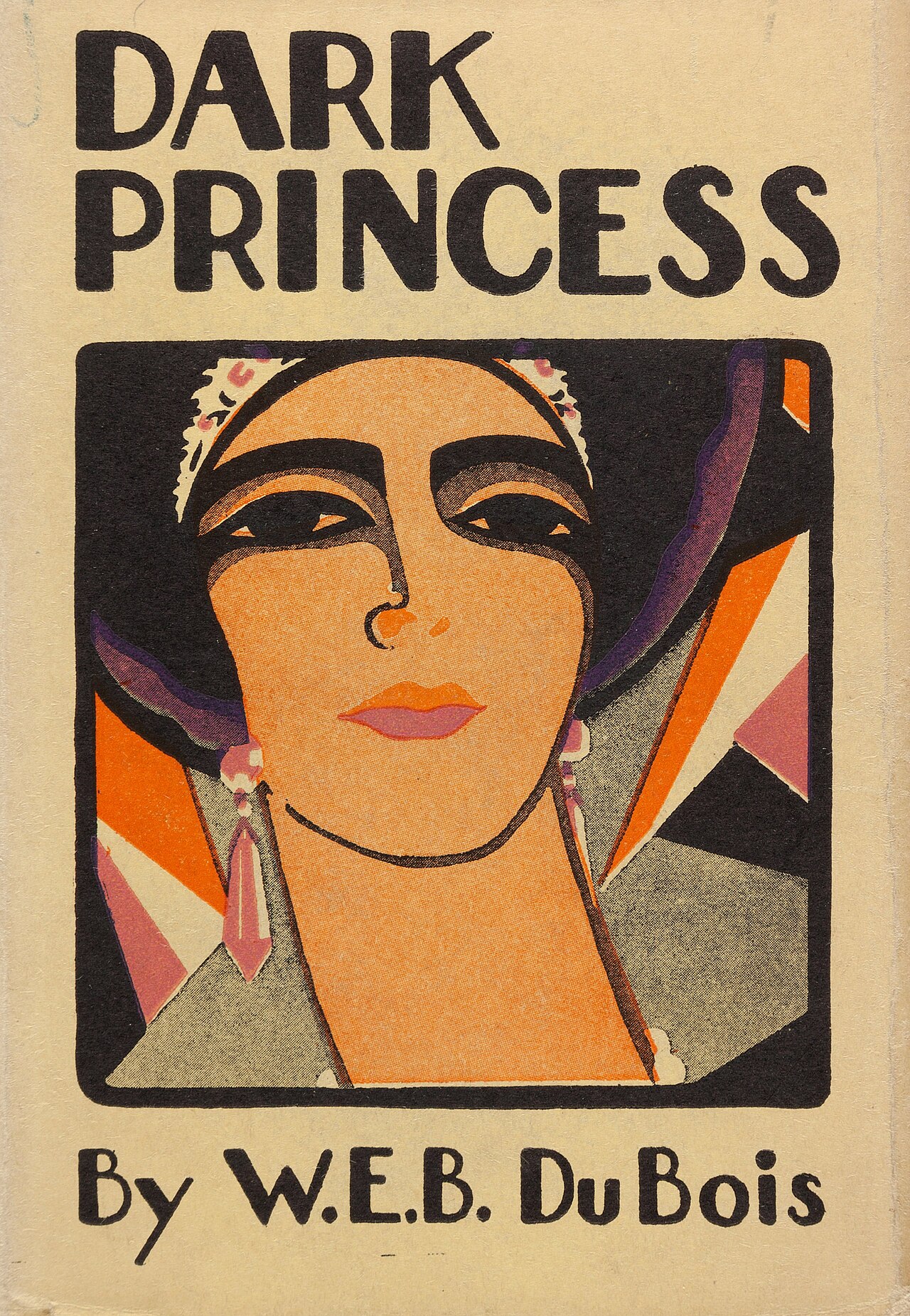
Front dust jacket of the 1928 first edition of Dark Princess. Large black title text reads DARK PRINCESS at top, with a stylized illustration of a woman's face with dark hair, orange lips, and pink earrings in a framed panel. Text at bottom reads By W.E.B. Du Bois on a cream background.Book

Primary source

Dust Jacket of Dark Princess, First Edition, 1928

1928

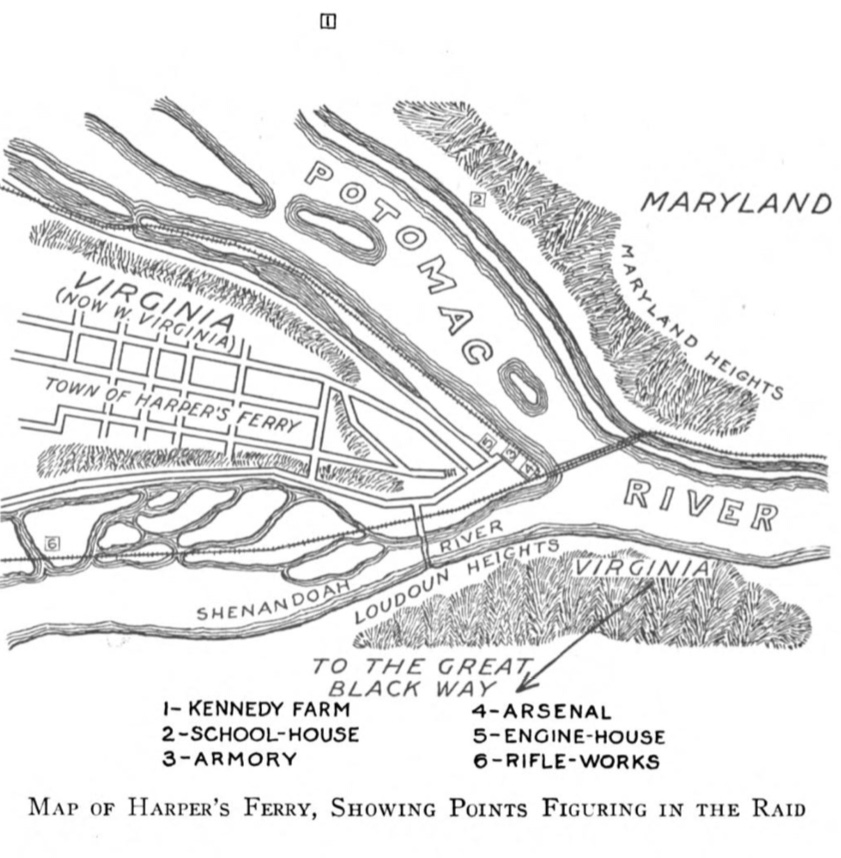
Hand-drawn style map of Harper's Ferry showing the Potomac and Shenandoah rivers, the town grid labeled Town of Harper's Ferry, Virginia (now W. Virginia), Maryland Heights, and Loudoun Heights. Numbered key lists Kennedy Farm, School-House, Armory, Arsenal, Engine-House, and Rifle-Works. Caption reads Map of Harper's Ferry, Showing Points Figuring in the Raid.Document

Primary source

Map of Harper's Ferry showing John Brown's raid

W. E. B. Du Bois · 1909

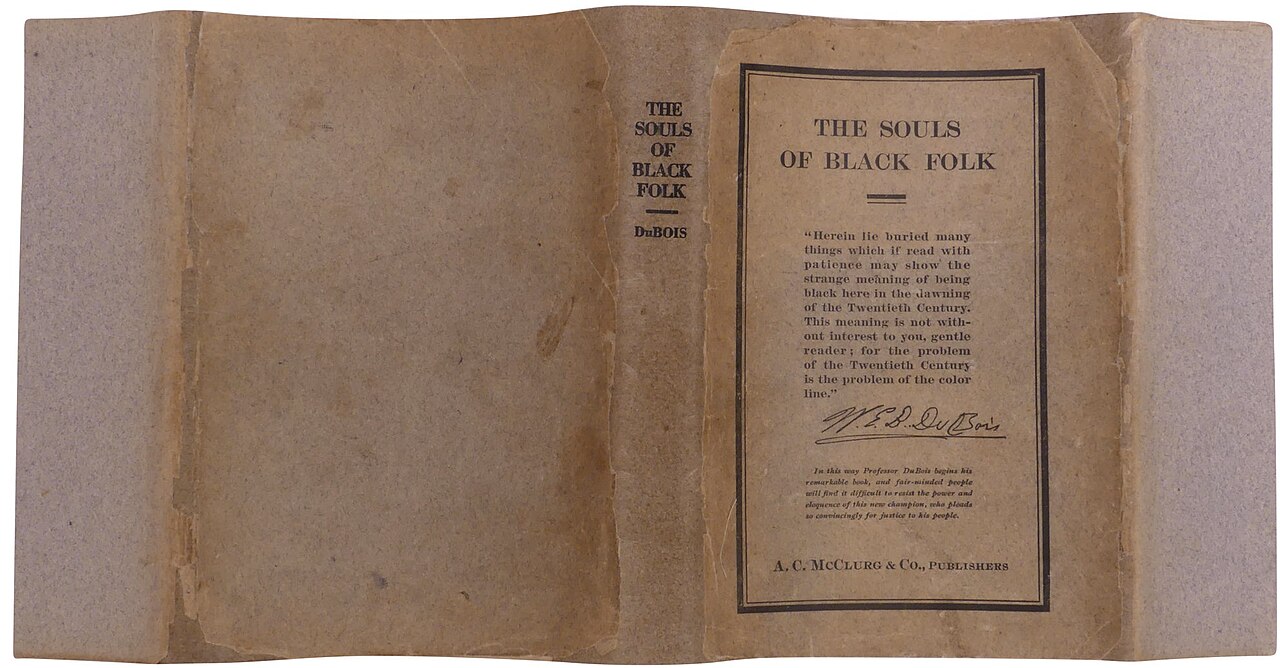
Flattened tan dust jacket of The Souls of Black Folk, spine and front panel visible. Front cover has a bordered panel with the title, a quoted passage signed W. E. B. Du Bois, and A. C. McClurg & Co. publisher name.Artifact

Primary source

Dust jacket of The Souls of Black Folk, first edition

A. C. McClurg & Co. · 1903

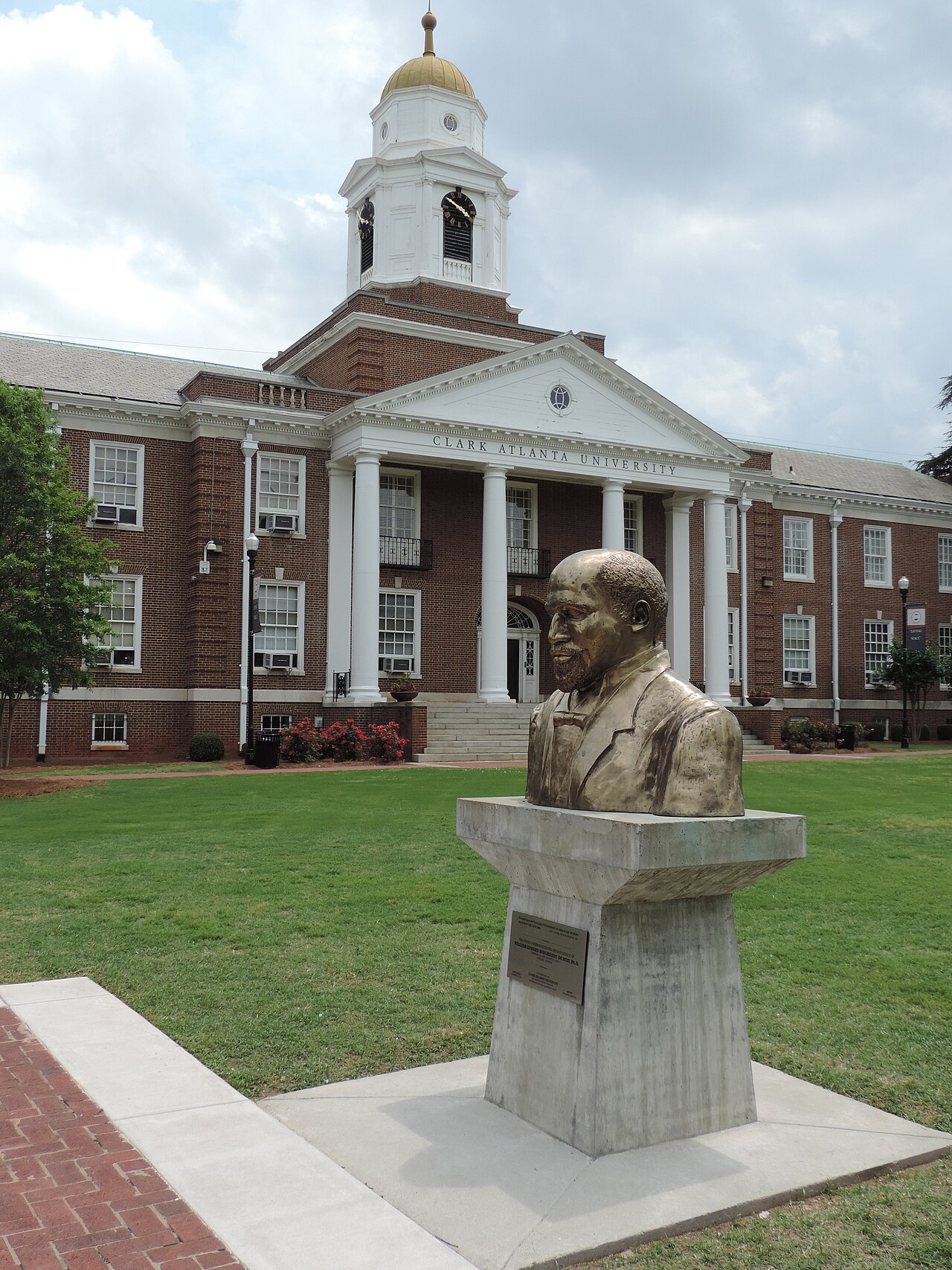
Bronze bust of a bearded man in a jacket, mounted on a tall concrete pedestal on a lawn. Behind it is a brick building with white columns, a pediment reading CLARK ATLANTA UNIVERSITY, and a white cupola with a gold dome.Sculpture

Secondary source

W. E. B. Du Bois bust at Clark Atlanta University

2017

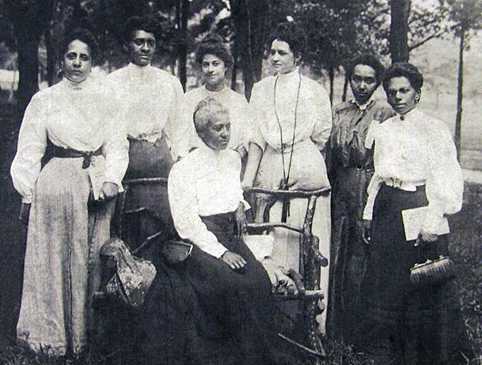
Black and white photograph of seven women posed outdoors under trees. A woman seated in the center front, in a white blouse and dark skirt, sits beside a wooden chair. Six women stand behind and around her, dressed in high-necked white blouses and long skirts, some holding items at their sides.Photograph

Primary source

Women at the 1906 Niagara Movement conference, Harpers Ferry

1906

Book

Primary source

The Negro in the South

Booker T. Washington; W. E. B. Du Bois · 1907

Book

Primary source

Masterpieces of Negro Eloquence

Alice Dunbar-Nelson · 1914

Want the full shelf? Chat with W.E.B. Du Bois in the app and open the Sources panel — every quote links back to the original.

Use W.E.B. Du Bois in class

2 collections

Ready-made collections from the Humy team that feature W.E.B. Du Bois. Preview any of them, then try it free.

Trusted by educators worldwide

Conversations
375,000+
Real exchanges between students and historical figures
Messages exchanged
4,142,000+
Across every figure, classroom and language
Historical figures
100,000+
Each informed by a curated biography and selected sources
Languages supported
50+
From English and Spanish to Arabic and Korean

Paying customers

Used by 98 schools and universities

Partner school logo
Tecnológico de Monterrey logo
Hyper Island logo
Partner school logo
Chambersburg Area School District logo
Broward County Public Schools logo
Nebo School District logo
National Louis University logo
South Florida PBS logo
Punahou School logo
University of Wisconsin–River Falls logo
Partner school logo
Partner school logo
Archbishop Mitty High School logo
Kingsburg High School logo
Norwalk Public Schools logo
Partner school logo
Connections logo
Partner school logo
Moore Public Schools logo
Partner school logo
Partner school logo
Partner school logo
Partner school logo
Robbinsville Public Schools logo
Partner school logo
Partner school logo
Partner school logo
Tecnológico de Monterrey logo
Hyper Island logo
Partner school logo
Chambersburg Area School District logo
Broward County Public Schools logo
Nebo School District logo
National Louis University logo
South Florida PBS logo
Punahou School logo
University of Wisconsin–River Falls logo
Partner school logo
Partner school logo
Archbishop Mitty High School logo
Kingsburg High School logo
Norwalk Public Schools logo
Partner school logo
Connections logo
Partner school logo
Moore Public Schools logo
Partner school logo
Partner school logo
Partner school logo
Partner school logo
Robbinsville Public Schools logo
Partner school logo
Partner school logo

What educators are saying

“We enjoyed the program last year and used it frequently.”
“My students say it’s a welcome change of pace. I’m not a fan of the “sage on the stage” model, so I try to incorporate research-oriented and self-paced activities. With Humy, students have to take charge of their learning. They’ve become more adept at critical thinking, forming better questions, and improving their reading comprehension. The interview feature has been my go-to tool. I create assignments where students must ask historical figures a set number of questions, then summarize the responses to ensure they’re truly absorbing the material. This approach lets them actively explore the past rather than passively consuming information.”
“Humy has helped me bring historical figures, sometimes long past, to life. When my students interact with these figures in real-time, it eliminates some of the perceived “ancient” characteristics of my curriculum. This has shifted my students’ thinking away from viewing history as abstract or irrelevant. Real-time interactions make historical figures relatable, even allowing students to ask off-topic questions that help put historical lives in a more relevant context for 13-year-olds. The feature I use the most is the interview feature. After teaching a topic, most recently Gandhi and Joan of Arc, I have the students ask pointed, focused questions. We practice good conversation techniques beforehand, teaching them to listen (or read) carefully and formulate thoughtful follow-up questions rather than just interrogating. It helps students practice effective conversation skills.”

FAQ

Frequently asked questions

Who is W.E.B. Du Bois?
Civil rights activist and co-founder of the NAACP. On Humy.ai you can chat with an AI version of W.E.B. Du Bois that draws on a short biography and 95 historical sources during the conversation — by text or voice, in 42 languages.
Is W.E.B. Du Bois AI free?
W.E.B. Du Bois is part of Humy's full library of more than 100,000 figures, which comes with a paid plan. A free account (no credit card) includes 20 messages a month with the free library's figures, so you can try how the conversations work first.
What sources does the W.E.B. Du Bois AI use?
It draws on a short biography and 95 historical sources (books, photographs and documents), including “The Souls of Black Folk”, “Niagara Movement” and “The Crisis”. Each source has its own page on Humy.ai.
How historically accurate is the AI version of W.E.B. Du Bois?
Each figure uses a short biography and a small set of selected historical sources as context (retrieval-augmented generation), so answers stay closer to known material than the model's general knowledge alone. It isn't a citation-grade research tool — like any LLM, the AI can get details wrong or extrapolate. Treat it as a strong starting point for inquiry and cross-reference important claims.
Can I talk to W.E.B. Du Bois by voice?
Yes. In addition to text chat, you can call W.E.B. Du Bois and hear their voice respond in real time — useful for auditory learners, interview practice and Socratic dialogue.
Is Humy.ai safe and compliant for schools?
Yes. Humy.ai is used by more than 100 schools, universities and organisations. The platform is FERPA- and GDPR-aligned, supports SSO, and offers an IT-approval pack tailored for school procurement teams.

Ready when you are

Start chatting with W.E.B. Du Bois now.

20 messages free · No credit card · Available in 50+ languages.