


Secondary sourcePainting1842
Pocahontas
Robert Matthew Sully · 1842
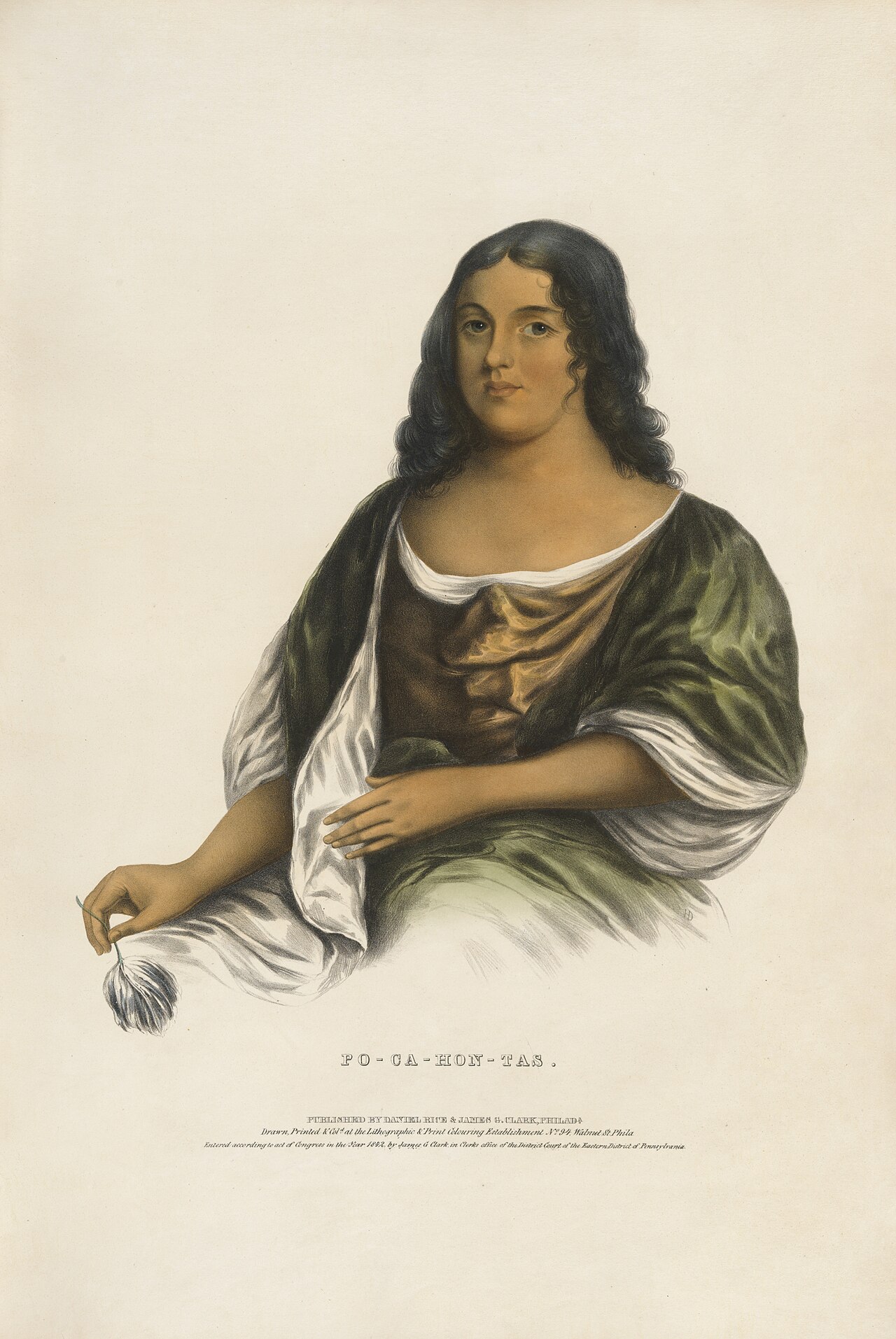
An 1842 imagined portrait of Pocahontas by Robert Matthew Sully, long used as her standard image, held by the National Portrait Gallery.
An imagined portrait of Pocahontas, long mistaken for an accurate likeness of her.
About this source
What it is
This hand-colored lithograph portrait was painted in 1842 by Robert Matthew Sully, based entirely on imagination rather than any real sitting. It shows a woman with long dark hair wearing a green shawl and holding a small feather. It is held by the National Portrait Gallery.
Why it matters
Although painted more than two centuries after Pocahontas's death, this image became widely used as her standard portrait in later years. It reveals how, without a true contemporary likeness, artists and the public created and accepted an invented image of her that shaped how generations imagined her.
Look closer
- Why might people have accepted an imagined portrait as if it were a true likeness?
- What choices did the artist make about clothing and pose, and what might they suggest about his ideas of Pocahontas?
- How does knowing this image was invented change how you look at it?
This painting is part of the curated material that grounds the AI version of Pocahontas on Humy.ai — when students ask about related events, the AI can quote it and cite it.
More Pocahontas sources
Meet the AI Pocahontas →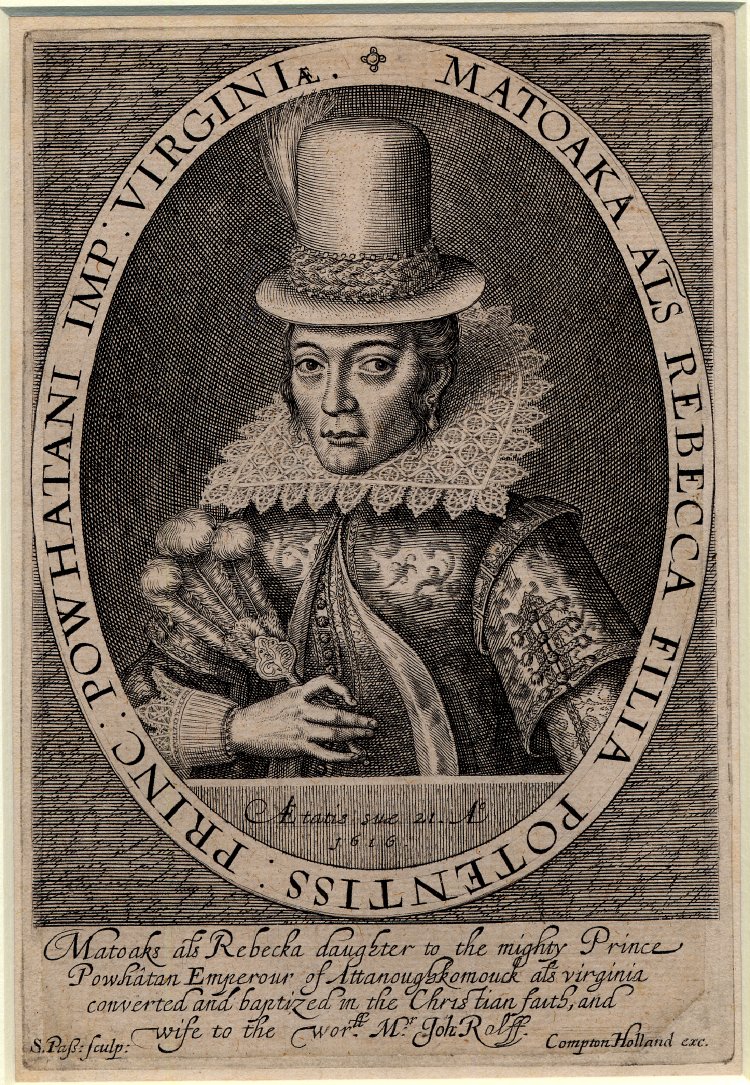 Painting
Primary source
Matoaka alias Rebecca Engraving
Simon van de Passe · 1616
 Painting
Secondary source
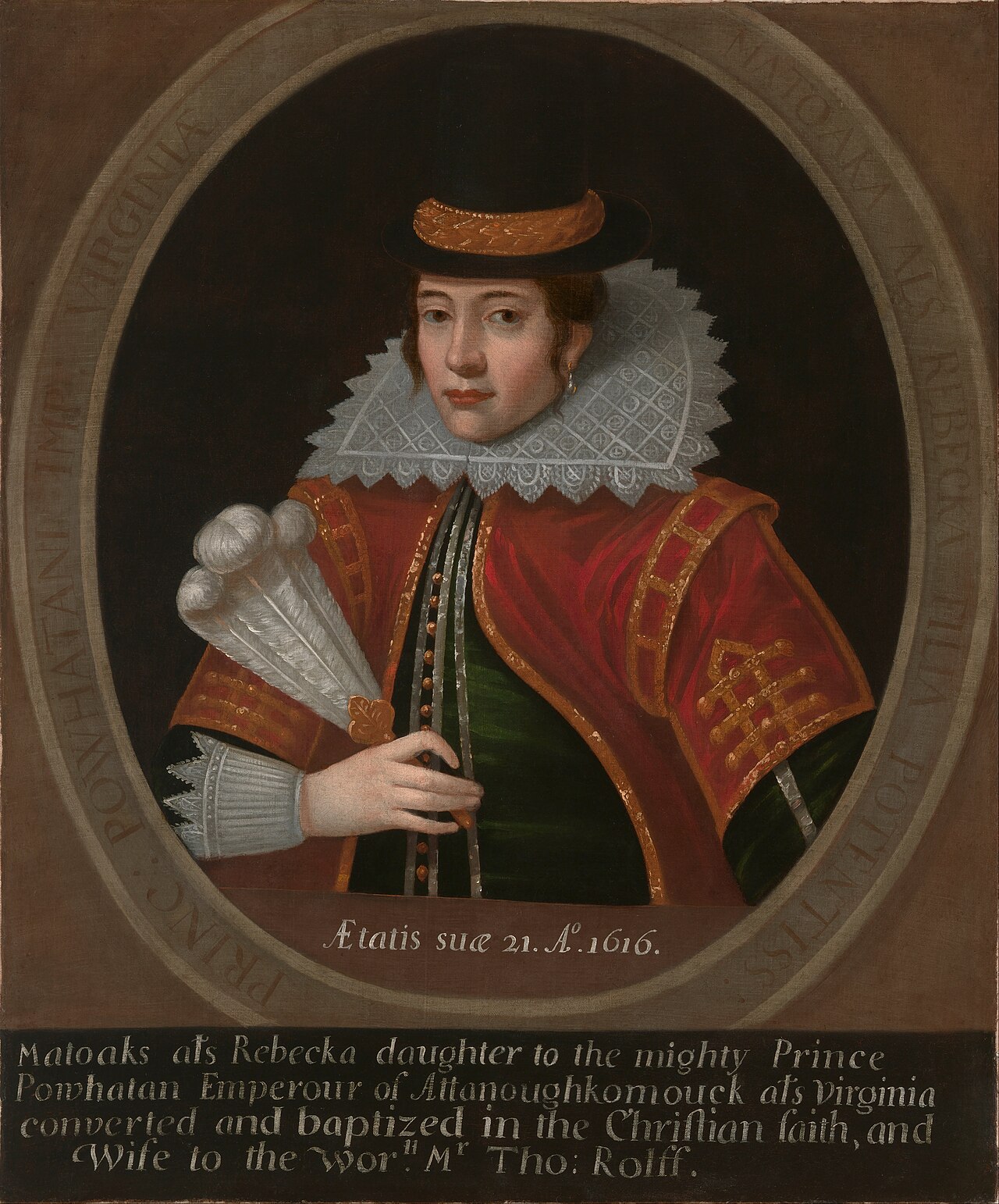
Pocahontas (Oil Portrait after van de Passe)
Unidentified Artist · 1616
 Book
Primary source
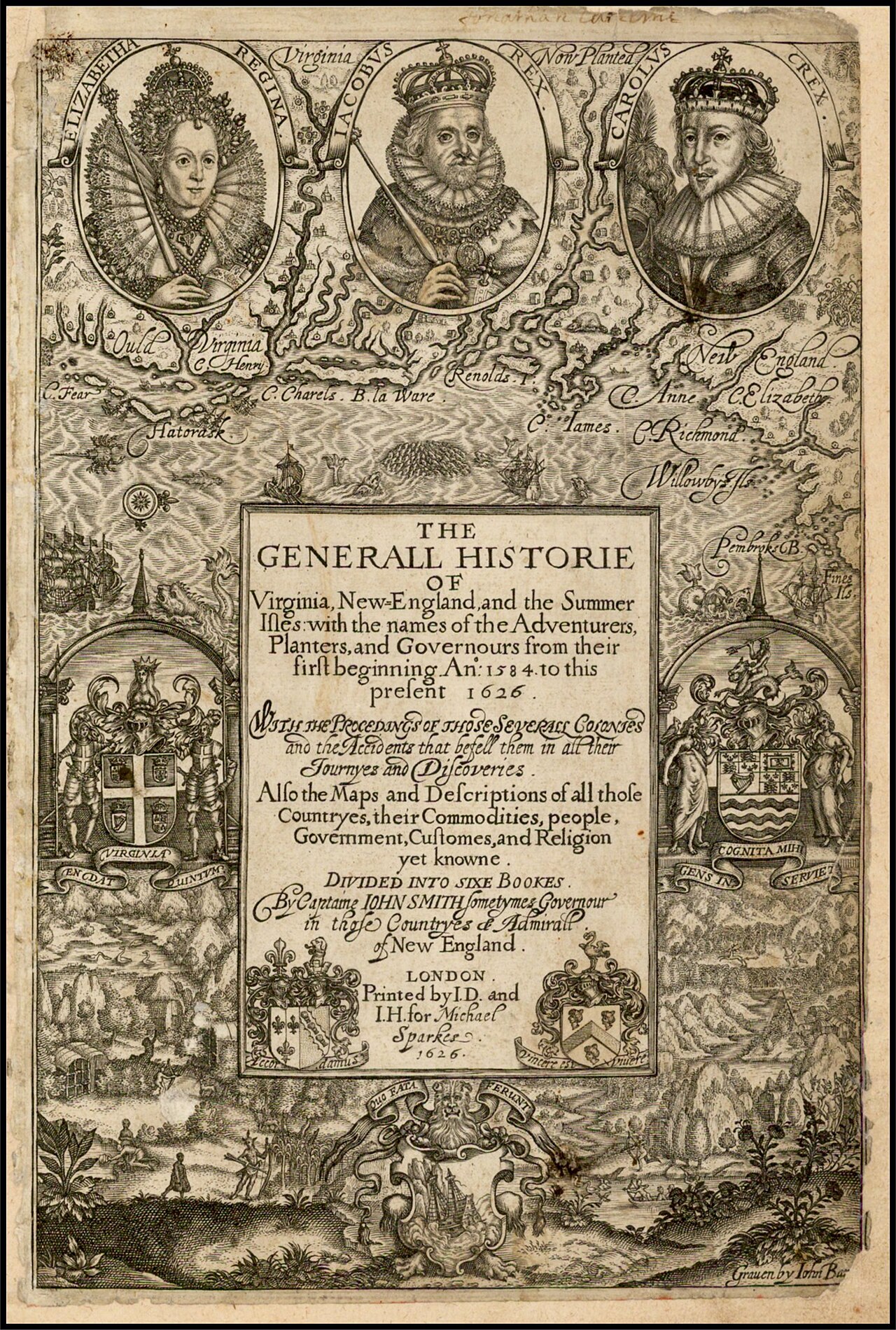
The Generall Historie of Virginia, New-England, and the Summer Isles
John Smith · 1624
 Book
Primary source
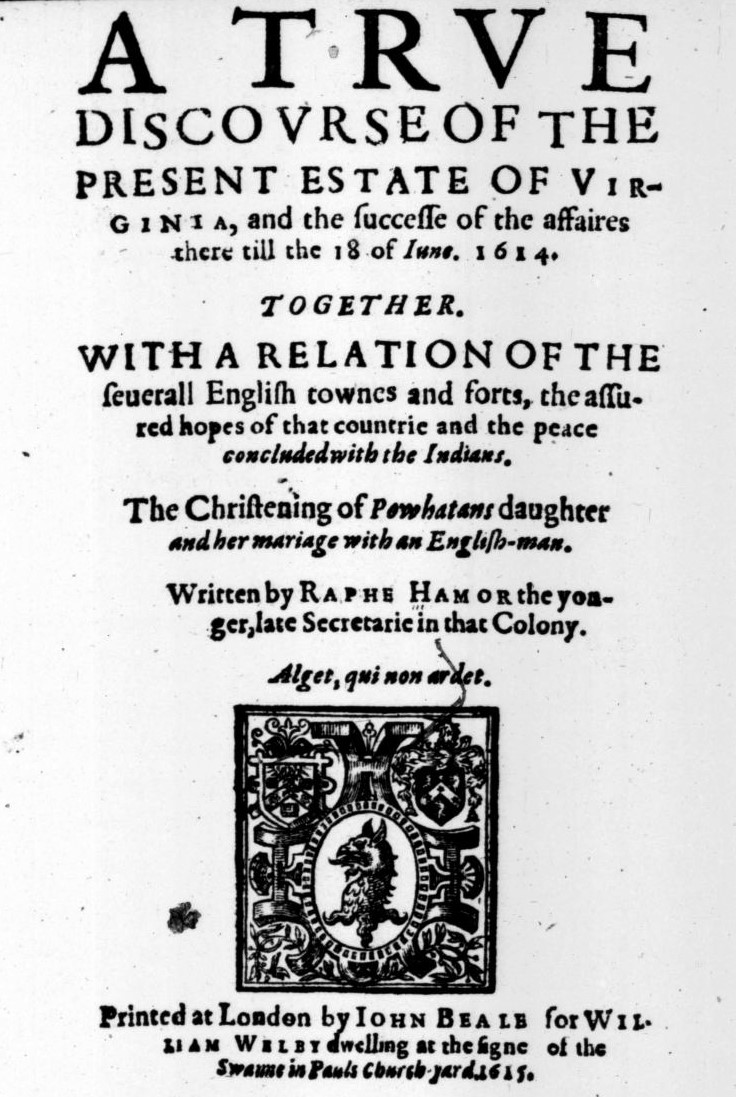
A True Discourse of the Present Estate of Virginia
Ralph Hamor · 1615
 Painting
Secondary source
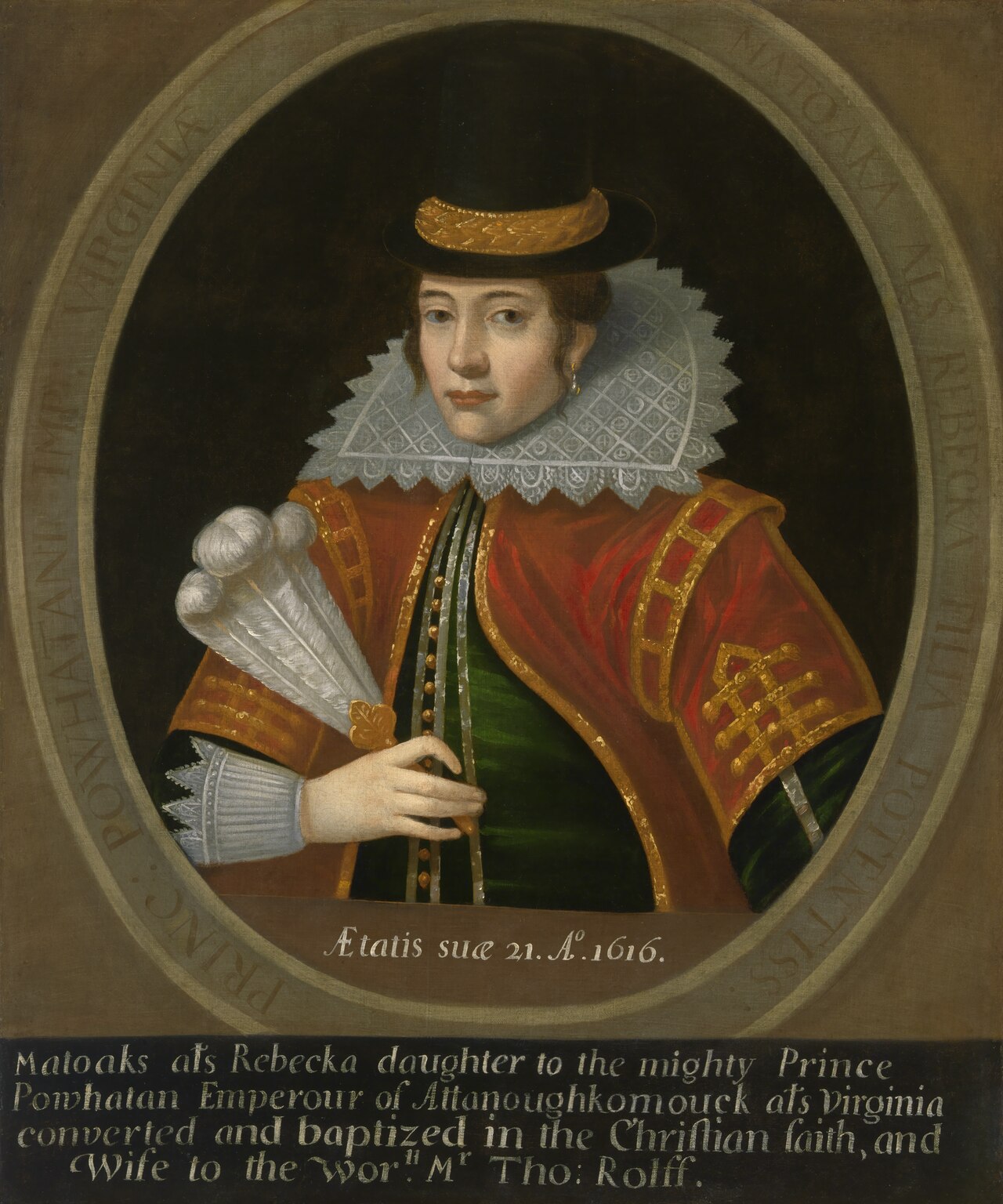
Portrait of Pocahontas
1616
Ready when you are
Start chatting with Pocahontas now.
20 messages free · No credit card · Available in 50+ languages.