


Secondary sourcePainting1870
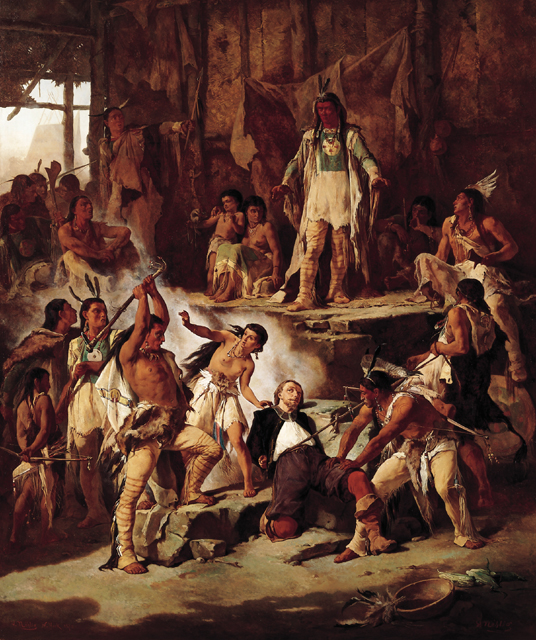
Pocahontas and John Smith
Victor Nehlig · 1870
An 1870 oil painting by Victor Nehlig imagining the legendary rescue of John Smith by Pocahontas.
An imagined later depiction of the legend of Pocahontas rescuing John Smith.
About this source
What it is
This oil painting was made in 1870 by the artist Victor Nehlig. It shows an imagined dramatic scene inside a longhouse, where a kneeling European man is restrained by Native American men while a young woman rushes forward to shield him. It is held by the Brigham Young University Museum of Art.
Why it matters
Painted more than two hundred years after the events it depicts, this work reflects the popular legend that Pocahontas saved the English colonist John Smith from execution. It shows how nineteenth-century American artists imagined and dramatised early colonial history, often without historical evidence.
Look closer
- What makes this scene look dramatic or exciting?
- Since the artist lived long after these events, where might his ideas about the scene have come from?
- What does the painting suggest about the relationship between Pocahontas and the colonists?
This painting is part of the curated material that grounds the AI version of Pocahontas on Humy.ai — when students ask about related events, the AI can quote it and cite it.
More Pocahontas sources
Meet the AI Pocahontas →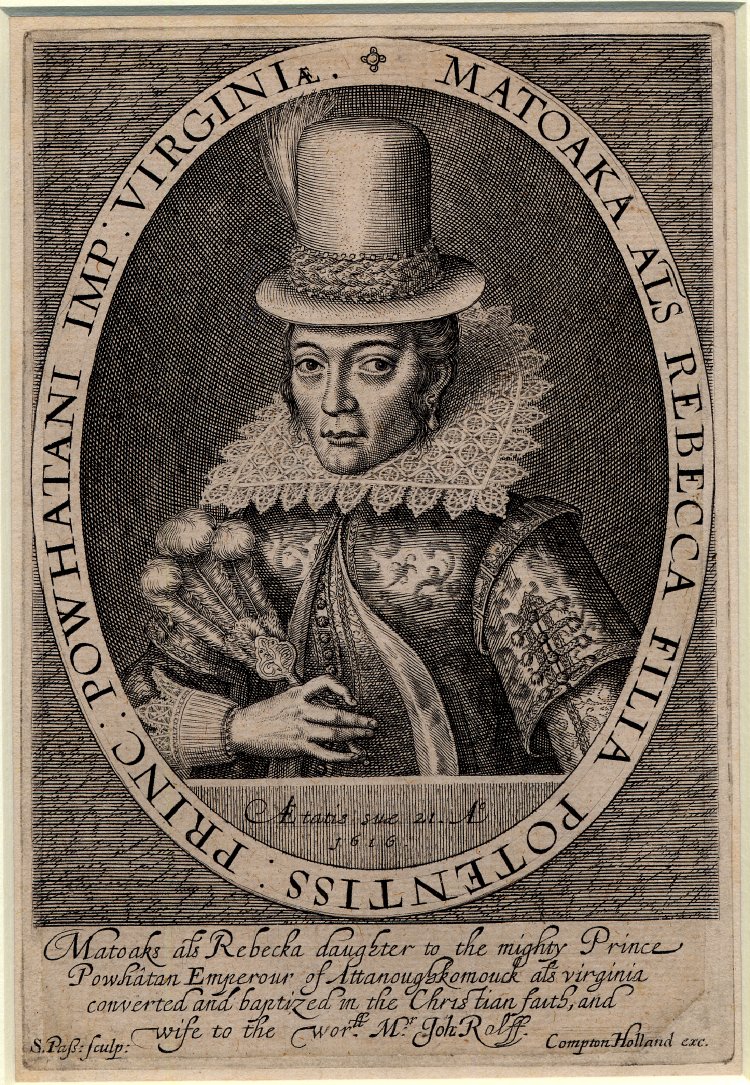 Painting
Primary source
Matoaka alias Rebecca Engraving
Simon van de Passe · 1616
 Painting
Secondary source
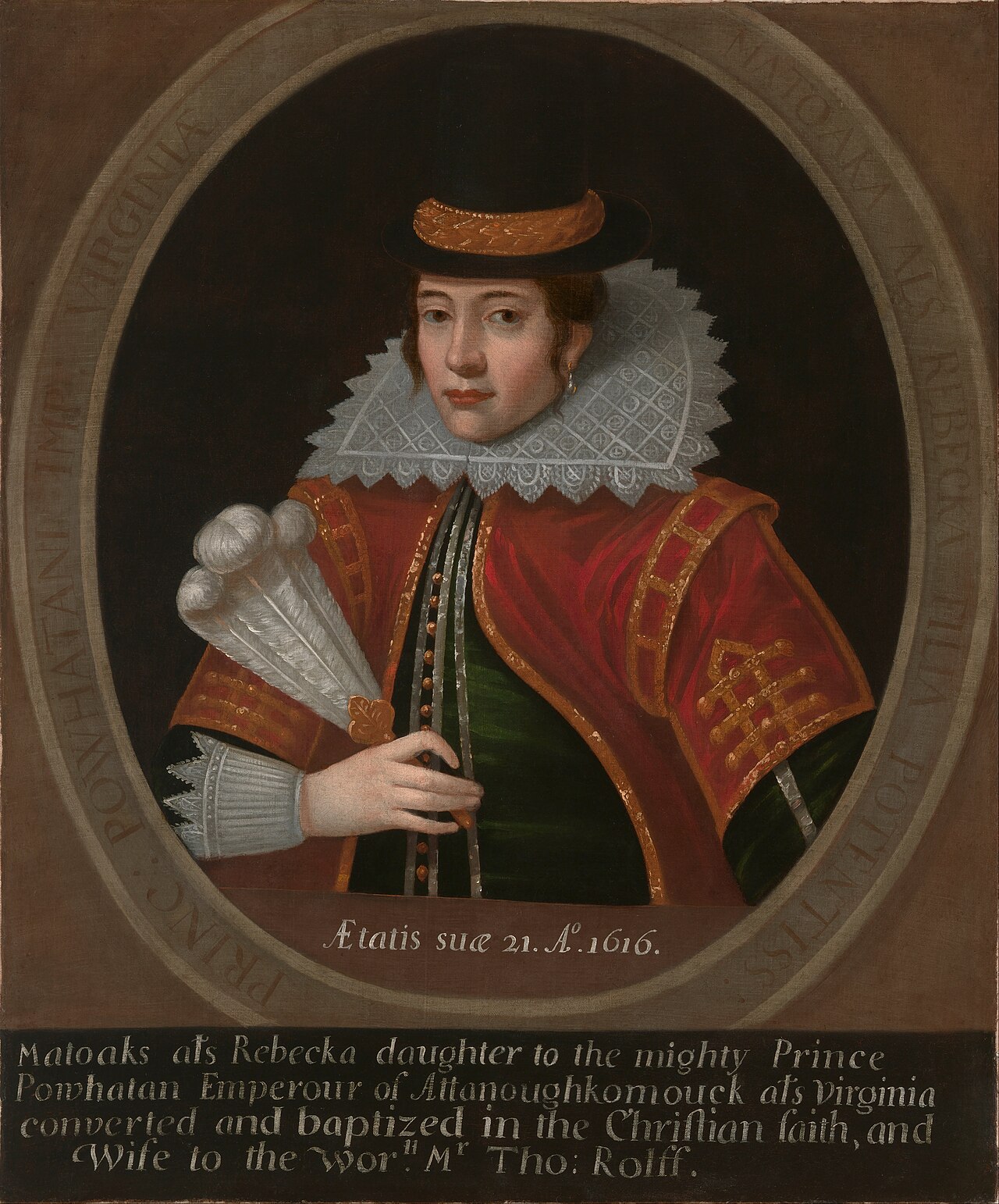
Pocahontas (Oil Portrait after van de Passe)
Unidentified Artist · 1616
 Book
Primary source
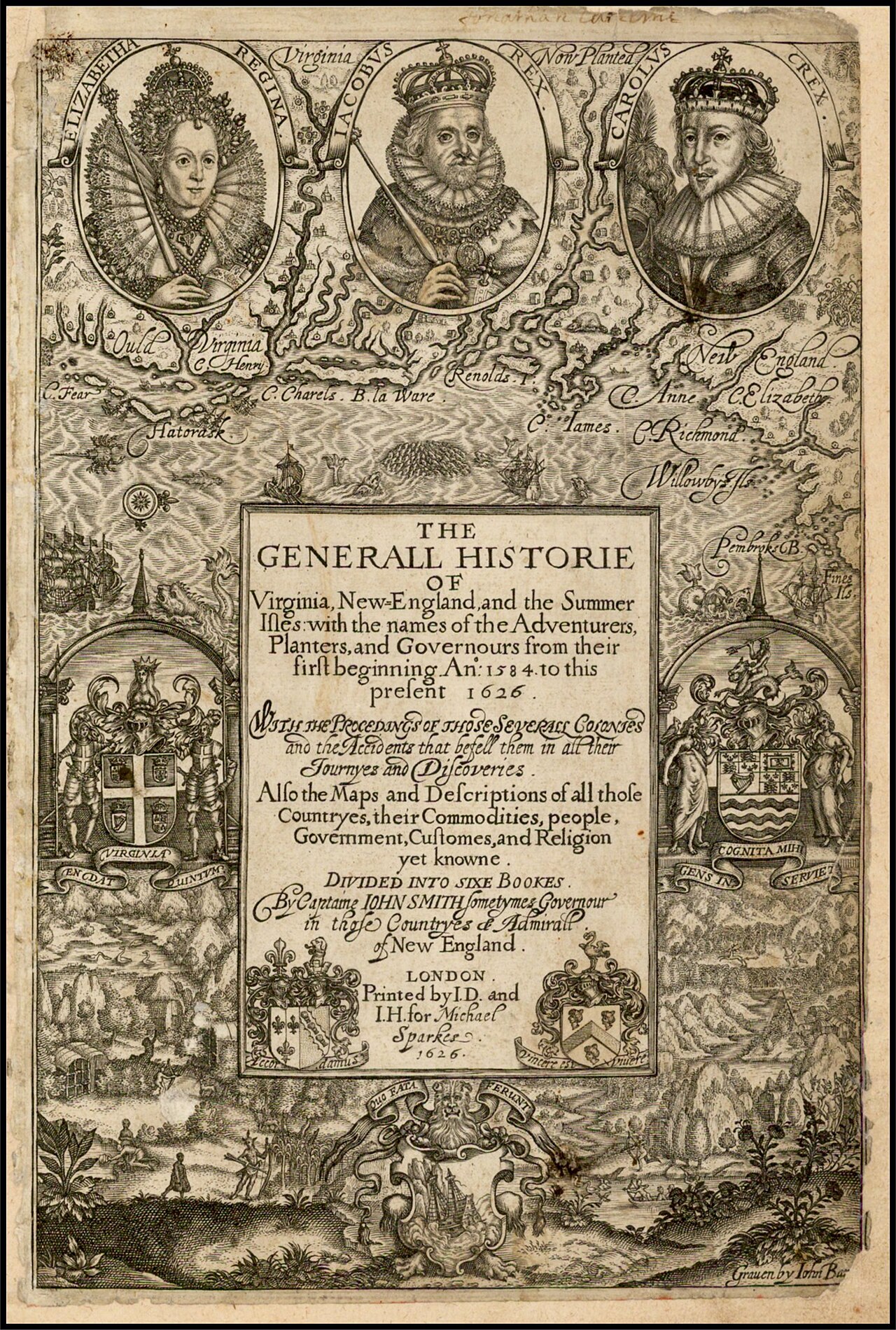
The Generall Historie of Virginia, New-England, and the Summer Isles
John Smith · 1624
 Book
Primary source
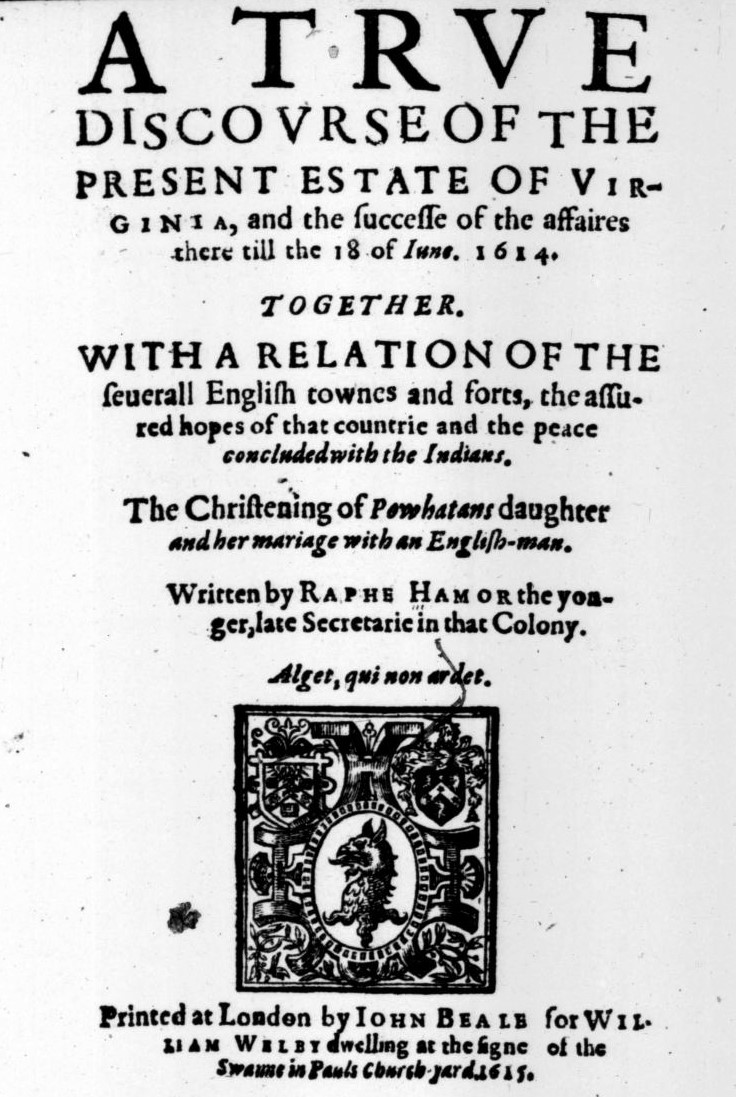
A True Discourse of the Present Estate of Virginia
Ralph Hamor · 1615
 Painting
Secondary source
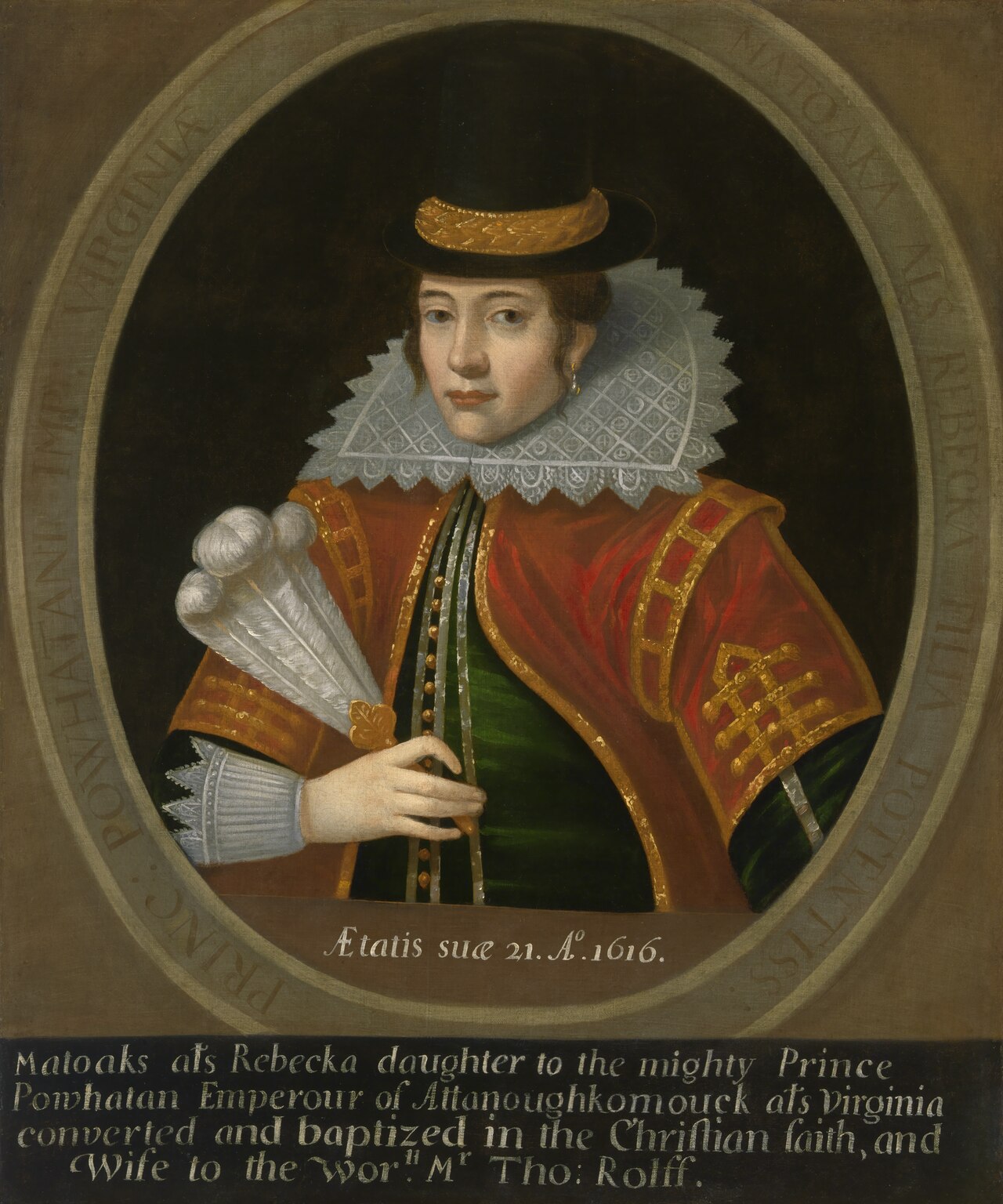
Portrait of Pocahontas
1616
Ready when you are
Start chatting with Pocahontas now.
20 messages free · No credit card · Available in 50+ languages.