


Secondary sourcePainting1861
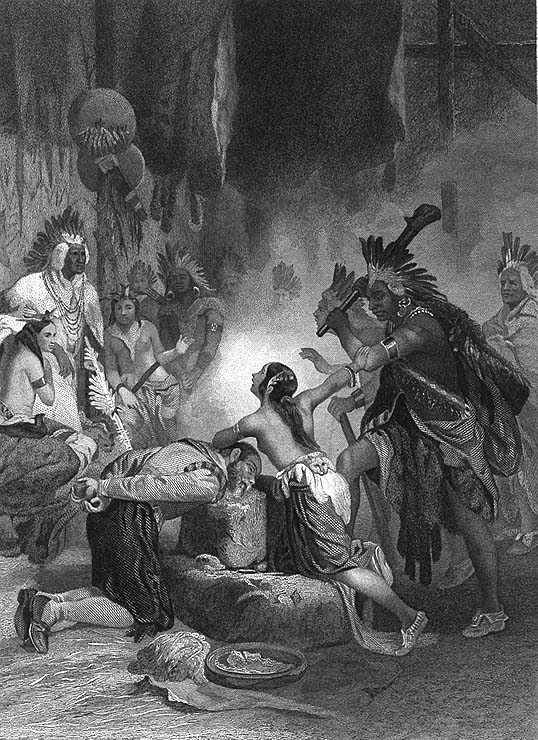
Pocahontas Saving the Life of Capt. John Smith, engraving by Alonzo Chappel, 1861
Alonzo Chappel · 1861
An 1861 engraving of the Pocahontas rescue legend by Alonzo Chappel, published in 1866. It shows how the story was popularised long after Smith.
This 1861 engraving depicts Smith in the Pocahontas legend and was made long after his death, showing how the story was later popularised.
About this source
What it is
This is a black-and-white engraving by Alonzo Chappel, dated 1861. It shows a kneeling man with his head on a stone while a young woman throws herself across him. A feathered warrior raises a club, and other feathered figures watch from the background. According to the record, it was published in 1866 in J.A. Spencer's History of The United States.
Why it matters
The engraving shows how the rescue story was spread through popular histories in the 1800s. The collection record says the information comes from Ann Uhry Abrams's book The Pilgrims and Pocahontas: Rival Myths of American Origin (1999), which uses a version of this image on its cover.
Look closer
- Who is placed at the centre of the scene, and why?
- Why might a history book in 1866 include an image like this?
- What does the engraving leave out about what Smith himself wrote about the event?
This painting is part of the curated material that grounds the AI version of John Smith on Humy.ai — when students ask about related events, the AI can quote it and cite it.
More John Smith sources
Browse all 81 →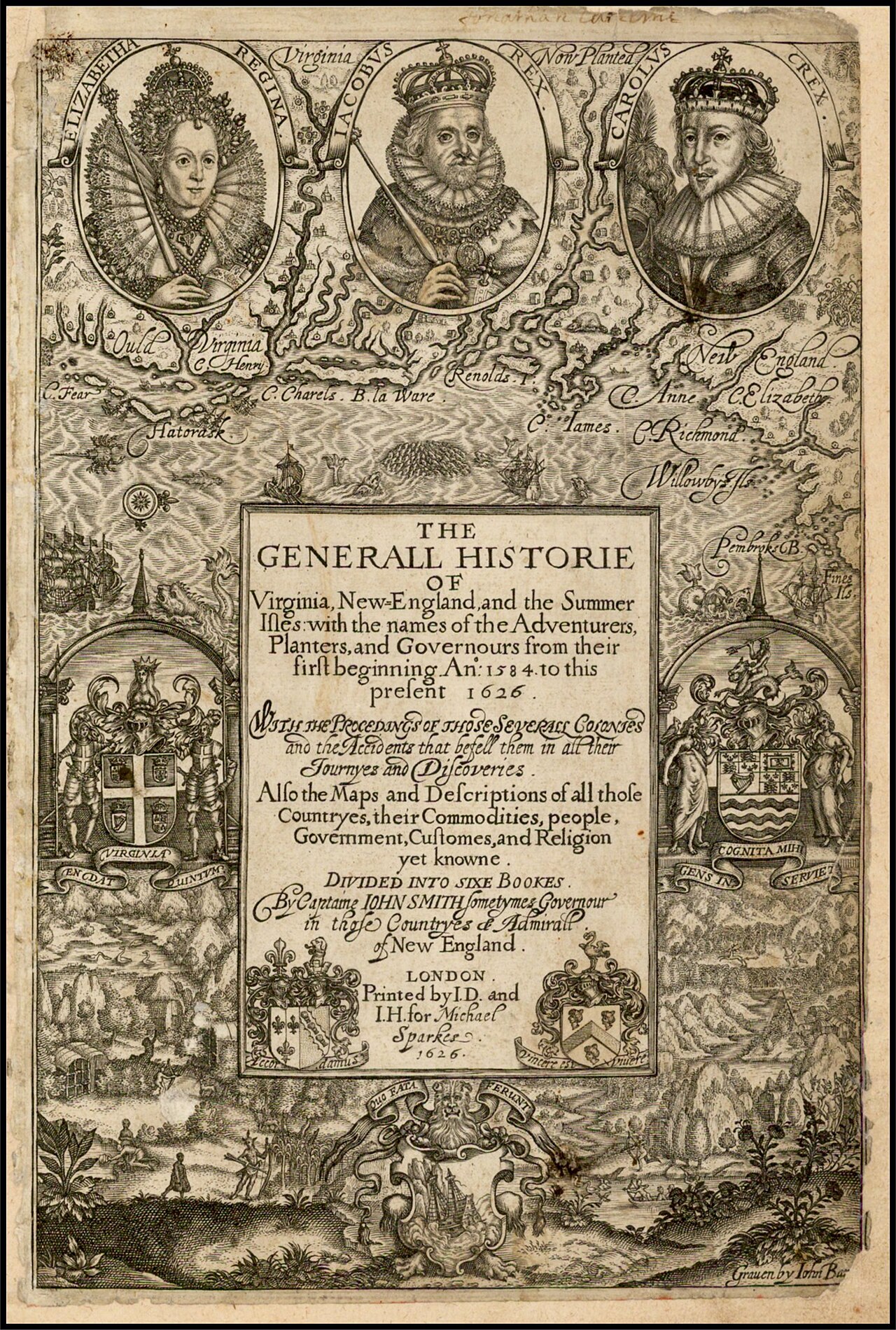 Book
Primary source
The Generall Historie of Virginia, New-England, and the Summer Isles
John Smith · 1624
Primary source
To the Most High and Virtuous Princess
John Smith · 1616
 Document
Primary source
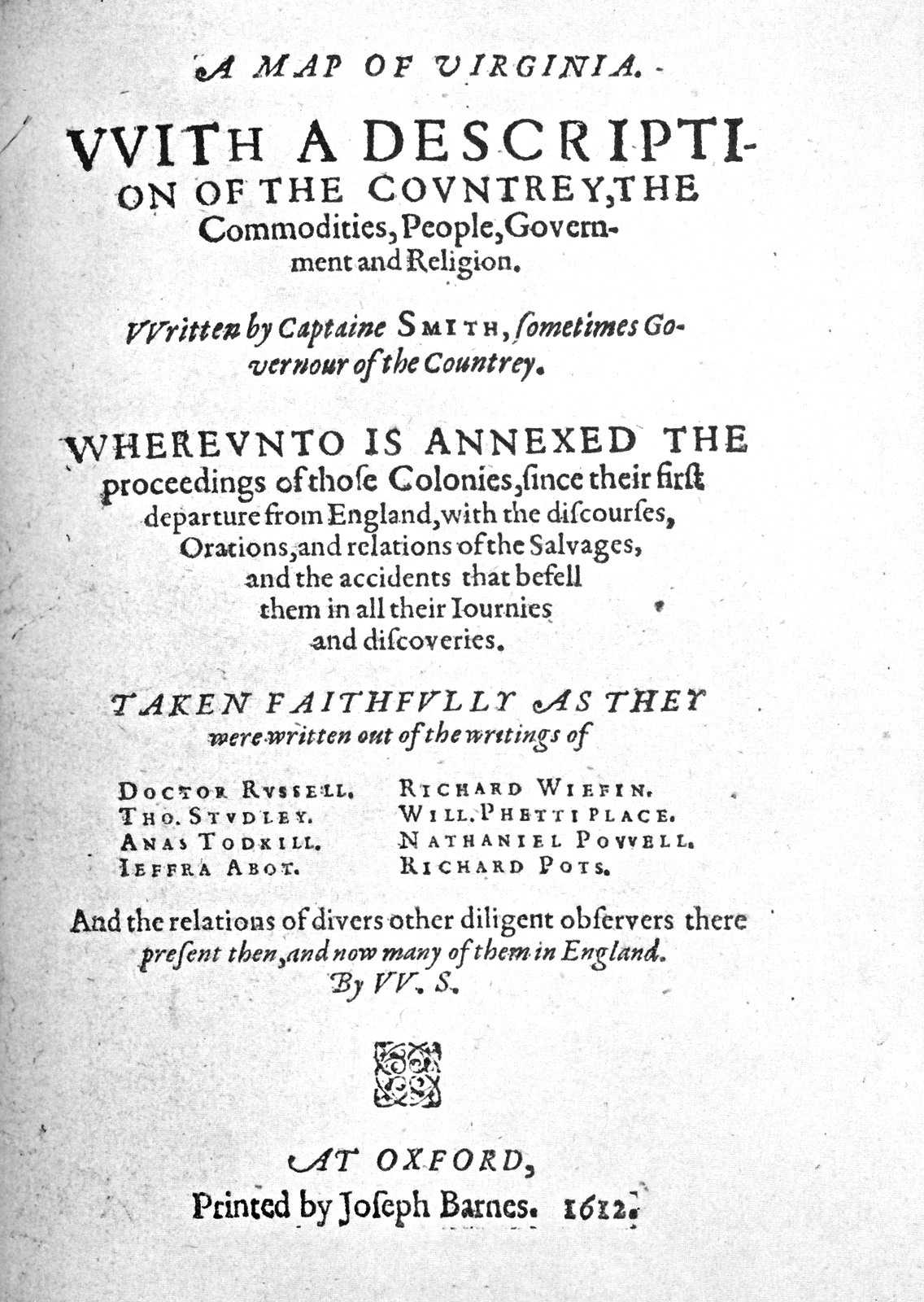
A Map of Virginia
John Smith · 1612
 Book
Primary source
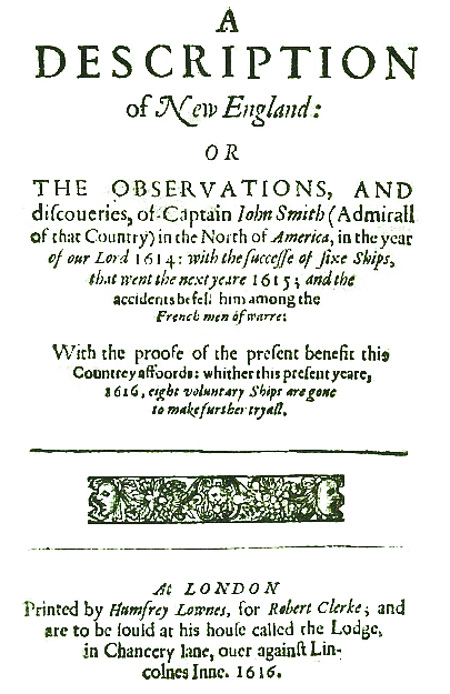
A Description of New England
John Smith · 1616
Free account
Read every John Smith source
Sign up free →
Ready when you are
Start chatting with John Smith now.
20 messages free · No credit card · Available in 50+ languages.