


Primary sourceBook
Poem of Bailiang Terrace
Emperor Wu of Han and courtiers
A linked-verse poem composed at a feast held by Emperor Wu with his courtiers, each adding a line in turn.
Emperor Wu composed part of this linked-verse poem with his court, showing his personal role as poet and patron.
Free Humy account · No credit card · 120,912 sources to read
About this source
What it is
This is a linked-verse poem in Chinese, said to have been composed at a feast on the Bailiang Terrace. Different lines are attributed to Emperor Wu and to various officials and courtiers of his court, who each contributed a verse in turn. It is preserved in Chinese textual tradition and listed on Chinese Wikisource.
Why it matters
The poem is a rare glimpse of court life under Emperor Wu: his officials, generals and advisors taking turns to add lines, showing how poetry was woven into Han court ritual and politics. It reveals the hierarchy of the imperial court, since each courtier's line is linked to his title and role.
Look closer
- Why might an emperor want his officials to take part in composing poetry with him?
- What might collaborative poetry like this reveal about status and loyalty at court?
- How does performing poetry together differ from writing alone?
This book is part of the curated material that grounds the AI version of Emperor Wu of Han on Humy.ai — when students ask about related events, the AI can quote it and cite it.
More Emperor Wu of Han sources
Browse all 91 →Primary source
Annals of Emperor Xiaowu (Shiji, Vol. 12)
Sima Qian · c. 100 BCE
Primary source
Autumn Wind Rhapsody
Emperor Wu of Han · 2nd century BCE
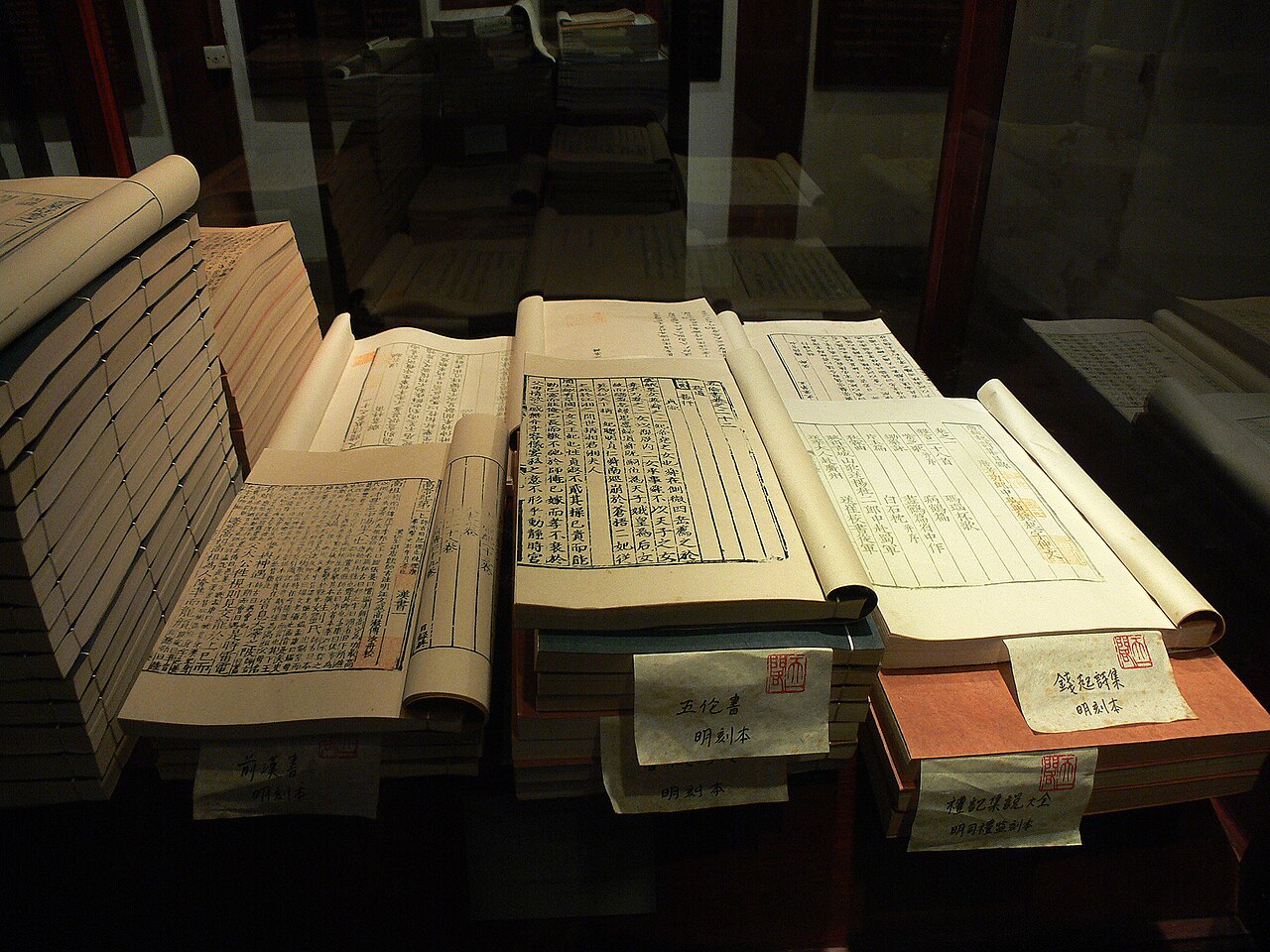 Book
Secondary source
Book of Han
Ban Gu (with Ban Zhao and Ban Biao) · finished 111 CE
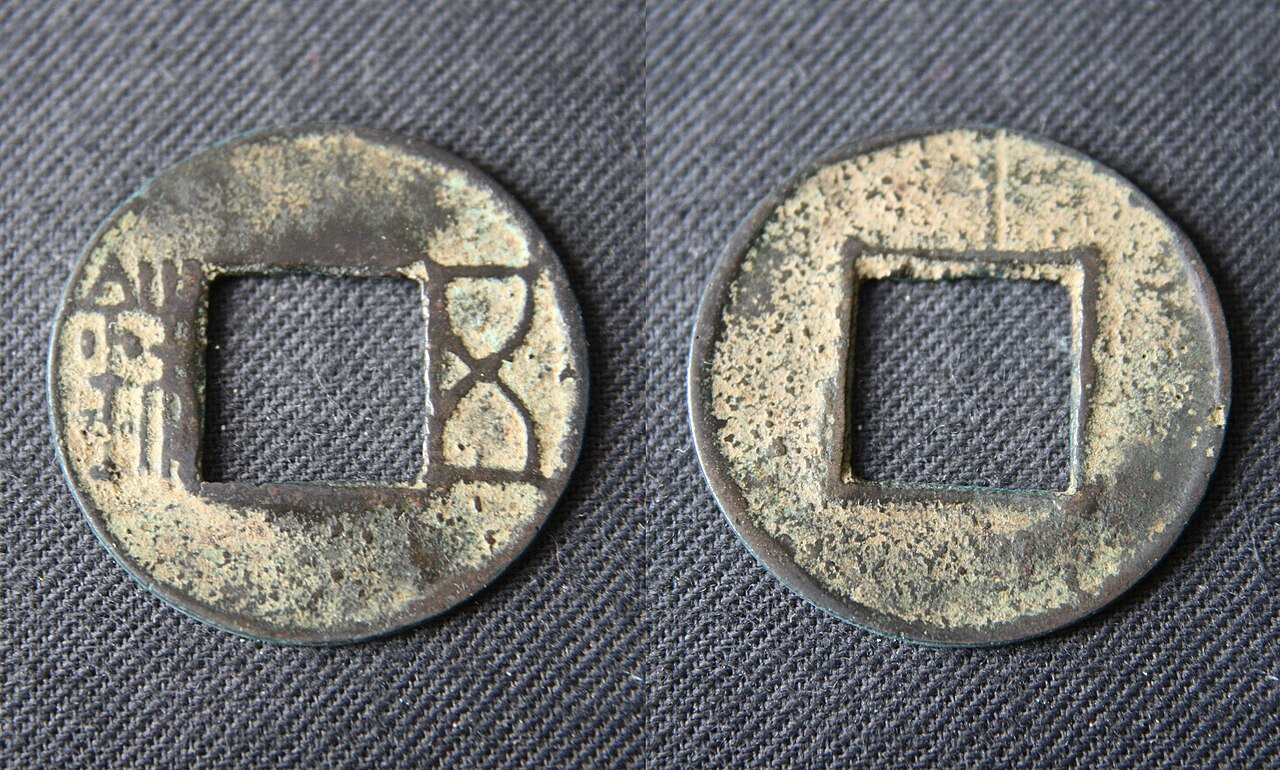 Artifact
Primary source
Han Wu Zhu Coin of Emperor Wu
after 118 BCE
Free account
Read every Emperor Wu of Han source
Sign up free →
Ready when you are
Start chatting with Emperor Wu of Han now.
20 messages free · No credit card · Available in 50+ languages.