


Primary sourceArtifact1900-1901
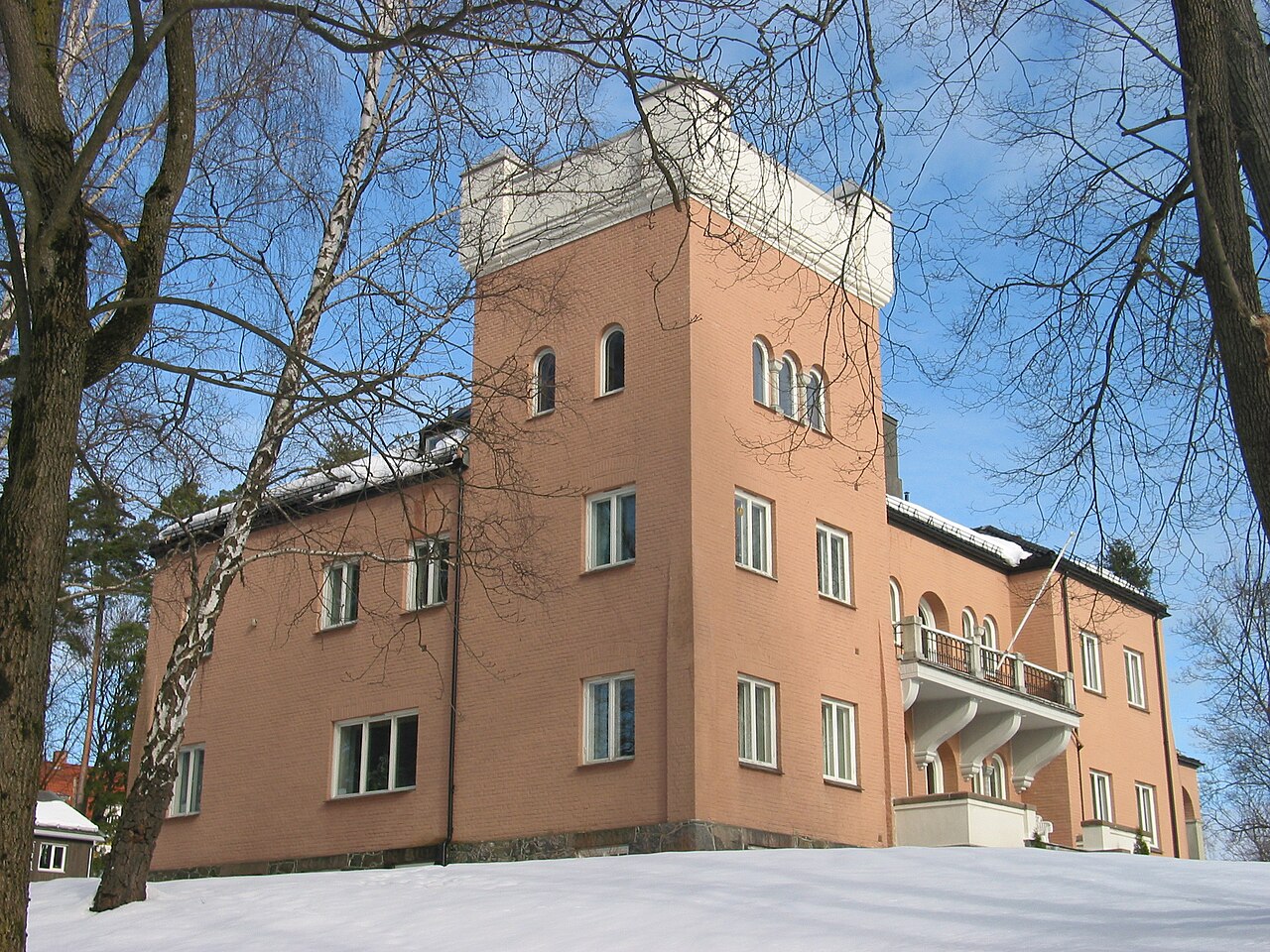
Polhøgda
Hjalmar Welhaven · 1900-1901
The home Fridtjof Nansen built at Lysaker in 1901, where he lived, worked, and was later buried.
The home Nansen commissioned and lived in from 1901 until his death, and where he was later buried.
Free Humy account · No credit card · 120,288 sources to read
About this source
What it is
Polhøgda is a villa near Lysaker in Bærum, Norway, designed by architect Hjalmar Welhaven working with Fridtjof Nansen. Construction took place in 1900 and 1901, and it became the home of Nansen and his wife Eva Nansen from 1901.
Why it matters
The house was a gathering place for a circle of Norwegian artists and intellectuals, including painters Eilif Peterssen, Erik Werenskiold, and Gerhard Munthe, and scholars such as Ernst Sars. Werenskiold even designed the dining room's interior. The building shows Nansen not only as an explorer but as part of a wider cultural and scientific community. After his death in 1930, Nansen was buried on the property, which later became home to the Fridtjof Nansen Institute.
Look closer
- What does the choice of architectural style suggest about Nansen's tastes or status?
- Why might Nansen have wanted his home to be a meeting place for artists and scholars rather than just a private residence?
- What does the later decision to preserve the house, but not turn it into a museum, tell us about how his family wanted him remembered?
This artifact is part of the curated material that grounds the AI version of Fridtjof Nansen on Humy.ai — when students ask about related events, the AI can quote it and cite it.
More Fridtjof Nansen sources
Browse all 91 →Primary source
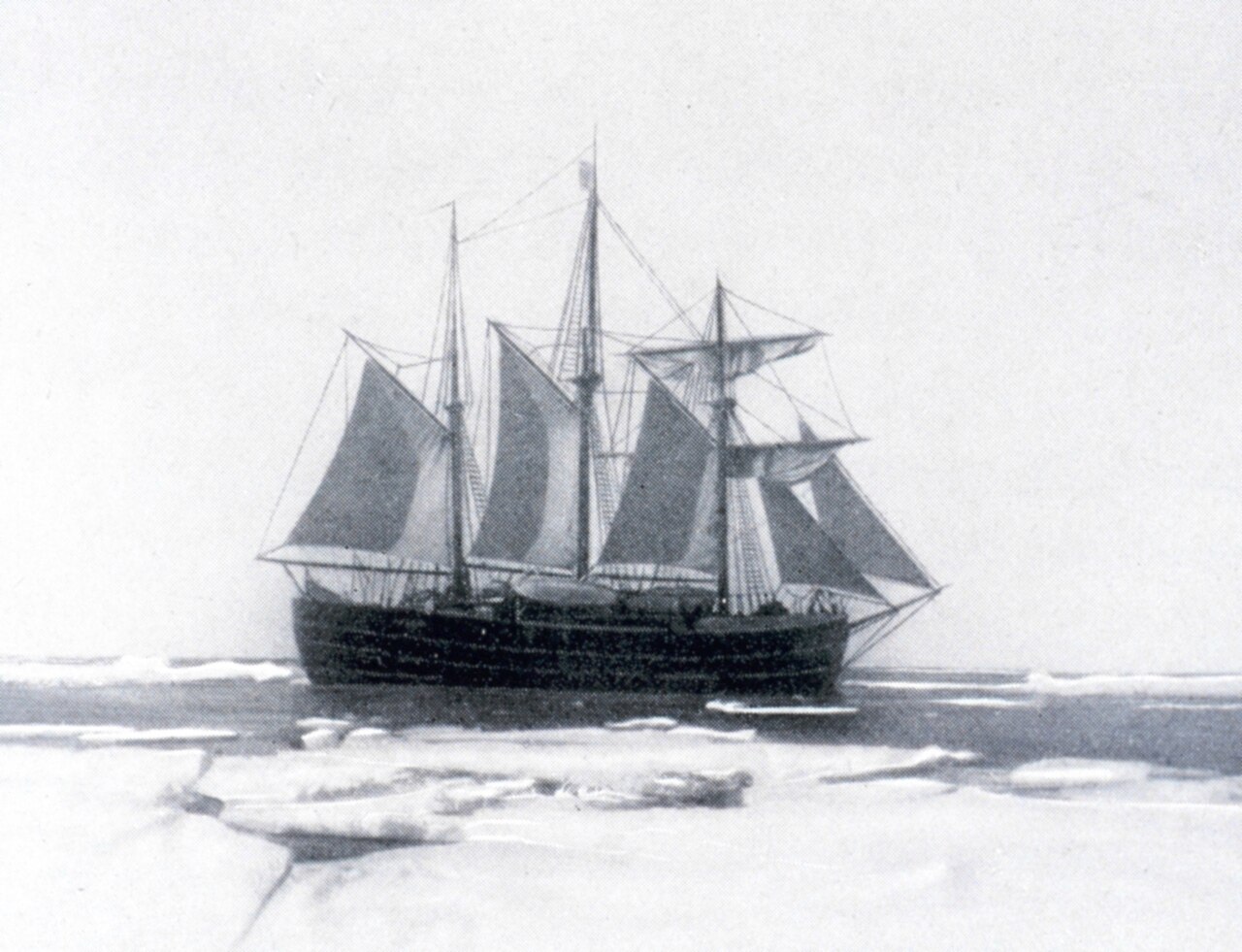
Fram over Polhavet
Fridtjof Nansen · 1897
 Artifact
Primary source
Fram
Colin Archer · 1892
Primary source
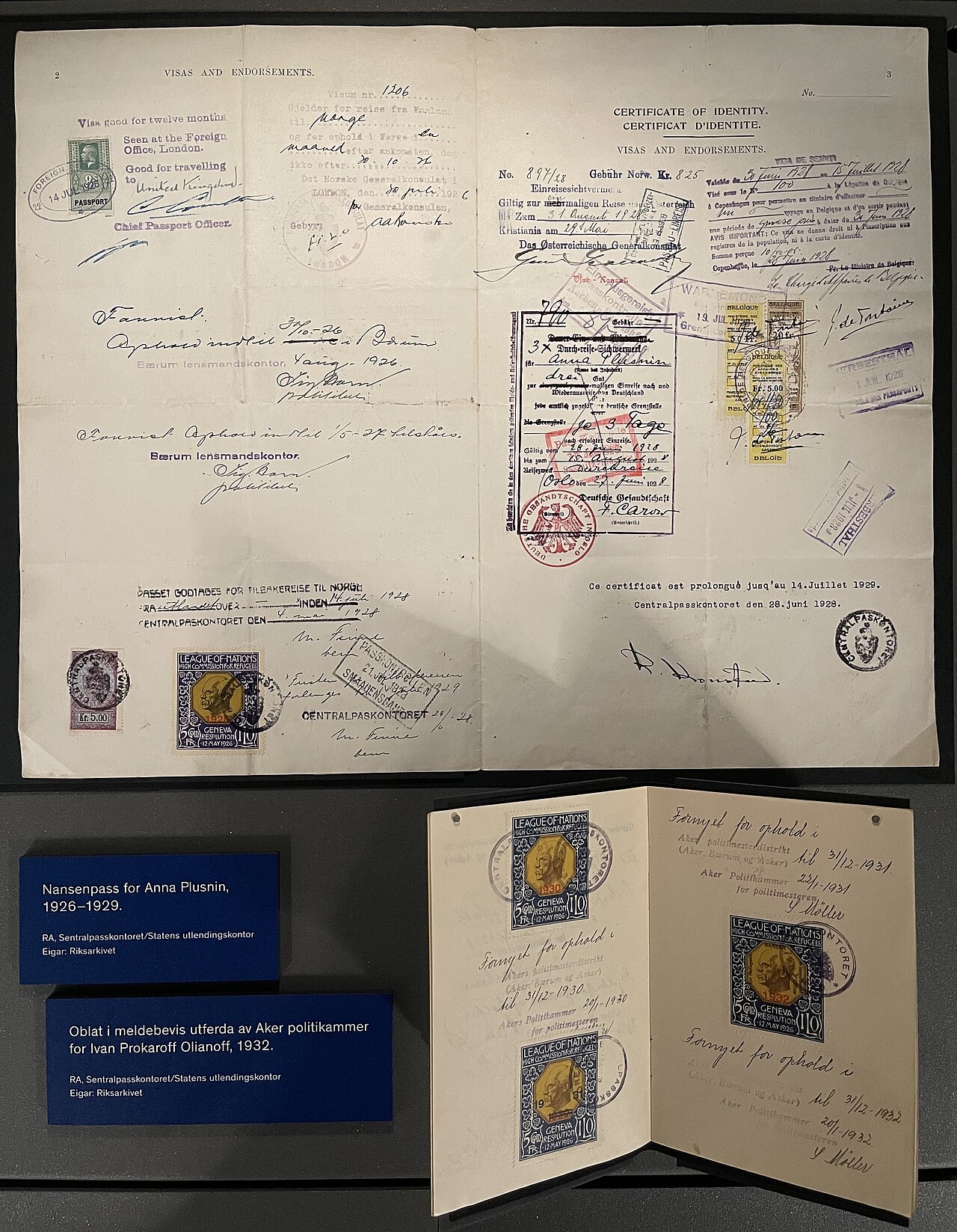
Nansens und Andrées Nordpolunternehmen
Stanislaus von Jezewski · 1896
 Document
Primary source
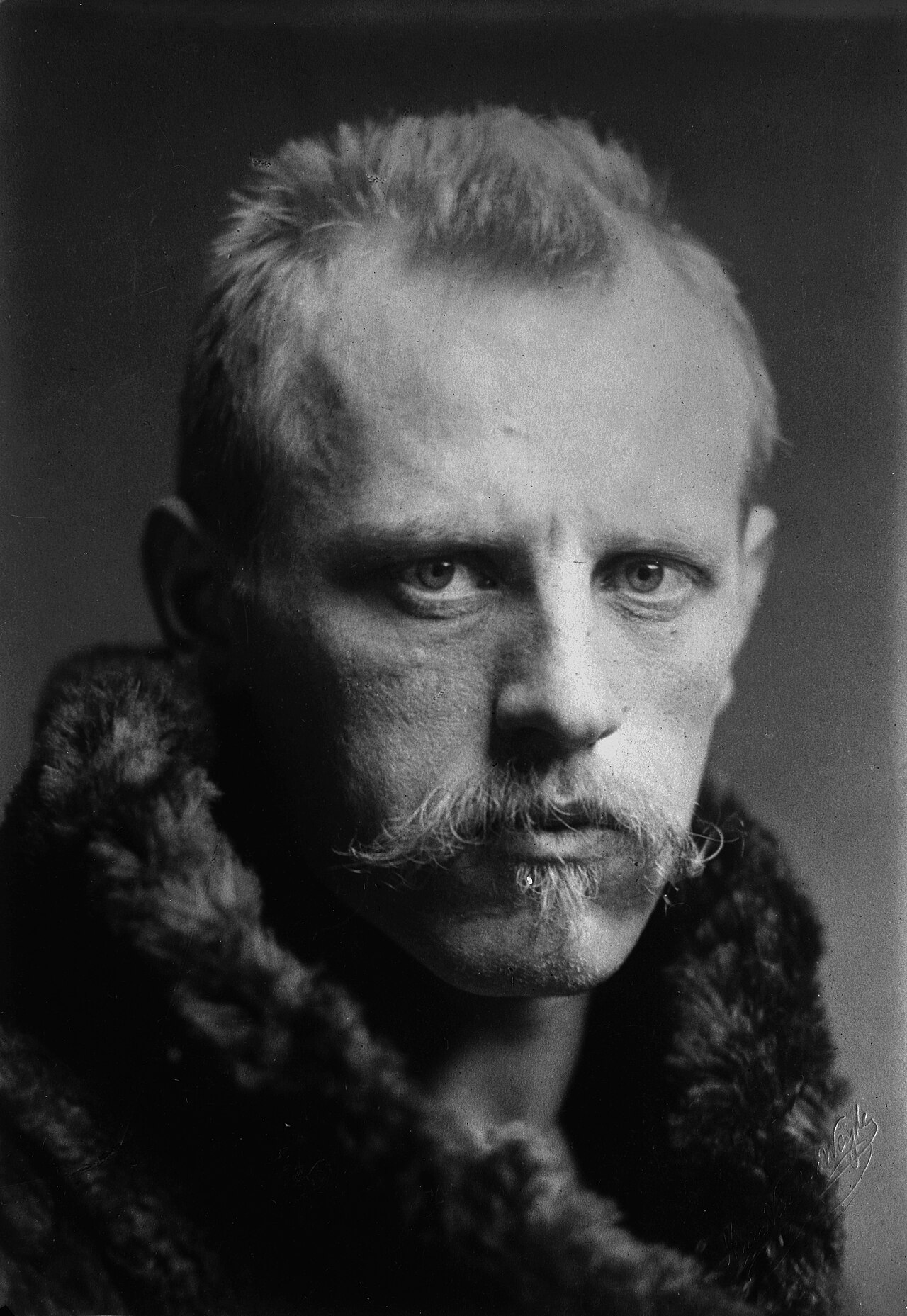
Nansen Passport
League of Nations High Commissioner for Refugees (Fridtjof Nansen) · 1922
Free account
Read every Fridtjof Nansen source
Sign up free →
Ready when you are
Start chatting with Fridtjof Nansen now.
20 messages free · No credit card · Available in 50+ languages.