


Primary sourcePainting1879-1880
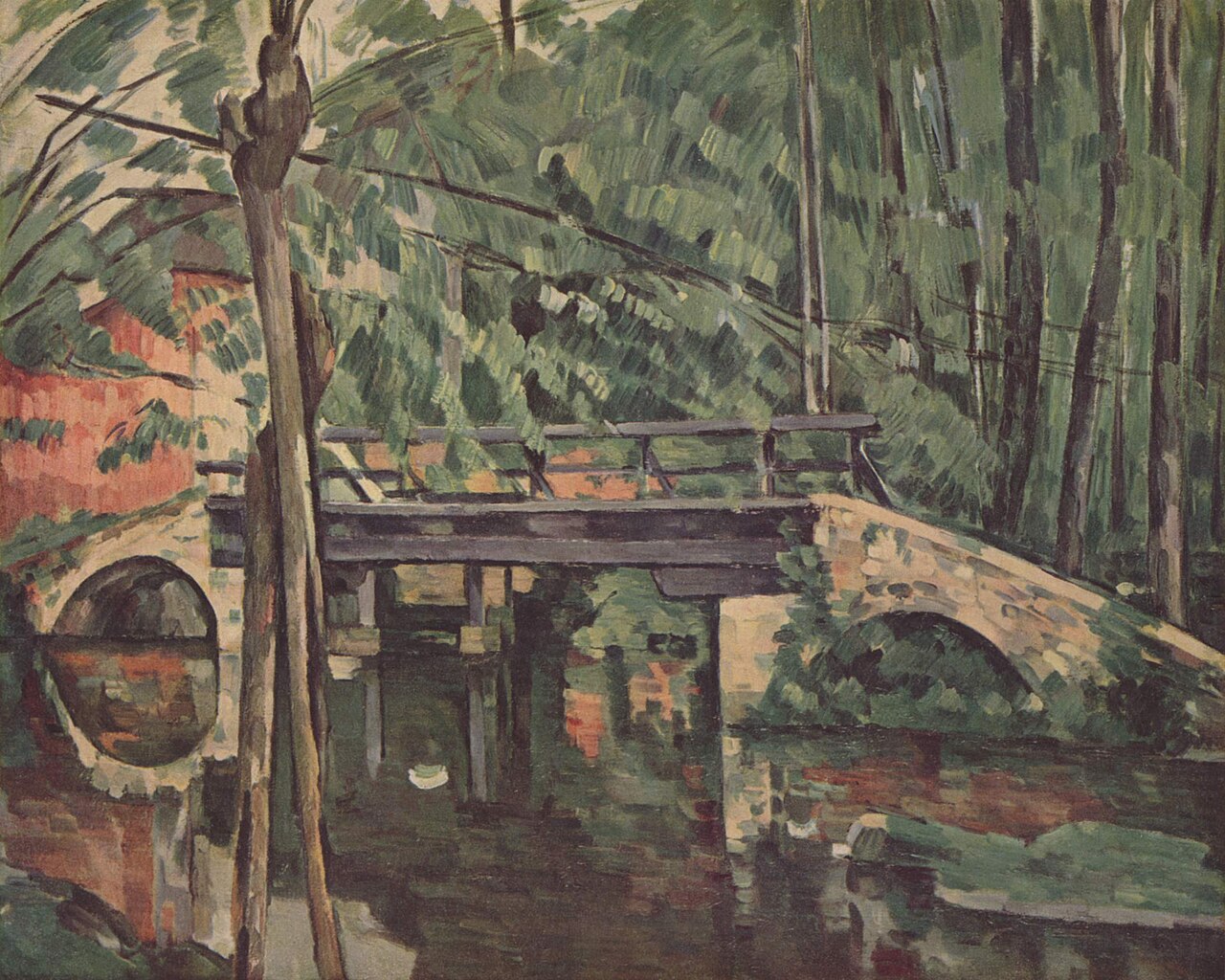
Pont de Maincy
Paul Cézanne · 1879-1880
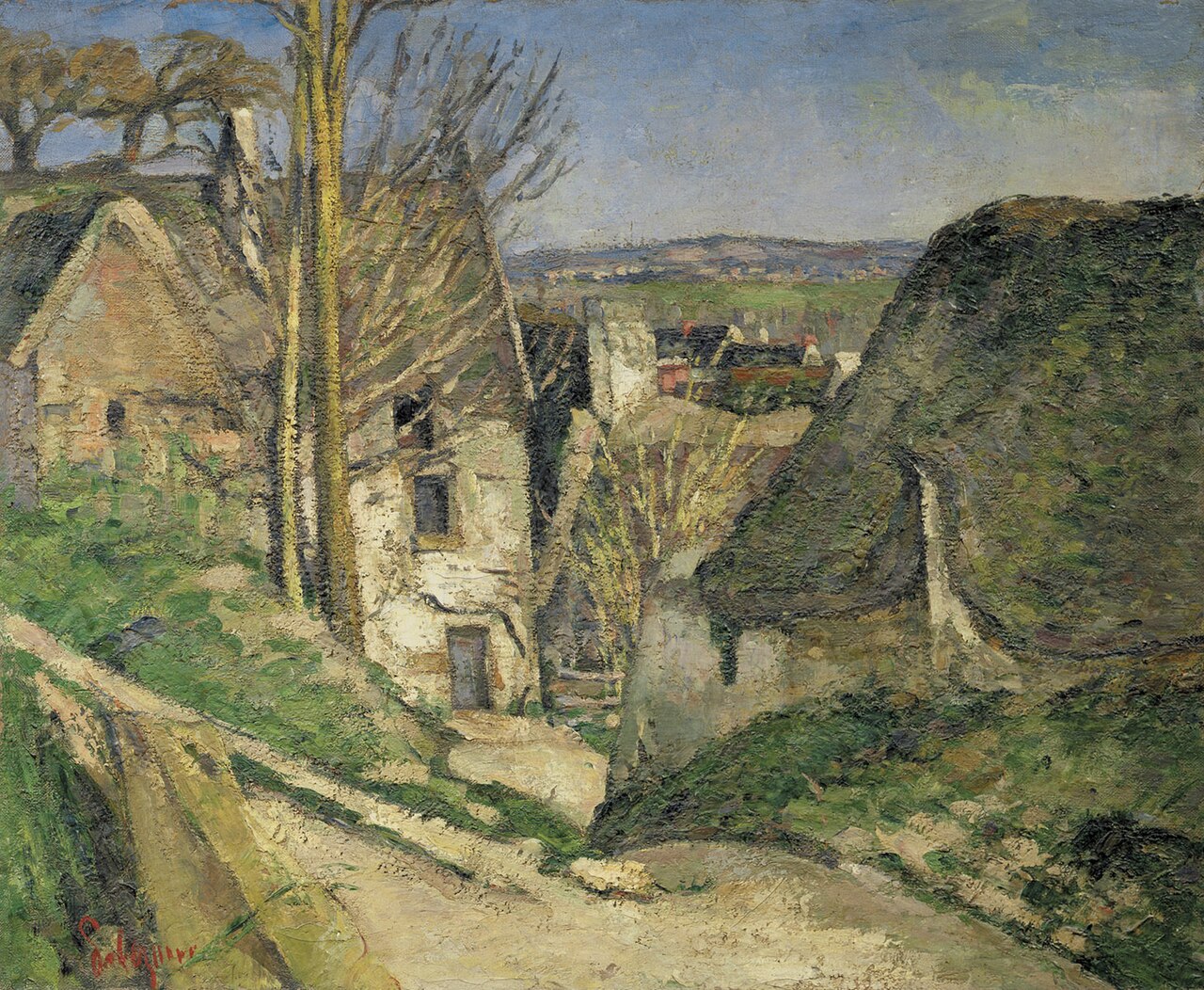
A landscape painting by Cézanne of a wooden bridge near Melun, showing his shift from Impressionist touch to ordered structure.
Painted by Cézanne during his time near Maincy, showing his developing structural painting style.
About this source
What it is
This oil painting by Paul Cézanne, made around 1879-1880, depicts a wooden footbridge crossing the Almont river in the commune of Maincy, France, where Cézanne lived nearby in Melun. It is held at the Musée d'Orsay in Paris.
Why it matters
The painting shows Cézanne's 'constructive stroke' technique, in which he organised Impressionist brushwork into a more ordered, structured composition. It has been exhibited widely, from London to Beijing to New York, and later inspired other artists, including Peruvian painter Herman Braun-Vega, who referenced it in his own work.
Look closer
- How does Cézanne use brushstrokes to build a sense of solid structure in a natural scene?
- What is reflected in the water, and how does that affect the mood of the painting?
- Why might this ordinary bridge have been worth painting?
This painting is part of the curated material that grounds the AI version of Paul Cézanne on Humy.ai — when students ask about related events, the AI can quote it and cite it.
More Paul Cézanne sources
Browse all 95 →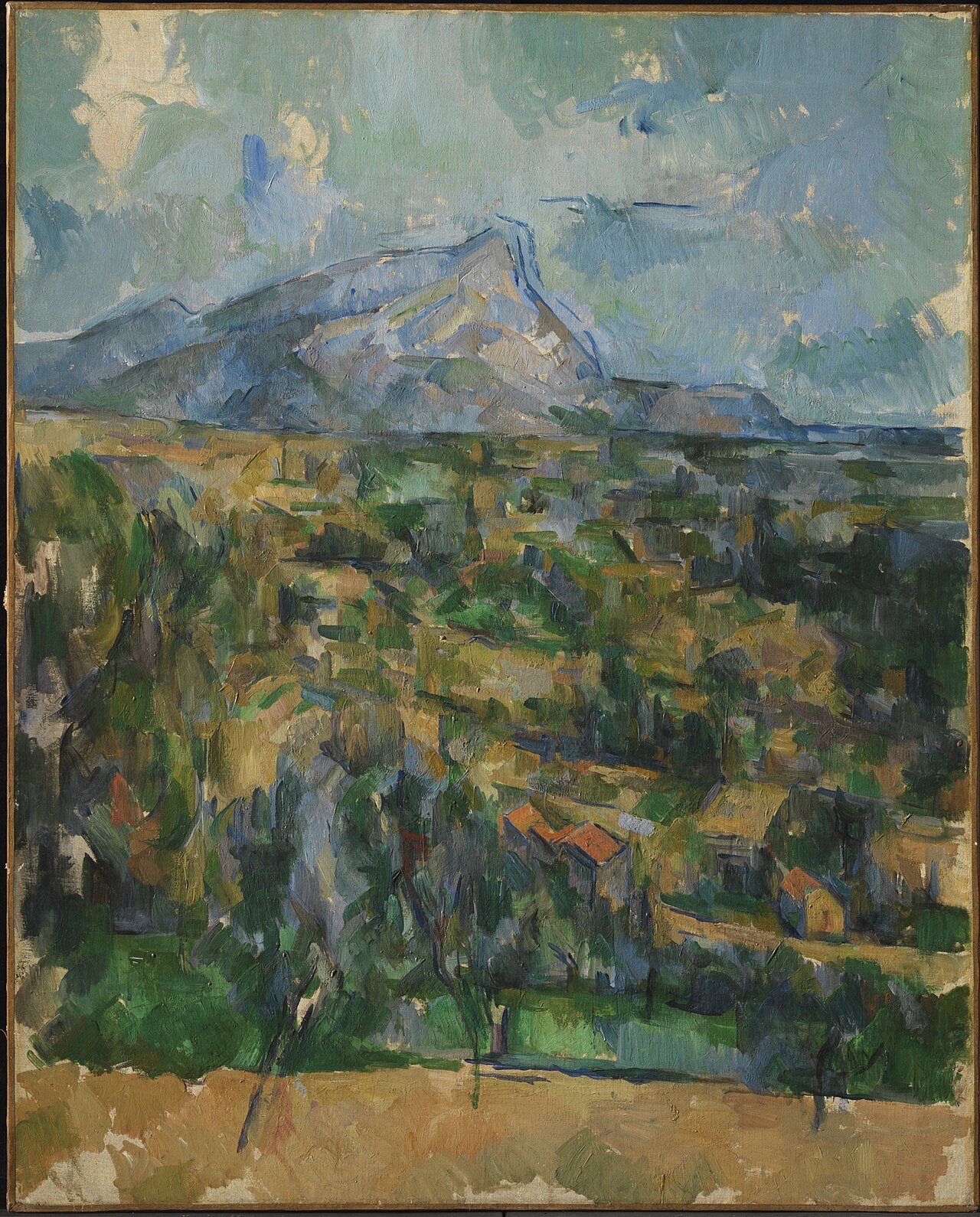 Painting
Primary source
Mont Sainte-Victoire
Paul Cézanne · 1902
 Painting
Primary source
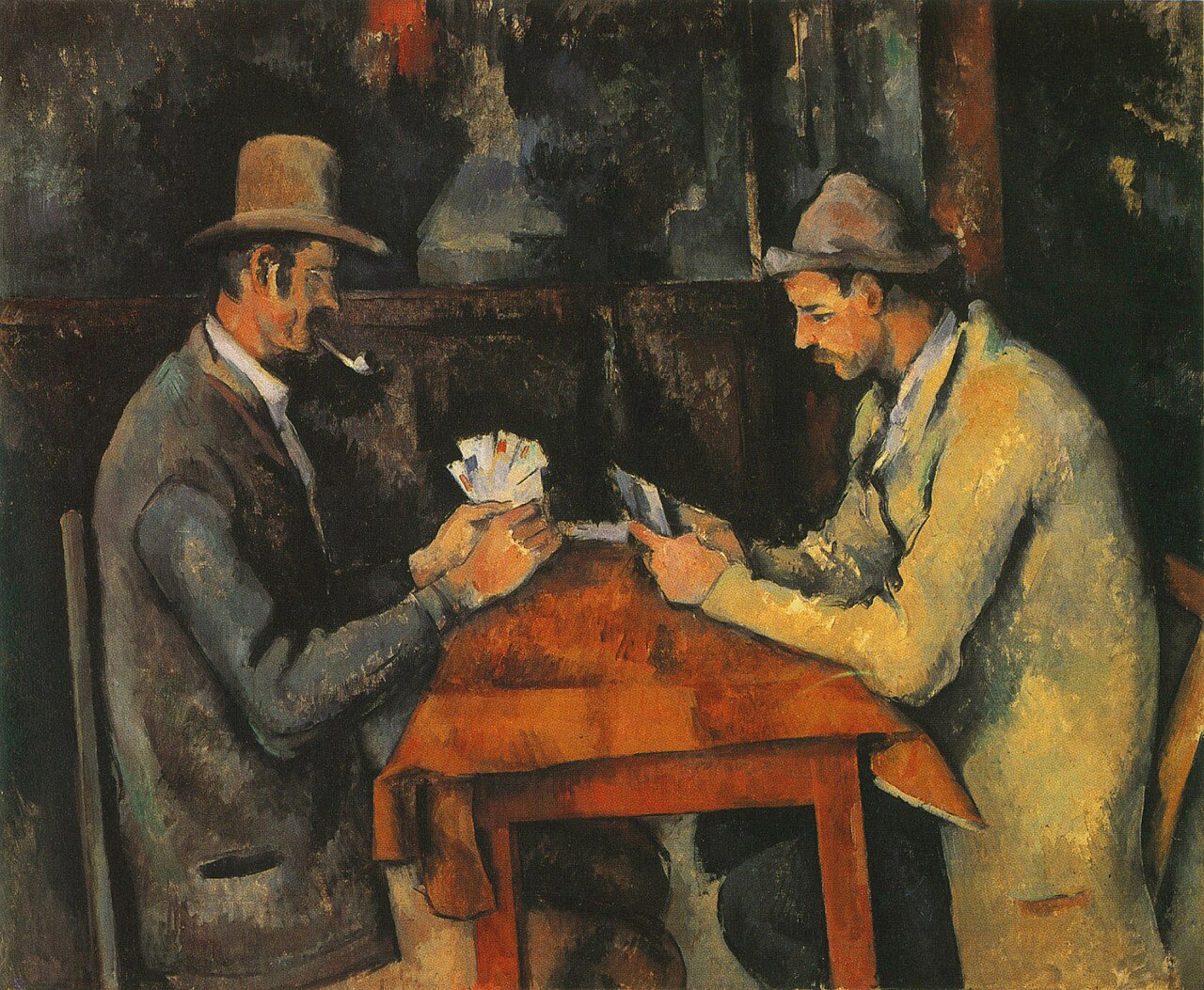
The Card Players
Paul Cézanne · 1893
 Painting
Primary source
The Large Bathers
Paul Cézanne · 1898-1906
 Painting
Primary source
The Basket of Apples
Paul Cézanne · c. 1893
Free account
Read every Paul Cézanne source
Sign up free →
Ready when you are
Start chatting with Paul Cézanne now.
20 messages free · No credit card · Available in 50+ languages.