


Primary sourceSculpturec. 1777-1785
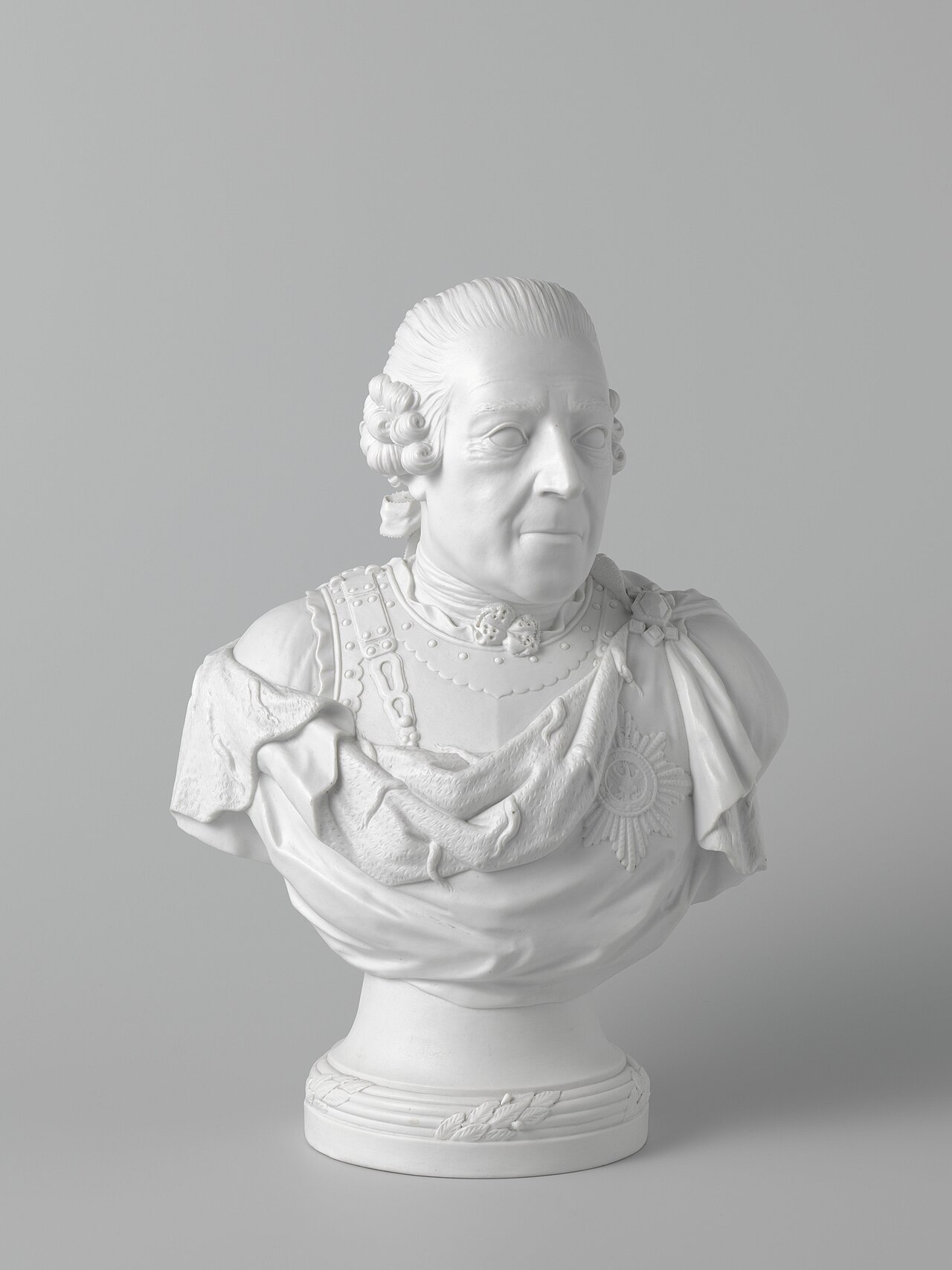
Porcelain Bust of King Frederick the Great
Friedrich Elias Meyer (design); Berlin porcelain manufactory · c. 1777-1785
A porcelain bust of Frederick the Great made in Berlin during his reign, based on a design by Friedrich Elias Meyer.
This bust depicts Frederick II and shows how his image as 'Frederick the Great' was spread through royal-era decorative goods.
About this source
What it is
This is an unglazed white porcelain bust of King Frederick the Great of Prussia, made in Berlin between about 1777 and 1785, based on a design by Friedrich Elias Meyer. It shows him with swept-back hair, a high collar, an ornate breastplate, a sash, and a star-shaped order, standing on a laurel-decorated base. It is now held by the Rijksmuseum.
Why it matters
Objects like this bust show how a ruler's image could be reproduced and spread as a luxury good during his own lifetime. Porcelain portraits of Frederick helped build his reputation as a great monarch, both at home and among collectors elsewhere in Europe.
Look closer
- Why might porcelain have been chosen as a material for a royal portrait?
- What does the military costume and decoration on the bust tell you about how Frederick wanted to be seen?
- Who do you think bought or displayed objects like this, and why?
This sculpture is part of the curated material that grounds the AI version of Frederick the Great on Humy.ai — when students ask about related events, the AI can quote it and cite it.
More Frederick the Great sources
Browse all 86 →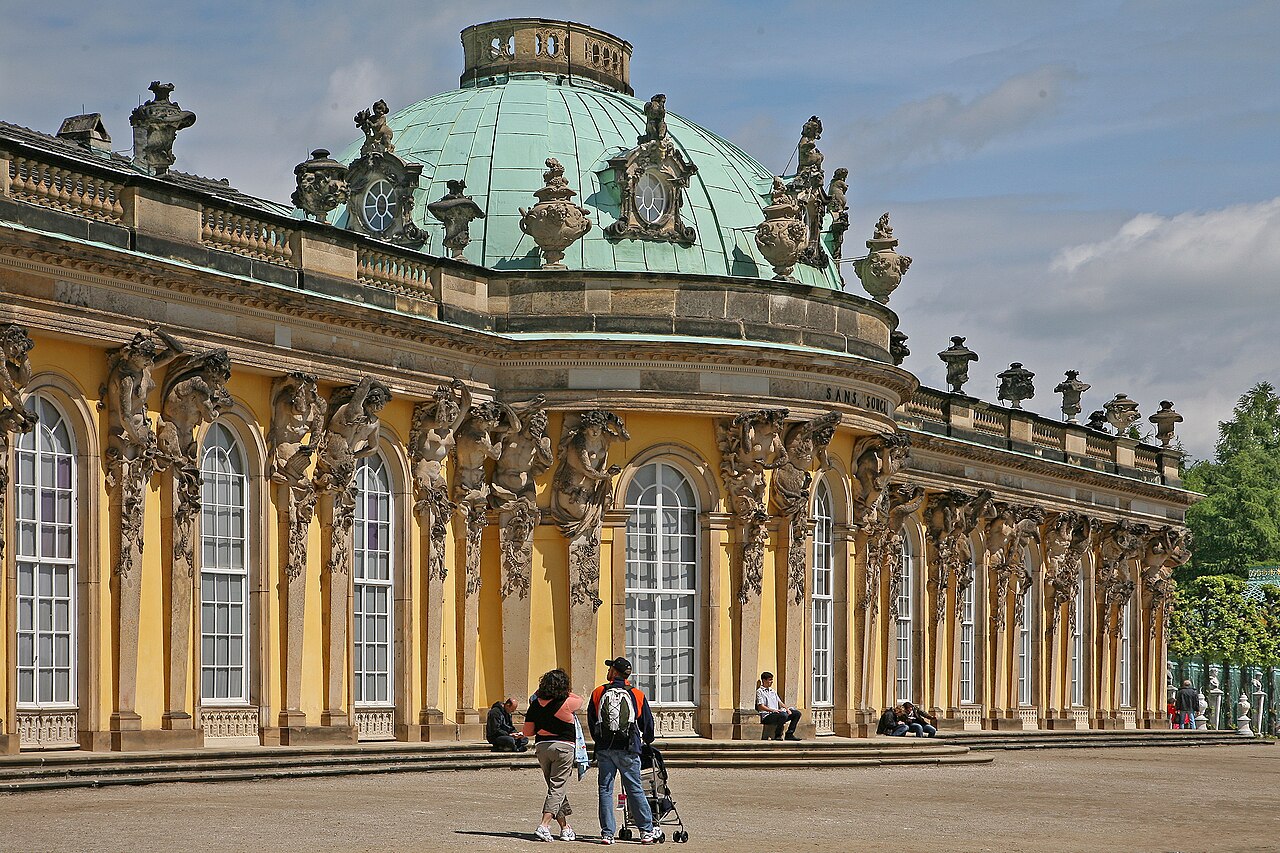 Artifact
Primary source
Sanssouci Palace
Georg Wenzeslaus von Knobelsdorff · 1745-1747
 Painting
Primary source
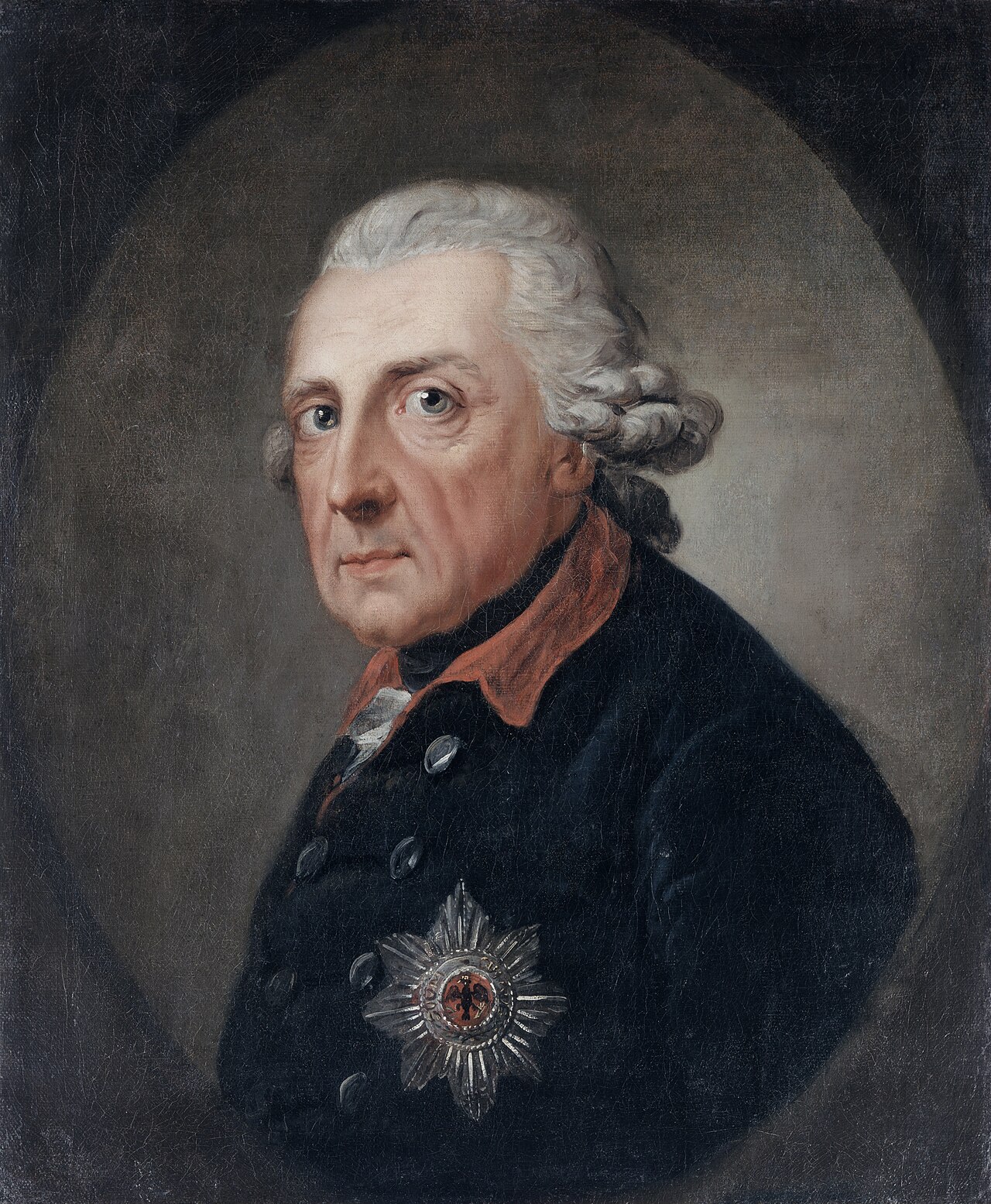
Portrait of Frederick II of Prussia
Anton Graff · 1781 or 1786
 Painting
Secondary source
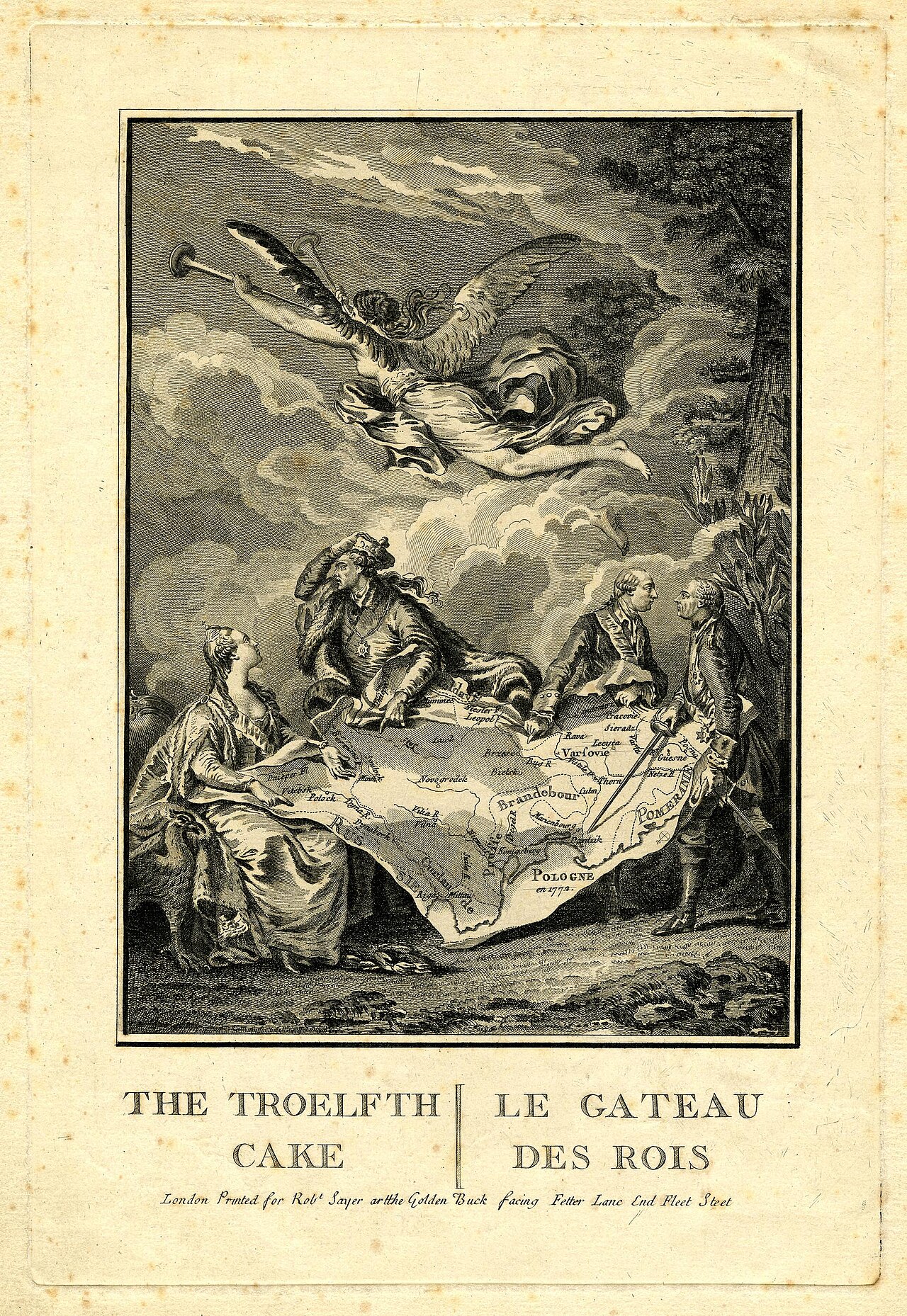
The Troelfth Cake
Noël Le Mire after Jean-Michel Moreau · 1772-1773
 Book
Primary source
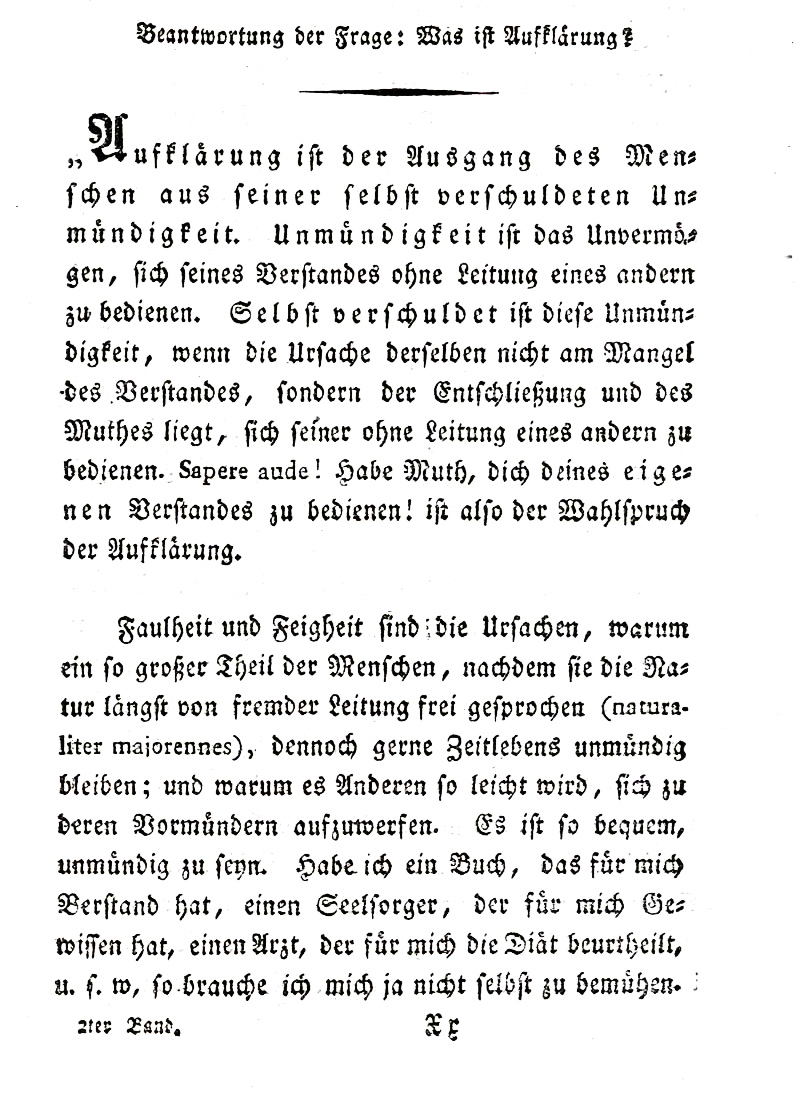
Answering the Question: What Is Enlightenment?
Immanuel Kant · 1784
Free account
Read every Frederick the Great source
Sign up free →
Ready when you are
Start chatting with Frederick the Great now.
20 messages free · No credit card · Available in 50+ languages.