


Primary sourceBook1784
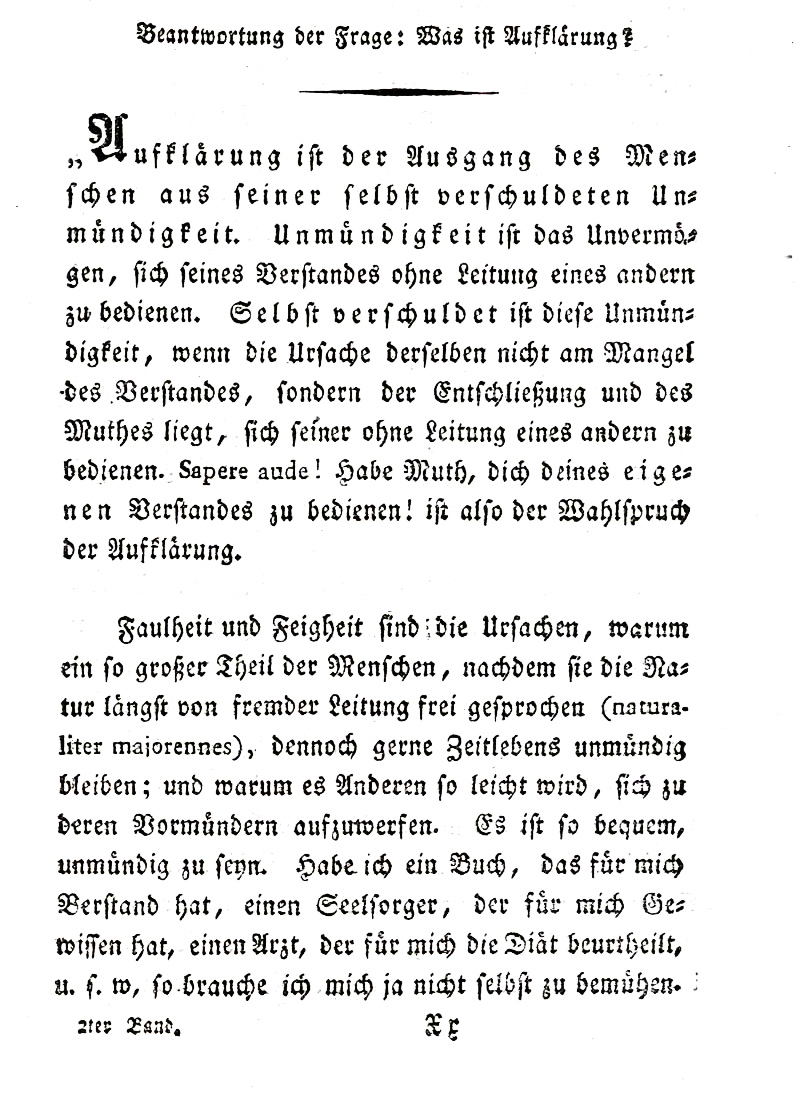
Answering the Question: What Is Enlightenment?
Immanuel Kant · 1784
Kant's 1784 essay defining Enlightenment as the courage to think for oneself, summed up in the phrase 'Sapere aude!'
Kant's own essay, giving his most famous and influential definition of the Enlightenment.
About this source
What it is
This short essay was written by Immanuel Kant and published in December 1784 in the Berlinische Monatsschrift, a Berlin magazine. Kant was answering a question first posed a year earlier by Johann Friedrich Zöllner, a clergyman and Prussian official, about what Enlightenment actually meant.
Why it matters
Kant's essay became the most famous of several replies written by intellectuals at the time, and it remains one of the most widely read texts of the Enlightenment. His opening definition — that Enlightenment means escaping 'self-imposed immaturity' and daring to think for yourself — captures a key idea of the era: that people should use their own reason rather than blindly following authority.
Look closer
- Why do you think Kant blames 'laziness and cowardice' rather than lack of ability for people's dependence on others?
- What does it mean that this essay was written as an answer to someone else's public question?
- What groups in Kant's society might have found his message dangerous or liberating?
This book is part of the curated material that grounds the AI version of Immanuel Kant on Humy.ai — when students ask about related events, the AI can quote it and cite it.
More Immanuel Kant sources
Meet the AI Immanuel Kant →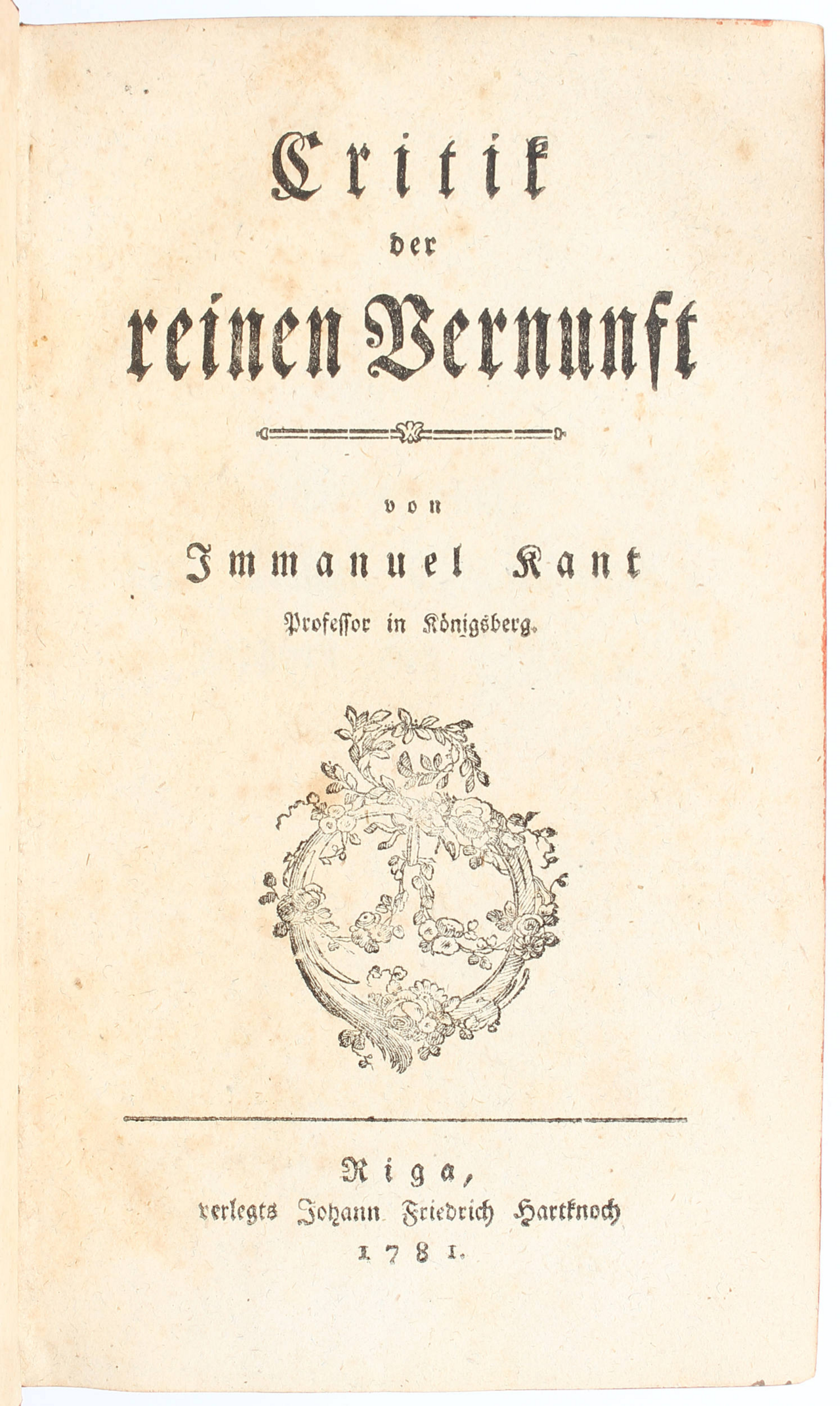 Book
Primary source
Critique of Pure Reason
Immanuel Kant · 1781 (revised 1787)
 Book
Primary source
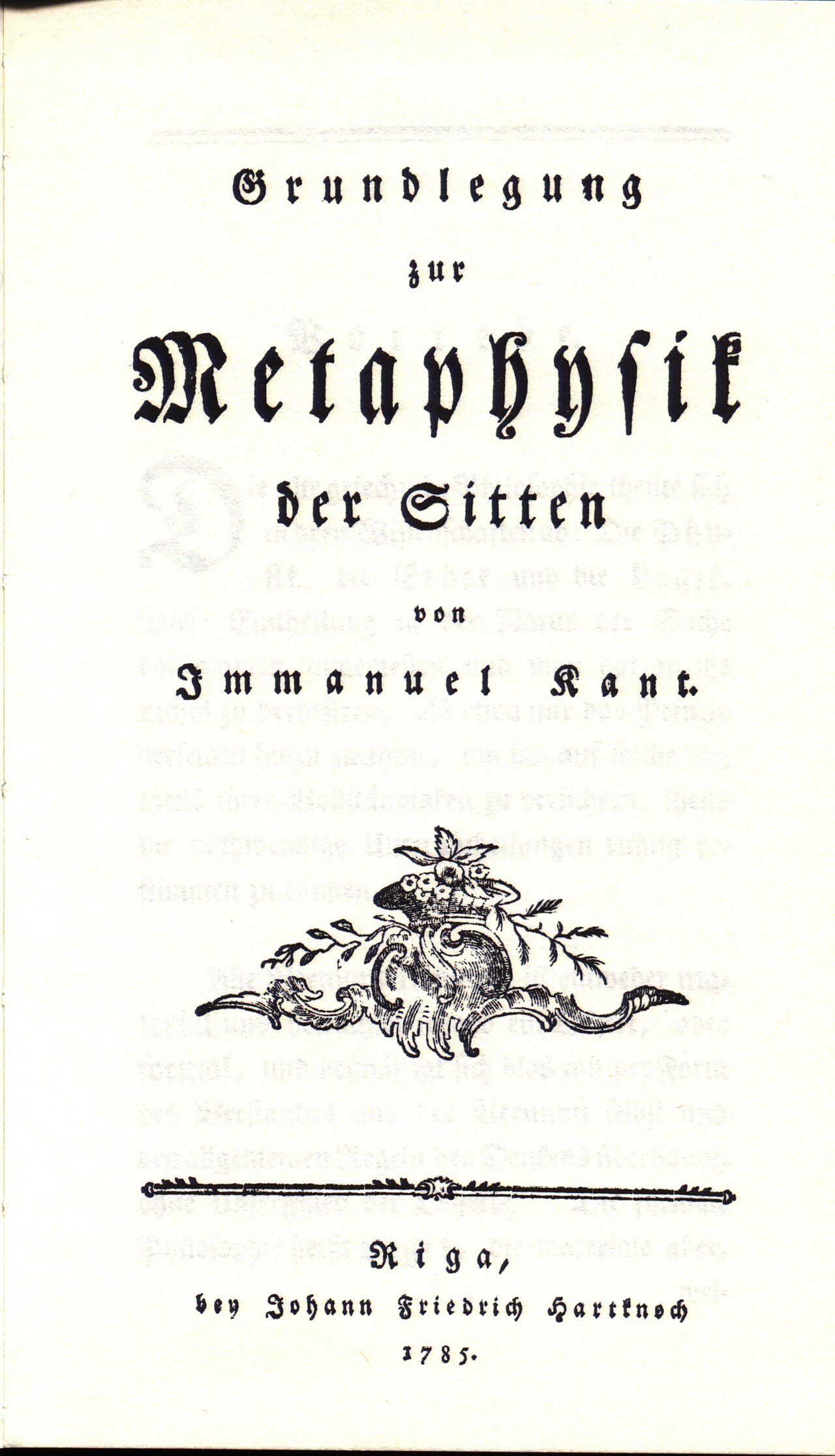
Groundwork of the Metaphysic of Morals
Immanuel Kant · 1785
 Book
Primary source
Perpetual Peace: A Philosophical Sketch
Immanuel Kant · 1795
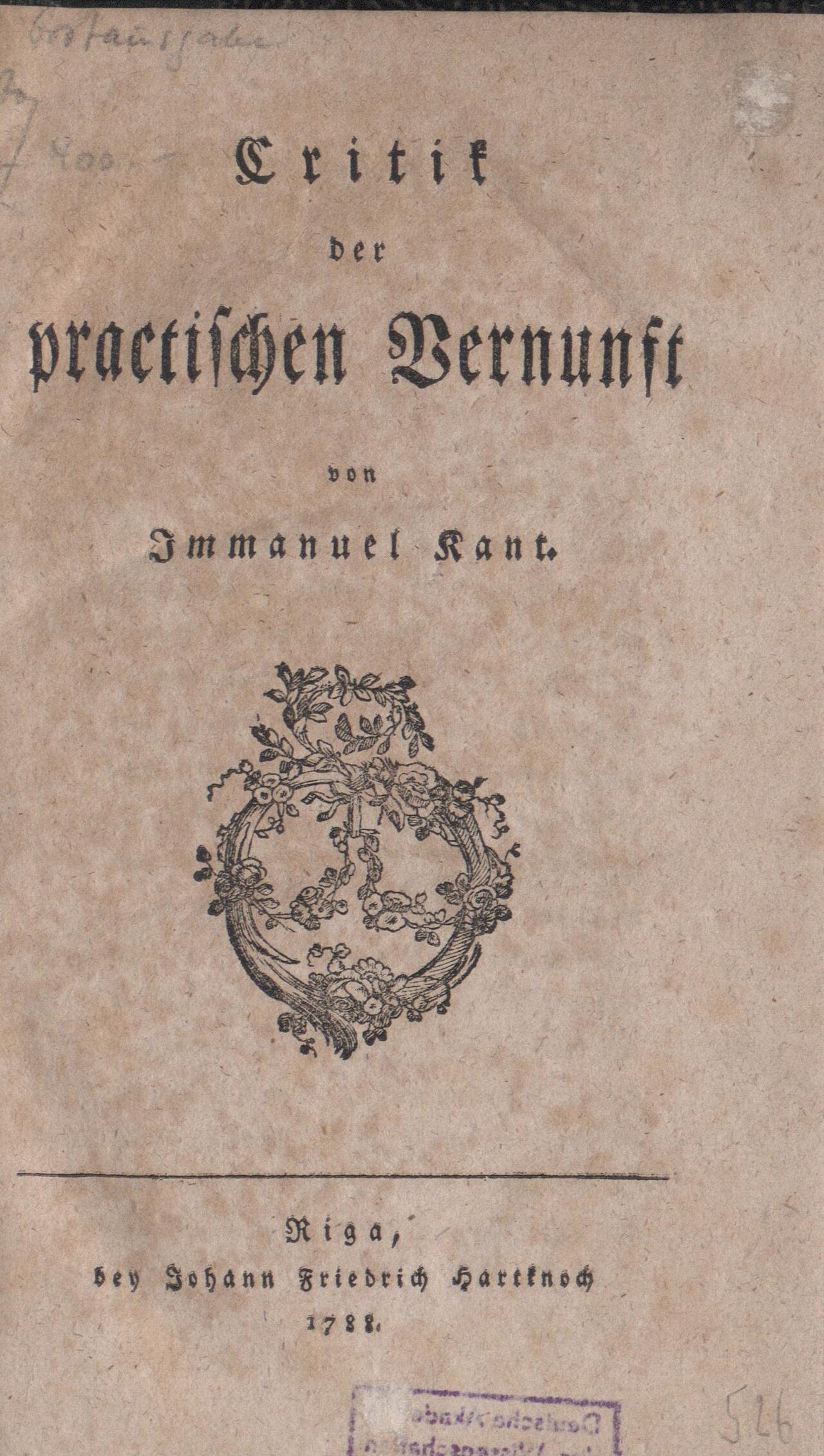 Book
Primary source
Critique of Practical Reason
Immanuel Kant · 1788 (completed 1787)
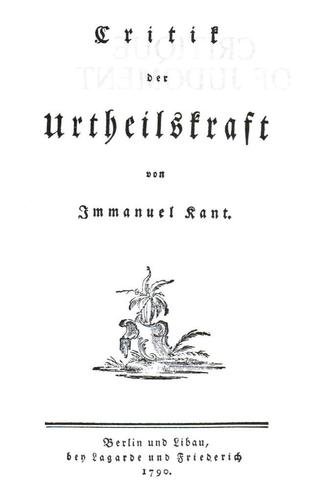 Book
Primary source
Critique of Judgment
Immanuel Kant · 1790
Ready when you are
Start chatting with Immanuel Kant now.
20 messages free · No credit card · Available in 50+ languages.