


Primary sourceBook1790
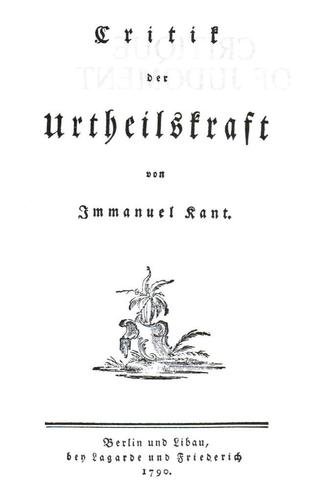
Critique of Judgment
Immanuel Kant · 1790
Kant's 1790 work on beauty, the sublime, and purpose in nature, the third of his great Critiques and a founding text of modern aesthetics.
Kant's own third Critique, founding modern philosophical aesthetics through his theory of beauty and the sublime.
About this source
What it is
Published in 1790, this book by Immanuel Kant is the third of his Critical works, following the Critique of Pure Reason and the Critique of Practical Reason. It is divided into a study of aesthetic judgment (about beauty and the sublime) and teleological judgment (about purpose in nature).
Why it matters
Kant tries to explain how judgments of beauty differ from judgments about what is merely pleasant or morally good, arguing that taste involves a distinctive kind of reflection. This book became a founding text of modern aesthetics and philosophy of art, shaping how later thinkers discussed beauty, nature and purpose.
Look closer
- Why might Kant think judging something beautiful is different from simply finding it enjoyable?
- What does it mean to call this a 'critique' of judgment, following his earlier critiques of reason?
- How might Kant's ideas about beauty and nature connect to debates in his time about science and design in nature?
This book is part of the curated material that grounds the AI version of Immanuel Kant on Humy.ai — when students ask about related events, the AI can quote it and cite it.
More Immanuel Kant sources
Meet the AI Immanuel Kant →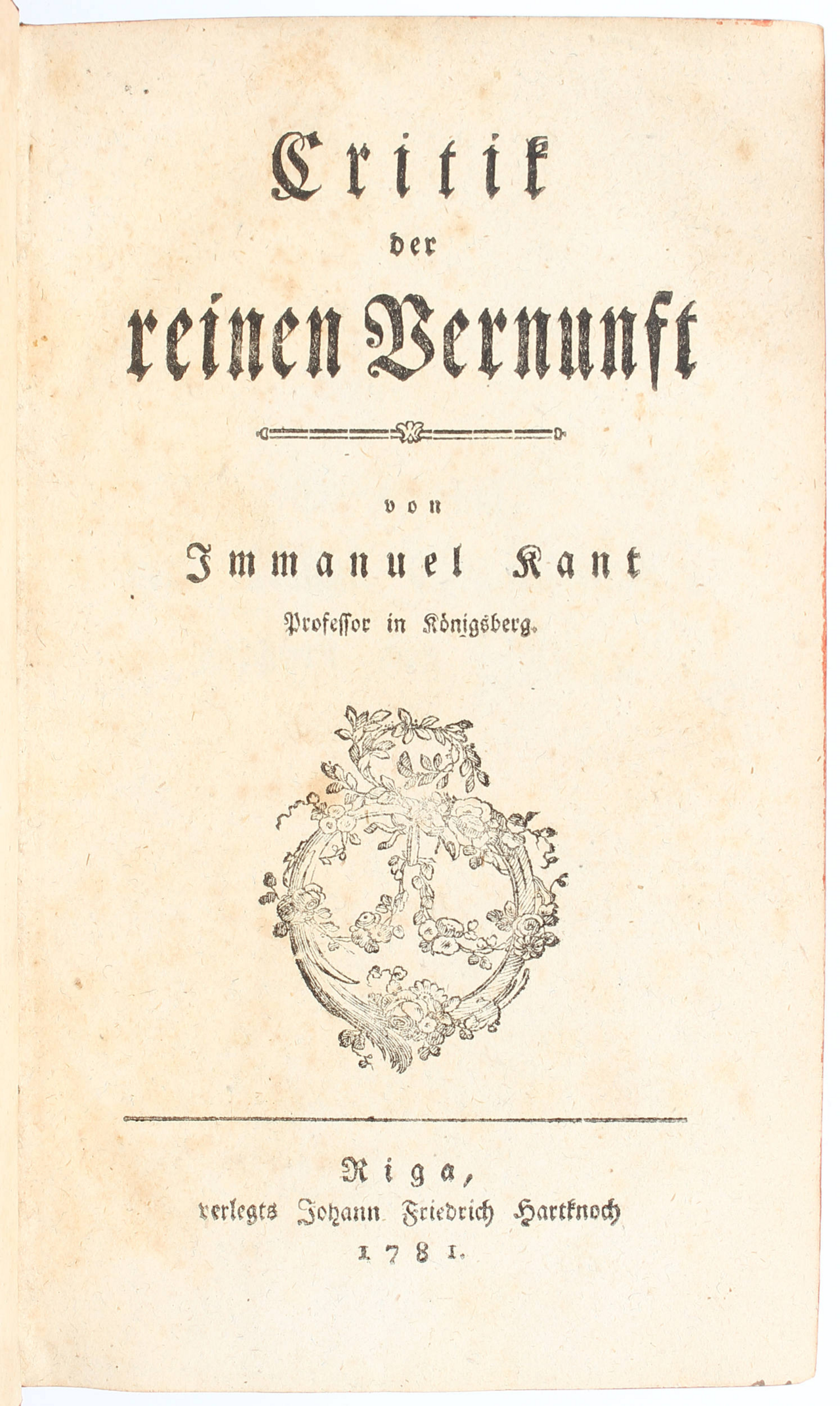 Book
Primary source
Critique of Pure Reason
Immanuel Kant · 1781 (revised 1787)
 Book
Primary source
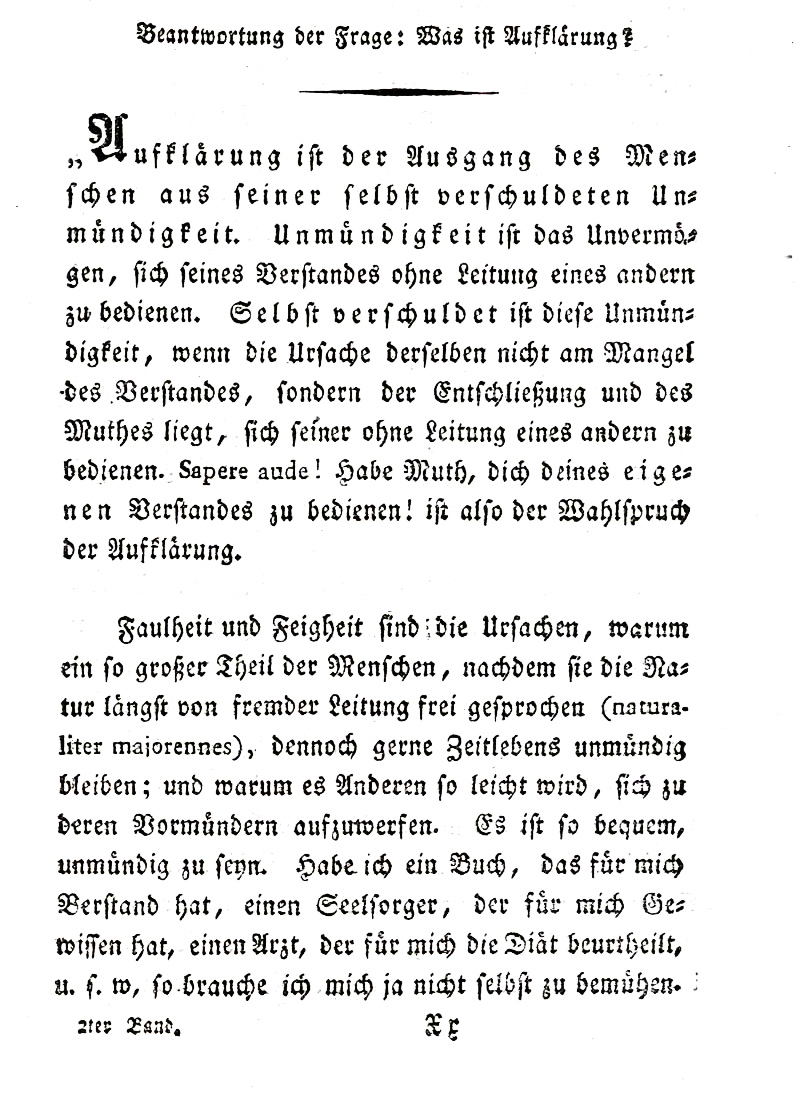
Answering the Question: What Is Enlightenment?
Immanuel Kant · 1784
 Book
Primary source
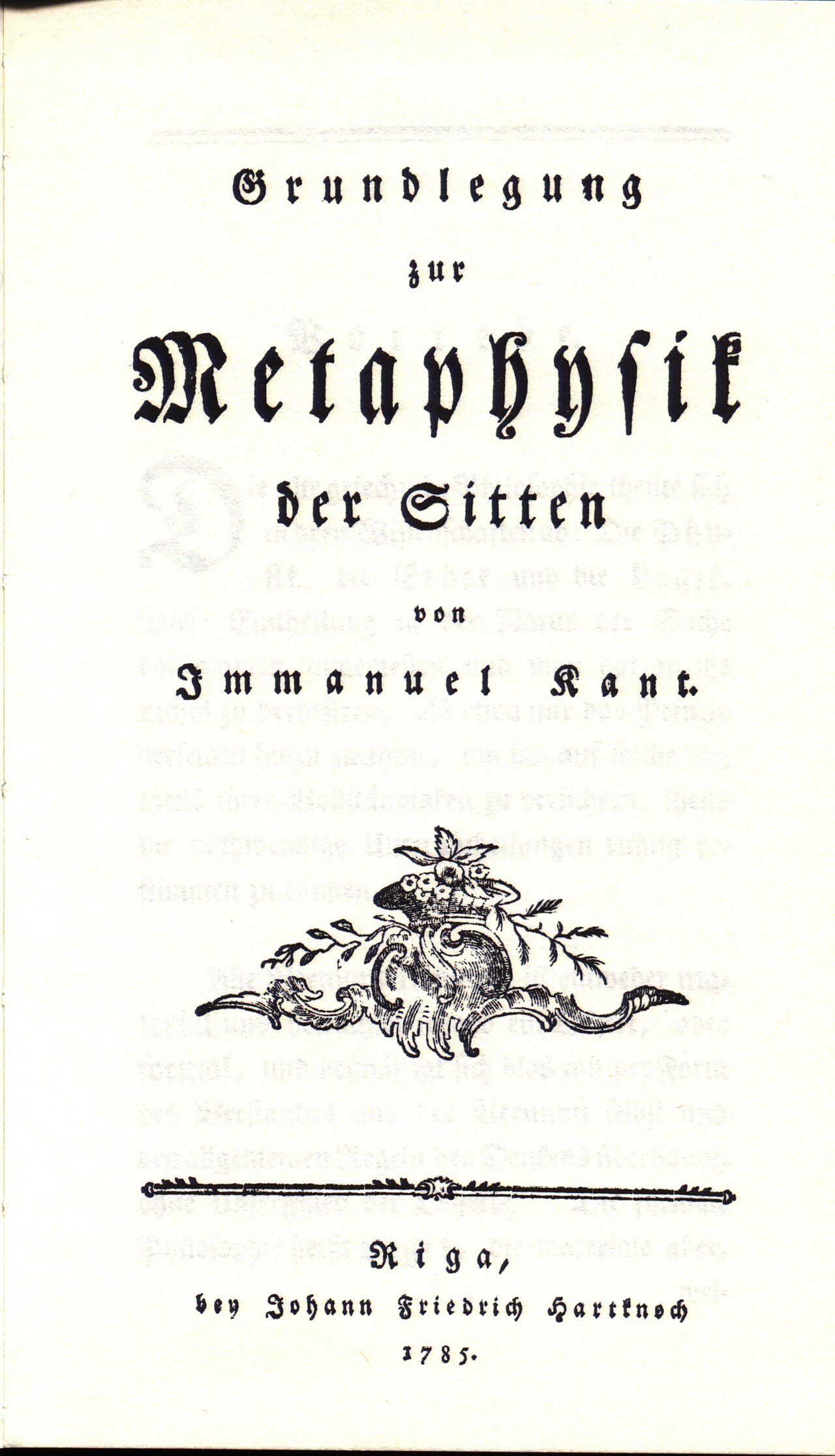
Groundwork of the Metaphysic of Morals
Immanuel Kant · 1785
 Book
Primary source
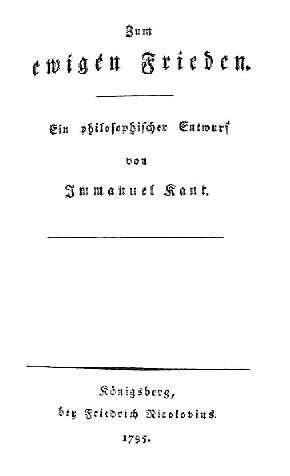
Perpetual Peace: A Philosophical Sketch
Immanuel Kant · 1795
 Book
Primary source
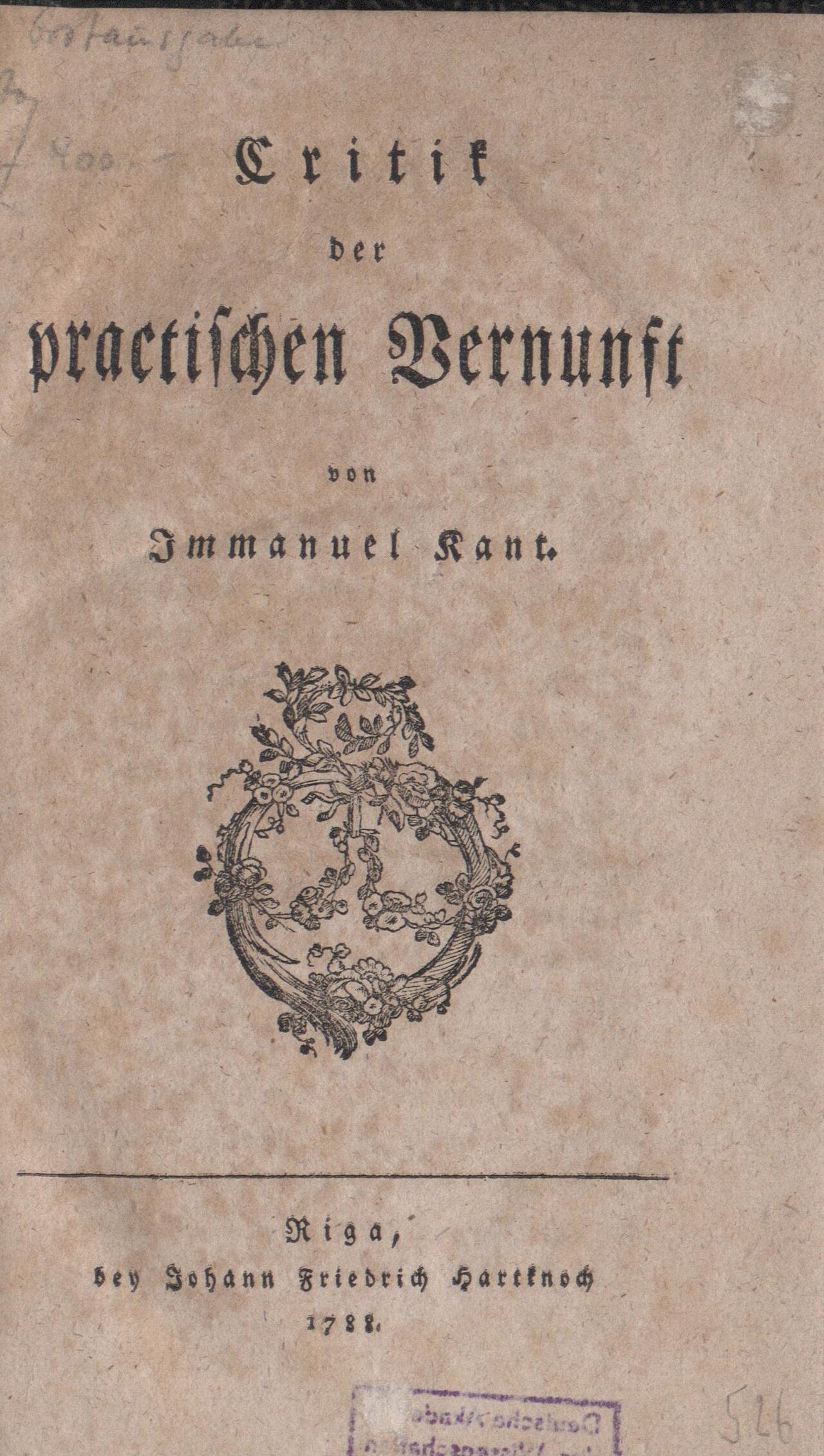
Critique of Practical Reason
Immanuel Kant · 1788 (completed 1787)
Ready when you are
Start chatting with Immanuel Kant now.
20 messages free · No credit card · Available in 50+ languages.