


Primary sourceBook1781 (revised 1787)
Critique of Pure Reason
Immanuel Kant · 1781 (revised 1787)
Kant's 1781 masterwork on the limits and scope of human knowledge, setting out his 'transcendental idealism'.
This is Kant's own foundational philosophical work, defining his central theory of knowledge.
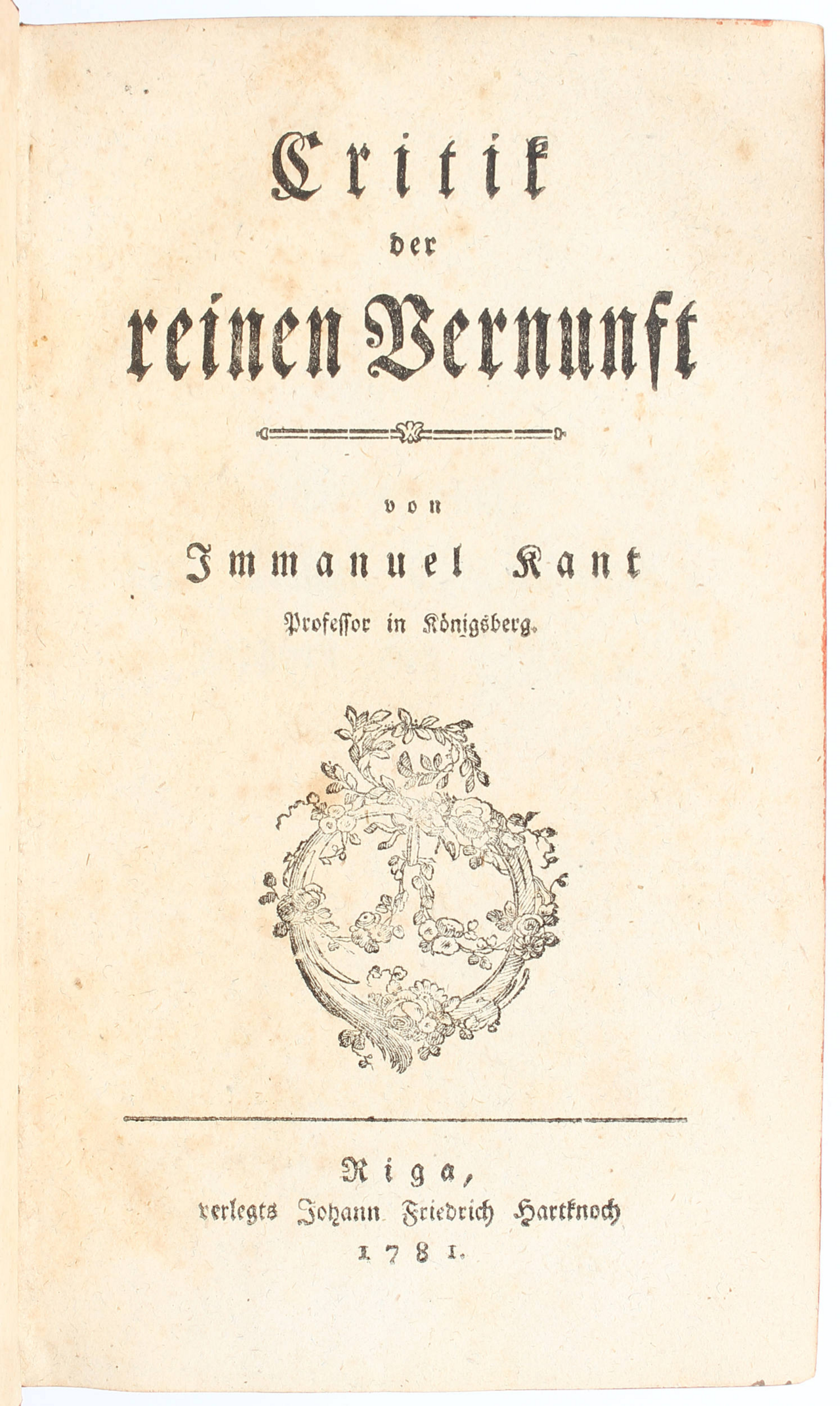
About this source
What it is
This is Immanuel Kant's major philosophical book, first published in 1781 and revised in 1787. In it Kant tries to work out what reason can and cannot know, and introduces his theory of transcendental idealism, which argues that the mind actively shapes how we experience space, time and objects.
Why it matters
The book responded to earlier thinkers like Locke, Hume, Descartes and Leibniz, and tried to settle disputes between empiricists and rationalists about where knowledge comes from. Though largely ignored at first, it became hugely influential and helped launch German idealism, making Kant one of the most important philosophers in Western history.
Look closer
- Why might a book written in dense, difficult language still become so influential?
- What does it tell us about the intellectual debates of Kant's time that he felt he needed to 'critique' reason itself?
- What is missing from a title page that you might want to know about how the book was actually read or received?
This book is part of the curated material that grounds the AI version of Immanuel Kant on Humy.ai — when students ask about related events, the AI can quote it and cite it.
More Immanuel Kant sources
Meet the AI Immanuel Kant →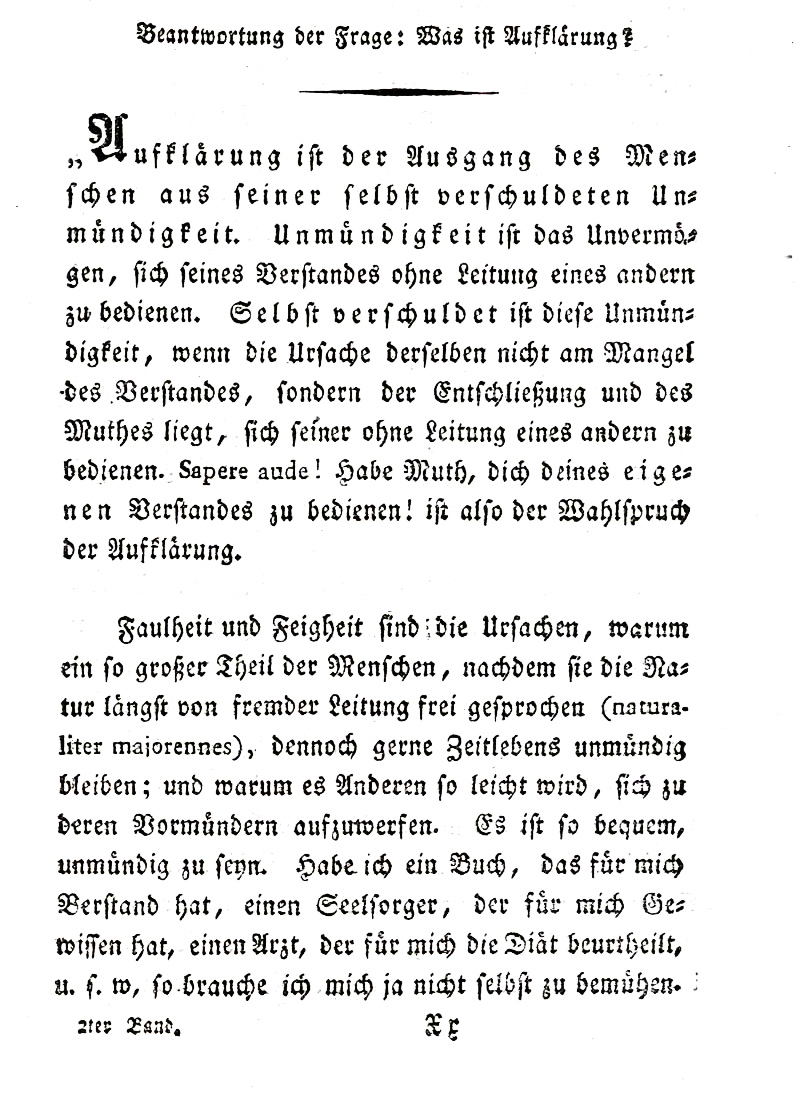 Book
Primary source
Answering the Question: What Is Enlightenment?
Immanuel Kant · 1784
 Book
Primary source
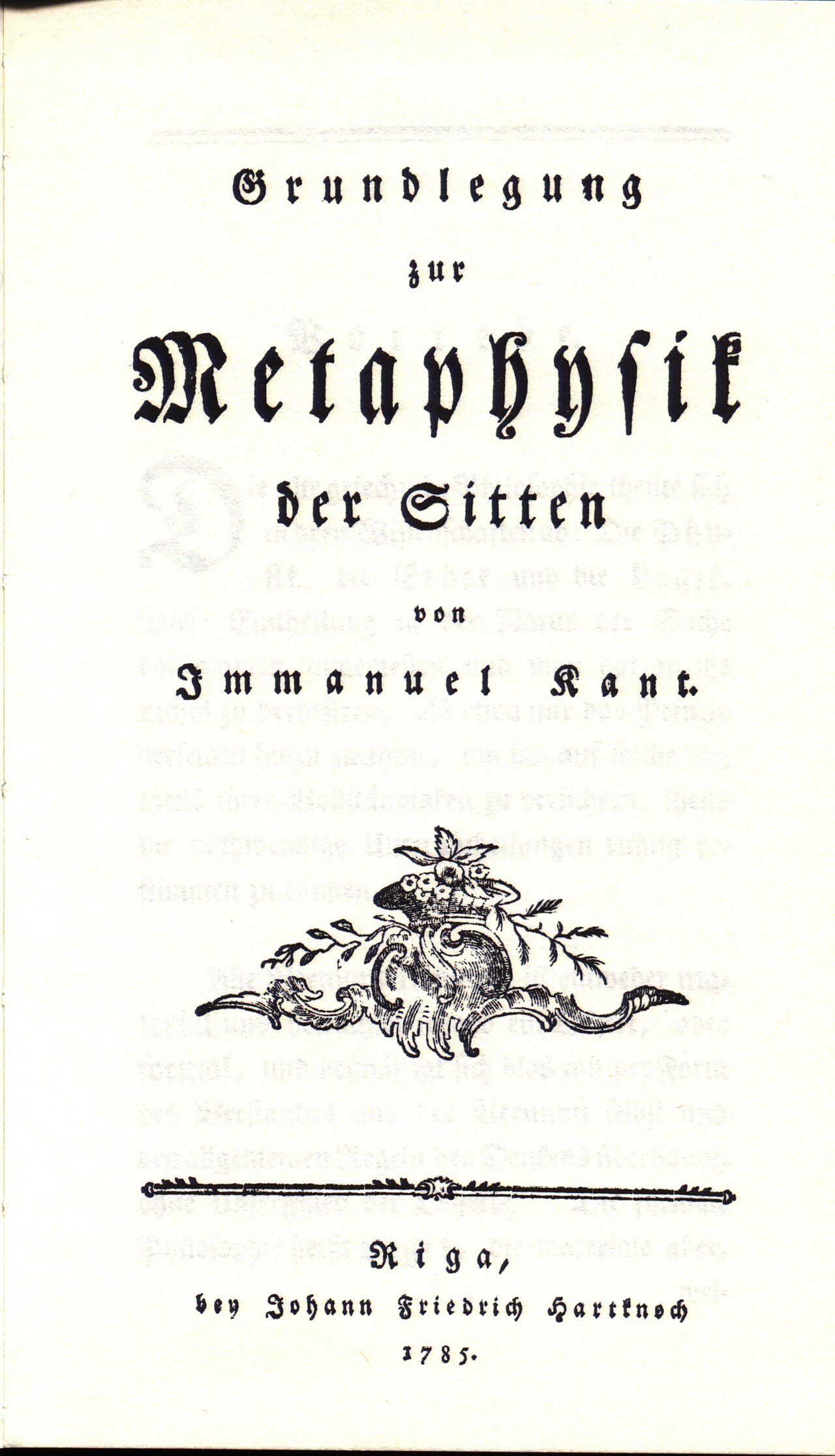
Groundwork of the Metaphysic of Morals
Immanuel Kant · 1785
 Book
Primary source
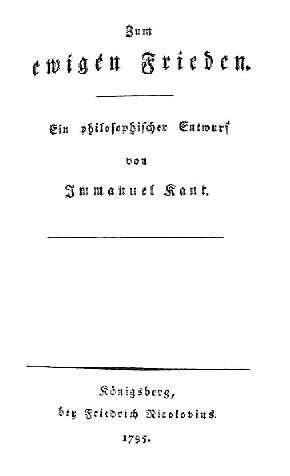
Perpetual Peace: A Philosophical Sketch
Immanuel Kant · 1795
 Book
Primary source
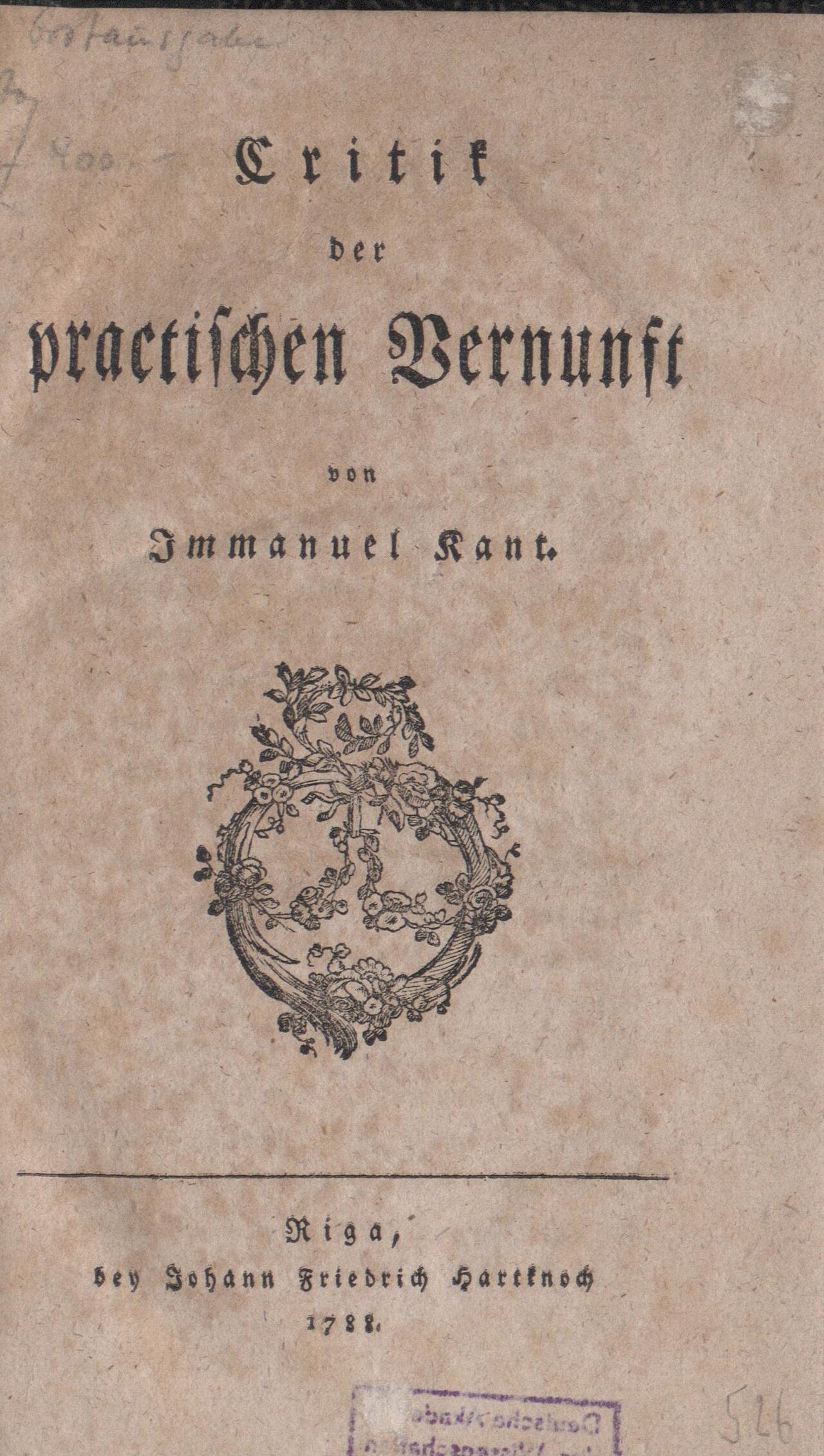
Critique of Practical Reason
Immanuel Kant · 1788 (completed 1787)
 Book
Primary source
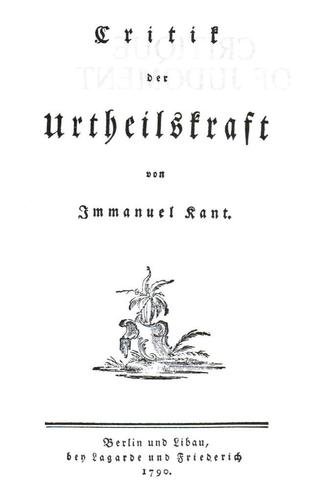
Critique of Judgment
Immanuel Kant · 1790
Ready when you are
Start chatting with Immanuel Kant now.
20 messages free · No credit card · Available in 50+ languages.