


Primary sourceBook1788 (completed 1787)
Critique of Practical Reason
Immanuel Kant · 1788 (completed 1787)
Kant's 1788 work on moral philosophy, the second of his three great Critiques, exploring how reason can guide action.
Kant's own second Critique, developing his moral philosophy and the idea of the moral law within.
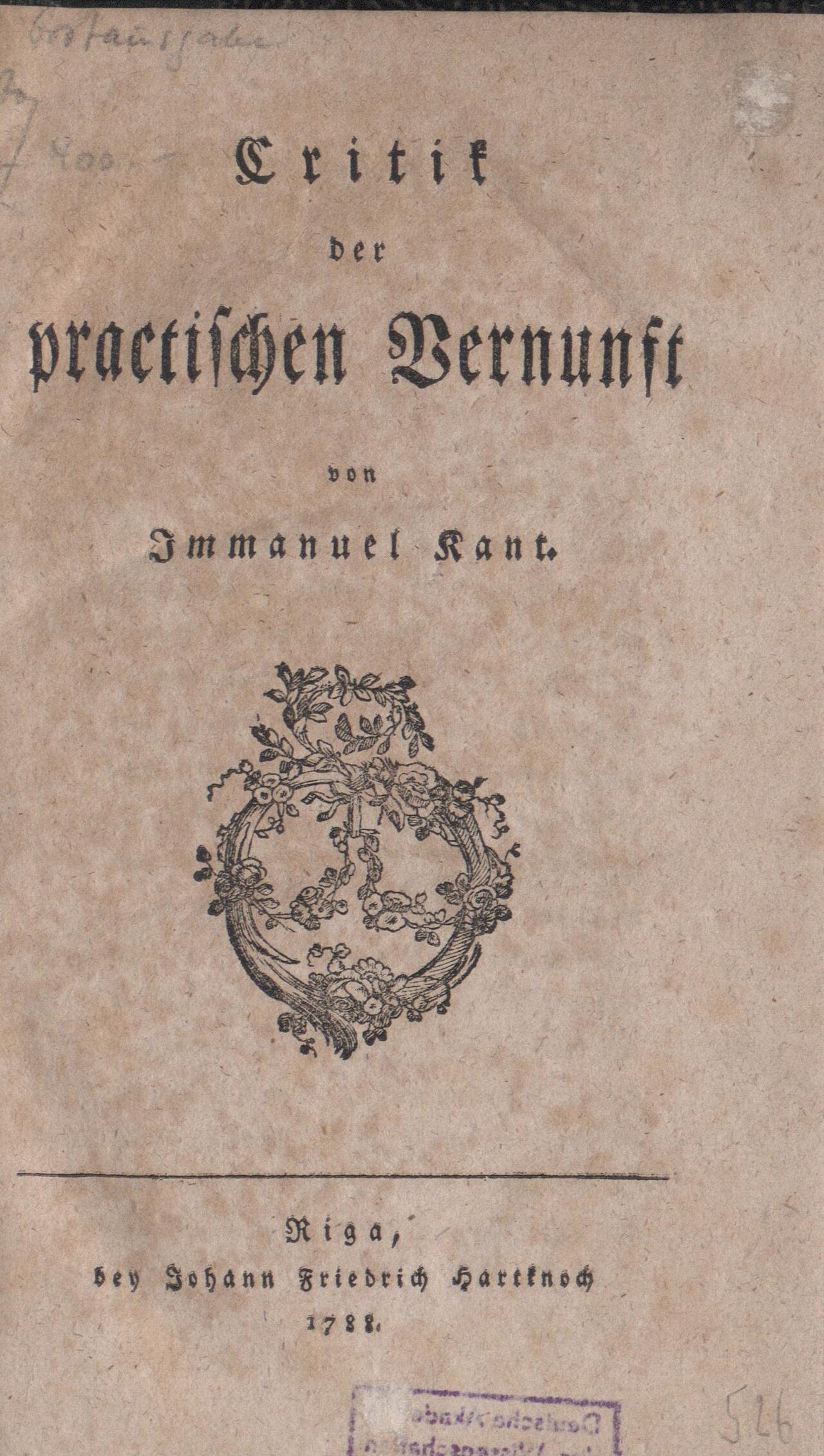
About this source
What it is
Published in 1788 (though completed in late 1787), this book by Immanuel Kant follows his Critique of Pure Reason and develops his theory of the will acting from moral law alone. It is one of his central works on ethics.
Why it matters
Kant had already discussed morality in his Groundwork of the Metaphysics of Morals (1785), but here he places his ethical ideas within his larger philosophical system, discussing concepts like duty, respect for the moral law, and the 'highest good'. The book also connects to his famous idea that contemplating both the vastness of the universe and the moral law within oneself can inspire awe.
Look closer
- Why might Kant have changed his plans several times about whether to write this book at all?
- What does it suggest about Kant's working method that this book's structure closely mirrors his earlier Critique of Pure Reason?
- What is the difference between a law of nature and what Kant calls a law of freedom, and why might that matter for morality?
This book is part of the curated material that grounds the AI version of Immanuel Kant on Humy.ai — when students ask about related events, the AI can quote it and cite it.
More Immanuel Kant sources
Meet the AI Immanuel Kant →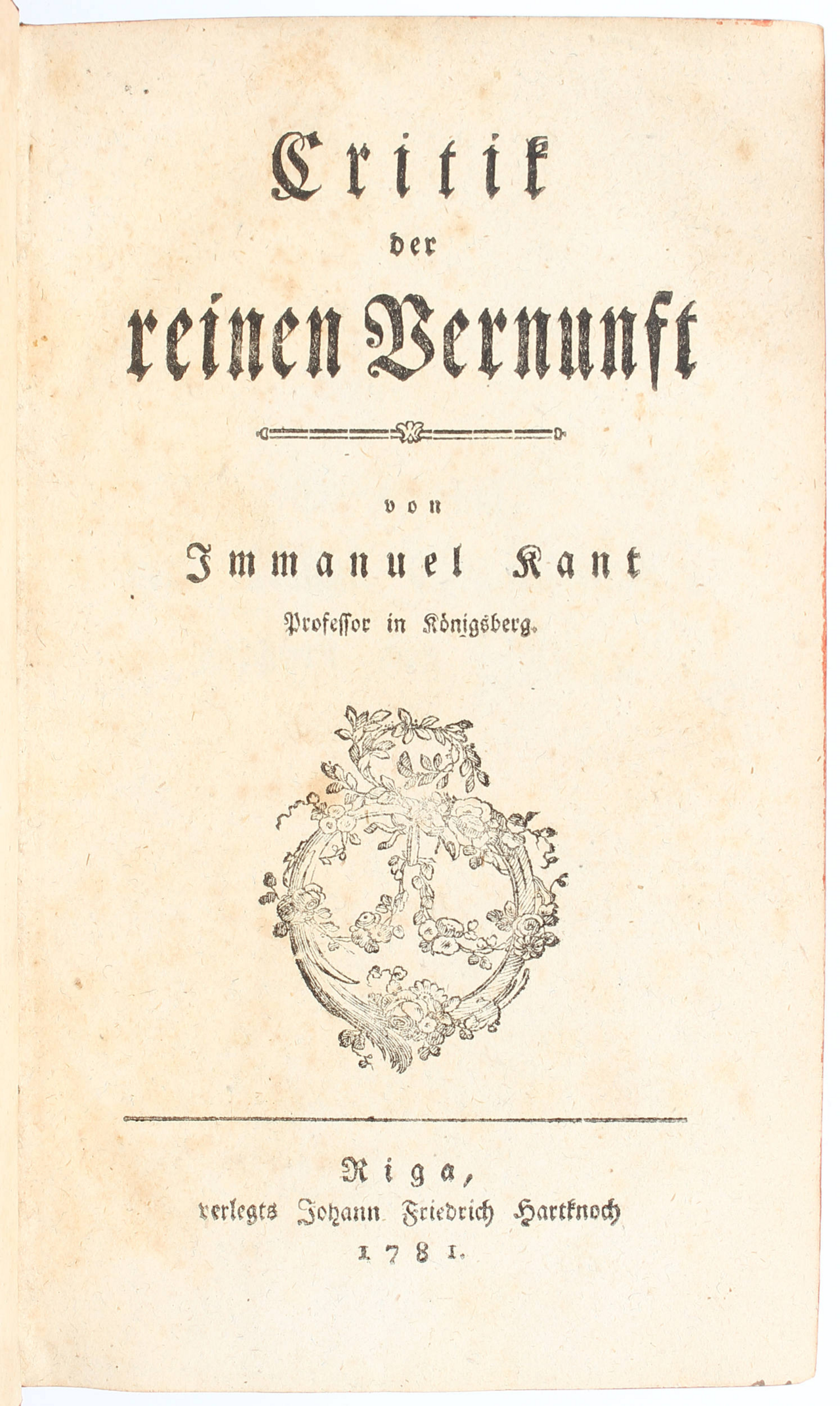 Book
Primary source
Critique of Pure Reason
Immanuel Kant · 1781 (revised 1787)
 Book
Primary source
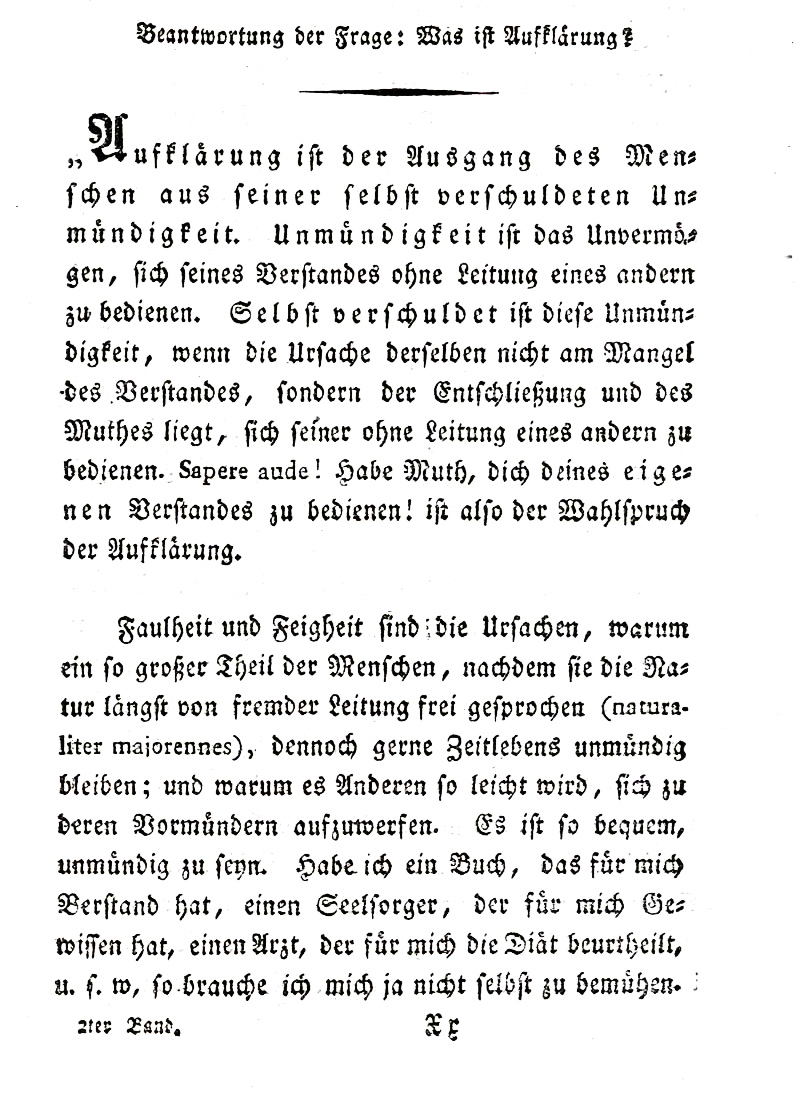
Answering the Question: What Is Enlightenment?
Immanuel Kant · 1784
 Book
Primary source
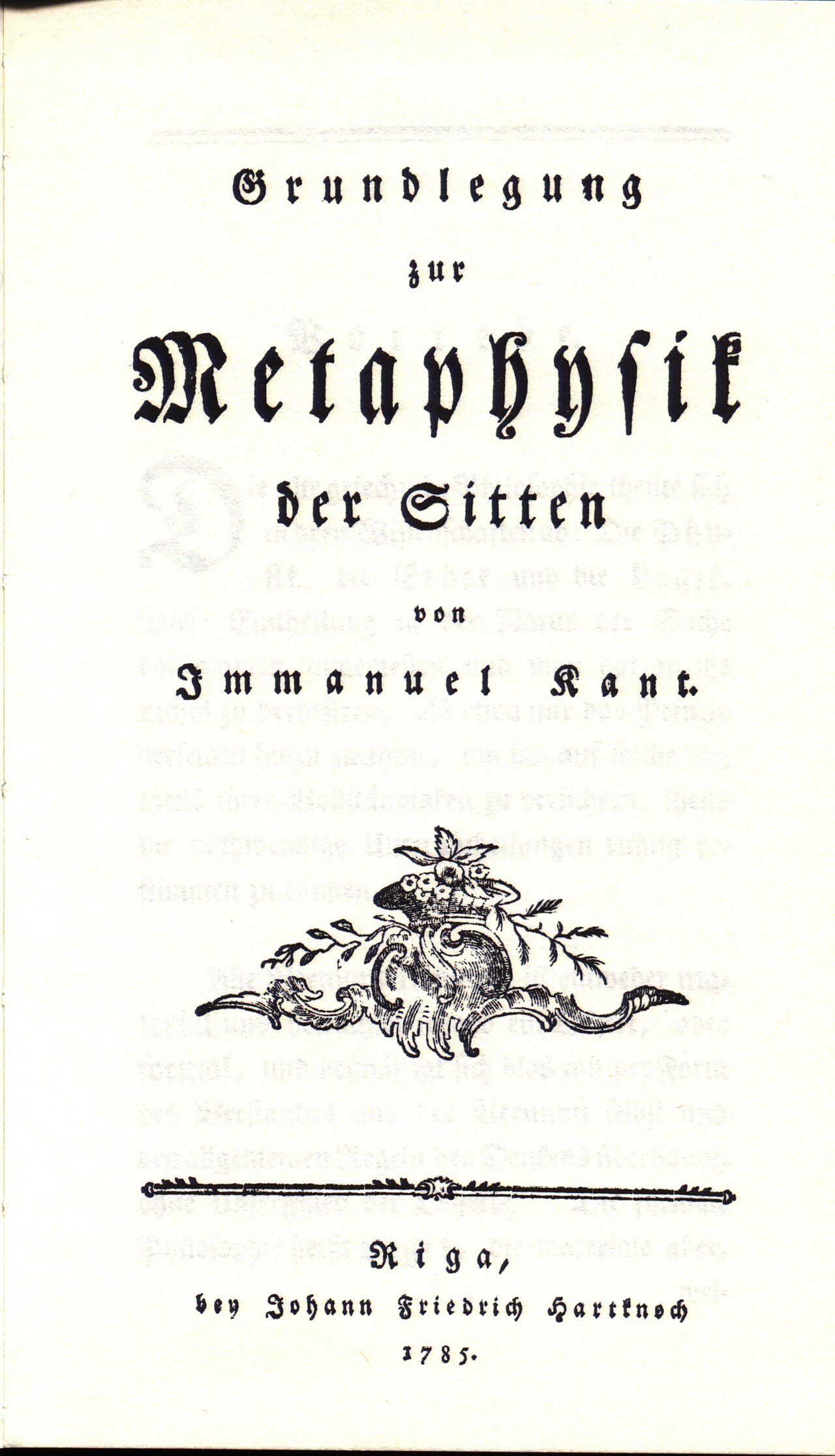
Groundwork of the Metaphysic of Morals
Immanuel Kant · 1785
 Book
Primary source
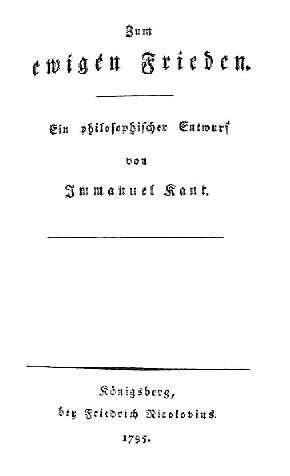
Perpetual Peace: A Philosophical Sketch
Immanuel Kant · 1795
 Book
Primary source
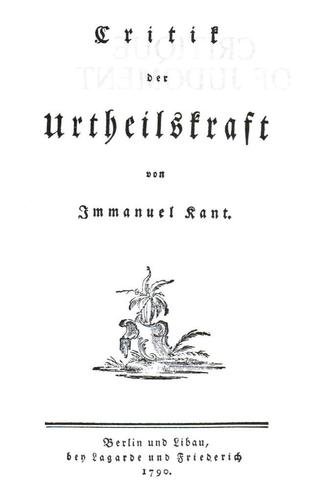
Critique of Judgment
Immanuel Kant · 1790
Ready when you are
Start chatting with Immanuel Kant now.
20 messages free · No credit card · Available in 50+ languages.