


Primary sourceBook1795
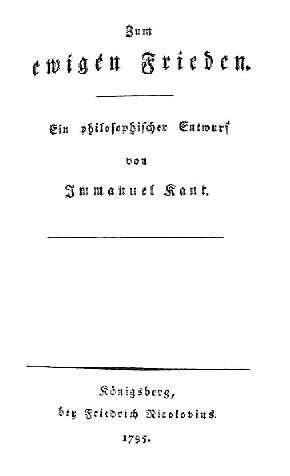
Perpetual Peace: A Philosophical Sketch
Immanuel Kant · 1795
Kant's 1795 essay proposing a program for lasting peace among nations, influencing later ideas like the League of Nations and United Nations.
Kant's own treatise proposing a lasting peace plan among nations, an early blueprint for international cooperation.
About this source
What it is
Written by Immanuel Kant and published in 1795, this book sets out a plan for peace between states, written almost like the articles of a treaty. It lists 'Preliminary Articles' of immediate steps and 'Definitive Articles' describing conditions for lasting peace, such as republican government and a federation of free states.
Why it matters
Kant argued that republics, a federation of states, and respect for the rights of foreigners could together prevent war. His ideas later influenced thinkers and politicians, including the push behind the League of Nations and the United Nations, and are still discussed in modern theories about democracy and peace.
Look closer
- Why might Kant have chosen to write his peace plan in the style of a legal treaty, with numbered articles?
- What does his argument against a single world government, in favour of a federation of independent states, reveal about his worries over power?
- What historical events after Kant's lifetime show his ideas being put into practice, or being ignored?
This book is part of the curated material that grounds the AI version of Immanuel Kant on Humy.ai — when students ask about related events, the AI can quote it and cite it.
More Immanuel Kant sources
Meet the AI Immanuel Kant →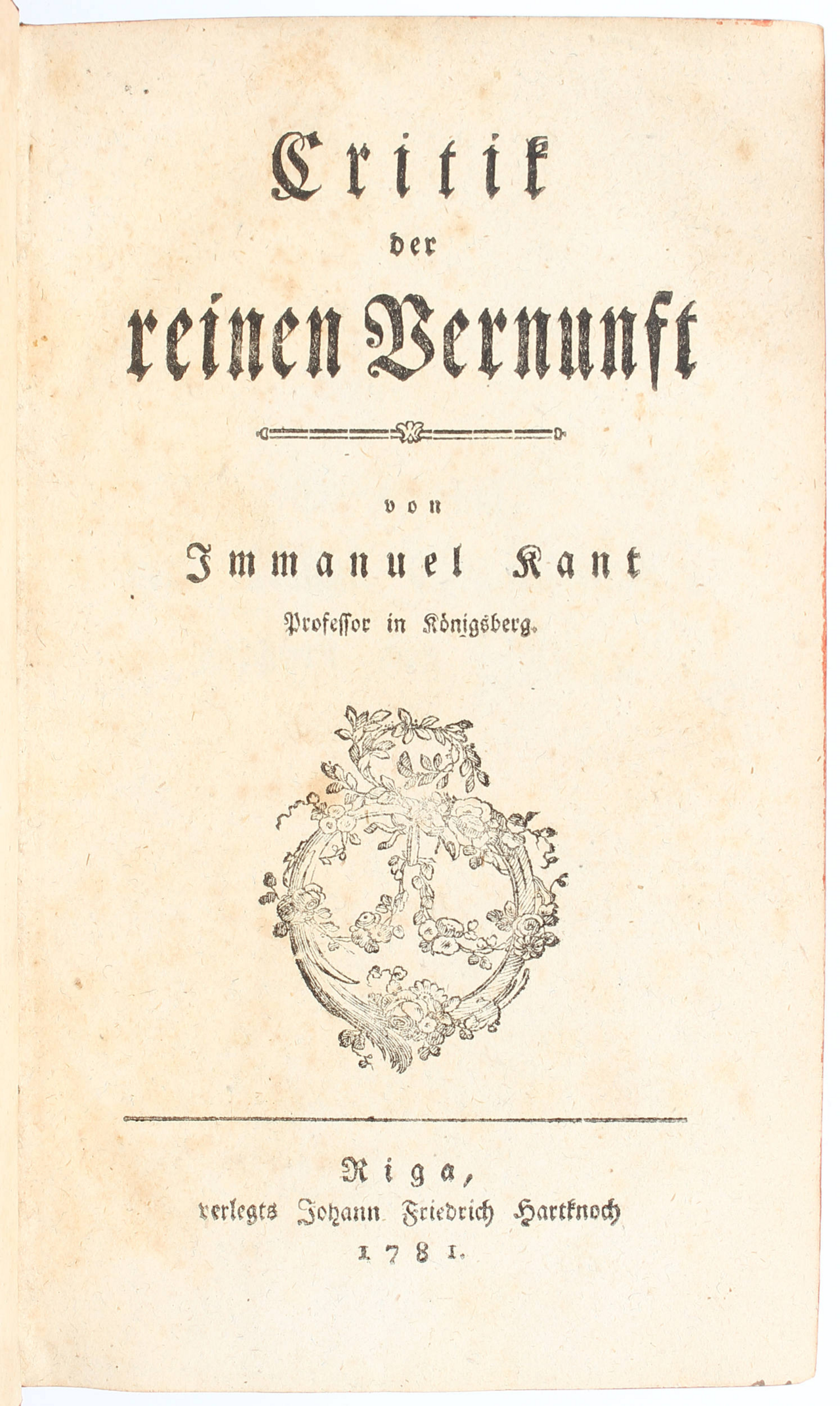 Book
Primary source
Critique of Pure Reason
Immanuel Kant · 1781 (revised 1787)
 Book
Primary source
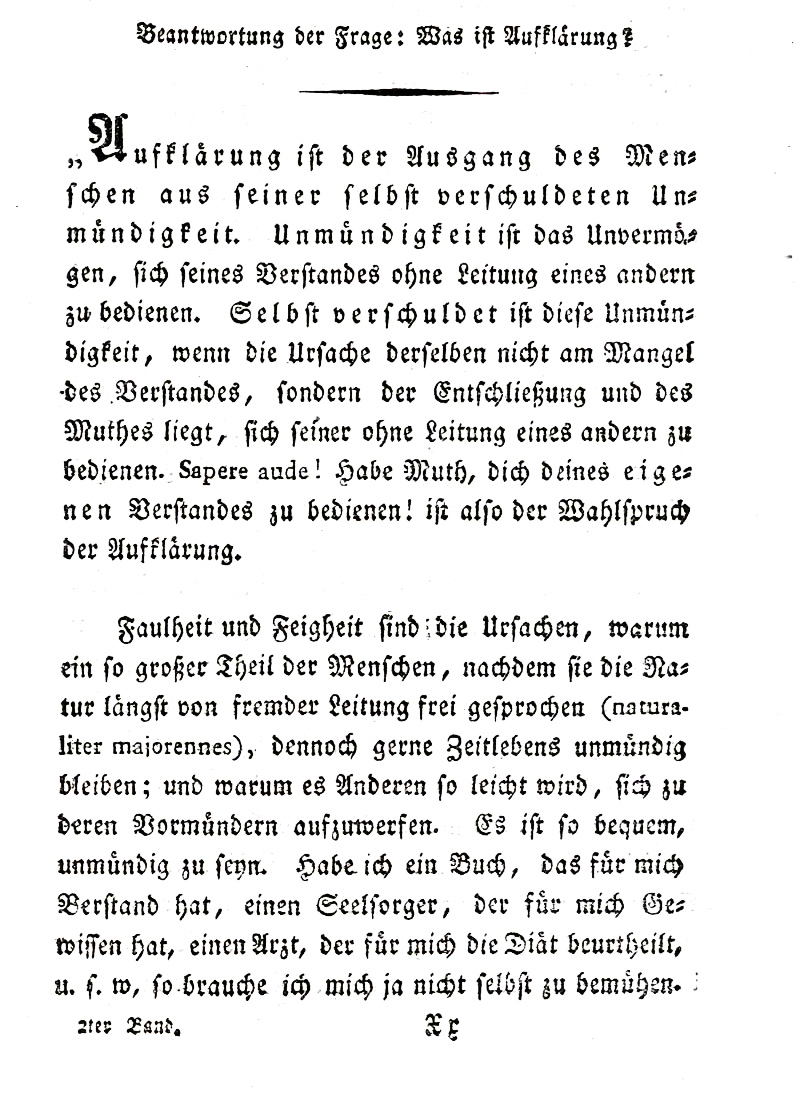
Answering the Question: What Is Enlightenment?
Immanuel Kant · 1784
 Book
Primary source
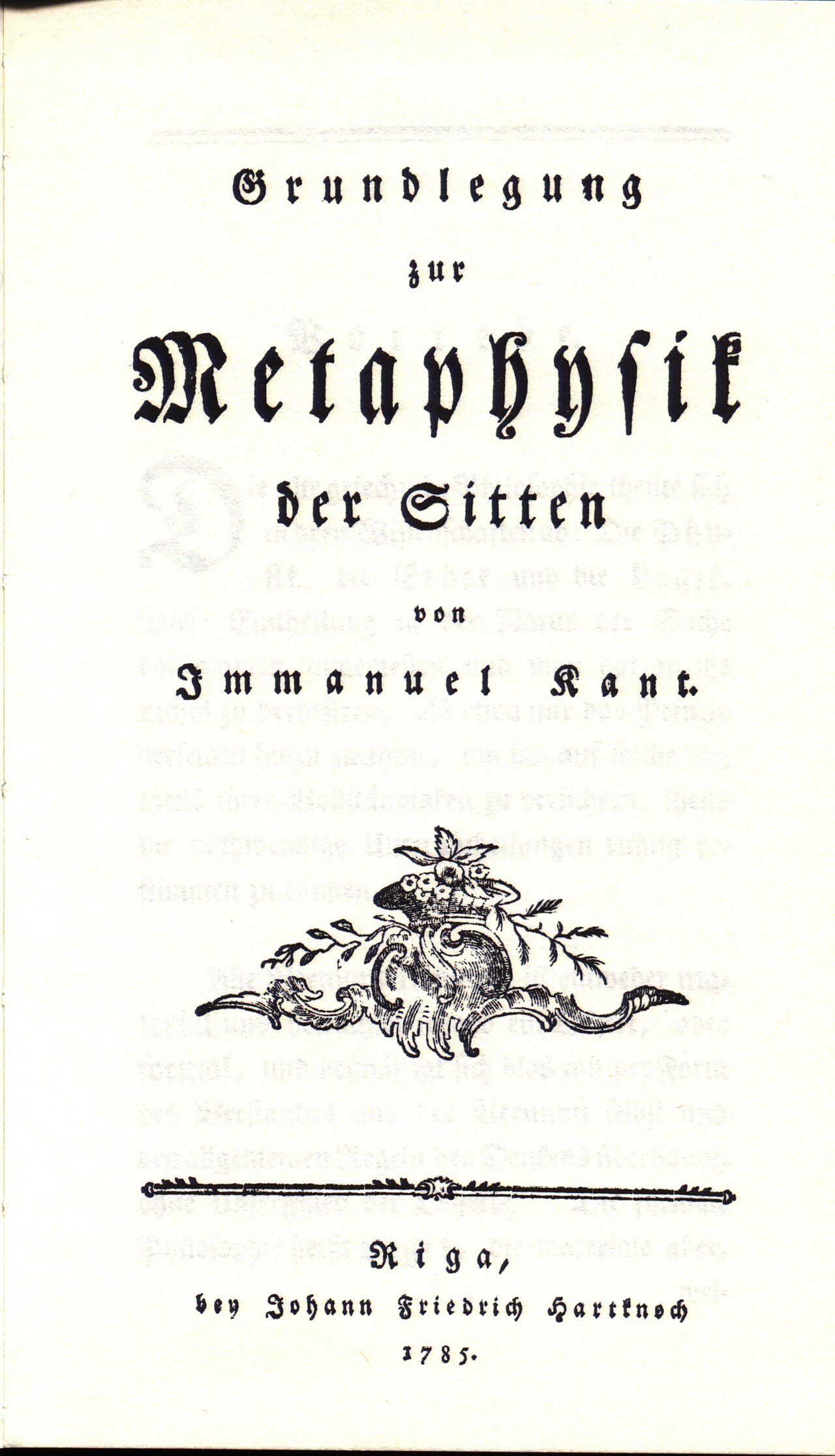
Groundwork of the Metaphysic of Morals
Immanuel Kant · 1785
 Book
Primary source
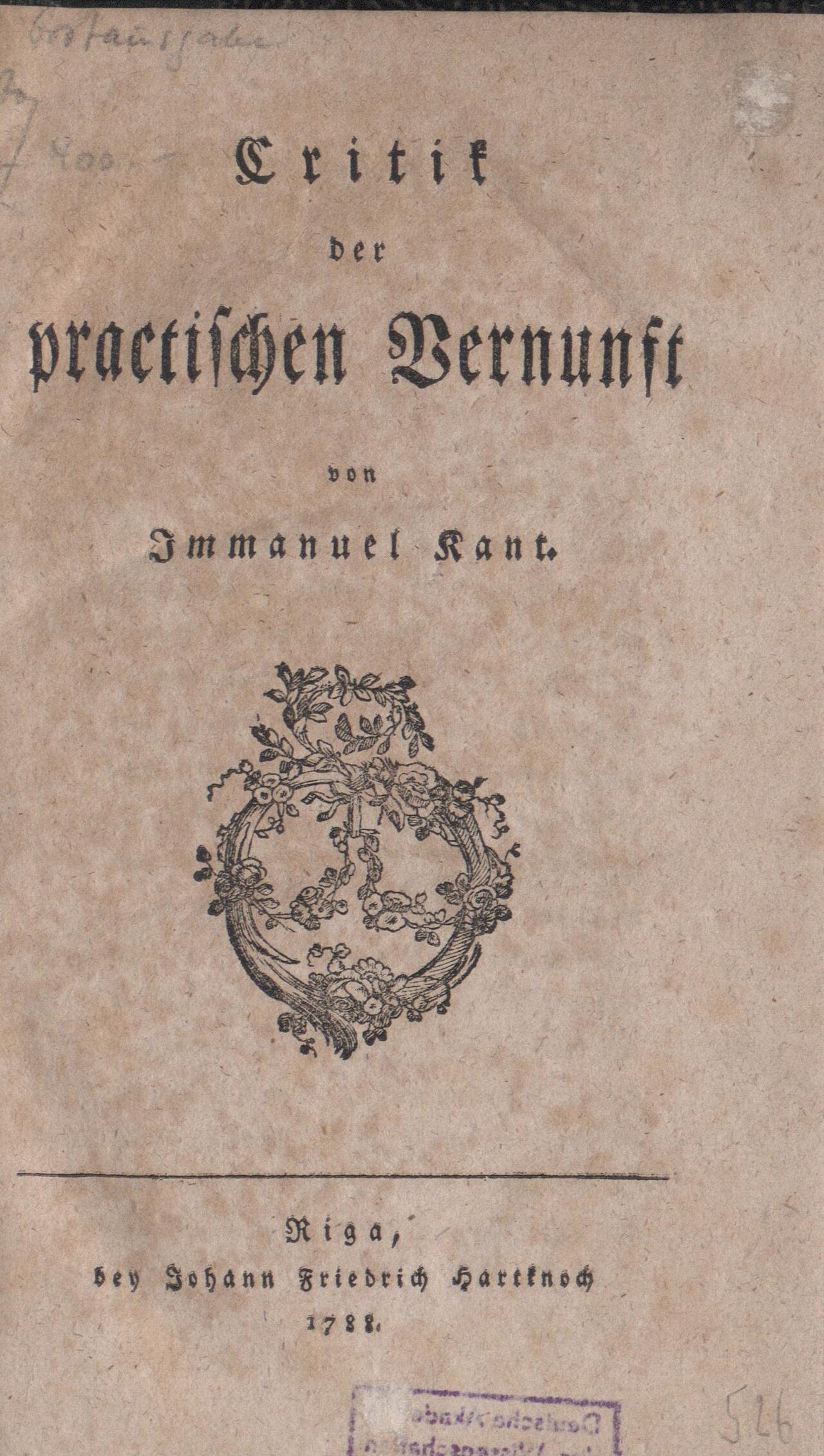
Critique of Practical Reason
Immanuel Kant · 1788 (completed 1787)
 Book
Primary source
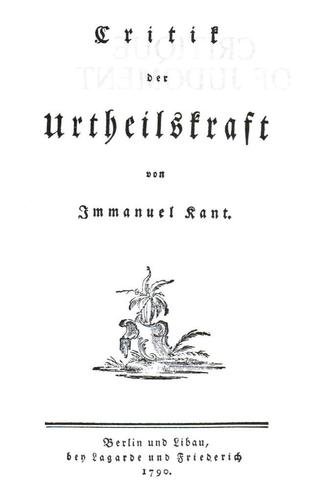
Critique of Judgment
Immanuel Kant · 1790
Ready when you are
Start chatting with Immanuel Kant now.
20 messages free · No credit card · Available in 50+ languages.